Die Navigation durch Tokios Gastronomieszene erfordert eine akribische Planung. Man stolpert nicht einfach in die besten Lokale der Stadt. Erfolg hängt vom Einfluss eines Hotel-Concierges oder einem gut getimten Aktualisieren eines Buchungsportals ab. Unter dem Neonlicht von Shinjuku und in den stillen Gassen von Akasaka ist der Wettbewerb um ein sechs Zoll großes Stück Hinoki-Holz hart.
Die Stoßzeiten hier sind strikt. Wenn Ihr Platz um 19:00 Uhr ist, erwartet der Koch Sie um 18:55 Uhr. Im Sushi Kuwano ist die Stille beabsichtigt. Sie zwingt Sie, sich auf die präzise Temperatur des Essigreis zu konzentrieren. In Nishiazabu kombiniert Taku eine umfangreiche Weinkarte mit der Edomae-Tradition und ignoriert die „Nur-Tee“-Regeln alter Theken. Sushi Masashi bietet eine Meisterklasse im Pacing, während Hakuun das Yakiniku-Erlebnis mit speziellen Wagyu-Cuts aufwertet. Die meisten dieser Lokale kommunizieren eher durch Flüstern als durch auffällige Beschilderung.
Das sind die Reservierungen, die internationale Telefonate und jetlag-geplagte Late-Night-Logins wert sind. Beginnen Sie mit diesen vier.
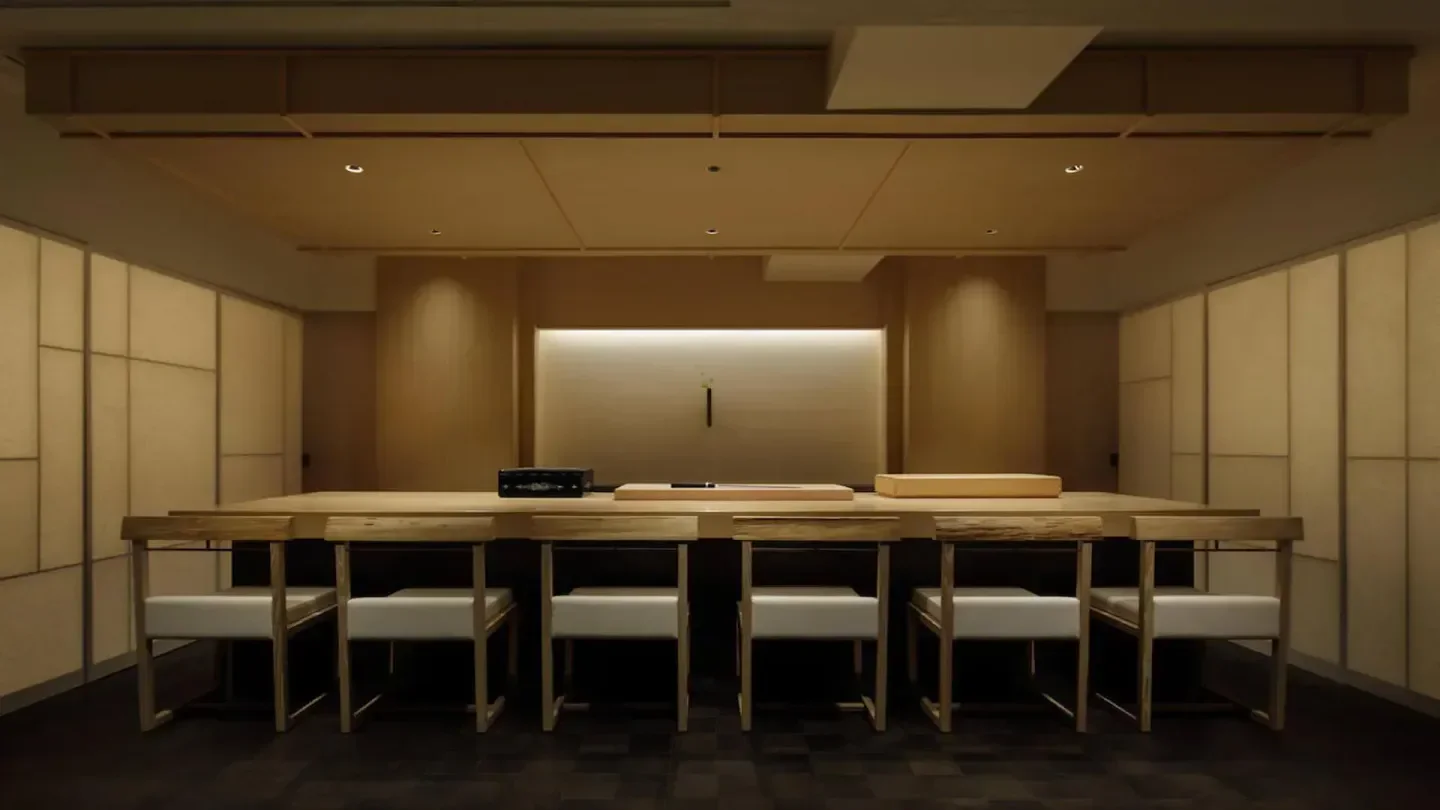
© Fotocredits: Hakkoku
01.Hakkoku
What is it? Hakkoku sits in Ginza, a three-minute walk from Ginza Six and a ten-minute walk from the Kabuki-za Theatre. This Michelin-starred restaurant specializes in sushi and Japanese seafood.
Why we love it? Hakkoku earns its 4.67 guest rating by doubling down on a fine dining experience that favors intimacy over scale. It is a high-priced destination that justifies the bill through a focused, narrow dedication to the technical craft of seafood preparation.
Good to Know: Given the strict smart and elegant dress code required for the fine dining room, plan your Ginza itinerary to accommodate a formal evening after a day of sightseeing near the Imperial Palace East Garden.
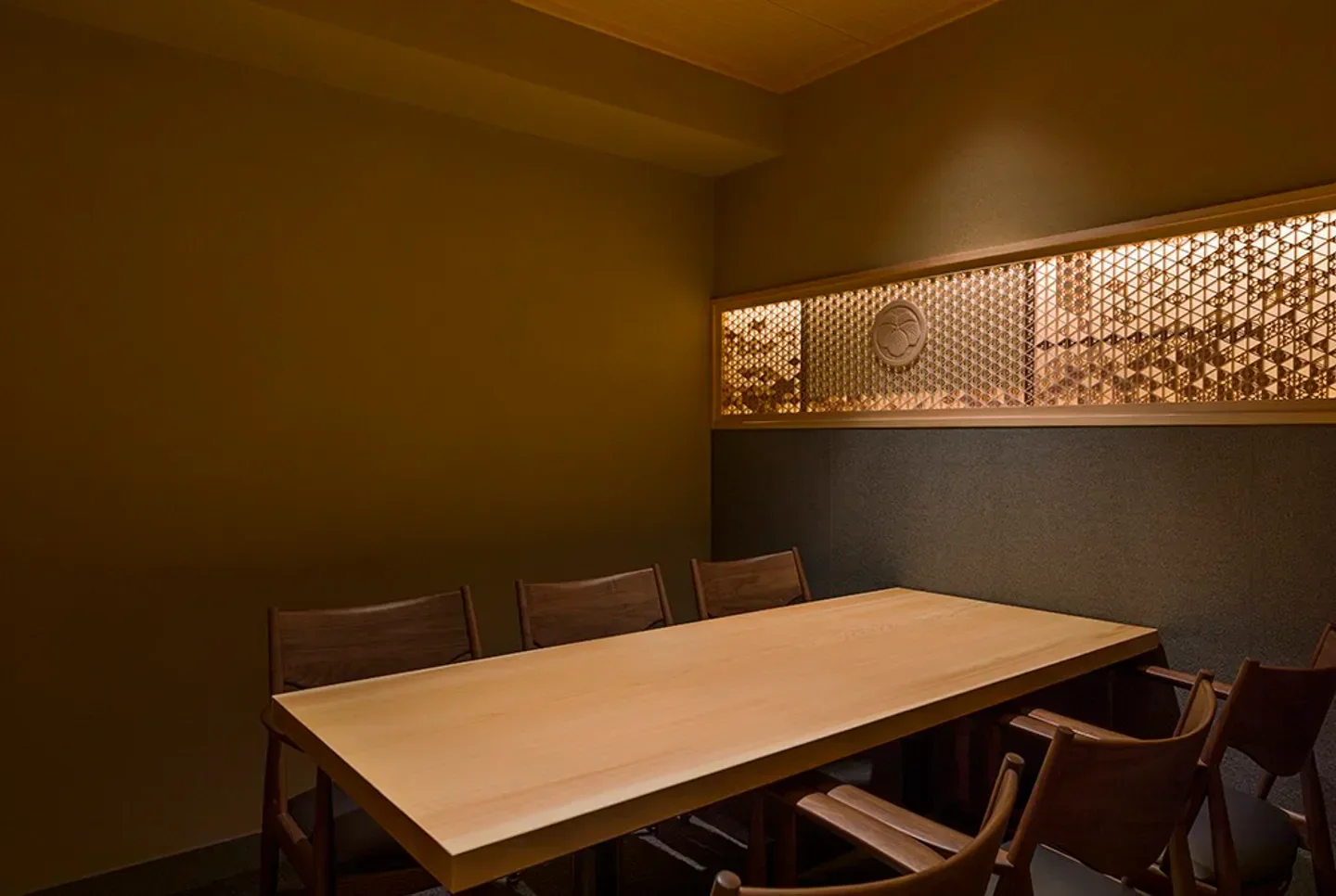
© Fotocredits: Sushi Hashimoto
02.Sushi Hashimoto
What is it? Sushi Hashimoto is a Michelin-starred restaurant located in Shintomi. It sits roughly a ten-minute walk from both the Kabuki-za Theatre and the Ginza shopping district.
Why we love it: This is a destination for those who prioritize the quiet precision of high-end Japanese seafood over the noise of Ginza's main thoroughfares. With a guest rating of 4.68, it maintains a level of consistency that few establishments at this price point achieve, offering a focused luxury experience away from the tourist crush.
Good to Know: Given the fine dining focus of Sushi Hashimoto, ensure your attire leans toward smart and elegant to match the refined atmosphere of the room.
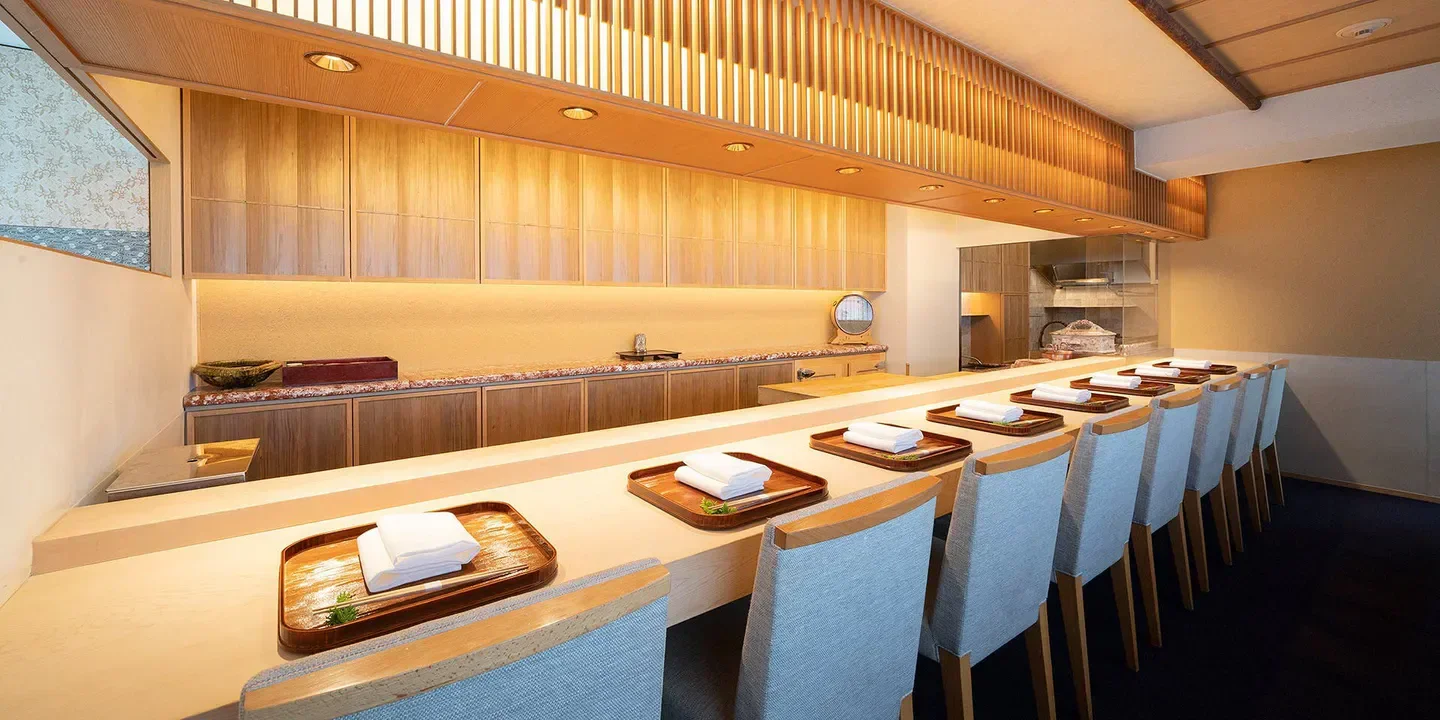
© Fotocredits: Guchokuni
03.Guchokuni
What is it? Guchokuni sits on the third floor of NEO Kagurazaka, a short walk from the street-level bustle of Kagurazaka. This Michelin-starred restaurant focuses on traditional Japanese sushi and fine dining within a quiet, designed space.
Why we love it: While many Tokyo venues trade on noise, Guchokuni justifies its high price point through an exacting, minimalist approach to sushi. The 4.71 rating from diners reflects a consistency that is rare in such a competitive district, particularly given its proximity to the peaceful Akagi Shrine. It feels like a genuine departure from the city's frantic pace without requiring a trek to the outskirts near Koishikawa Korakuen Garden.
Good to Know: The smart and elegant dress code at Guchokuni rewards a sharp, understated aesthetic that mirrors the precise, traditional composition of their sushi service.
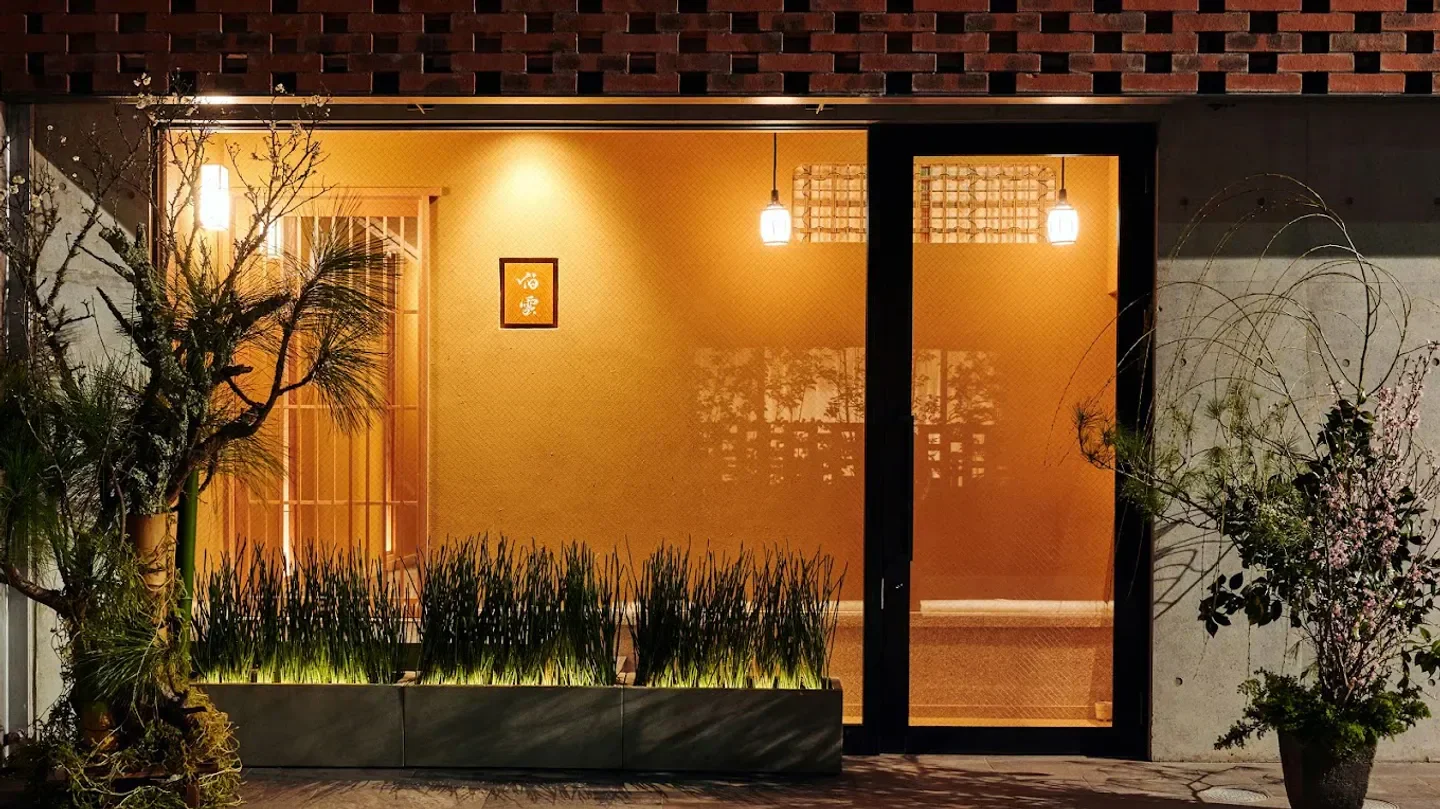
© Fotocredits: Hakuun
04.Hakuun
Was ist es? Hakuun ist ein Restaurant in Tokio, das auf ruhige Konzentration setzt. Der Raum wirkt durchdacht und schirmt die Gäste vom anhaltenden Lärm der Stadt ab. Es ist ein Zufluchtsort für Feinschmecker, die Substanz dem Spektakel vorziehen.
Warum wir es lieben: Die Atmosphäre zieht ein Publikum an, das einen gut getakteten Abend schätzt. Licht fällt auf das Glasgeschirr, während das Personal mit stiller Effizienz agiert. Es fängt diesen besonderen Tokio-Zauber ein, wo eine einfache Tür in eine völlig andere Welt führt.
Gut zu wissen: Die Haus-Pairings im Hakuun bieten das nuancierteste Fenster in die aktuelle saisonale Philosophie der Küche.
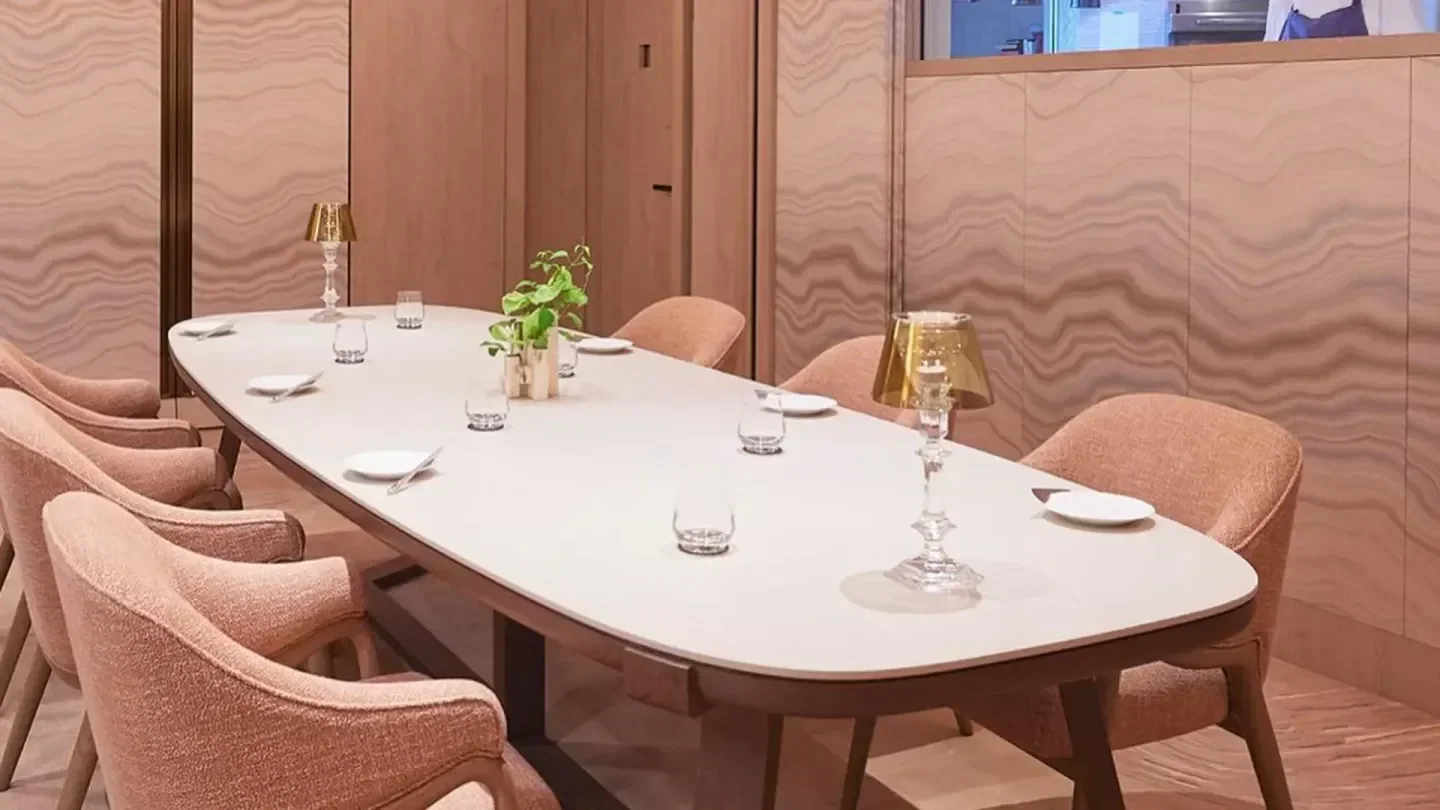
© Fotocredits: SÉZANNE
05.SÉZANNE
What is it? SÉZANNE sits within a short walk of the Mitsubishi Ichigokan Museum, roughly a fifteen-minute stroll from the Tokyo Imperial Palace. This French, modern, creative restaurant holds two Michelin stars and ranks as the best restaurant in Asia according to the 2024 Asia's 50 Best Restaurants list.
Why we love it: It earns its place as the number 14 restaurant on The World's 50 Best Restaurants list by executing a high-concept approach to modern French cuisine that rewards the formal investment of a luxury fine-dining meal. With a guest rating of 4.73 from 322 reviews, it consistently delivers on the precision expected of a two-star venue.
Good to Know: The kitchen at SÉZANNE interprets French technique through a creative lens, so guests should arrive in smart and elegant attire to match the caliber of the experience.
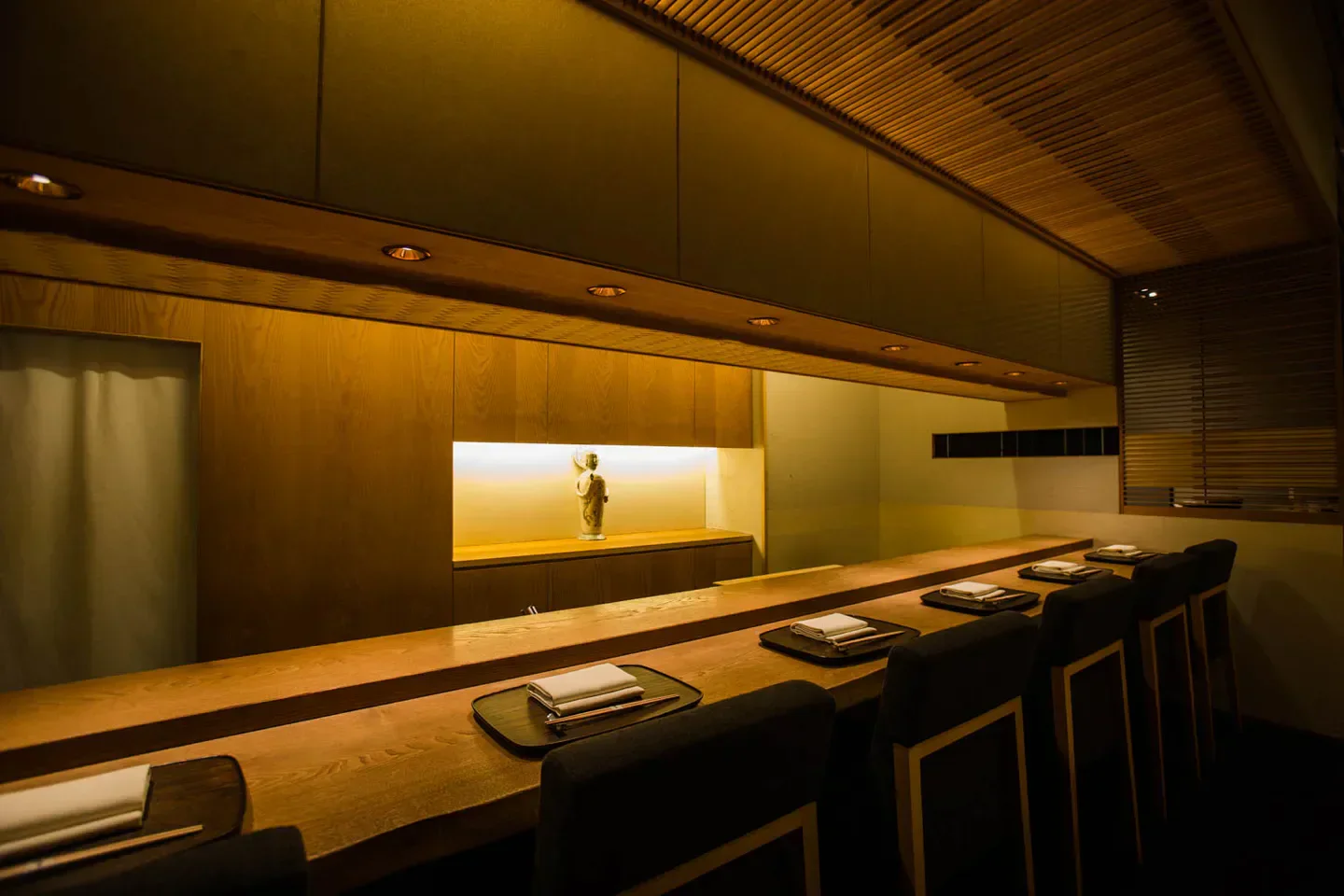
© Fotocredits: Kohaku
06.Kohaku
What is it? Kohaku sits on 3 Chome-5-5 Kagurazaka, a location that places diners a five-minute walk from Akagi Shrine. This fine dining destination holds three Michelin stars and ranks at number 52 on La Liste.
Why we love it: Kohaku bridges traditional Japanese techniques with a contemporary perspective, maintaining a standard that its 4.60 rating from 239 reviews consistently reflects. The price point is high, yet the restaurant balances that formality with a romantic atmosphere that feels rare for a venue of this standing.
Good to Know: The dress code at Kohaku is smart and elegant, so choose attire that suits the sophisticated, luxury-focused setting.
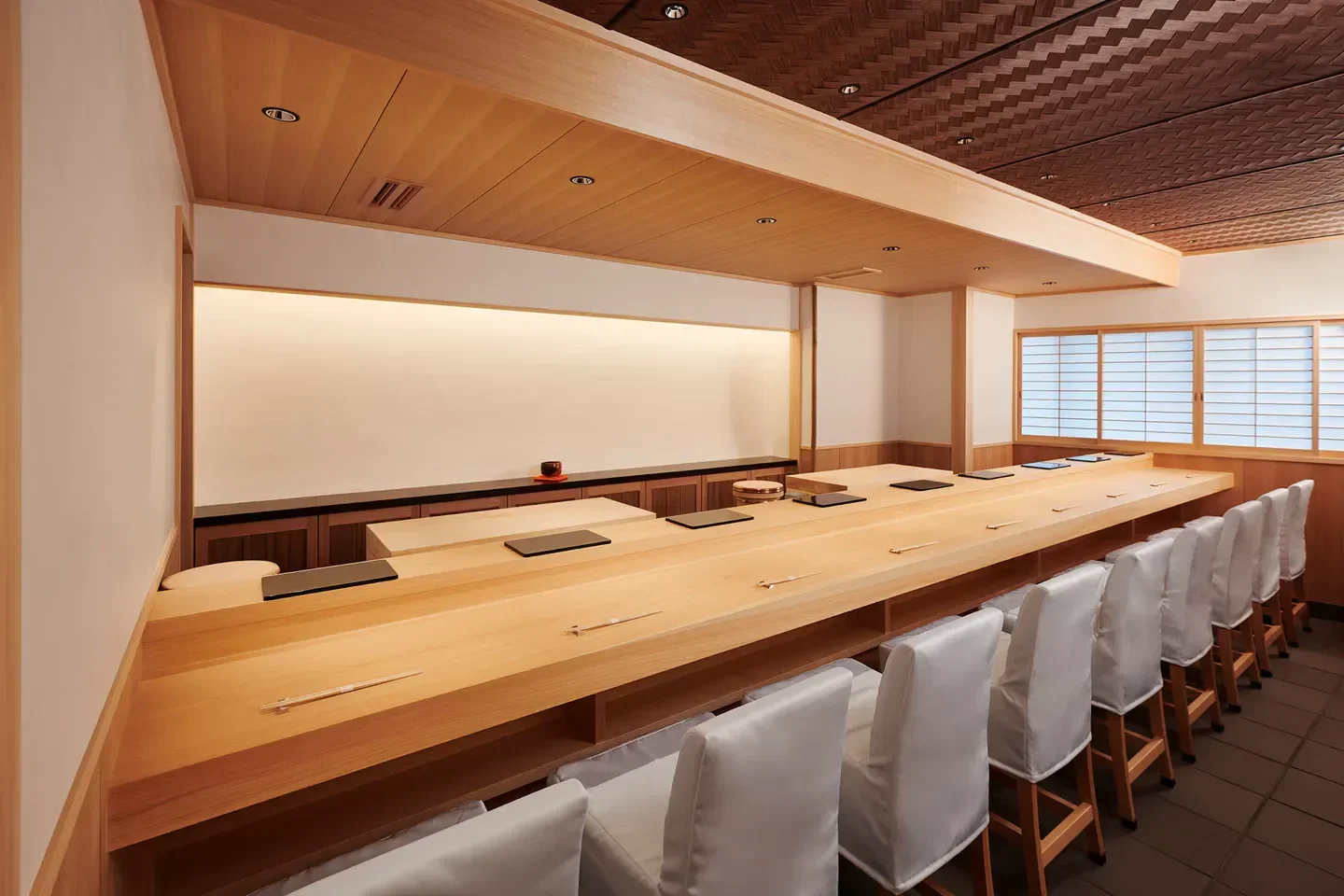
© Fotocredits: Sushi Masashi
07.Sushi Masashi
Was ist es? Sushi Masashi bringt einen scharfen, einzigartigen Fokus in die Tokioter Restaurantszene. Der Raum dämpft den Lärm der Stadt, sobald Sie eintreten. Dies ist ein Ort, der für das fokussierte Ritual der Mahlzeit geschaffen ist.
Warum wir es lieben: Wir lieben das stetige, rhythmische Tempo des Services. Der Koch beherrscht den Raum durch leise, physische Präzision. Jeder Gang kommt mit einem bewussten Timing an, das die Dynamik des Abends aufrechterhält.
Gut zu wissen: Das Omakase im Sushi Masashi folgt Japans Mikrosaisons, was bedeutet, dass die Auswahl je nach Fang des Vormarktes wechselt.
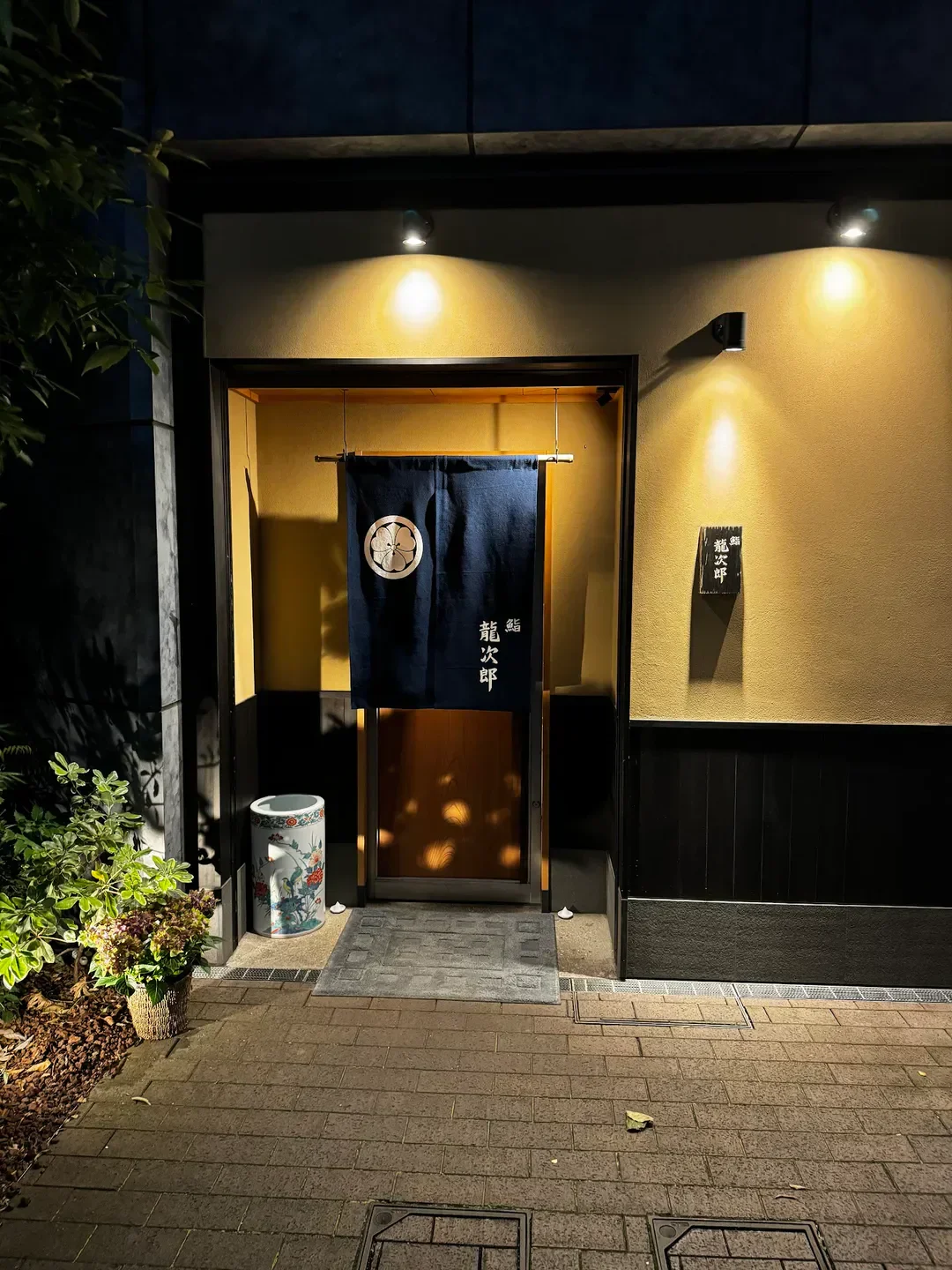
© Fotocredits: Sushi Ryujiro
08.Sushi Ryujiro
What is it? Sushi Ryujiro sits in Minamiaoyama, a ten-minute walk from Omotesando and twelve minutes from Aoyama Cemetery. This Michelin-starred venue specializes in sushi and seafood within a formal, luxury setting.
Why we love it: The restaurant maintains an impressive 4.71 rating from 262 reviews, balancing the high price point of fine dining with a precision that keeps local regulars returning. It is a quiet, beautiful space that prioritizes the craft of sushi over the noise of the city, making it a distinct choice for a romantic evening.
Good to Know: Sushi Ryujiro requires a smart and elegant dress code to match the tone of the dining room.
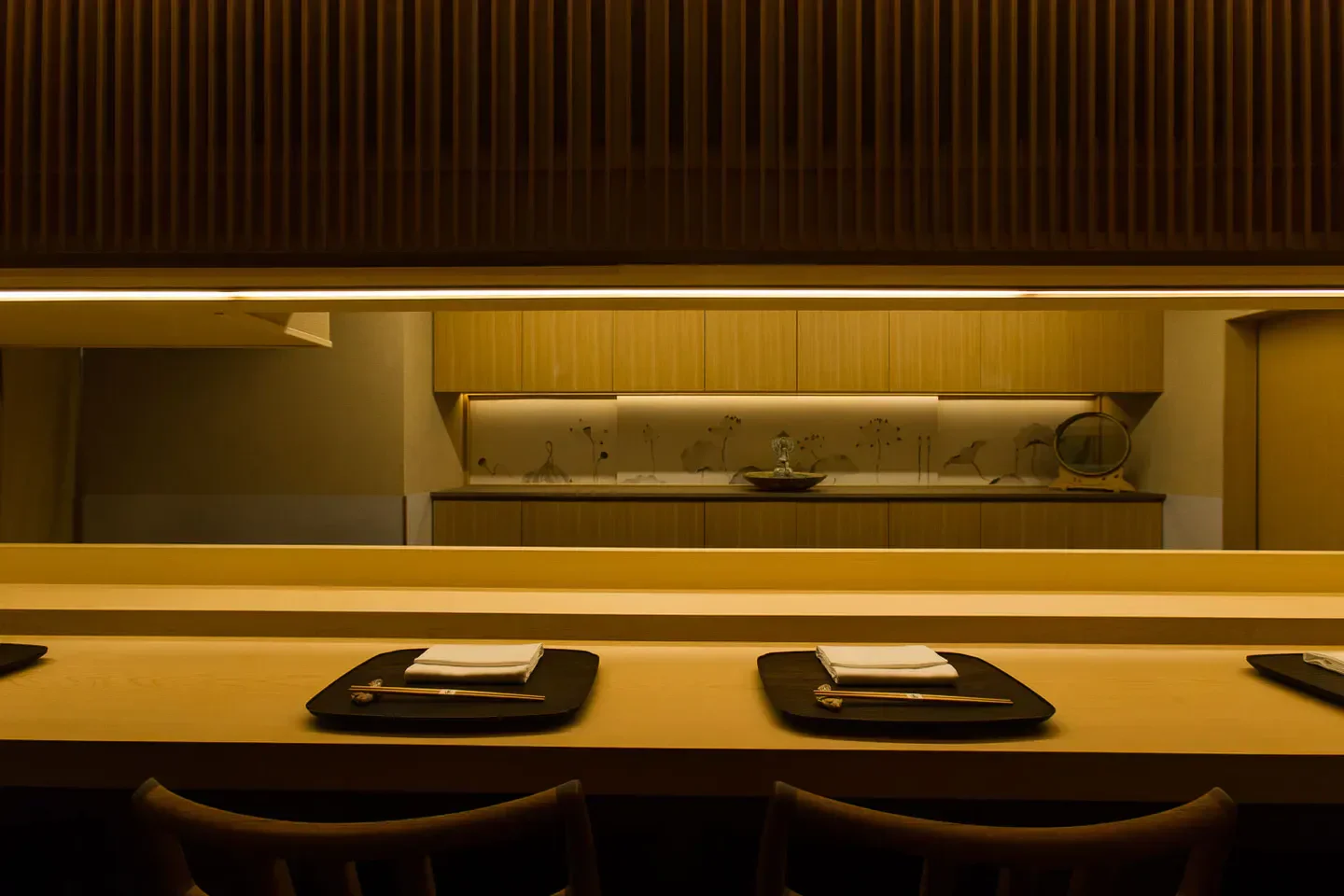
© Fotocredits: Ren Mishina
09.Ren Mishina
What is it? Ren Mishina is a fine-dining restaurant located in Ginza. It holds a Michelin star and sits a five-minute walk from the Kabuki-za Theatre.
Why we love it: This destination commands its premium price point through a dedicated focus on Japanese seafood and sushi. With 75 reviews averaging a 4.60 rating, it distinguishes itself from the heavy foot traffic near the nearby Ginza Six by offering a secluded, romantic setting.
Good to Know: Ren Mishina requires a smart and elegant dress code, befitting the formal precision required to serve its high-end Japanese menu.
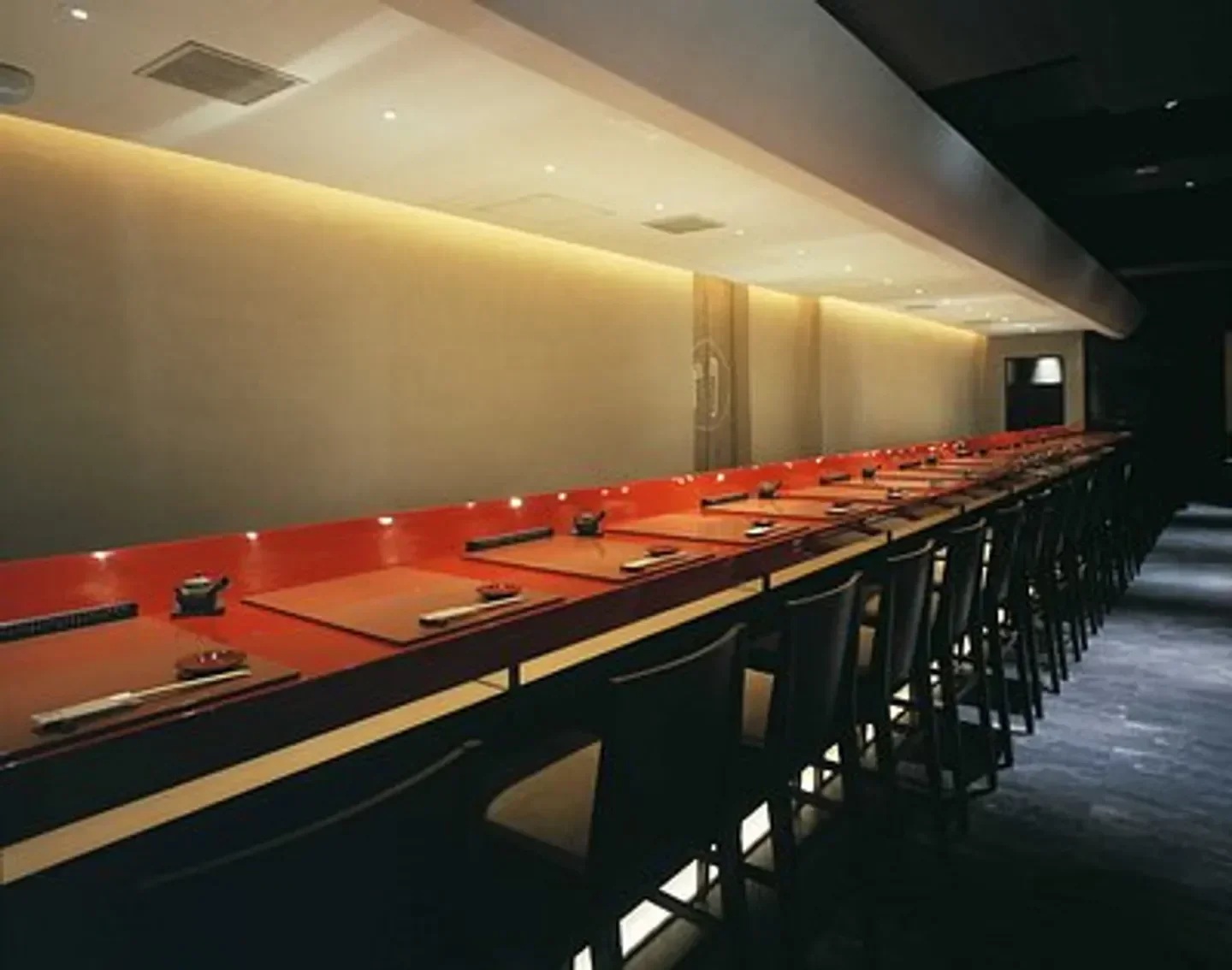
© Fotocredits: Sushi Kuwano
10.Sushi Kuwano
Was ist es? Sushi Kuwano bringt eine ruhige, bewusste Energie in Tokios Restaurantszene. Dieses Restaurant eliminiert den Lärm und konzentriert sich ausschließlich auf die Interaktion zwischen Koch und Gast. Sie betreten einen Raum, in dem jeder Sitzplatz eine Front-Row-Sicht auf die Zubereitung bietet.
Warum wir es lieben: Wir lieben die rhythmische Effizienz des Services. Der Koch bereitet jedes Stück mit konzentrierter Präzision zu und reicht es über die Theke, sobald es fertig ist. Dies schafft einen stetigen Schwung, der das Essen in eine choreografierte Darbietung verwandelt.
Gut zu wissen: Das Omakase im Sushi Kuwano bietet handgepresstes Nigiri, das sofort nach dem Erreichen der Theke gegessen werden sollte, um den Fisch auf seinem Höhepunkt zu genießen.