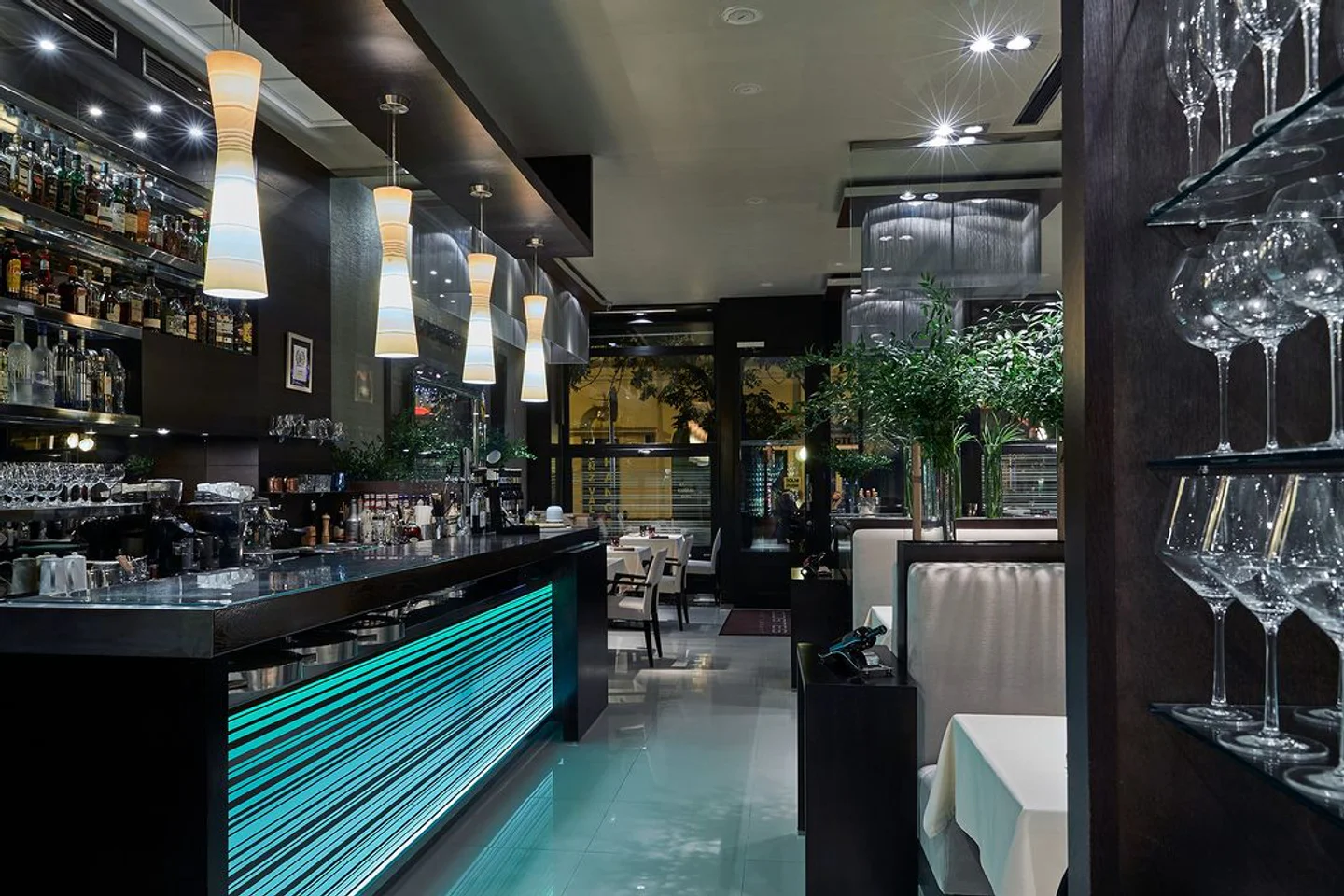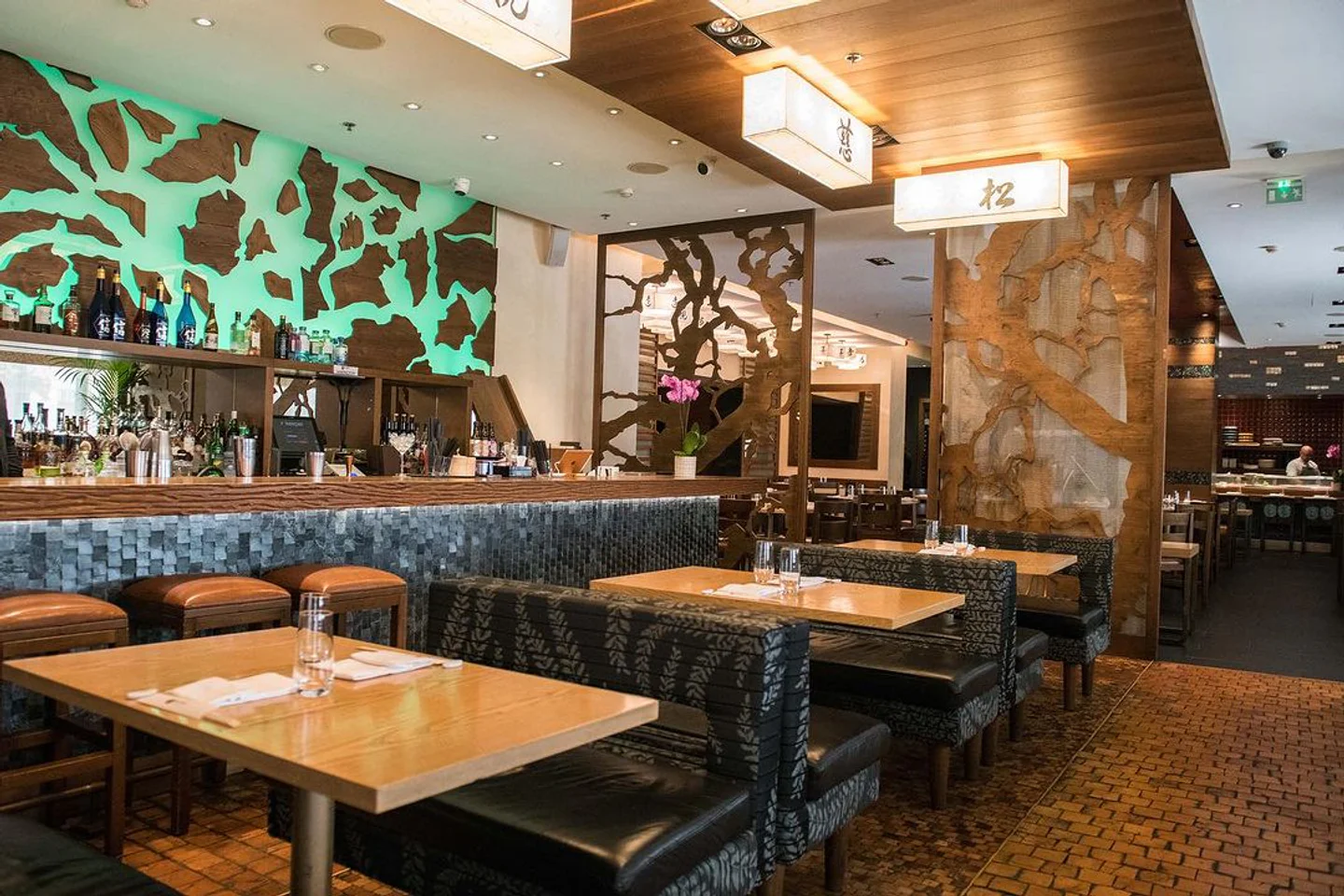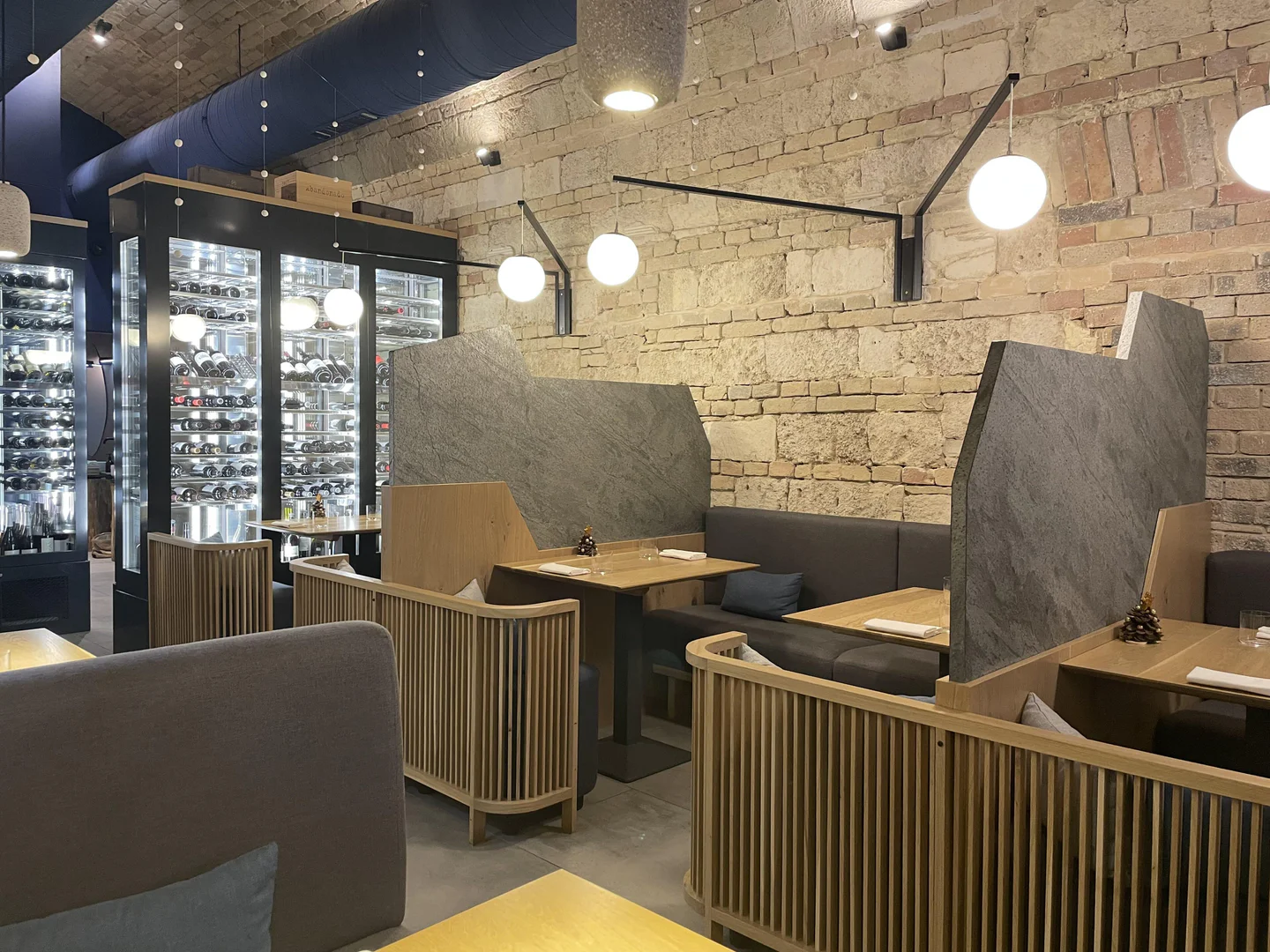
For years, the story of Budapest was about cheap beer and heavy paprika. Today, the conversation has moved from ruin bars to tasting menus. The city is a puzzle of grand boulevards and hidden courtyards. Finding a meal isn't hard. Finding a table at the right hour is the real art. Locals eat late, and the best kitchens stop taking orders long before you’d expect.
You’ll find high-wire theater at Jenő Rácz’s Rumour, where the chef’s counter feels like a front-row seat to a performance. Nearby, Arany Kaviár Étterem has ditched its stuffy past for a modern, salt-dusted edge. The scene oscillates between the hyper-local roots of Stand and the surprising Portuguese-Hungarian marriage at essência. This isn't just a revival. It is a total reinvention of Hungarian flavor.
To navigate this landscape, you need a plan and a working phone. These are the tables worth the wait.
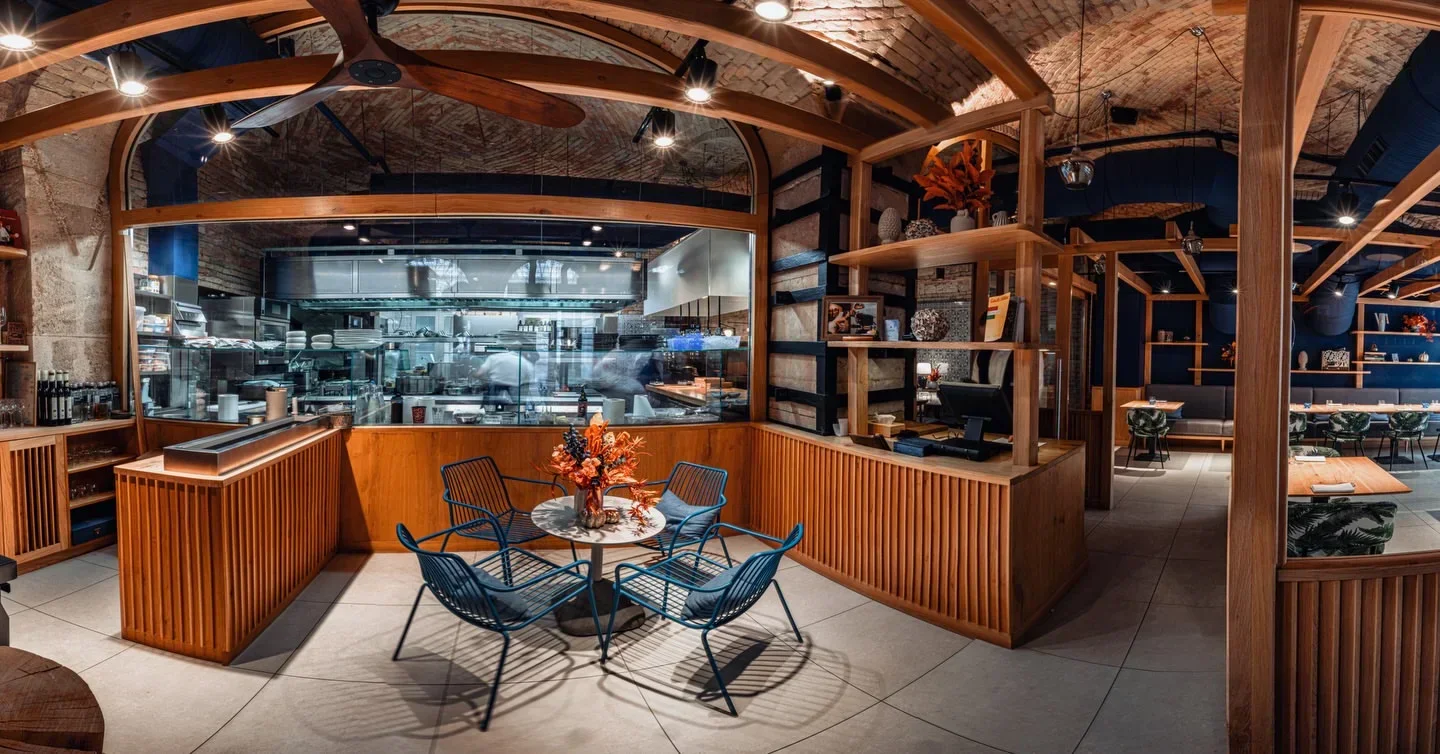
Photos: essência
01.essência
What is it? essência brings a sharp, Michelin-starred focus to the Budapest dining scene. The restaurant centers around an open kitchen where the heat and motion of the line are part of the decor. It feels intimate, a space designed for guests who prioritize the plate over the spectacle.
Why we love it: The kitchen team executes a rigorous tasting menu with steady, quiet confidence. Wine pairings arrive with detailed explanations, adding context to the complex layers of each course. We love the proximity to the action; you can see every flick of a tweezer and every final pour from your table.
Good to Know: The wine pairings at essência are specifically designed to evolve alongside the tasting menu, so let the sommelier guide your glass to get the full experience.
Photos: Rumour
02.Rumour
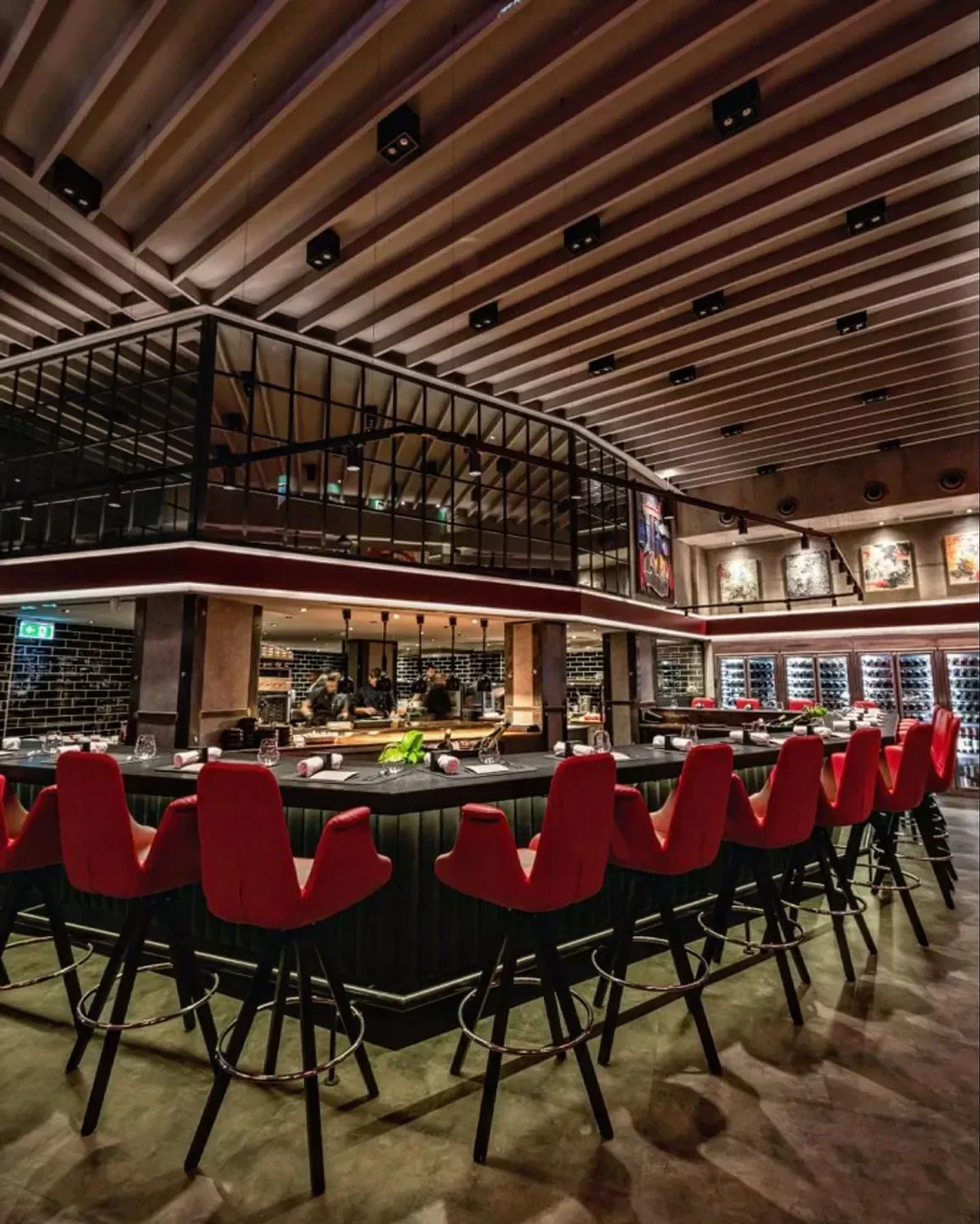
What is it? Rumour functions as a high-concept culinary stage in the heart of Budapest. You won’t find traditional tables or secluded booths here. The room centers on a counter seating arrangement that puts every guest at an interactive chef’s table.
Why we love it: The open kitchen turns the meal into a live performance. Chefs move with quiet intensity. They plate the tasting menu right in front of you. We love the lack of barriers; you see every flick of the wrist and hear the constant hum of the service line.
Good to Know: The counter seating at Rumour puts you inches from the chefs, so you can watch the high-pressure plating up close.
Photos: Felix Kitchen & Bar
03.Felix Kitchen & Bar
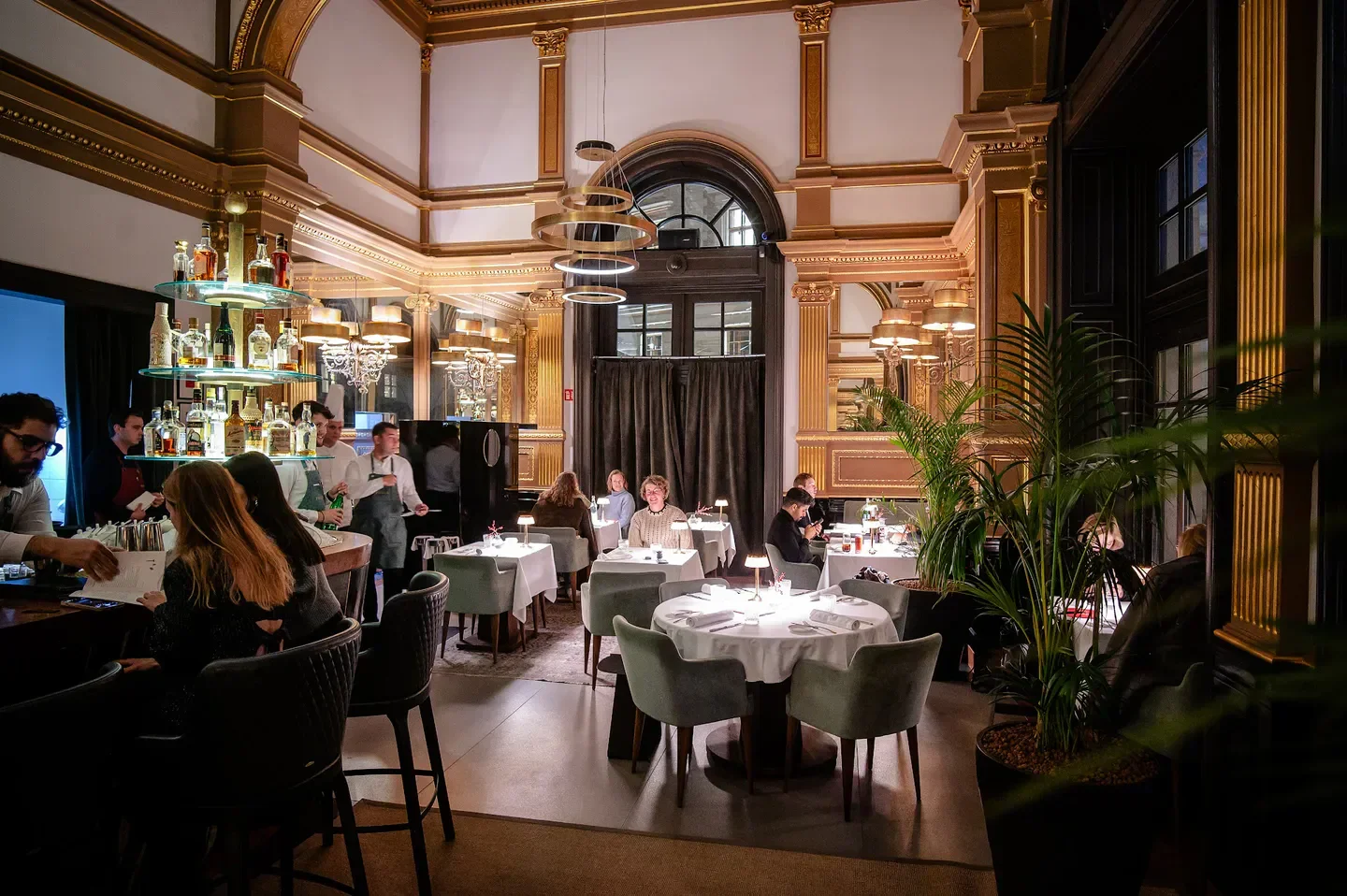
What is it? Felix Kitchen & Bar commands attention from the moment you step through the door. This fine dining destination blends international flair with creative ambition. The high-ceilinged room balances a sense of space with the quiet, measured hum of an upscale crowd.
Why we love it: The kitchen pushes the boundaries of fusion, turning international ingredients into bold, deliberate plates. Sunlight spills across the dining room during the day, while the terrace offers a distinct perspective of the city. Whether you secure a spot outside or settle into the interior, the atmosphere remains consistently romantic.
Good to Know: The creative fusion menu at Felix Kitchen & Bar pairs best with the lighter selections from the wine list when dining on the terrace.
Photos: Salt
04.Salt
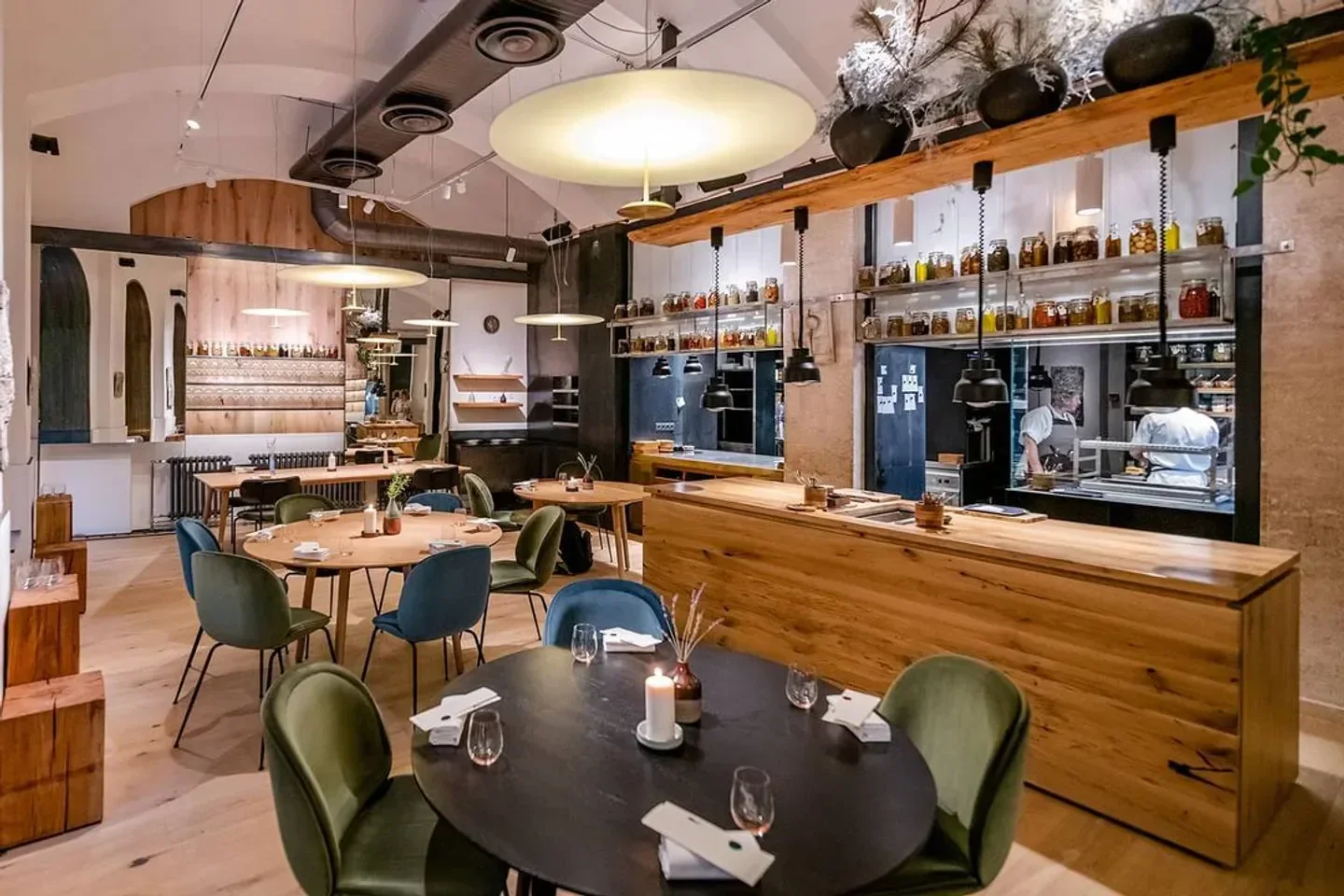
What is it? Salt operates as a focused restaurant in the heart of Budapest, stripping away the formalities of traditional service. The space feels intimate and intentional, drawing your eyes immediately to the activity in the center of the room. It is a place built for those who want to see exactly how their meal comes together.
Why we love it: The energy here is calm but rhythmic. Chefs plate dishes with a steady hand, while the staff guides you through the evening without any stiff pretense. It creates a sense of place that feels uniquely connected to the city’s current culinary evolution.
Good to Know: Salt serves a signature bread and butter course that utilizes traditional Hungarian fats and ferments, making it a mandatory highlight of the experience.
Photos: Stand
05.Stand
What is it? Stand brings a sharp, intentional energy to Budapest. The restaurant feels sleek and deliberate. You walk into a space where the kitchen takes center stage.
Why we love it: The chefs move with quiet, military precision in the open kitchen. Service is rhythmic and polished. Every plate arrives as a focused study of technical skill and regional ingredients.
Good to Know: The open kitchen at Stand allows you to watch the team assemble their award-winning tasting menu with surgical focus.
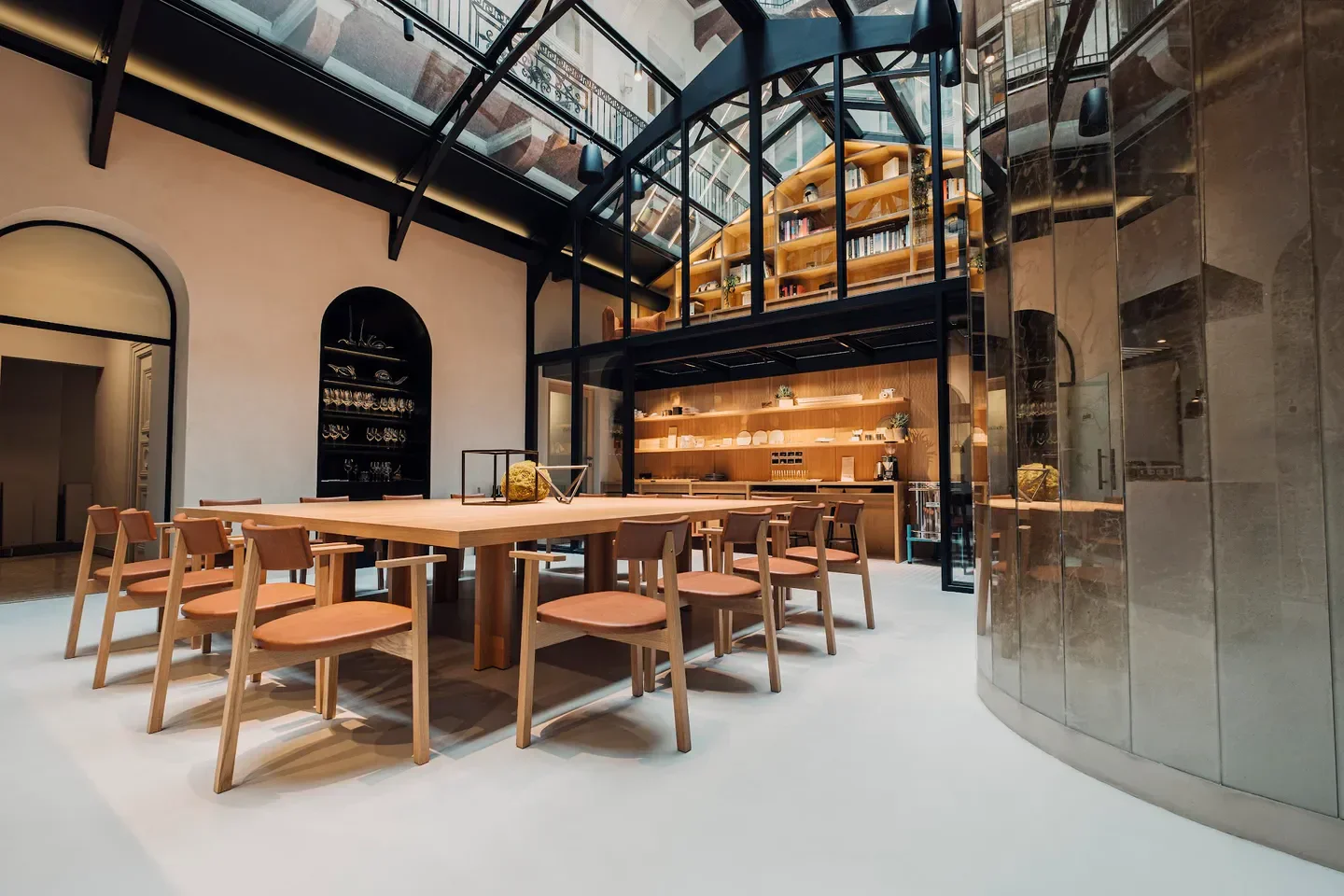
Photos: Onyx
06.Onyx
What is it? Onyx anchors Budapest with a clinical, high-concept approach to fine dining. The restaurant strips away traditional clutter to focus on the movement within the open kitchen. It feels like a culinary laboratory, defined by the rigor and precision of its Michelin star.
Why we love it: The tasting menu moves with a specific, rhythmic pace. Chefs work in silence behind the counter, while the staff delivers wine pairings that ground the experimental plates. It is a sensory experience where you see every pinch of salt and every precise pour happen in real time.
Good to Know: The wine pairing at Onyx is designed to evolve rapidly alongside the tasting menu, so let the sommelier guide the pace of your glass.
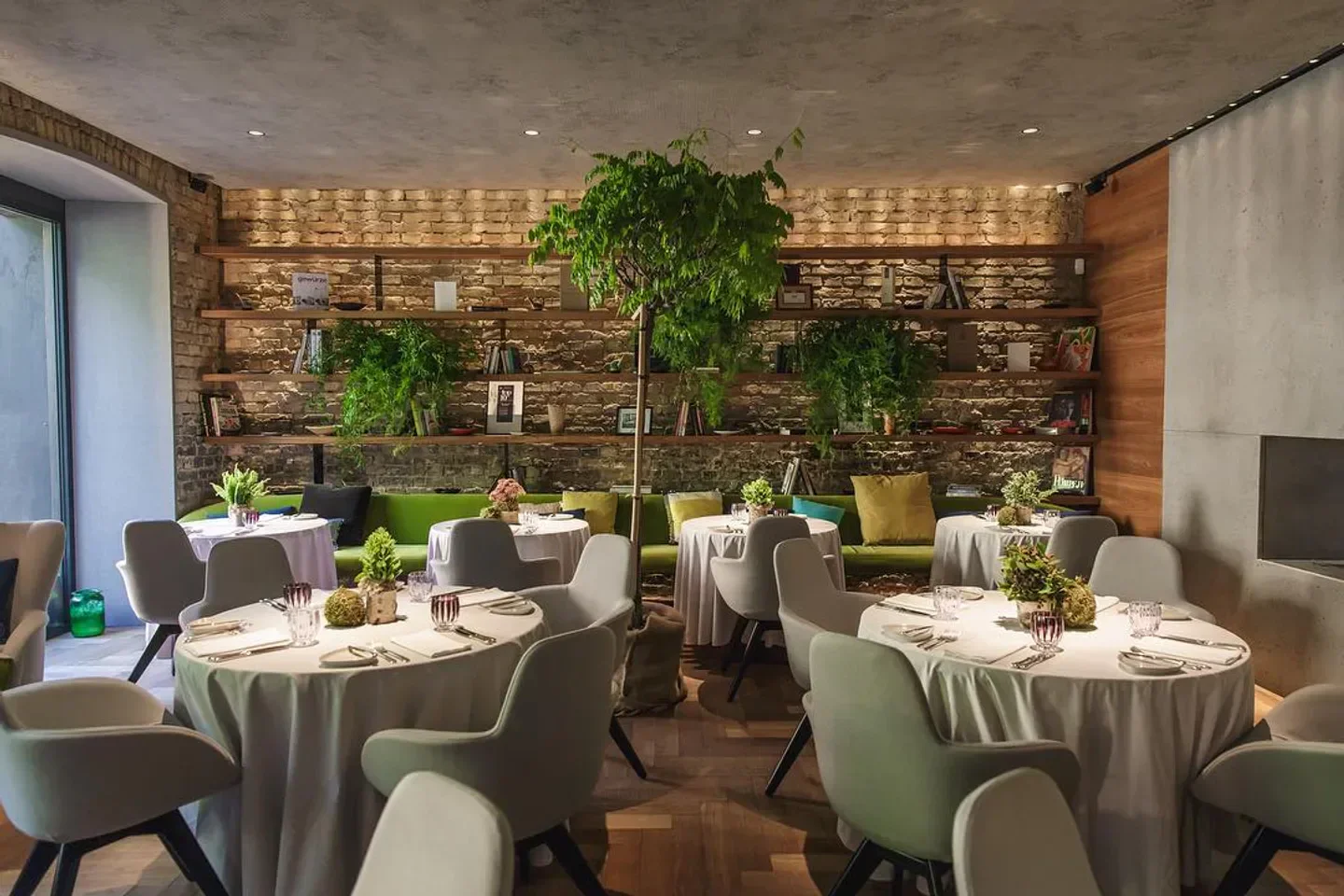
Photos: Babel
07.Babel
What is it? Babel is a focused restaurant in the heart of Budapest. The interior ditches the city's usual gilded trappings for a space that feels immediate and raw. You sense a quiet, deliberate energy the moment you walk through the door.
Why we love it: The kitchen works with visible, high-stakes precision. Courses arrive with a clear sense of place, stripping away pretense to focus on regional flavors and sharp technique. It is a dining experience that moves at its own pace and demands your full attention.
Good to Know: Babel highlights the best of the Hungarian countryside, so ask the staff about the specific origins of the seasonal ingredients used in the pairings.
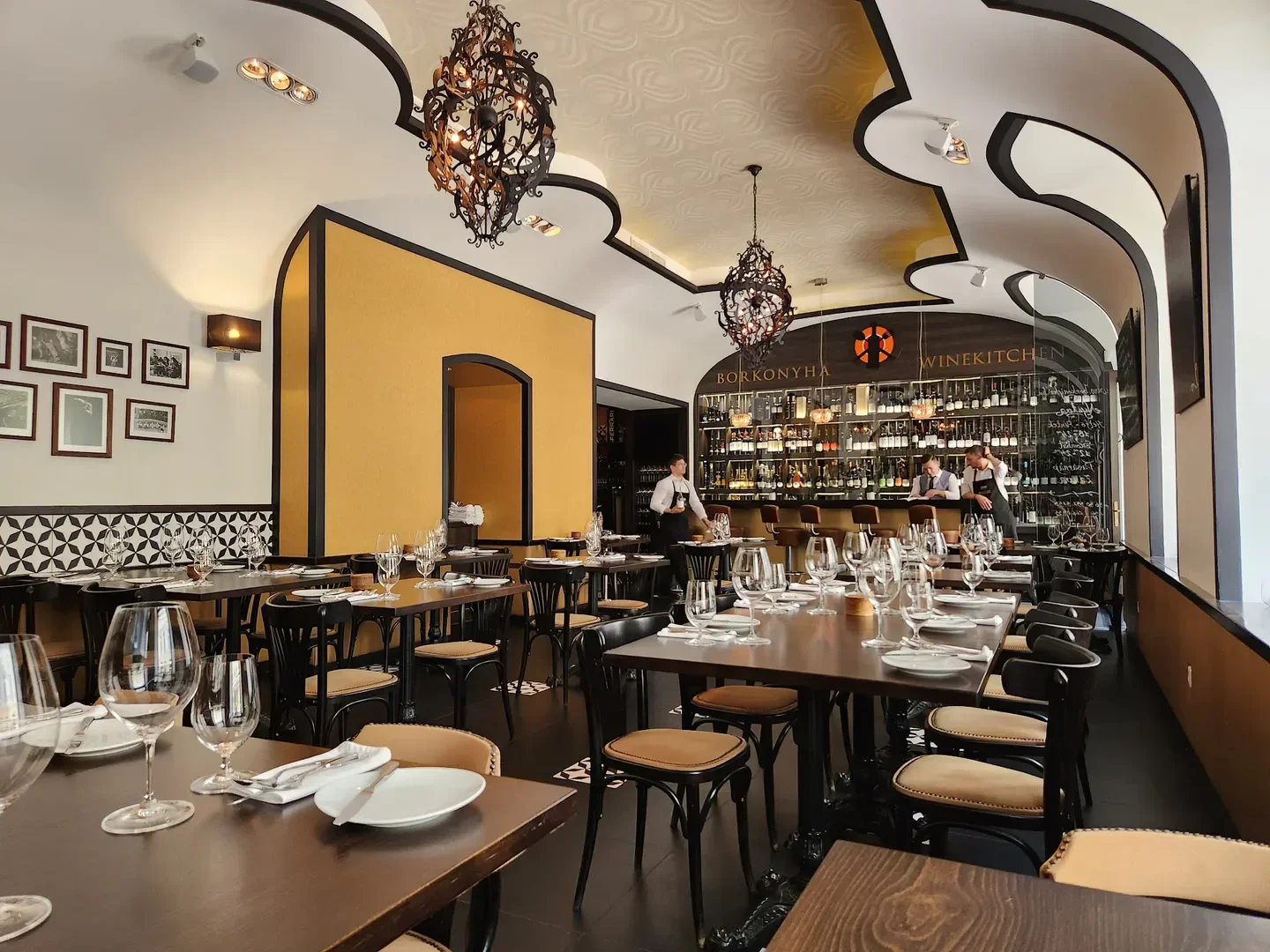
Photos: Borkonyha Winekitchen
08.Borkonyha Winekitchen
What is it? Borkonyha Winekitchen anchors the Budapest dining scene as a focused, high-energy bistro. The room balances the precision of a top-tier kitchen with the approachable spirit of a neighborhood wine bar. You walk into a space where the clinking of stemware and a steady hum of conversation set the tempo.
Why we love it: The experience moves at a brisk, confident pace. Sommeliers navigate the floor with bottles from small Hungarian estates, ensuring your glass stays full as plates arrive. It is a place that celebrates local flavors and craftsmanship without any of the usual fine-dining theatrics.
Good to Know: The wine program at Borkonyha Winekitchen focuses heavily on regional diversity, so ask the staff to highlight bottles from the country's lesser-known volcanic wine regions.
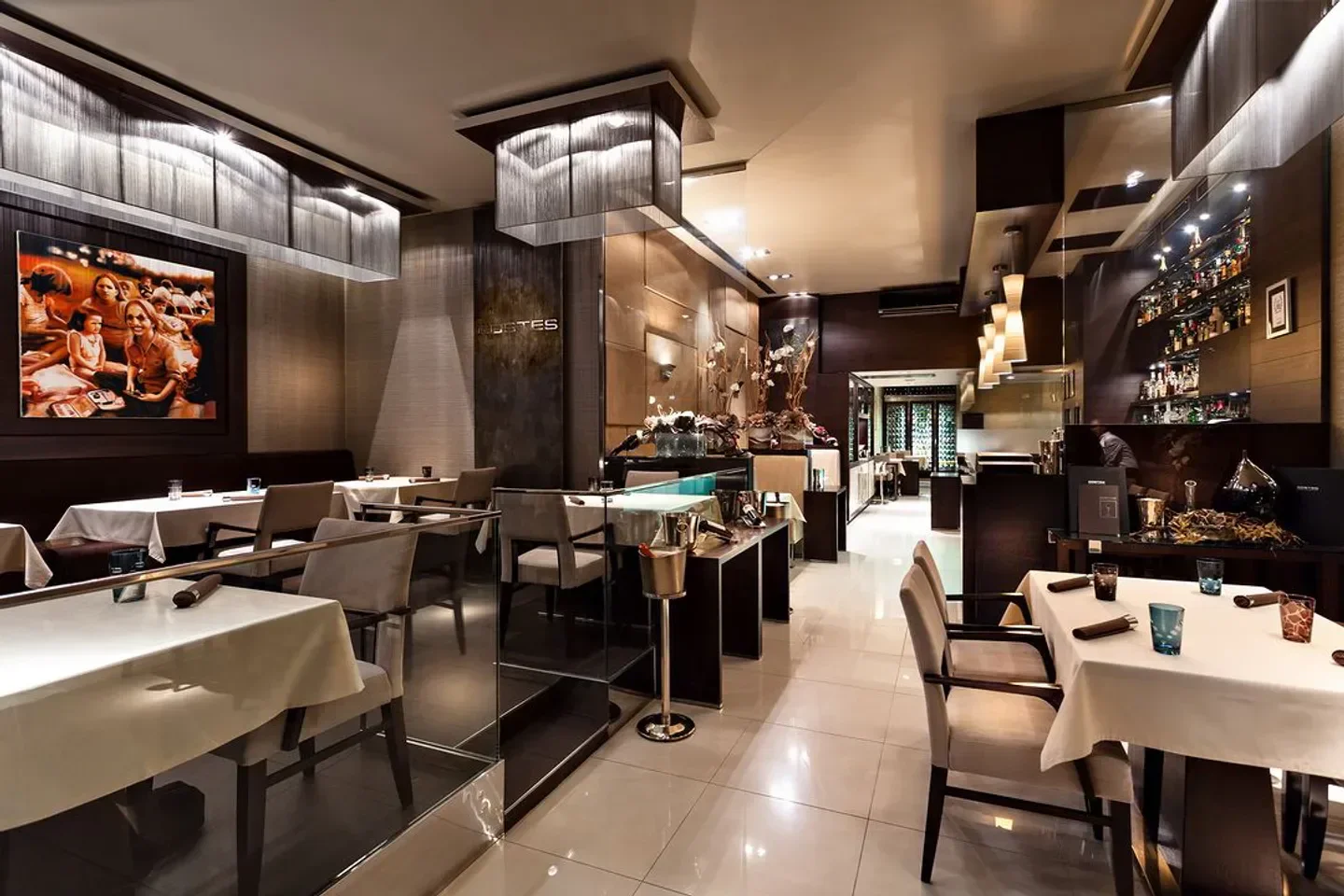
Photos: Costes
09.Costes
What is it? Costes anchors the Budapest dining circuit as a sharp, high-stakes restaurant. The room hits you immediately with a hushed, intentional atmosphere. It feels like a dedicated stage for the meal ahead.
Why we love it: The service team moves with the rhythm of a well-oiled machine. They anticipate your needs before you even realize you have them. This focus creates a sense of calm that carries you through the evening as the outside world fades away.
Good to Know: The wine pairings at Costes frequently feature rare Tokaji vintages that transform the final courses into something entirely new.
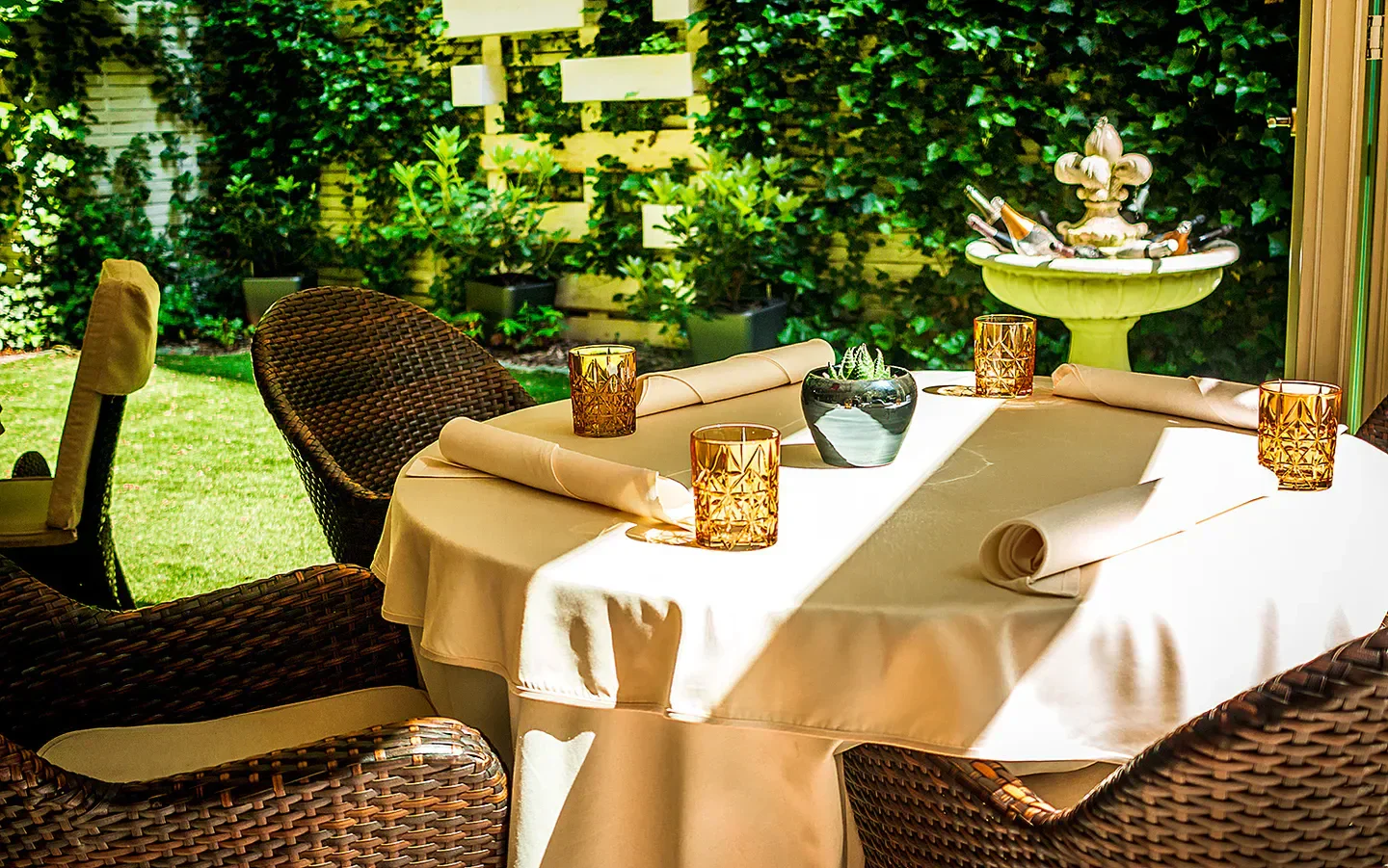
Photos: Arany Kaviár Étterem
10.Arany Kaviár Étterem
What is it? Arany Kaviár Étterem is a Budapest mainstay that values precision and a quiet, focused atmosphere. The room feels tucked away from the city’s bustle, offering a space where the meal takes center stage. You walk into an environment that feels hushed and purposeful.
Why we love it: The restaurant excels at a structured pace, moving you through a series of courses with clockwork timing. Staff anticipate needs before you voice them, creating a seamless flow to the evening. It is the type of place where the outside world disappears for a few hours.
Good to Know: Order the namesake caviar service at Arany Kaviár Étterem to experience how the kitchen handles various grades and specific flavor profiles.