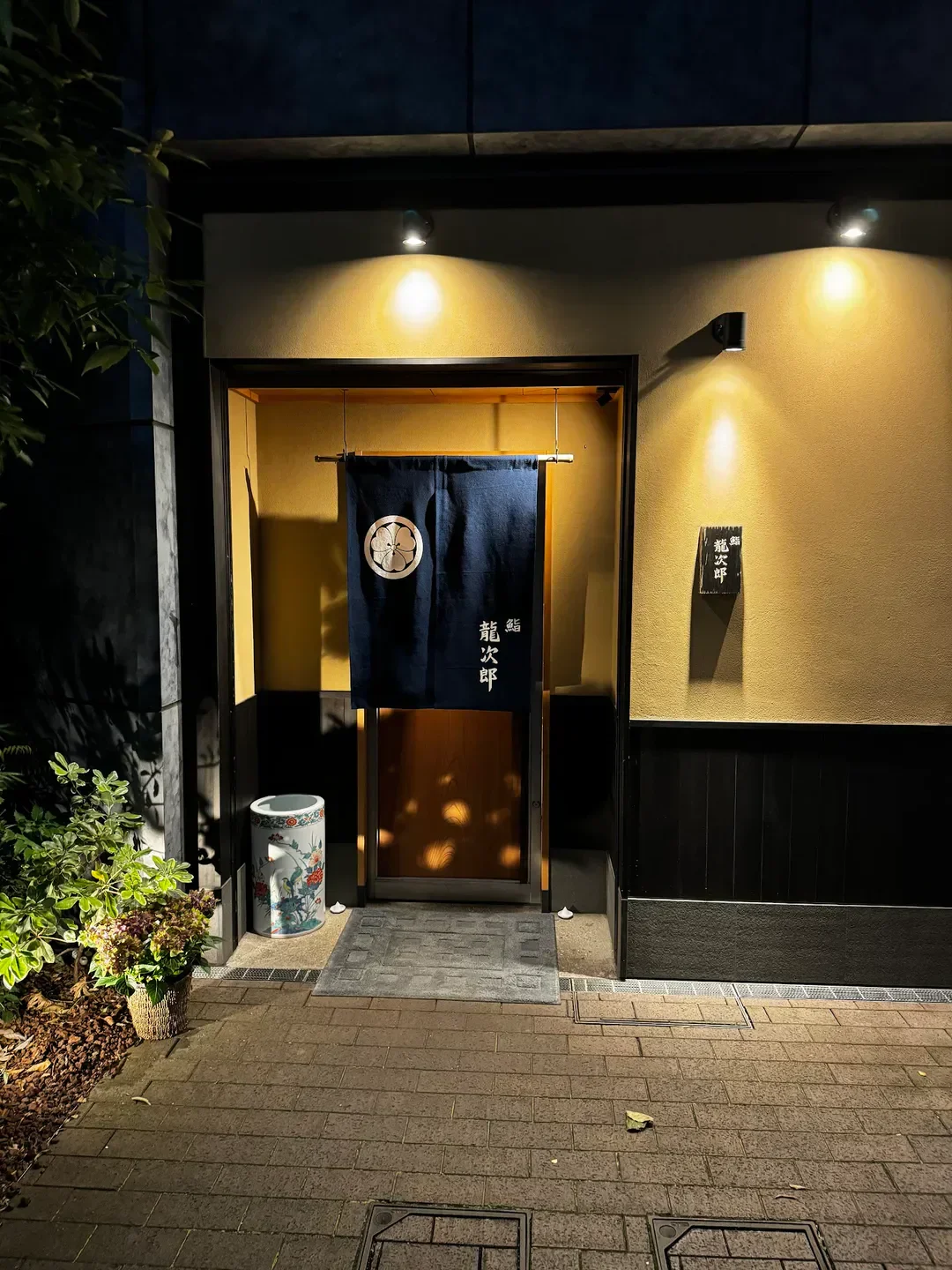
Navegar por la escena gastronómica de Tokio es un ejercicio de planificación meticulosa. No se tropieza uno sin más con las mejores salas de la ciudad. El éxito depende de la influencia del conserje de un hotel o de una actualización oportuna en un portal de reservas. Bajo el neón de Shinjuku y los silenciosos callejones de Akasaka, la competencia por una losa de madera de Hinoki de seis pulgadas es feroz.
Las horas punta aquí son rígidas. Si su asiento es a las 7:00 PM, el chef le espera a las 6:55 PM. En Sushi Kuwano, el silencio es intencional. Le obliga a concentrarse en la temperatura precisa del arroz avinagrado. En Nishiazabu, Taku combina una extensa carta de vinos con la tradición Edomae, ignorando las reglas de "solo té" de los mostradores de la vieja escuela. Sushi Masashi ofrece una clase magistral de ritmo, mientras que Hakuun eleva la experiencia del yakiniku con cortes específicos de wagyu. La mayoría de estas salas operan con susurros en lugar de letreros llamativos.
Estas son las reservas que valen las llamadas telefónicas internacionales y los inicios de sesión nocturnos con jet-lag. Empieza con estas cuatro.
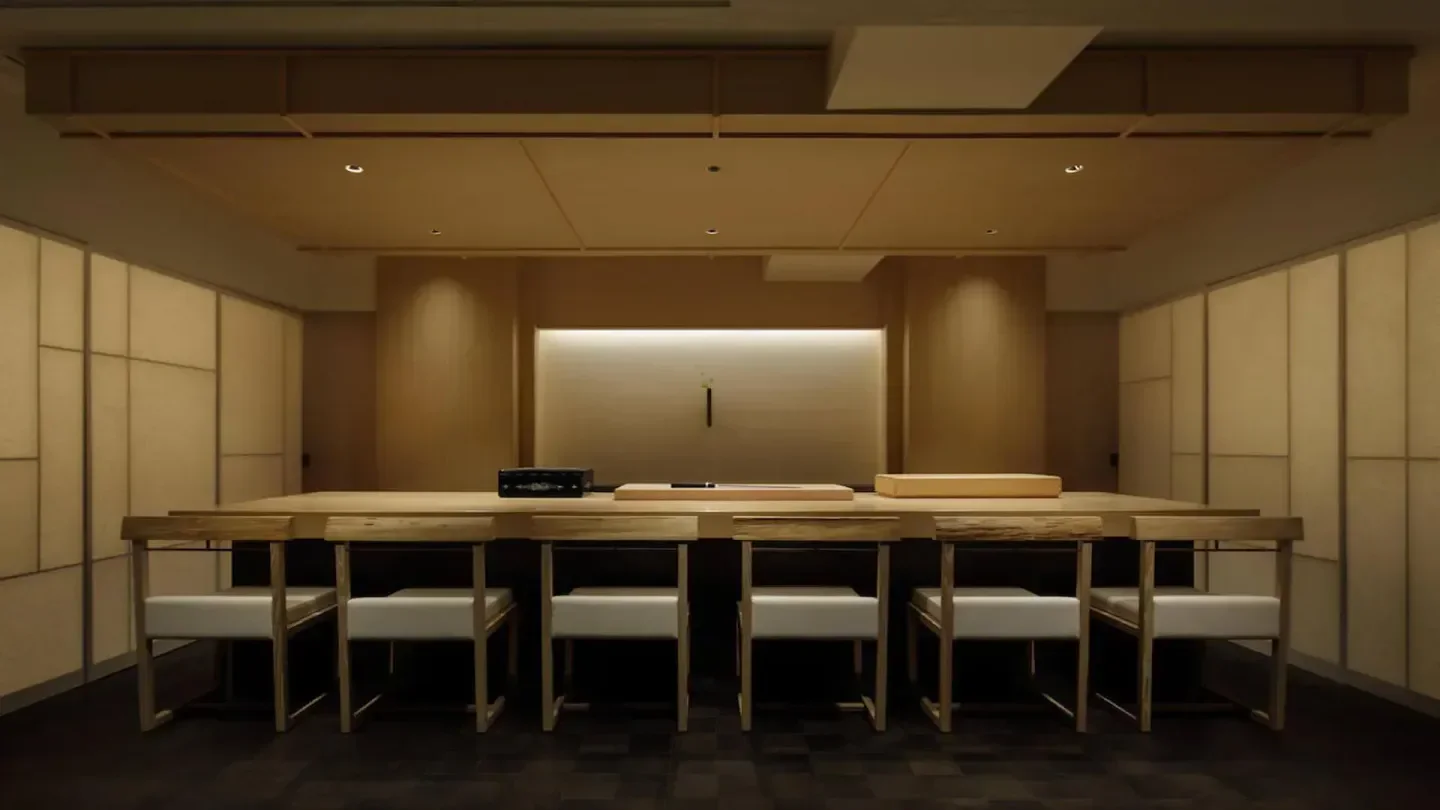
© Créditos de foto: Hakkoku
01.Hakkoku
What is it? Hakkoku sits in Ginza, a three-minute walk from Ginza Six and a ten-minute walk from the Kabuki-za Theatre. This Michelin-starred restaurant specializes in sushi and Japanese seafood.
Why we love it? Hakkoku earns its 4.67 guest rating by doubling down on a fine dining experience that favors intimacy over scale. It is a high-priced destination that justifies the bill through a focused, narrow dedication to the technical craft of seafood preparation.
Good to Know: Given the strict smart and elegant dress code required for the fine dining room, plan your Ginza itinerary to accommodate a formal evening after a day of sightseeing near the Imperial Palace East Garden.
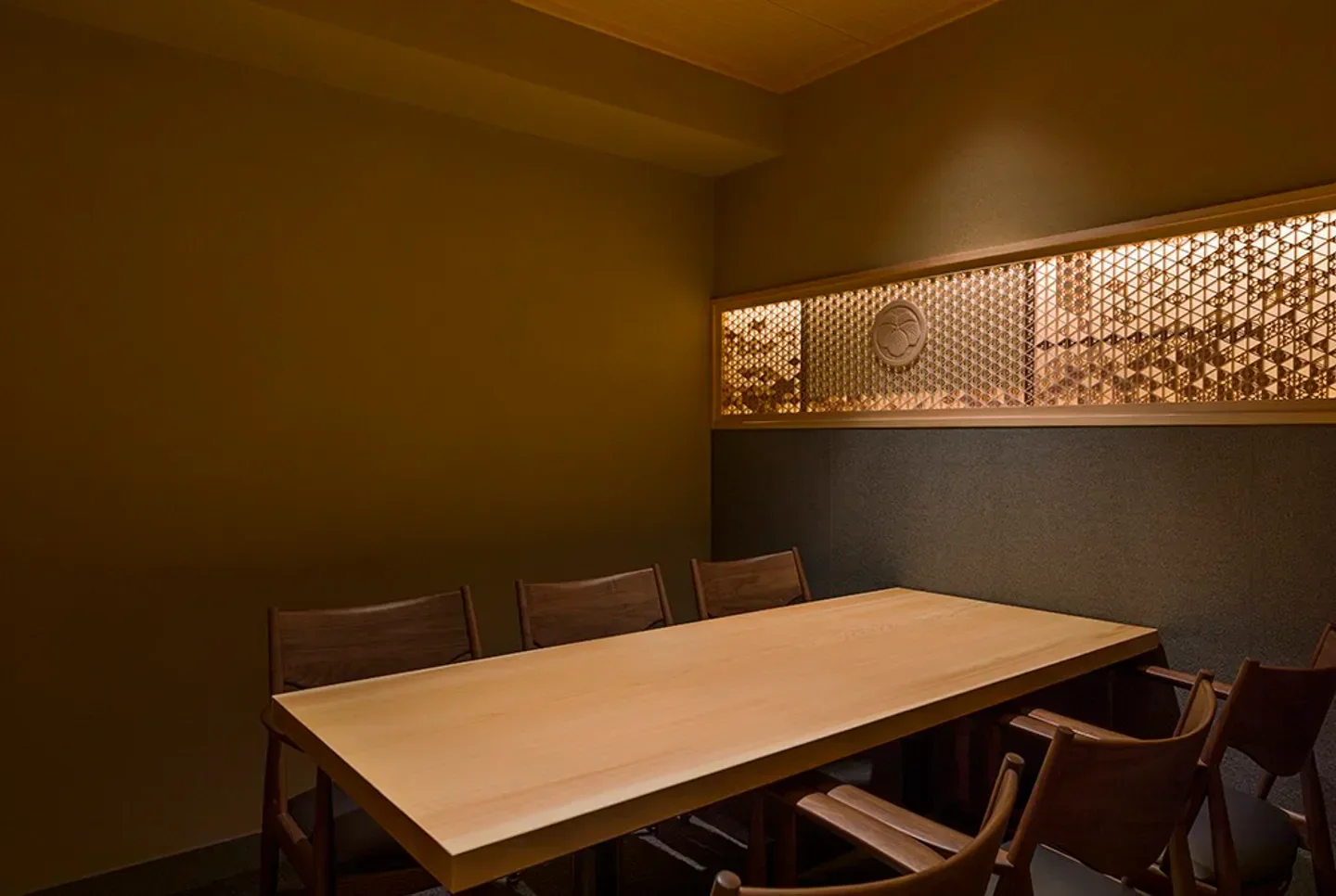
© Créditos de foto: Sushi Hashimoto
02.Sushi Hashimoto
What is it? Sushi Hashimoto is a Michelin-starred restaurant located in Shintomi. It sits roughly a ten-minute walk from both the Kabuki-za Theatre and the Ginza shopping district.
Why we love it: This is a destination for those who prioritize the quiet precision of high-end Japanese seafood over the noise of Ginza's main thoroughfares. With a guest rating of 4.68, it maintains a level of consistency that few establishments at this price point achieve, offering a focused luxury experience away from the tourist crush.
Good to Know: Given the fine dining focus of Sushi Hashimoto, ensure your attire leans toward smart and elegant to match the refined atmosphere of the room.
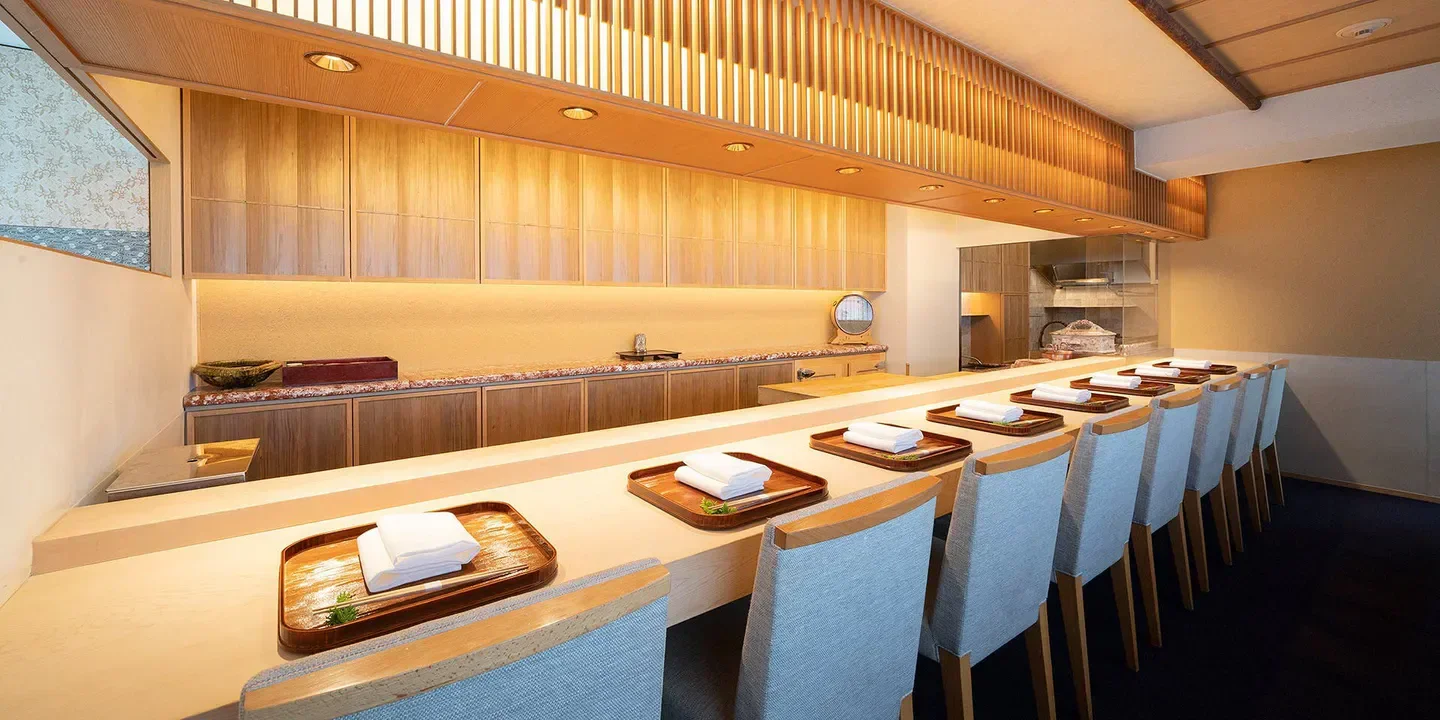
© Créditos de foto: Guchokuni
03.Guchokuni
What is it? Guchokuni sits on the third floor of NEO Kagurazaka, a short walk from the street-level bustle of Kagurazaka. This Michelin-starred restaurant focuses on traditional Japanese sushi and fine dining within a quiet, designed space.
Why we love it: While many Tokyo venues trade on noise, Guchokuni justifies its high price point through an exacting, minimalist approach to sushi. The 4.71 rating from diners reflects a consistency that is rare in such a competitive district, particularly given its proximity to the peaceful Akagi Shrine. It feels like a genuine departure from the city's frantic pace without requiring a trek to the outskirts near Koishikawa Korakuen Garden.
Good to Know: The smart and elegant dress code at Guchokuni rewards a sharp, understated aesthetic that mirrors the precise, traditional composition of their sushi service.
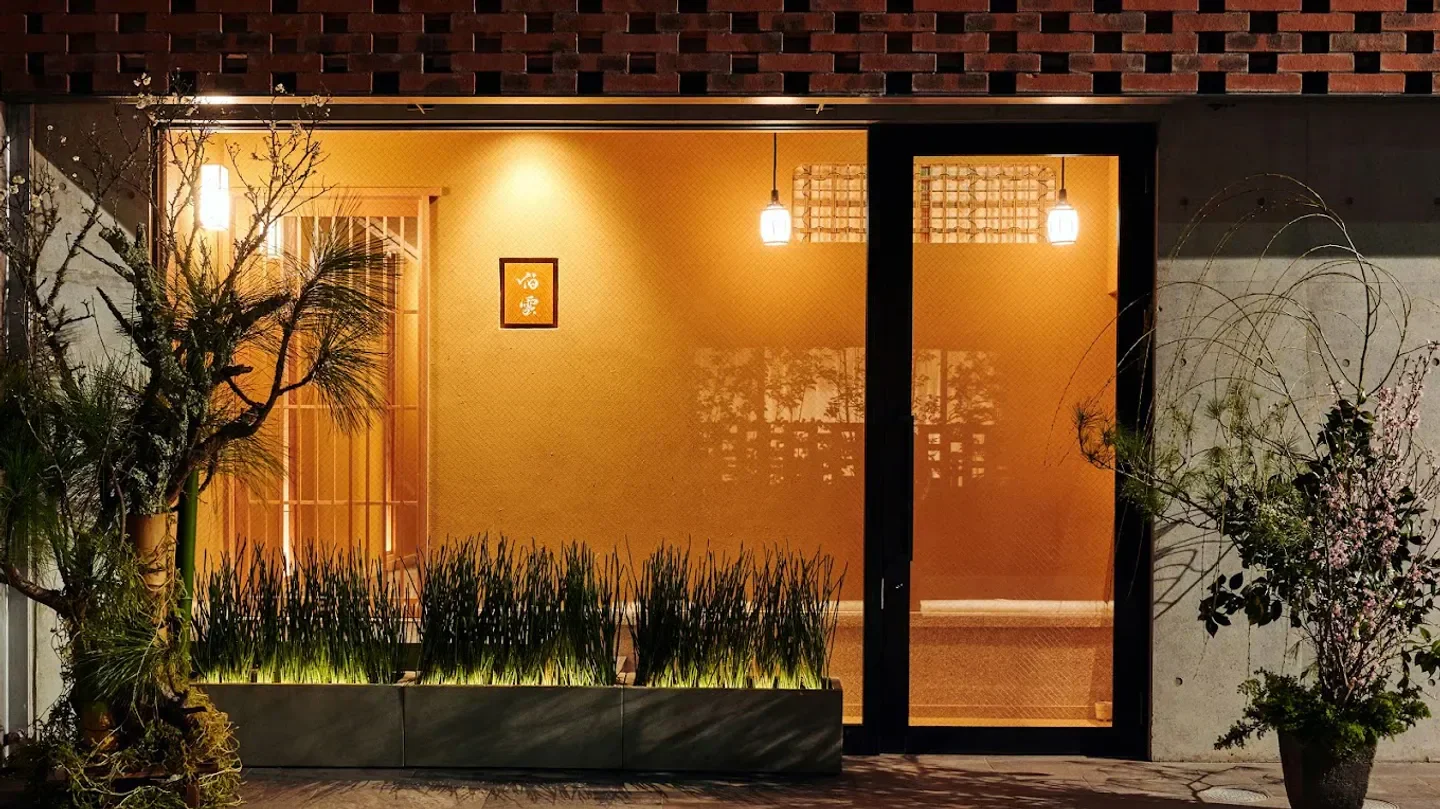
© Créditos de foto: Hakuun
04.Hakuun
¿Qué es? Hakuun es un restaurante de Tokio que se centra en la quietud. El espacio se siente intencional, protegiendo a los invitados del ruido persistente de la ciudad. Es un santuario para comensales que prefieren la sustancia al espectáculo.
Por qué nos encanta: El ambiente atrae a una clientela que valora una velada bien ritmada. La luz atrapa la cristalería mientras el personal se mueve con eficiencia silenciosa. Captura esa magia particular de Tokio donde una puerta sencilla se abre a un mundo completamente diferente.
Bueno saber: Los maridajes de la casa en Hakuun ofrecen la ventana más matizada a la filosofía estacional actual de la cocina.
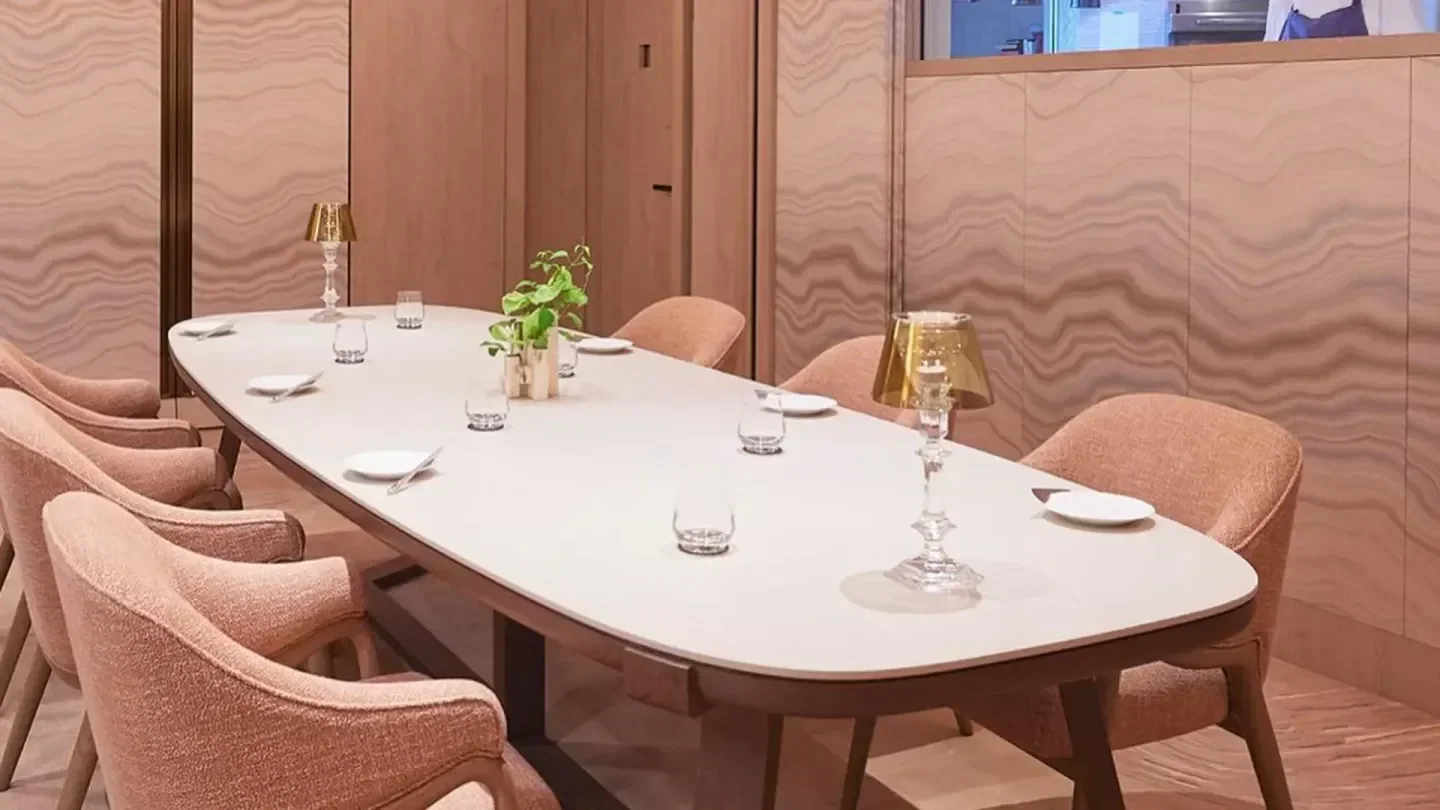
© Créditos de foto: SÉZANNE
05.SÉZANNE
What is it? SÉZANNE sits within a short walk of the Mitsubishi Ichigokan Museum, roughly a fifteen-minute stroll from the Tokyo Imperial Palace. This French, modern, creative restaurant holds two Michelin stars and ranks as the best restaurant in Asia according to the 2024 Asia's 50 Best Restaurants list.
Why we love it: It earns its place as the number 14 restaurant on The World's 50 Best Restaurants list by executing a high-concept approach to modern French cuisine that rewards the formal investment of a luxury fine-dining meal. With a guest rating of 4.73 from 322 reviews, it consistently delivers on the precision expected of a two-star venue.
Good to Know: The kitchen at SÉZANNE interprets French technique through a creative lens, so guests should arrive in smart and elegant attire to match the caliber of the experience.
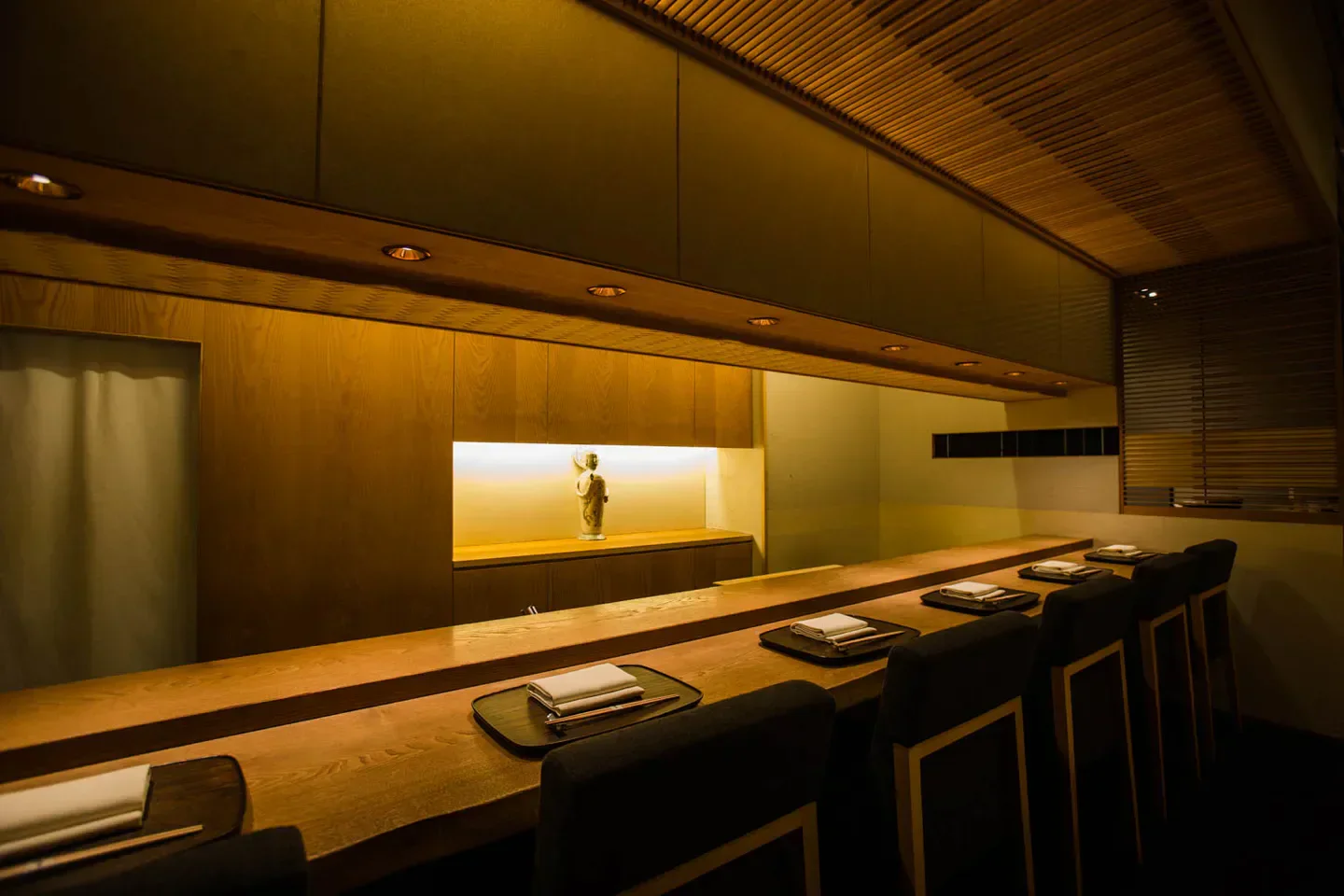
© Créditos de foto: Kohaku
06.Kohaku
What is it? Kohaku sits on 3 Chome-5-5 Kagurazaka, a location that places diners a five-minute walk from Akagi Shrine. This fine dining destination holds three Michelin stars and ranks at number 52 on La Liste.
Why we love it: Kohaku bridges traditional Japanese techniques with a contemporary perspective, maintaining a standard that its 4.60 rating from 239 reviews consistently reflects. The price point is high, yet the restaurant balances that formality with a romantic atmosphere that feels rare for a venue of this standing.
Good to Know: The dress code at Kohaku is smart and elegant, so choose attire that suits the sophisticated, luxury-focused setting.
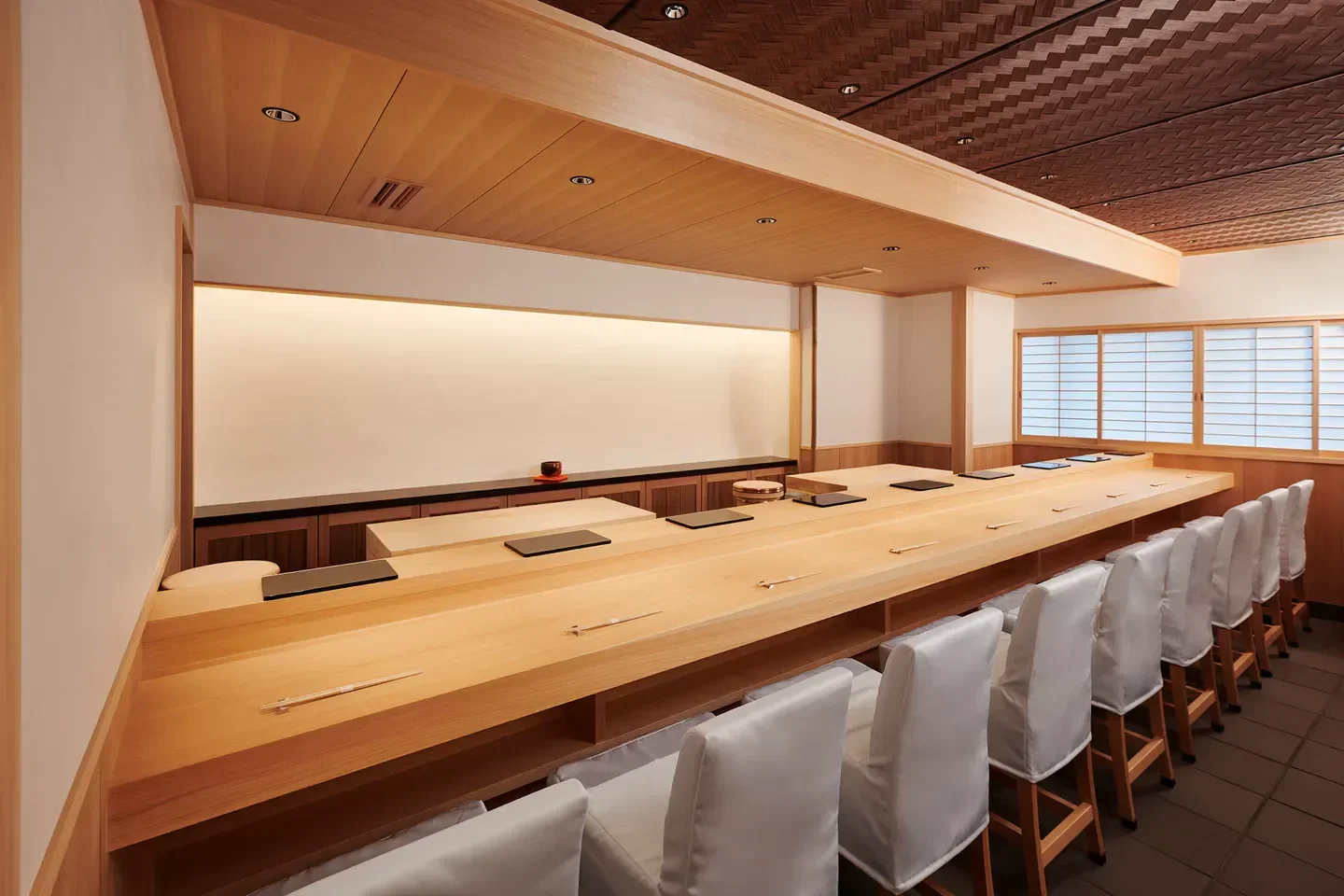
© Créditos de foto: Sushi Masashi
07.Sushi Masashi
¿Qué es? Sushi Masashi aporta un enfoque nítido y singular a la escena gastronómica de Tokio. El local silencia el ruido exterior de la ciudad en el momento en que entras. Este es un lugar construido para el ritual enfocado de la comida.
Por qué nos encanta: Nos encanta el ritmo constante y rítmico del servicio. El chef domina la sala a través de una precisión física silenciosa. Cada plato llega con una sincronización deliberada que mantiene el impulso de la noche en movimiento.
Bueno saber: El omakase en Sushi Masashi sigue las microestaciones de Japón, lo que significa que la selección cambia según la pesca del mercado de la mañana.
© Créditos de foto: Sushi Ryujiro
08.Sushi Ryujiro
What is it? Sushi Ryujiro sits in Minamiaoyama, a ten-minute walk from Omotesando and twelve minutes from Aoyama Cemetery. This Michelin-starred venue specializes in sushi and seafood within a formal, luxury setting.
Why we love it: The restaurant maintains an impressive 4.71 rating from 262 reviews, balancing the high price point of fine dining with a precision that keeps local regulars returning. It is a quiet, beautiful space that prioritizes the craft of sushi over the noise of the city, making it a distinct choice for a romantic evening.
Good to Know: Sushi Ryujiro requires a smart and elegant dress code to match the tone of the dining room.
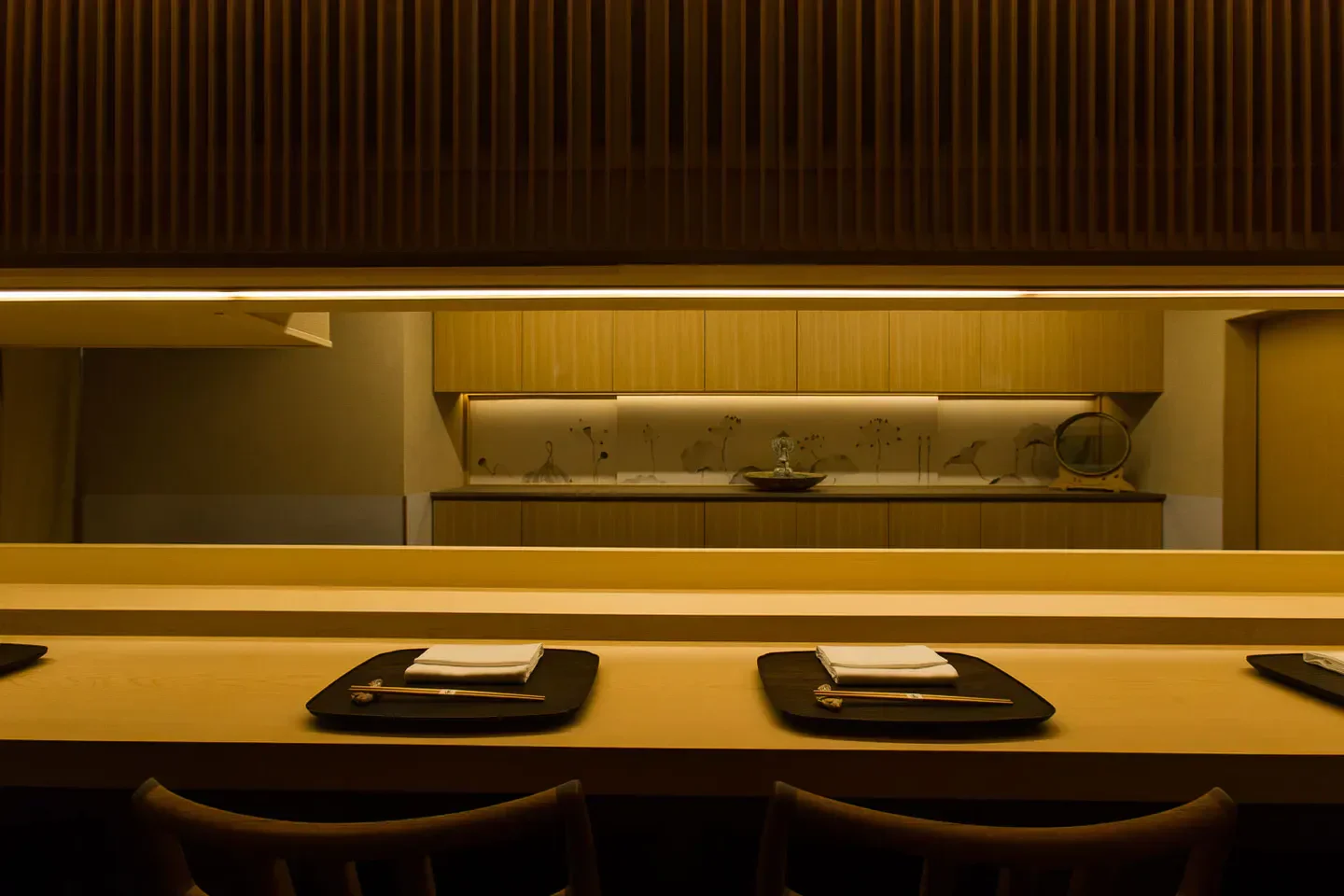
© Créditos de foto: Ren Mishina
09.Ren Mishina
What is it? Ren Mishina is a fine-dining restaurant located in Ginza. It holds a Michelin star and sits a five-minute walk from the Kabuki-za Theatre.
Why we love it: This destination commands its premium price point through a dedicated focus on Japanese seafood and sushi. With 75 reviews averaging a 4.60 rating, it distinguishes itself from the heavy foot traffic near the nearby Ginza Six by offering a secluded, romantic setting.
Good to Know: Ren Mishina requires a smart and elegant dress code, befitting the formal precision required to serve its high-end Japanese menu.
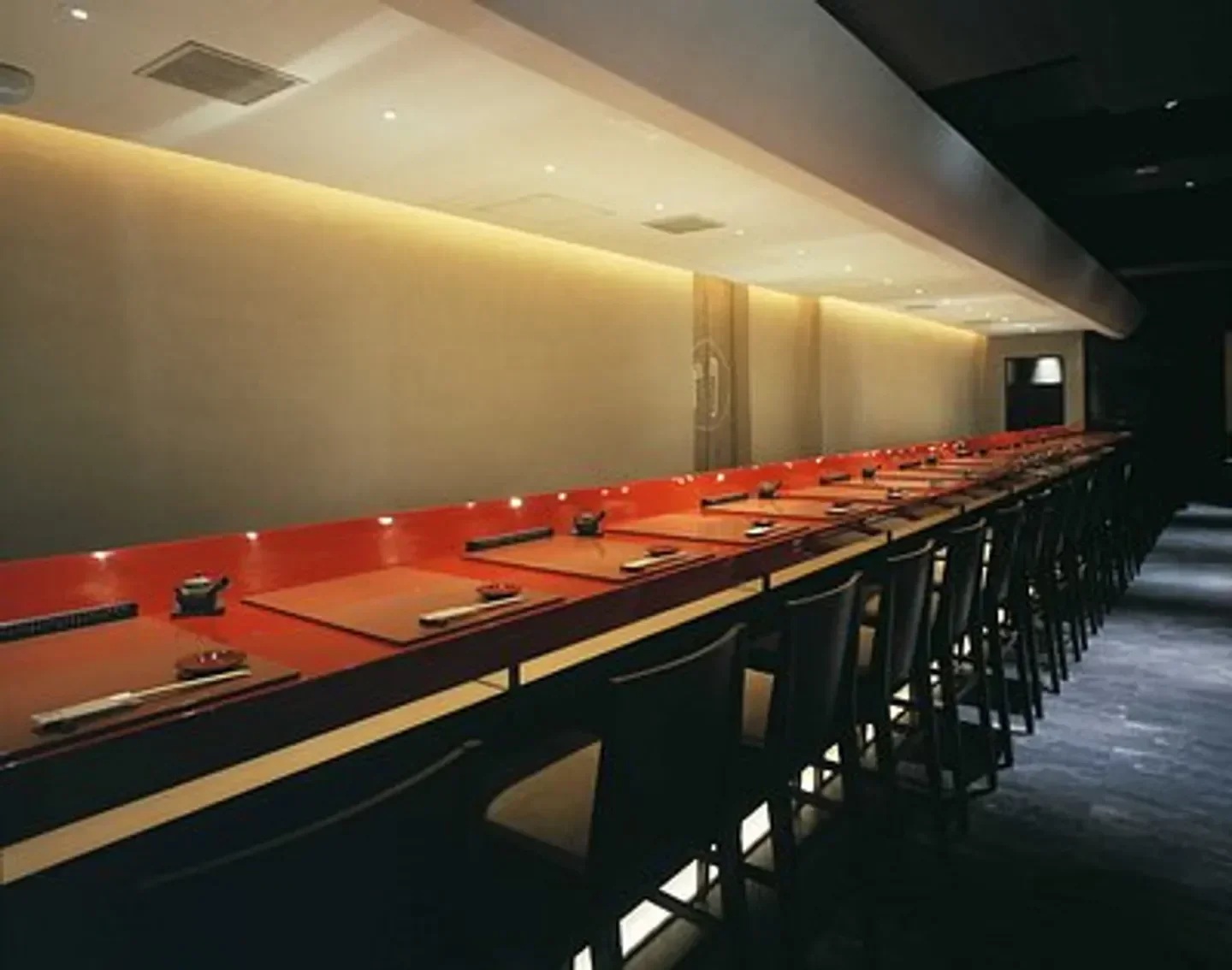
© Créditos de foto: Sushi Kuwano
10.Sushi Kuwano
¿Qué es? Sushi Kuwano aporta una energía tranquila e intencionada a la escena gastronómica de Tokio. Este restaurante elimina el ruido, centrándose por completo en la interacción entre el chef y el comensal. Entras en un espacio donde cada asiento ofrece una vista de primera fila de la preparación.
Por qué nos encanta: Nos encanta la eficiencia rítmica del servicio. El chef prepara cada pieza con precisión enfocada, entregándola por el mostrador en el momento en que está lista. Esto crea un impulso constante que convierte la comida en una actuación coreografiada.
Bueno saber: El omakase en Sushi Kuwano presenta nigiri prensados a mano que deben comerse en el momento en que golpean el mostrador para capturar el pescado en su punto álgido.