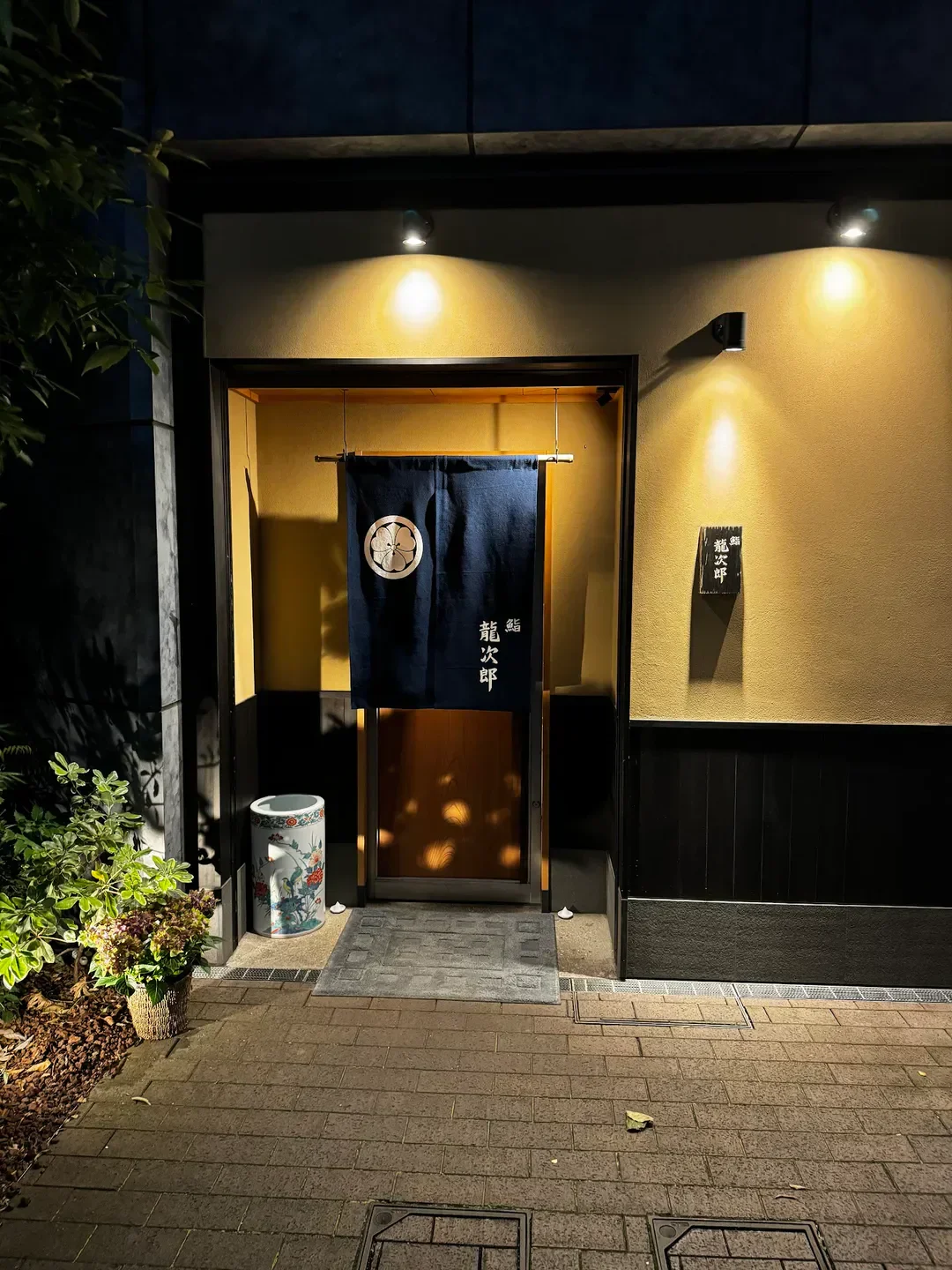
Parcourir la scène culinaire de Tokyo est un exercice de planification méticuleuse. On ne tombe pas par hasard sur les meilleures adresses de la ville. Le succès dépend de l'influence d'un concierge d'hôtel ou d'une actualisation opportune sur un portail de réservation. Sous le néon de Shinjuku et les ruelles discrètes d'Akasaka, la compétition pour une tranche de bois de Hinoki de six pouces est féroce.
Les heures de pointe ici sont strictes. Si votre place est à 19h00, le chef vous attend à 18h55. Chez Sushi Kuwano, le silence est intentionnel. Il vous force à vous concentrer sur la température précise du riz vinaigré. À Nishiazabu, Taku associe une vaste carte des vins à la tradition Edomae, ignorant les règles "thé seulement" des comptoirs à l'ancienne. Sushi Masashi offre une masterclass en rythme, tandis que Hakuun élève l'expérience yakiniku avec des coupes spécifiques de wagyu. La plupart de ces adresses privilégient les murmures plutôt que les enseignes ostentatoires.
Ce sont les réservations qui valent les appels téléphoniques internationaux et les connexions nocturnes malgré le décalage horaire. Commencez par ces quatre-là.
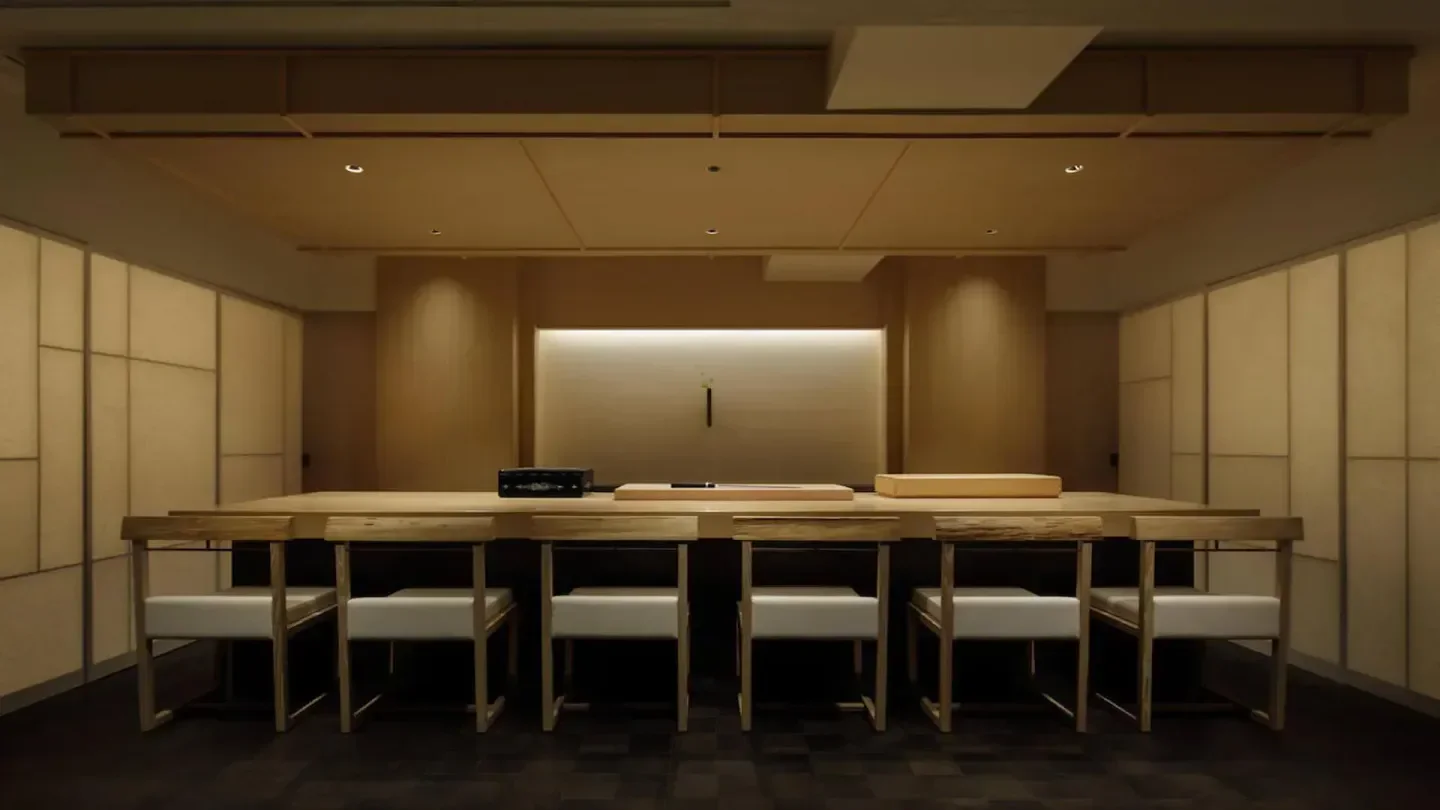
Photos : Hakkoku
01.Hakkoku
What is it? Hakkoku sits in Ginza, a three-minute walk from Ginza Six and a ten-minute walk from the Kabuki-za Theatre. This Michelin-starred restaurant specializes in sushi and Japanese seafood.
Why we love it? Hakkoku earns its 4.67 guest rating by doubling down on a fine dining experience that favors intimacy over scale. It is a high-priced destination that justifies the bill through a focused, narrow dedication to the technical craft of seafood preparation.
Good to Know: Given the strict smart and elegant dress code required for the fine dining room, plan your Ginza itinerary to accommodate a formal evening after a day of sightseeing near the Imperial Palace East Garden.
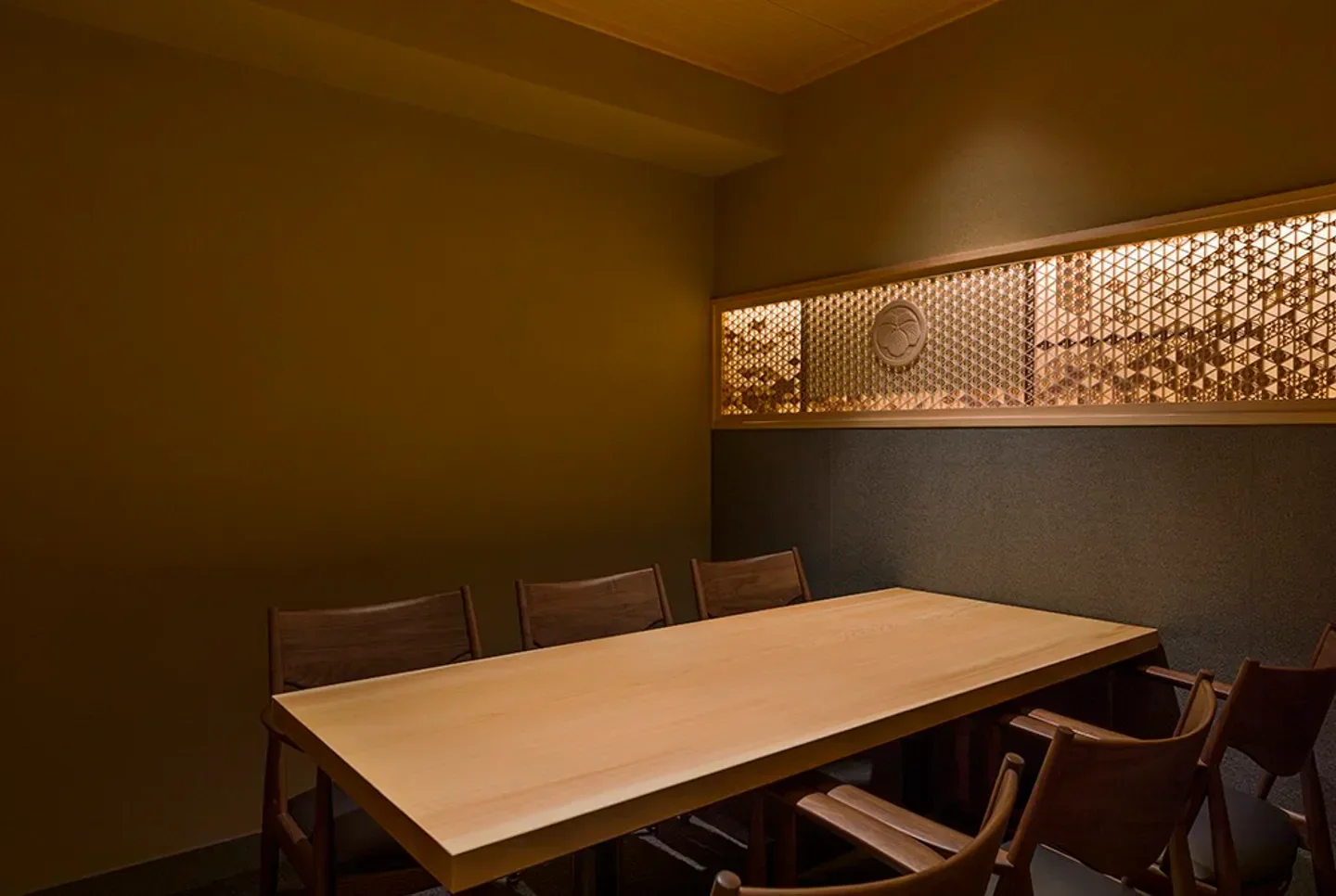
Photos : Sushi Hashimoto
02.Sushi Hashimoto
What is it? Sushi Hashimoto is a Michelin-starred restaurant located in Shintomi. It sits roughly a ten-minute walk from both the Kabuki-za Theatre and the Ginza shopping district.
Why we love it: This is a destination for those who prioritize the quiet precision of high-end Japanese seafood over the noise of Ginza's main thoroughfares. With a guest rating of 4.68, it maintains a level of consistency that few establishments at this price point achieve, offering a focused luxury experience away from the tourist crush.
Good to Know: Given the fine dining focus of Sushi Hashimoto, ensure your attire leans toward smart and elegant to match the refined atmosphere of the room.
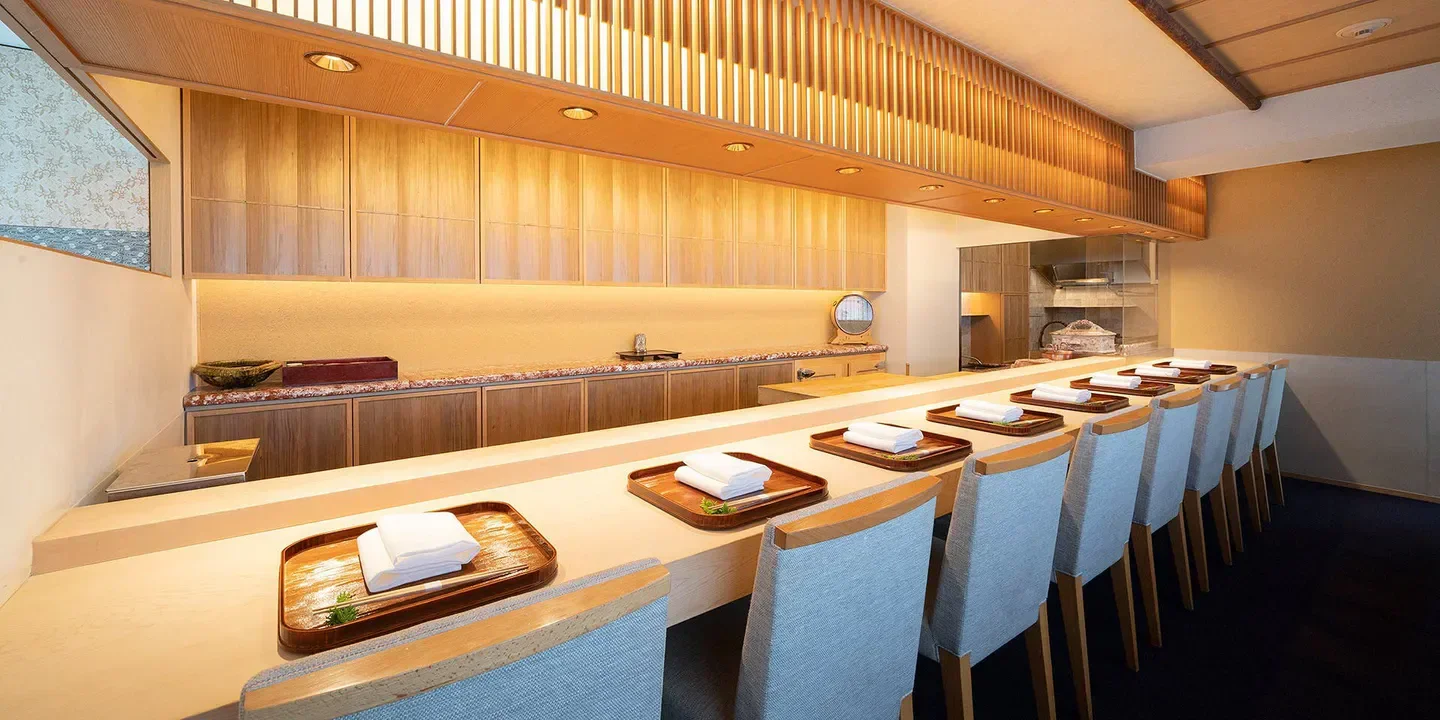
Photos : Guchokuni
03.Guchokuni
What is it? Guchokuni sits on the third floor of NEO Kagurazaka, a short walk from the street-level bustle of Kagurazaka. This Michelin-starred restaurant focuses on traditional Japanese sushi and fine dining within a quiet, designed space.
Why we love it: While many Tokyo venues trade on noise, Guchokuni justifies its high price point through an exacting, minimalist approach to sushi. The 4.71 rating from diners reflects a consistency that is rare in such a competitive district, particularly given its proximity to the peaceful Akagi Shrine. It feels like a genuine departure from the city's frantic pace without requiring a trek to the outskirts near Koishikawa Korakuen Garden.
Good to Know: The smart and elegant dress code at Guchokuni rewards a sharp, understated aesthetic that mirrors the precise, traditional composition of their sushi service.
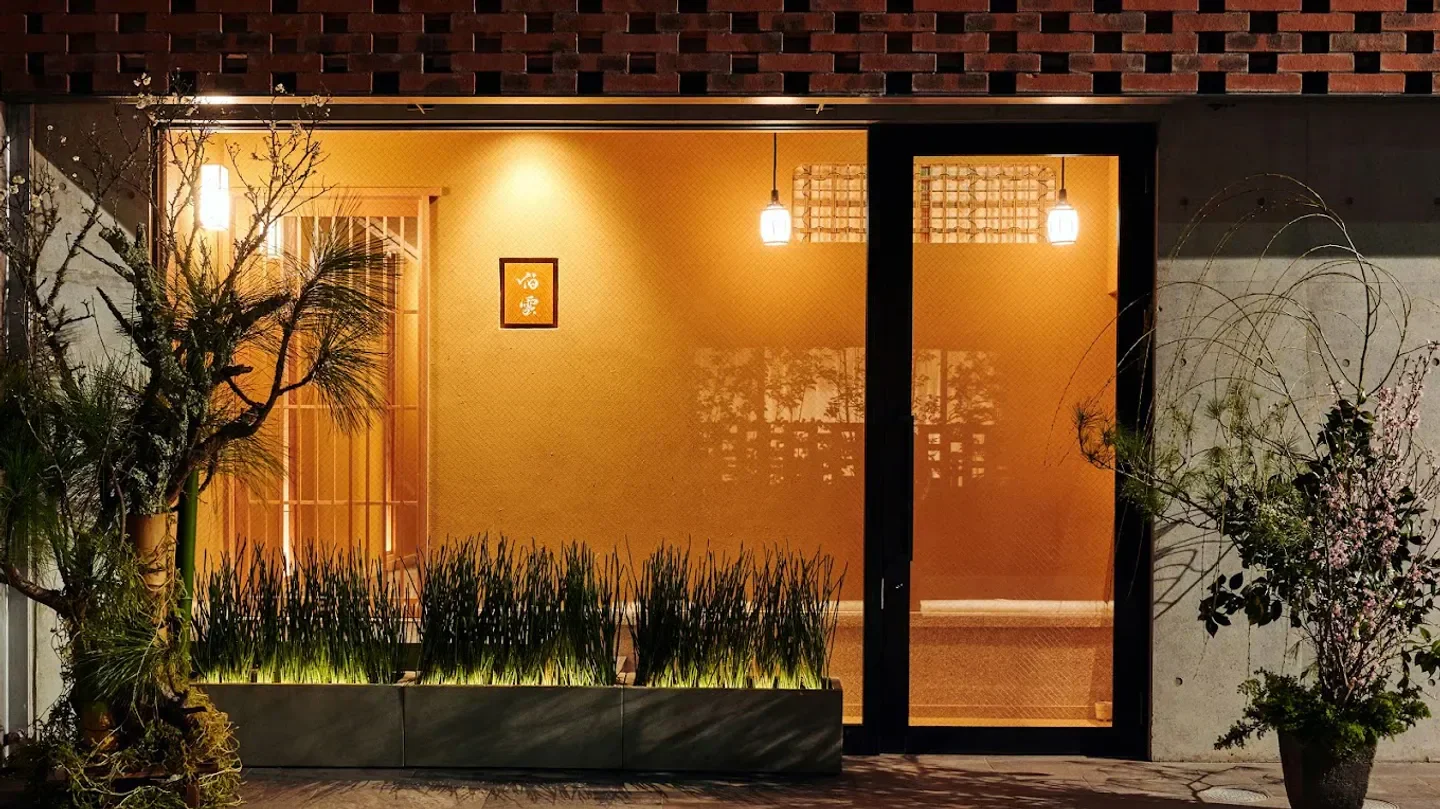
Photos : Hakuun
04.Hakuun
Qu'est-ce que c'est ? Hakuun est un restaurant de Tokyo qui mise sur la concentration tranquille. L'espace est délibéré, isolant les clients du bruit persistant de la ville. C'est un sanctuaire pour les convives qui préfèrent la substance au spectacle.
Pourquoi on l'adore : L'atmosphère attire une clientèle qui apprécie une soirée bien rythmée. La lumière joue sur la verrerie tandis que le personnel évolue avec une efficacité silencieuse. Il capture cette magie tokyoïte spécifique où une simple porte s'ouvre sur un monde complètement différent.
Bon à savoir : Les accords maison chez Hakuun offrent la perspective la plus nuancée de la philosophie saisonnière actuelle de la cuisine.
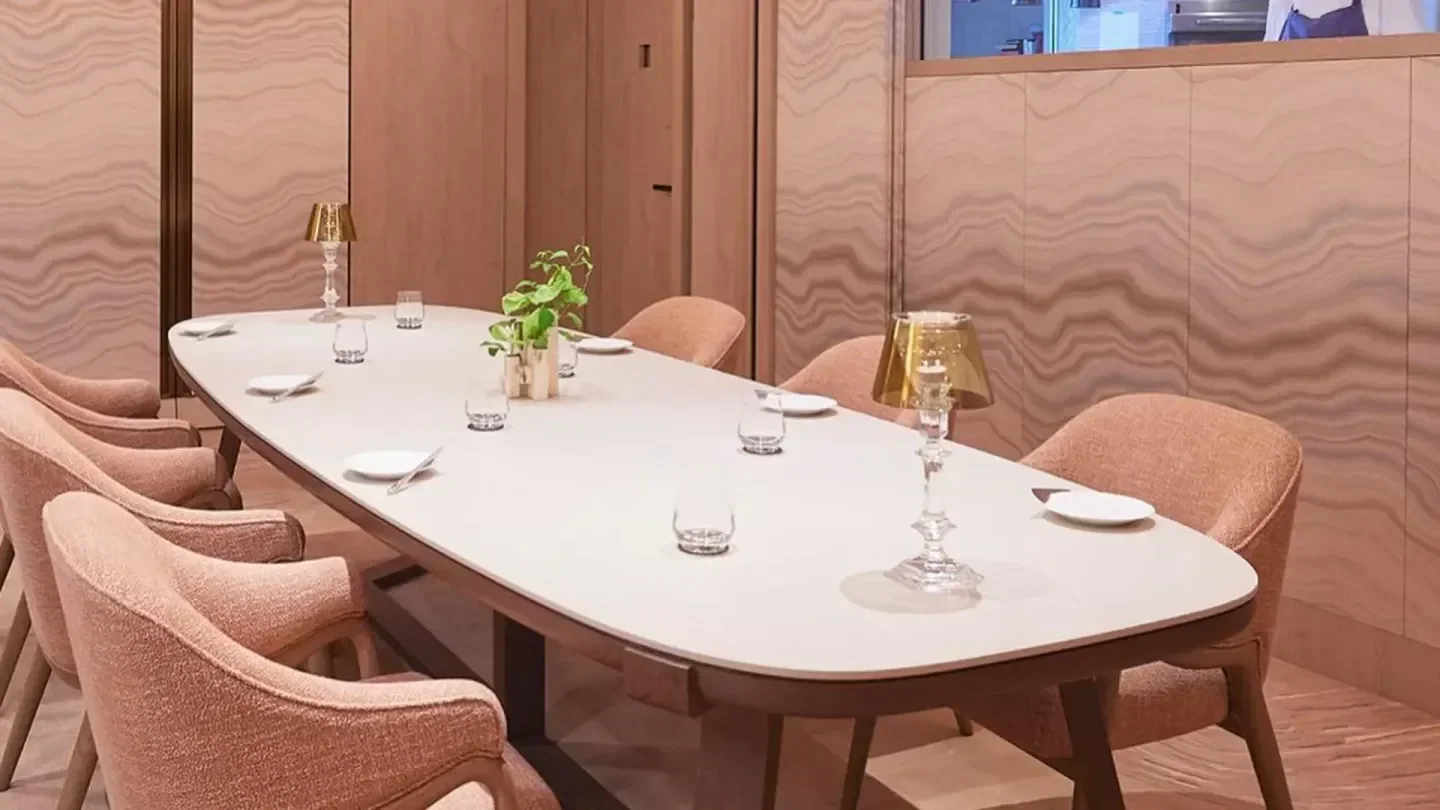
Photos : SÉZANNE
05.SÉZANNE
What is it? SÉZANNE sits within a short walk of the Mitsubishi Ichigokan Museum, roughly a fifteen-minute stroll from the Tokyo Imperial Palace. This French, modern, creative restaurant holds two Michelin stars and ranks as the best restaurant in Asia according to the 2024 Asia's 50 Best Restaurants list.
Why we love it: It earns its place as the number 14 restaurant on The World's 50 Best Restaurants list by executing a high-concept approach to modern French cuisine that rewards the formal investment of a luxury fine-dining meal. With a guest rating of 4.73 from 322 reviews, it consistently delivers on the precision expected of a two-star venue.
Good to Know: The kitchen at SÉZANNE interprets French technique through a creative lens, so guests should arrive in smart and elegant attire to match the caliber of the experience.
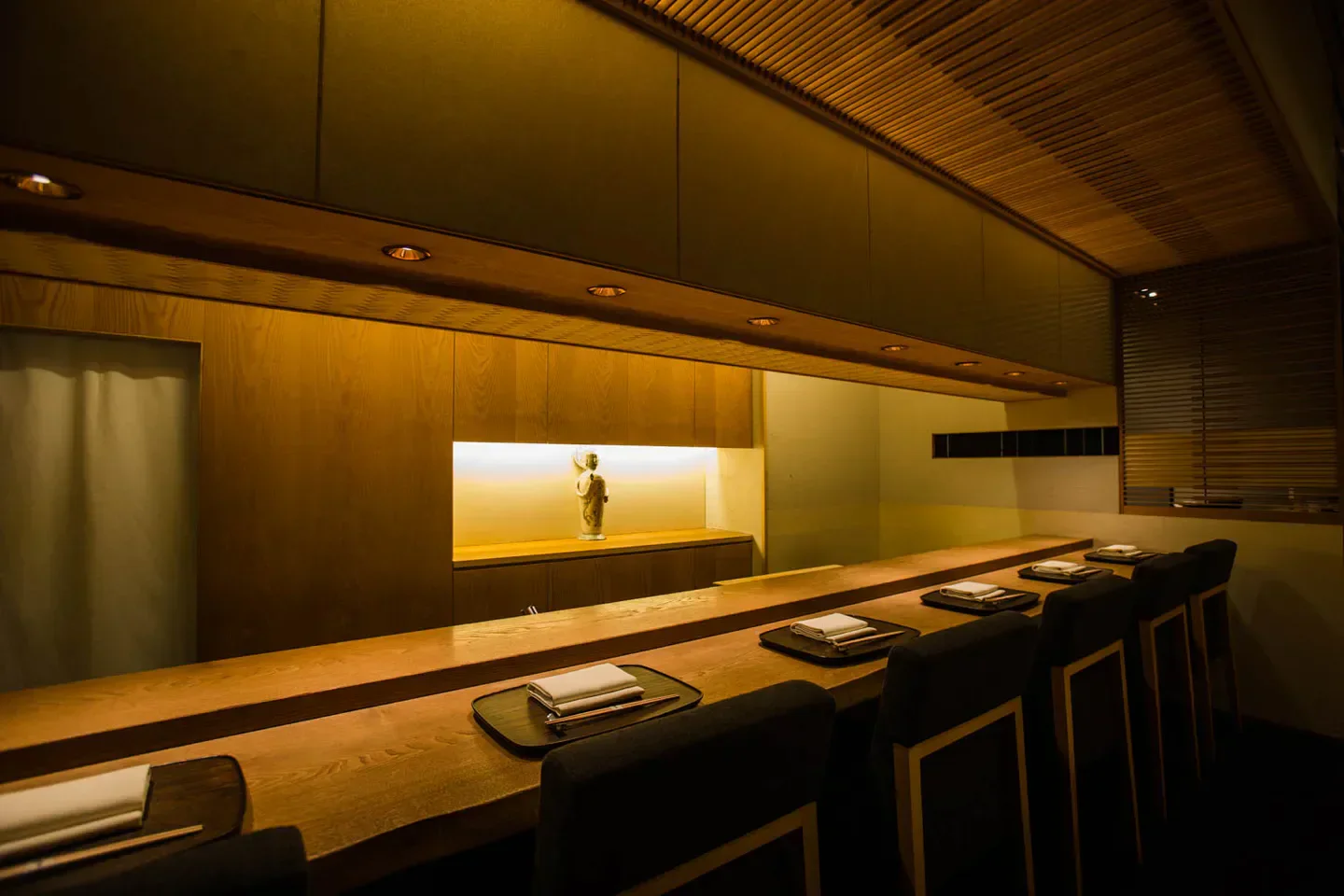
Photos : Kohaku
06.Kohaku
What is it? Kohaku sits on 3 Chome-5-5 Kagurazaka, a location that places diners a five-minute walk from Akagi Shrine. This fine dining destination holds three Michelin stars and ranks at number 52 on La Liste.
Why we love it: Kohaku bridges traditional Japanese techniques with a contemporary perspective, maintaining a standard that its 4.60 rating from 239 reviews consistently reflects. The price point is high, yet the restaurant balances that formality with a romantic atmosphere that feels rare for a venue of this standing.
Good to Know: The dress code at Kohaku is smart and elegant, so choose attire that suits the sophisticated, luxury-focused setting.
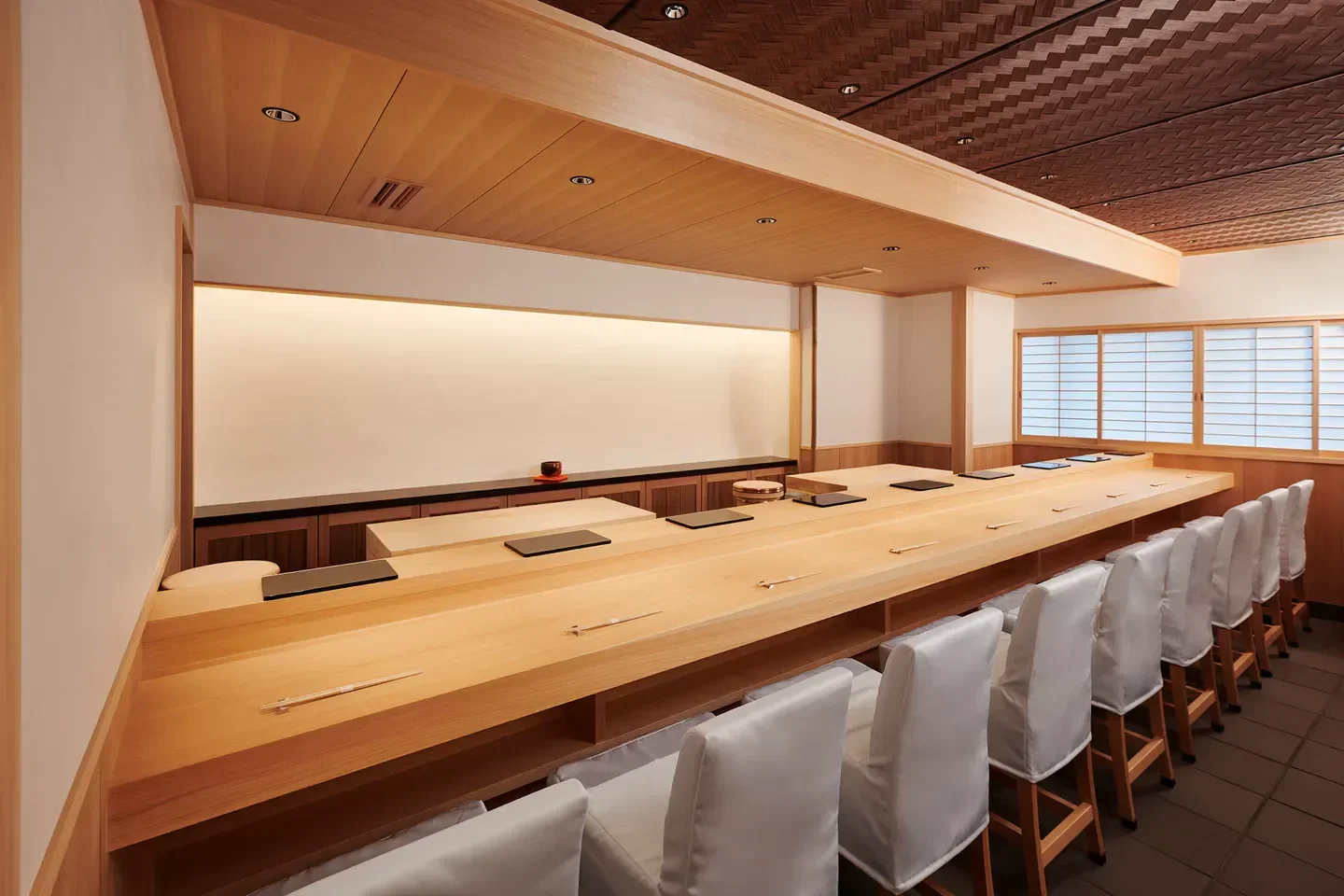
Photos : Sushi Masashi
07.Sushi Masashi
Qu'est-ce que c'est ? Sushi Masashi apporte une concentration nette et singulière à la scène culinaire de Tokyo. La pièce étouffe le bruit extérieur de la ville dès que vous franchissez le seuil. C'est un endroit conçu pour le rituel concentré du repas.
Pourquoi nous l'adorons : Nous aimons le rythme régulier et rythmique du service. Le chef commande la pièce par une précision physique silencieuse. Chaque plat arrive avec un timing délibéré qui maintient l'élan de la soirée.
Bon à savoir : L'omakase chez Sushi Masashi suit les micro-saisons du Japon, ce qui signifie que la sélection change en fonction des prises du marché du matin.
Photos : Sushi Ryujiro
08.Sushi Ryujiro
What is it? Sushi Ryujiro sits in Minamiaoyama, a ten-minute walk from Omotesando and twelve minutes from Aoyama Cemetery. This Michelin-starred venue specializes in sushi and seafood within a formal, luxury setting.
Why we love it: The restaurant maintains an impressive 4.71 rating from 262 reviews, balancing the high price point of fine dining with a precision that keeps local regulars returning. It is a quiet, beautiful space that prioritizes the craft of sushi over the noise of the city, making it a distinct choice for a romantic evening.
Good to Know: Sushi Ryujiro requires a smart and elegant dress code to match the tone of the dining room.
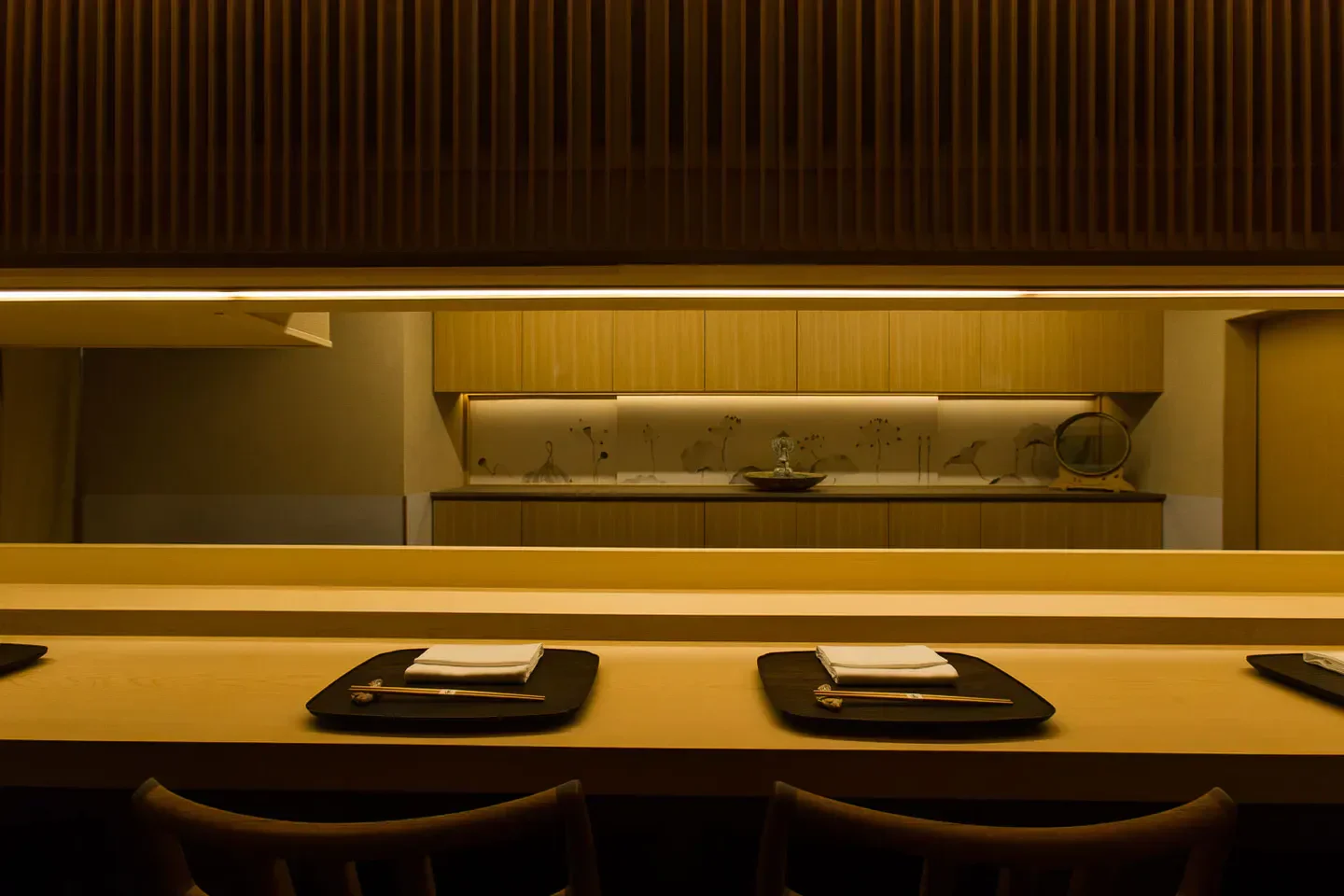
Photos : Ren Mishina
09.Ren Mishina
What is it? Ren Mishina is a fine-dining restaurant located in Ginza. It holds a Michelin star and sits a five-minute walk from the Kabuki-za Theatre.
Why we love it: This destination commands its premium price point through a dedicated focus on Japanese seafood and sushi. With 75 reviews averaging a 4.60 rating, it distinguishes itself from the heavy foot traffic near the nearby Ginza Six by offering a secluded, romantic setting.
Good to Know: Ren Mishina requires a smart and elegant dress code, befitting the formal precision required to serve its high-end Japanese menu.
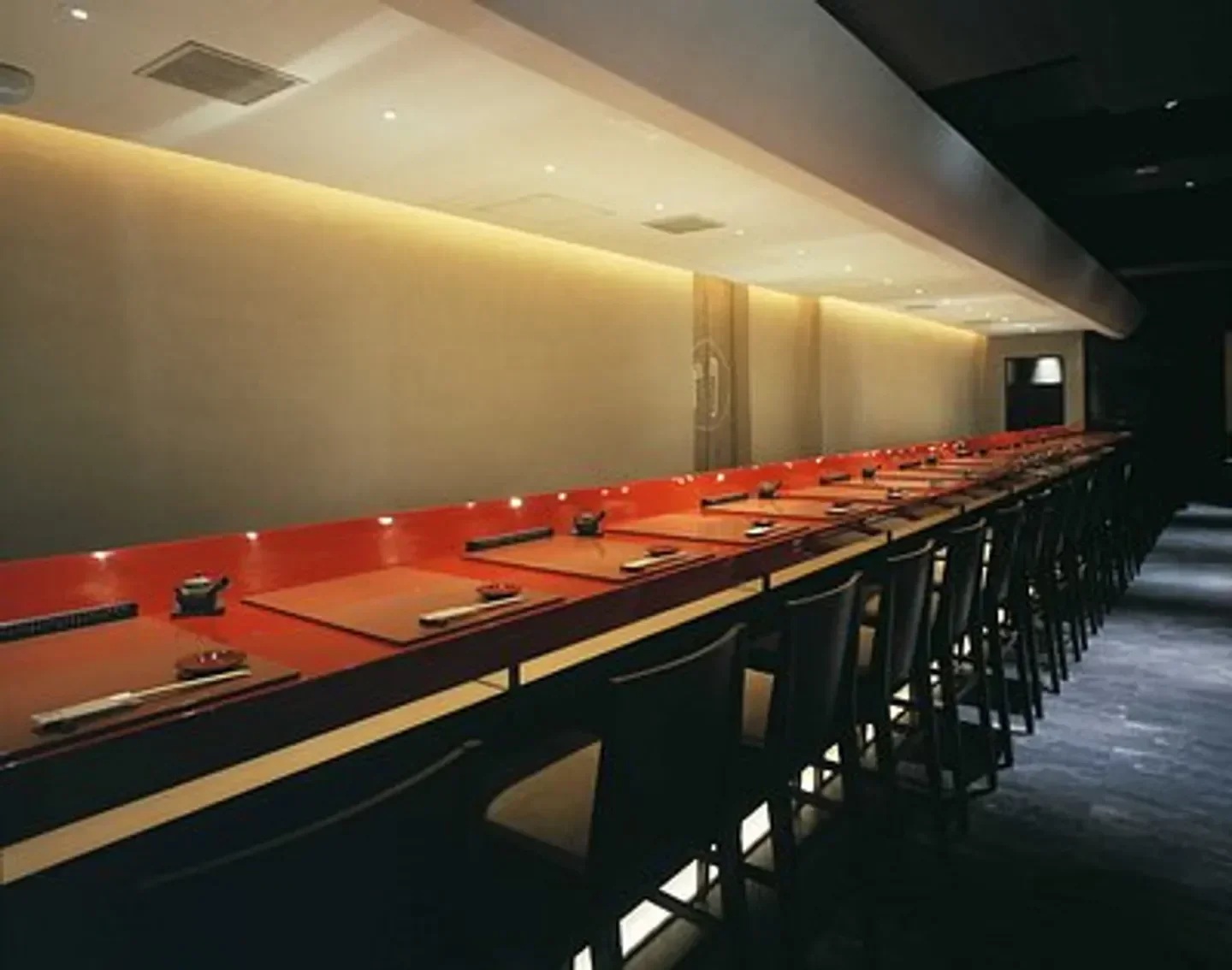
Photos : Sushi Kuwano
10.Sushi Kuwano
Qu'est-ce que c'est ? Sushi Kuwano apporte une énergie calme et intentionnelle à la scène culinaire de Tokyo. Ce restaurant élimine le bruit, se concentrant entièrement sur l'interaction entre le chef et le client. Vous entrez dans un espace où chaque siège offre une vue de premier rang sur la préparation.
Pourquoi on l'aime : On aime l'efficacité rythmique du service. Le chef prépare chaque pièce avec une précision concentrée, la passant par-dessus le comptoir dès qu'elle est prête. Cela crée un élan constant qui transforme le repas en une performance chorégraphiée.
Bon à savoir : L'omakase chez Sushi Kuwano propose des nigiris pressés à la main, destinés à être mangés dès qu'ils arrivent sur le comptoir pour savourer le poisson à son apogée.