Hamburg doesn’t shout. It’s a city built on maritime trade and quiet wealth, where the best dining rooms hide behind discreet facades along the Elbe. Most visitors arrive expecting nothing but pickled herring and tavern food. They quickly realize the Hanseatic elite plays a much more sophisticated game. In this city, dinner is a ritual. Reservations are non-negotiable weeks in advance. If you show up at 8:00 PM without a name on the list, you’re eating a currywurst on the curb.
The scene now balances rigid tradition with radical modernism. At The Table, Kevin Fehling’s curved stone counter feels like a precision-engineered laboratory. Compare that to the old-world rigor of Haerlin, where the service moves like a choreographed ballet. For something leaner, Zeik strips away the fuss to focus on hyper-local ingredients. High-altitude views at Lakeside provide the drama, but the plate always remains the center of gravity.
Finding a seat in this city requires a strategy. Start with these.
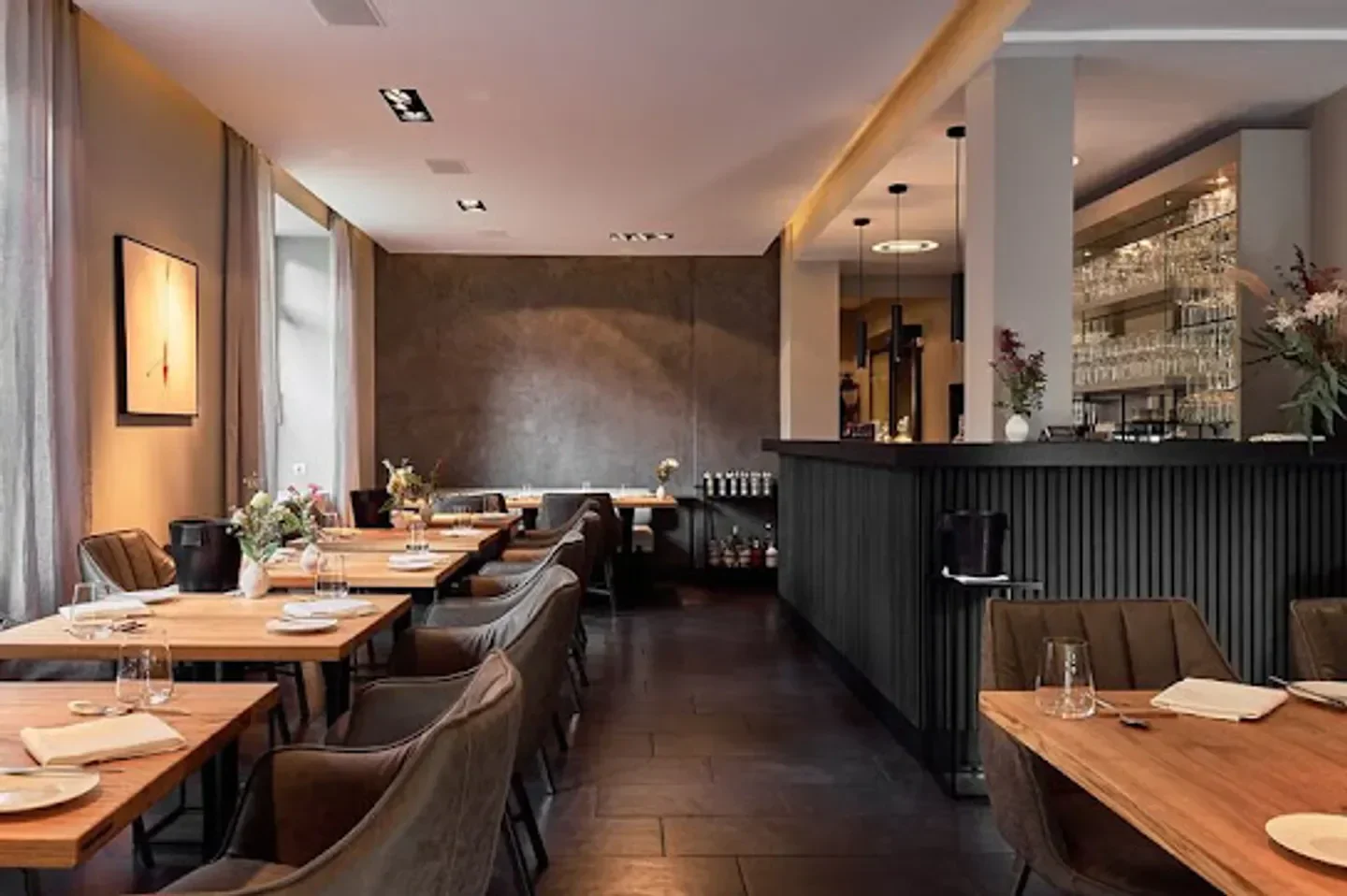
Photos: Zeik
01.Zeik
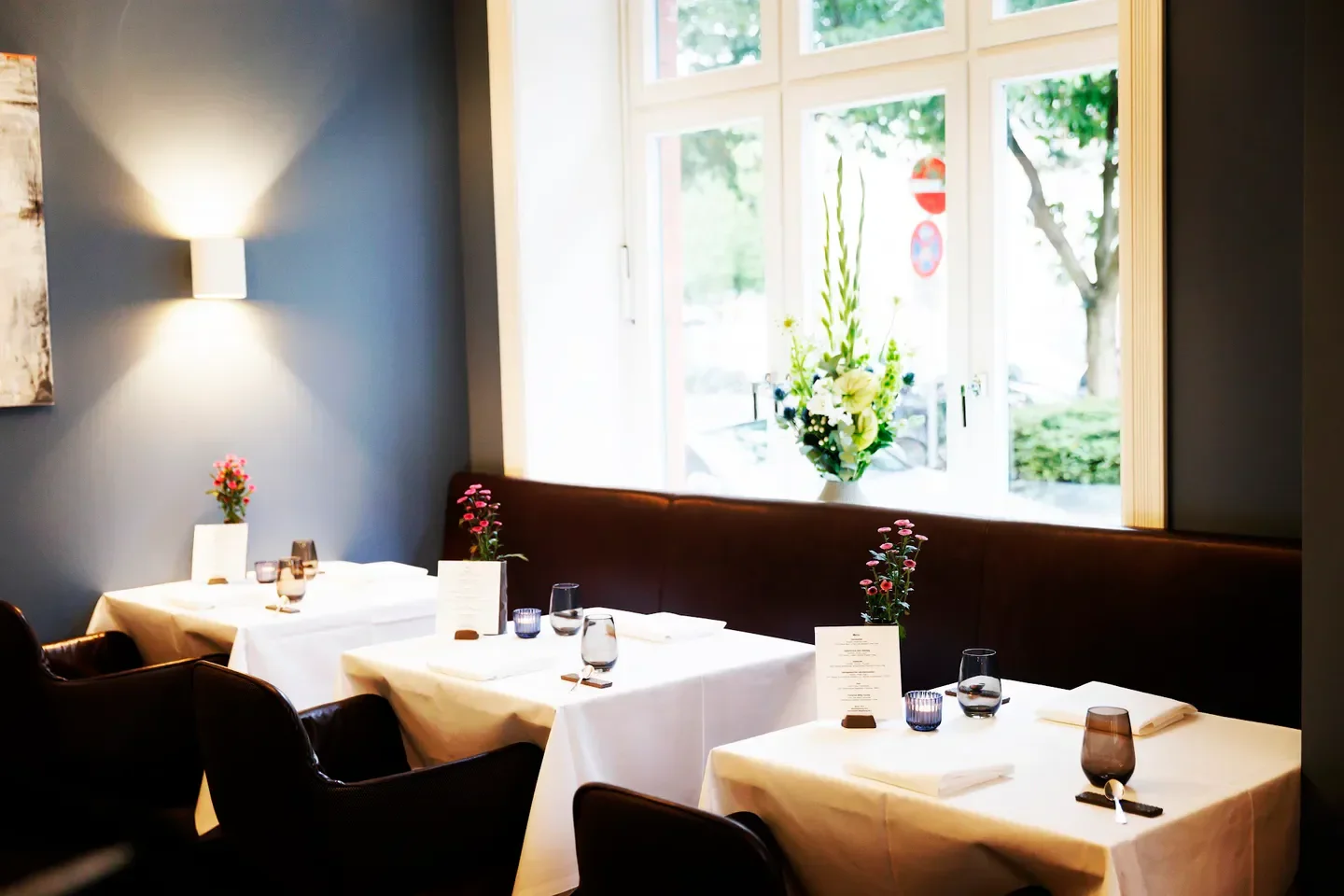
What is it? Zeik is a focused Hamburg restaurant that strips away the typical fluff of fine dining. The room feels sharp and intentional from the moment you step inside. It functions with the quiet energy of a dedicated workshop.
Why we love it: The kitchen team works with a visible, steady discipline. They deliver a sequence of plates that feel deeply connected to the city outside. You leave feeling like you’ve actually discovered something meaningful in the neighborhood.
Good to Know: The kitchen at Zeik follows a highly specific regional philosophy. The flavors you encounter are unique to this corner of Hamburg.
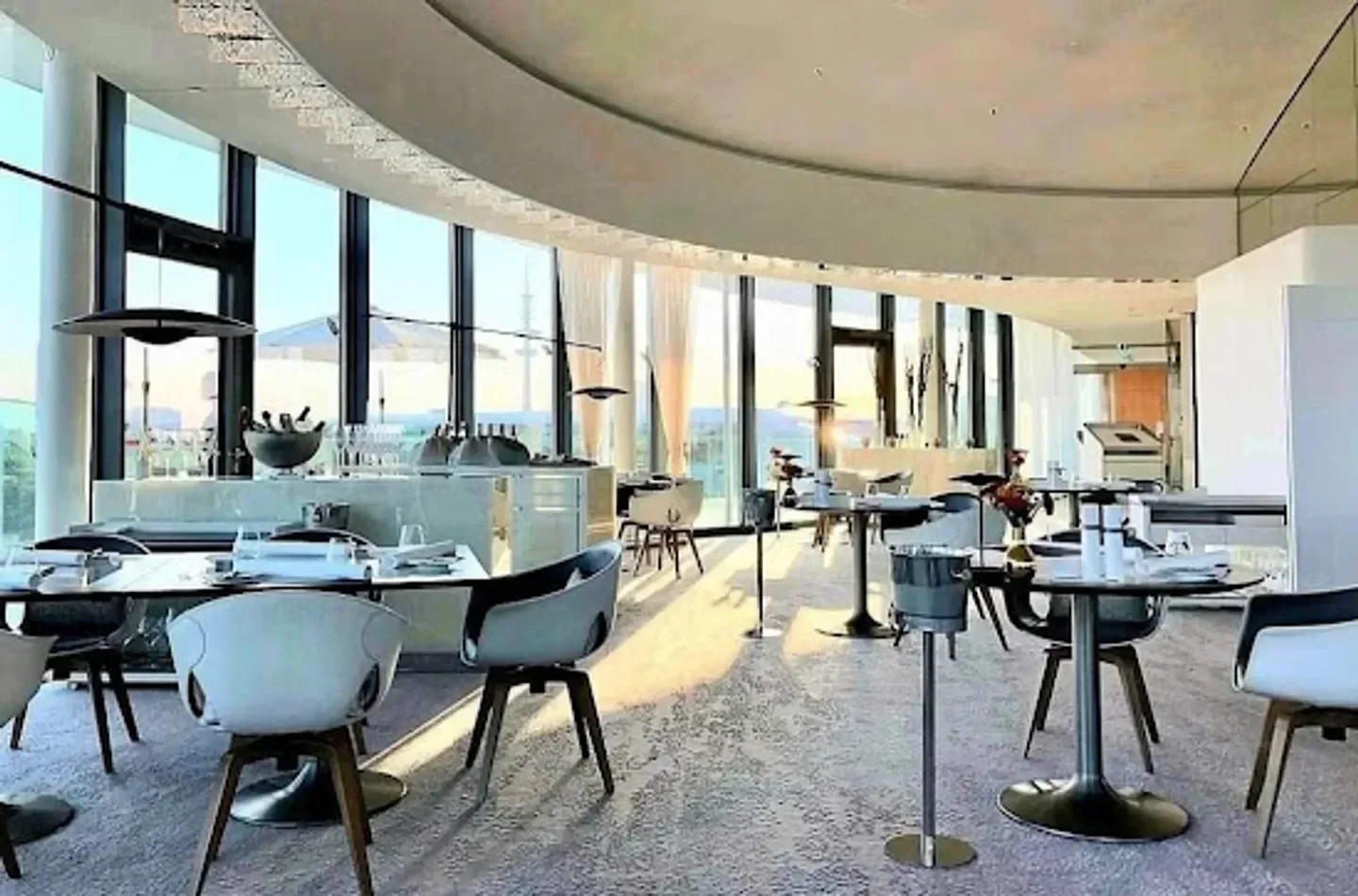
Photos: Lakeside
02.Lakeside
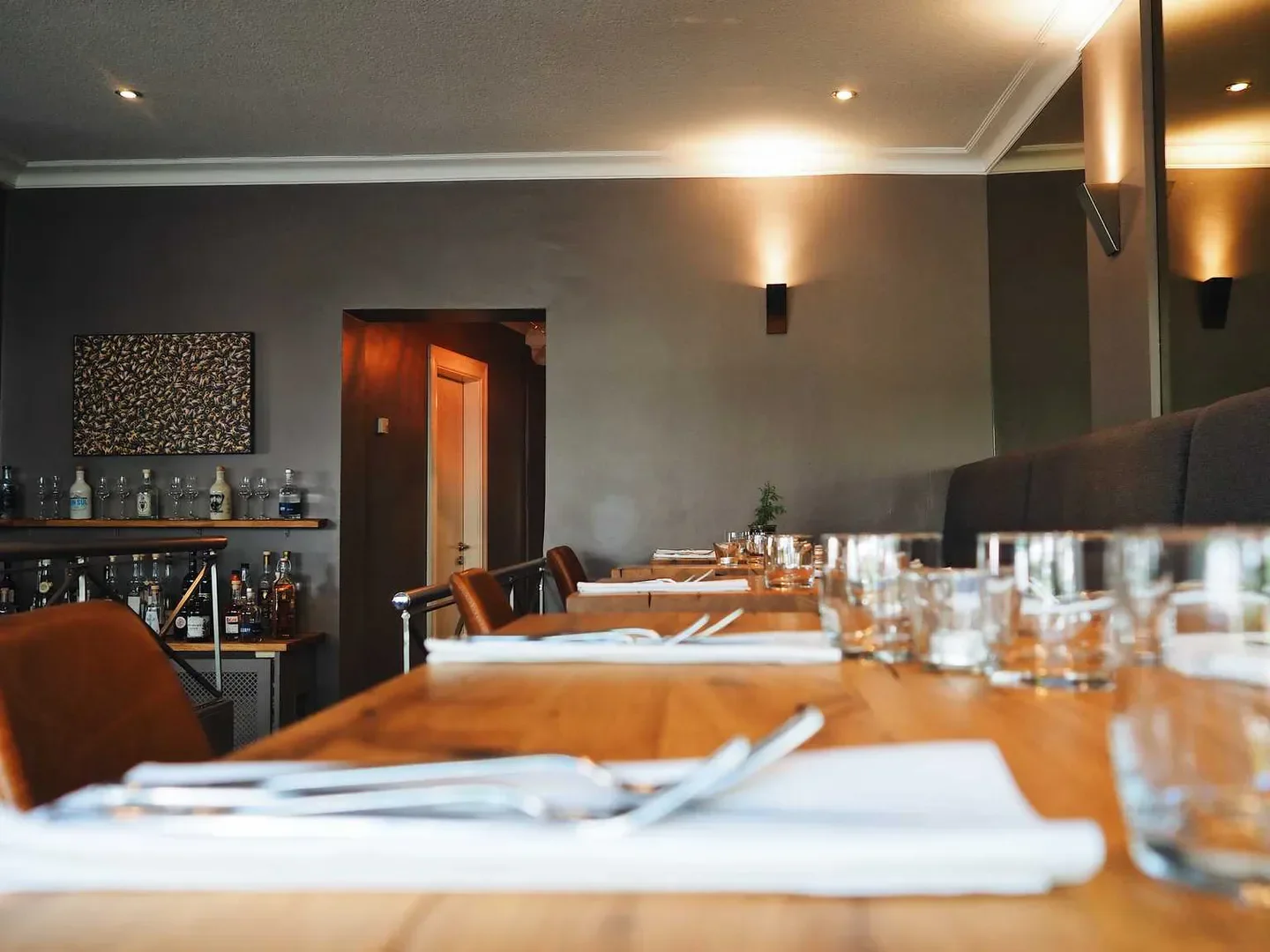
What is it? Lakeside brings a sharp, contemporary edge to the Hamburg dining scene. The interior feels polished and minimal, favoring clean lines and a sense of calm. You notice the quiet hum of the room immediately, signaling a place where technical skill takes center stage.
Why we love it: The service moves with a choreographed grace that never breaks the room's steady rhythm. Chefs plate each course with surgical precision, focusing on the structural integrity of every ingredient. It is a masterclass in modern hospitality where the atmosphere remains focused and intentional.
Good to Know: Lakeside curates a specialized wine list that highlights independent producers rarely found in the rest of the city.
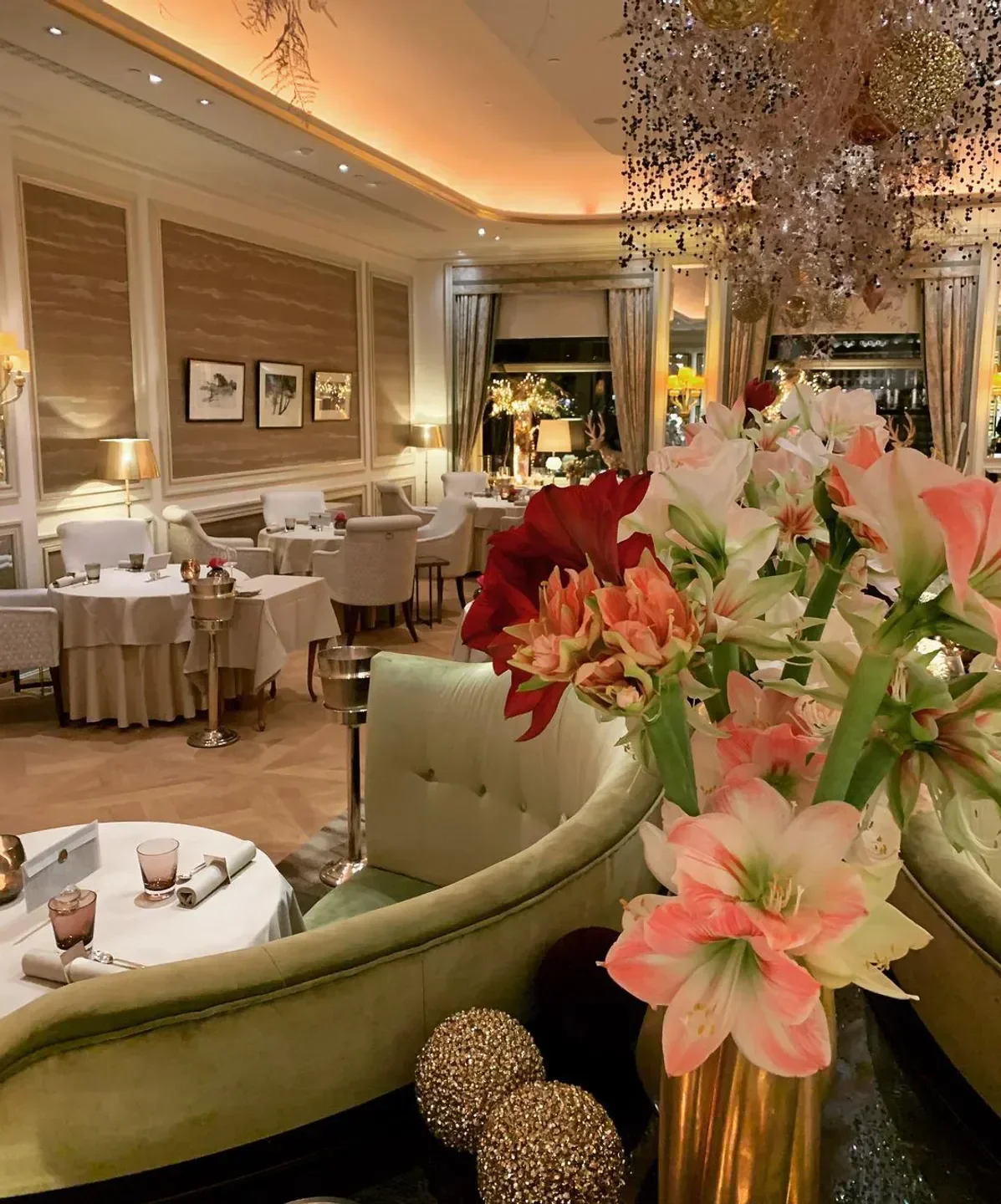
Photos: Haerlin
03.Haerlin
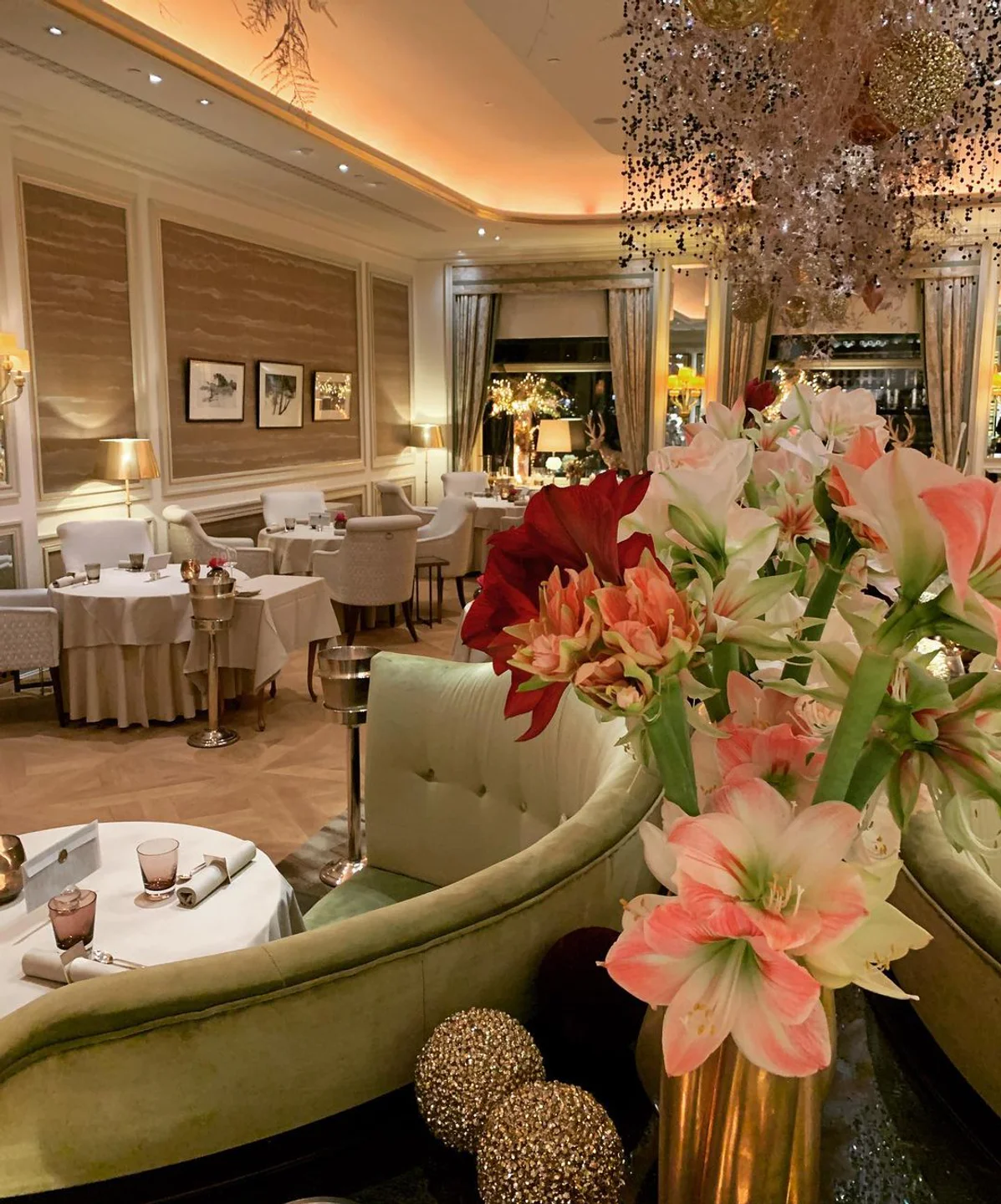
What is it? Haerlin brings refined French precision to the heart of Hamburg. As you step inside, the stillness of the room signals its status as a premier fine dining destination. It captures a distinctly luxury atmosphere where every movement feels choreographed and intentional.
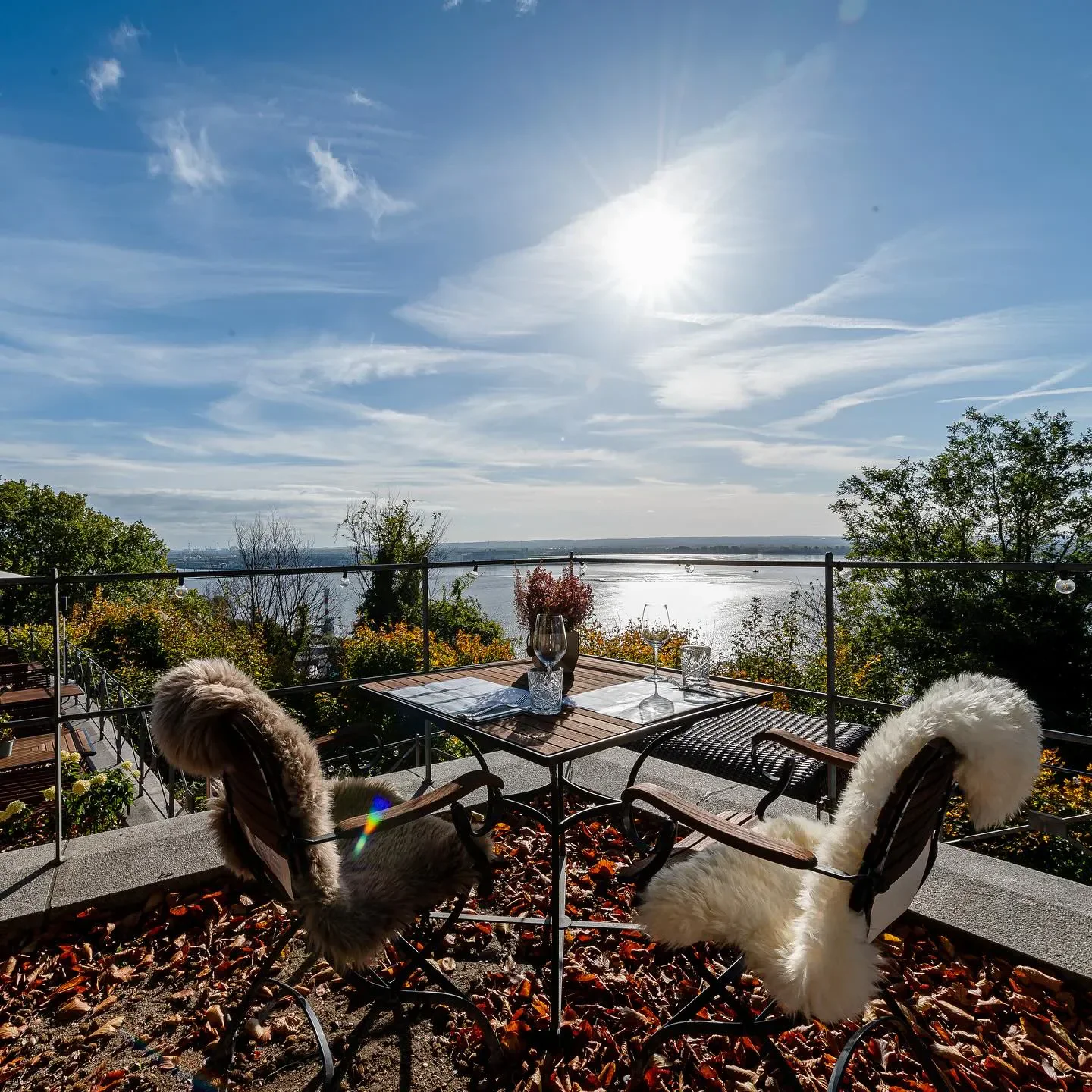
Why we love it: The kitchen pushes the boundaries of tradition by weaving creative fusion elements into classic French techniques. You sit in a space that balances an intimate, romantic mood with the rigor of a Michelin Star kitchen. If the weather holds, the terrace offers an open-air extension of this formal culinary stage.
Good to Know: Haerlin demands a smart and elegant wardrobe, so favor tailored separates or a structured blazer to match the gravity of the room.
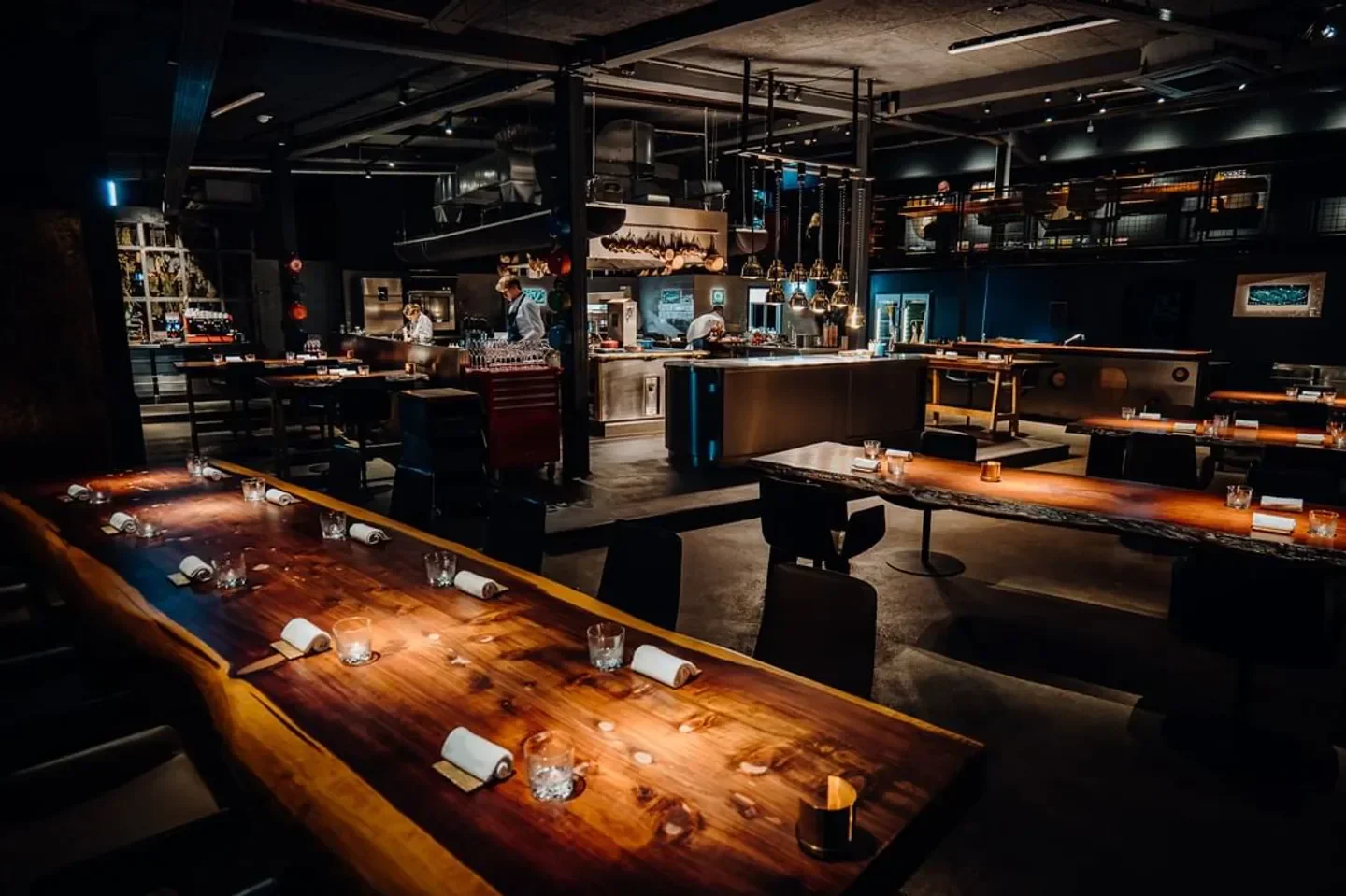
Photos: 100/200 Kitchen
04.100/200 Kitchen
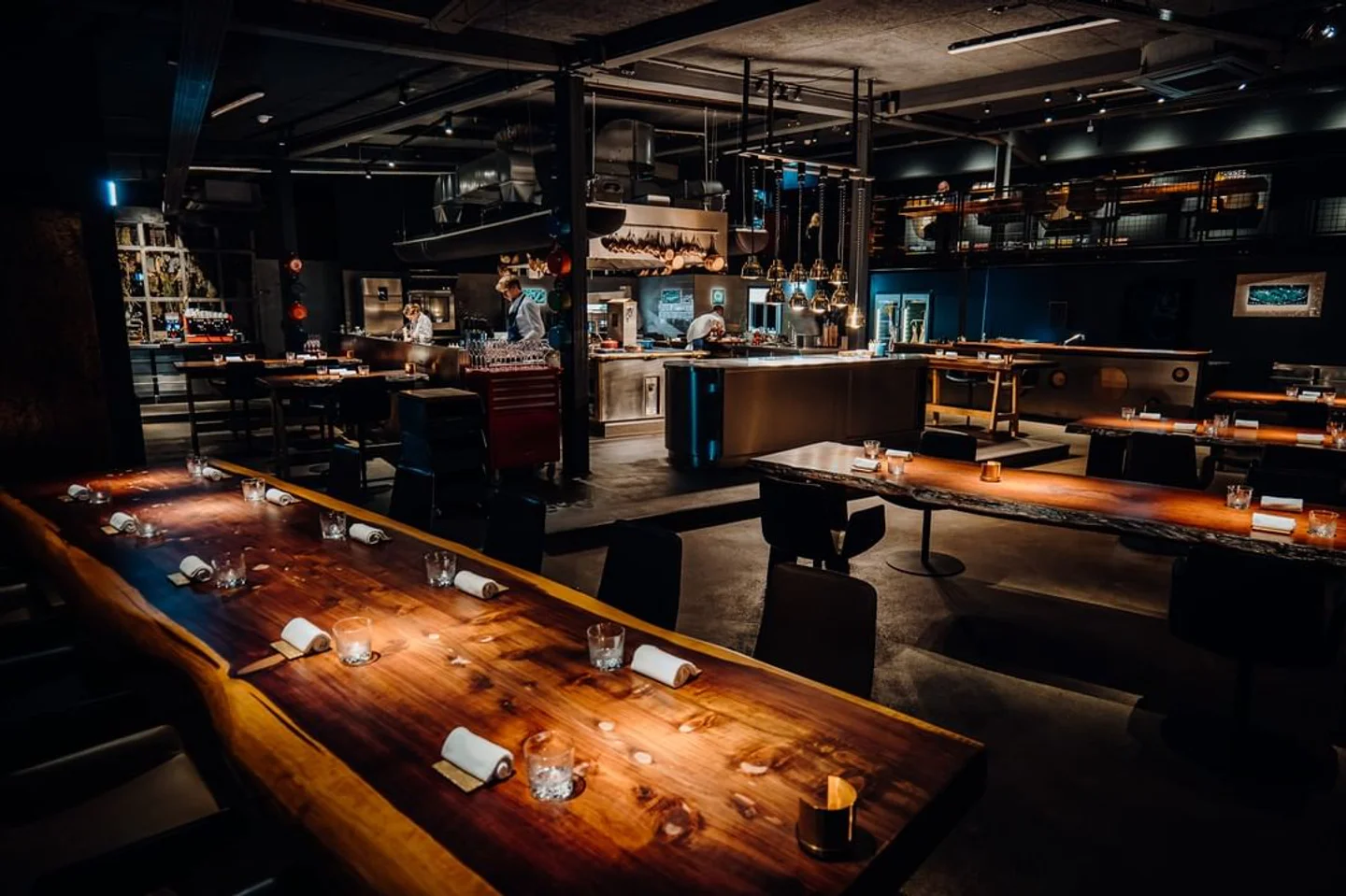
What is it? 100/200 Kitchen is a Hamburg restaurant that removes the walls between the chef and the guest. The space operates as a working kitchen where the cooking happens right in front of you. You step into a room where the constant motion of the staff provides the primary energy.
Why we love it: The atmosphere is intense. We love watching the team navigate the floor with deliberate, practiced movements. It feels like an invitation into a professional operation where the sounds of the line define the vibe.
Good to Know: The seating at 100/200 Kitchen places you within arm’s length of the culinary team as they assemble each plate.
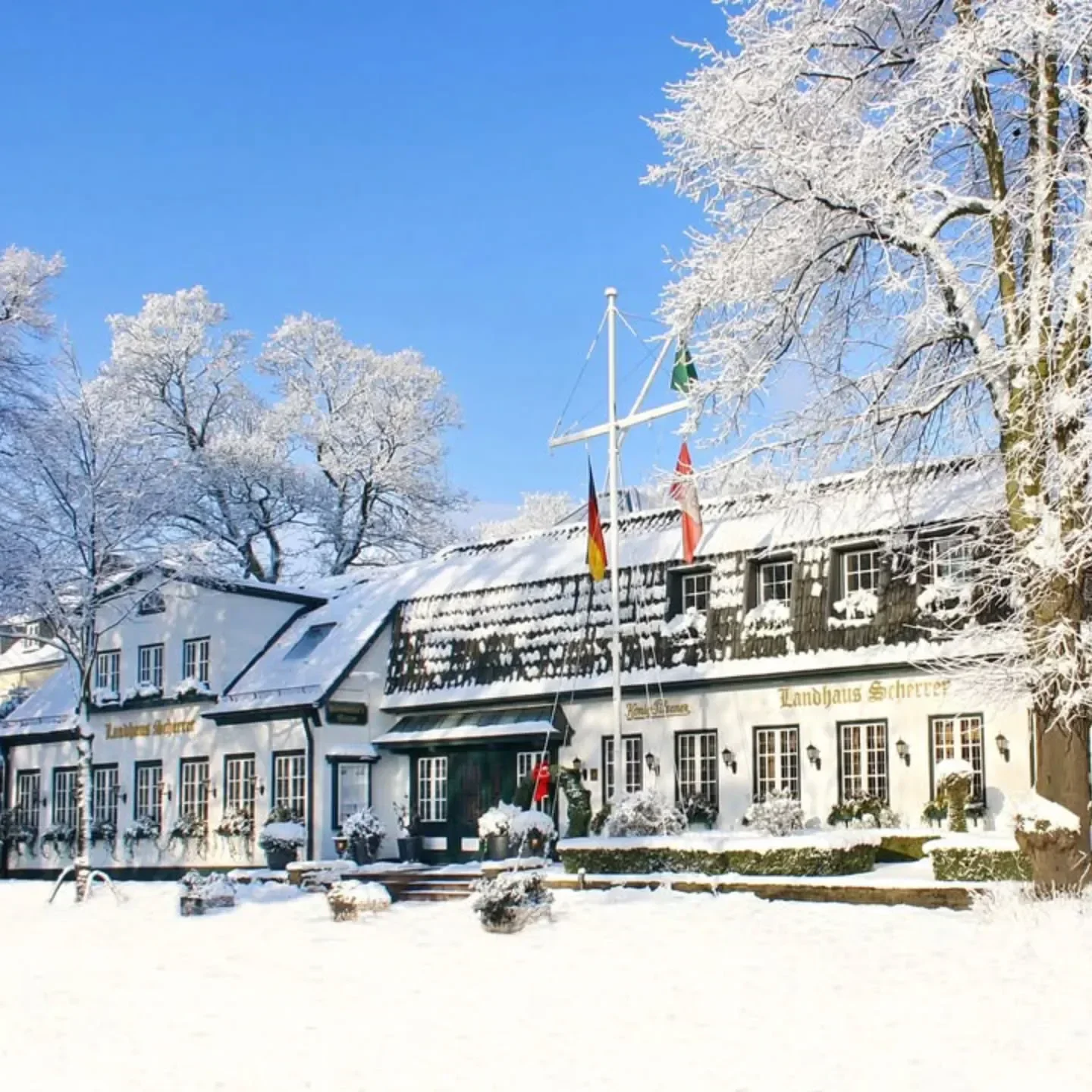
Photos: Landhaus Scherrer
05.Landhaus Scherrer
What is it? Landhaus Scherrer is a Hamburg institution that anchors the Elbchaussee with quiet authority. This restaurant balances storied tradition with a professional hum. You feel the history of the city the moment you step inside.
Why we love it: The service team operates with clockwork precision. They navigate the floor without ever interrupting the flow of your evening. It is the kind of place where heritage meets sharp execution and every table feels like the most important one in the room.
Good to Know: The kitchen at Landhaus Scherrer pairs robust northern German flavors with technical precision to set the local culinary standard.
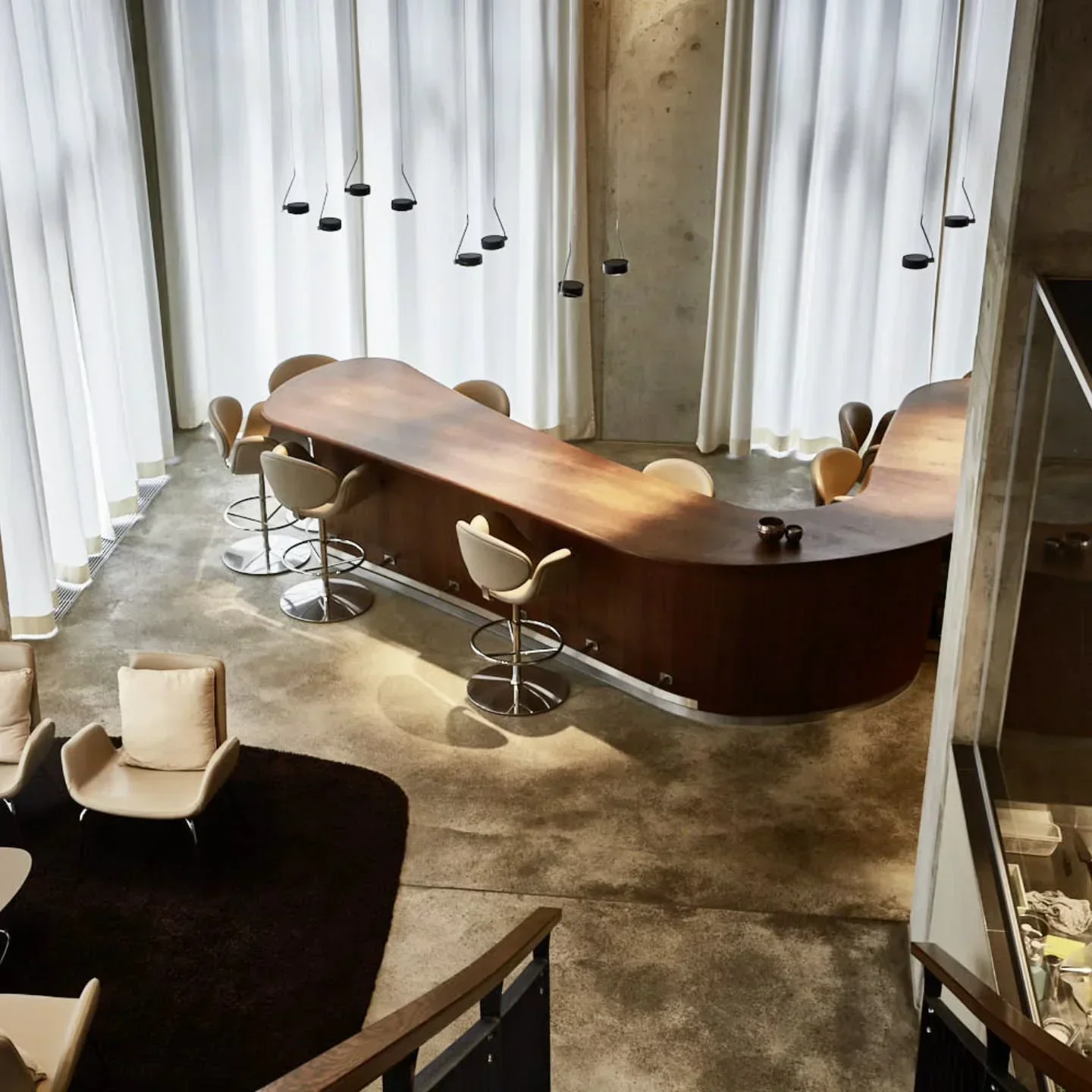
Photos: The Table Kevin Fehling
06.The Table Kevin Fehling
What is it? The Table Kevin Fehling centers on a single, serpentine counter that winds through this Hamburg restaurant. It rejects separate seating for one continuous curve that wraps around the open kitchen. This design places every guest in the heart of the room.
Why we love it: The layout turns the meal into a visual performance. You watch the chefs prep and plate dishes with total transparency just inches from your seat. The shared counter creates a collective, focused energy that vibrates through the space.
Good to Know: Beverage pairings at The Table Kevin Fehling align with the steady pace of the kitchen team working before you.
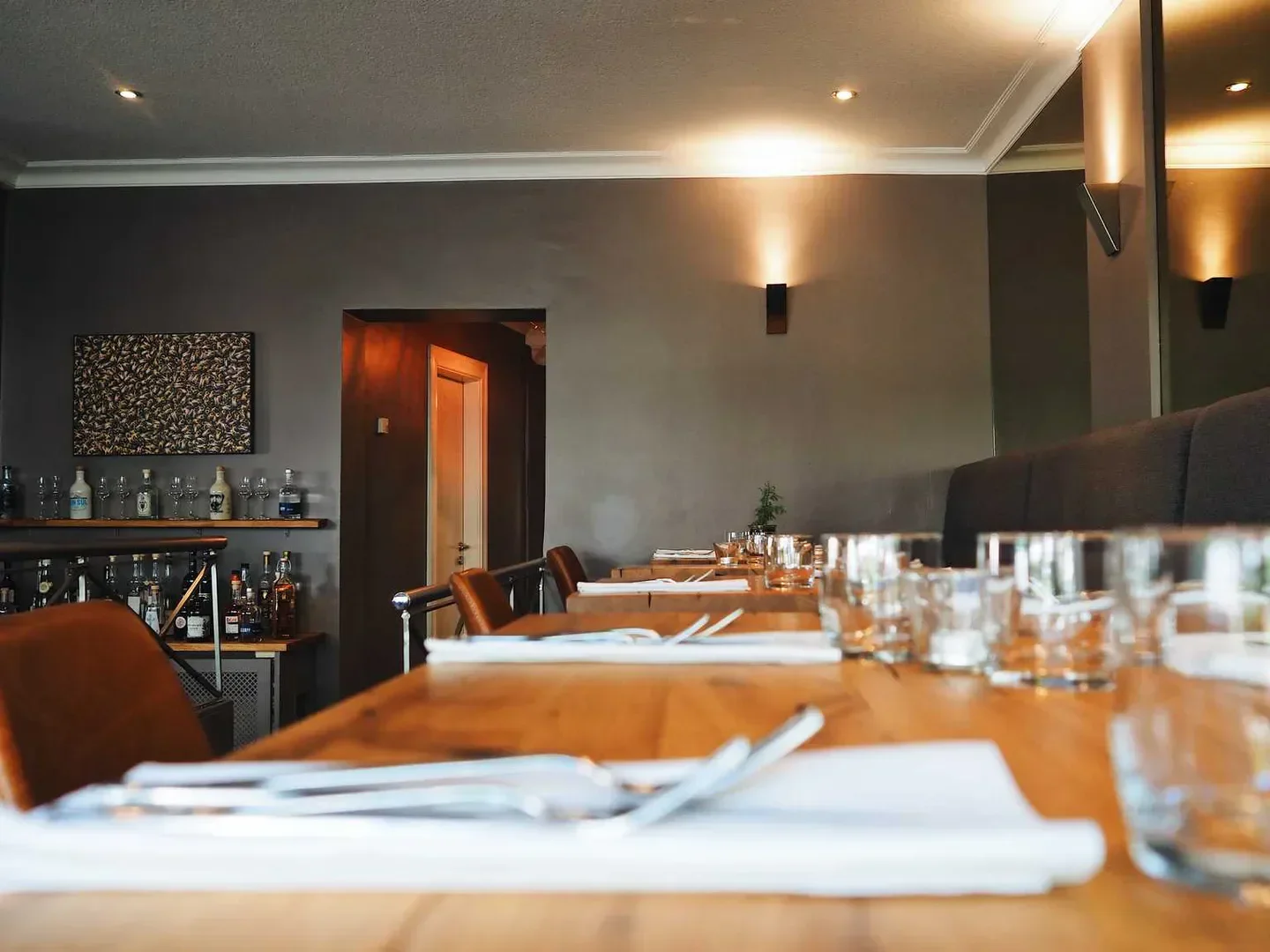
Photos: Wolfs Junge
07.Wolfs Junge
What is it? Wolfs Junge sits in the heart of Hamburg as a destination for modern, creative fine dining. You step inside to find a space that balances luxury with a focused, farm-to-table philosophy.
Why we love it: The Michelin Star earns its keep here through precise, creative plating. You watch the kitchen team transform raw, seasonal ingredients into modern compositions that anchor the entire experience.
Good to Know: The farm-to-table menu at Wolfs Junge shifts frequently, so expect the specific vegetable pairings to change depending on the morning's local harvest.
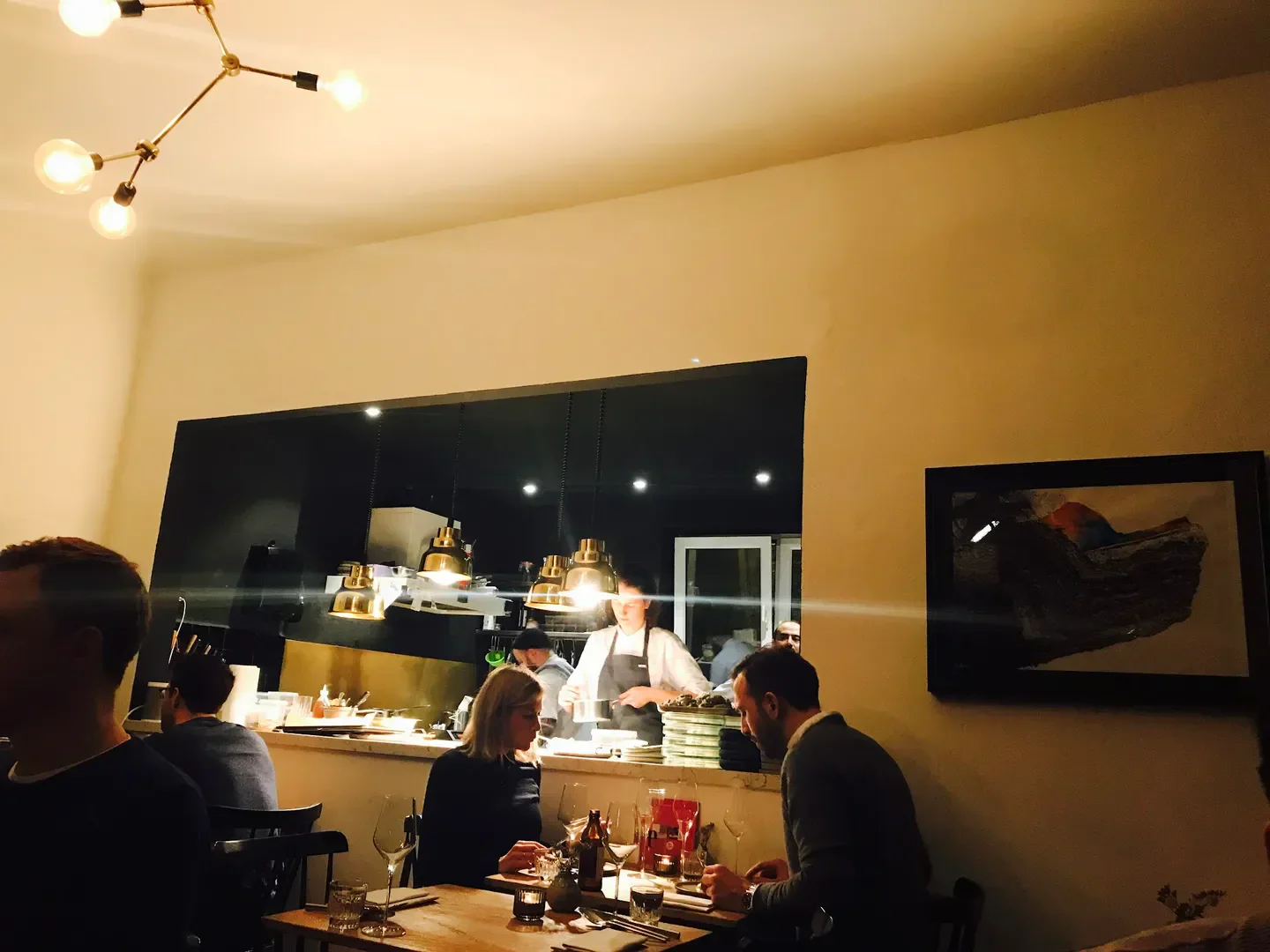
Photos: haebel
08.haebel
What is it? This Hamburg restaurant strips away the standard layers of fine dining. You walk into a compact, intentional space where an open kitchen serves as the room’s only stage.
Why we love it: The room breathes with the rhythm of the chefs. Guests watch every sear and garnish from the counter. The tasting menu highlights ingredients pulled from the surrounding landscape, resulting in plates that prioritize raw, purposeful flavors. It trades white tablecloths for high-intensity craft.
Good to Know: The beverage pairings at haebel often bypass big-name labels in favor of small-batch ciders that match the kitchen's regional focus.