Hamburg Luxury Concierge Services
Plan Your Experience
The Hamburg Edit
View all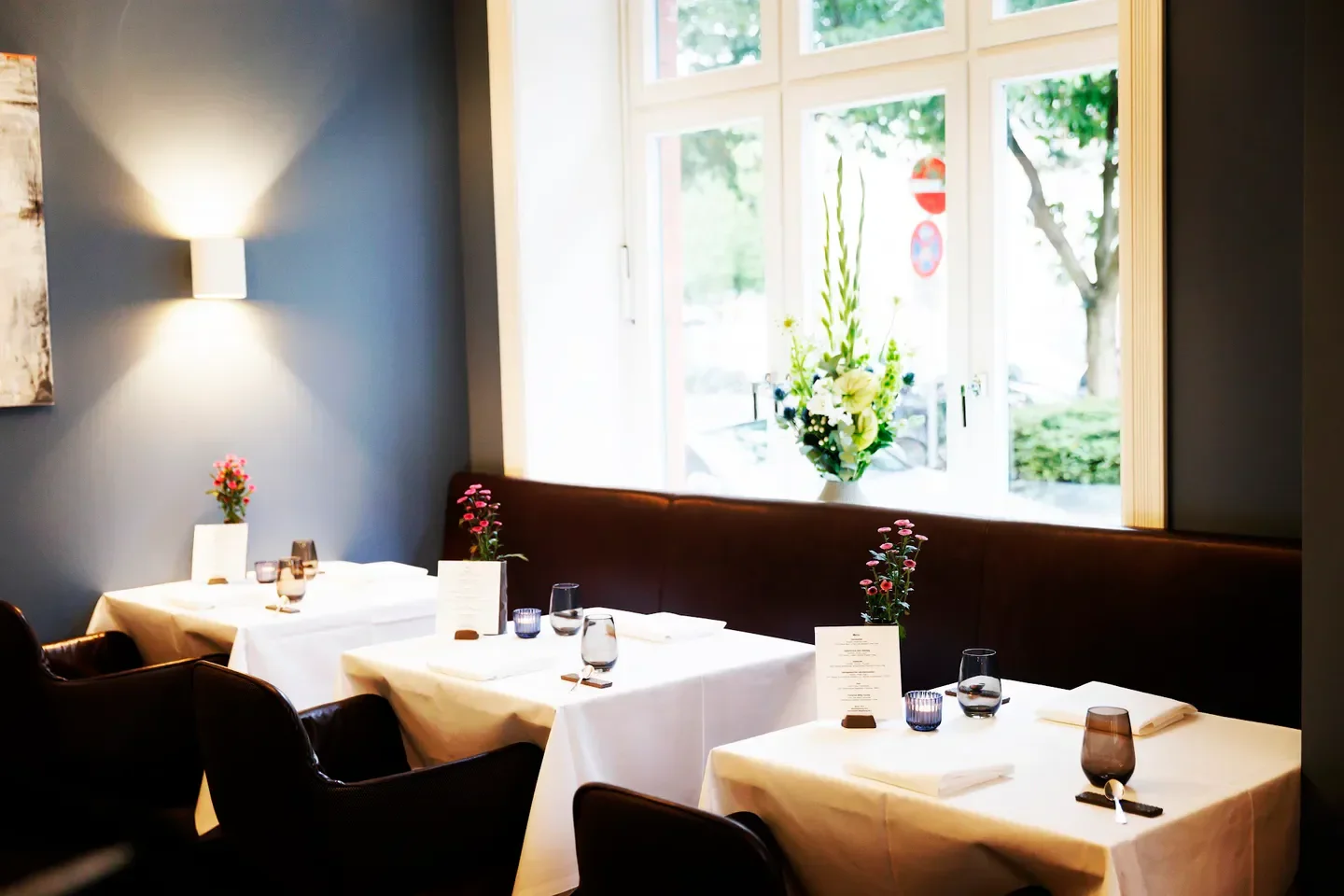
Restaurant
The TOP 10 Restaurant Open on Friday in Hamburg
Discover Hamburg's culinary gems, from Michelin-starred marvels to hidden neighborhood favorites. This guide unlocks the city's most unforgettable dining experiences.
Restaurant
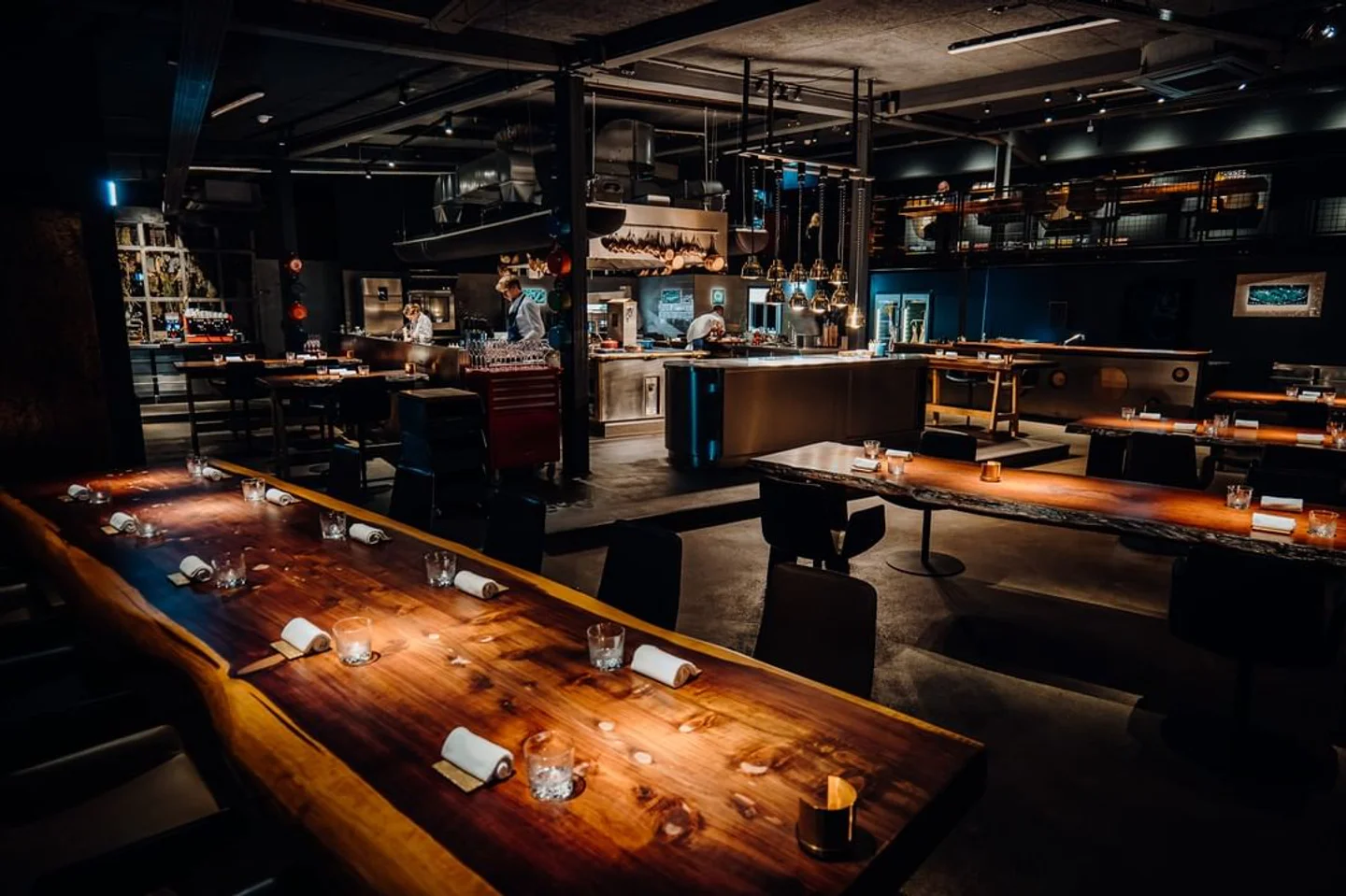
The TOP 10 Restaurant Open on Thursday in Hamburg
Discover Hamburg's most celebrated culinary gems. From innovative fine dining to cozy local haunts, this guide unveils the unforgettable flavors that define the city's vibrant food scene.
Restaurant
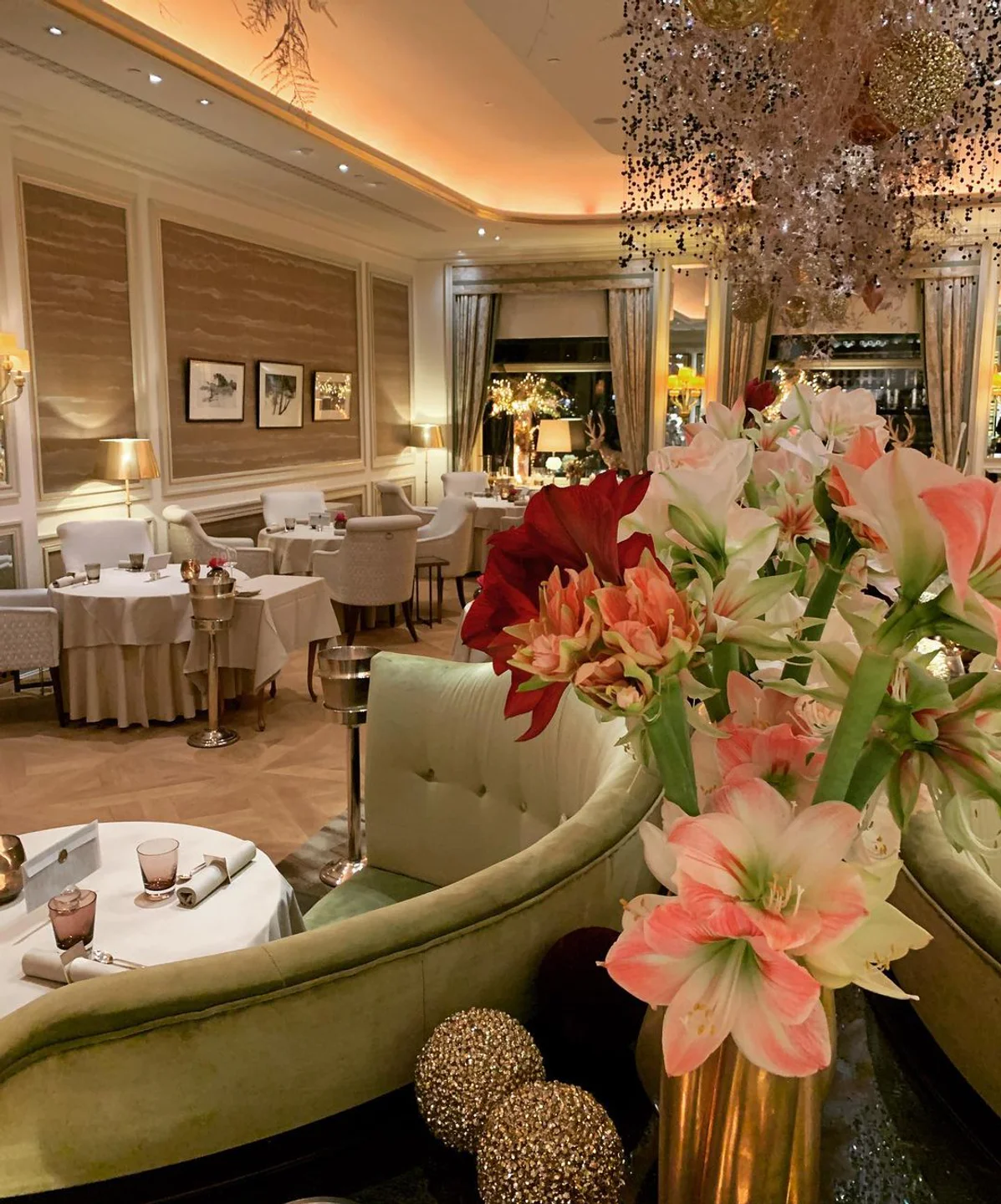
The TOP 10 Restaurant Open on Wednesday in Hamburg
Discover the culinary heart of Hamburg with our curated guide to the top 10 restaurants. Savor exquisite flavors and unforgettable dining journeys that will enchant your senses.
Nightclub
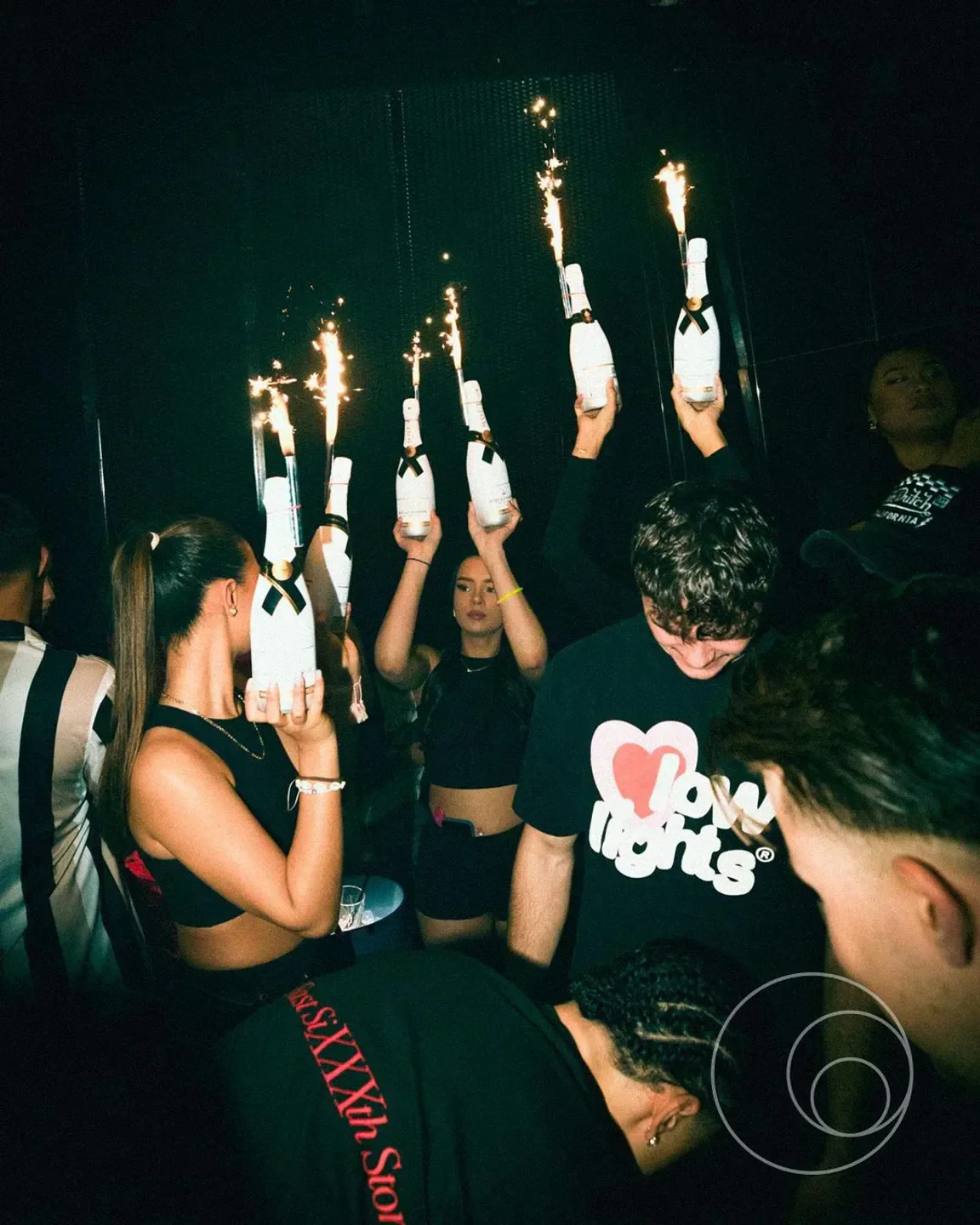
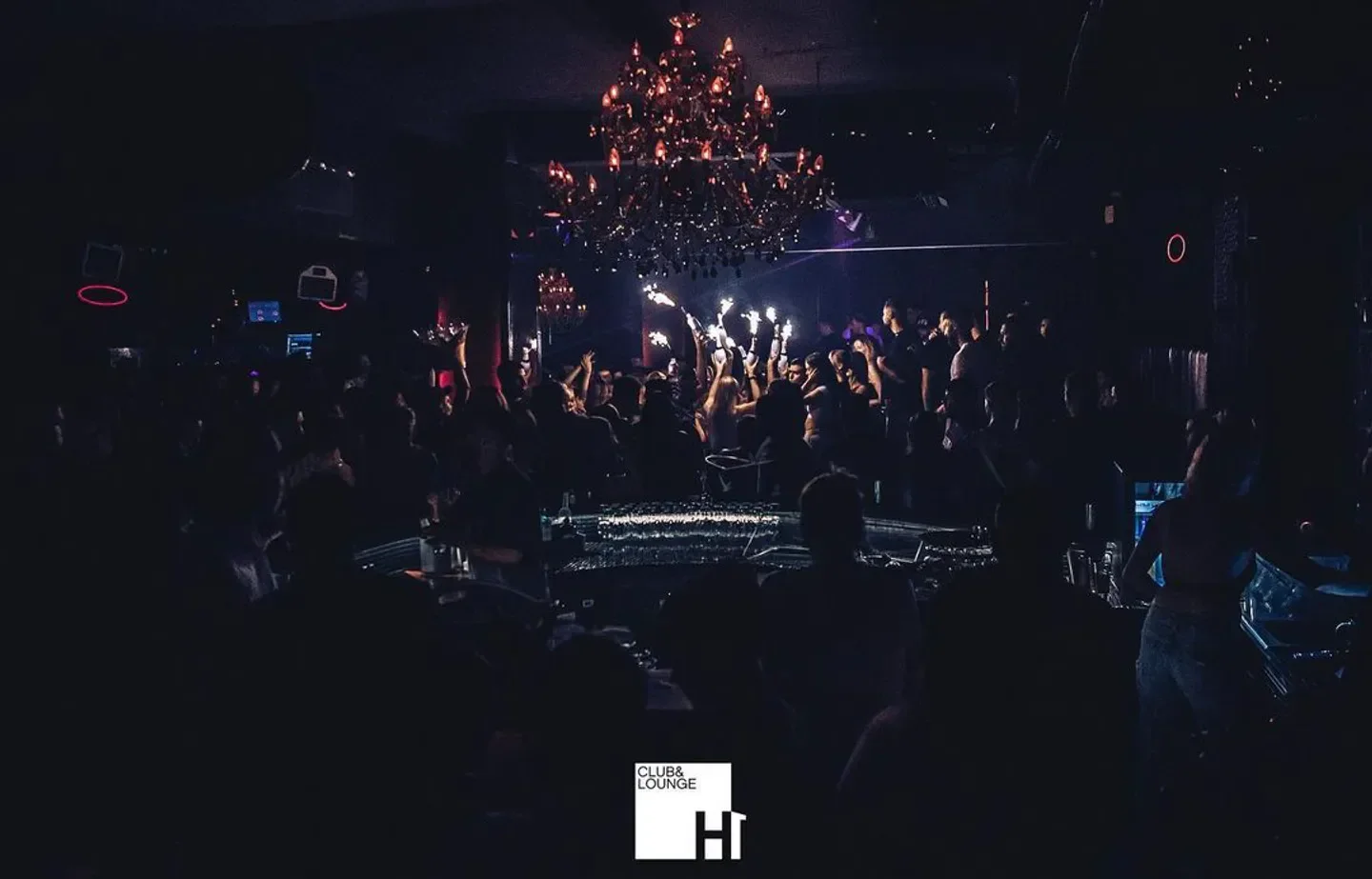
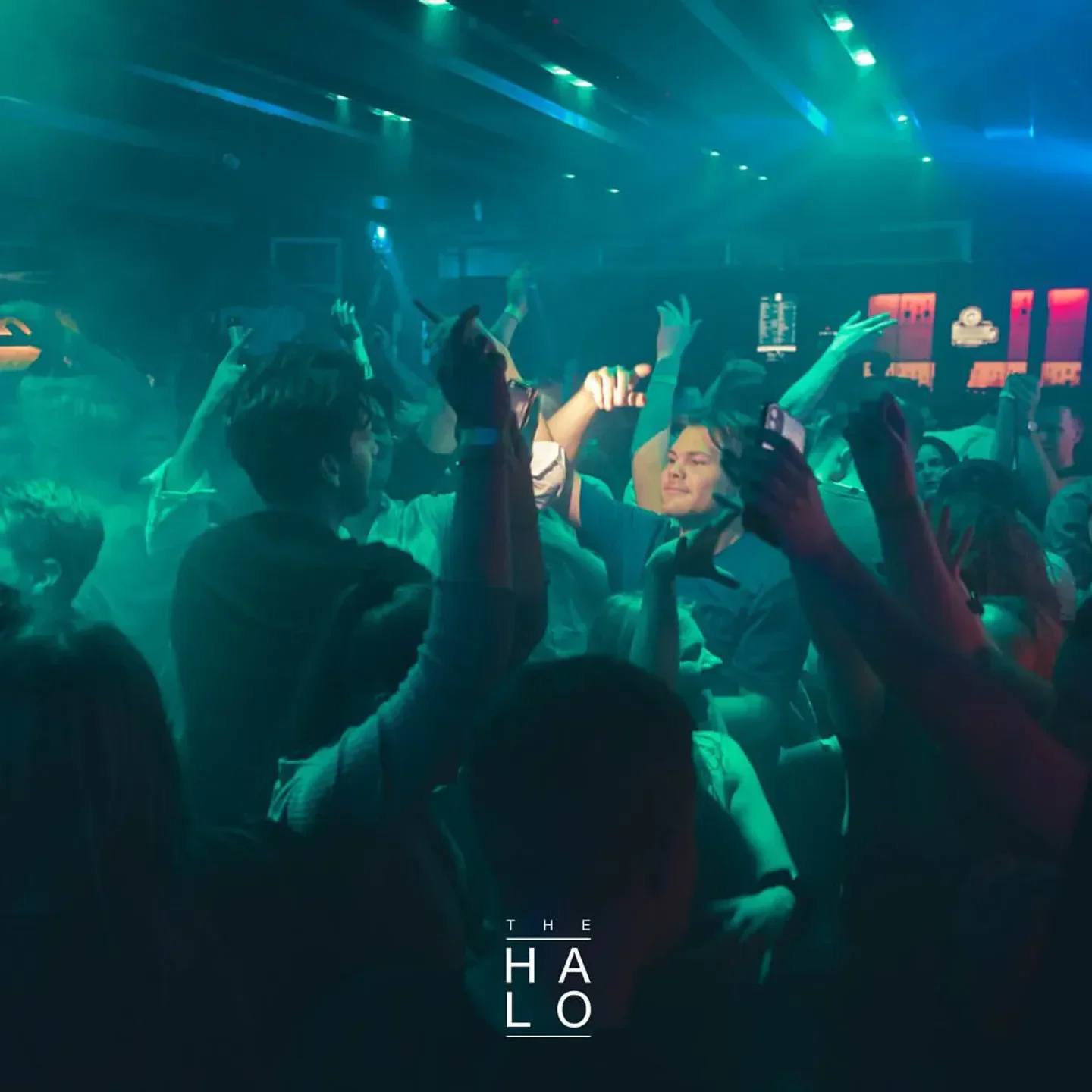
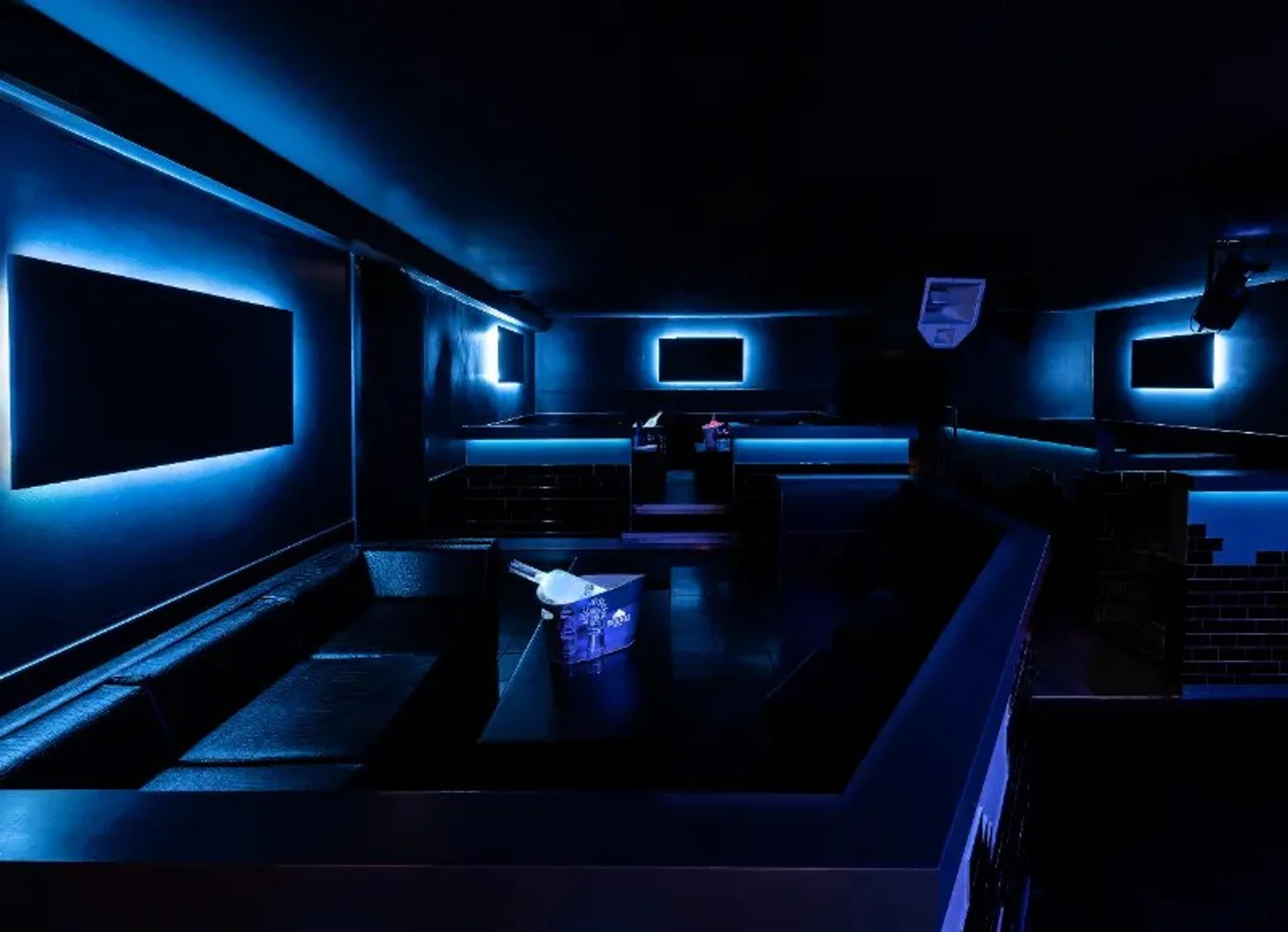
The TOP 10 Nightclub Open on Saturday in Hamburg
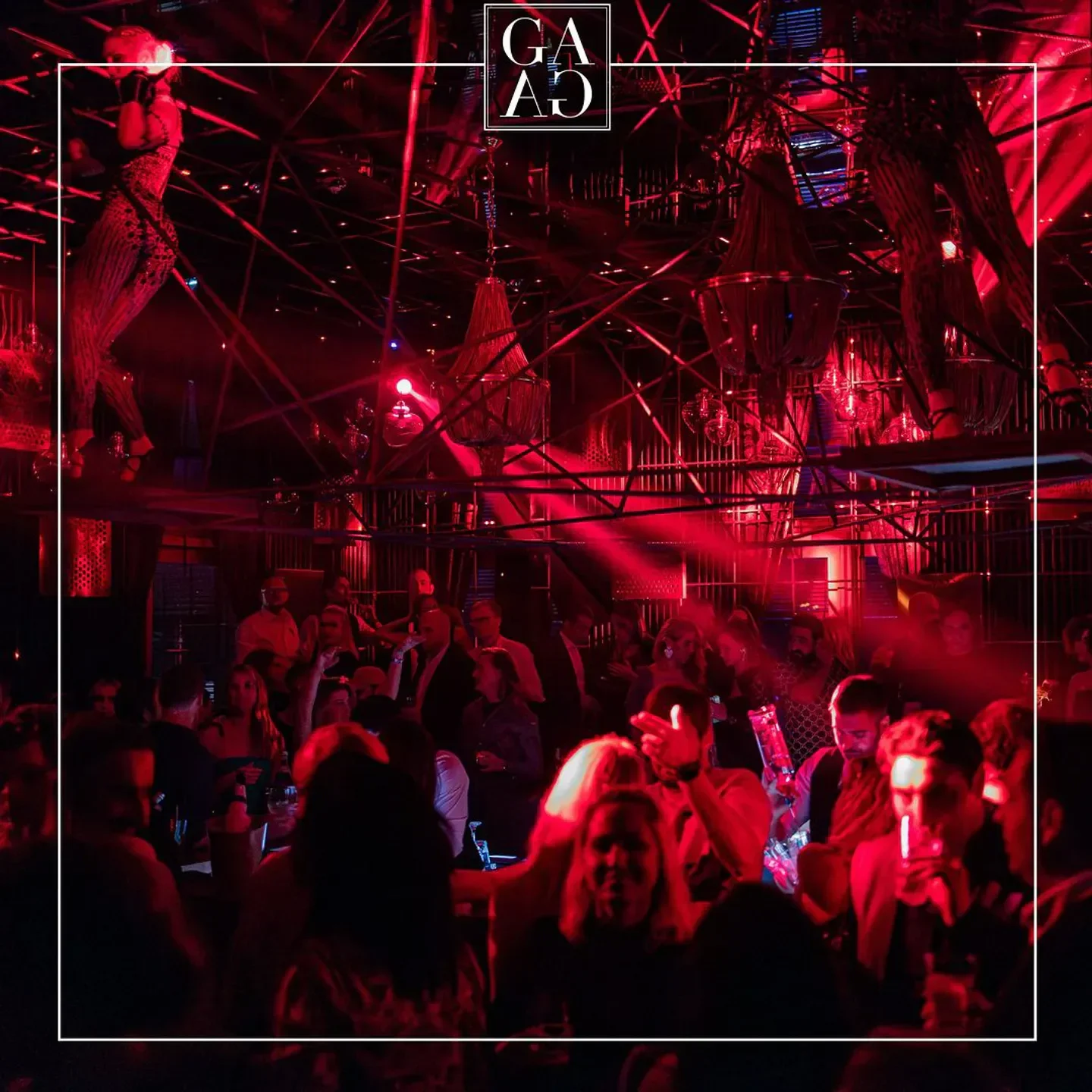
Uncover Hamburg's pulsating heart with our guide to the top 10 clubs. Experience electrifying beats and unforgettable nights in the city's most vibrant scenes.
Restaurant
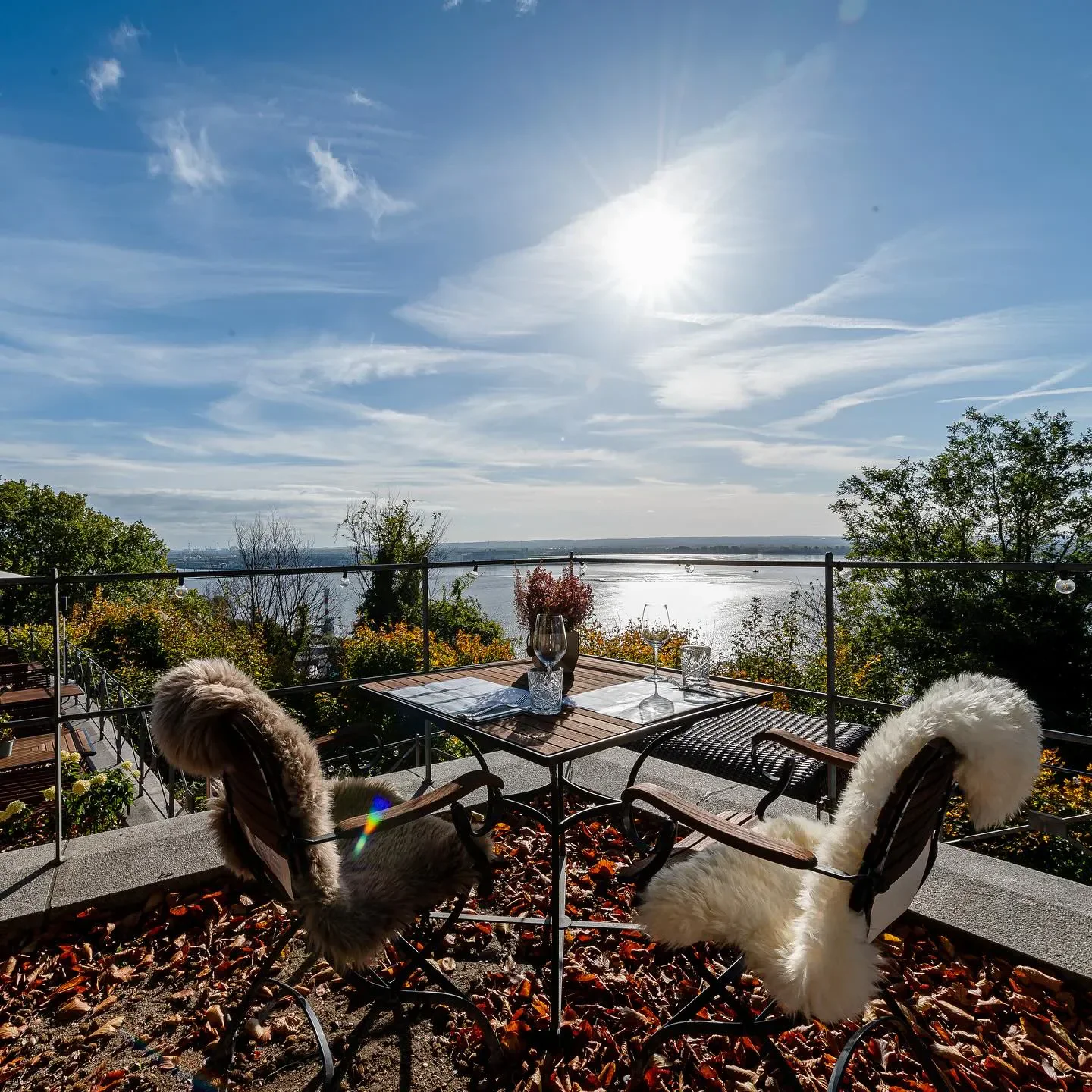
The TOP 10 Restaurant Open on Sunday in Hamburg
Discover Hamburg's culinary heart with our curated guide to the top 10 restaurants. Indulge in unforgettable flavors and vibrant atmospheres that define this dynamic city's dining scene.
Restaurant
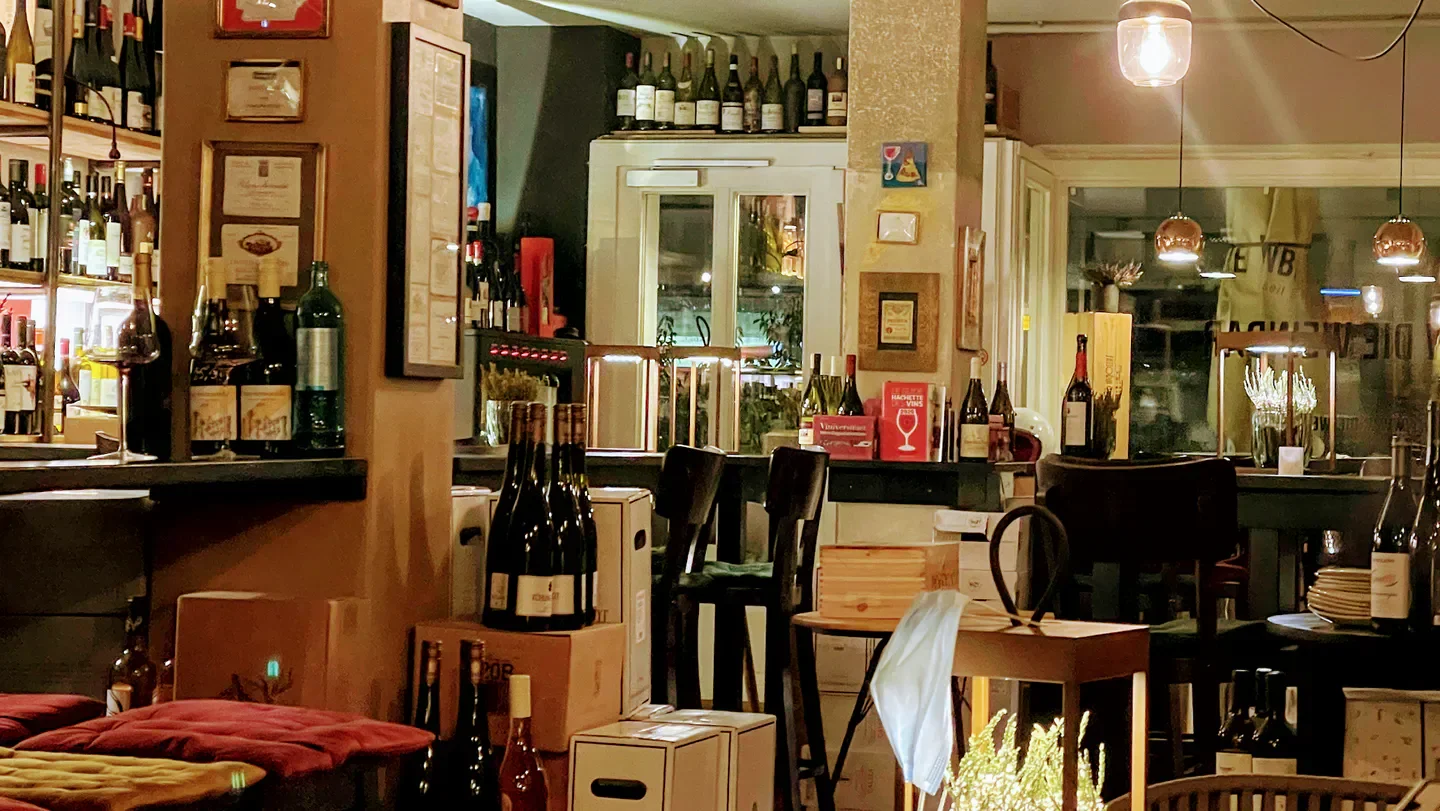
The TOP 10 Restaurant Open on Saturday in Hamburg
Discover Hamburg's culinary gems and experience unforgettable flavors. This guide unveils the city's top 10 restaurants, promising a journey through exceptional taste and vibrant atmosphere.
The Experience
Hamburg Unlocked
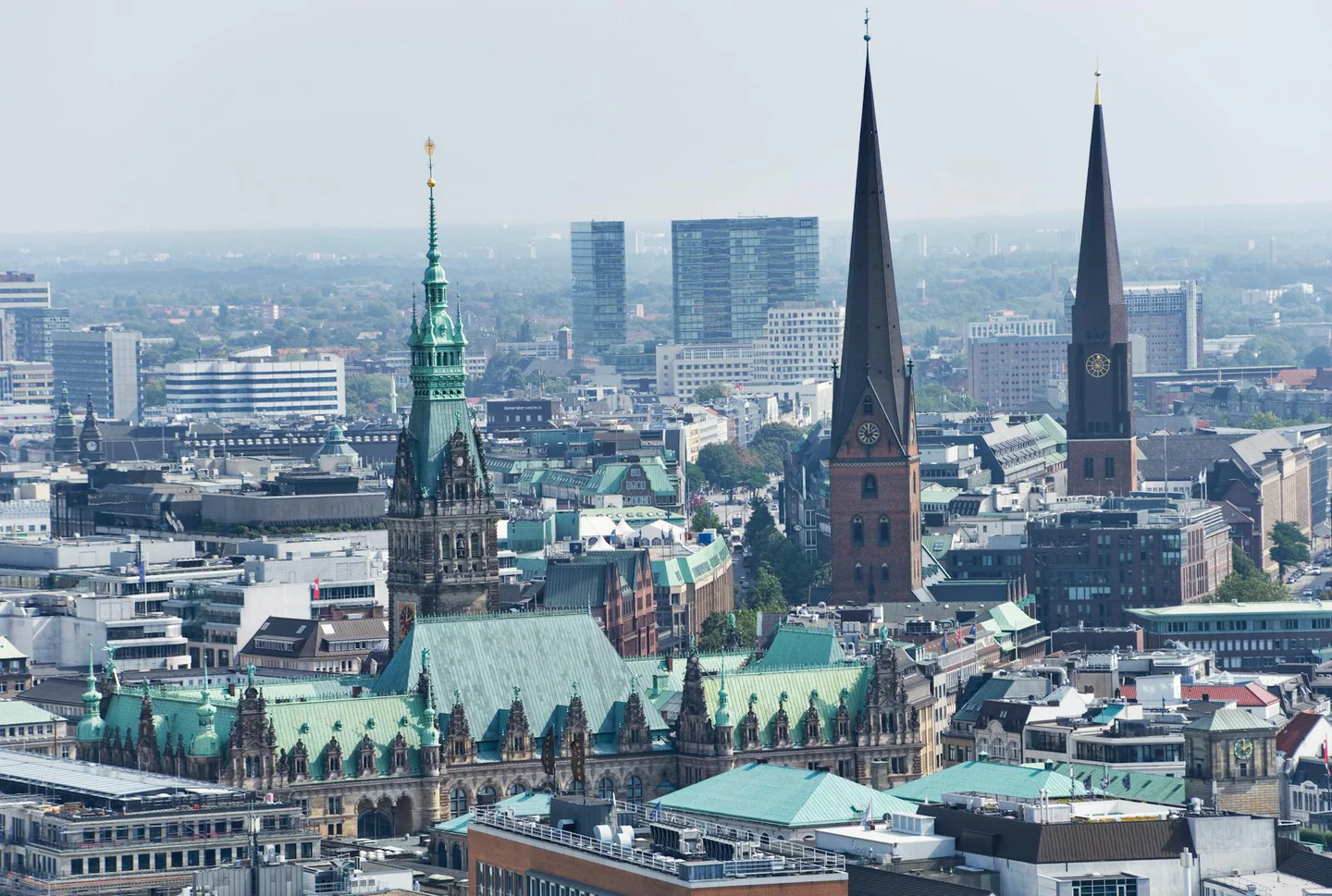
Hamburg is a city of distinct rhythms, defined by its maritime grit and the tension between grand, harbor-side restraint and the neon-soaked energy of St. Pauli. The real challenge for a visitor is navigating the transition from the polished, wealthy enclaves of the Alster to the raucous, late-night pulse of the Reeperbahn. Many visitors arrive expecting a unified German aesthetic, but the city reveals itself through these fractured identities; dinner here is often a deliberate, multi-course affair, while the best nightlife refuses to start until the rest of the city has gone quiet.
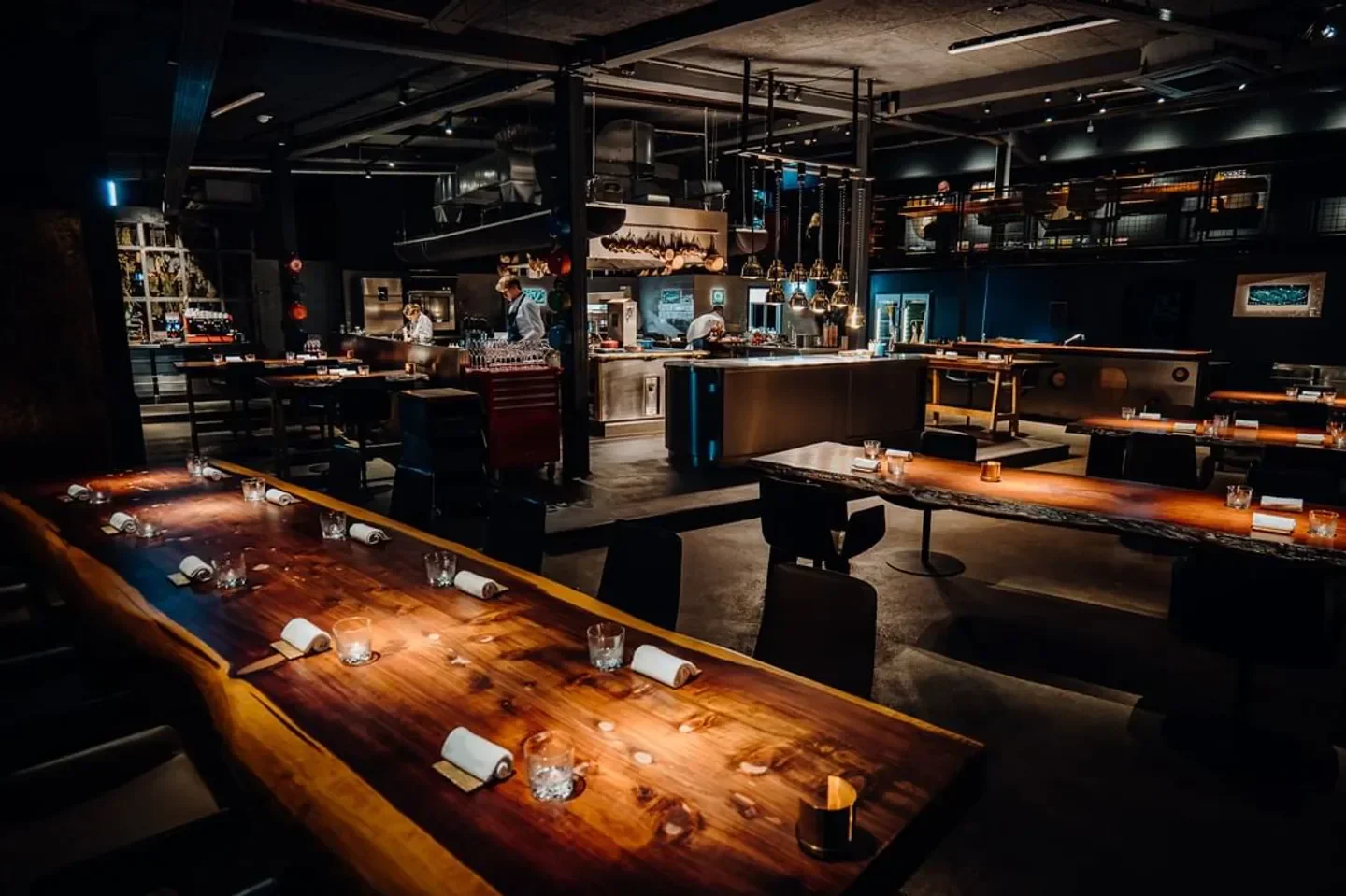
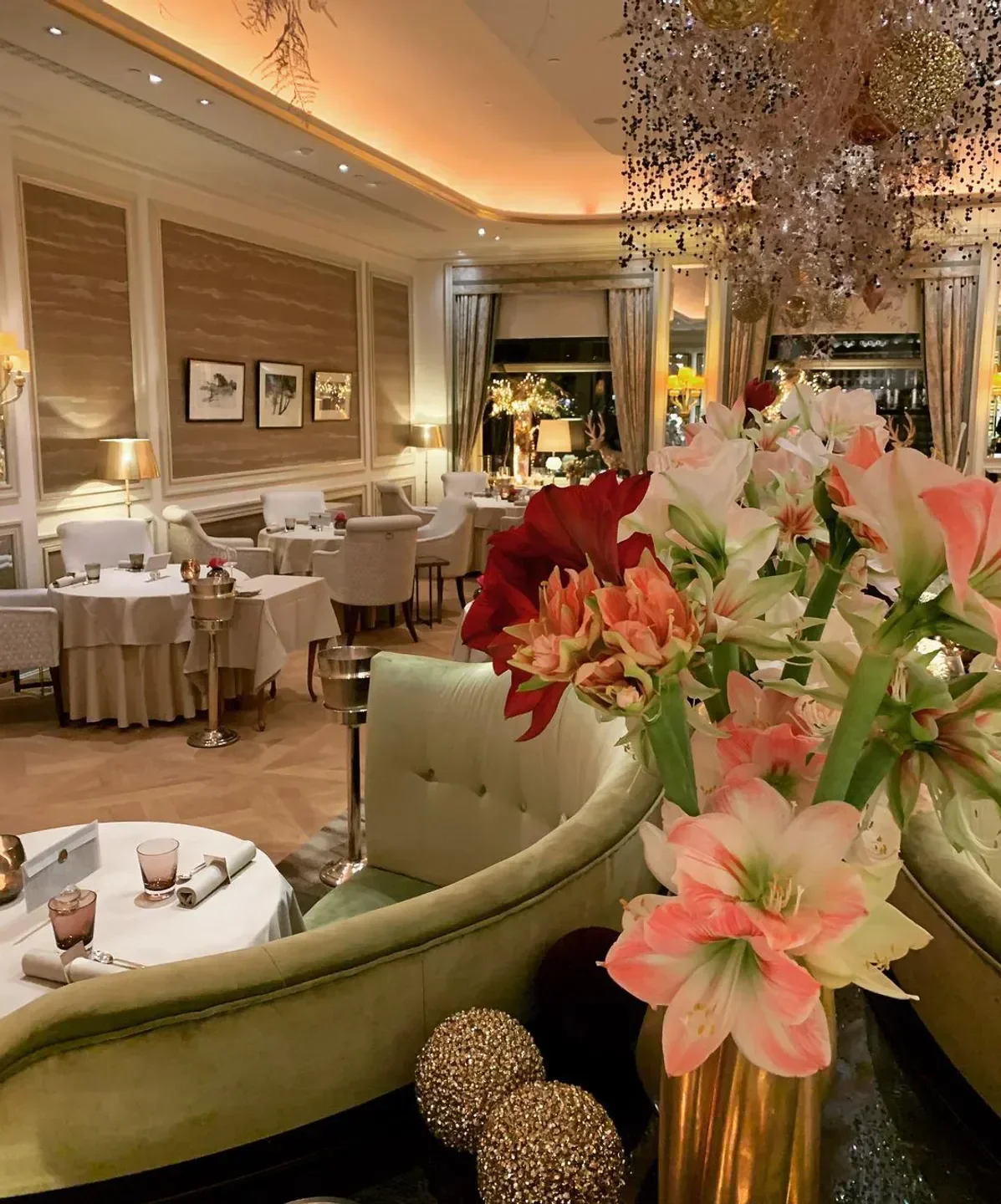
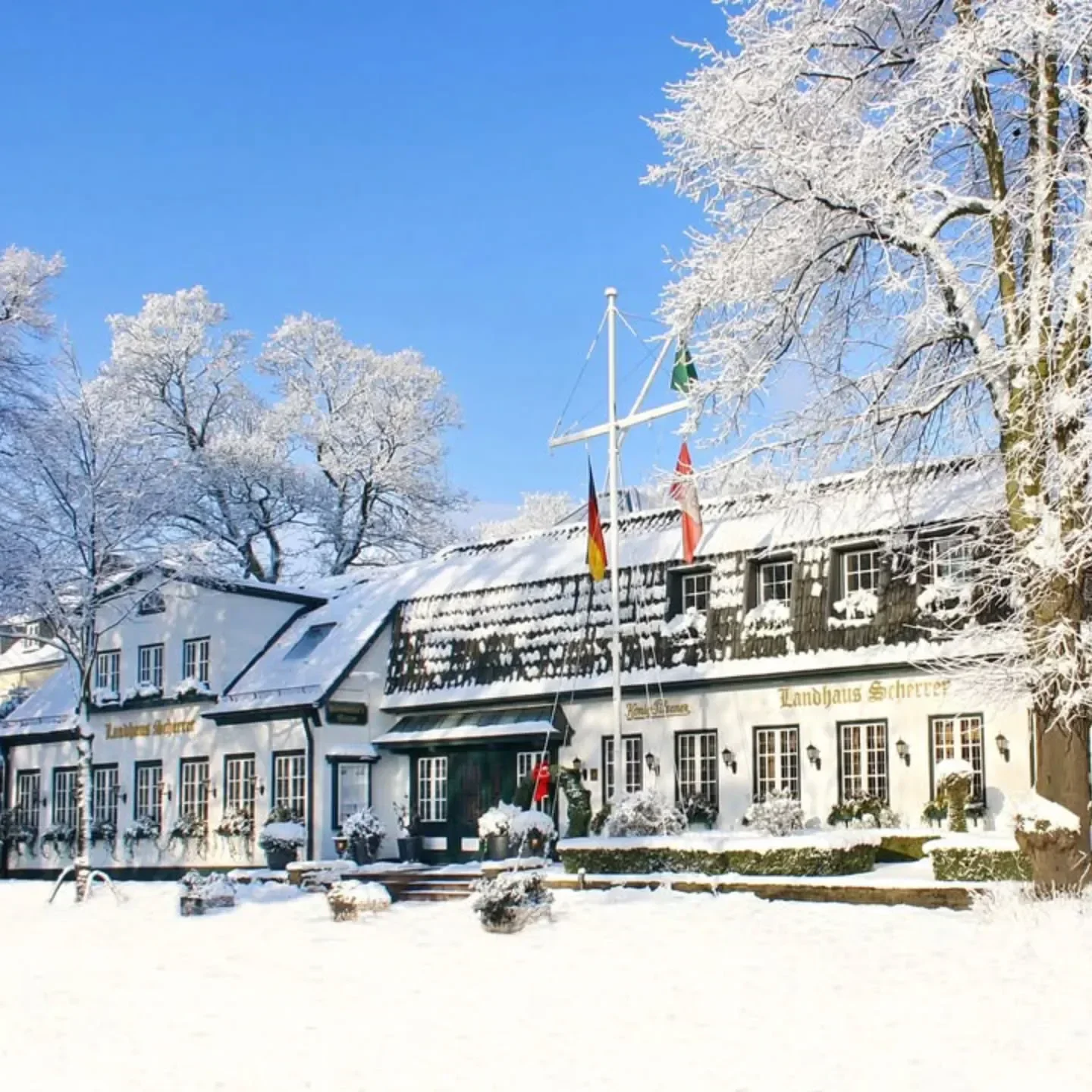
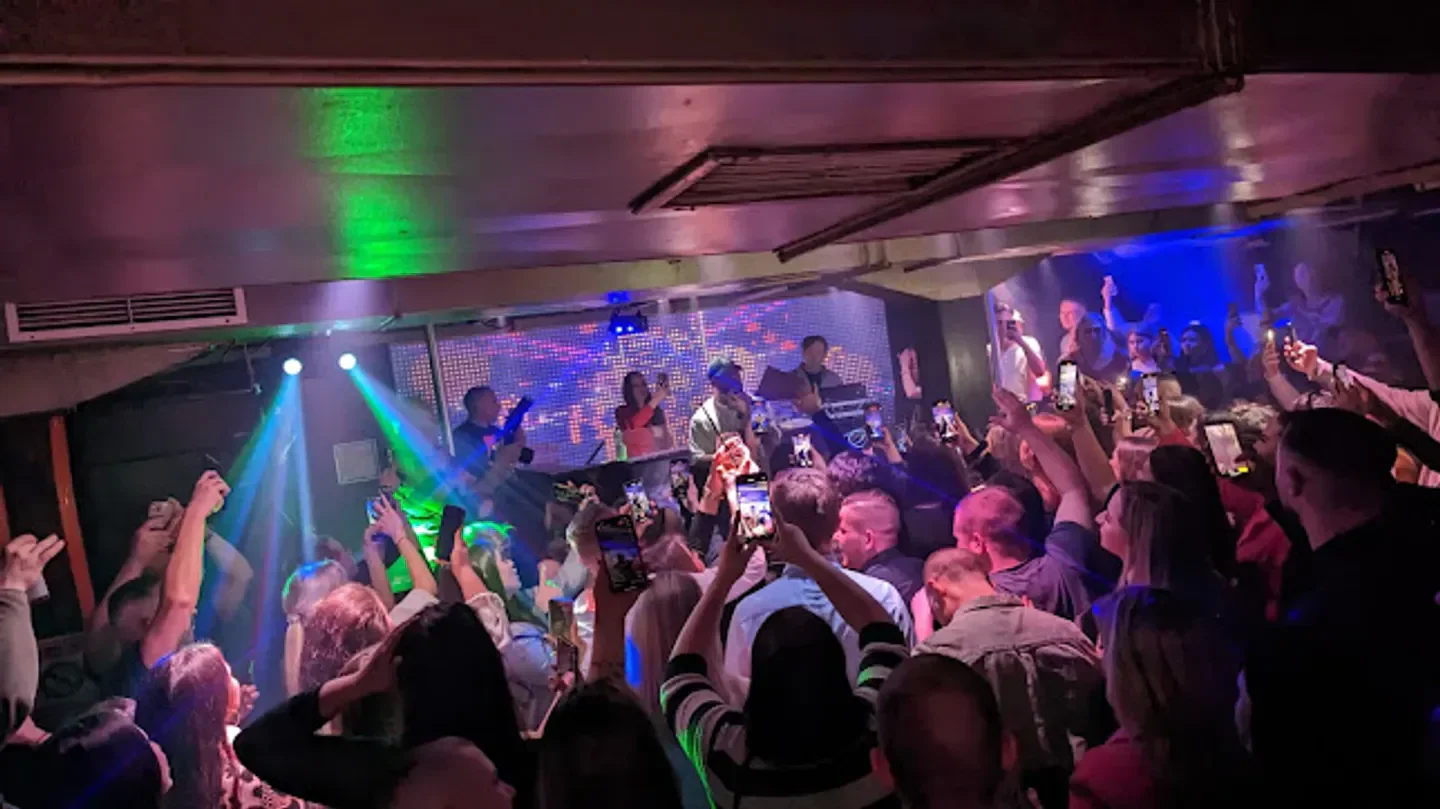
Dining culture here gravitates toward the contrasts of the Hafencity and the quarters near the Elbe. For those seeking technical precision, 100/200 Kitchen holds two Michelin stars and challenges expectations by stripping away the usual pretenses of formal dining. Nearby, Landhaus Scherrer sits apart from the urban density, holding a green Michelin star for its focus on regional provenance. For a late-night shift into the city’s industrial, basement-driven dance culture, the NOHO Club provides a multi-level space that captures the sharp, modern edge of Hamburg nightlife.
Planning a visit requires an eye on the wind and the work week. Tuesday through Thursday, the city functions with a professional, restrained focus, while the weekends pull the entire region toward the docks and club districts. Summer brings long, lingering twilights that push the crowd outside, while winter drives the scene into the warmth of wood-paneled bars and cellar clubs. We track the city’s evolving roster of venues to ensure your evening aligns with the current reality of the street.
Hamburg FAQ