Hamburg doesn’t beg for your attention. It’s a city of quiet wealth and maritime grit, where the best tables often hide behind understated brick facades or high-altitude glass. The challenge isn't finding a meal; it's navigating the shift between stiff Hanseatic tradition and a bold, restless new guard. Locals live by the reservation book. If you show up at 8:00 PM without a name on the list, expect a cold walk back to the Alster.
At Lakeside, panoramic water views compete with sharp, contemporary plates. Meanwhile, Maurizio Oster at Zeik is ditching old-world fuss to focus on hyper-local ingredients. For those seeking absolute technical mastery, Haerlin remains the gold standard, while bianc brings a sun-drenched Mediterranean soul to the industrial HafenCity.
The city’s culinary center of gravity has moved far beyond the fish market. These four restaurants prove that Hamburg is currently Germany's most exciting place to eat.
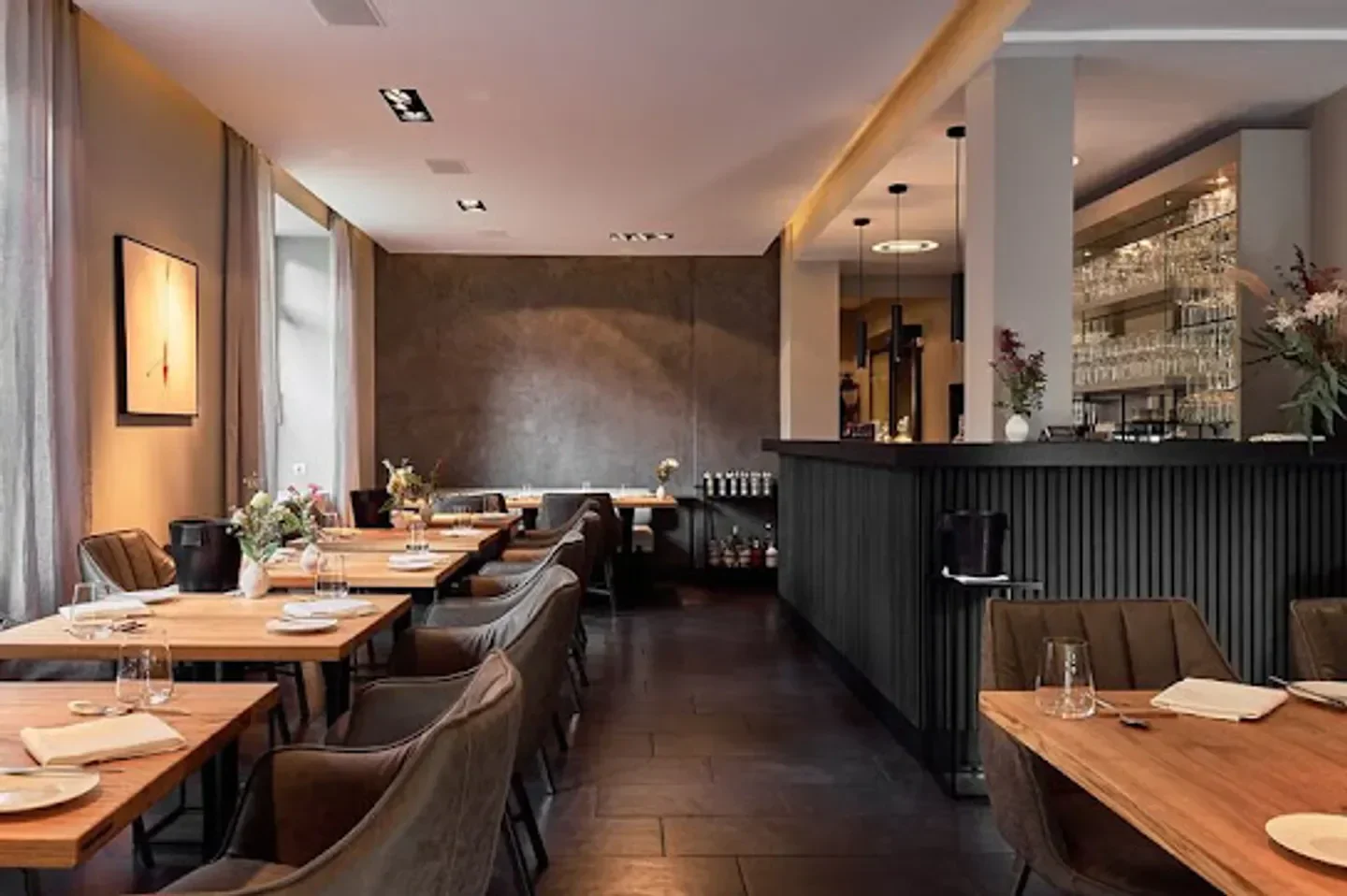
Photos: Zeik
01.Zeik
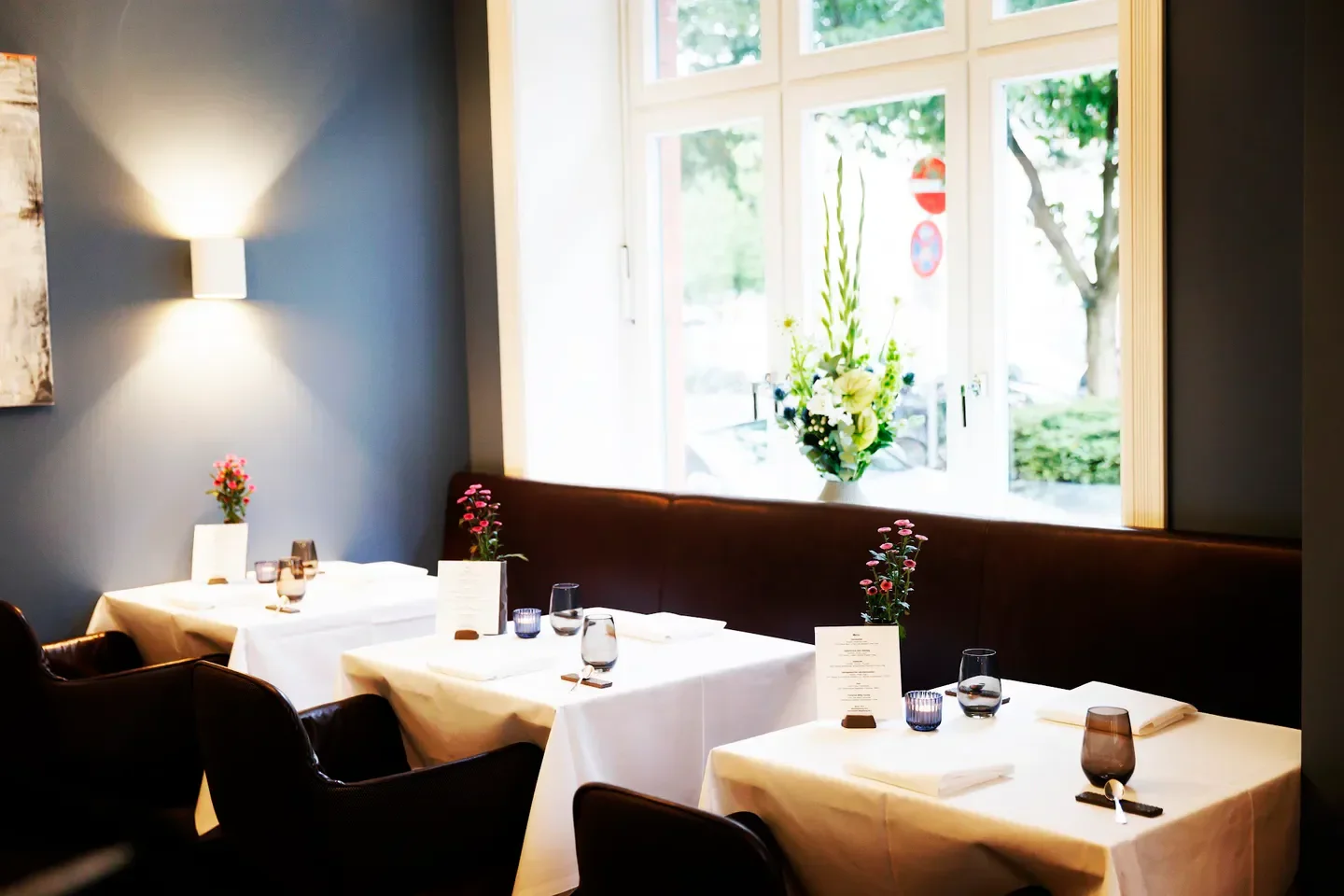
What is it? Zeik is a sharp, contemporary restaurant in Hamburg. The room feels intimate and stripped-back, pulling your focus toward the table from the moment you sit down.
Why we love it: The experience moves with a deliberate, steady pulse. It feels like a neighborhood haunt that operates with high-level precision. You come here for the quiet confidence of the staff and the way the room settles into a comfortable, focused hum by mid-evening.
Good to Know: The vegetable-forward dishes at Zeik often use fermentation to create intense, savory profiles that outshine traditional meat courses.
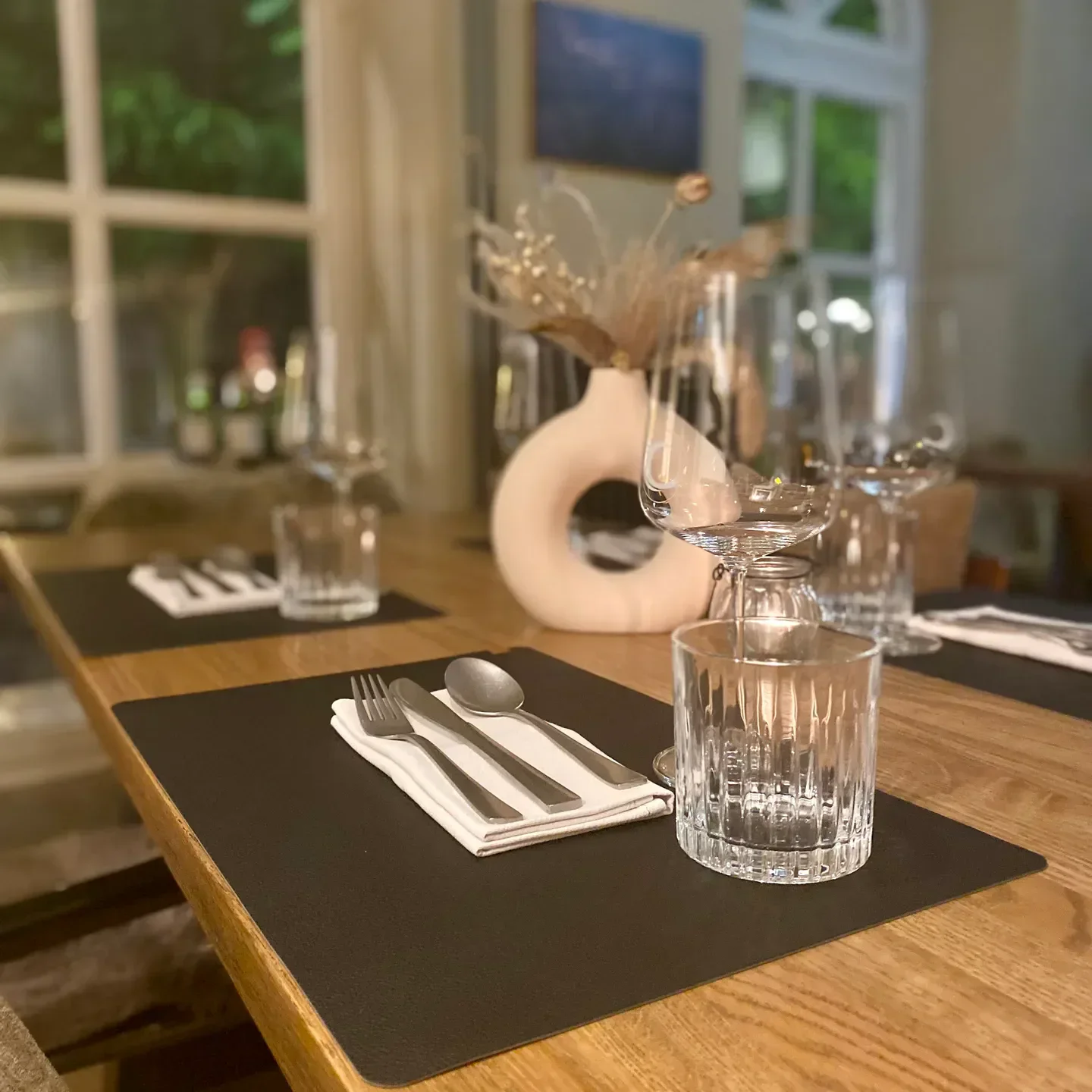
Photos: THE LISBETH
02.THE LISBETH
What is it? THE LISBETH sits in the heart of Hamburg as a destination for contemporary, international fine dining. You walk off the street into a space defined by high-end precision. The room balances a sleek, modern aesthetic with a quiet, romantic atmosphere.
Why we love it: The staff executes service with military timing, moving between tables with effortless grace. You lean into the low-lit, intimate setting while the kitchen focuses on complex, modern flavor profiles. It hits the perfect mark for a long, focused dinner where the environment demands your full attention.
Good to Know: The terrace at THE LISBETH offers a rare vantage point to enjoy the restaurant’s international menu while the Hamburg evening air settles over the city.
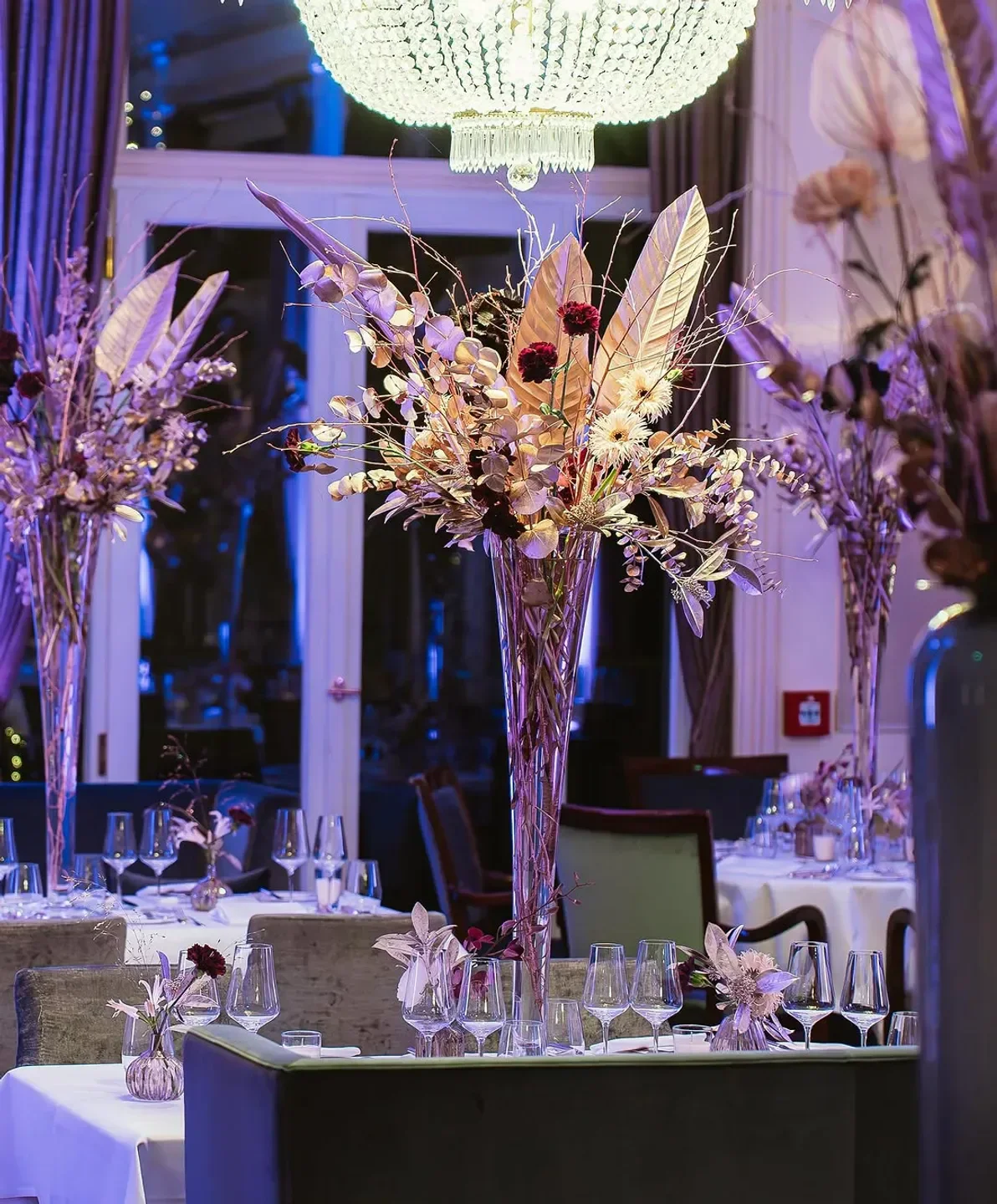
Photos: Jacob's Restaurant
03.Jacob's Restaurant
What is it? Jacob’s Restaurant anchors the Hamburg fine dining scene with a quiet, deliberate sense of luxury. You step inside to find a room defined by its expansive, framed perspective of the water outside. It is a space designed for focus, where the atmosphere feels as curated as the menu.
Why we love it: The kitchen balances Mediterranean flair with an international sensibility, putting seafood at the center of the plate. You watch the servers navigate the room with precision, delivering plates that mirror the composed, professional rhythm of the dining room. It’s the kind of place where you lose track of the clock while the light shifts across the tables.
Good to Know: The seafood selection at Jacob’s Restaurant pairs best with the lighter, crisp acidity of a Mediterranean white wine.
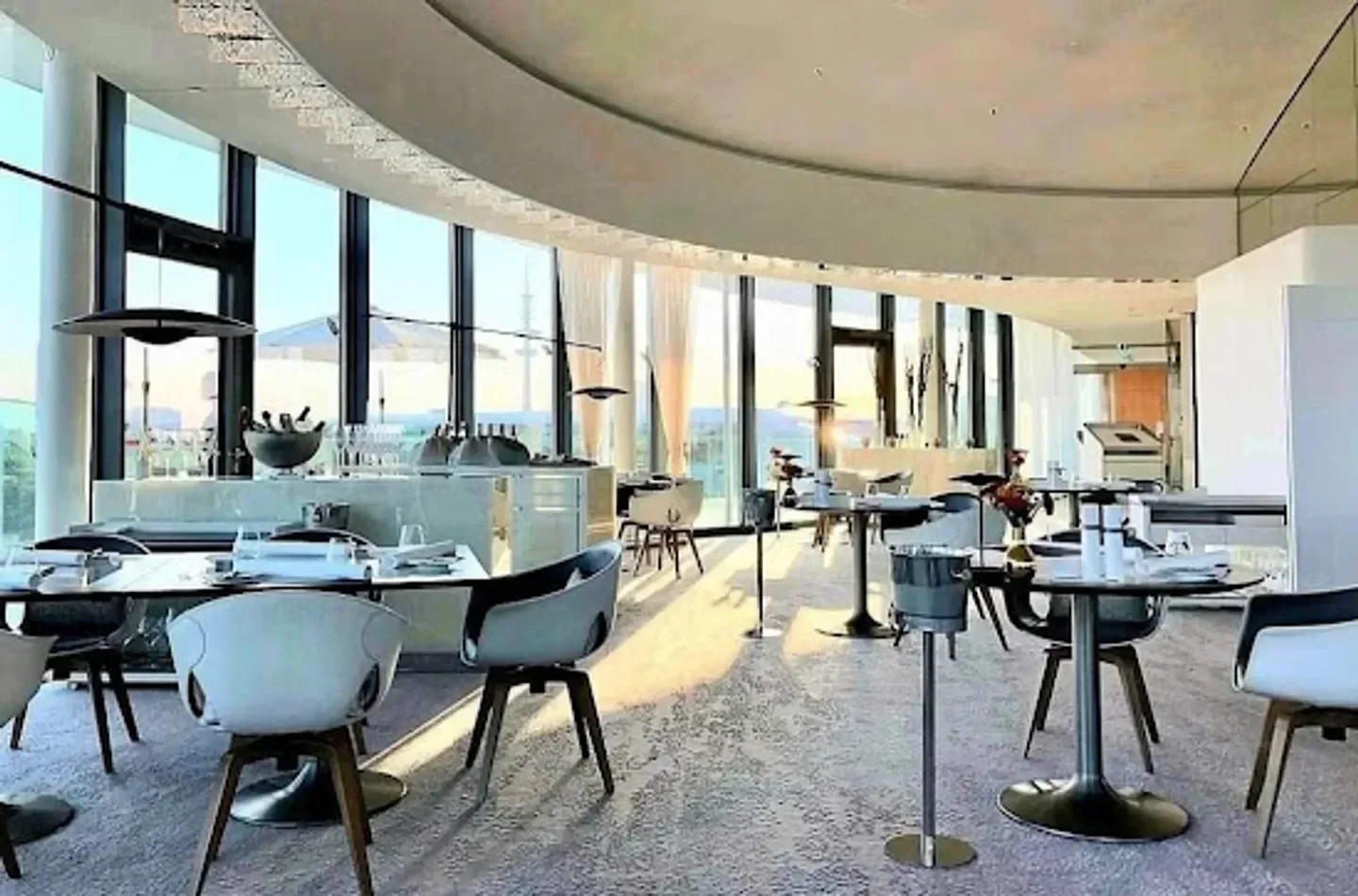
Photos: Lakeside
04.Lakeside
What is it? Lakeside anchors Hamburg’s dining scene with a sharp, intentional presence. The room hums with the energy of a crowd that values precision. You enter a space where the atmosphere feels immediate and focused.
Why we love it: Dinner here moves at a brisk, confident clip. The staff anticipates your needs before you signal them, creating a seamless flow from the first course. The collective energy of the room makes every table feel like the center of the action.
Good to Know: The beverage program at Lakeside features regional spirits that complement the bold, modern flavors of the seasonal tasting menu.
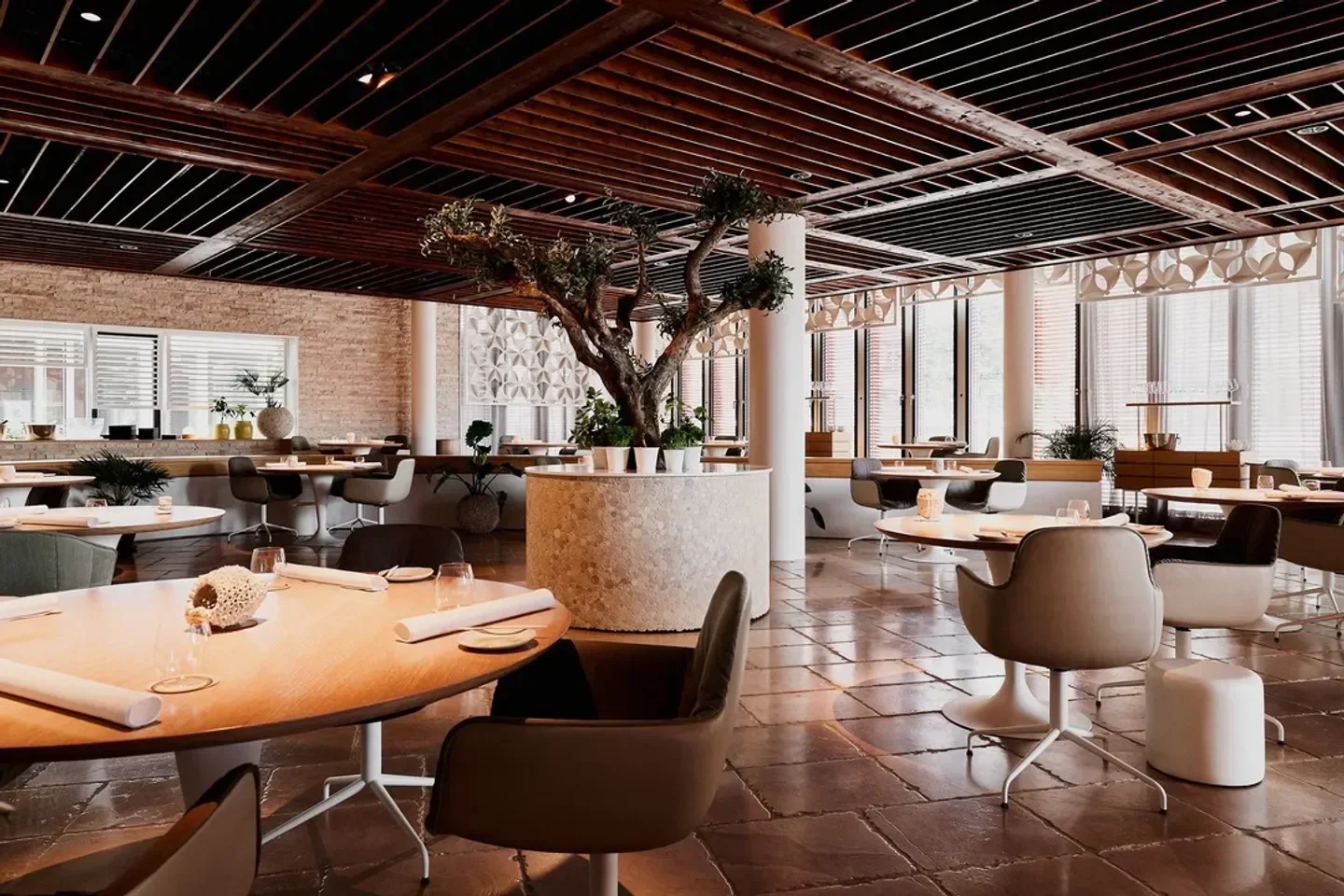
Photos: bianc
05.bianc
What is it? bianc brings a sharp, contemporary energy to Hamburg’s modern waterfront. The dining room strips away clutter, focusing your attention on the choreographed movements within the open kitchen. It feels more like a sleek gallery than a traditional eatery, where the atmosphere remains bright and purposeful.
Why we love it: The kitchen turns out technical plates that highlight clear, bright flavors through a structured tasting menu. Fine dining formalities remain, but the energy stays approachable as the staff navigates the room with polished ease. You watch the chefs work in total silence, plating each course with surgical precision under the glow of the kitchen lights.
Good to Know: Request a seat facing the open kitchen at bianc to watch the chefs execute the final garnishes of the tasting menu.
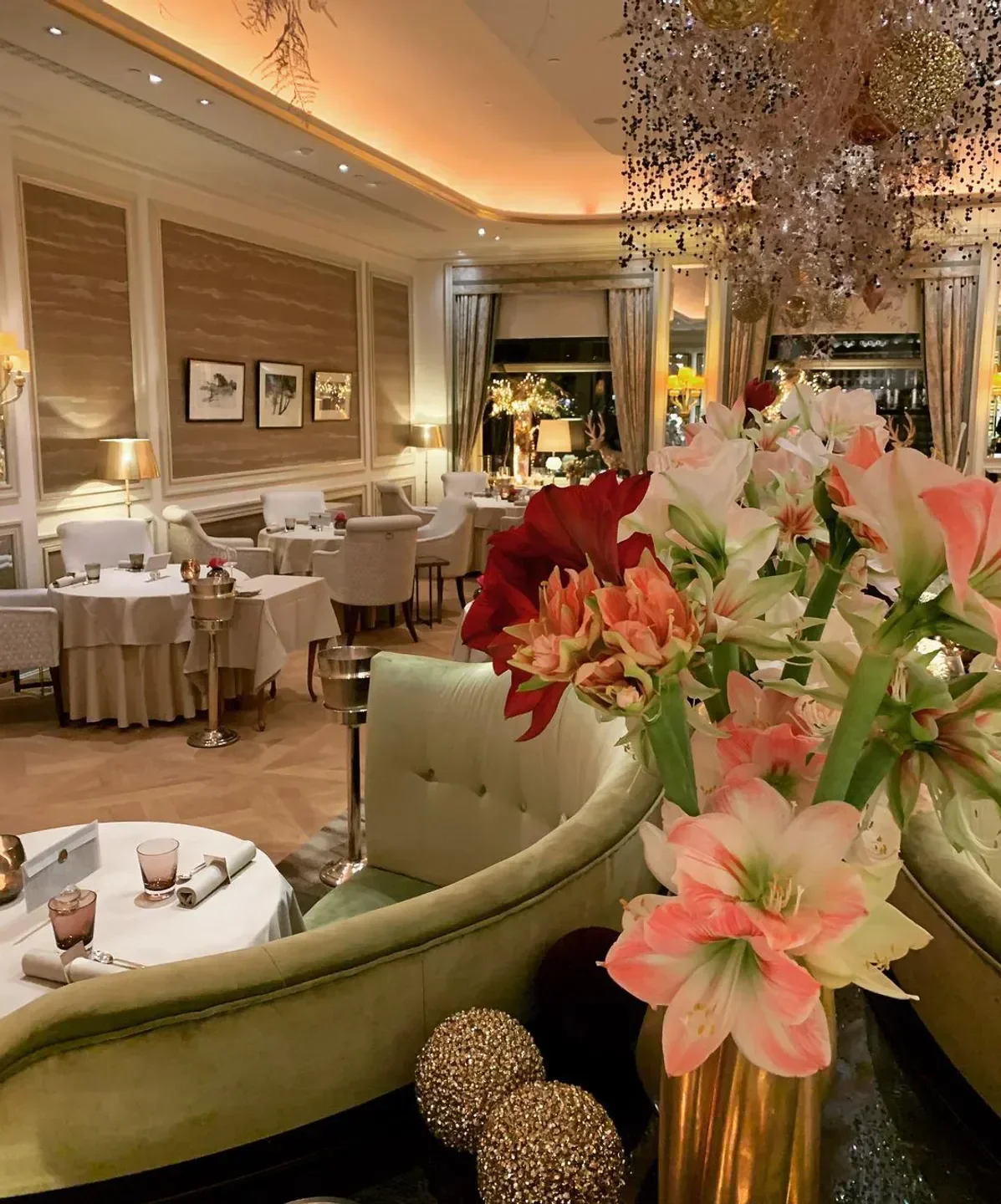
Photos: Haerlin
06.Haerlin
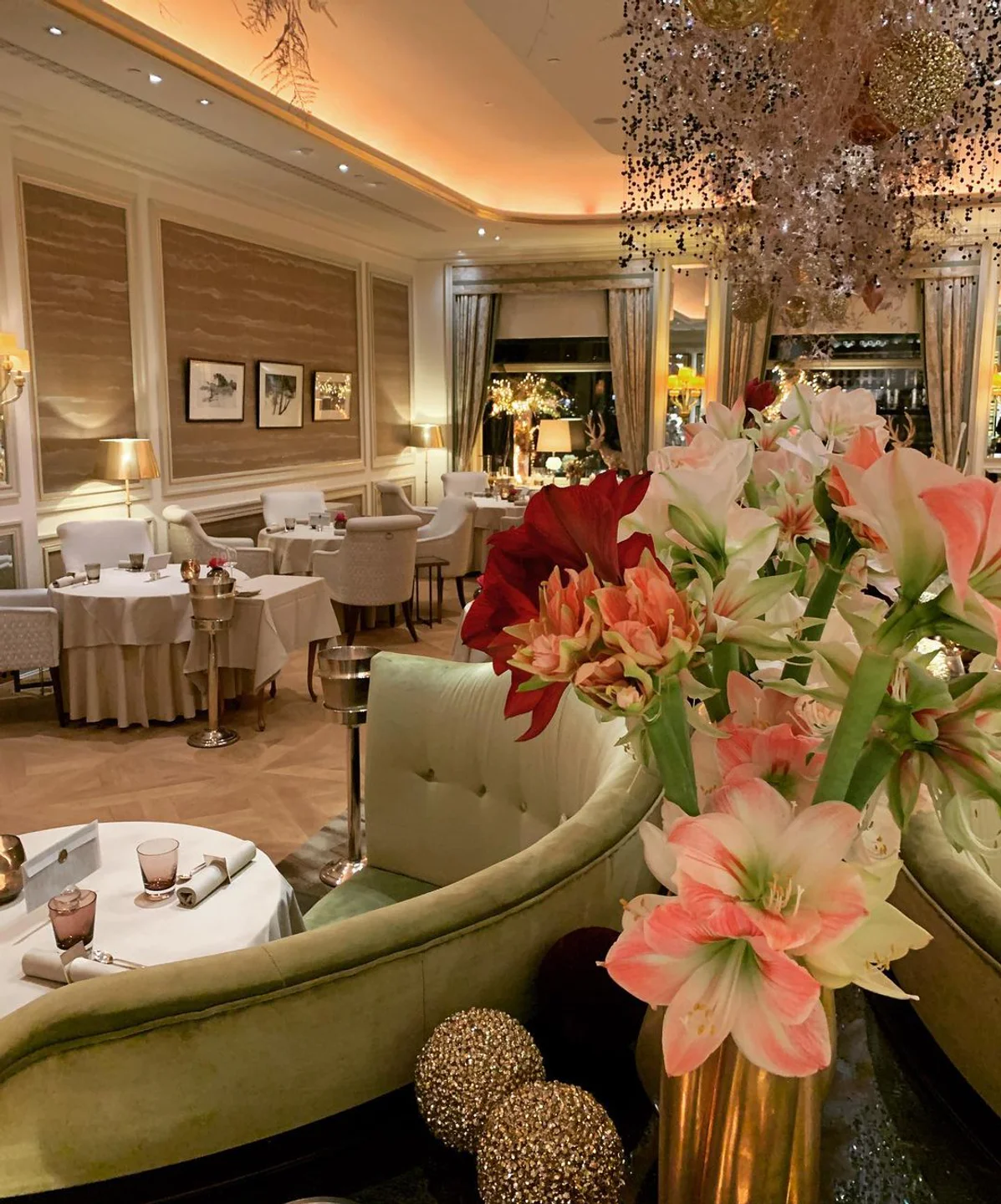
What is it? Haerlin defines Hamburg fine dining. You step off the bustling street and into a hushed, luxury room where every detail signals intent. The space hums with the quiet efficiency of a Michelin-starred kitchen.
Why we love it: The restaurant balances French precision with bold, creative fusion influences. You find the perfect rhythm here for a romantic evening. If the weather holds, the terrace offers an immediate transition from the structured dining room to the open air.
Good to Know: The creative fusion tasting menu at Haerlin demands a jacket, so lean into the smart and elegant dress code to match the room’s rigor.
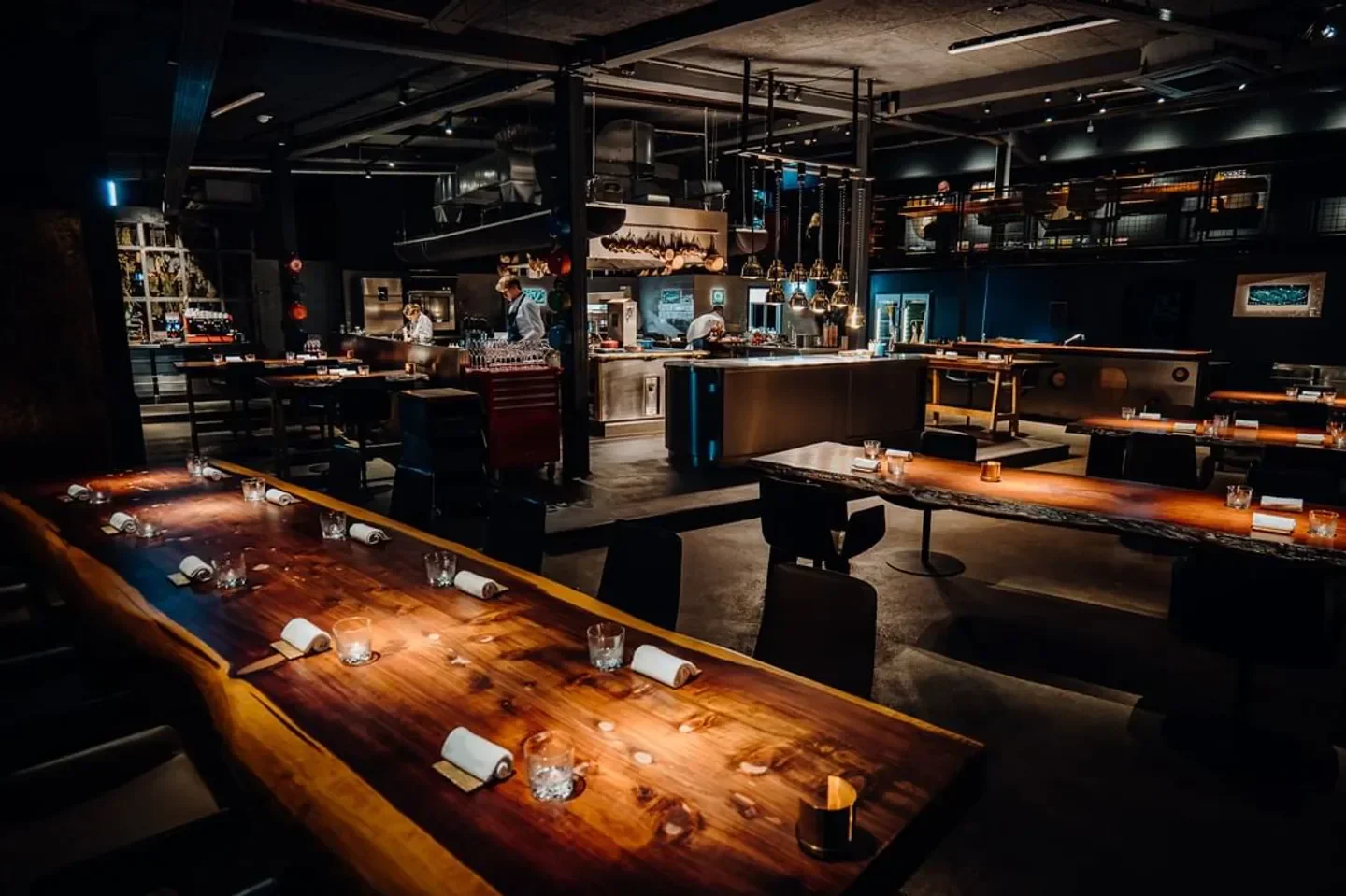
Photos: 100/200 Kitchen
07.100/200 Kitchen
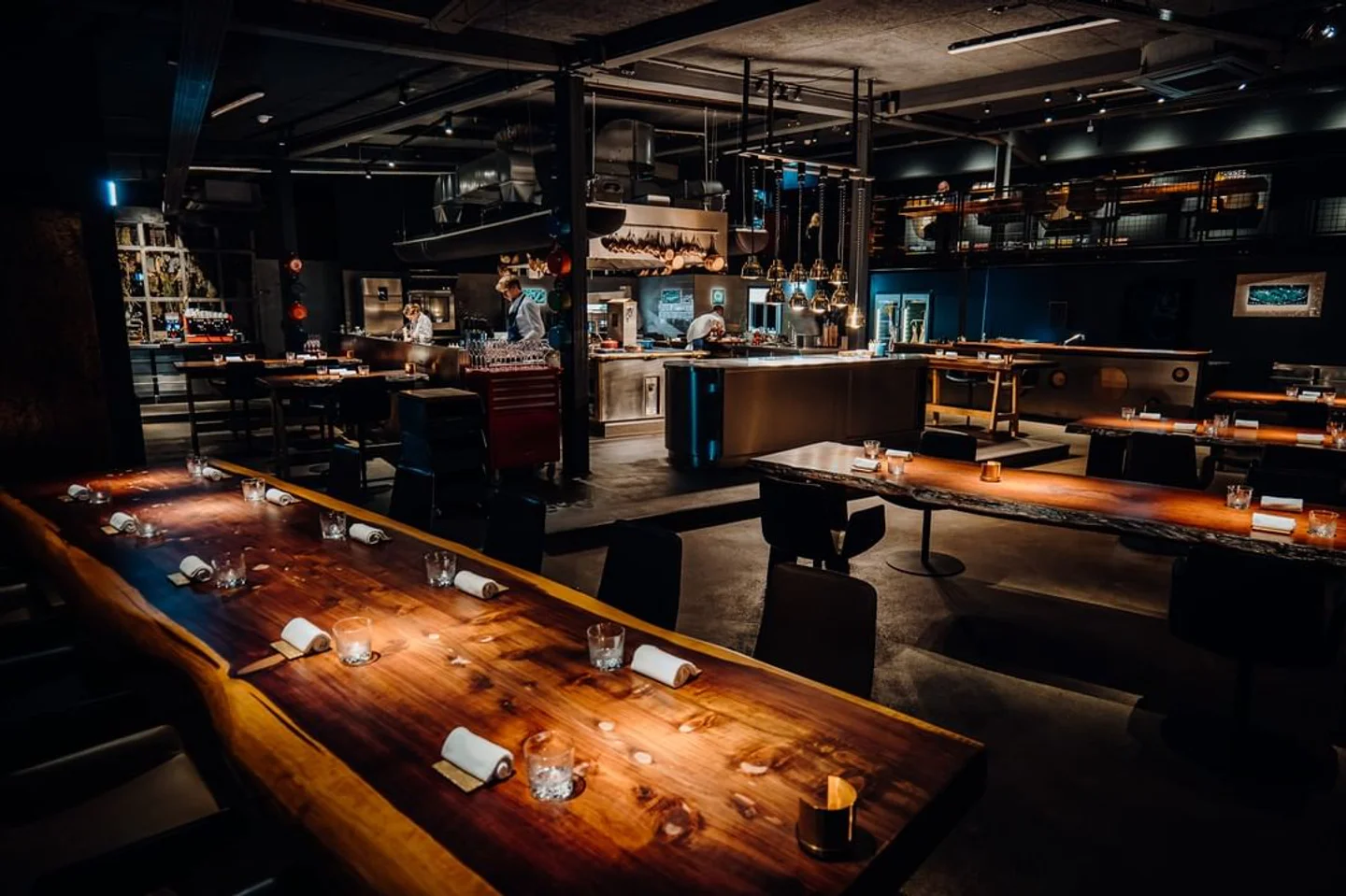
What is it? 100/200 Kitchen strips away the pretense of a standard Hamburg dining room. The layout centers on the heat and hustle of the cooking process. It functions as a restaurant where the barrier between guests and the culinary team doesn't exist.
Why we love it: The room vibrates with the focused energy of a live service. Cooks move in a choreographed dance. Guests watch the transformation of ingredients from just a few feet away. It turns a meal into a front-row seat at a masterclass in precision.
Good to Know: Seating at 100/200 Kitchen puts you in the middle of a working environment, so skip the heavy sweaters to stay cool near the stoves.
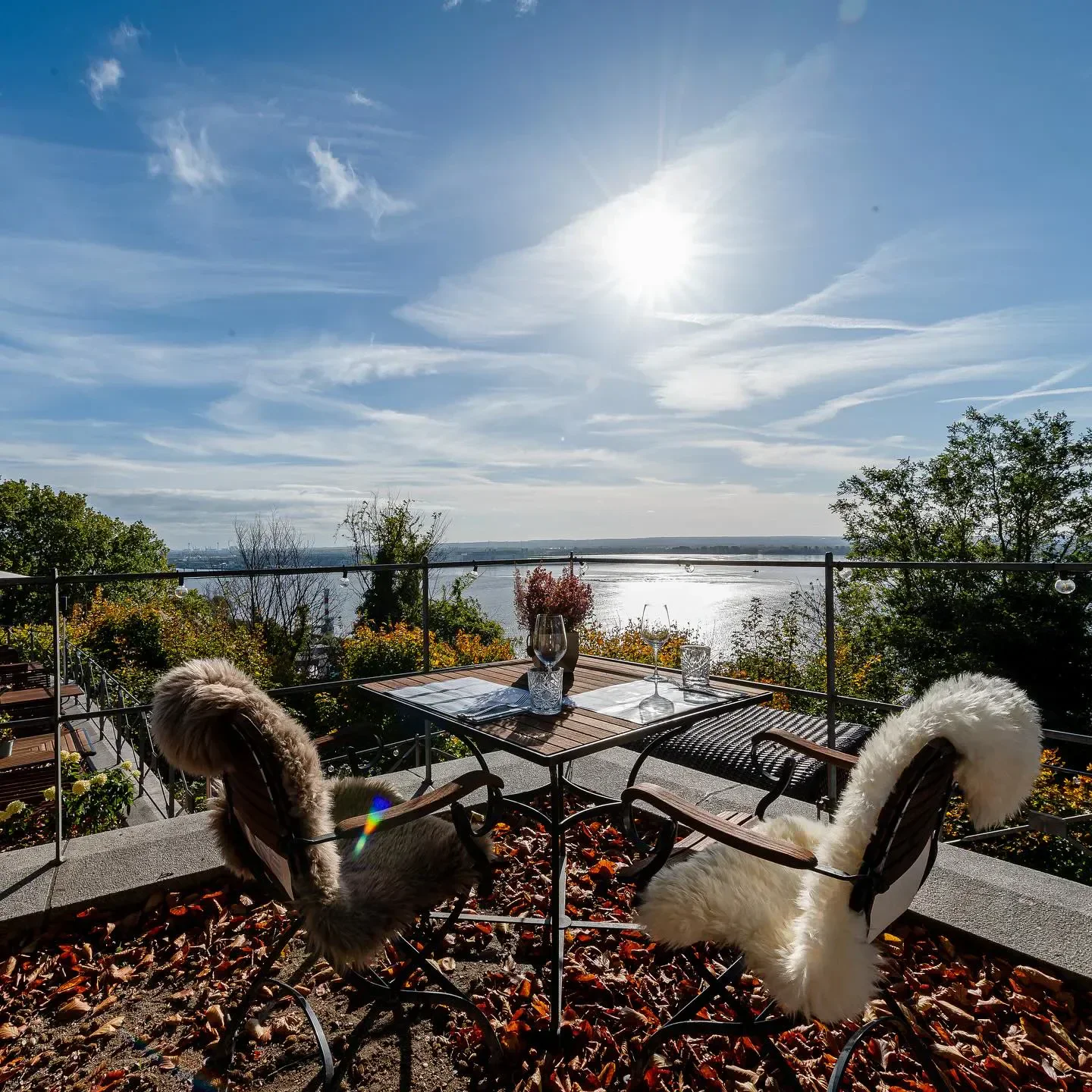
Photos: Süllberg - Seven Seas
08.Süllberg - Seven Seas
What is it? Süllberg - Seven Seas serves as a pillar of Hamburg’s dining circuit. This restaurant operates with a distinct sense of order, where the staff moves with quiet efficiency across the floor. You enter a space designed for focus, where the table becomes the center of the world.
Why we love it: The experience hinges on a rhythm that feels both steady and purposeful. Kitchen staff and servers coordinate movements to ensure plates arrive at the exact moment they are ready. It is the type of environment that celebrates the ritual of a long, uninterrupted dinner.
Good to Know: The beverage program at Süllberg - Seven Seas highlights specific vintage bottles that are chosen to complement the kitchen's technical approach.
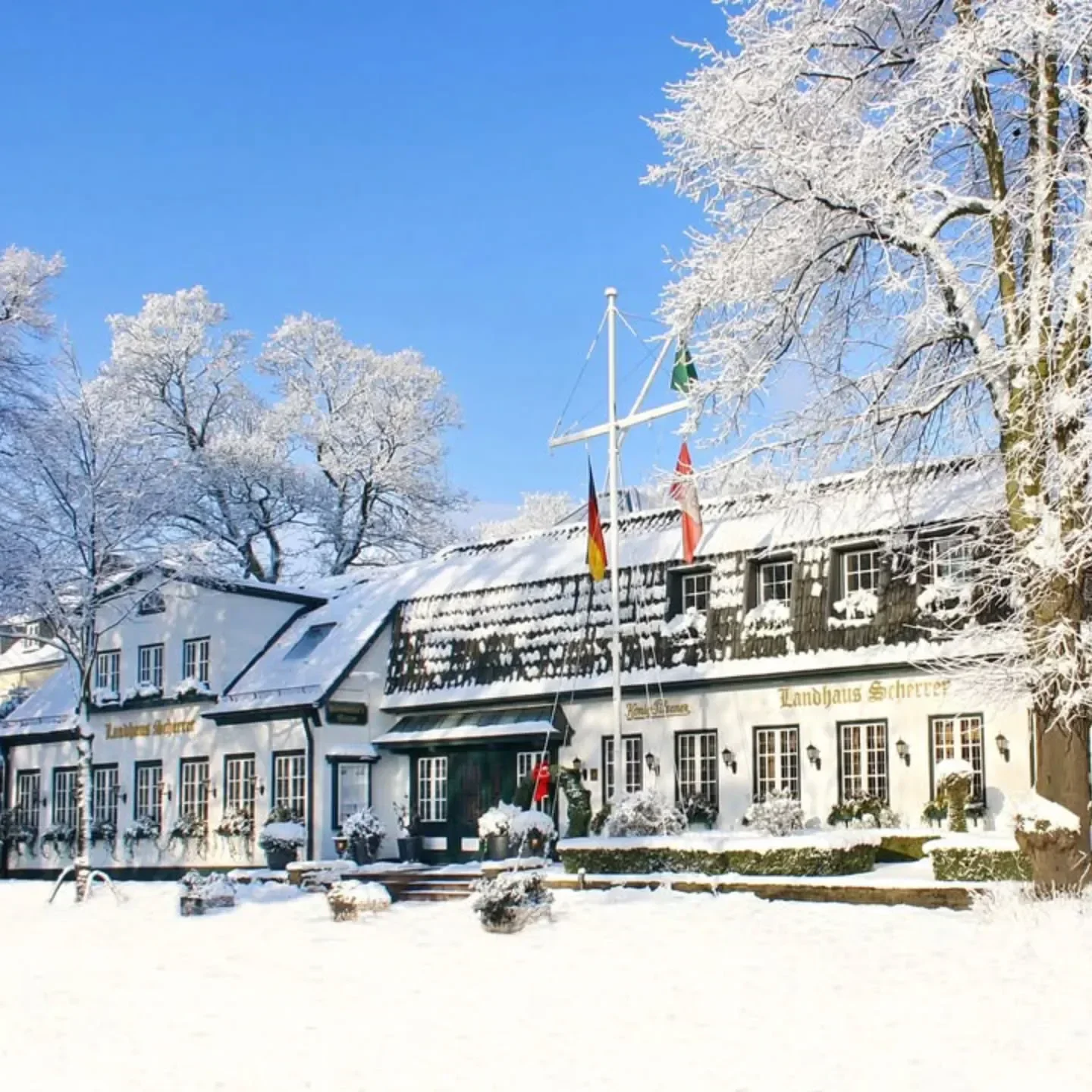
Photos: Landhaus Scherrer
09.Landhaus Scherrer
What is it? Landhaus Scherrer stands as a definitive Hamburg institution. The restaurant pairs a sense of heritage with a sharp, modern pulse. You walk into a room where every detail feels intentional and heavy with history.
Why we love it: The space operates with the clockwork precision of a grand estate. Staff move with practiced ease, ensuring the room hums without ever feeling loud. It feels formal yet alive, capturing the steady, prosperous energy of the city.
Good to Know: The signature duck at Landhaus Scherrer arrives in two stages, showcasing a mastery of Northern German technique.
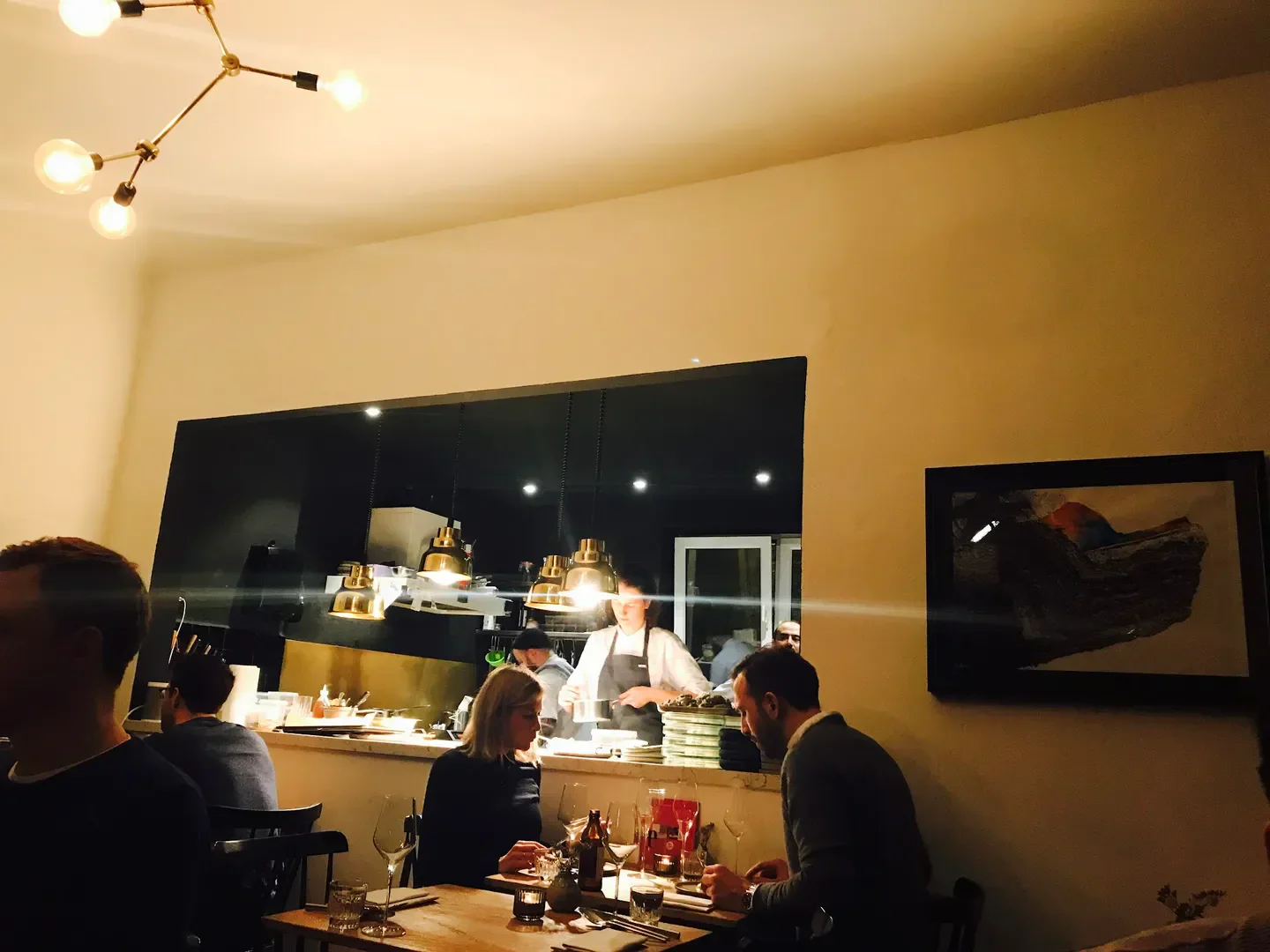
Photos: haebel
10.haebel
What is it? Haebel is an intimate Hamburg restaurant that strips away the traditional barriers between chef and diner. The space feels personal and intentional, anchored by a compact layout where every guest remains close to the action. You walk in and immediately feel the concentrated energy of a room designed for focus.
Why we love it: The experience centers on the open kitchen, where the staff prepares each course with quiet, rhythmic precision. Watching the team plate dishes at the counter turns dinner into a shared performance. The atmosphere builds through shared observation and the steady flow of the tasting menu.
Good to Know: The wine pairings at haebel prioritize low-intervention bottles from small producers that complement the kitchen's focus on seasonal clarity.