Muoversi nel panorama culinario di Tokyo è un esercizio di pianificazione meticolosa. Non ci si imbatte per caso nei migliori locali della città. Il successo dipende dall'influenza del concierge di un hotel o da un tempestivo aggiornamento su un portale di prenotazione. Sotto i neon di Shinjuku e i vicoli silenziosi di Akasaka, la competizione per una lastra di legno di Hinoki da sei pollici è feroce.
Le ore di punta qui sono rigide. Se il tuo posto è alle 19:00, lo chef ti aspetta alle 18:55. Al Sushi Kuwano, il silenzio è intenzionale. Ti costringe a concentrarti sulla temperatura precisa del riso all'aceto. A Nishiazabu, Taku abbina un'ampia carta dei vini alla tradizione Edomae, ignorando le regole "solo tè" dei banconi della vecchia scuola. Sushi Masashi offre una lezione magistrale sul ritmo, mentre Hakuun eleva l'esperienza yakiniku con tagli specifici di wagyu. La maggior parte di questi locali preferisce i sussurri piuttosto che insegne vistose.
Queste sono le prenotazioni che valgono le chiamate internazionali e gli accessi notturni in preda al jet lag. Inizia con questi quattro.
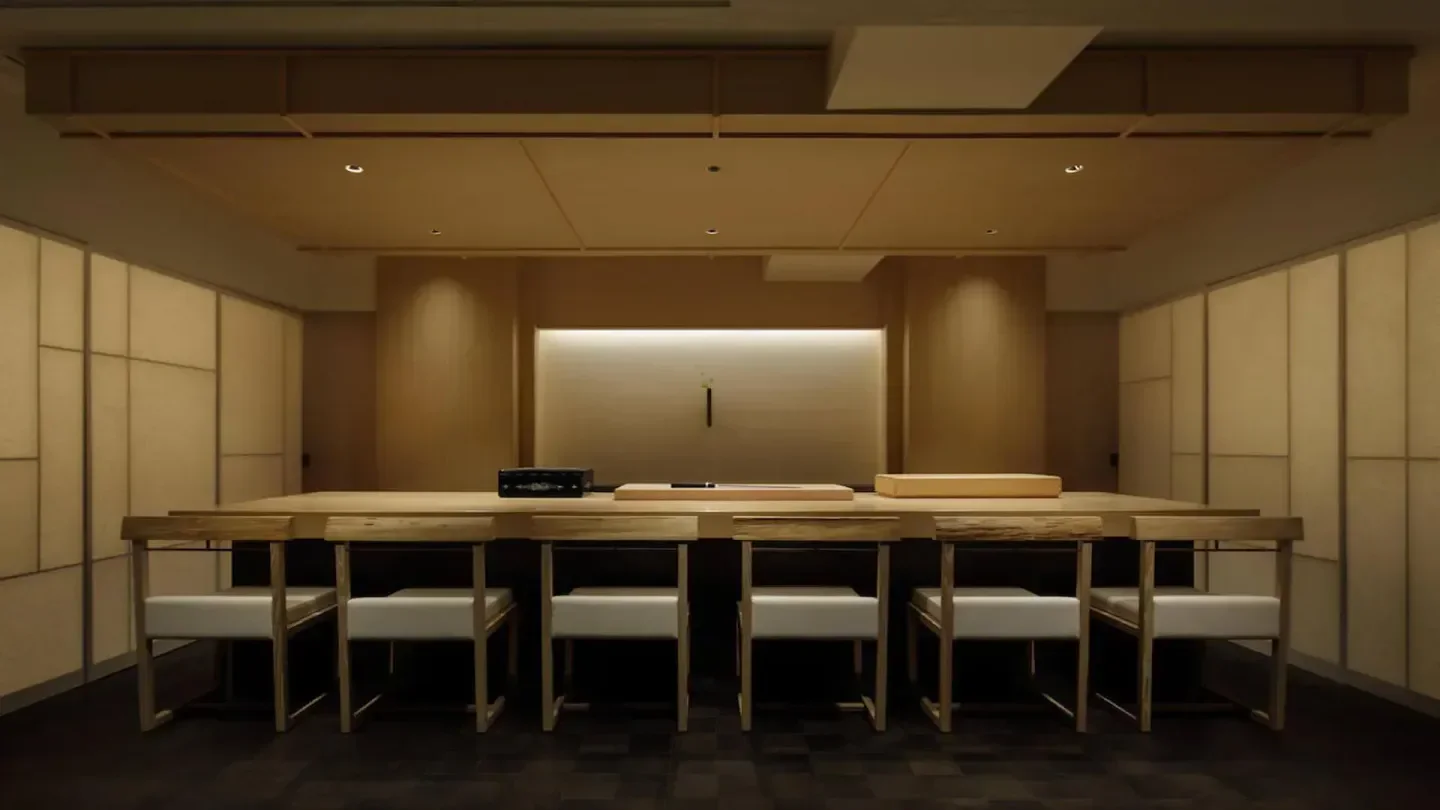
© Crediti fotografici: Hakkoku
01.Hakkoku
What is it? Hakkoku sits in Ginza, a three-minute walk from Ginza Six and a ten-minute walk from the Kabuki-za Theatre. This Michelin-starred restaurant specializes in sushi and Japanese seafood.
Why we love it? Hakkoku earns its 4.67 guest rating by doubling down on a fine dining experience that favors intimacy over scale. It is a high-priced destination that justifies the bill through a focused, narrow dedication to the technical craft of seafood preparation.
Good to Know: Given the strict smart and elegant dress code required for the fine dining room, plan your Ginza itinerary to accommodate a formal evening after a day of sightseeing near the Imperial Palace East Garden.
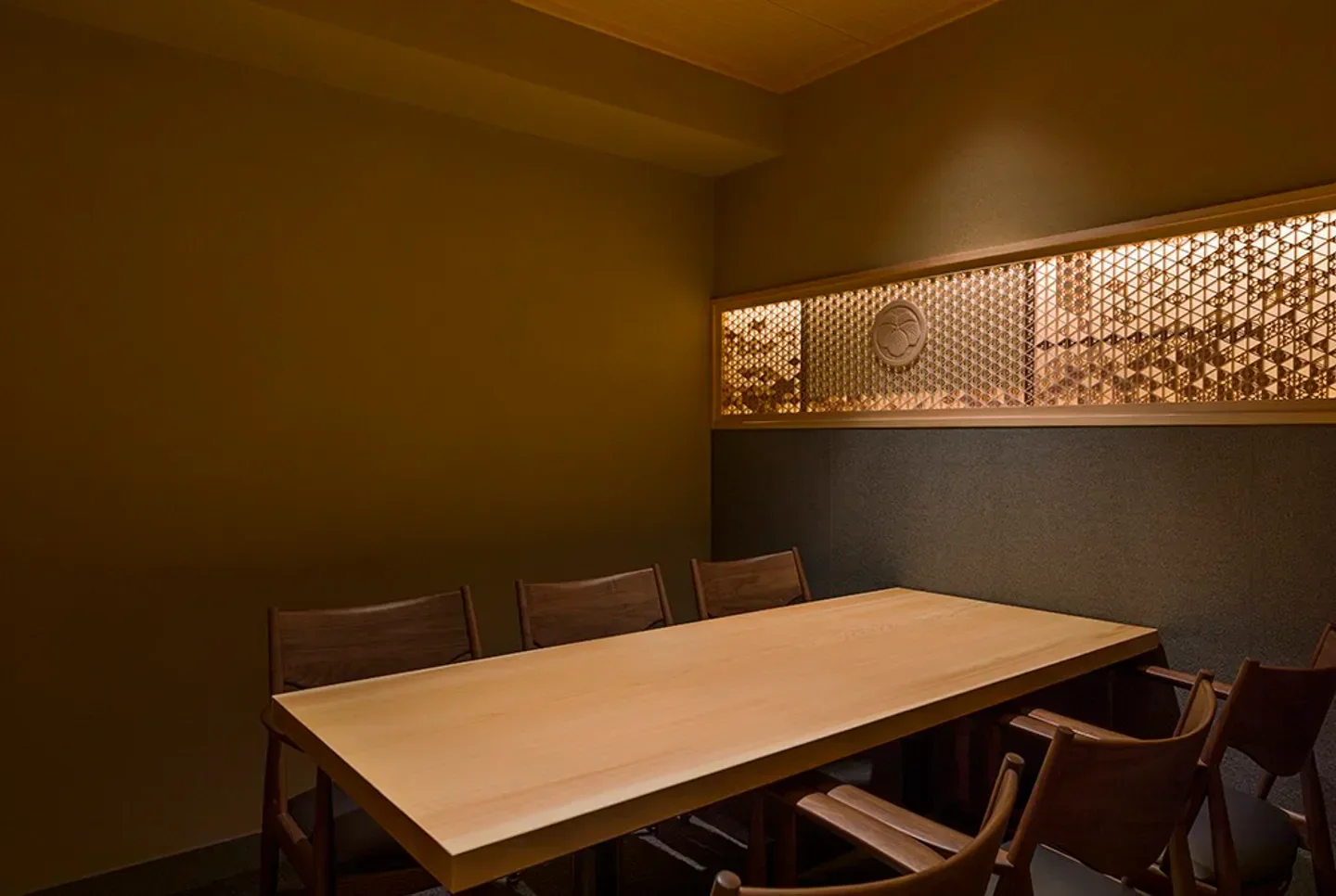
© Crediti fotografici: Sushi Hashimoto
02.Sushi Hashimoto
What is it? Sushi Hashimoto is a Michelin-starred restaurant located in Shintomi. It sits roughly a ten-minute walk from both the Kabuki-za Theatre and the Ginza shopping district.
Why we love it: This is a destination for those who prioritize the quiet precision of high-end Japanese seafood over the noise of Ginza's main thoroughfares. With a guest rating of 4.68, it maintains a level of consistency that few establishments at this price point achieve, offering a focused luxury experience away from the tourist crush.
Good to Know: Given the fine dining focus of Sushi Hashimoto, ensure your attire leans toward smart and elegant to match the refined atmosphere of the room.
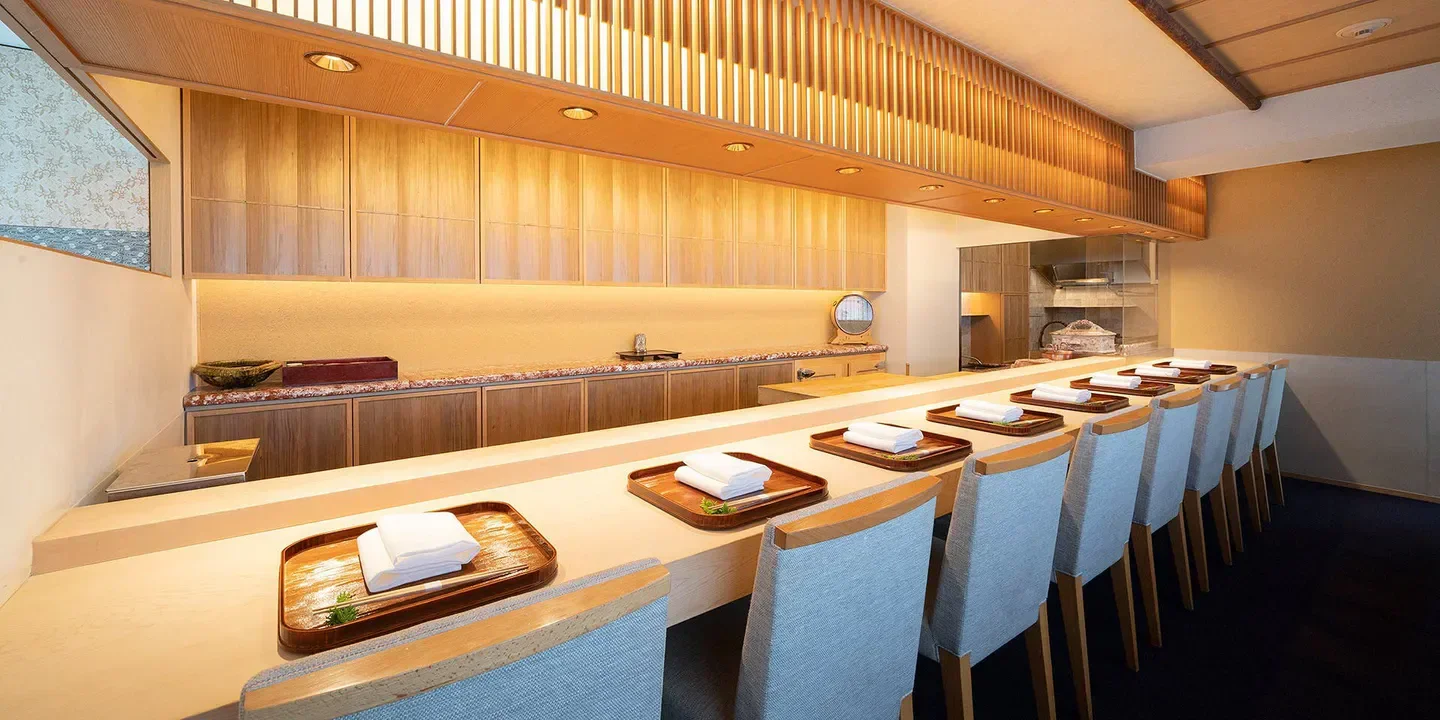
© Crediti fotografici: Guchokuni
03.Guchokuni
What is it? Guchokuni sits on the third floor of NEO Kagurazaka, a short walk from the street-level bustle of Kagurazaka. This Michelin-starred restaurant focuses on traditional Japanese sushi and fine dining within a quiet, designed space.
Why we love it: While many Tokyo venues trade on noise, Guchokuni justifies its high price point through an exacting, minimalist approach to sushi. The 4.71 rating from diners reflects a consistency that is rare in such a competitive district, particularly given its proximity to the peaceful Akagi Shrine. It feels like a genuine departure from the city's frantic pace without requiring a trek to the outskirts near Koishikawa Korakuen Garden.
Good to Know: The smart and elegant dress code at Guchokuni rewards a sharp, understated aesthetic that mirrors the precise, traditional composition of their sushi service.
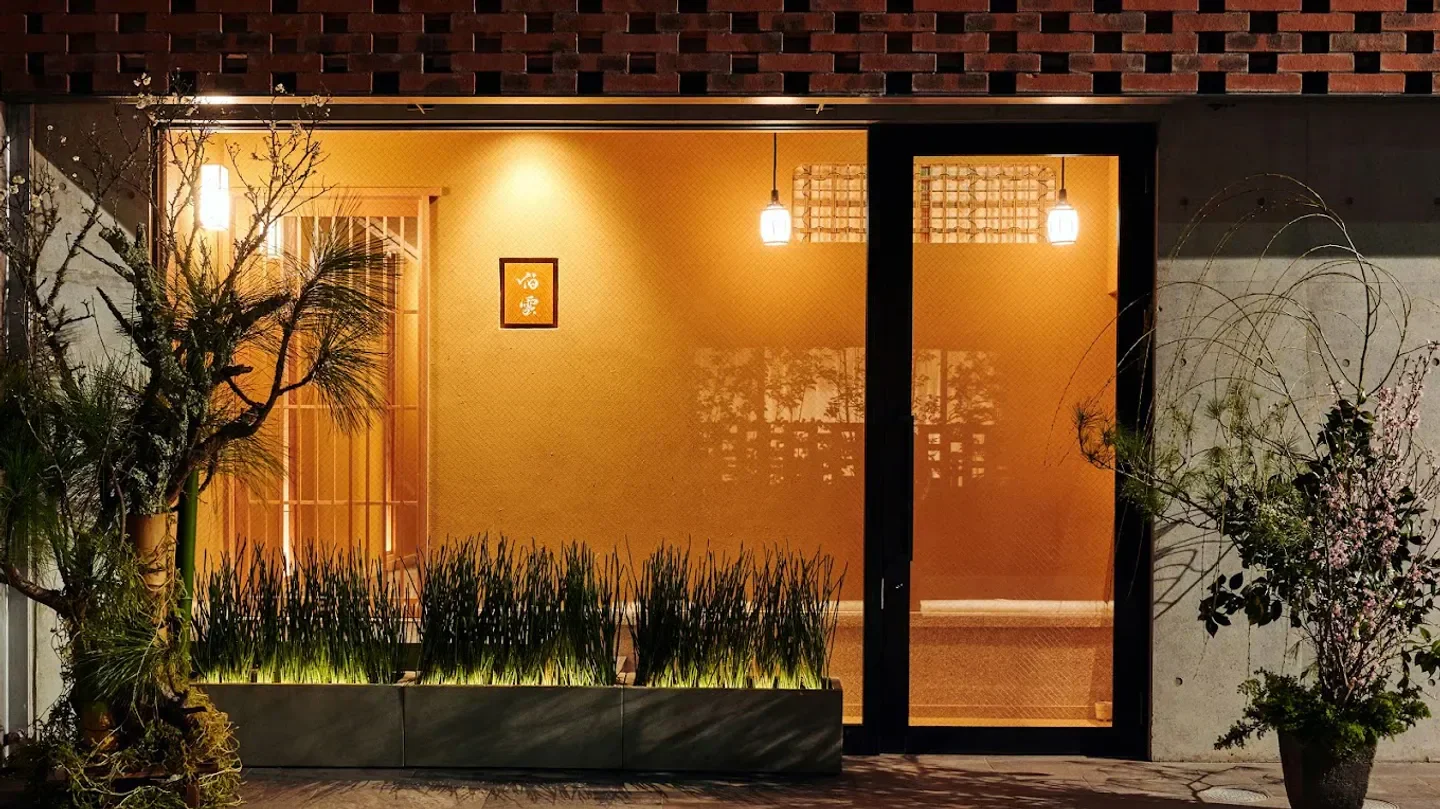
© Crediti fotografici: Hakuun
04.Hakuun
Cos'è? Hakuun è un ristorante di Tokyo che punta sulla quiete concentrata. Lo spazio è studiato appositamente, proteggendo gli ospiti dal rumore incessante della città. È un santuario per i commensali che preferiscono la sostanza allo spettacolo.
Perché ci piace: L'atmosfera attira una clientela che apprezza una serata ben scandita. La luce cattura i bicchieri mentre lo staff si muove con efficienza silenziosa. Cattura quella magica specificità di Tokyo in cui una semplice porta si apre su un mondo completamente diverso.
Da Sapere: Gli abbinamenti della casa all'Hakuun offrono la finestra più sfumata sulla filosofia stagionale attuale della cucina.
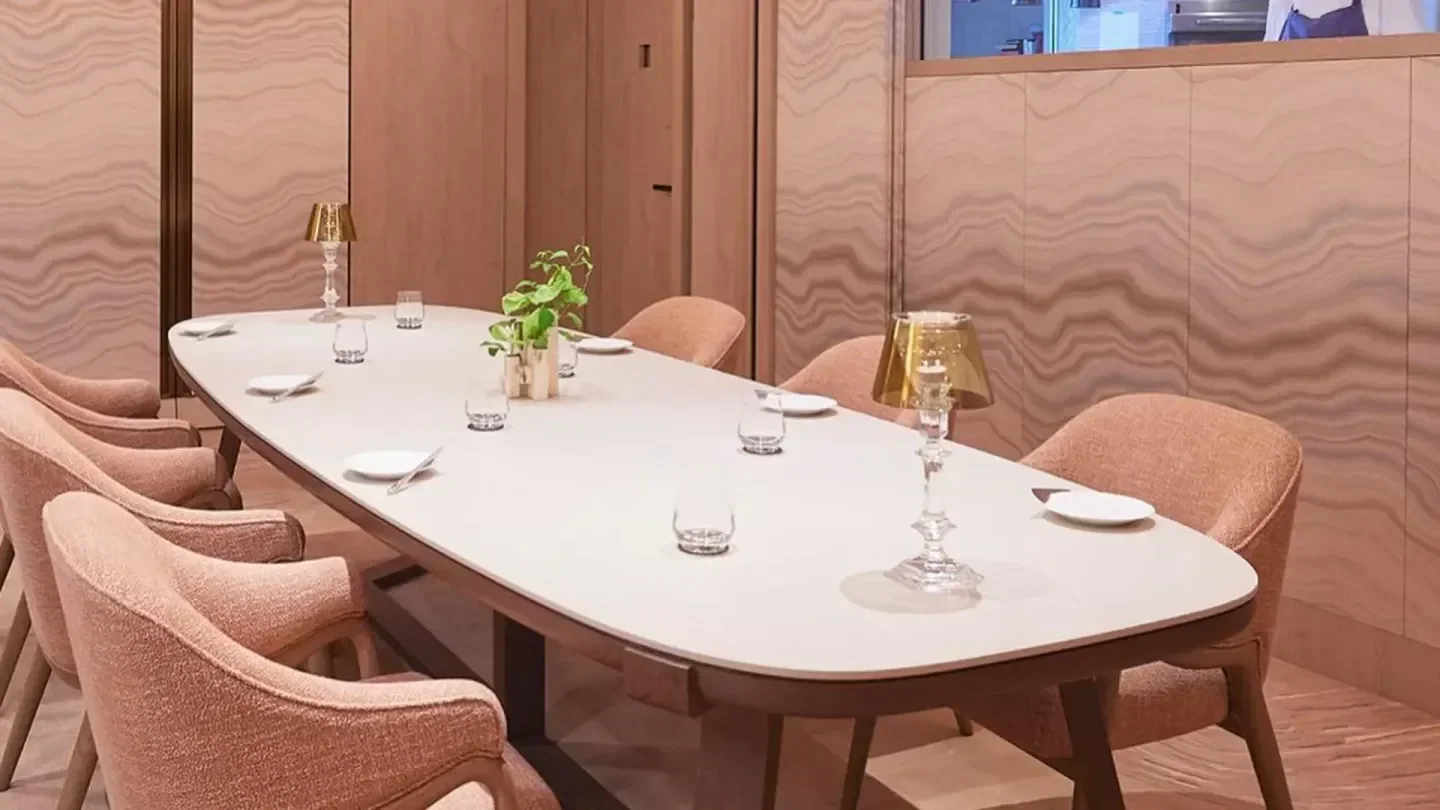
© Crediti fotografici: SÉZANNE
05.SÉZANNE
What is it? SÉZANNE sits within a short walk of the Mitsubishi Ichigokan Museum, roughly a fifteen-minute stroll from the Tokyo Imperial Palace. This French, modern, creative restaurant holds two Michelin stars and ranks as the best restaurant in Asia according to the 2024 Asia's 50 Best Restaurants list.
Why we love it: It earns its place as the number 14 restaurant on The World's 50 Best Restaurants list by executing a high-concept approach to modern French cuisine that rewards the formal investment of a luxury fine-dining meal. With a guest rating of 4.73 from 322 reviews, it consistently delivers on the precision expected of a two-star venue.
Good to Know: The kitchen at SÉZANNE interprets French technique through a creative lens, so guests should arrive in smart and elegant attire to match the caliber of the experience.
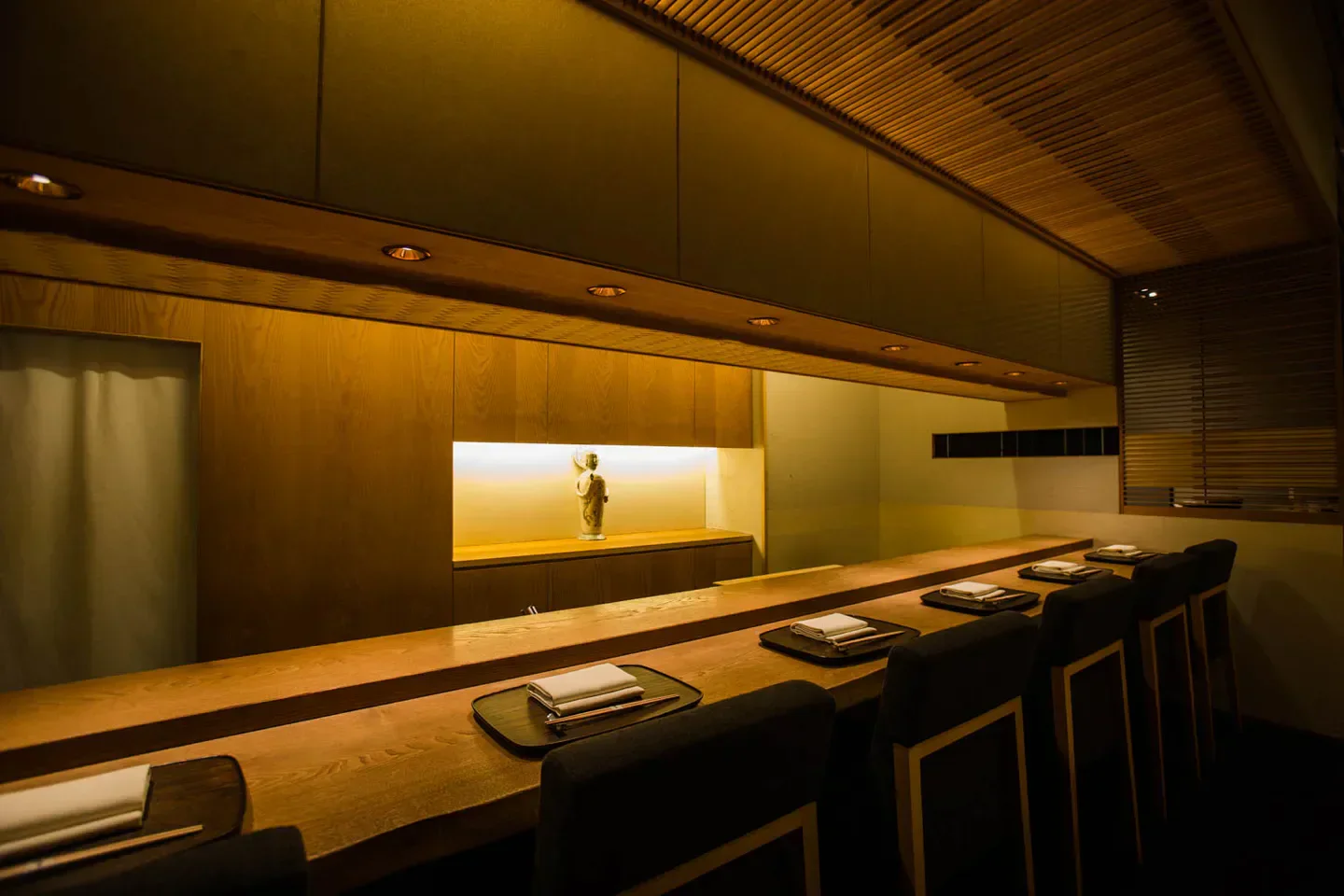
© Crediti fotografici: Kohaku
06.Kohaku
What is it? Kohaku sits on 3 Chome-5-5 Kagurazaka, a location that places diners a five-minute walk from Akagi Shrine. This fine dining destination holds three Michelin stars and ranks at number 52 on La Liste.
Why we love it: Kohaku bridges traditional Japanese techniques with a contemporary perspective, maintaining a standard that its 4.60 rating from 239 reviews consistently reflects. The price point is high, yet the restaurant balances that formality with a romantic atmosphere that feels rare for a venue of this standing.
Good to Know: The dress code at Kohaku is smart and elegant, so choose attire that suits the sophisticated, luxury-focused setting.
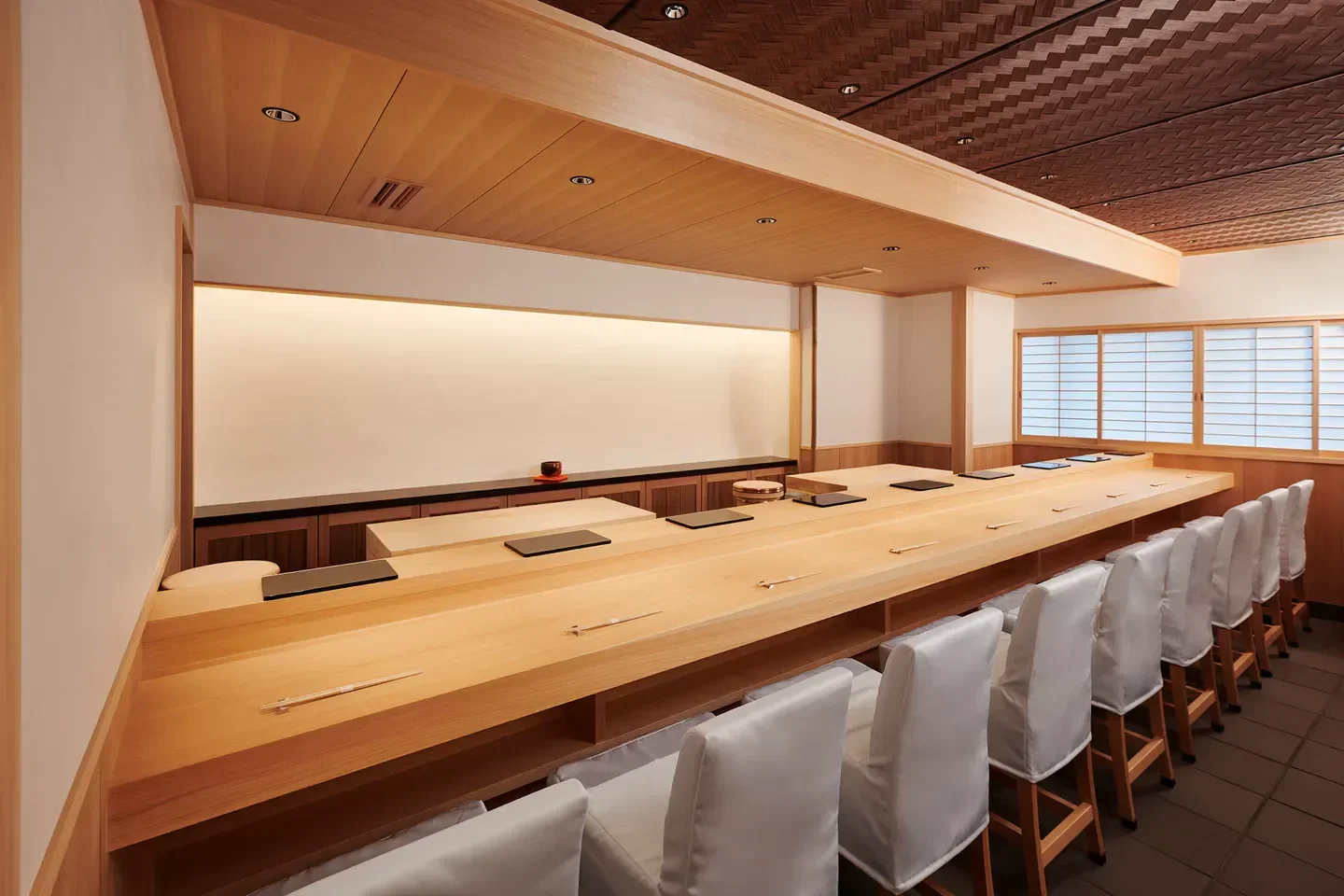
© Crediti fotografici: Sushi Masashi
07.Sushi Masashi
Cos'è? Sushi Masashi porta un focus nitido e singolare sulla scena culinaria di Tokyo. L'ambiente attutisce il rumore esterno della città nel momento in cui si varca la soglia. Questo è un luogo costruito per il rituale concentrato del pasto.
Perché ci piace: Amiamo il ritmo costante e ritmico del servizio. Lo chef comanda la sala attraverso una quieta precisione fisica. Ogni portata arriva con una tempistica deliberata che mantiene il momentum della serata.
Da sapere: L'omakase da Sushi Masashi segue le micro-stagioni del Giappone, il che significa che la selezione cambia in base al pescato della mattina al mercato.
© Crediti fotografici: Sushi Ryujiro
08.Sushi Ryujiro
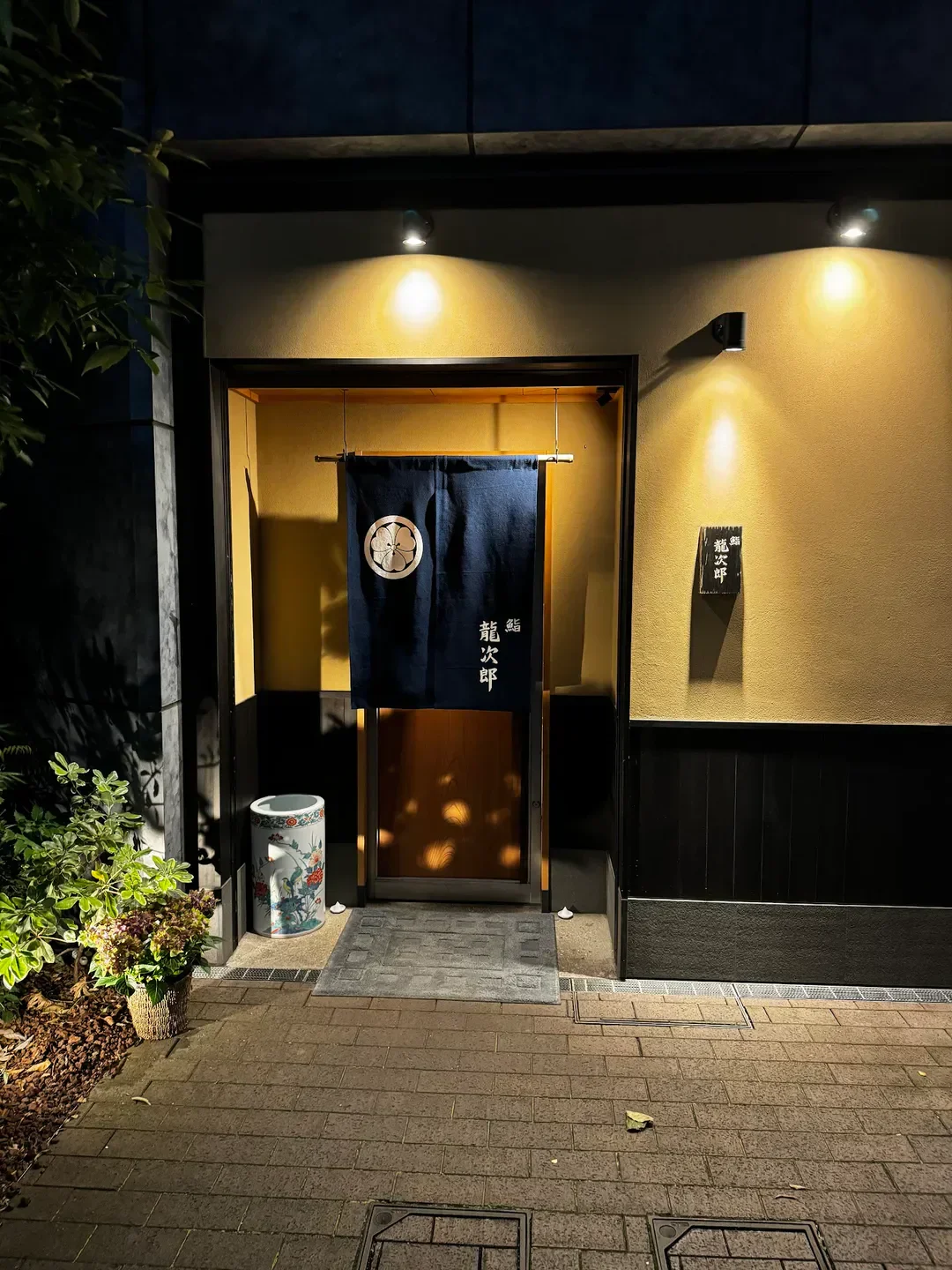
What is it? Sushi Ryujiro sits in Minamiaoyama, a ten-minute walk from Omotesando and twelve minutes from Aoyama Cemetery. This Michelin-starred venue specializes in sushi and seafood within a formal, luxury setting.
Why we love it: The restaurant maintains an impressive 4.71 rating from 262 reviews, balancing the high price point of fine dining with a precision that keeps local regulars returning. It is a quiet, beautiful space that prioritizes the craft of sushi over the noise of the city, making it a distinct choice for a romantic evening.
Good to Know: Sushi Ryujiro requires a smart and elegant dress code to match the tone of the dining room.
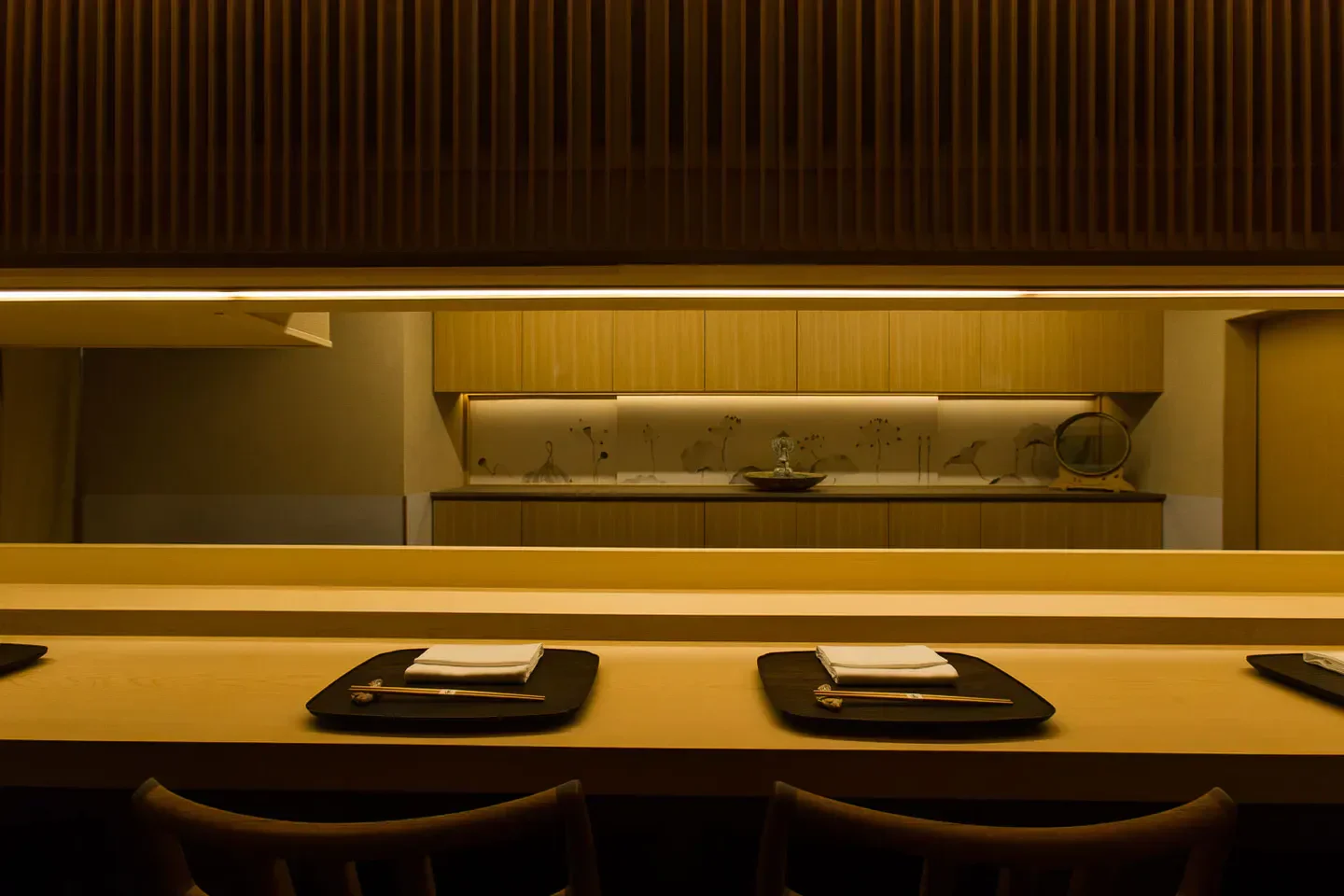
© Crediti fotografici: Ren Mishina
09.Ren Mishina
What is it? Ren Mishina is a fine-dining restaurant located in Ginza. It holds a Michelin star and sits a five-minute walk from the Kabuki-za Theatre.
Why we love it: This destination commands its premium price point through a dedicated focus on Japanese seafood and sushi. With 75 reviews averaging a 4.60 rating, it distinguishes itself from the heavy foot traffic near the nearby Ginza Six by offering a secluded, romantic setting.
Good to Know: Ren Mishina requires a smart and elegant dress code, befitting the formal precision required to serve its high-end Japanese menu.
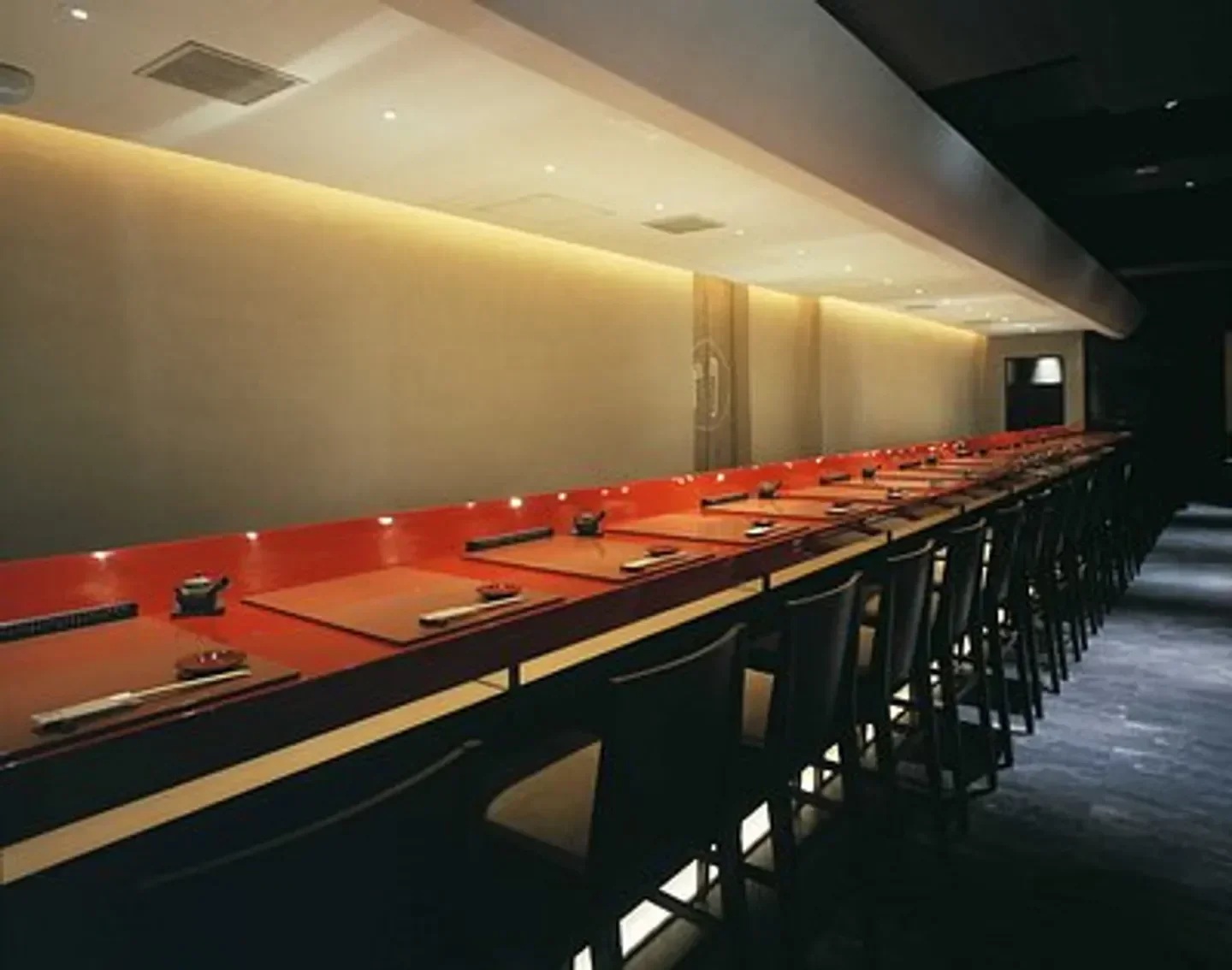
© Crediti fotografici: Sushi Kuwano
10.Sushi Kuwano
Cos'è? Sushi Kuwano porta un'energia tranquilla e intenzionale nella scena gastronomica di Tokyo. Questo ristorante elimina il rumore, concentrandosi interamente sull'interazione tra lo chef e l'ospite. Entri in uno spazio dove ogni posto offre una vista in prima fila sulla preparazione.
Perché ci piace: Amiamo l'efficienza ritmica del servizio. Lo chef prepara ogni pezzo con precisione concentrata, passandolo attraverso il bancone nel momento in cui è pronto. Questo crea un ritmo costante che trasforma il pasto in una performance coreografata.
Buono da sapere: L'omakase da Sushi Kuwano presenta nigiri pressati a mano che vanno mangiati nel momento in cui toccano il bancone per cogliere il pesce al suo apice.