Navegar pela cena gastronômica de Tóquio é um exercício de planejamento meticuloso. Você não simplesmente se depara com os melhores restaurantes da cidade. O sucesso depende da influência do concierge de um hotel ou de uma atualização bem-cronometrada em um portal de reservas. Sob o néon de Shinjuku e as vielas silenciosas de Akasaka, a competição por um pedaço de seis polegadas de madeira Hinoki é acirrada.
Os horários de pico aqui são rígidos. Se o seu assento é às 19:00, o chef espera você às 18:55. No Sushi Kuwano, o silêncio é intencional. Ele força você a focar na temperatura precisa do arroz avinagrado. Em Nishiazabu, Taku combina uma extensa carta de vinhos com a tradição Edomae, ignorando as regras de "apenas chá" dos balcões à moda antiga. Sushi Masashi oferece uma masterclass em ritmo, enquanto Hakuun eleva a experiência yakiniku com cortes específicos de wagyu. A maioria desses restaurantes opera em sussurros, em vez de sinalização chamativa.
Estas são as reservas que valem as chamadas telefônicas internacionais e os logins noturnos com jet lag. Comece com estas quatro.
Fotos: Hakkoku
01.Hakkoku
What is it? Hakkoku sits in Ginza, a three-minute walk from Ginza Six and a ten-minute walk from the Kabuki-za Theatre. This Michelin-starred restaurant specializes in sushi and Japanese seafood.
Why we love it? Hakkoku earns its 4.67 guest rating by doubling down on a fine dining experience that favors intimacy over scale. It is a high-priced destination that justifies the bill through a focused, narrow dedication to the technical craft of seafood preparation.
Good to Know: Given the strict smart and elegant dress code required for the fine dining room, plan your Ginza itinerary to accommodate a formal evening after a day of sightseeing near the Imperial Palace East Garden.
Fotos: Sushi Hashimoto
02.Sushi Hashimoto
What is it? Sushi Hashimoto is a Michelin-starred restaurant located in Shintomi. It sits roughly a ten-minute walk from both the Kabuki-za Theatre and the Ginza shopping district.
Why we love it: This is a destination for those who prioritize the quiet precision of high-end Japanese seafood over the noise of Ginza's main thoroughfares. With a guest rating of 4.68, it maintains a level of consistency that few establishments at this price point achieve, offering a focused luxury experience away from the tourist crush.
Good to Know: Given the fine dining focus of Sushi Hashimoto, ensure your attire leans toward smart and elegant to match the refined atmosphere of the room.
Fotos: Guchokuni
03.Guchokuni
What is it? Guchokuni sits on the third floor of NEO Kagurazaka, a short walk from the street-level bustle of Kagurazaka. This Michelin-starred restaurant focuses on traditional Japanese sushi and fine dining within a quiet, designed space.
Why we love it: While many Tokyo venues trade on noise, Guchokuni justifies its high price point through an exacting, minimalist approach to sushi. The 4.71 rating from diners reflects a consistency that is rare in such a competitive district, particularly given its proximity to the peaceful Akagi Shrine. It feels like a genuine departure from the city's frantic pace without requiring a trek to the outskirts near Koishikawa Korakuen Garden.
Good to Know: The smart and elegant dress code at Guchokuni rewards a sharp, understated aesthetic that mirrors the precise, traditional composition of their sushi service.
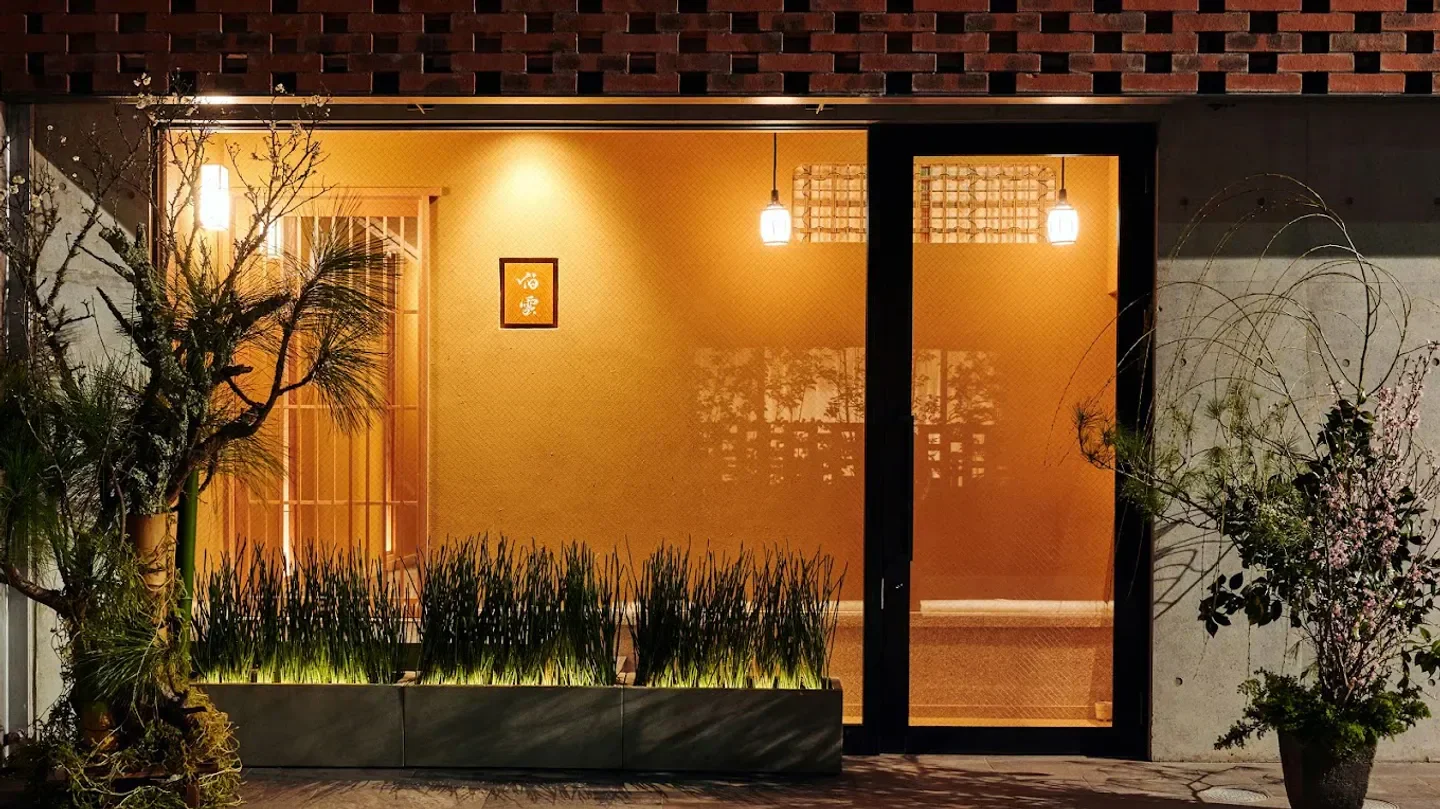
Fotos: Hakuun
04.Hakuun
O que é? Hakuun é um restaurante de Tóquio que aposta no foco silencioso. O espaço é intencional, protegendo os clientes do barulho persistente da cidade. É um santuário para os clientes que preferem substância a espetáculo.
Por que amamos: A atmosfera atrai um público que valoriza uma noite bem ritmada. A luz reflete nos copos enquanto a equipe se move com eficiência silenciosa. Captura aquela magia específica de Tóquio, onde uma porta simples se abre para um mundo completamente diferente.
Bom saber: As harmonizações da casa no Hakuun oferecem a janela mais sutil para a filosofia sazonal atual da cozinha.
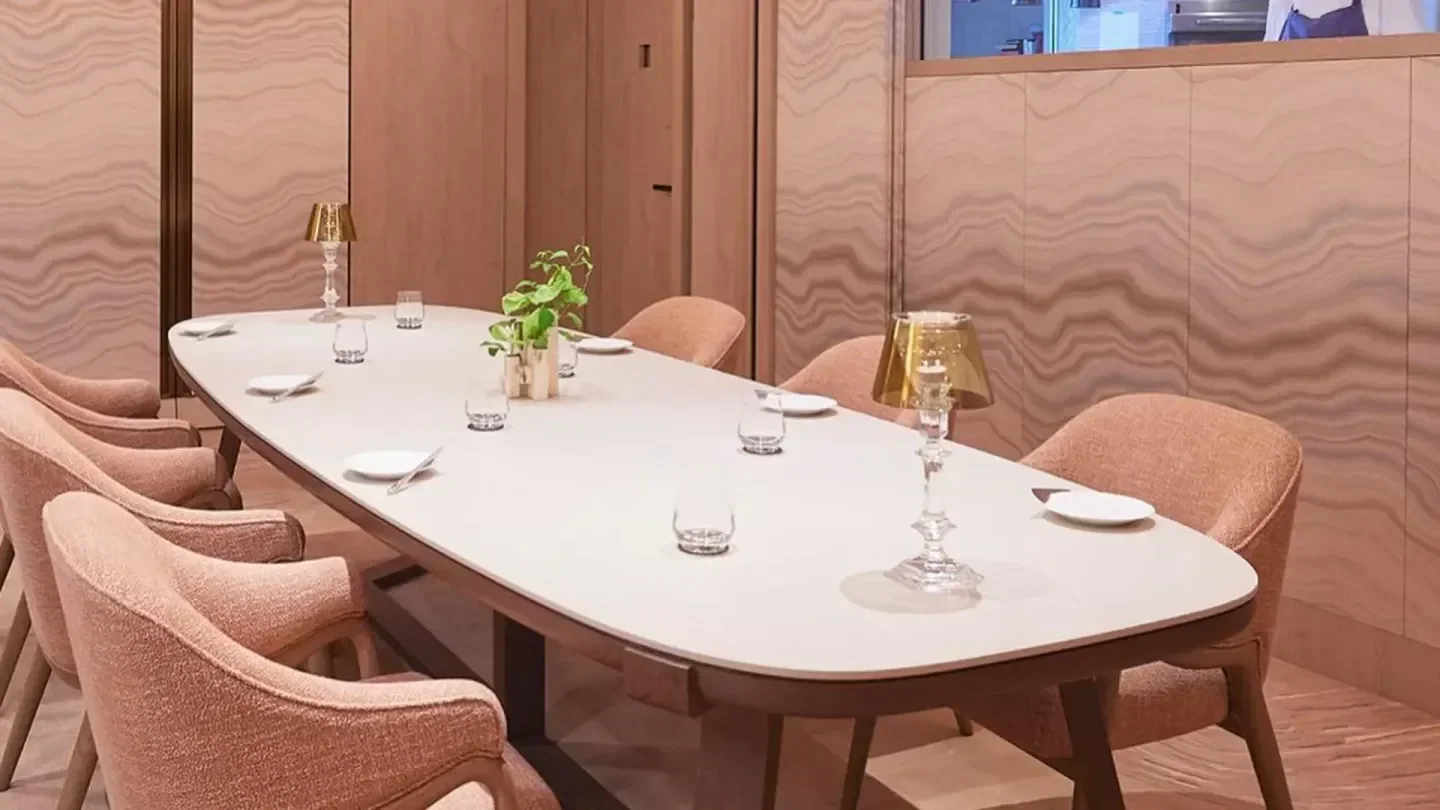
Fotos: SÉZANNE
05.SÉZANNE
What is it? SÉZANNE sits within a short walk of the Mitsubishi Ichigokan Museum, roughly a fifteen-minute stroll from the Tokyo Imperial Palace. This French, modern, creative restaurant holds two Michelin stars and ranks as the best restaurant in Asia according to the 2024 Asia's 50 Best Restaurants list.
Why we love it: It earns its place as the number 14 restaurant on The World's 50 Best Restaurants list by executing a high-concept approach to modern French cuisine that rewards the formal investment of a luxury fine-dining meal. With a guest rating of 4.73 from 322 reviews, it consistently delivers on the precision expected of a two-star venue.
Good to Know: The kitchen at SÉZANNE interprets French technique through a creative lens, so guests should arrive in smart and elegant attire to match the caliber of the experience.
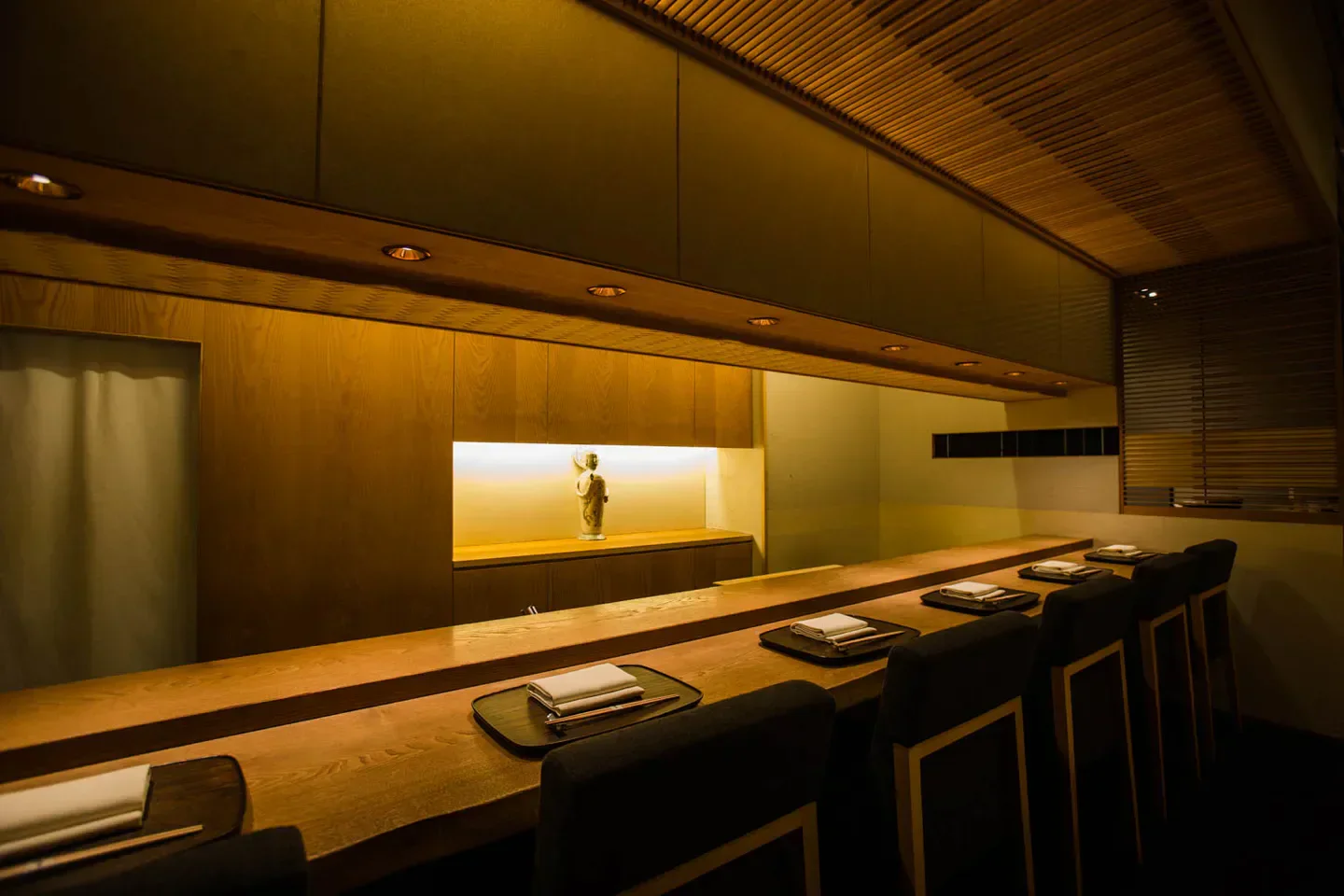
Fotos: Kohaku
06.Kohaku
What is it? Kohaku sits on 3 Chome-5-5 Kagurazaka, a location that places diners a five-minute walk from Akagi Shrine. This fine dining destination holds three Michelin stars and ranks at number 52 on La Liste.
Why we love it: Kohaku bridges traditional Japanese techniques with a contemporary perspective, maintaining a standard that its 4.60 rating from 239 reviews consistently reflects. The price point is high, yet the restaurant balances that formality with a romantic atmosphere that feels rare for a venue of this standing.
Good to Know: The dress code at Kohaku is smart and elegant, so choose attire that suits the sophisticated, luxury-focused setting.
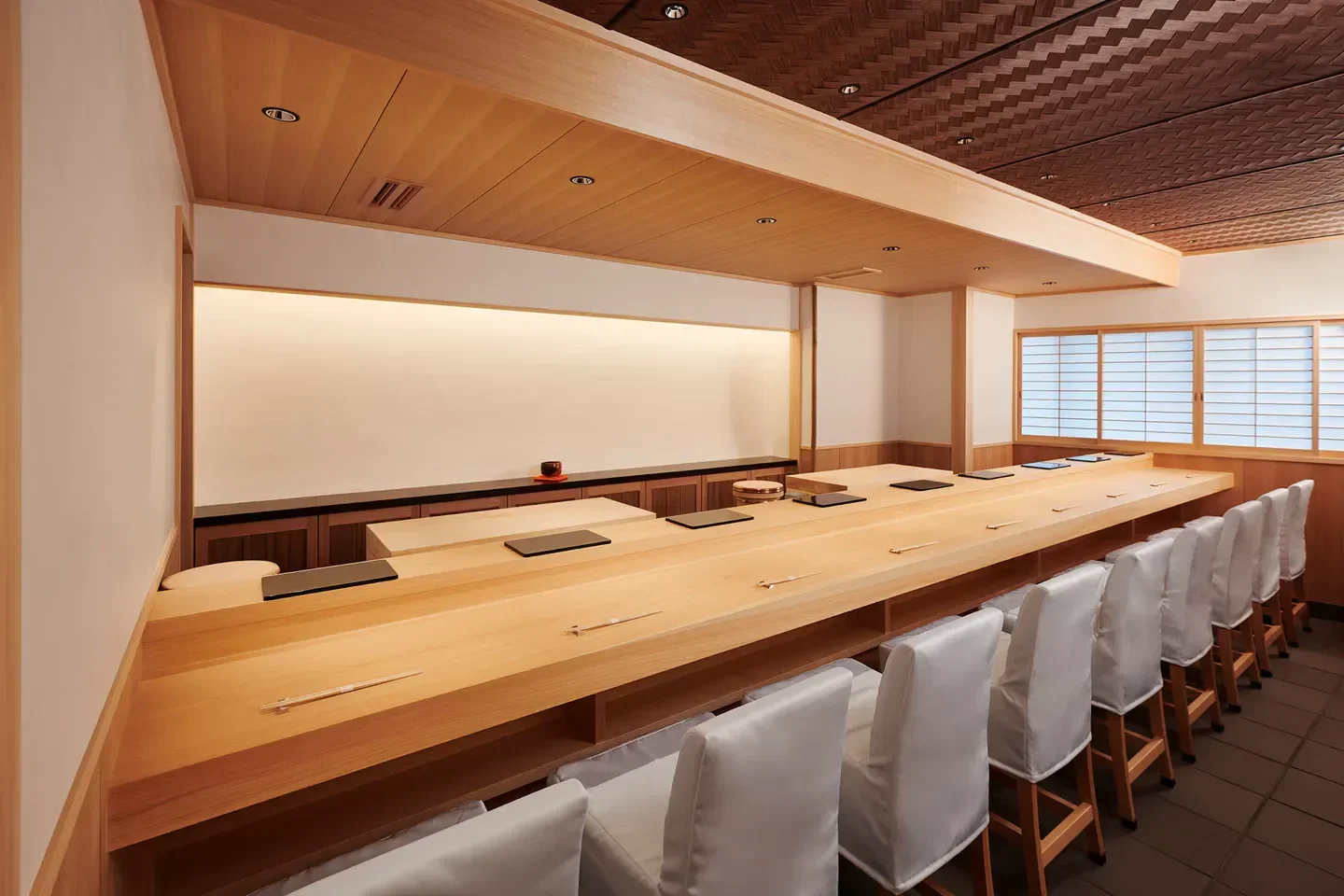
Fotos: Sushi Masashi
07.Sushi Masashi
O que é? O Sushi Masashi traz um foco aguçado e singular para a cena gastronômica de Tóquio. O ambiente silencia o barulho da cidade no momento em que você entra. Este é um lugar construído para o ritual focado da refeição.
Por que adoramos: Adoramos o ritmo constante e rítmico do serviço. O chef comanda o ambiente através de precisão física e silenciosa. Cada prato chega com um tempo deliberado que mantém o momentum da noite em movimento.
Bom saber: O omakase no Sushi Masashi segue as micro-estações do Japão, o que significa que a seleção muda com base no que foi colhido no mercado da manhã.
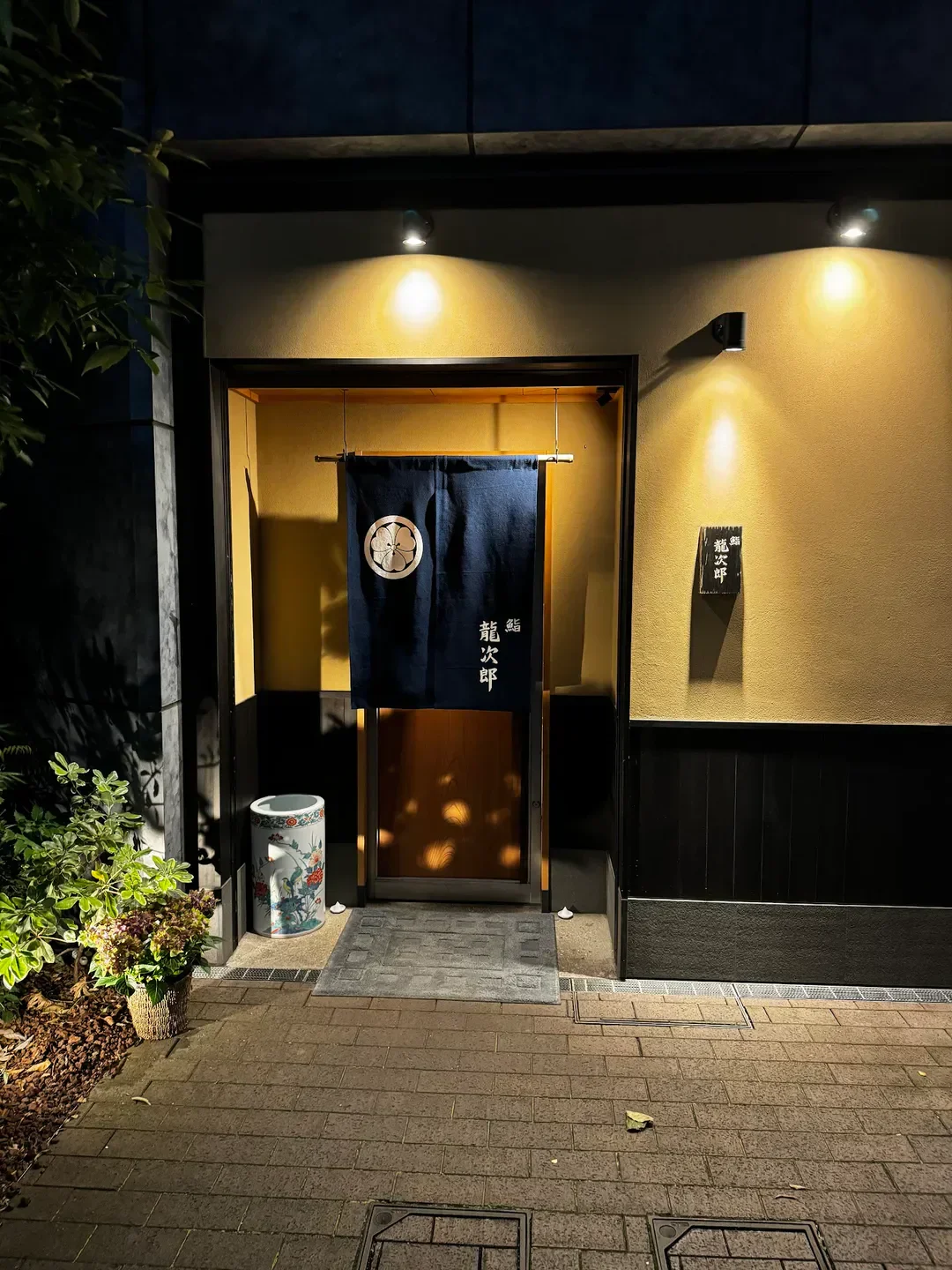
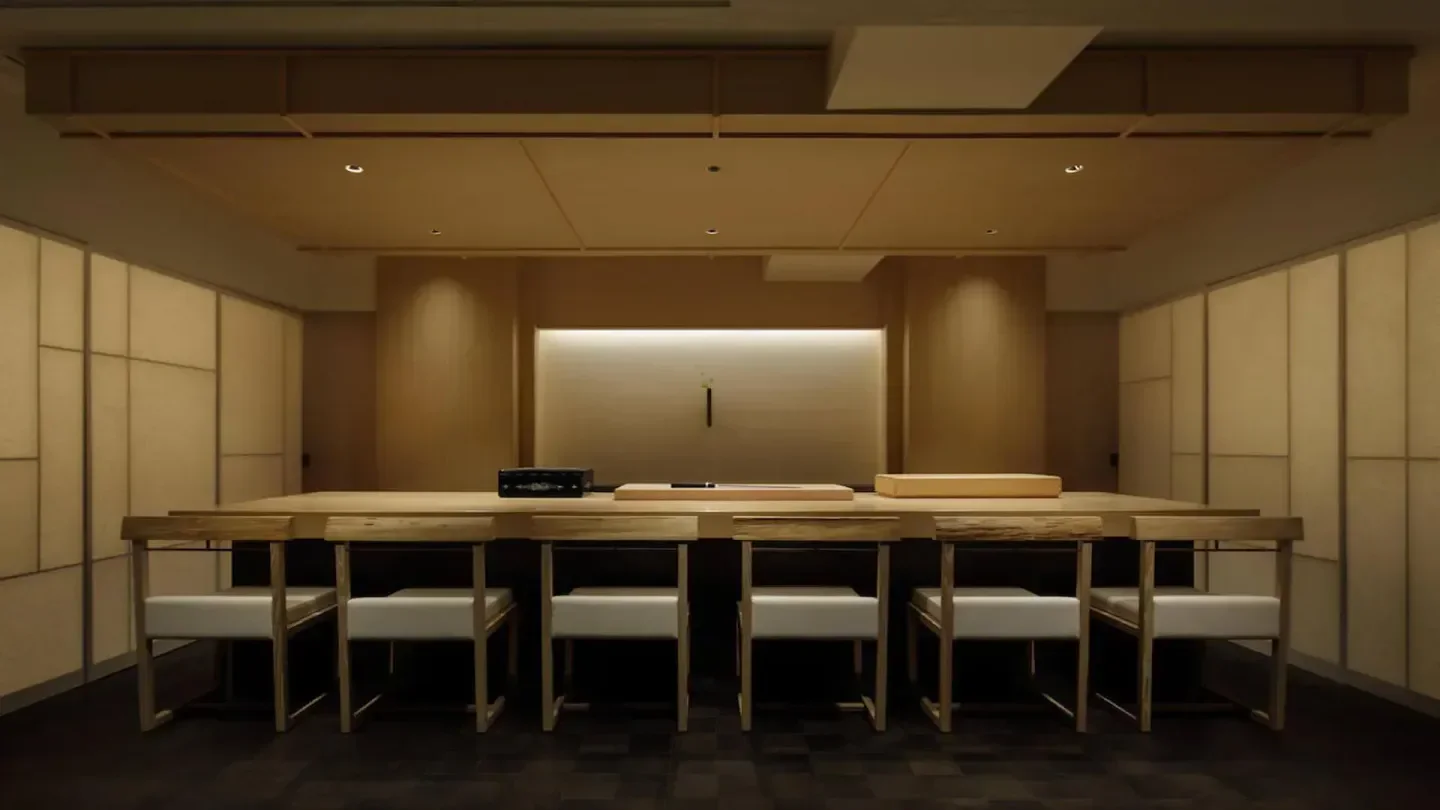
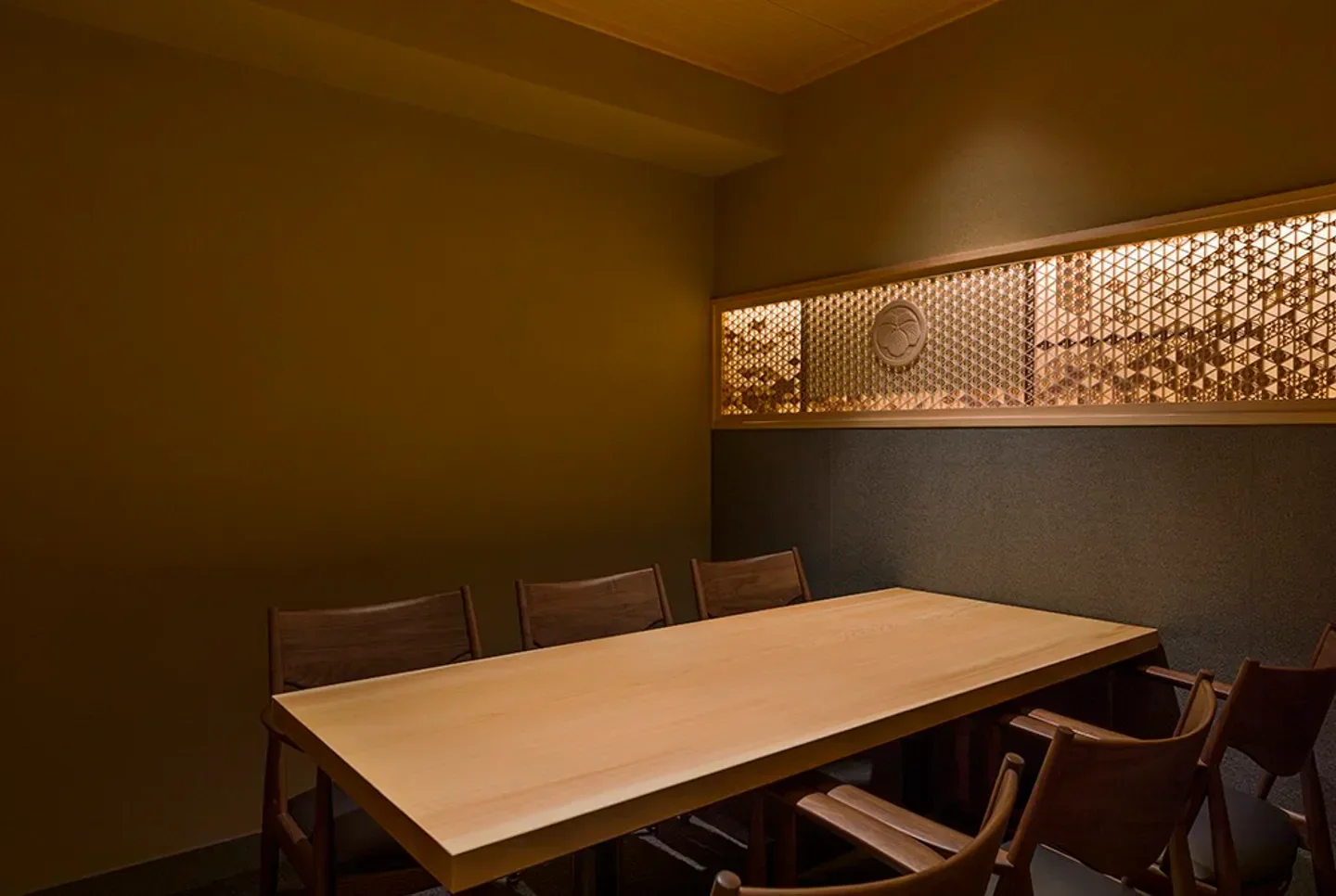
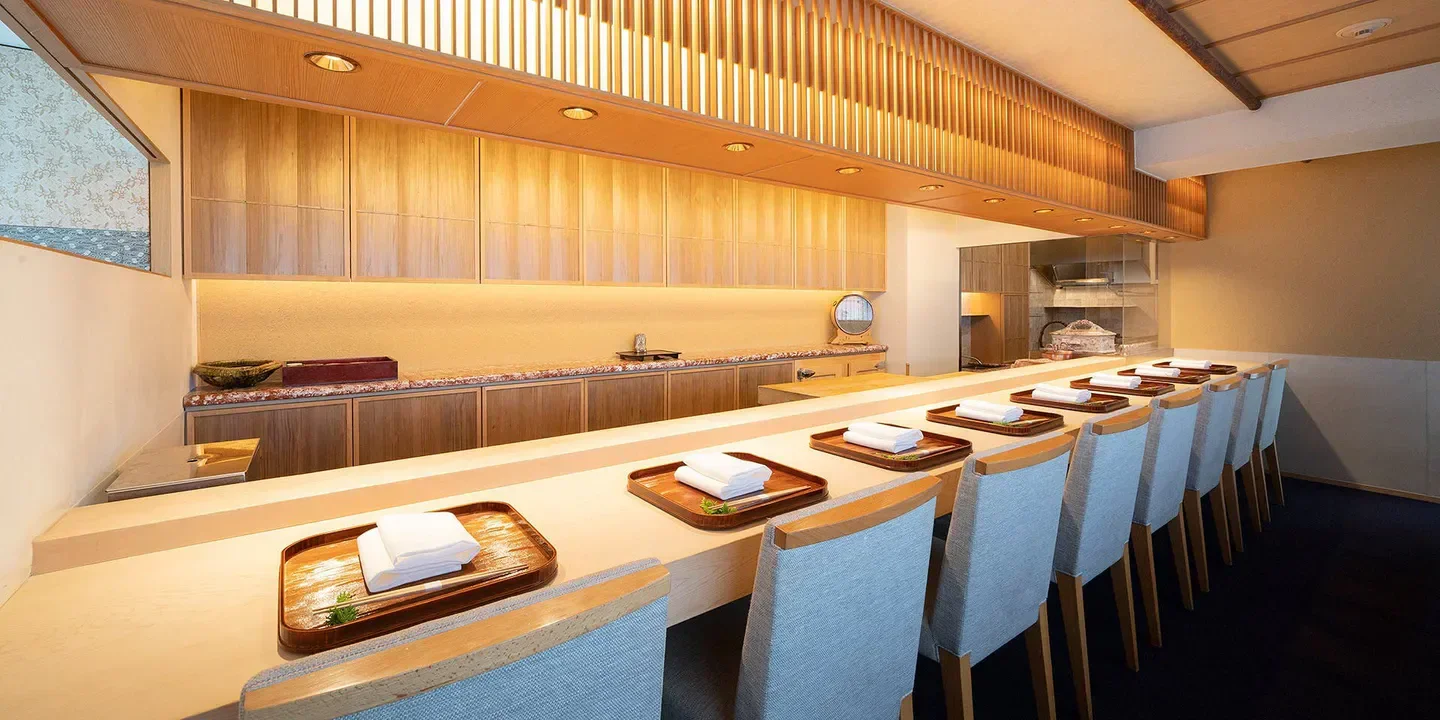
Fotos: Sushi Ryujiro
08.Sushi Ryujiro
What is it? Sushi Ryujiro sits in Minamiaoyama, a ten-minute walk from Omotesando and twelve minutes from Aoyama Cemetery. This Michelin-starred venue specializes in sushi and seafood within a formal, luxury setting.
Why we love it: The restaurant maintains an impressive 4.71 rating from 262 reviews, balancing the high price point of fine dining with a precision that keeps local regulars returning. It is a quiet, beautiful space that prioritizes the craft of sushi over the noise of the city, making it a distinct choice for a romantic evening.
Good to Know: Sushi Ryujiro requires a smart and elegant dress code to match the tone of the dining room.
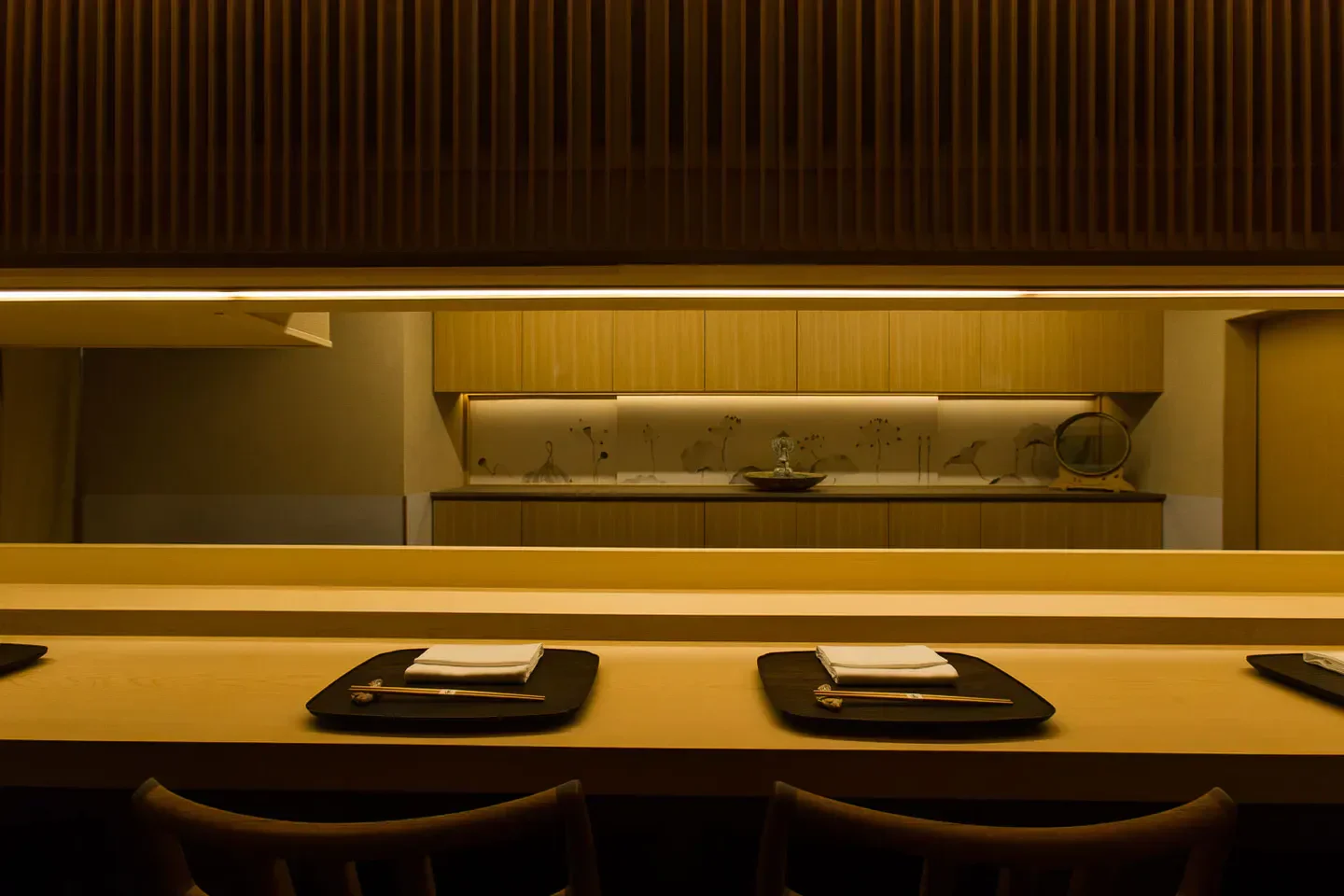
Fotos: Ren Mishina
09.Ren Mishina
What is it? Ren Mishina is a fine-dining restaurant located in Ginza. It holds a Michelin star and sits a five-minute walk from the Kabuki-za Theatre.
Why we love it: This destination commands its premium price point through a dedicated focus on Japanese seafood and sushi. With 75 reviews averaging a 4.60 rating, it distinguishes itself from the heavy foot traffic near the nearby Ginza Six by offering a secluded, romantic setting.
Good to Know: Ren Mishina requires a smart and elegant dress code, befitting the formal precision required to serve its high-end Japanese menu.
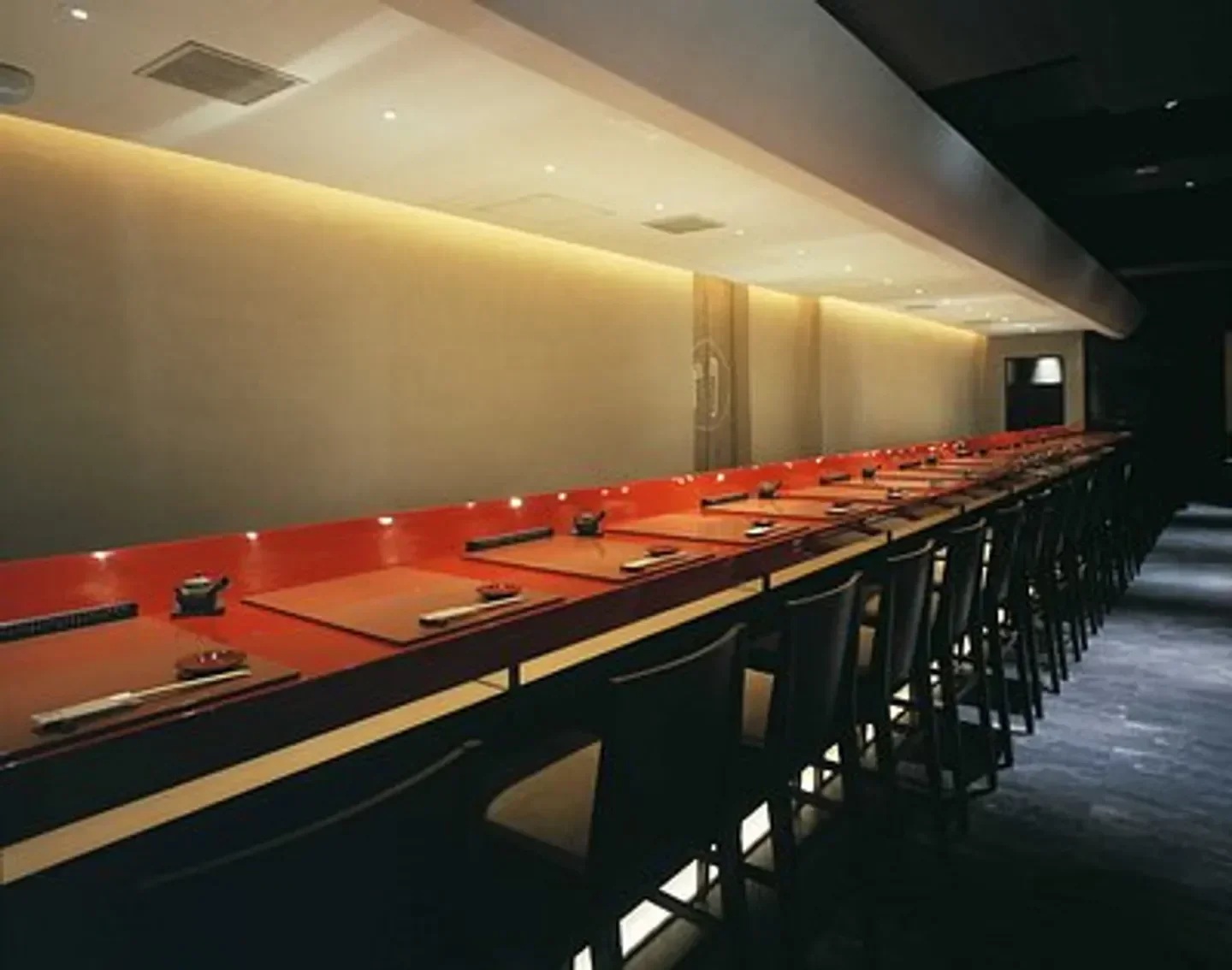
Fotos: Sushi Kuwano
10.Sushi Kuwano
O que é? O Sushi Kuwano traz uma energia tranquila e intencional para a cena gastronômica de Tóquio. Este restaurante elimina o barulho, focando inteiramente na interação entre o chef e o convidado. Você entra em um espaço onde cada lugar oferece uma visão privilegiada da preparação.
Por que amamos: Amamos a eficiência rítmica do serviço. O chef prepara cada peça com precisão focada, entregando-a pelo balcão no momento em que está pronta. Isso cria um impulso constante que transforma a refeição em uma performance coreografada.
Bom Saber: O omakase no Sushi Kuwano apresenta nigiri prensados à mão, destinados a serem consumidos no segundo em que chegam ao balcão para capturar o peixe em seu auge.