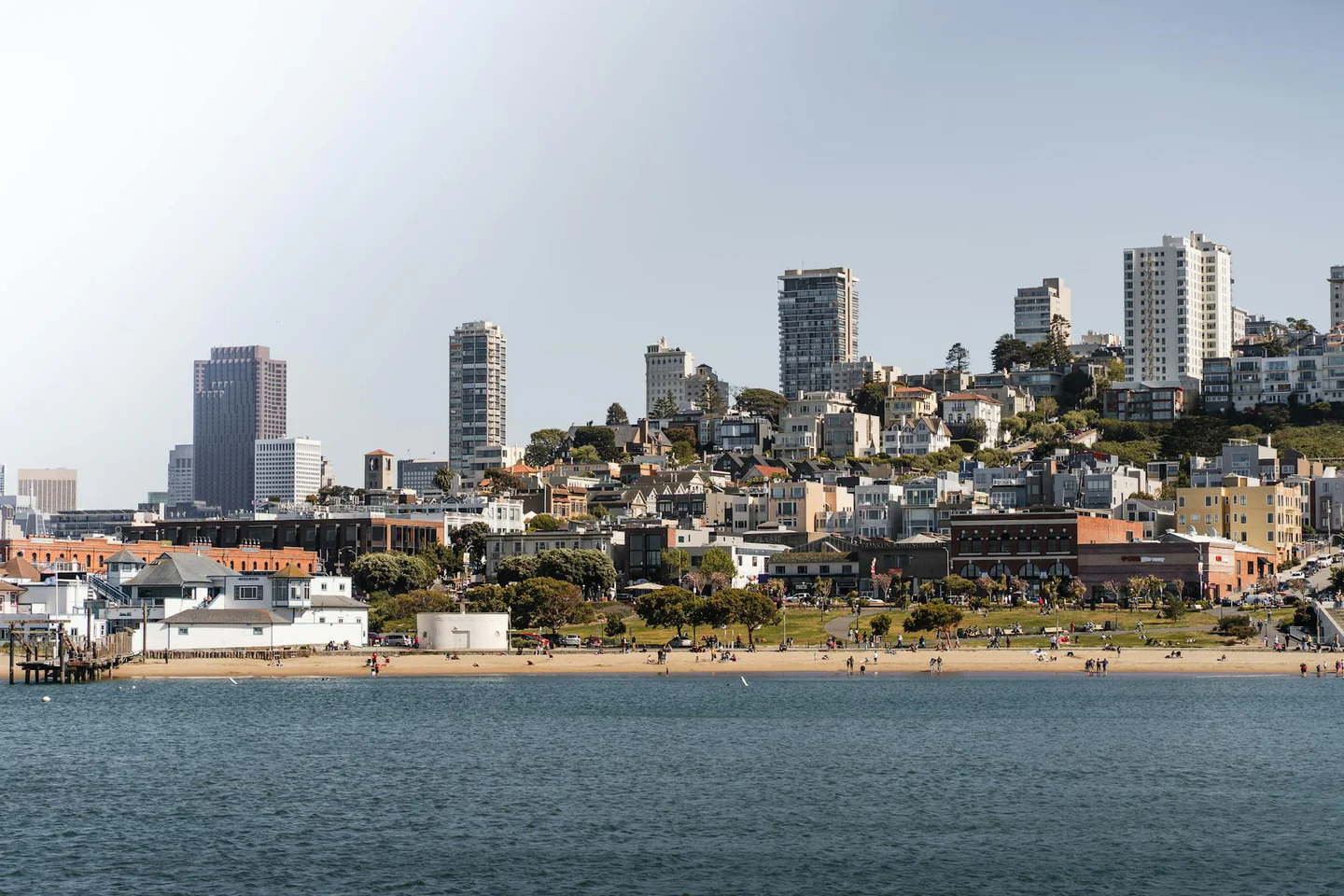
In San Francisco, dinner isn't just a meal; it's a strategic operation. The city’s dining culture revolves around the 21-day reservation window and a collective obsession with ingredient provenance. You aren’t just looking for a table. You’re competing for a seat in a 7x7 mile grid where the fog dictates the mood and the wine lists lean natural.
The current vanguard favors intimacy over scale. At The Shota, Edomae-style precision challenges the city's tech-fueled rush with quiet, meditative courses. Meanwhile, KEN brings a minimalist rigor to the Lower Haight, proving that the best fish often arrives in unassuming storefronts. You’ll find the same devotion at jū-ni or Omakase, where the counter-to-chef ratio ensures every piece of nigiri hits your palate at peak temperature.
This is the new San Francisco standard. These are the spots worth the refresh button.

© Photo Credits: KEN
01.KEN
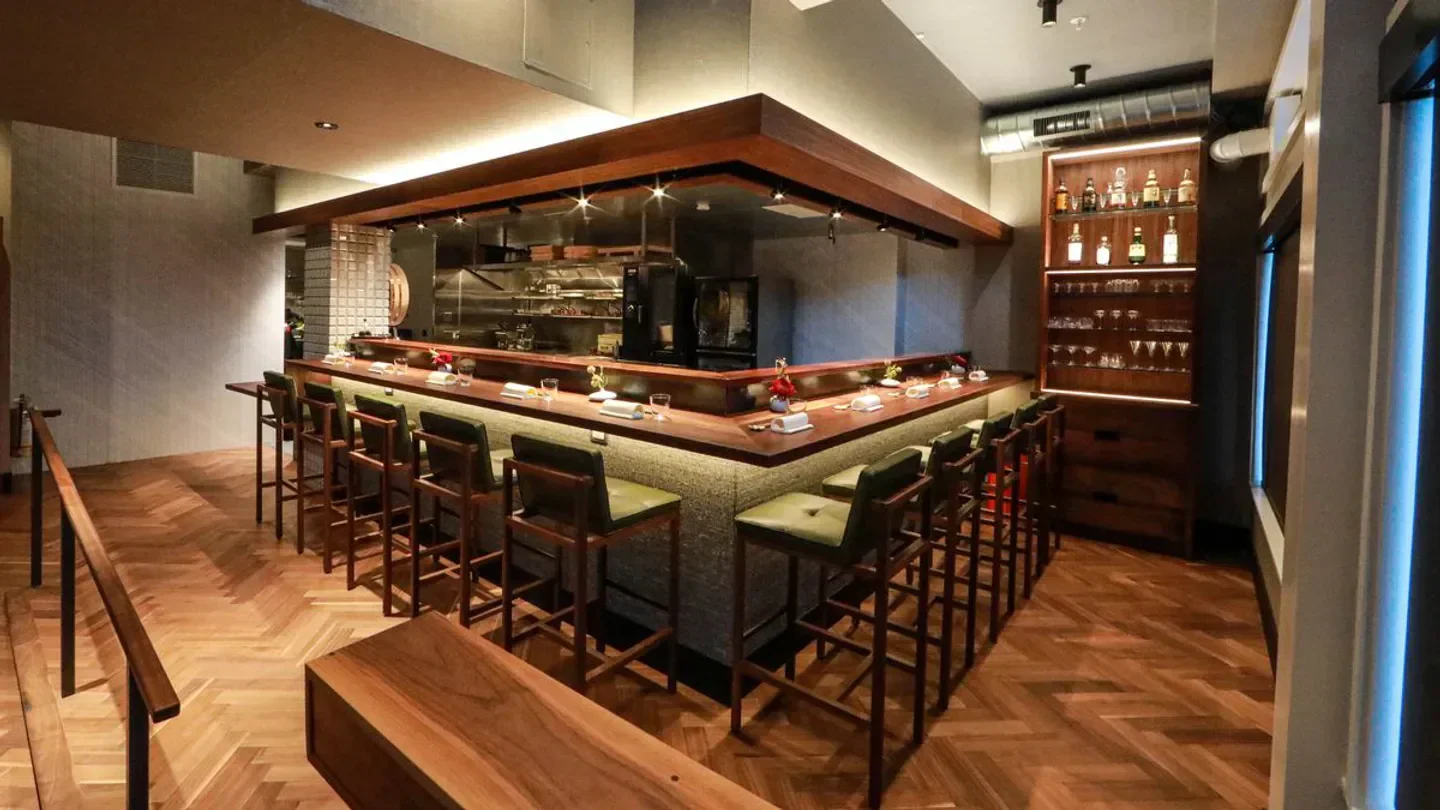
What is it? KEN strips San Francisco dining down to its essential elements. The room feels purposeful and quiet, centering the entire experience around a handful of coveted seats. You won't find flashy distractions here; the focus remains locked on the choreography behind the counter.
Why we love it: The energy in the room shifts as each course arrives. There is a stillness to the service that makes the city noise feel miles away. We love how the intimacy of the space ensures that every detail, from the lighting to the pacing, feels entirely intentional.
Good to Know: The seasoned rice at KEN is served at a specific temperature to highlight the fish, so eat each piece immediately to catch the intended contrast.

© Photo Credits: The Shota
02.The Shota
What is it? The Shota brings a sharp, singular focus to San Francisco. You enter a space stripped of distractions. The atmosphere hums with a quiet, intentional energy dedicated entirely to the craft.
Why we love it: The experience moves with a measured pace that commands your full attention. Every action feels deliberate. Precise movements turn the dinner into an immersive event where the city outside fades away.
Good to Know: The omakase at The Shota highlights Edomae-style techniques, featuring fish that has been cured or aged to intensify its flavor.

© Photo Credits: jū-ni
03.jū-ni
What is it? jū-ni brings sharp focus to the San Francisco dining scene. This Michelin-starred restaurant ditches the traditional dining room for an intimate counter-seating arrangement. You enter a space where the rhythm of the kitchen dictates the evening.
Why we love it: The omakase tasting menu unfolds as a series of precise movements. Chefs work inches from your hands, assembling each course with accuracy. It turns a meal into a shared dialogue between the chef and the diner.
Good to Know: The counter at jū-ni limits each chef to serving just four diners at a time during the omakase.

© Photo Credits: Omakase
04.Omakase
What is it? This San Francisco destination strips away the distractions of a typical menu. The room centers on the chef’s station, where focus and tradition dictate the evening. You enter a space designed for observation and quiet appreciation.
Why we love it: The meal unfolds as a series of deliberate hand-offs between the chef and your plate. Each bite arrives at the exact moment it reaches the ideal temperature. There is a palpable energy in watching the knife work before each piece is served.
Good to Know: The nigiri at Omakase is seasoned by the chef before it reaches you, so skip the soy sauce dip to keep the intended flavor balance intact.

© Photo Credits: KUSAKABE
05.KUSAKABE
What is it? KUSAKABE brings a refined, hushed energy to the San Francisco dining scene. The space revolves around a central counter where the chefs operate with visible precision. It feels intimate and focused, favoring a clean aesthetic that removes all outside noise.
Why we love it: Dinner follows a choreographed rhythm that feels both personal and professional. The staff moves through the room with a sense of quiet urgency, ensuring every course lands at the exact right moment. It is the kind of place that rewards your full attention.
Good to Know: KUSAKABE specializes in a structured omakase format, so arrive with an appetite for a multi-course sequence that builds in intensity.

© Photo Credits: Nisei
06.Nisei
What is it? Nisei anchors its San Francisco neighborhood with a sharp, modern presence. This restaurant strips away the noise, focusing instead on a streamlined and polished atmosphere. You notice the intentional lighting and the steady, quiet pulse of the room immediately.
Why we love it: The experience feels like a choreographed performance where nothing is left to chance. Staff move through the dining room with practiced ease, ensuring the rhythm of the meal never drags. It draws a discerning crowd that values technical skill over flashy theatrics.
Good to Know: The beverage pairings at Nisei are curated to evolve alongside the menu, so let the sommelier lead the way.

© Photo Credits: Benu
07.Benu
What is it? Benu occupies a quiet corner in San Francisco. This restaurant favors a sharp energy and minimalist design. You feel the focus the moment you walk through the door.
Why we love it: The staff navigates the room with rhythmic precision. They emphasize the 671ce27aba7f2e4c40f50016 and 671ce277ba7f2e4c40f4fff2 during every interaction. It creates a sense of place that feels entirely distinct from the city outside.
Good to Know: The 671ce277ba7f2e4c40f4fff8 at Benu defines the experience, acting as a signature element of the restaurant's approach.

© Photo Credits: Hashiri
08.Hashiri
What is it? Hashiri brings a sharpened sense of discipline to a quiet corner of San Francisco. The room feels intentional and lean, designed to pull your focus away from the street and toward the kitchen. It is a space where the outside world immediately retreats.
Why we love it: The energy revolves around the deliberate movement of the staff and the steady flow of the meal. It is a choreographed performance that avoids the stiffness of many formal rooms. Every detail directs your attention toward the craft happening right in front of you.
Good to Know: The sake pairings at Hashiri mirror the intensity of each course, making the beverage program a vital part of the experience.

© Photo Credits: Robin
09.Robin
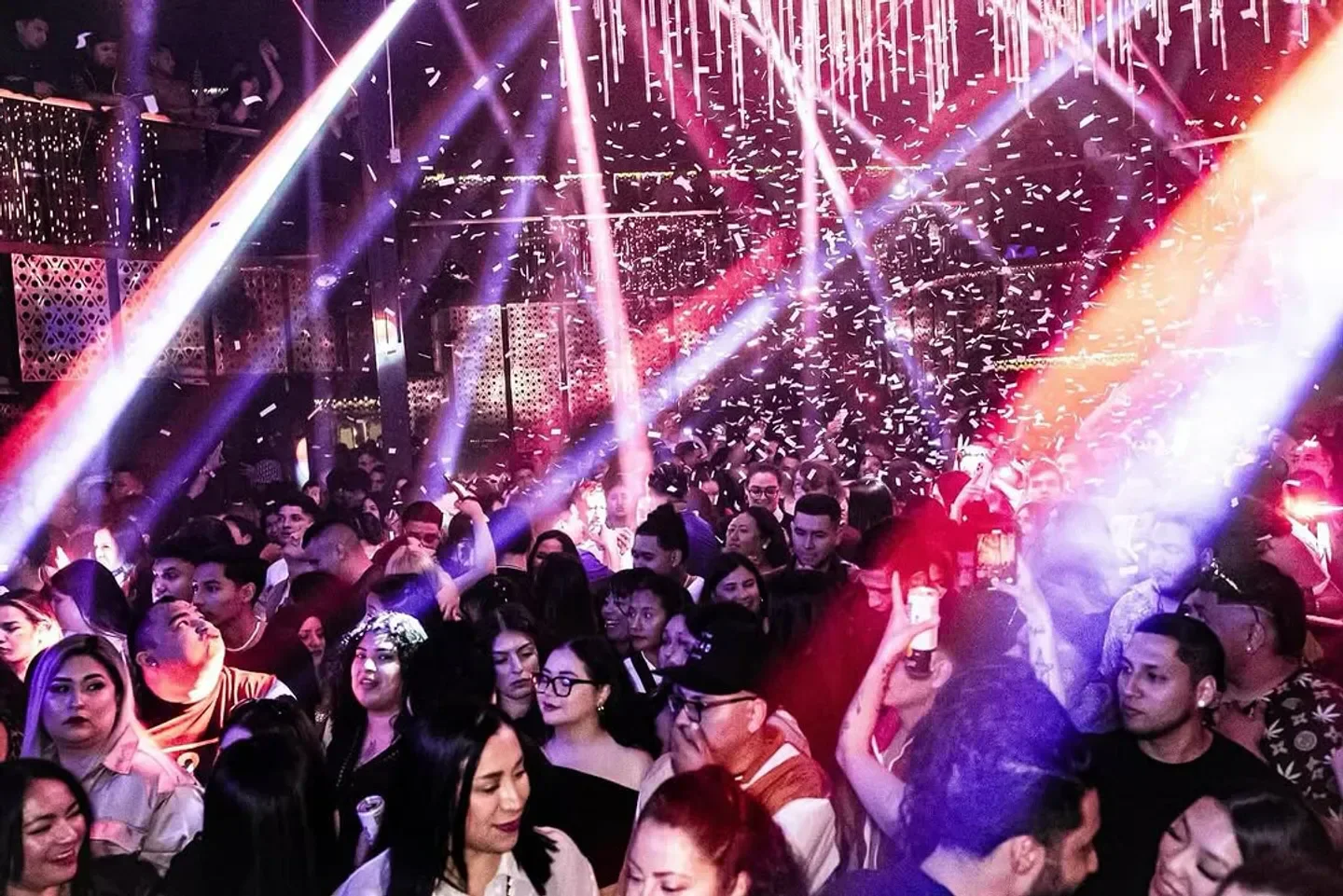
What is it? Robin is a San Francisco restaurant that ditches the starchy traditions of high-end dining. The room feels dark and electric. It replaces hushed tones with a high-energy soundtrack and a vibe that feels more like a party than a formal meal.
Why we love it: The chefs work behind the counter with a speed that keeps the night moving. There is no set script here. Instead, the team reads the room and adjusts the flow of the meal to match your energy.
Good to Know: The omakase at Robin features a flexible pricing structure, so let the chef know your budget before they start serving the nigiri.

© Photo Credits: Niku Steakhouse
10.Niku Steakhouse
What is it? Niku Steakhouse anchors a San Francisco corner with a sharp focus on fire and precision. An open kitchen dominates the room, pulling your eyes toward the glowing wood-fired grill. It trades traditional steakhouse tropes for a sleek, performance-driven atmosphere.
Why we love it: The Michelin-starred kitchen focuses on raw intensity. Grab a spot at the bar seating to watch the chefs navigate the intense heat of the flames. The tasting menu moves with a steady rhythm, delivering cuts that arrive with a smoky, dark crust.
Good to Know: The tasting menu at Niku Steakhouse typically runs over two hours, so clear your evening to watch the wood-fired grill in action.