San Francisco dining favors a supply chain built on Northern California agriculture rather than formal service rituals. Visitors often pursue relics of old-guard French dining, but the current Michelin-starred landscape leans toward technical precision and minimalist aesthetics. Reservation demand remains aggressive, requiring bookings weeks before your arrival to claim a spot at the most frequent targets. Many of these kitchens inhabit modest storefronts that direct capital toward the plate instead of interior design.
Michelin-starred talent clusters within the brick-lined corridors of Jackson Square and the residential blocks of the Mission District. Additional entries hide in the topography of Nob Hill and the dense grid of the Tenderloin, requiring specific intent to reach. Neighborhoods dictate the pace of the meal, ranging from the quiet intensity of the Fillmore to the dense, frantic environment of the downtown streets. Arrive at your confirmed time, as restaurants rarely hold tables beyond the initial seating.
Here is where to start.
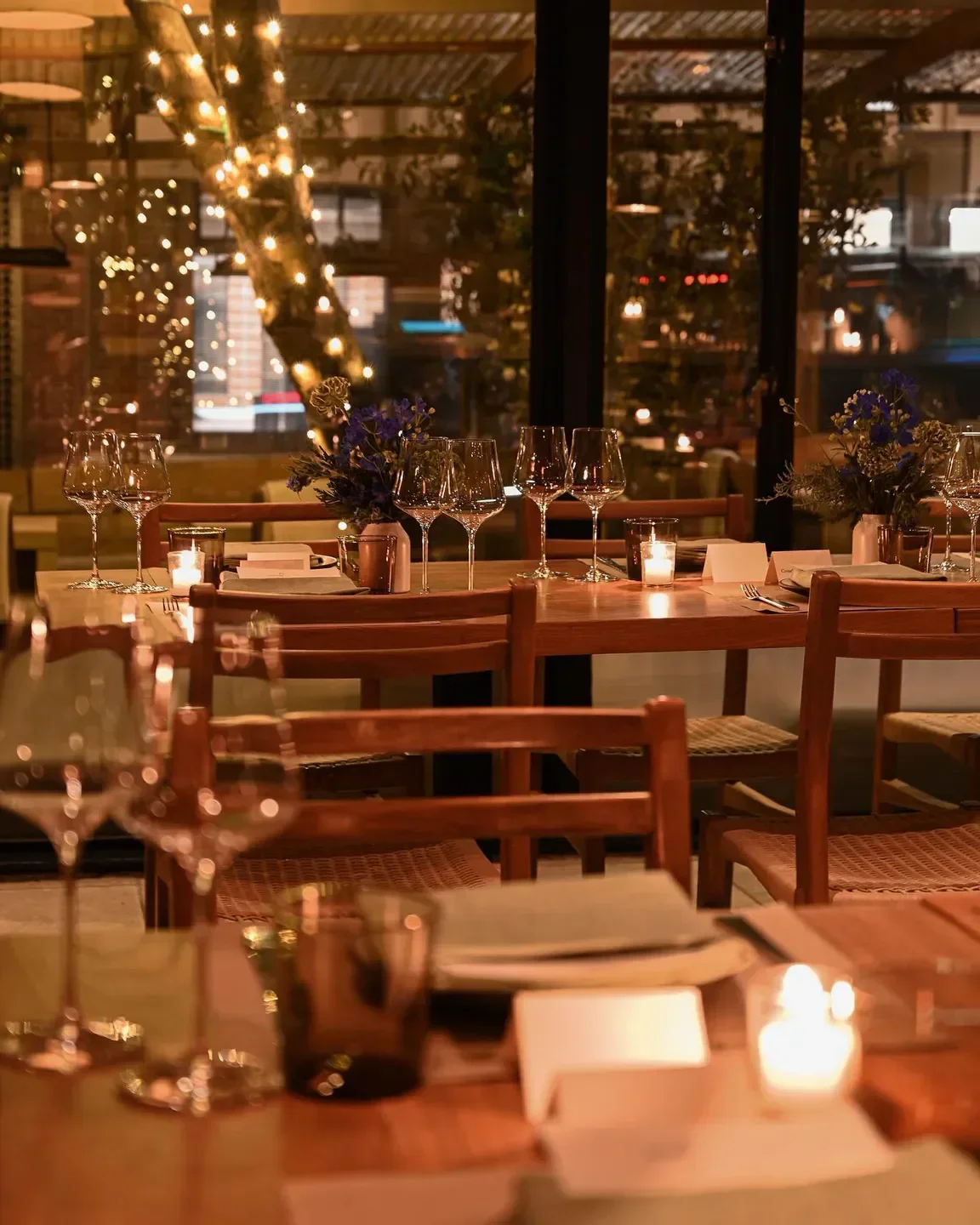
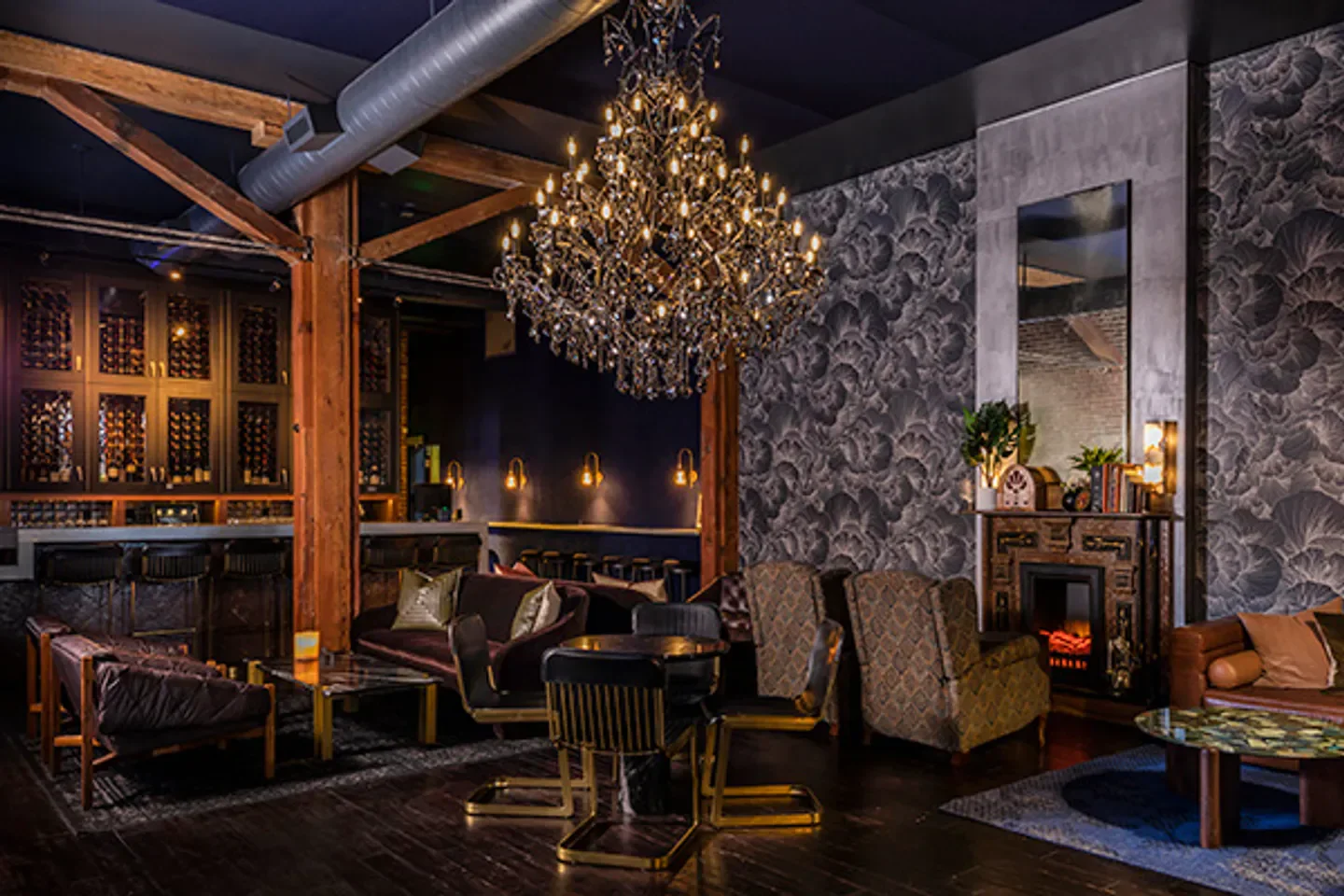
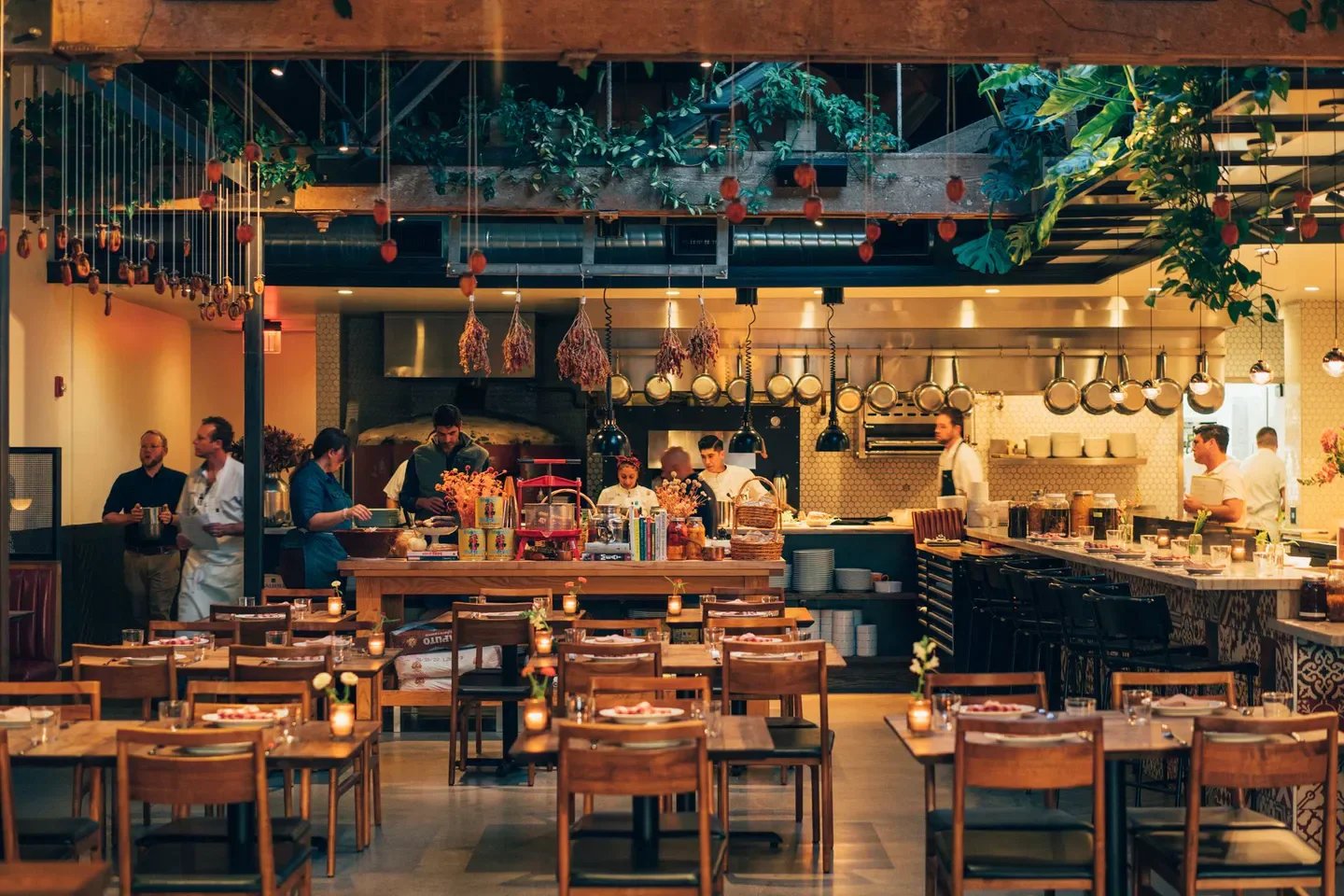
Photos: Cotogna
01.Cotogna
What is it? Cotogna is a Michelin-starred restaurant located at 490 Pacific Avenue. It sits a six-minute walk from the Transamerica Pyramid and a ten-minute walk from Chinatown.
Why we love it: The kitchen balances traditional and contemporary Italian techniques, justifying the higher price point through its consistency. With nearly 2,000 guests awarding it a 4.77 rating, the venue maintains a level of precision that makes it a reliable choice for fine dining near the Ferry Building Marketplace.
Good to Know: The smart and elegant dress code at Cotogna pairs best with a table on the terrace if you prefer an open-air atmosphere.
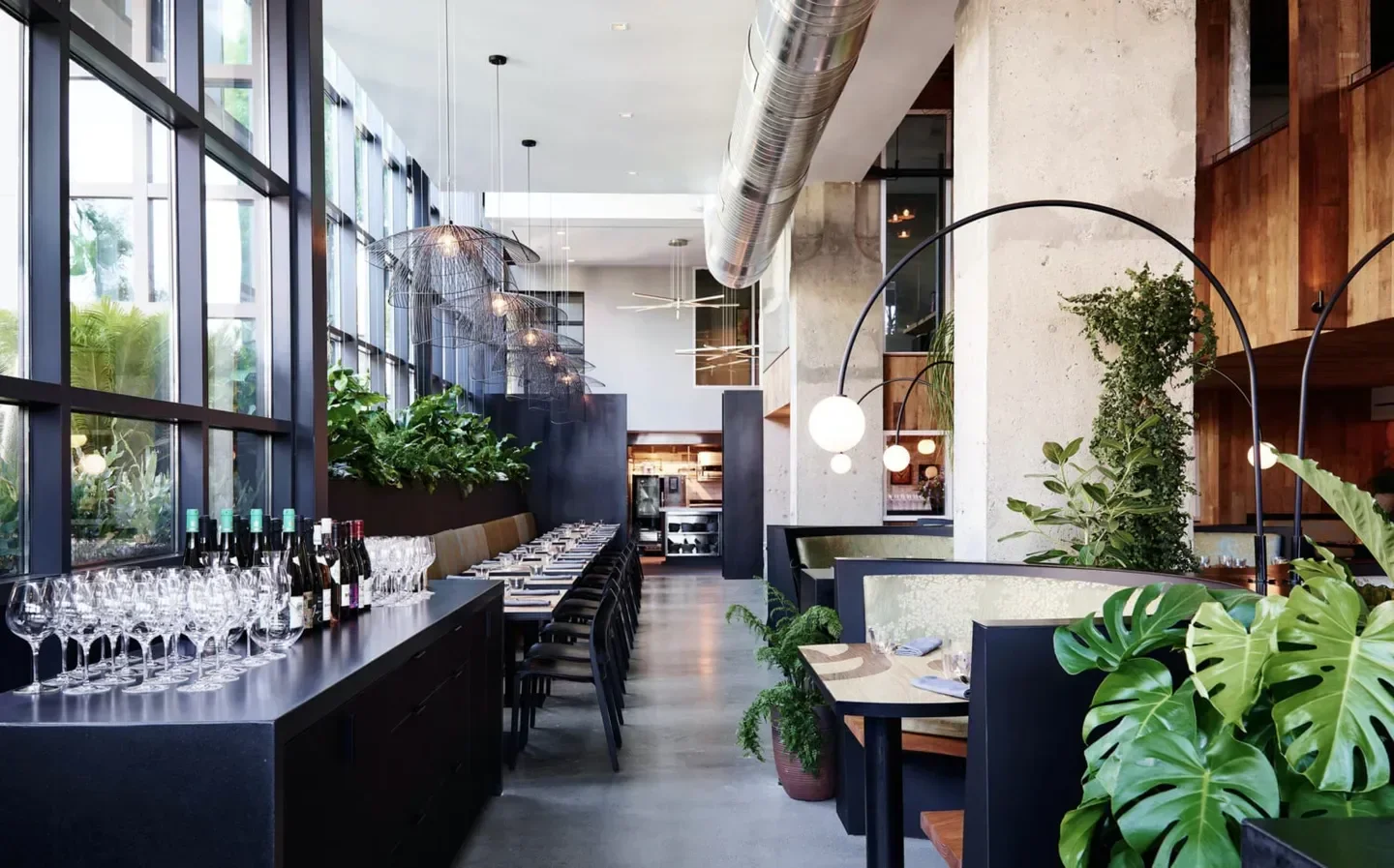
Photos: Nari
02.Nari
What is it? Nari sits at 1625 Post St in San Francisco. It is a Michelin-starred restaurant specializing in modern Vietnamese cuisine. The space provides a fine dining environment within an eight-minute walk of Union Square.
Why we love it: The kitchen treats modern Vietnamese ingredients with a level of rigor that explains its Michelin star, elevating the category above typical regional fare. It offers a rare, romantic atmosphere for those seeking a luxury experience that feels distinct from the bustle of the nearby downtown grid.
Good to Know: Nari enforces a smart and elegant dress code, so plan your attire accordingly for this refined, modern Asian dining room.
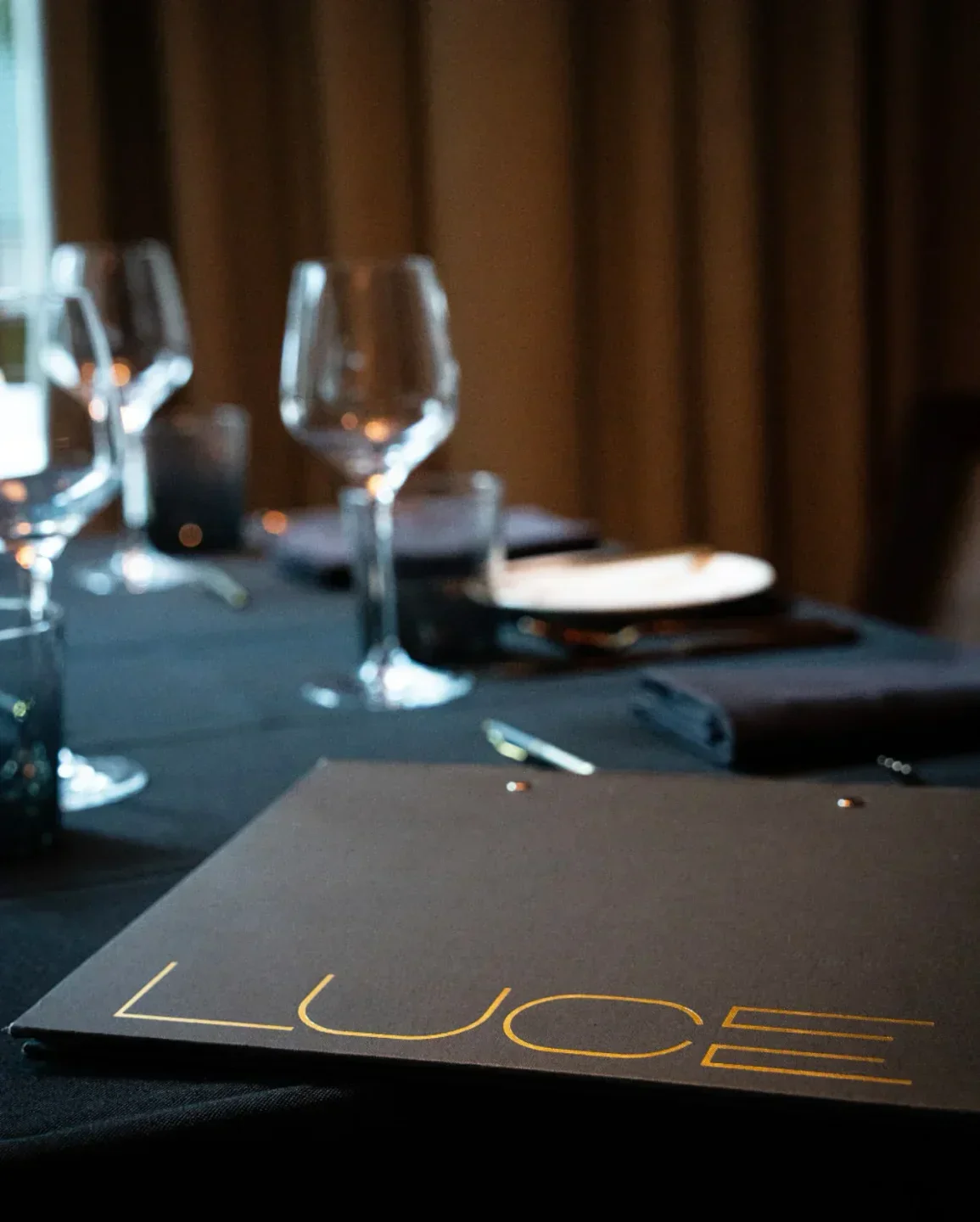
Photos: LUCE
03.LUCE
What is it? LUCE is a Michelin-starred restaurant located at 888 Howard St. It sits a five-minute walk from the Children's Creativity Museum and Yerba Buena Gardens.
Why we love it: This is a modern, farm-to-table destination that balances its high-end credentials with a focus on contemporary technique. With a Wine Spectator Excellence Award to its name, it offers a sophisticated wine program that justifies its higher price point better than most local competitors.
Good to Know: The smart and elegant dress code at LUCE is strictly observed, so expect a formal atmosphere suited to the restaurant's Michelin-starred standing.
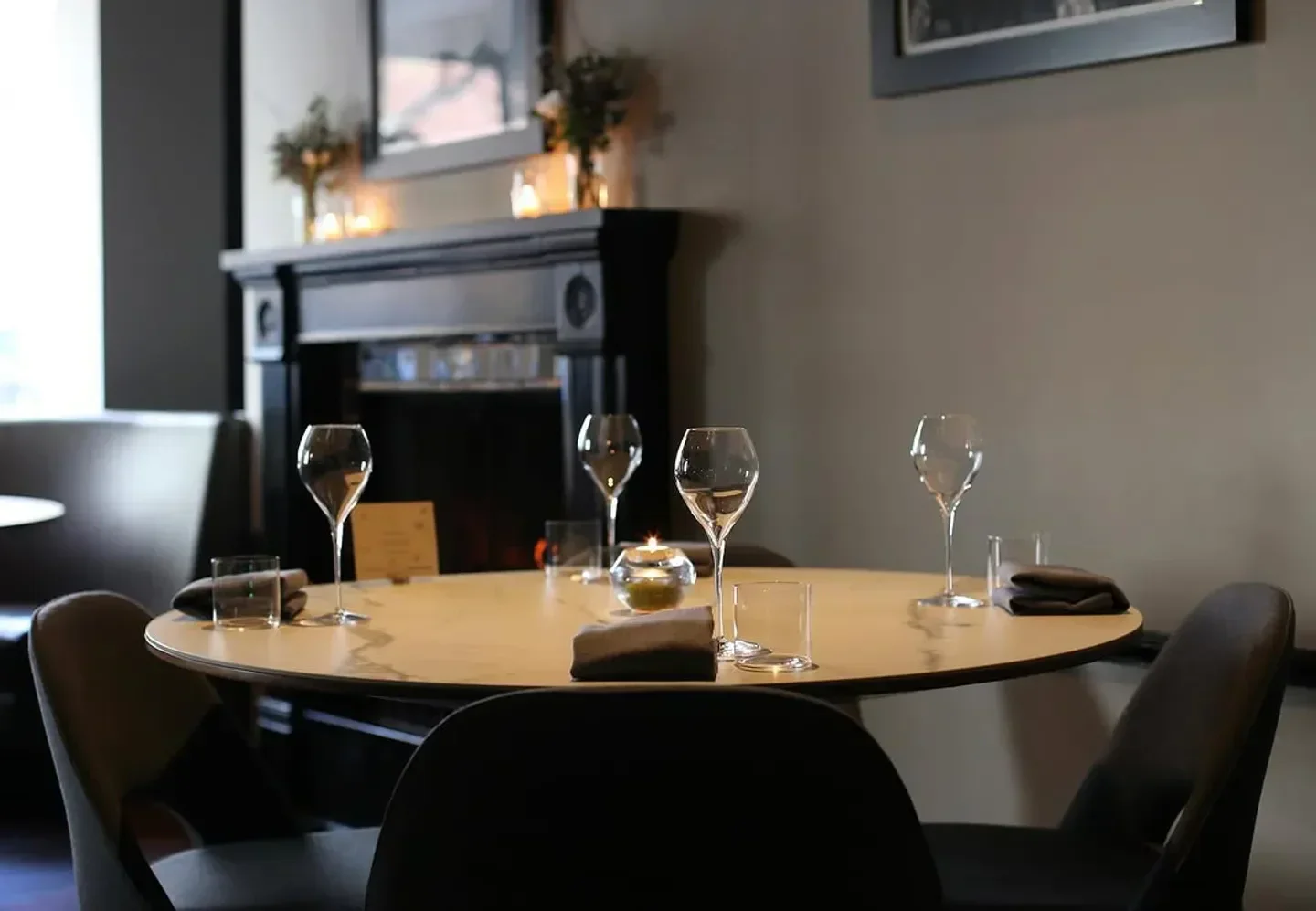
Photos: Sons & Daughters
04.Sons & Daughters
What is it? Sons & Daughters is a fine dining restaurant on 18th Street in San Francisco. It holds two Michelin stars and stands a ten-minute walk from Mission Dolores.
Why we love it: The kitchen focuses on a creative, farm-to-table approach that sets it apart from the more casual dining options near nearby Valencia Street. With its high-end price point and romantic atmosphere, it remains a rare, focused destination for those seeking a formal experience just an eight-minute walk from the crowds at Dolores Park.
Good to Know: The kitchen’s modern, farm-to-table philosophy makes Sons & Daughters a Wine Spectator Excellence Award winner, so lean on the staff for pairings that match the seasonal rotation of the menu.
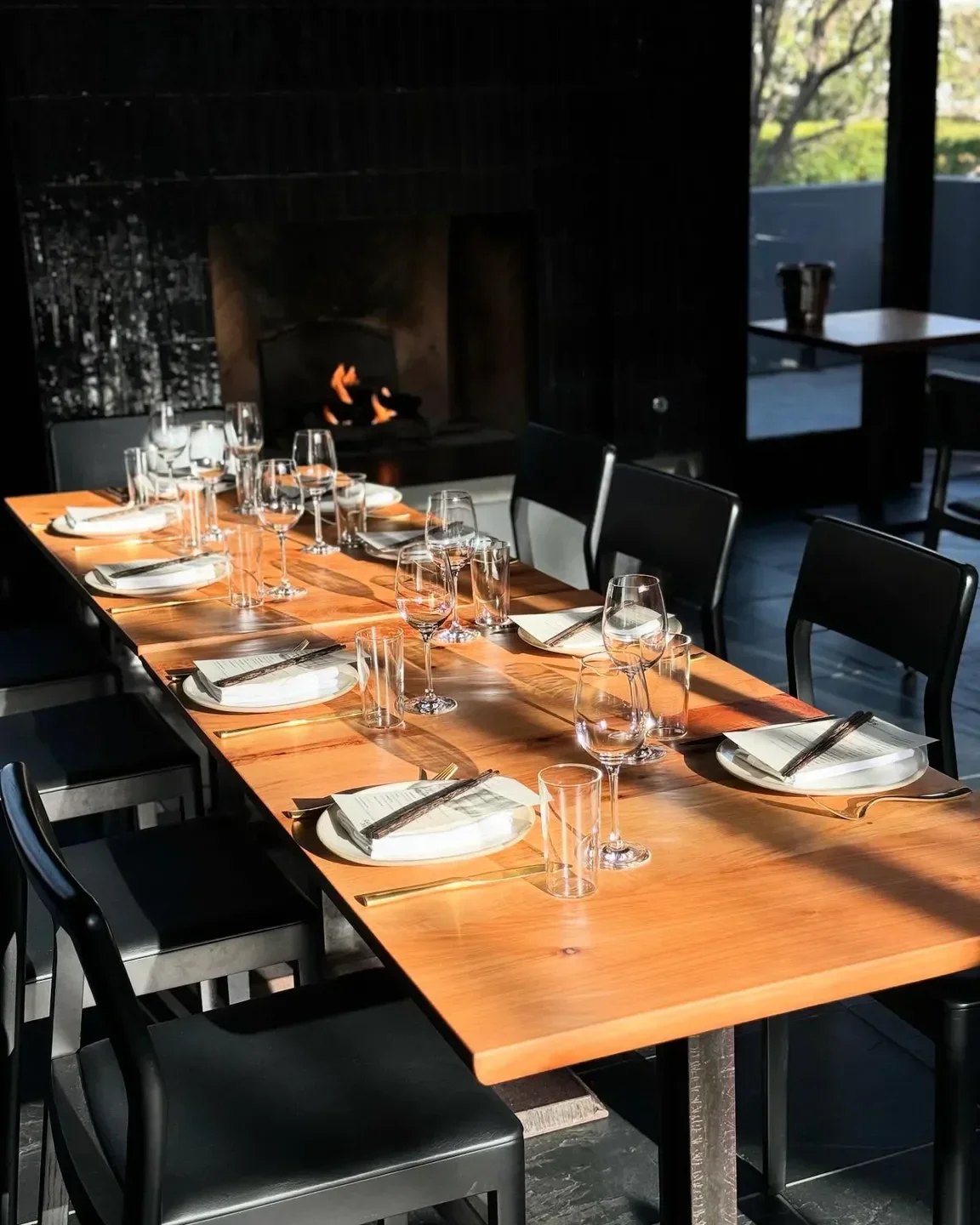
Photos: The Slanted Door
05.The Slanted Door
What is it? The Slanted Door sits at 6000 Bollinger Canyon Road, Suite 1300, in San Ramon. This Michelin-starred restaurant specializes in Vietnamese and South East Asian fusion. It remains a notable distance from the Bishop Ranch Regional Preserve and San Ramon Central Park.
Why we love it? It brings a rare level of fine dining to the East Bay while maintaining a moderate price tier. The setting prioritizes a view and terrace access, offering a polished departure from the typical suburban dining experience. With a solid 4.54 rating from 344 reviews, it balances consistent service with its distinct culinary focus.
Good to Know: The Slanted Door requires smart and elegant attire, so plan your wardrobe accordingly for a dinner that leans into its formal Michelin-starred roots.
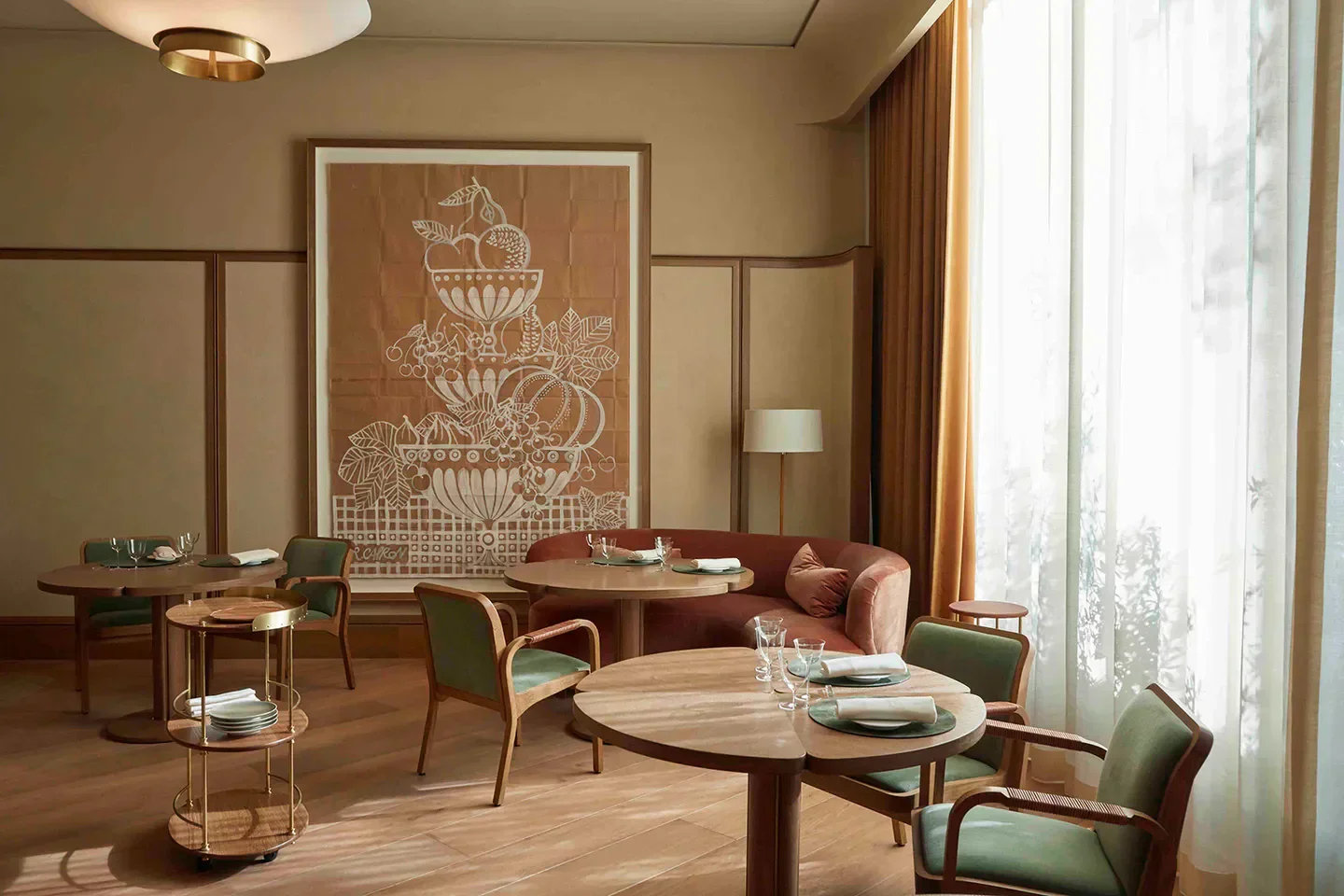
Photos: Quince
06.Quince
What is it? Quince is a restaurant on Pacific Avenue, situated a six-minute walk from the Transamerica Pyramid. It holds three Michelin stars and ranks as number 42 on La Liste.
Why we love it: This is where the rigor of fine dining meets the seasonal discipline of farm-to-table cooking. While many venues in this price tier rely on spectacle, the kitchen at Quince succeeds by elevating Italian-inflected modern cuisine through consistent, technical precision. With a guest rating of 4.79 from over 700 diners, it remains a rare example of a high-profile destination that manages to feel personal rather than performative.
Good to Know: The formal, smart and elegant dress code at Quince matches the intensity of the kitchen, so leave the casual layers at your hotel.
Photos: Robin
07.Robin
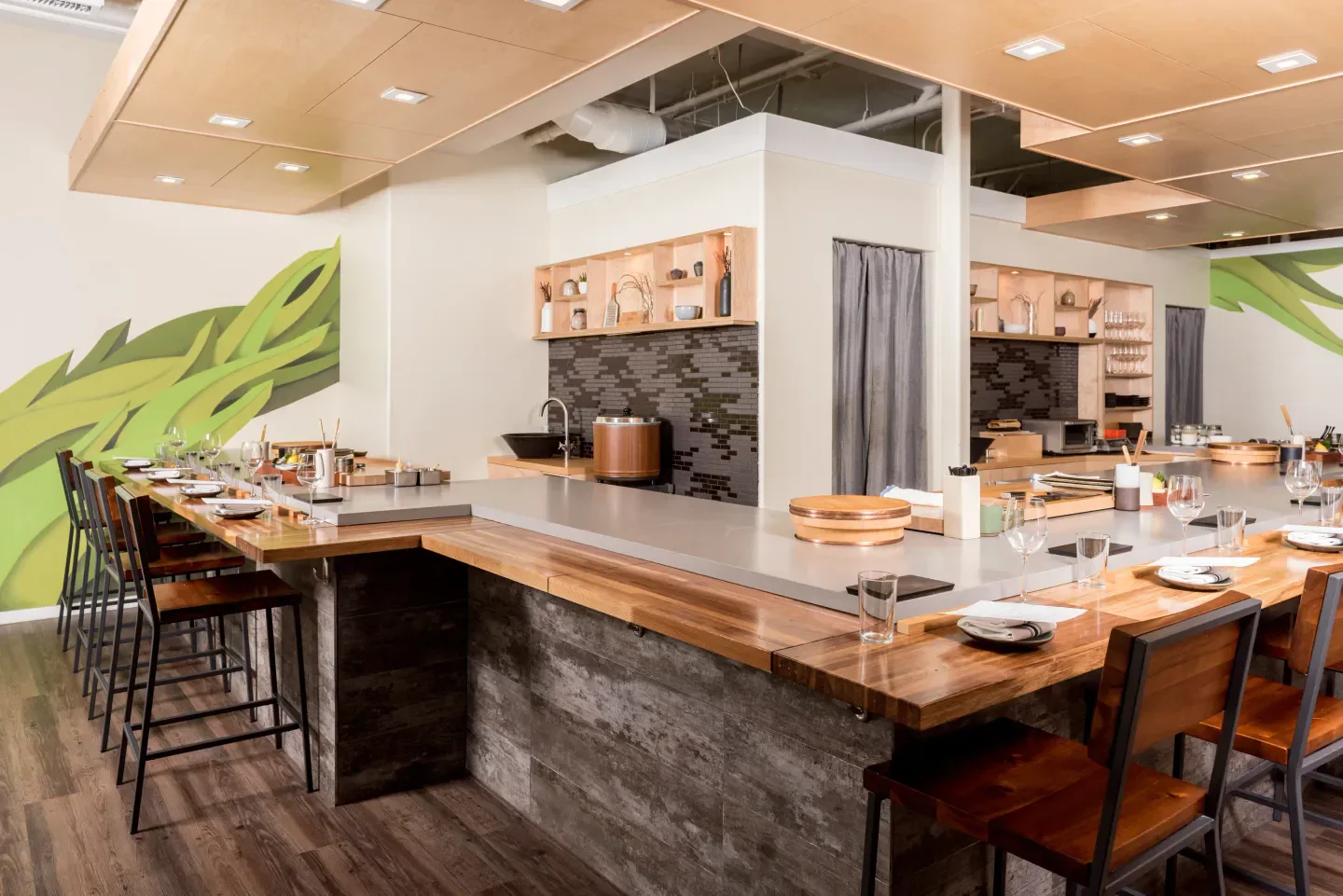
What is it? Robin is a Michelin-starred Japanese fusion restaurant located at 620 Gough Street. It sits a ten-minute walk from Hayes Valley and roughly twenty minutes from the War Memorial Opera House.
Why we love it: This restaurant balances a high-end price point with a consistent quality that earns it a 4.77 rating from over 500 guests. It avoids the stuffiness typical of luxury sushi counters, offering a refined, romantic atmosphere that makes the most of its Gough Street address.
Good to Know: The kitchen’s approach to Japanese fusion relies on a rotating selection of high-quality ingredients, so expect the menu at Robin to shift based on seasonal availability rather than a static list.
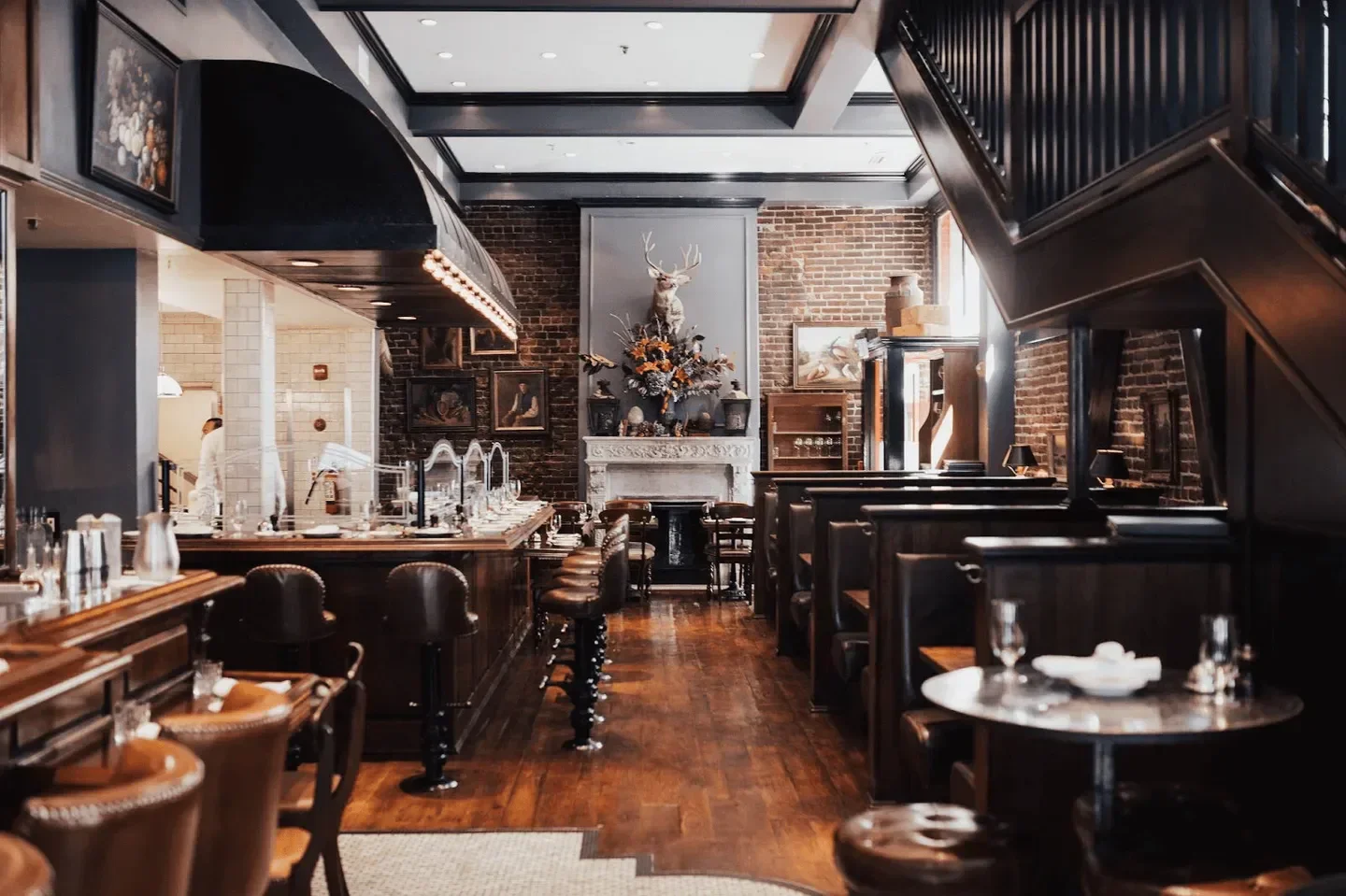
Photos: Wayfare Tavern
08.Wayfare Tavern
What is it? Wayfare Tavern holds a Michelin star and sits at 201 Pine St. It is a five-minute walk from the Transamerica Pyramid and an eight-minute walk from the base of Chinatown.
Why we love it: The kitchen manages a rare balance, pairing farm-to-table sourcing with the technical precision required for a Michelin-starred rating. The price point is steep, but the menu’s commitment to classic, modern execution justifies the expense for those seeking a destination that feels formal yet grounded.
Good to Know: The smart and elegant dress code at Wayfare Tavern is strictly enforced, so leave the sneakers at the hotel before heading over from nearby Union Square.
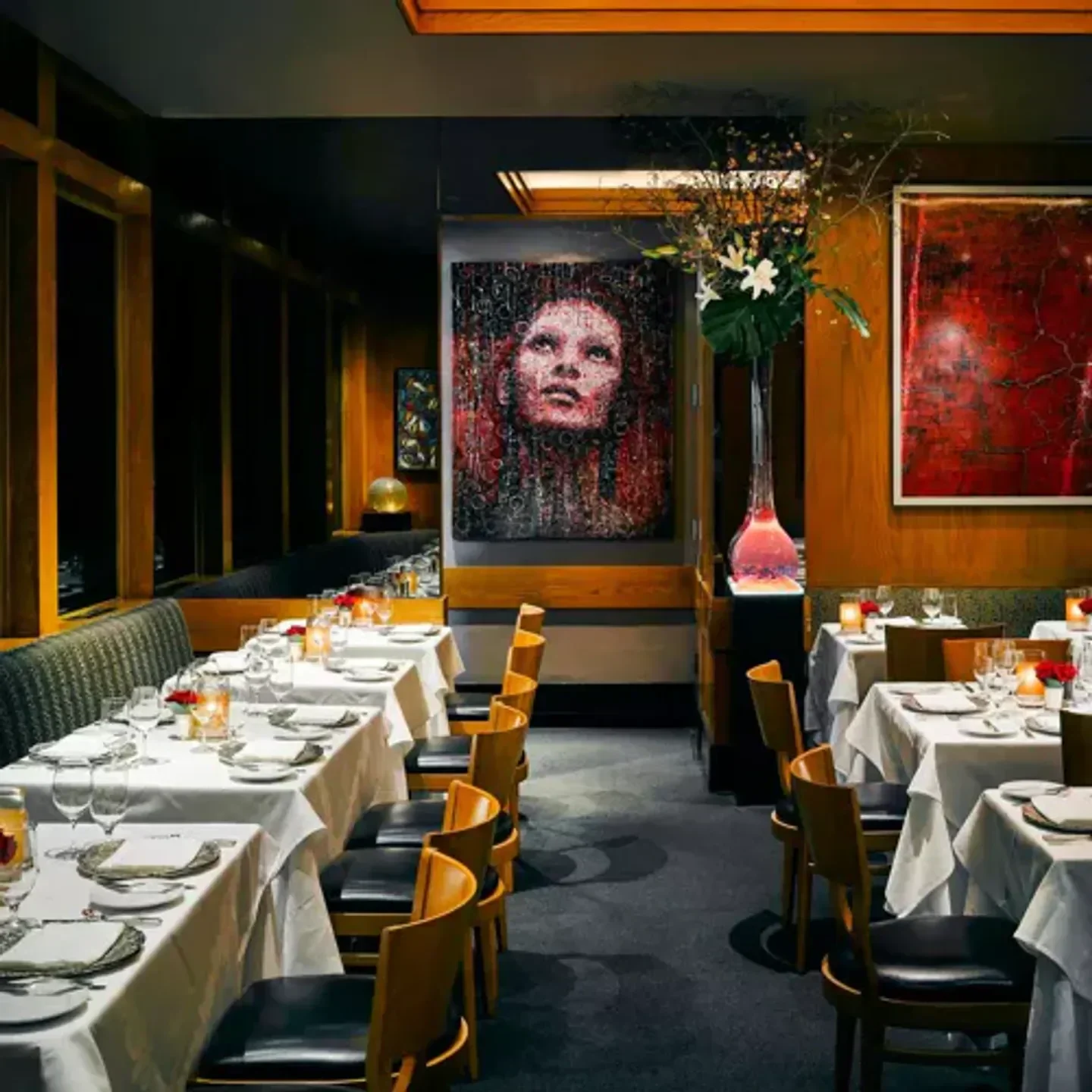
Photos: Gary Danko
09.Gary Danko
What is it? Gary Danko sits on North Point Street, a five-minute walk from Ghirardelli Square. It holds a Michelin star and maintains a four-star rating from Forbes Travel Guide.
Why we love it: This restaurant separates itself from the Fisherman's Wharf tourist track by pairing a strict smart and elegant dress code with a classic French and contemporary menu. While the neighborhood is defined by heavy foot traffic, Gary Danko commands a consistent 4.73 rating from its guests by focusing on the mechanics of luxury fine dining. It secures its place among the city's most respected tables by ranking at no. 39 on La Liste, backed by a Wine Spectator grand award that ensures the cellar is as serious as the kitchen.
Good to Know: The Wine Spectator grand award at Gary Danko rewards a list deep in French viticulture; lean on the sommelier to bridge those bottles with the contemporary menu.
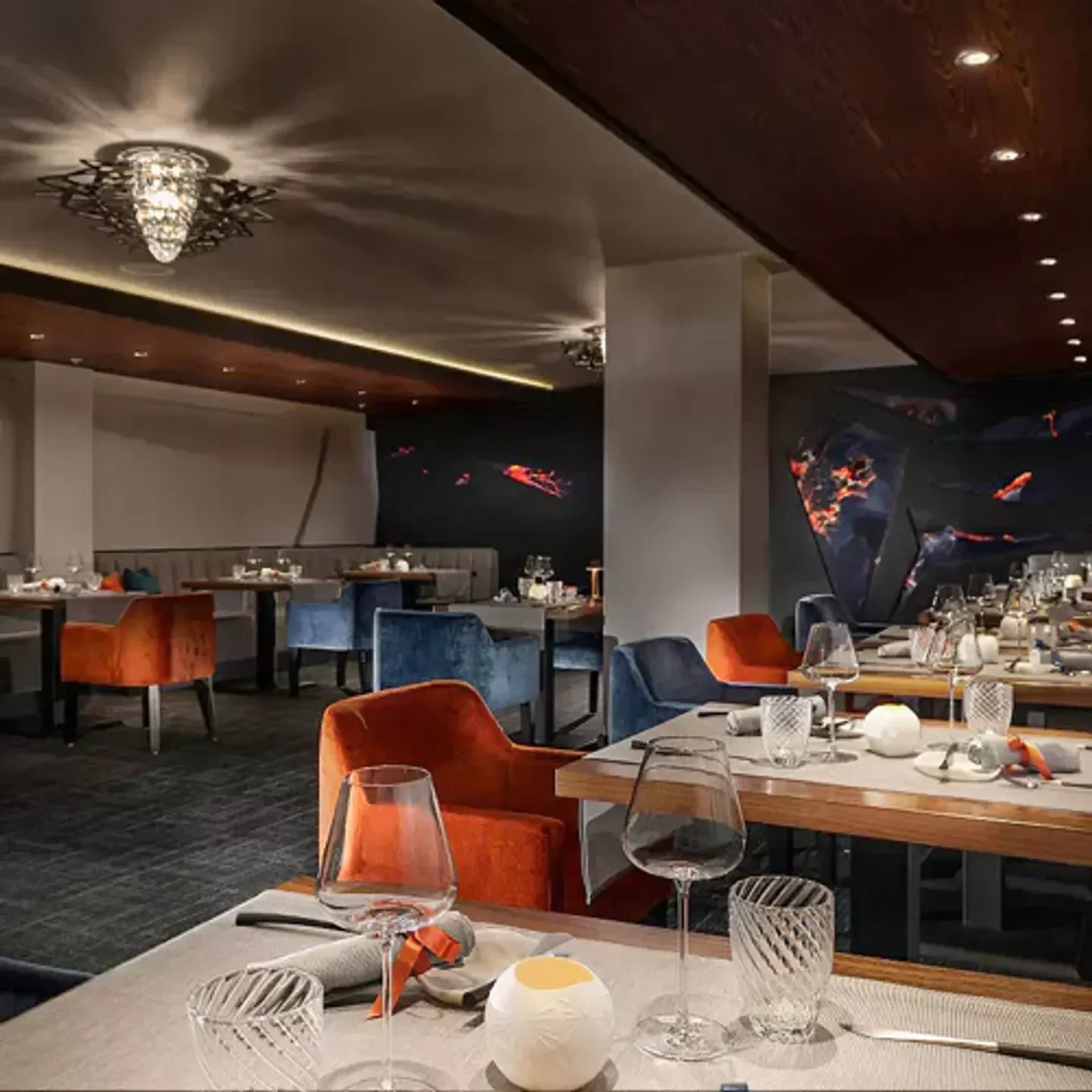
Photos: O' by Claude Le Tohic
10.O' by Claude Le Tohic
What is it? O' by Claude Le Tohic sits on the fifth floor at 165 O'Farrell St, a three-minute walk from Union Square. This fine dining destination holds a Michelin star and operates within an expensive price tier, blending French and contemporary fusion influences.
Why we love it: While many spaces in the area lean toward the frantic pace of the shopping district, the fifth-floor setting provides a necessary detachment. The combination of an award-winning wine program—recognized by Wine Spectator—and a focused approach to fusion cooking makes it a destination for those who prioritize a calculated, quiet dinner over the volume of the nearby theatre crowds.
Good to Know: The terrace at O' by Claude Le Tohic offers a rare vantage point for a pre-dinner drink, though the smart and elegant dress code applies even if you are only stepping out for a breath of air.