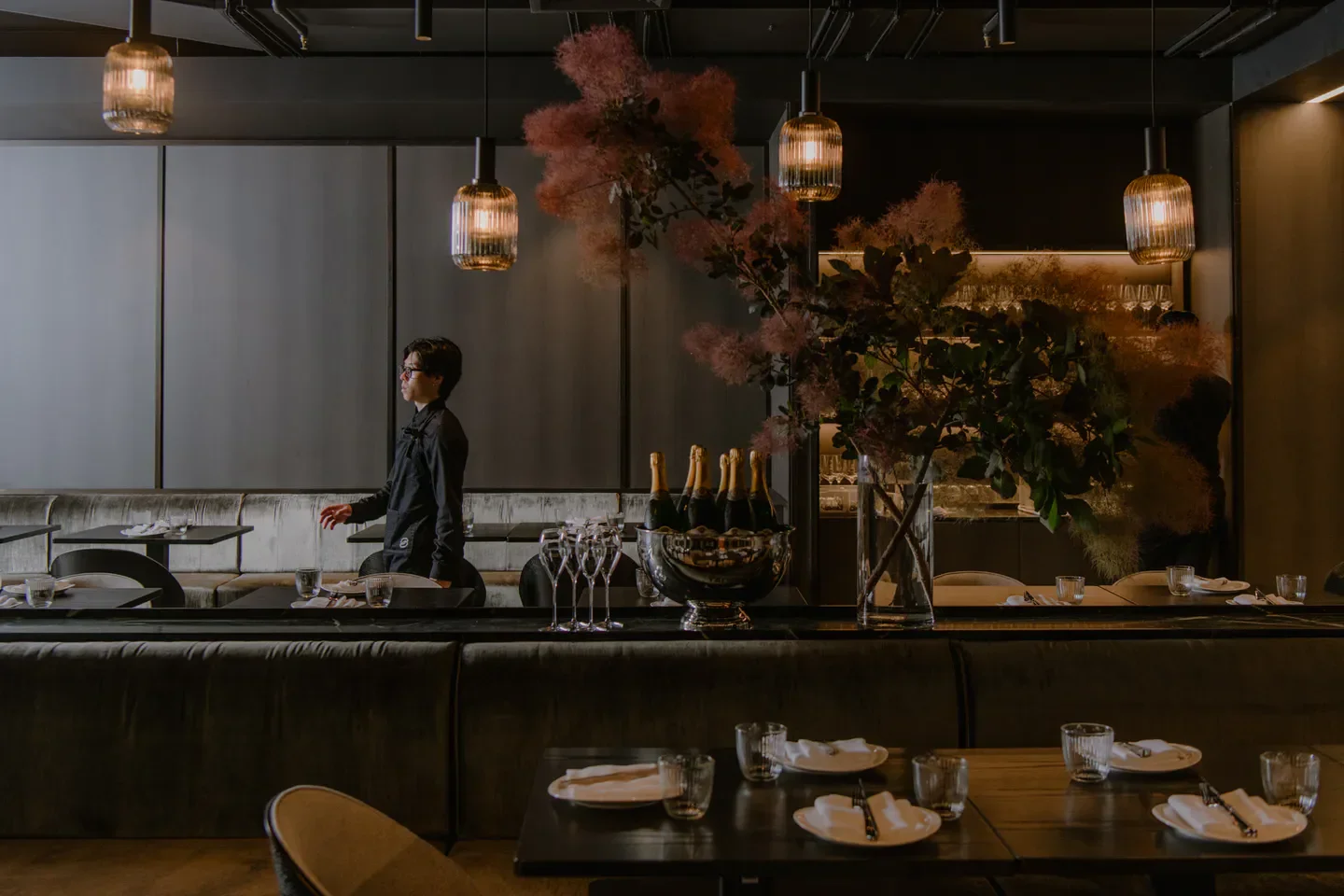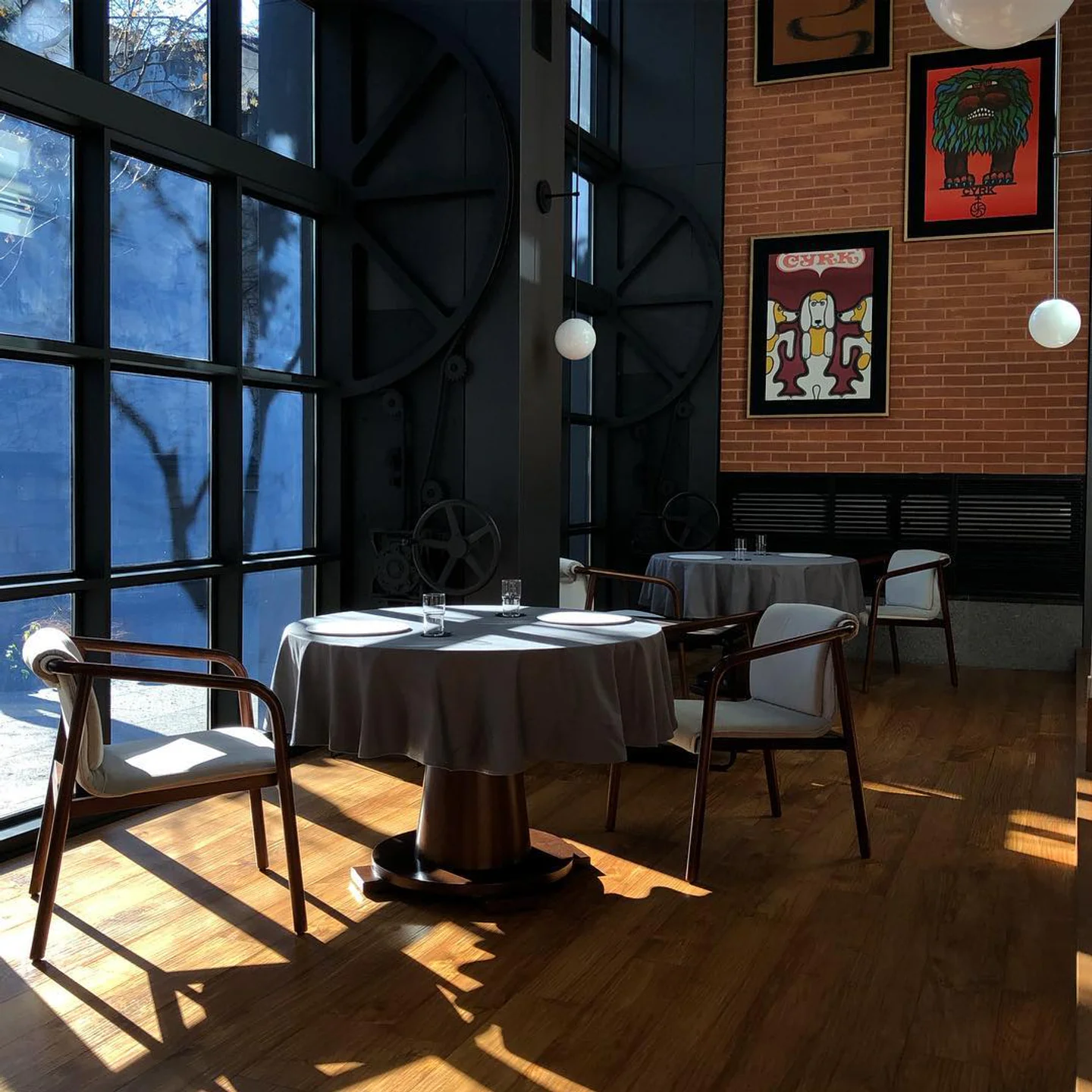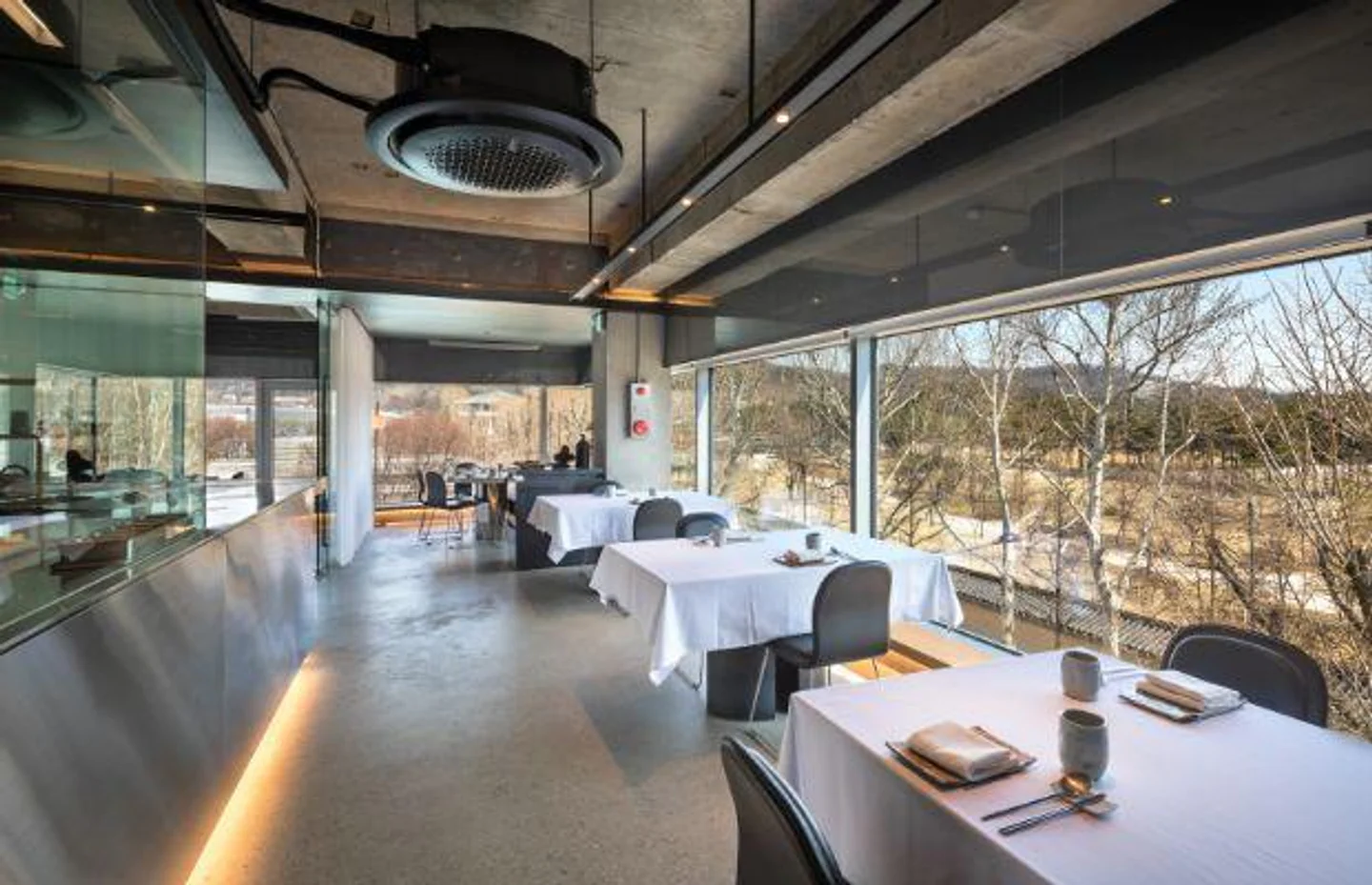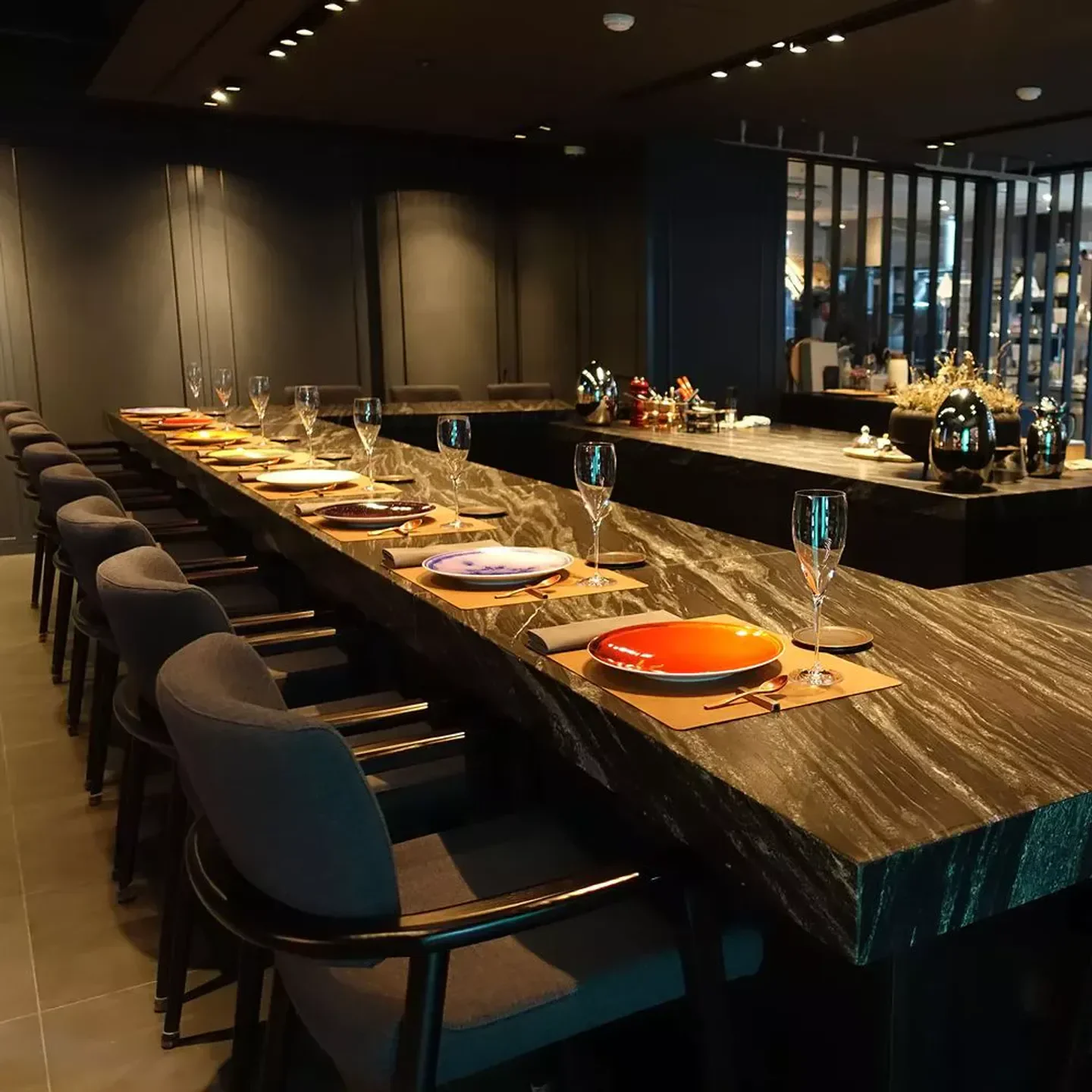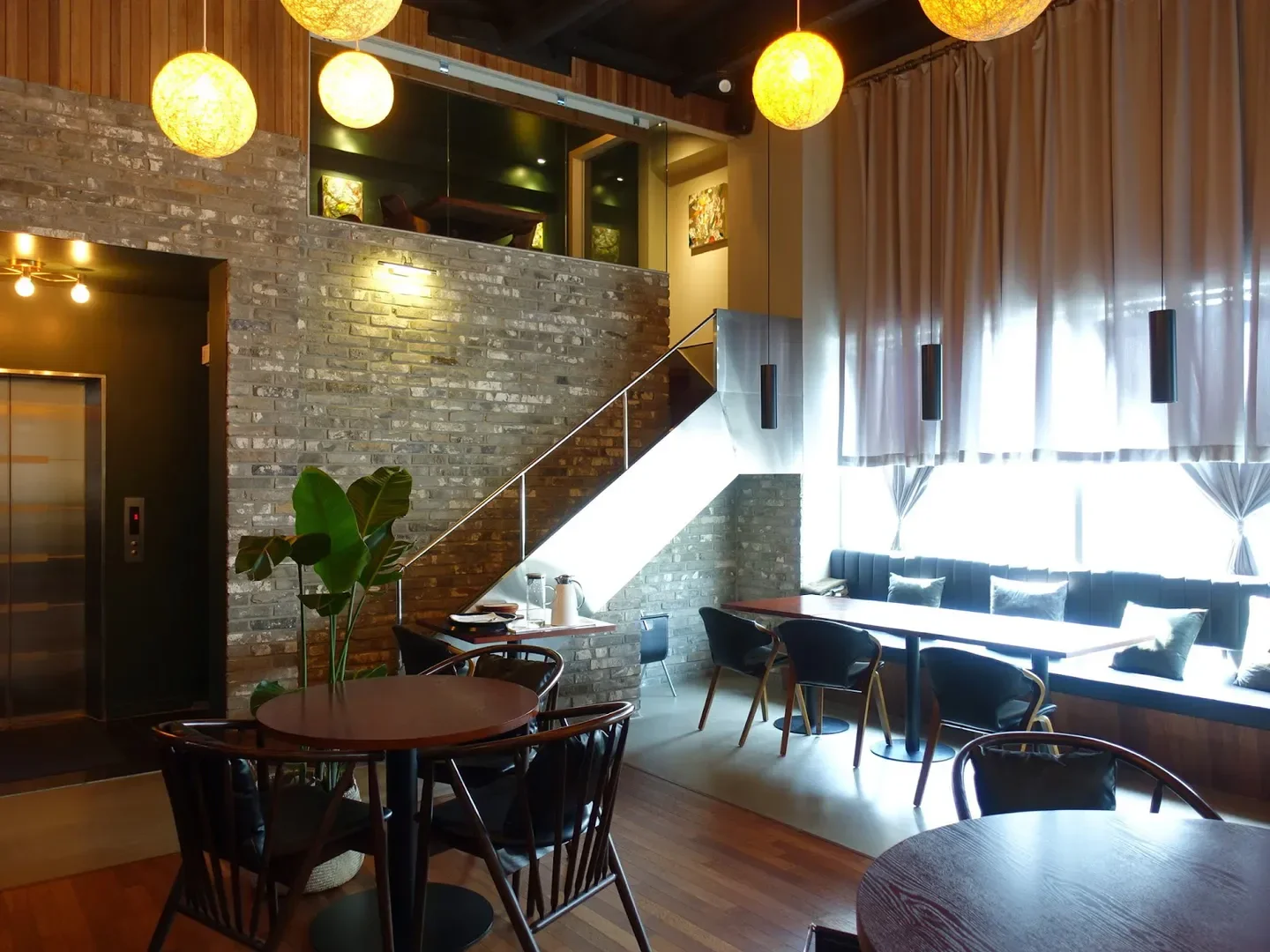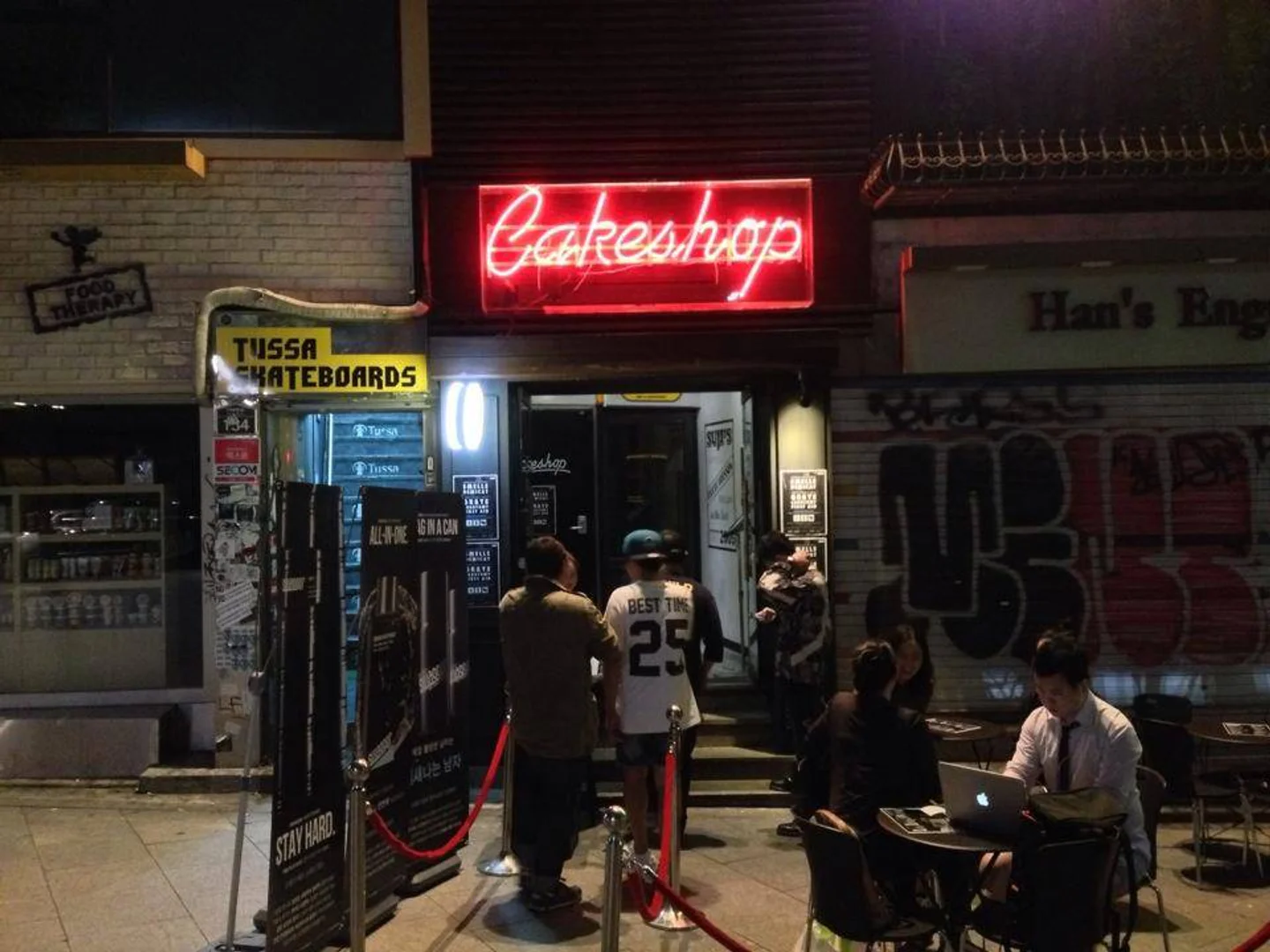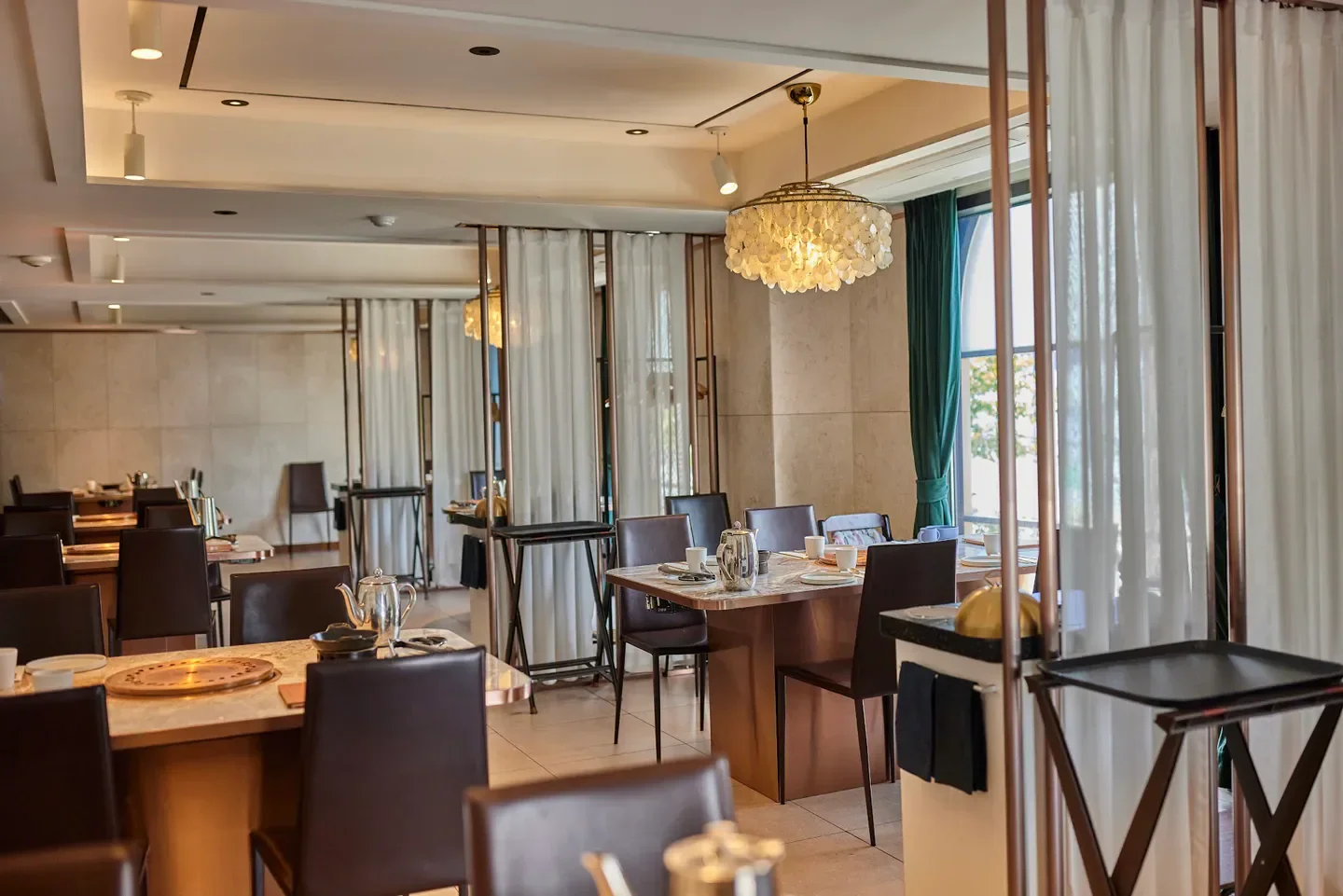
Navigating Seoul’s dining scene used to mean choosing between plastic stools or starched white tablecloths. Today, that middle ground has vanished. The city eats with a relentless, trend-obsessed speed. If you haven’t booked your table weeks ahead on CatchTable, you’re already behind. Locals don’t just eat; they hunt for the next narrative.
Precision defines the new guard. At Solbam, chef Eom Tae-jun bridges forest-grown ingredients with technical mastery. Joseph Lidgerwood at Evett decodes the local terroir through a wildly inventive lens. You will find minimalist Japanese finesse at Mitou and artful, drink-forward plates at Gong-Gan. The scene moves fast, yet these kitchens have found their permanent rhythm.
These spots define the current peak of the city’s culinary output. Start here.
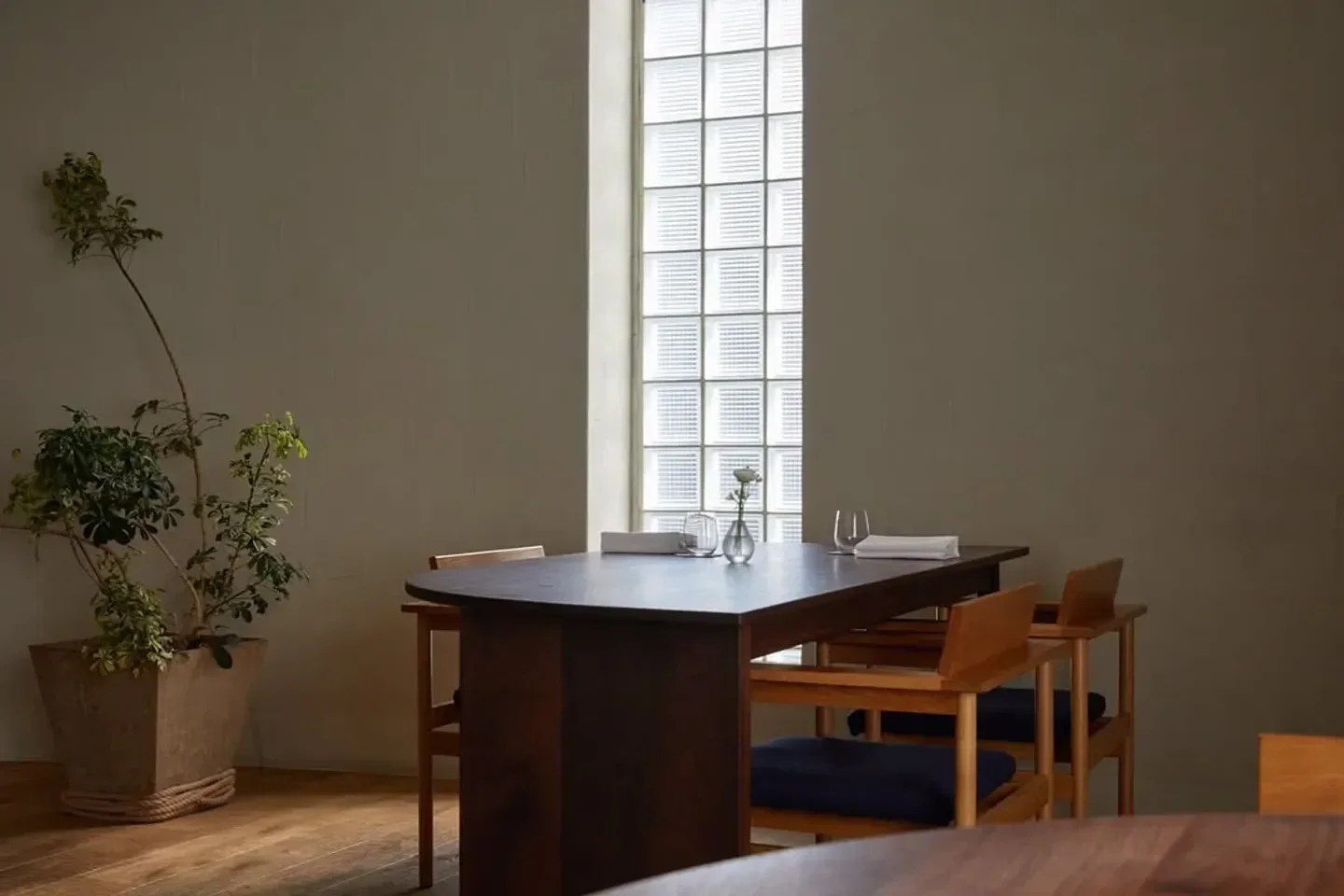
Photos: Mingles
01.Mingles
What is it? Mingles brings a sharp, minimalist energy to the Seoul dining scene. The space feels intimate and carefully composed. You notice the quiet hum of the kitchen the moment you enter.
Why we love it: The service team moves with surgical precision. They track your progress and time every new plate to match your pace. The experience focuses on clean flavors and technical mastery while maintaining a relaxed, approachable atmosphere.
Good to Know: The tasting menu at Mingles features beverage pairings that showcase local Korean spirits alongside traditional wines.
Photos: 7th Door
02.7th Door
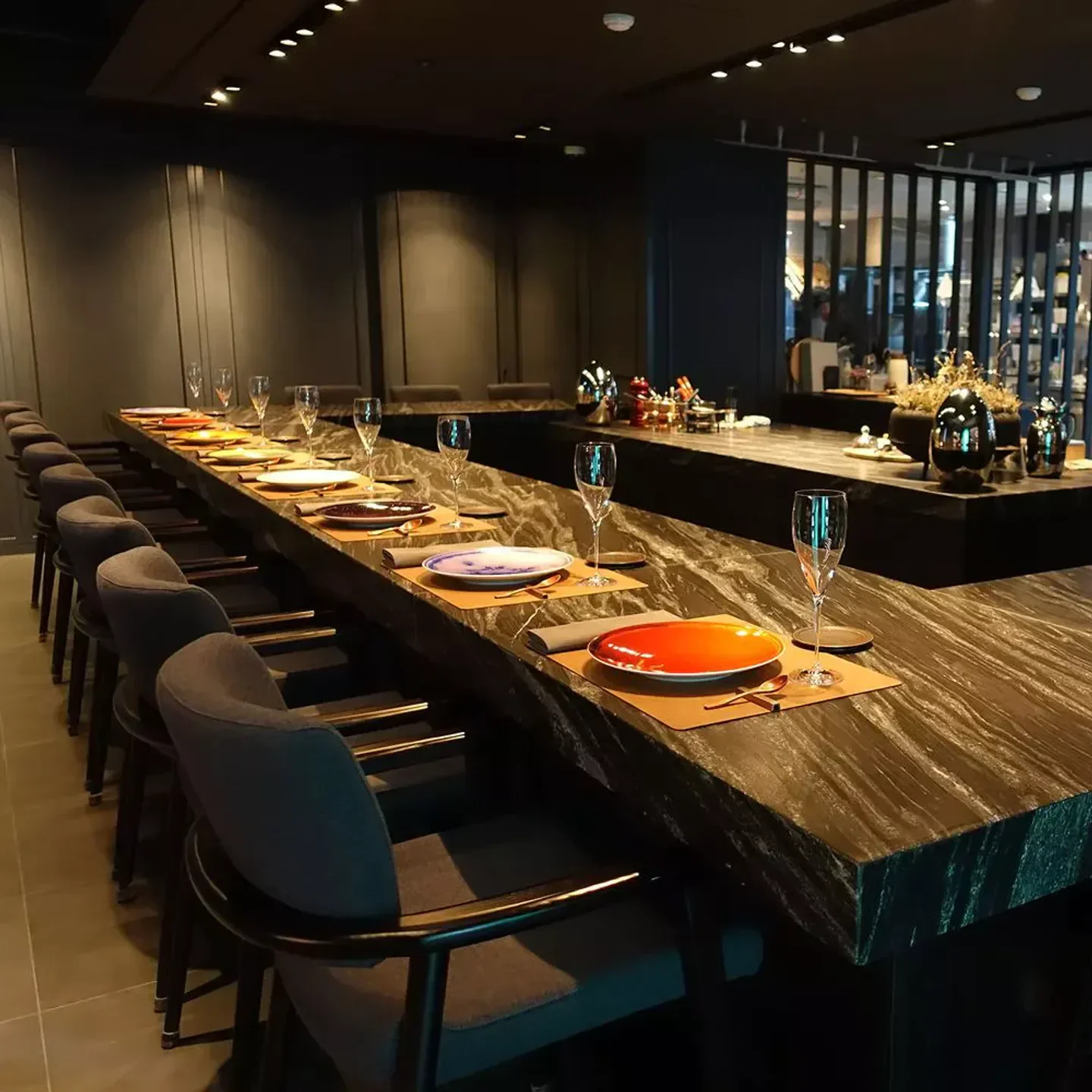
What is it? 7th Door is a focused restaurant in Seoul that moves you through a distinct culinary sequence. The name serves as a roadmap for the evening. The space feels quiet and methodical, a deliberate shift from the city noise outside into a room that prioritizes the steady rhythm of the kitchen.
Why we love it: The experience centers on a progression of flavors that build in complexity as the night unfolds. Each stage of the meal feels intentional, moving from light introductions to deep finishes that linger on the palate. The service follows a rhythmic pace, allowing the focus to remain entirely on the transition between different layers of taste.
Good to Know: The meal at 7th Door is structured around the concept of its name, meaning the most complex and deep flavors are saved for the very end of the sequence.
Photos: MOSU Seoul
03.MOSU Seoul
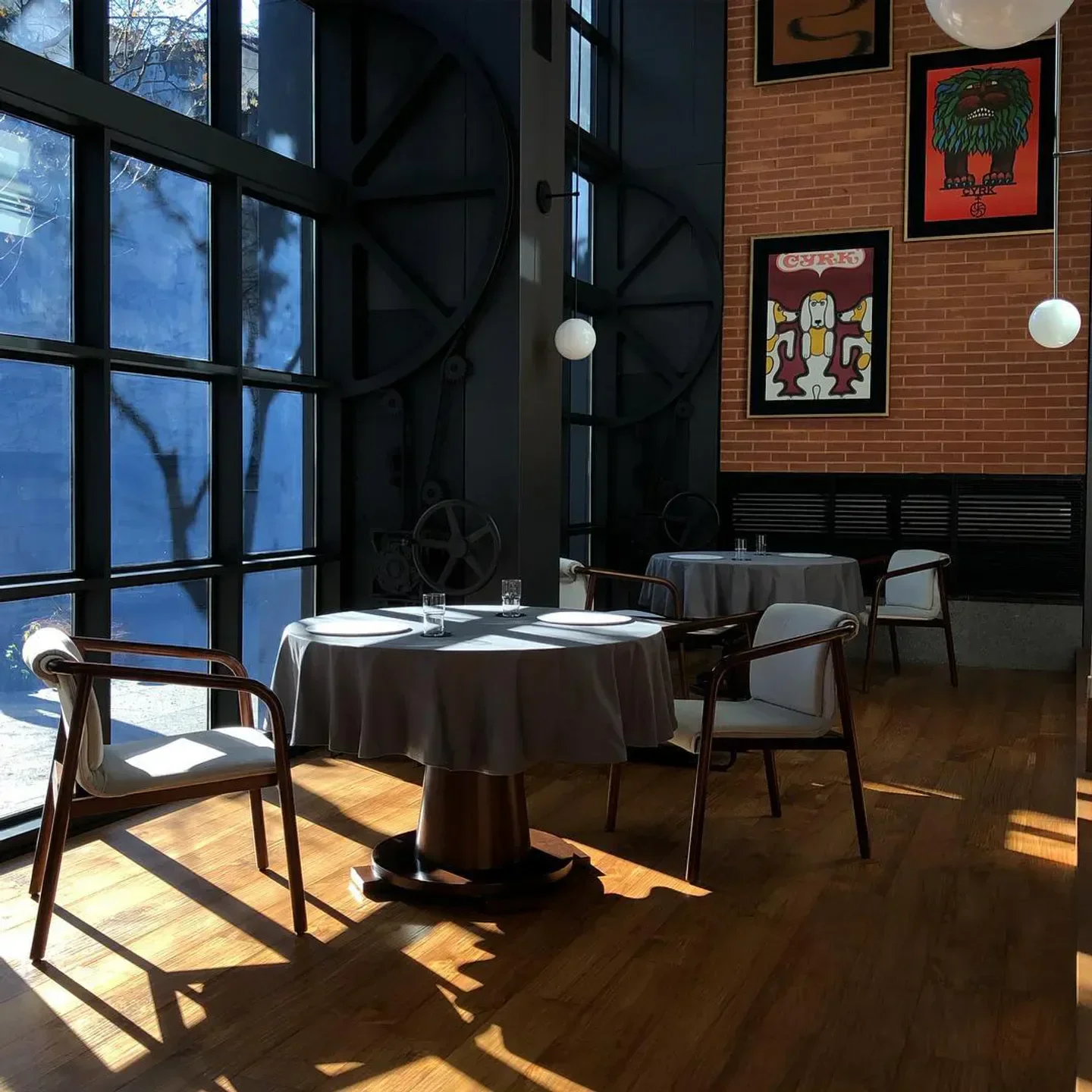
What is it? MOSU Seoul anchors the city’s modern restaurant scene with a sharp, minimalist edge. The space feels deliberate and quiet, signaling a departure from the bustle outside the moment you enter. It is a room built for focus, where the kitchen’s work takes center stage.
Why we love it: The staff navigates the floor with a rhythmic precision that feels more like choreography than service. They anticipate needs without breaking the steady, calm energy of the room. It is a rare environment where the atmosphere stays composed even at the height of the dinner rush.
Good to Know: A seat at MOSU Seoul requires a significant time commitment to experience the full progression of the menu, so clear your schedule for the night.
Photos: Gong-Gan
04.Gong-Gan
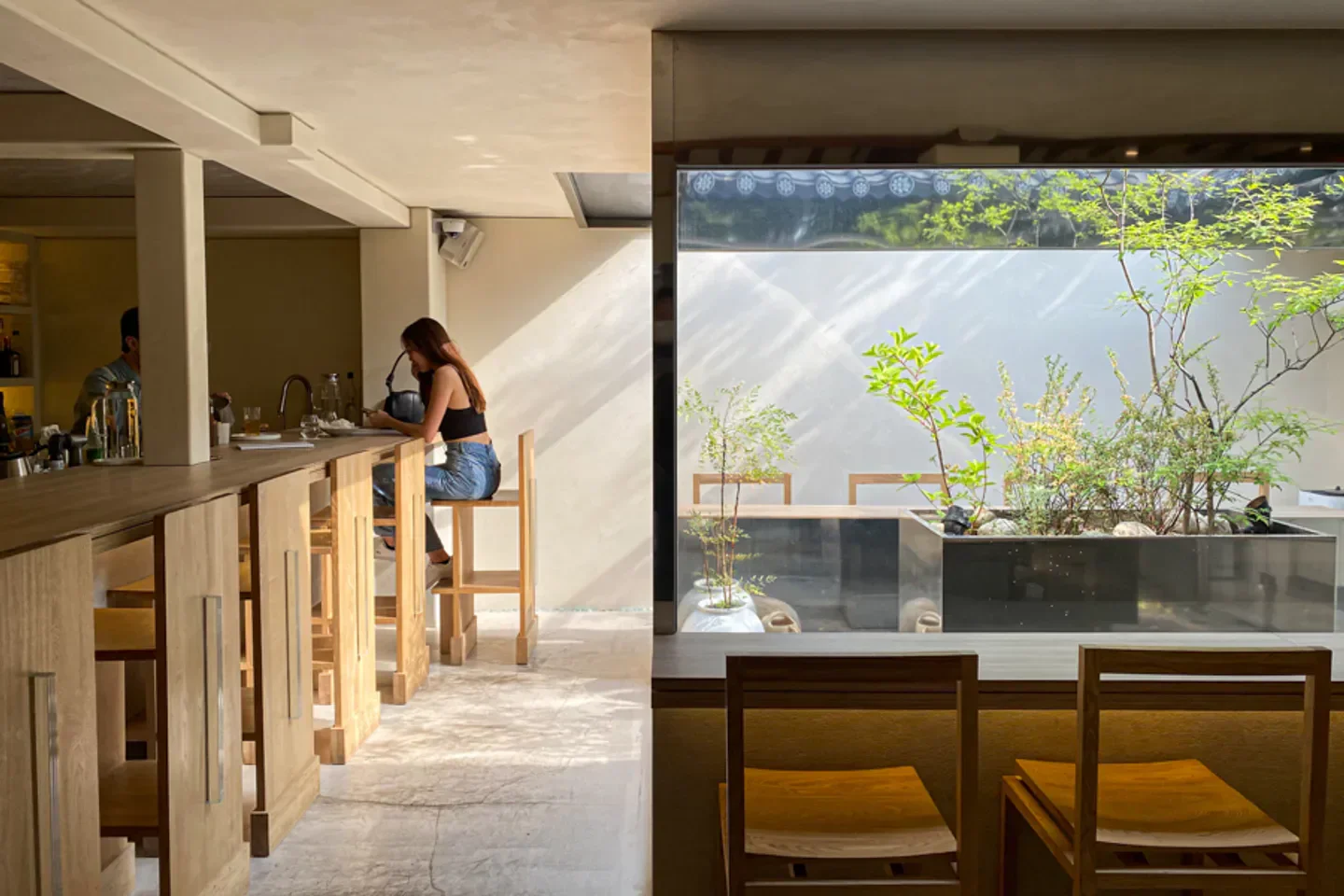
What is it? Gong-Gan centers the dining experience on its namesake: space. This Seoul restaurant uses a minimalist layout to create a sense of order and calm. It feels like a sharp departure from the frantic pace of the surrounding city blocks.
Why we love it: The room breathes. Instead of packing in tables, the floor plan honors the gaps between them, allowing for private moments and steady service. It carries a measured energy, drawing a crowd that values a focused atmosphere over flashy distractions.
Good to Know: The minimalist geometry of Gong-Gan means every seat offers a different perspective on the room’s clean lines and deliberate lighting.
Photos: Onjium
05.Onjium
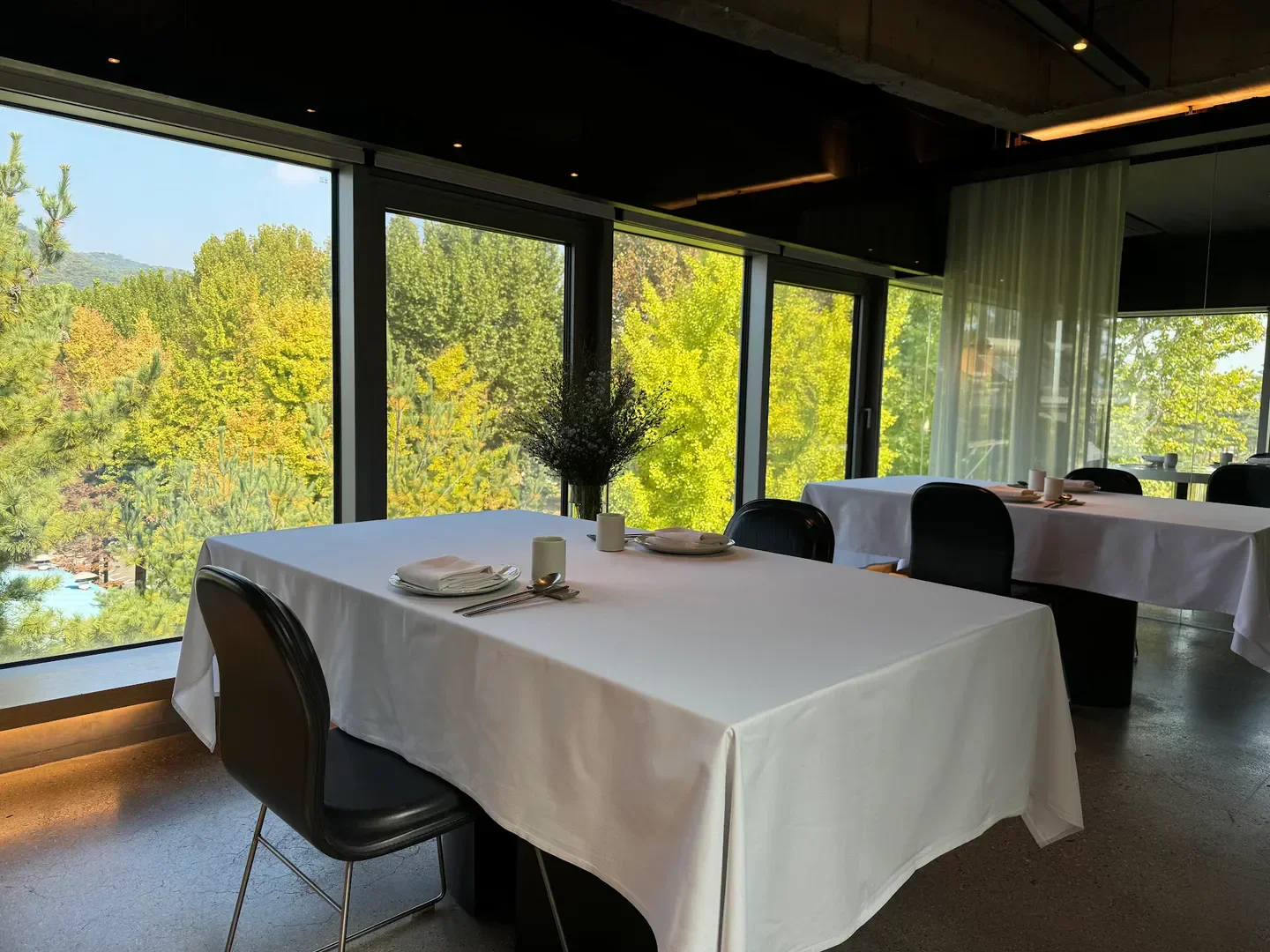
What is it? Onjium functions as a disciplined culinary research institute and restaurant in the heart of Seoul. The space feels quiet and curated, stripping away excess to focus on heritage and craft. You enter a room where the atmosphere remains calm and the service feels deliberate.
Why we love it: The kitchen translates centuries-old techniques into a cohesive dining experience. Chefs work with seasonal rhythms, using complex fermentations and precision to elevate every ingredient. It is a rare opportunity to witness historical flavors refined for a modern table.
Good to Know: The beverage pairings at Onjium often feature traditional, small-batch liquors that provide a deep sensory dive into the regional history behind each course.
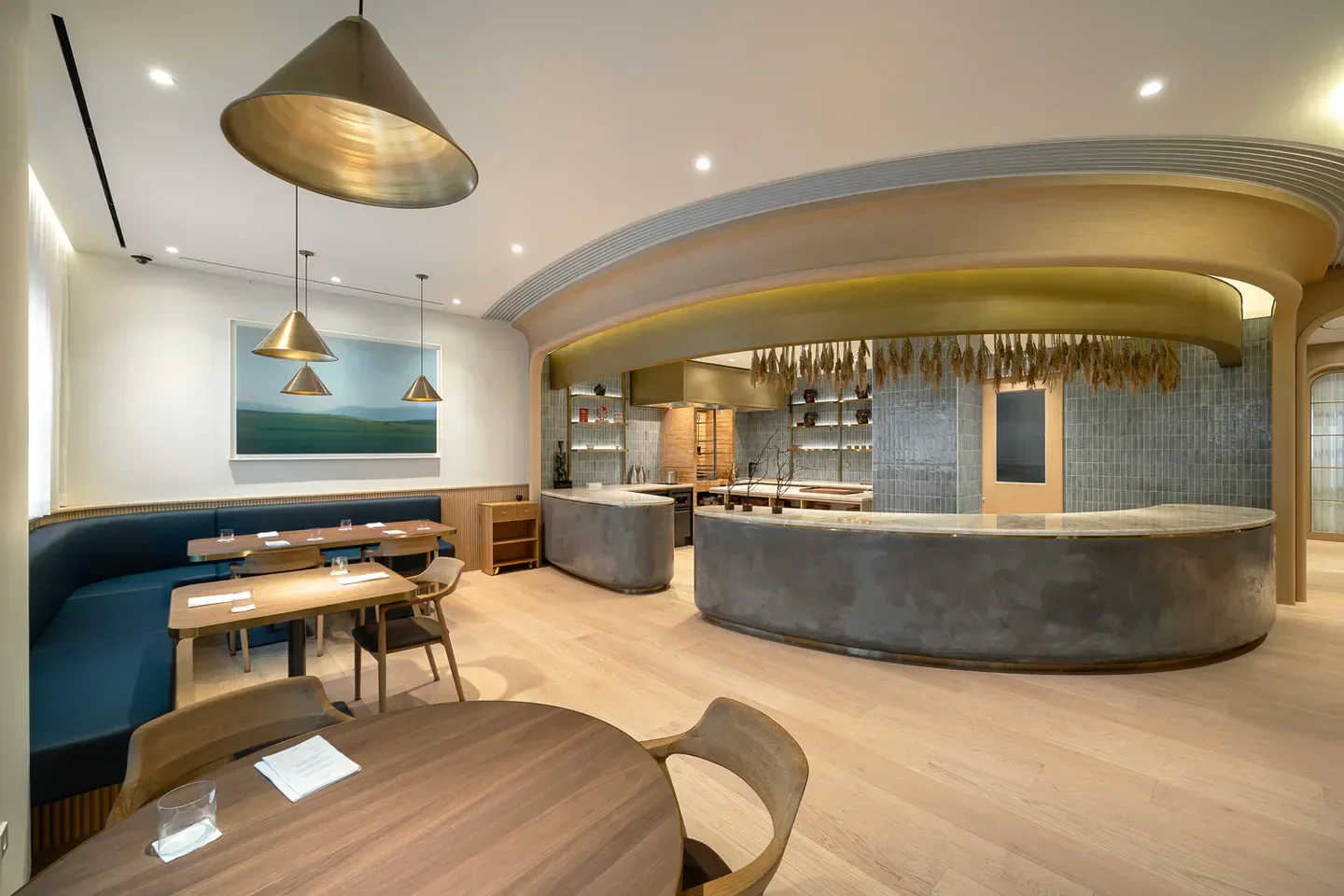
Photos: Evett
06.Evett
What is it? Evett brings a sharp, experimental edge to the Seoul dining scene. The room pulses with focus, centered around a sleek open kitchen where the team moves with rhythmic speed. This venue discards traditional formality for a high-energy, immersive atmosphere.
Why we love it: The experience pivots on the direct connection between the chef and the diner. You watch every plate come together, feeling the heat and the pace of a kitchen operating at its peak. This transparency turns the meal into a visceral, front-row look at modern culinary craft.
Good to Know: The wine pairing at Evett highlights small-batch selections that complement the kitchen's bold, experimental flavors.
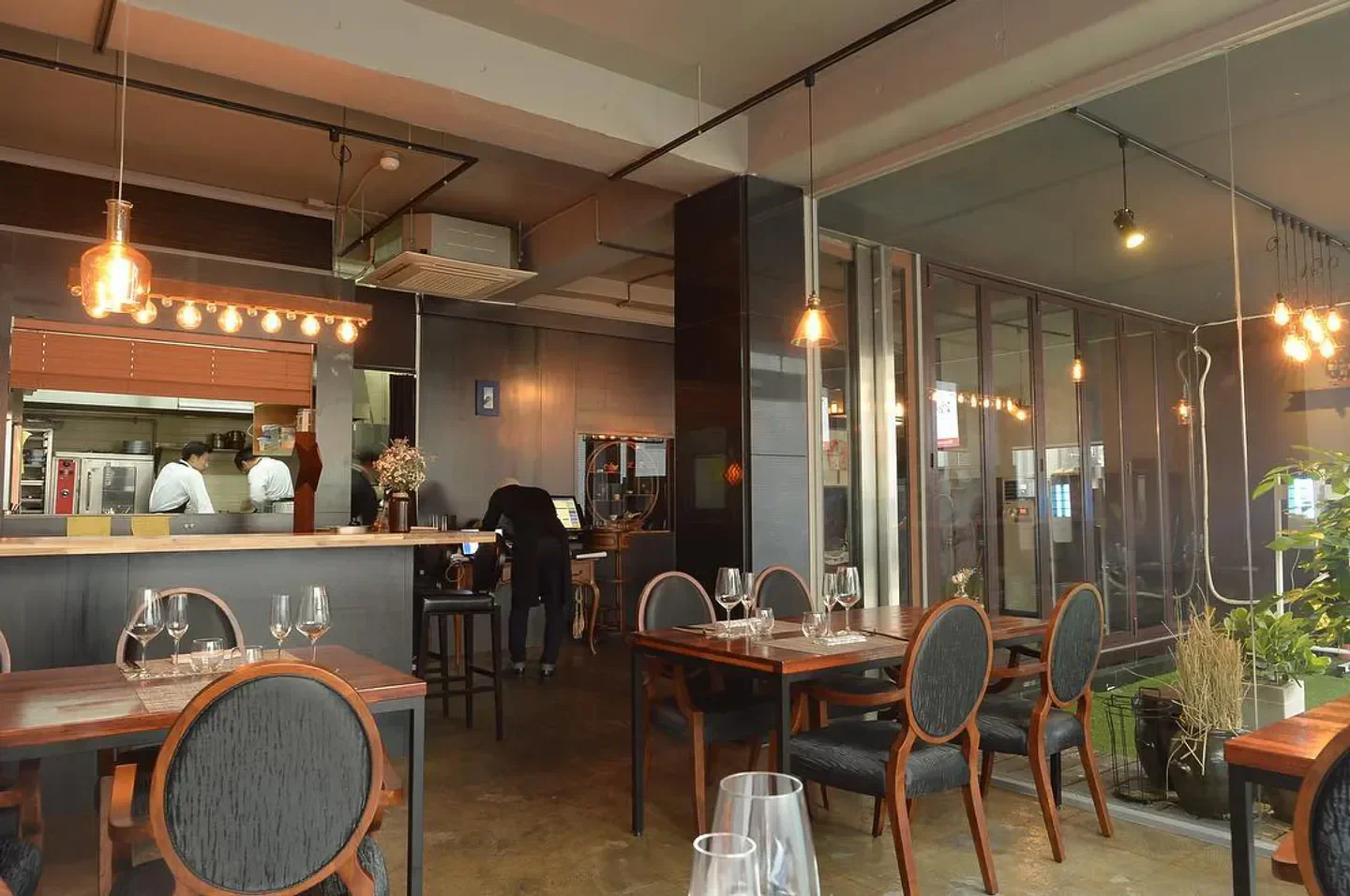
Photos: Exquisine
07.Exquisine
What is it? Exquisine commands a quiet pocket of Seoul. It is a restaurant that strips away the city's frantic energy. You walk into a room where the focus is narrow and sharp. The table becomes the center of your world.
Why we love it: The meal moves with surgical precision. Each course lands with purpose. The staff anticipates every need without a word. It is a space that sharpens your focus and creates a rhythm that makes the outside world vanishes.
Good to Know: The beverage pairing at Exquisine is the best way to bridge the gap between the glass and the kitchen’s undefined cuisine.
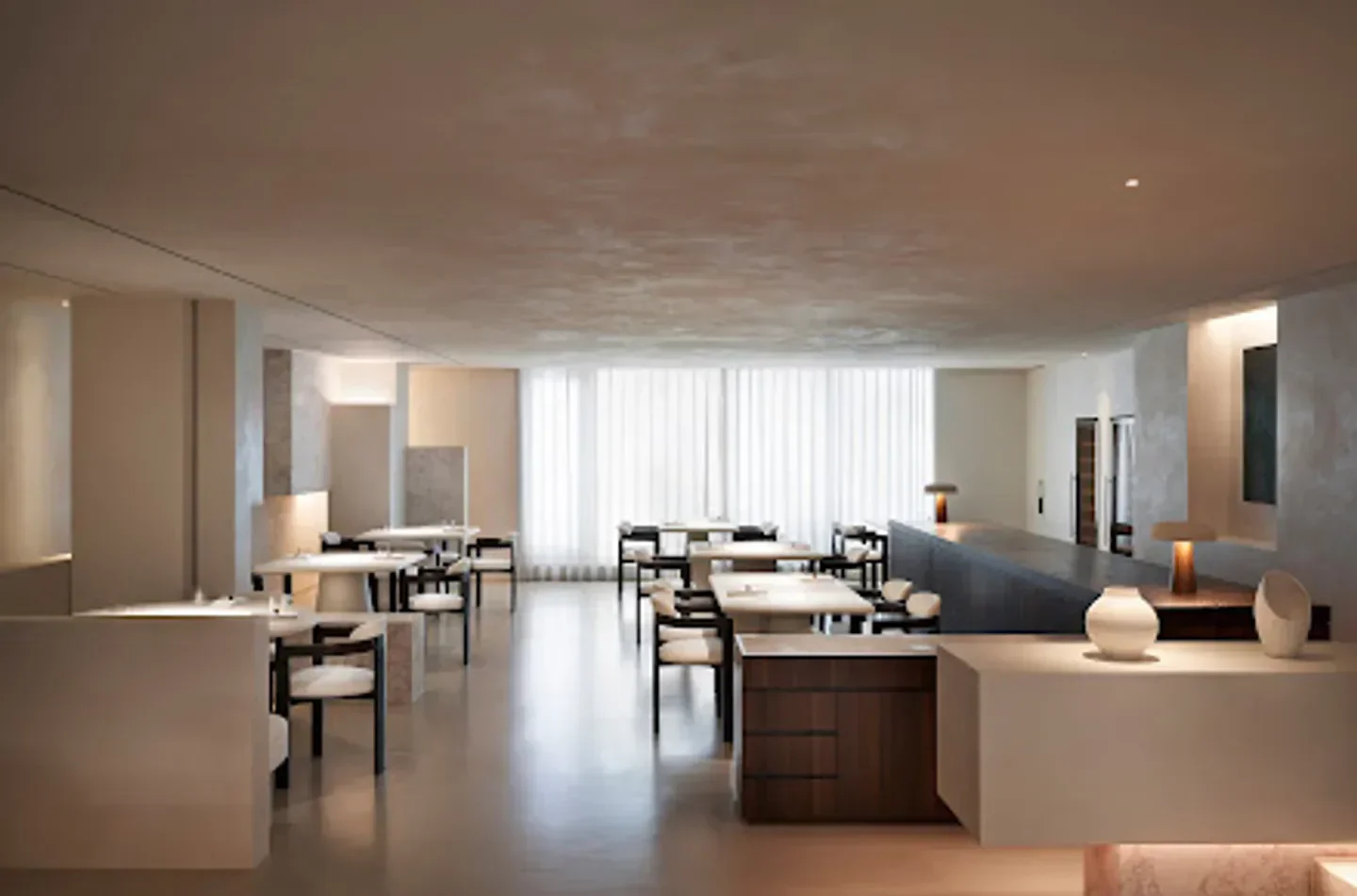
Photos: Solbam
08.Solbam
What is it? Solbam anchors itself in Seoul as a space of quiet, deliberate intensity. The room feels composed and intentional from the first step inside. You leave the city noise behind for an environment where the focus stays entirely on the table.
Why we love it: The rhythm of the service defines the evening. Staff move through the room with a practiced grace that keeps the energy high but the mood serene. It is the type of place where the atmosphere hums with the collective focus of both diners and the kitchen.
Good to Know: Solbam highlights local Korean ingredients through a contemporary lens, so pay attention to how the kitchen uses traditional fermentation techniques to add depth to the seafood courses.
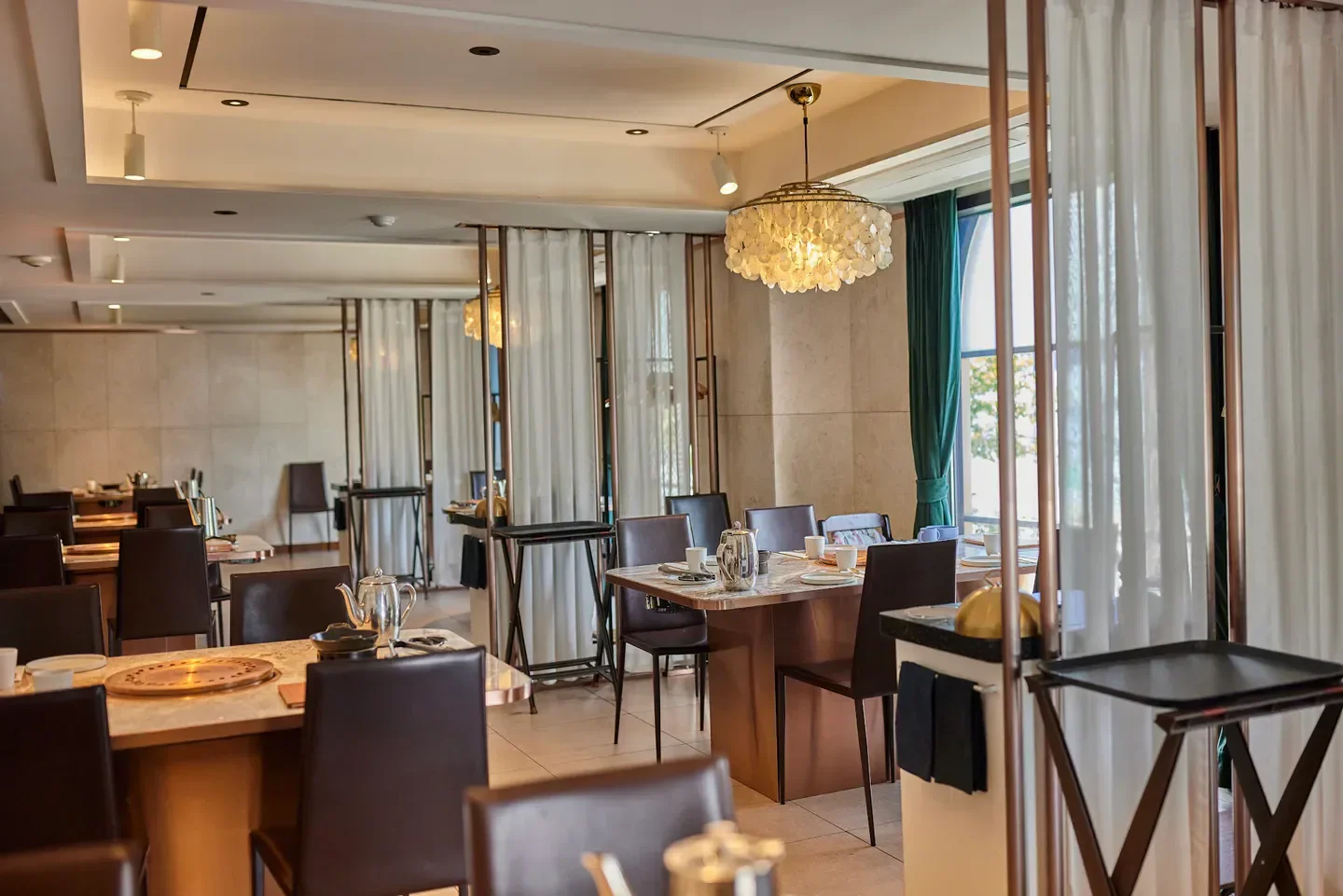
Photos: Born & Bred
09.Born & Bred
What is it? Born & Bred is a Seoul restaurant with a sharp, singular focus. Valet attendants greet you at the door, pulling you quickly from the city's frantic energy. Inside, the layout favors private dining rooms, creating a hushed atmosphere of total seclusion.
Why we love it: The experience revolves around a meticulous tasting menu. Plates arrive in a steady, choreographed rhythm that keeps the focus on the table. Staff manage the pacing with quiet precision, ensuring the meal feels like a private, uninterrupted performance.
Good to Know: Born & Bred requires reservations, especially if you want to experience the specific cuts of Hanwoo beef that define the tasting menu.
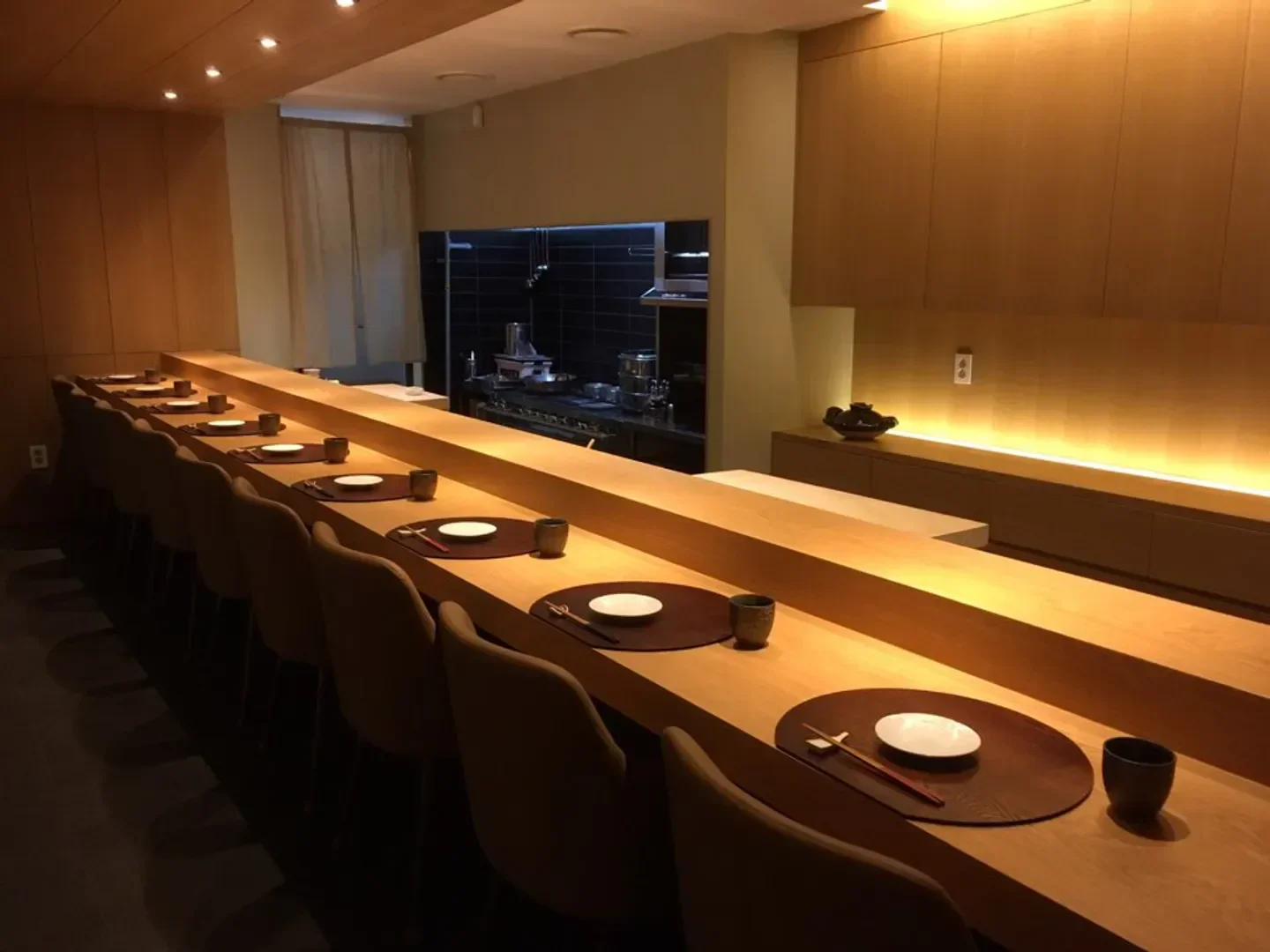
Photos: Mitou
10.Mitou
What is it? Mitou anchors itself in the landscape of Seoul’s fine dining scene. You step off the street and into a hushed, luxury environment that balances sharp minimalism with an undeniable sense of intimacy. Large windows frame the city, turning the skyline into a backdrop for the evening.
Why we love it: The room leans into its romantic side as the lights dim and the city below begins to flicker. The kitchen bridges Japanese precision with Korean flavors, moving through courses that demand your full focus. Sitting on the terrace, you feel the shift in air as the Seoul night cools, separating the chaos of the city from the calm of the dining room.
Good to Know: The kitchen at Mitou treats its Asian-fusion courses with a restraint that makes the Korean elements pop against the Japanese techniques.