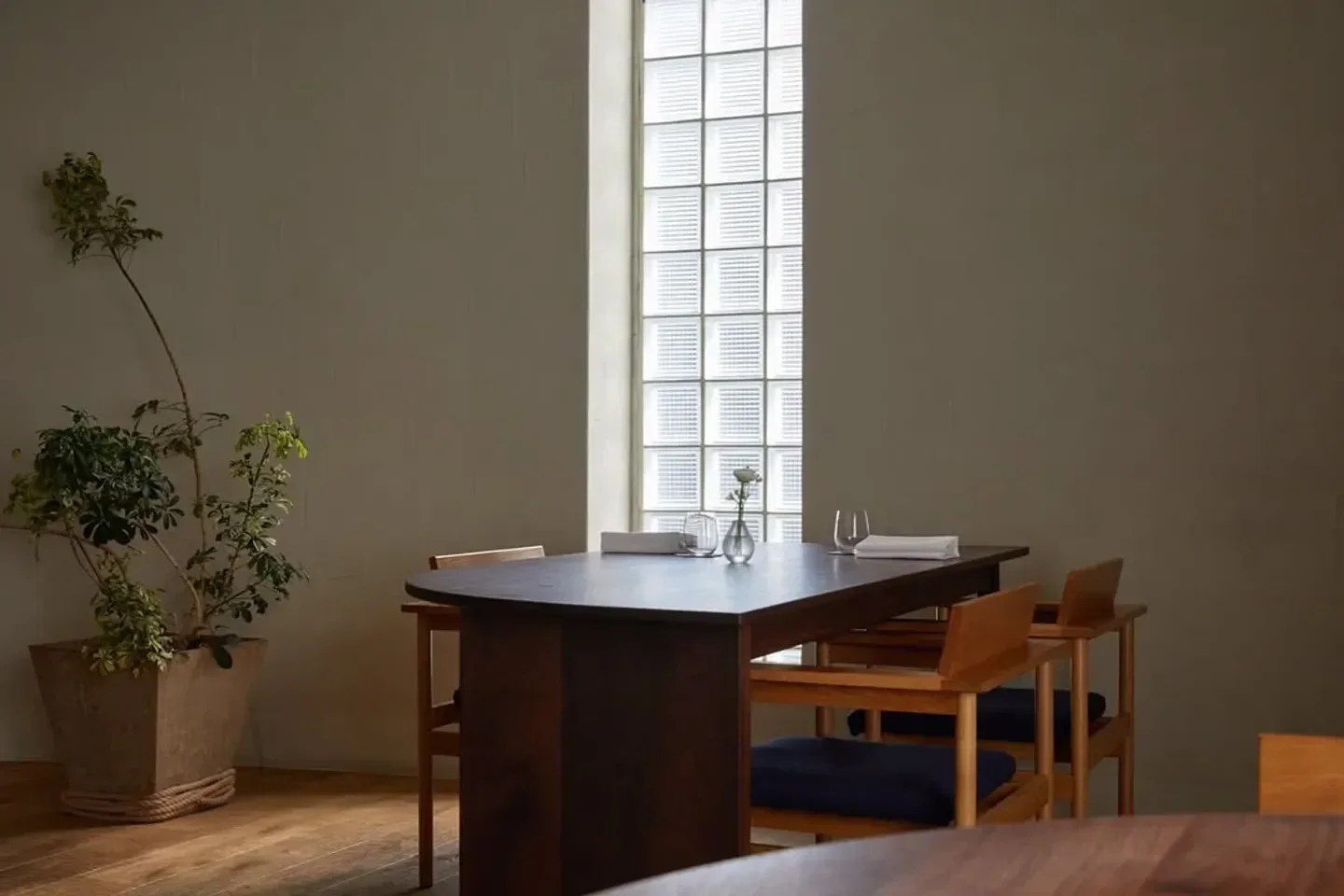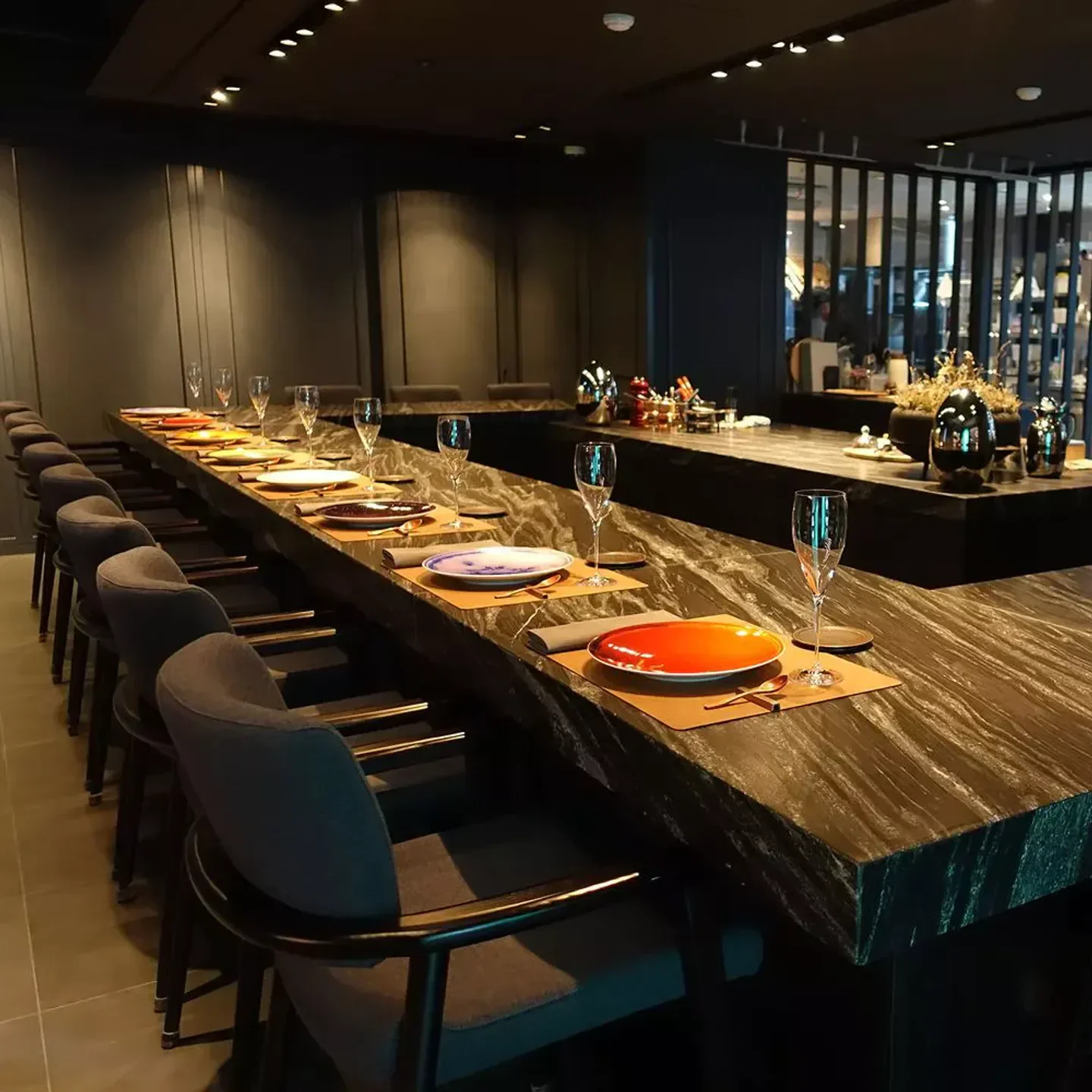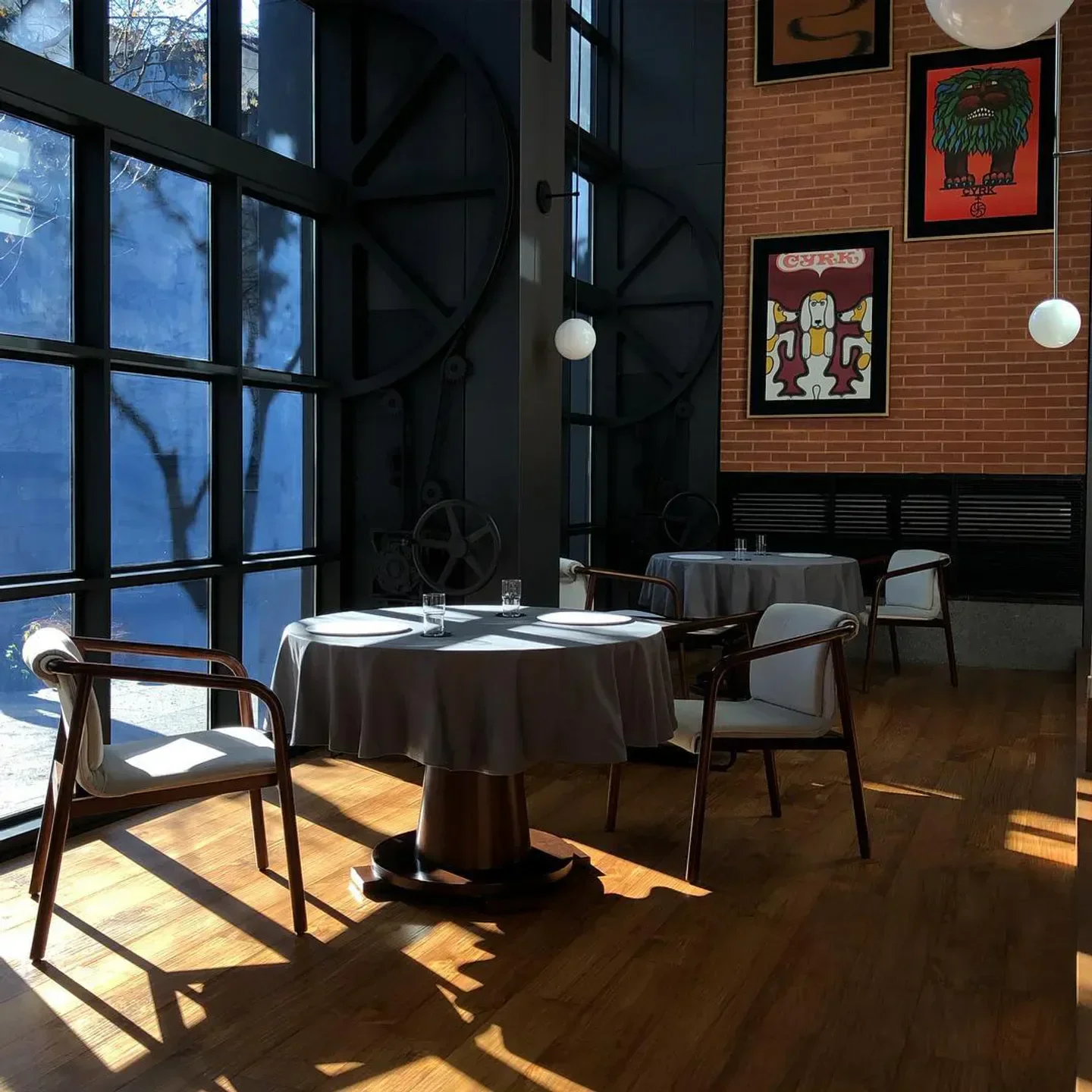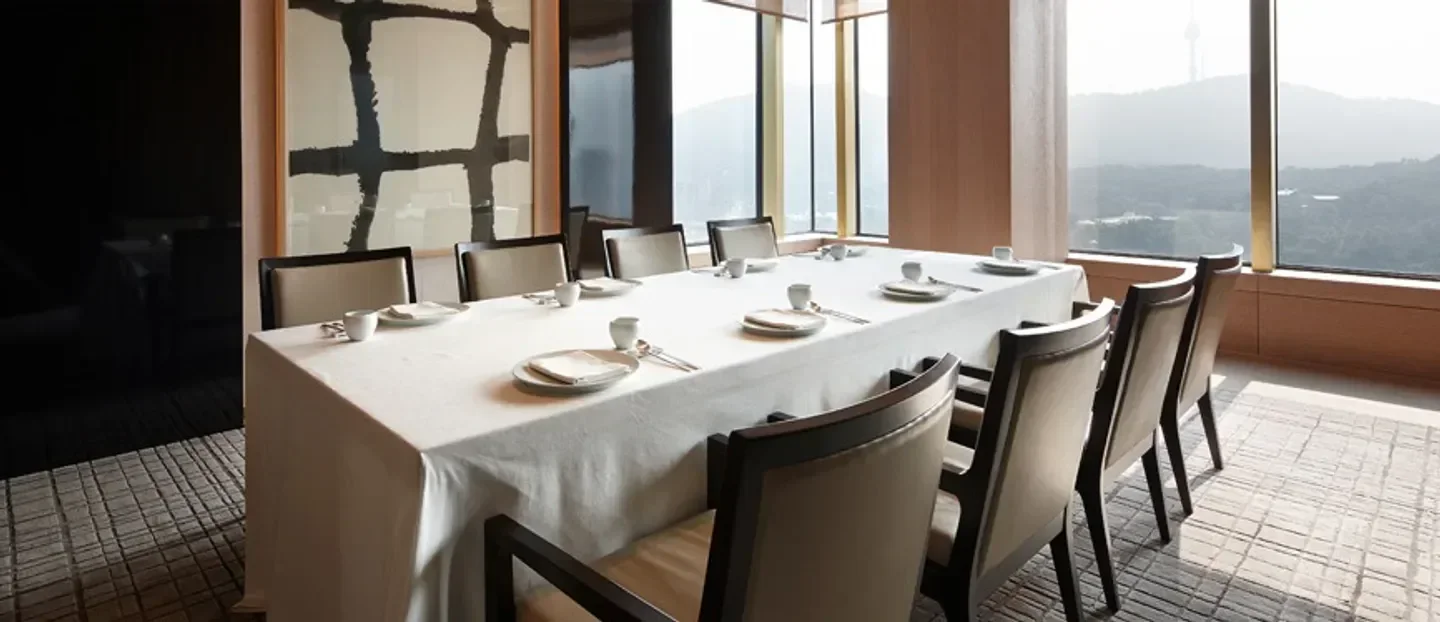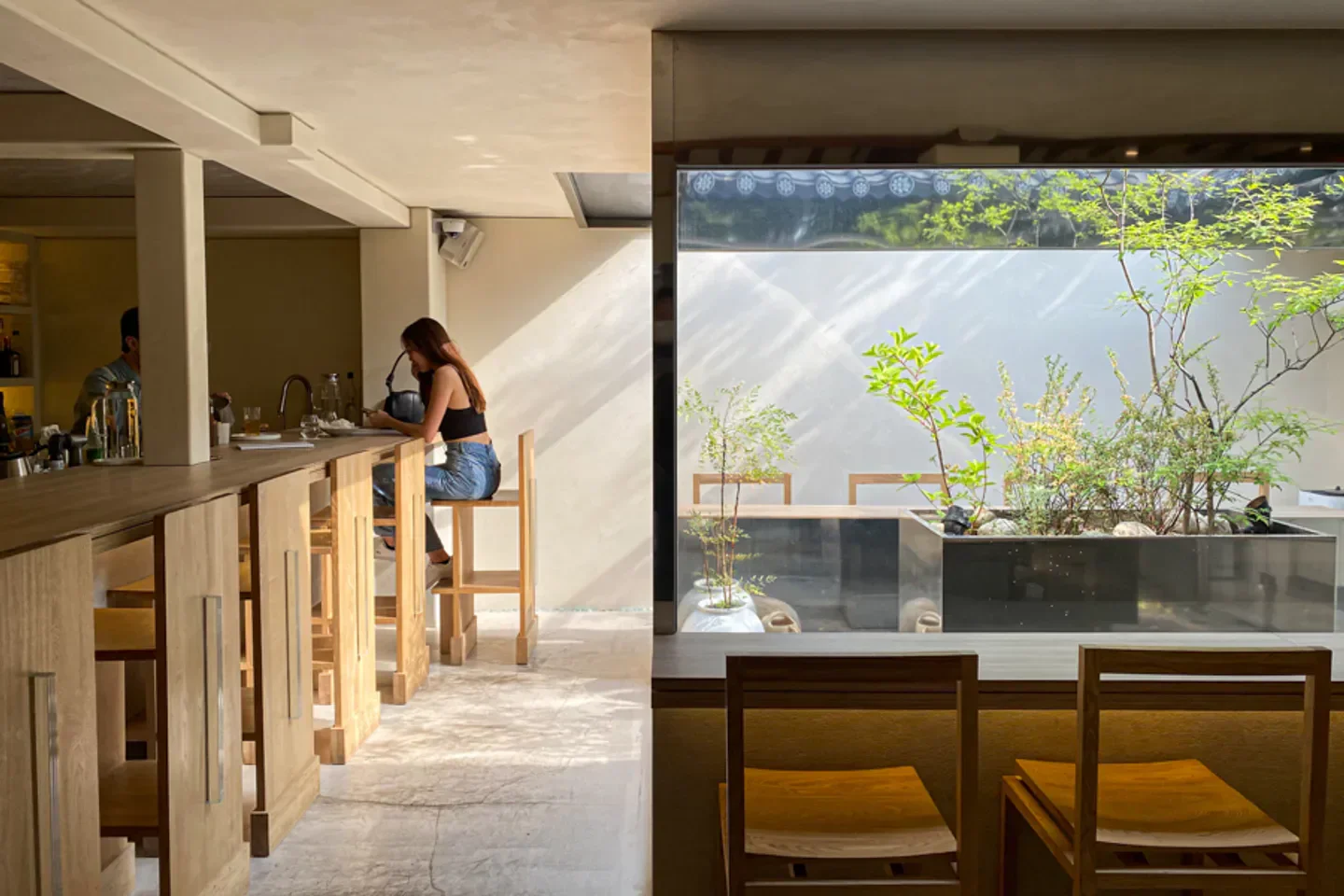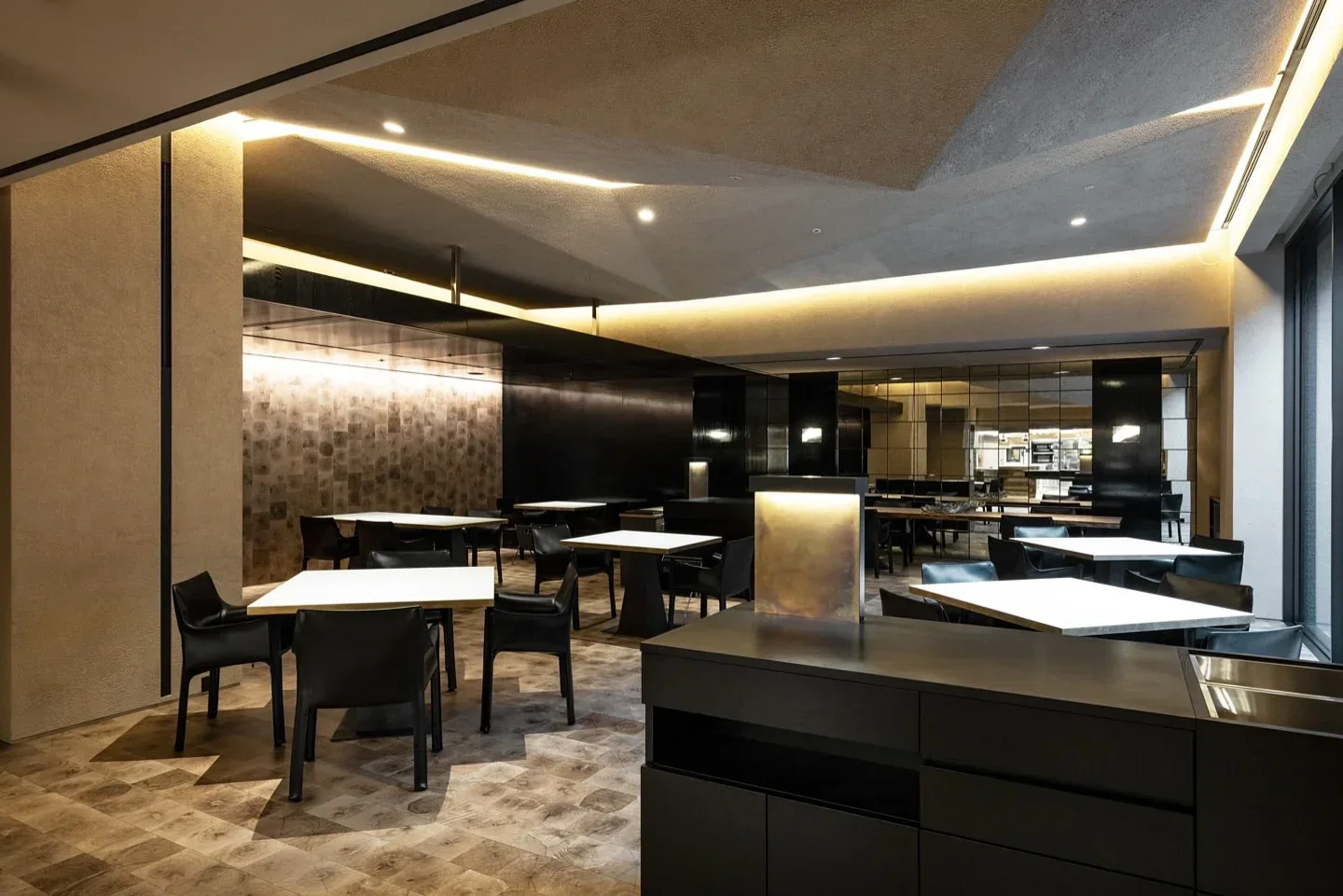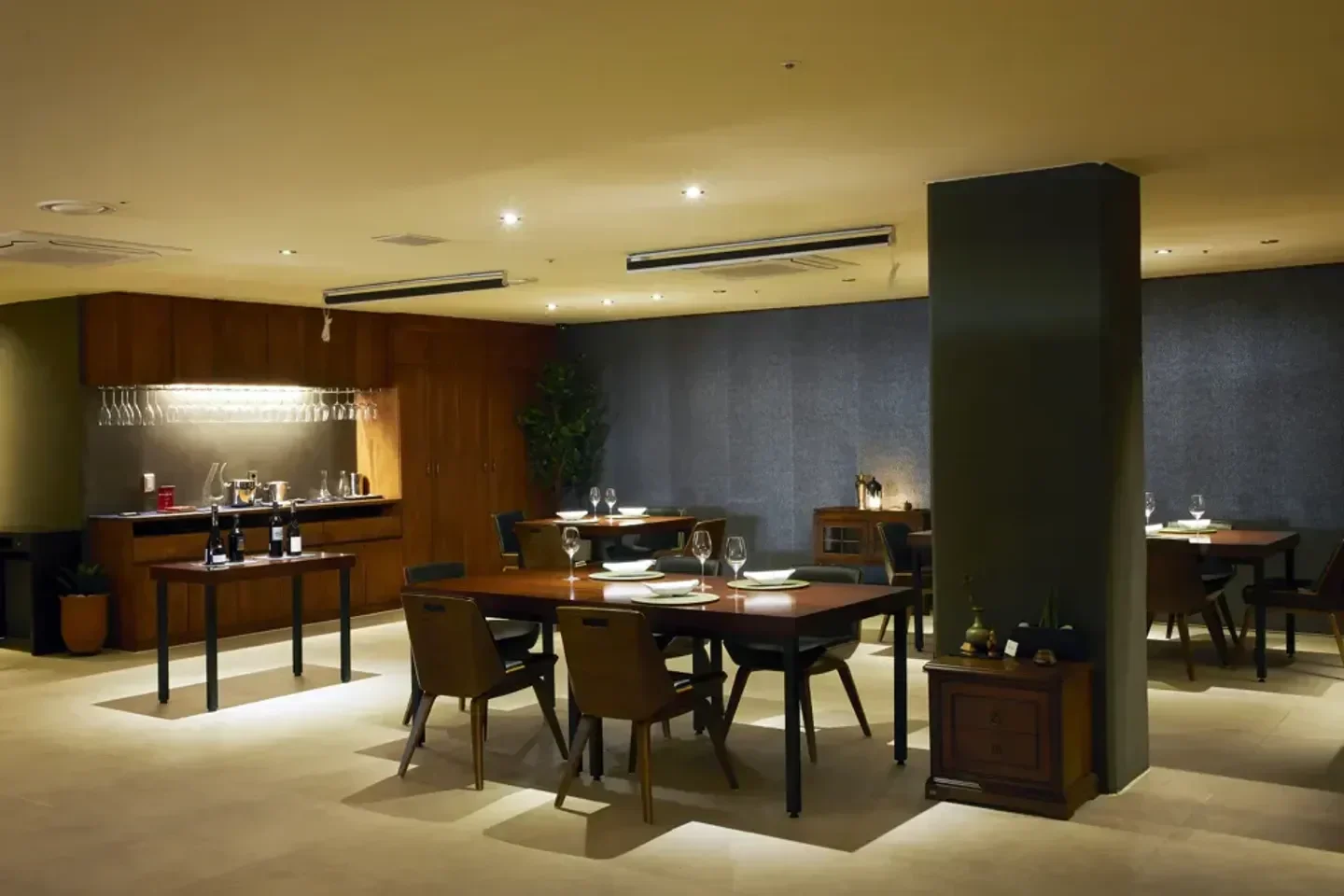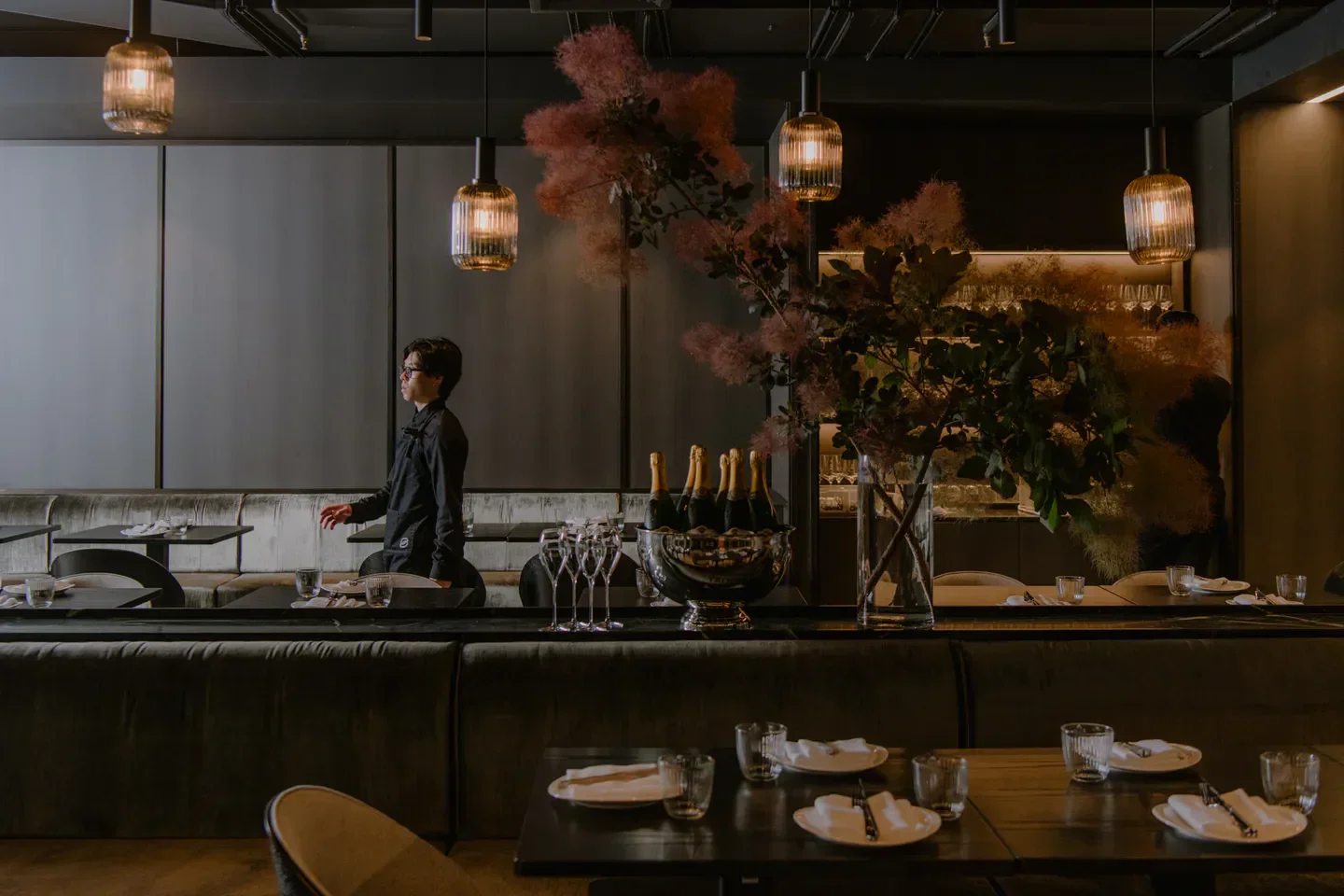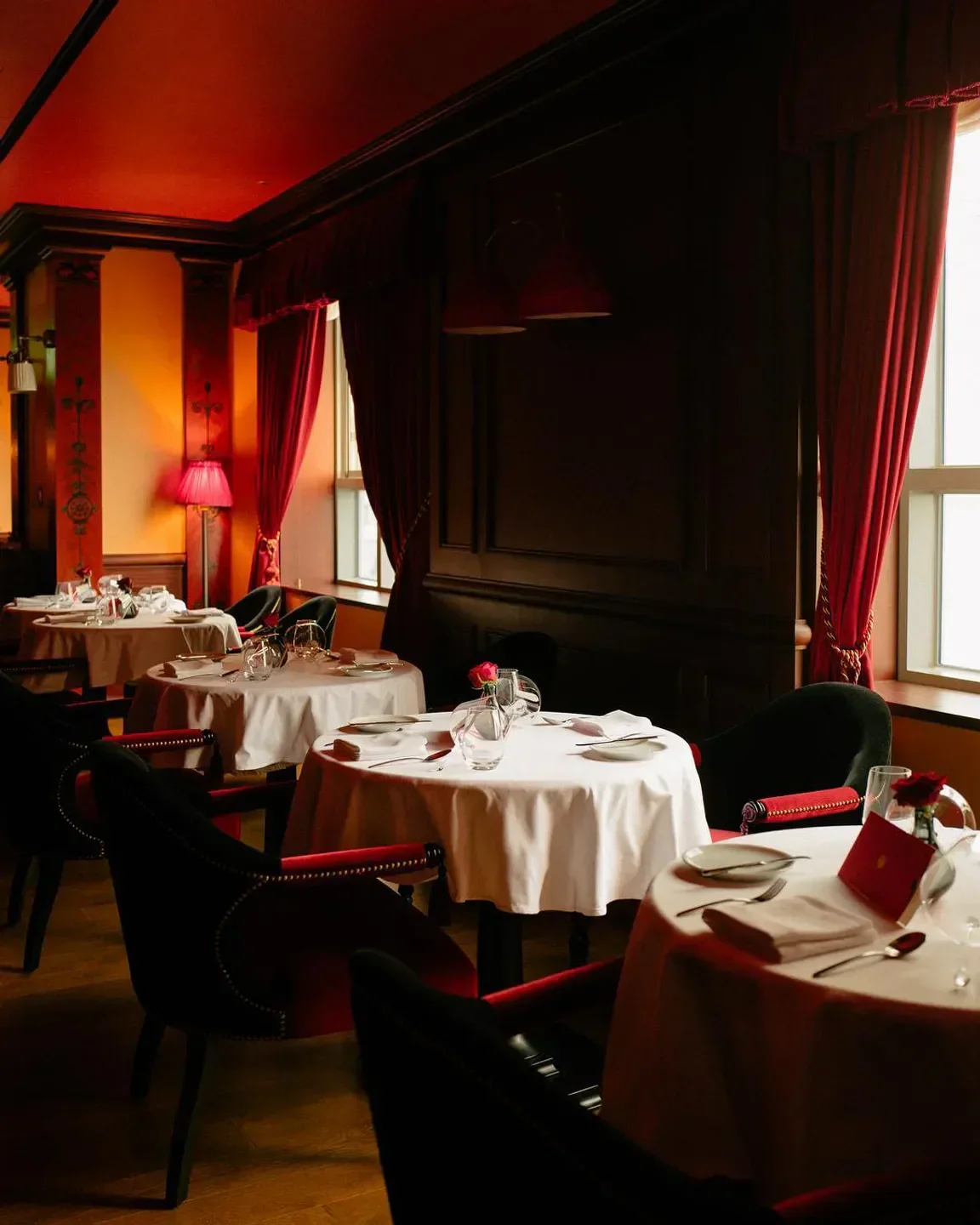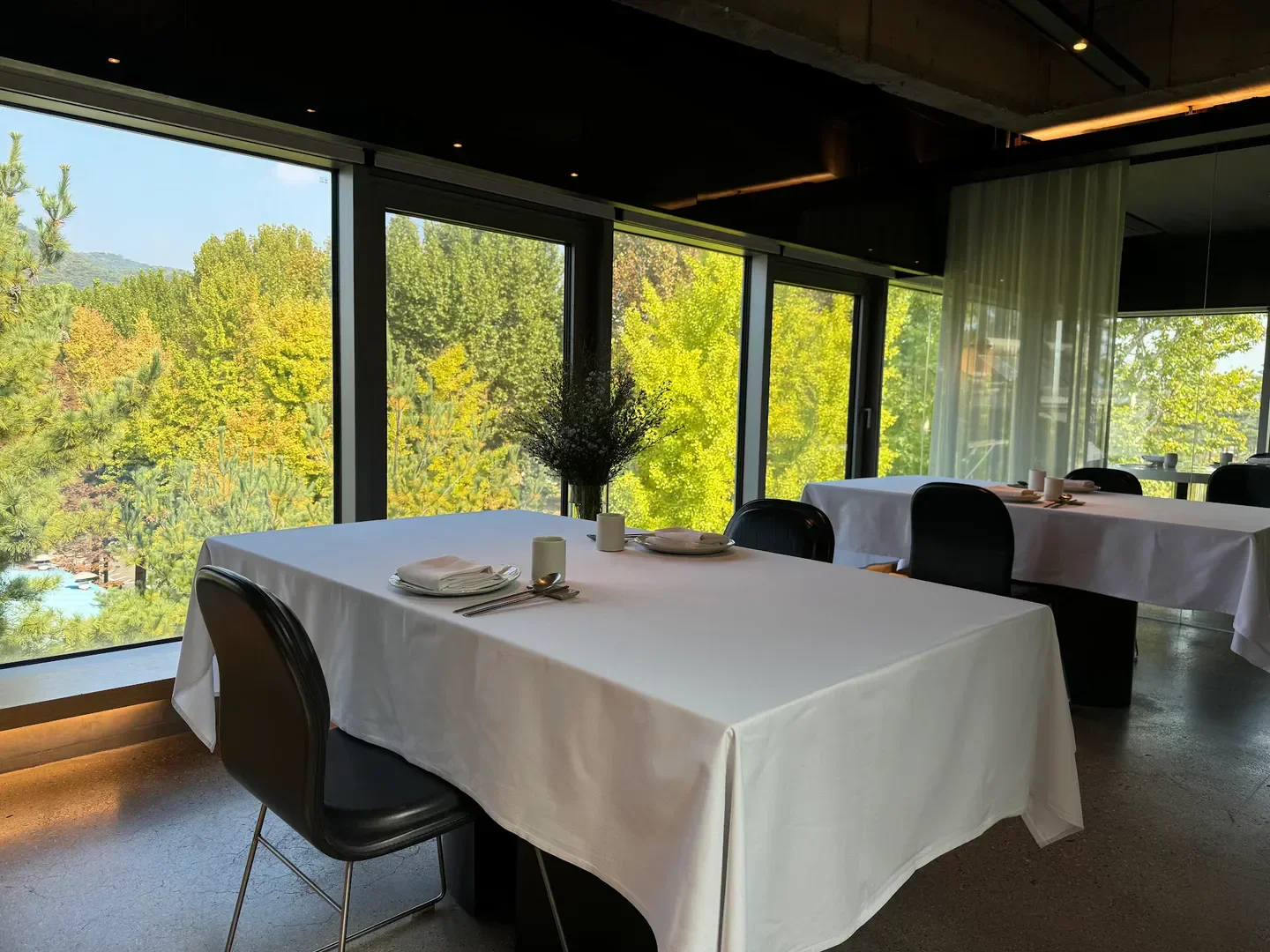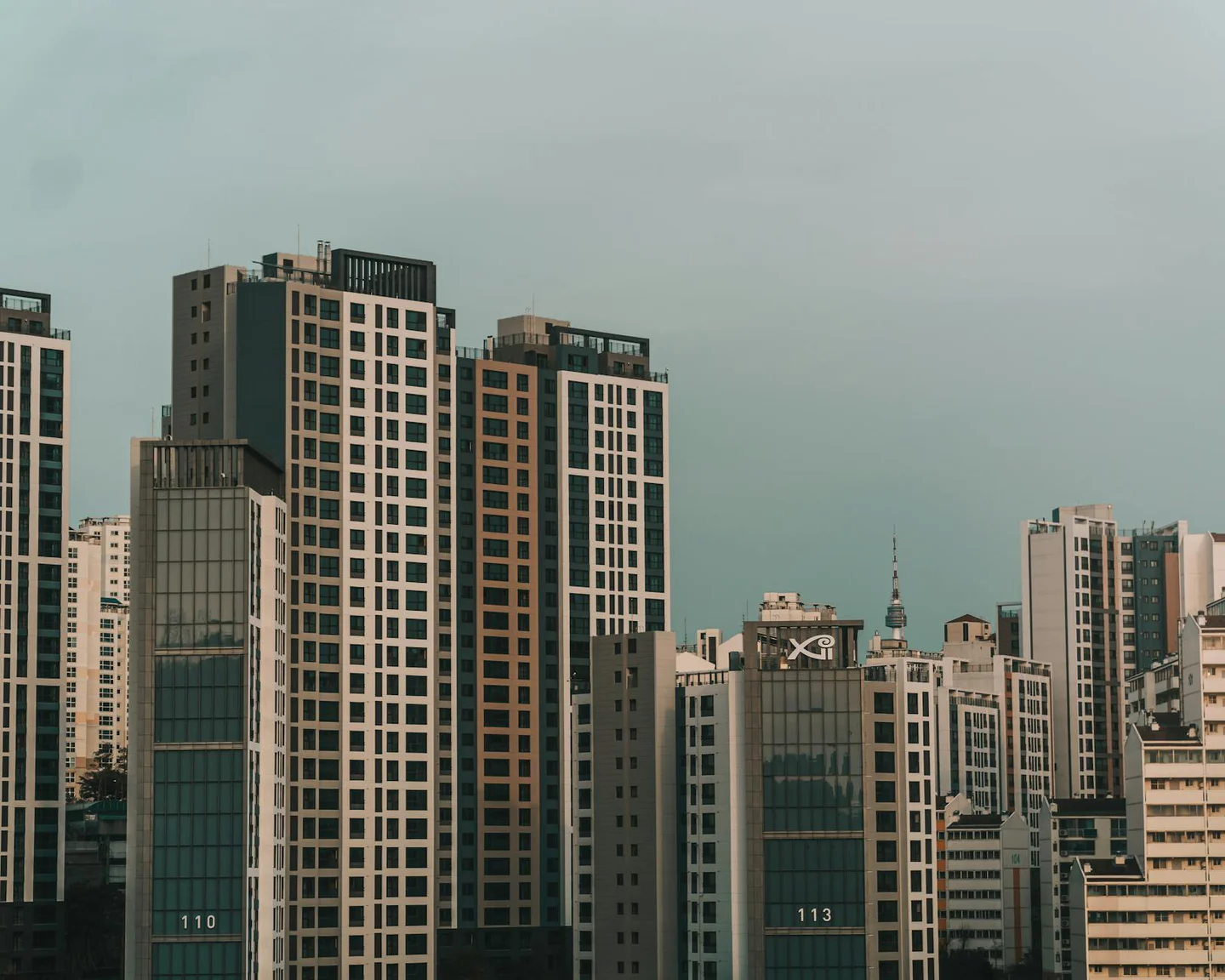
In Seoul, the question isn’t where to eat, but how fast you can refresh a booking app. The city’s appetite moves faster than its subway lines. You can find a decent meal on any corner. But the real dining scene lives in the quiet high-rises and hidden basements of Gangnam and Hannam-dong. Reservation windows on local apps like CatchTable open and close in seconds. If you aren't ready at noon sharp, you aren't eating.
The current obsession leans toward the hyper-focused. In the Sinsa-dong backstreets, Mitou transforms seasonal Japanese ingredients into a quiet art form. Across town, Kojima demands a level of concentration that borders on the religious. Even the hotel counters have sharpened their knives to keep pace. Sushi Cho and Sushi Sunsoo have turned high-end seafood into a competitive sport. These chefs curate moments that vanish the second they hit the palate.
Navigating this neon-lit landscape requires a local's precision and a critic's palate. Start with these.

© Photo Credits: Mitou
01.Mitou
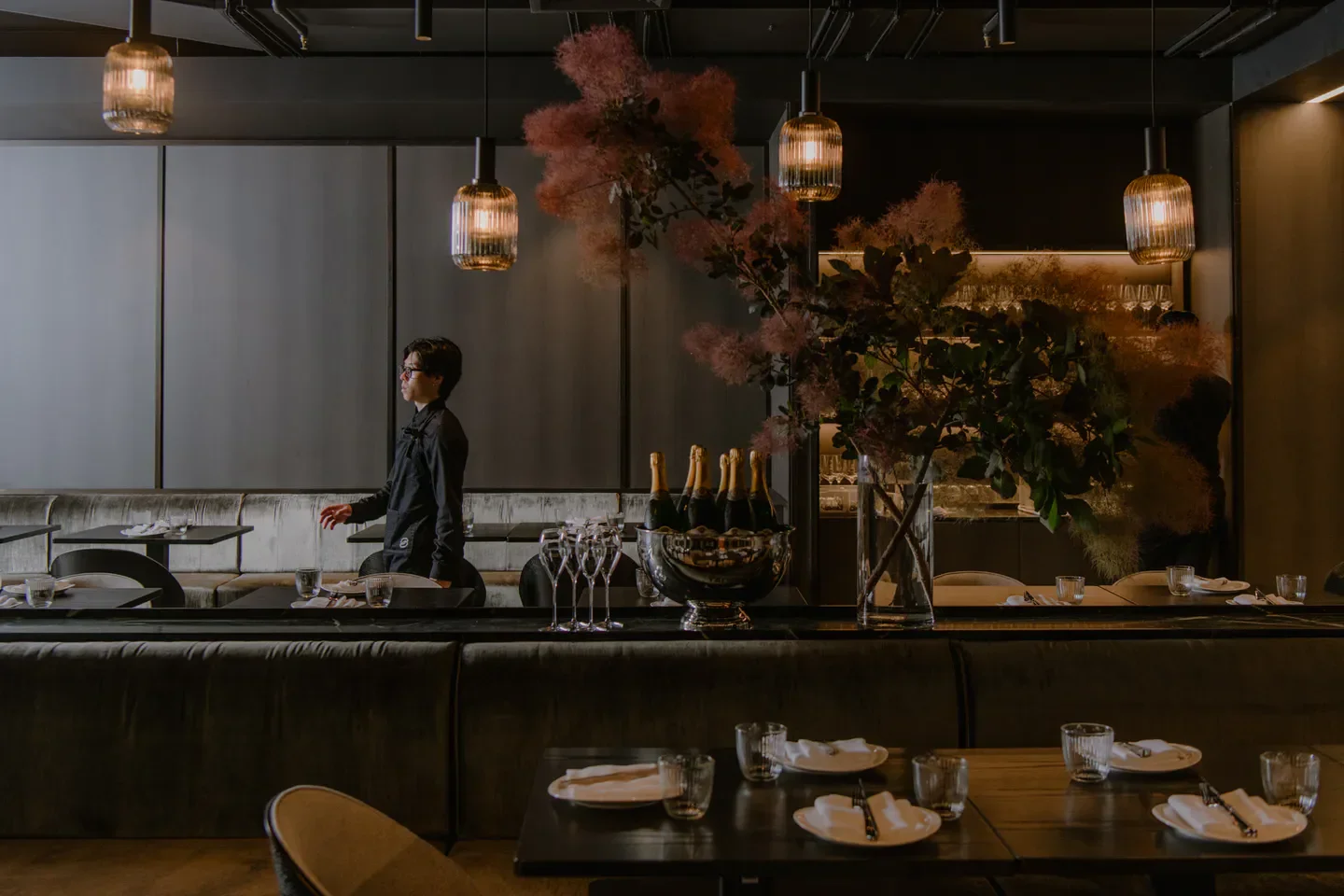
What is it? Mitou brings a disciplined, quiet energy to the Seoul dining scene. The space prioritizes privacy and clean, deliberate design. Low lighting and sharp lines define the room, creating an atmosphere where the outside city noise instantly fades.
Why we love it: The kitchen team works with a focused intensity that commands the room. Every movement is precise. The staff moves with a practiced grace, resulting in a service that feels both polished and deeply personal.
Good to Know: The counter seating at Mitou provides a front-row view of the chefs’ meticulous technique.

© Photo Credits: Kojima
02.Kojima
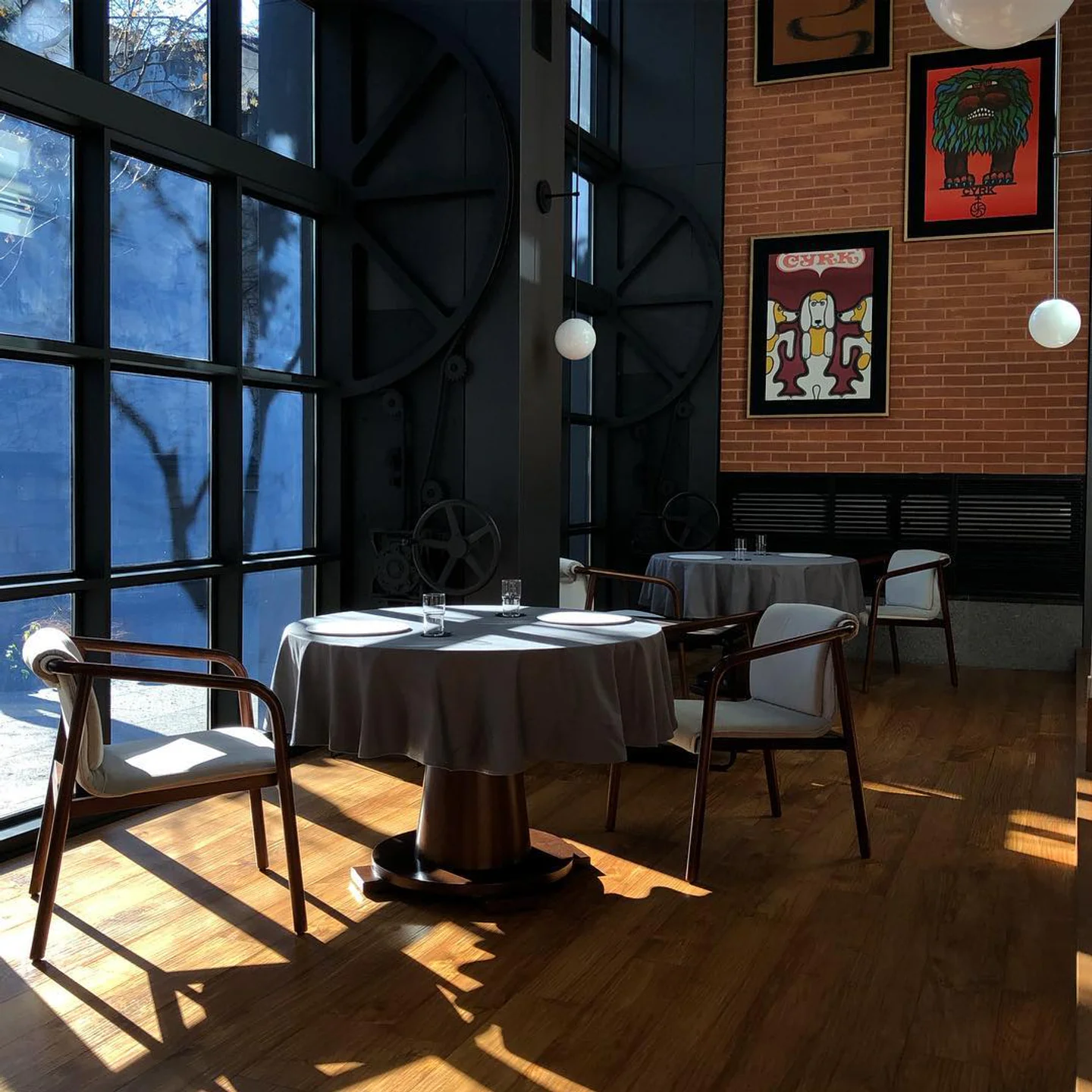
What is it? Kojima serves as a hushed sanctuary for serious diners in Seoul. You enter a room defined by clean lines and a focused, reverent atmosphere. It feels less like a standard restaurant and more like a dedicated workshop for culinary discipline.
Why we love it: The chefs command the room with a quiet, steady authority. We love the rhythmic sound of the knife work and the way the staff anticipates your next move before you do. It is an exercise in total focus where the city’s frantic energy simply ceases to exist.
Good to Know: The nigiri at Kojima is pressed with such technical precision that it holds its shape perfectly until the moment it hits your palate.

© Photo Credits: Sushi Cho
03.Sushi Cho
What is it? Sushi Cho is a Seoul institution defined by its quiet, steady pulse. The room feels sharp and intentional. You walk into a space where every gesture from the staff feels practiced and every corner of the restaurant serves a specific purpose.
Why we love it: The experience revolves around technical skill and a focused atmosphere. Chefs move with total authority, turning the preparation of a meal into a series of highly technical, mesmerizing actions. It is a masterclass in restraint that commands your full attention from the first course to the last.
Good to Know: The specialized service at Sushi Cho moves with a distinct rhythm, so plan to stay focused on the chef’s sequence rather than outside distractions.

© Photo Credits: Sushi Sunsoo
04.Sushi Sunsoo
What is it? Sushi Sunsoo anchors the Seoul dining scene with a quiet, unwavering confidence. The space strips away the excess of the city outside. You enter a room where the focus remains entirely on the chef’s movements.
Why we love it: The service moves with a clockwork precision that never feels rushed. The staff handles every detail with a visible reverence. You come here for the specific, meditative hum of a high-level meal.
Good to Know: The seasonal omakase at Sushi Sunsoo often features local Korean botan ebi, which the chefs prepare moments before serving.

© Photo Credits: Zero Complex
05.Zero Complex
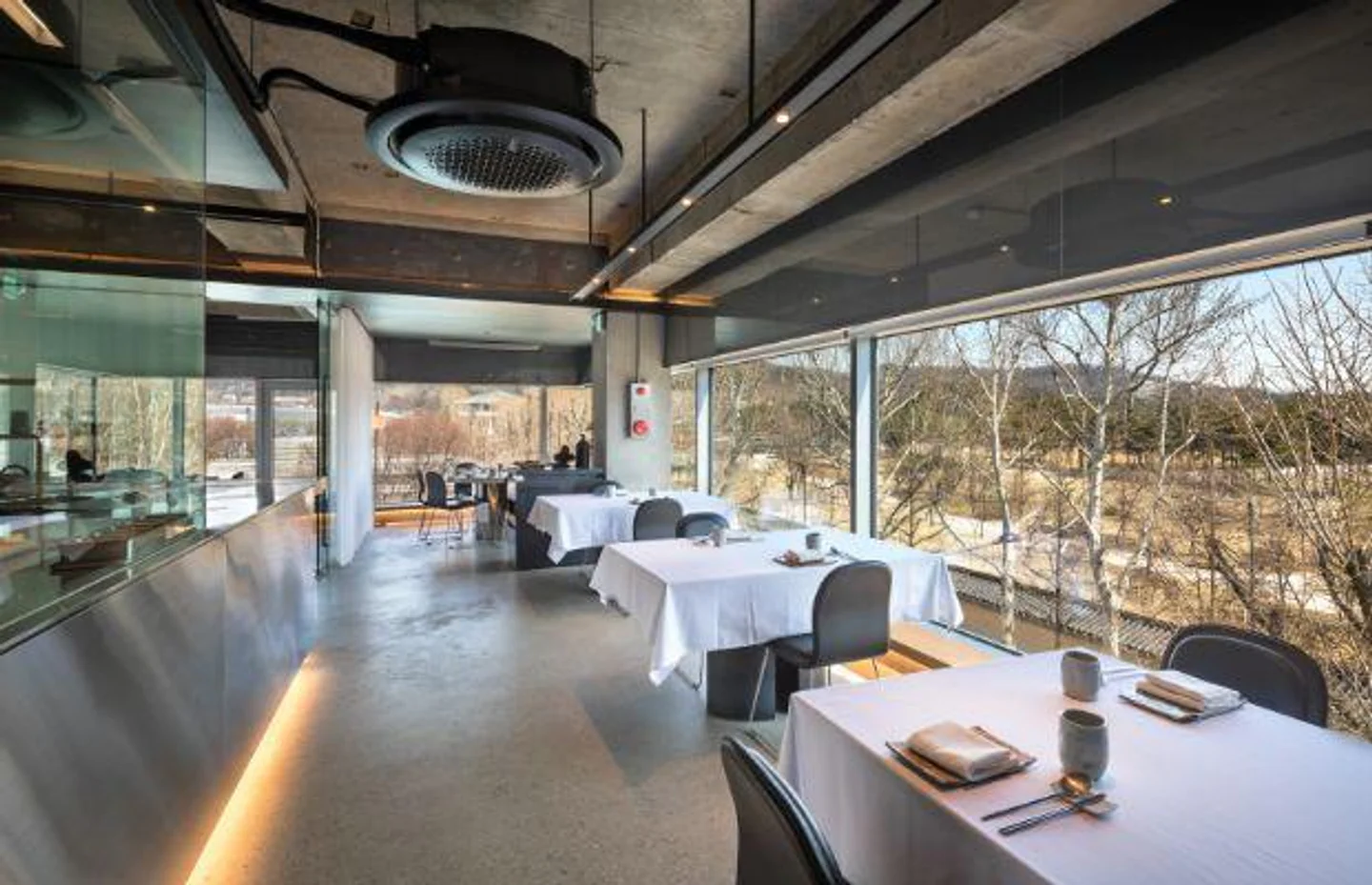
What is it? Zero Complex is a minimalist sanctuary in Seoul that trades traditional warmth for a sharp, clinical edge. Stainless steel surfaces and stark lines define the interior. The space feels like a high-concept culinary laboratory designed to focus the eye entirely on the plate.
Why we love it: The kitchen delivers a rigorous tasting menu with Michelin-starred precision and a focus on sustainable ingredients. We love how the natural wine program brings a rebellious energy to the table. It pairs funky, unfiltered pours with disciplined technique to create a meal that is both cerebral and visceral.
Good to Know: The natural wine pairings at Zero Complex are non-negotiable, as the sommelier selects specific bottles to highlight the intense, herbaceous notes found throughout the tasting menu.

© Photo Credits: Restaurant Allen
06.Restaurant Allen
What is it? Restaurant Allen is a refined dining room that defines the modern Seoul food scene. The atmosphere is quiet and intentional. You notice the sharp focus of the staff and the minimalist elegance of the design right away.
Why we love it: The kitchen serves a rigorous tasting menu that evolves with the calendar. Each course showcases high-level technique and a deep respect for seasonal transitions. The service is a silent choreography, ensuring the meal moves at a perfect clip without ever feeling rushed.
Good to Know: The wine pairing at Restaurant Allen is designed to mirror the shifts in the seasonal tasting menu, making it the best way to experience the full range of the kitchen.

© Photo Credits: Ariake
07.Ariake
What is it? Ariake anchors the high-end dining landscape in Seoul. The restaurant strips away the noise of the city. You enter a space defined by minimalist lines and a sharp, focused energy.
Why we love it: Service here functions like a choreographed performance. You watch the staff move with quiet efficiency, anticipating needs before they are voiced. The atmosphere creates a vacuum where the only thing that matters is the meal in front of you.
Good to Know: The nigiri at Ariake arrives at a precise temperature, so eat each piece the moment the chef places it before you.

© Photo Credits: Momoyama
08.Momoyama
What is it? Momoyama operates as a masterclass in restraint within the Seoul dining scene. The restaurant swaps urban chaos for a hushed, architectural calm that commands your full attention. You enter a space defined by sharp lines and a level of service that feels both invisible and omnipresent.
Why we love it: The room thrives on the sound of focused work and low conversation. There is a specific thrill in watching the staff execute their roles with such rhythmic consistency. Every movement in the dining room serves a purpose, creating a sanctuary for guests who value technique over spectacle.
Good to Know: The omakase at Momoyama features precise cuts of seasonal seafood that pair best with a chilled bottle from their curated sake collection.

© Photo Credits: Goryori Ken
09.Goryori Ken
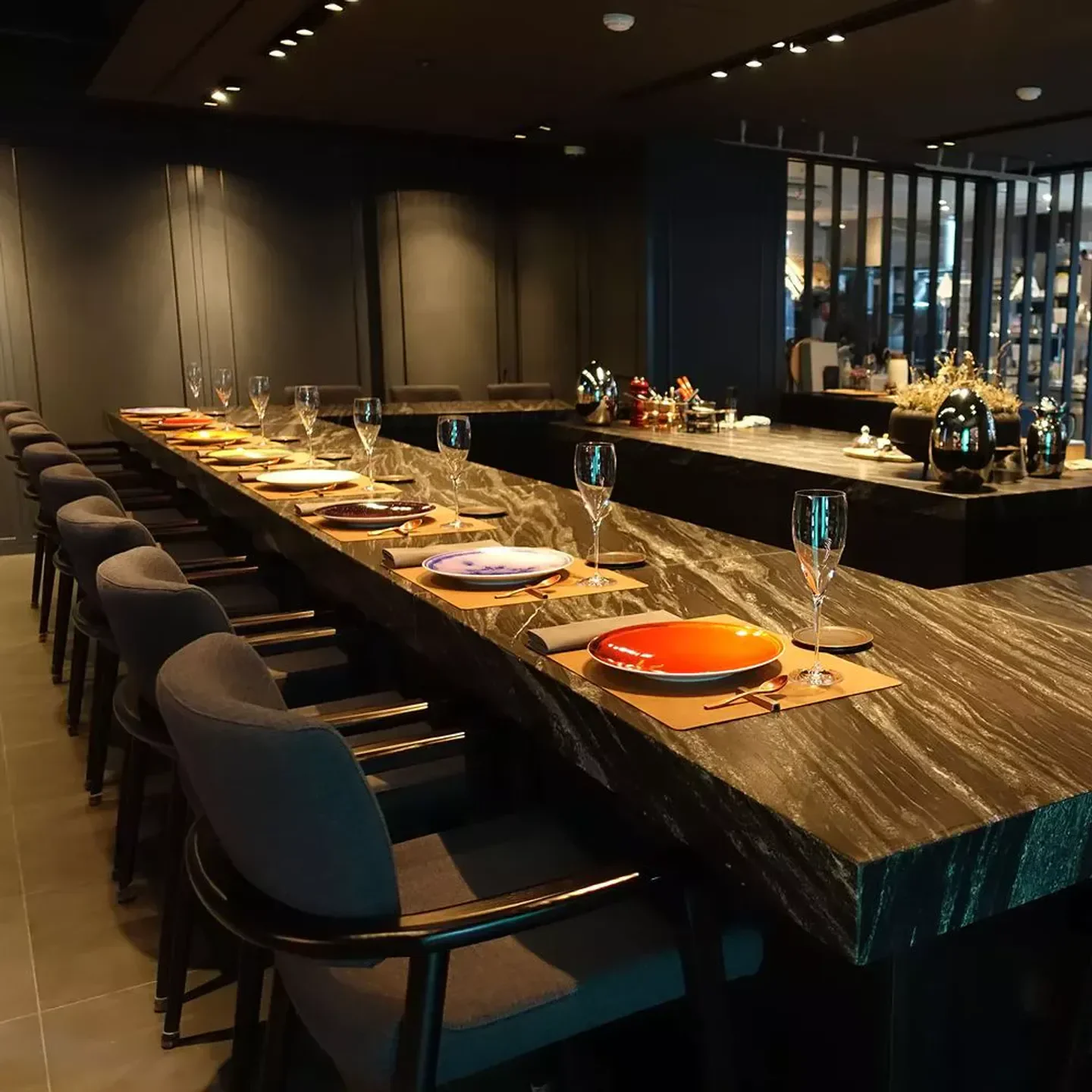
What is it? Goryori Ken is a Seoul restaurant that strips away the city's neon pulse for something far more disciplined. The room centers on a chef’s table where the kitchen acts as the only stage.
Why we love it: The counter seating creates a direct connection with the preparation of every course. We love the deliberate, measured pace of the tasting menu. The intimate atmosphere keeps the focus squarely on the craftsmanship happening right in front of you.
Good to Know: The seasonal courses at Goryori Ken pair exceptionally well with a chilled glass of junmai sake.