Seoul dining culture centers on basement levels and interior density, keeping high-output kitchens behind heavy doors or deep within multi-story commercial towers. Visitors often focus on ground-level barbecue dens or street-side stalls, overlooking the verticality of the city. The most effective dining spaces hide on podium-level gardens and rooftops invisible from the sidewalk. Shifting weather patterns dictate the utility of these outdoor areas, making the transition between humid mid-summer months and the sharp winds of late autumn the primary factor in local table availability.
Outdoor dining clusters concentrate in the hillside neighborhoods of Hannam-dong and Itaewon, where the topography exposes sightlines toward N Seoul Tower. In Cheongdam-dong and Sinsa-dong, terraces exist as high-rise setbacks above street-level retail corridors. Securing these spots mandates the use of local reservation apps like CatchTable, as walk-ins fail during the sunset rush. Understanding this city requires looking past the neon glare of the ground floor. Here is where to start.
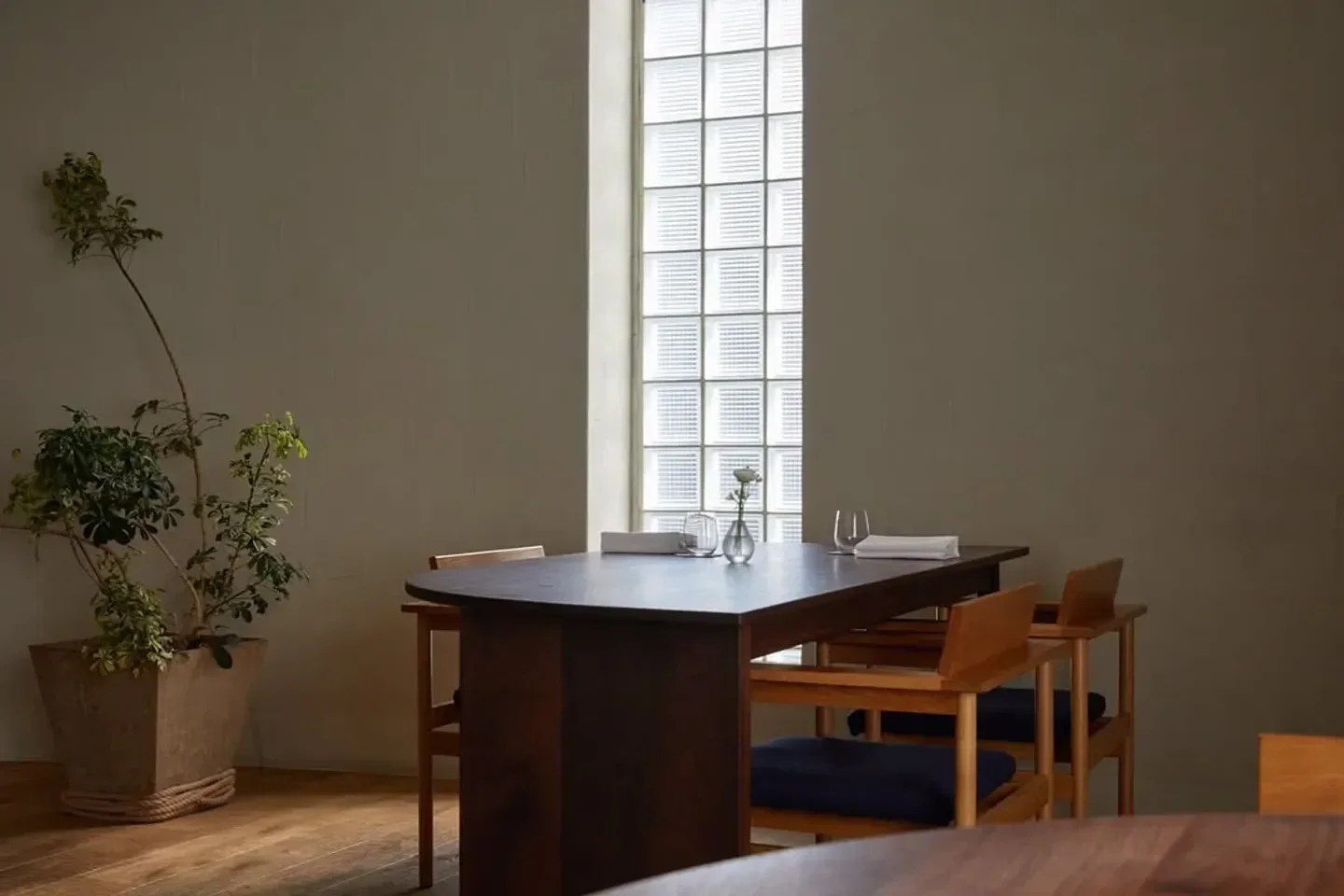
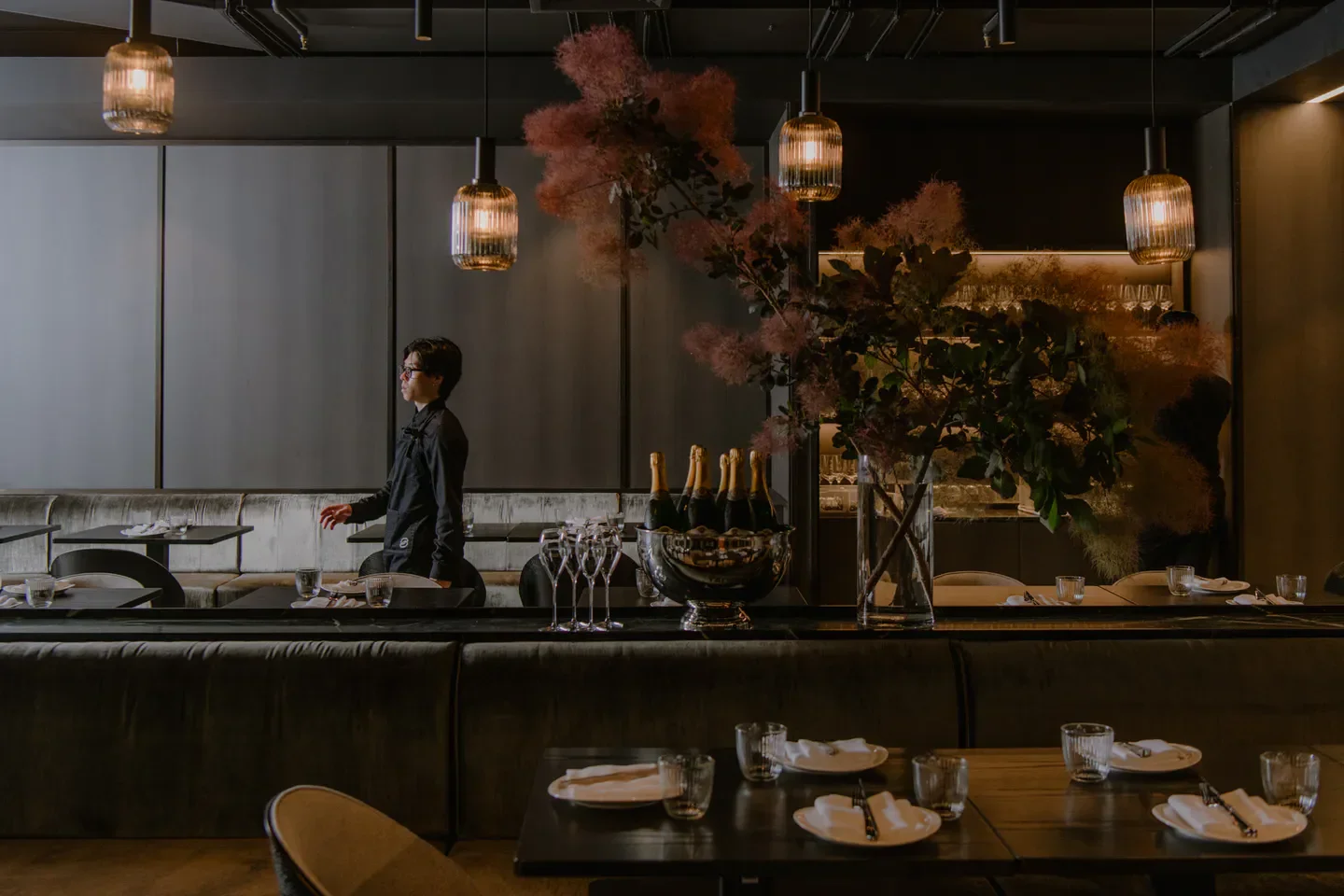
Photos: Mingles
01.Mingles
What is it? Mingles sits on Dosan-daero 67-gil in the Gangnam District. It holds two stars in the Michelin Guide and currently ranks as the best restaurant in Korea according to Asia’s 50 Best Restaurants.
Why we love it: While many destinations in Gangnam lean toward flash, Mingles manages a precise, high-end fusion of Korean and Japanese techniques that justifies its price tag. The kitchen’s output earned it the number 43 spot on The World's 50 Best Restaurants list, proving that its refined approach consistently outpaces its peers in the district.
Good to Know: The kitchen at Mingles relies on a sophisticated mix of Korean and Japanese influences, so come prepared to engage with bold, cross-cultural flavors that deviate from traditional temple-style dining found near the nearby Bongeunsa Temple.
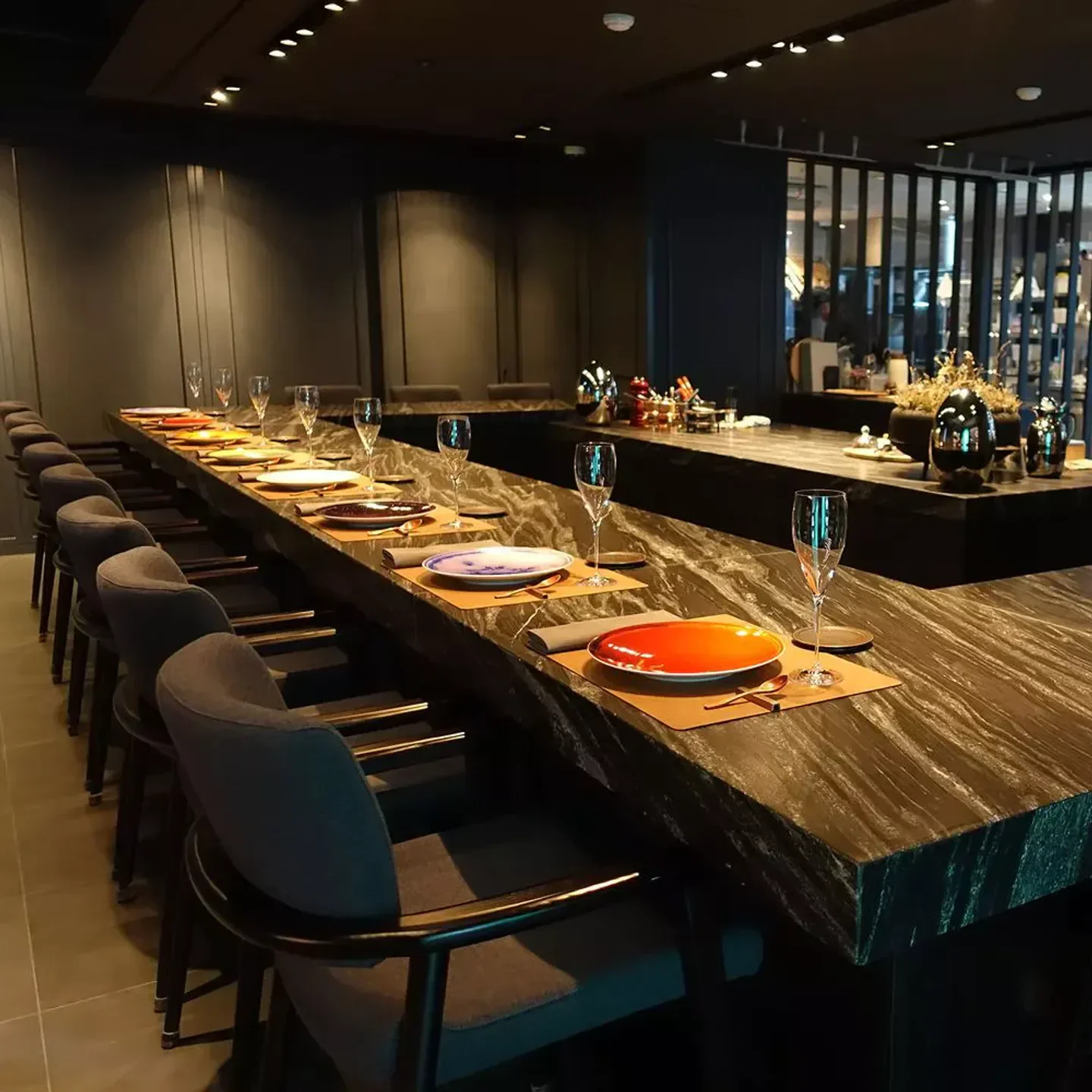
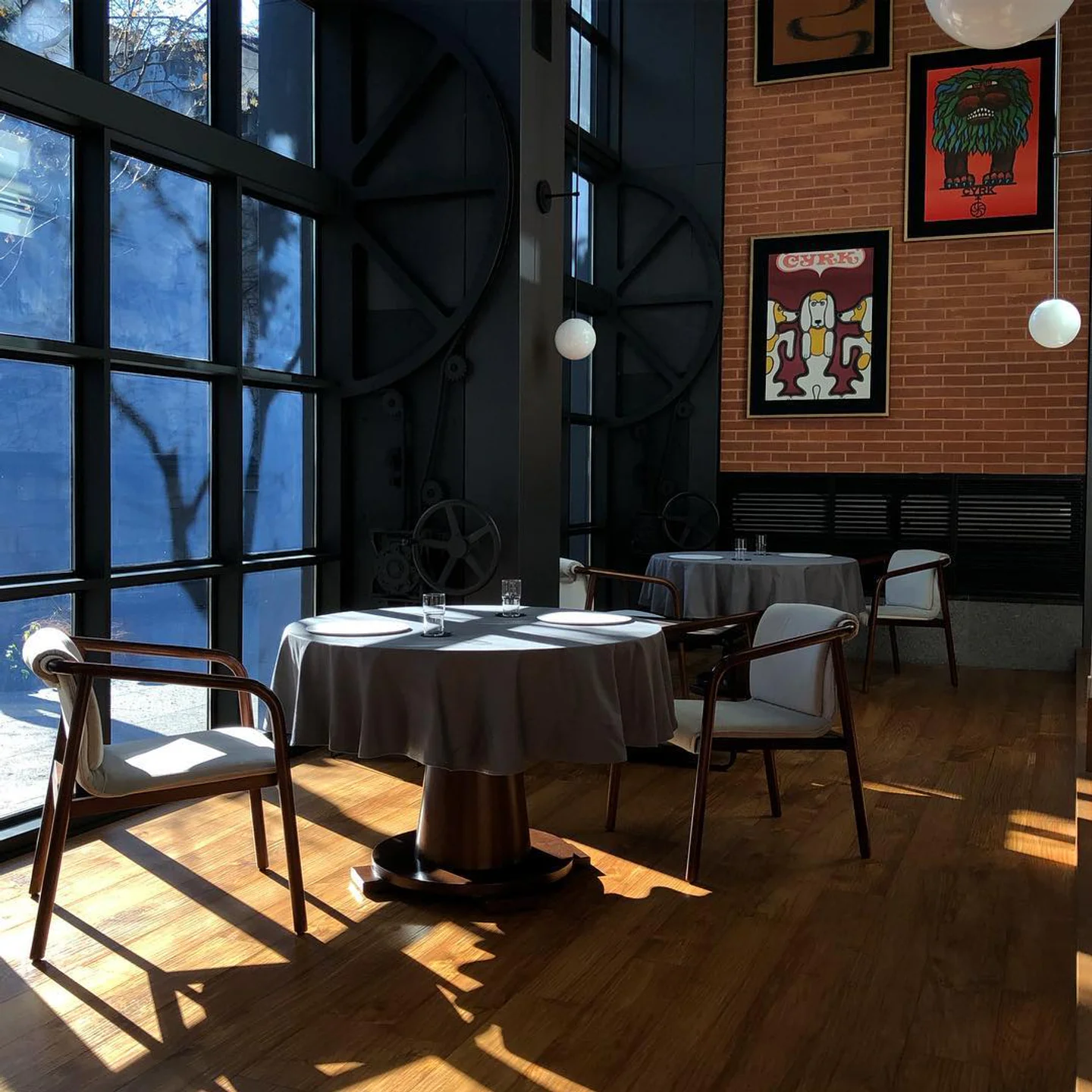
Photos: 7th Door
02.7th Door
What is it? 7th Door sits on Hakdong-ro 97-gil in the Gangnam District. It holds a Michelin star and maintains a ranking at number 17 on Asia's 50 Best Restaurants, as well as number 25 on La Liste.
Why we love it: The restaurant commands a position as one of the few high-end destinations in the city to earn simultaneous recognition from both the Michelin Guide and Asia’s 50 Best list. Its commitment to a modern, contemporary take on Korean cuisine justifies the premium price point, separating it from the neighborhood's more casual fare.
Good to Know: The fine dining atmosphere at 7th Door requires a smart and elegant dress code, and its location just a short walk from the COEX Aquarium makes it an accessible, if elevated, choice after an afternoon in the district.
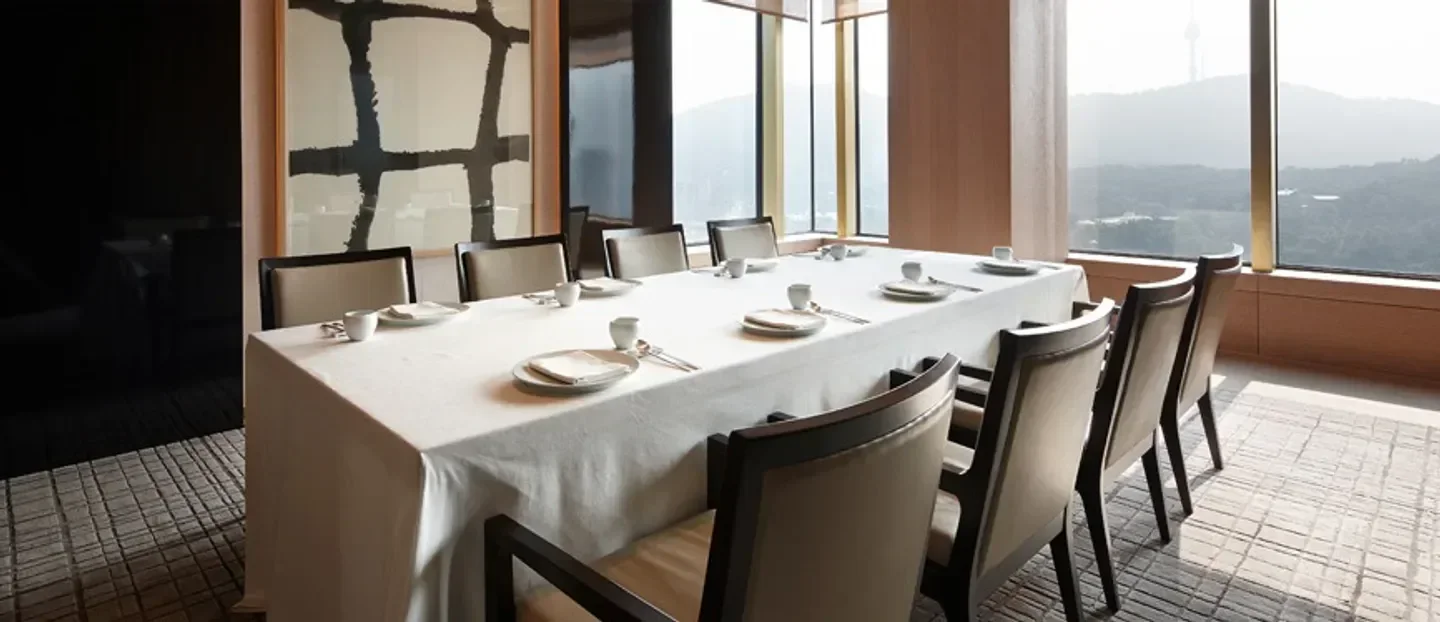
Photos: La Yeon
03.La Yeon
What is it? La Yeon sits inside THE SHILLA Seoul in the Jung District. This fine dining destination holds two Michelin stars and ranks number 59 on the 2024 La Liste.
Why we love it: It offers a contemporary take on Korean cuisine that justifies its place as a top-tier destination for serious diners. The restaurant provides a view of the city from its position in the Jung District, which serves as a quiet contrast to the nearby urban intensity.
Good to Know: La Yeon enforces a strict smart and elegant dress code for all guests; plan your wardrobe accordingly for this formal fine dining environment.
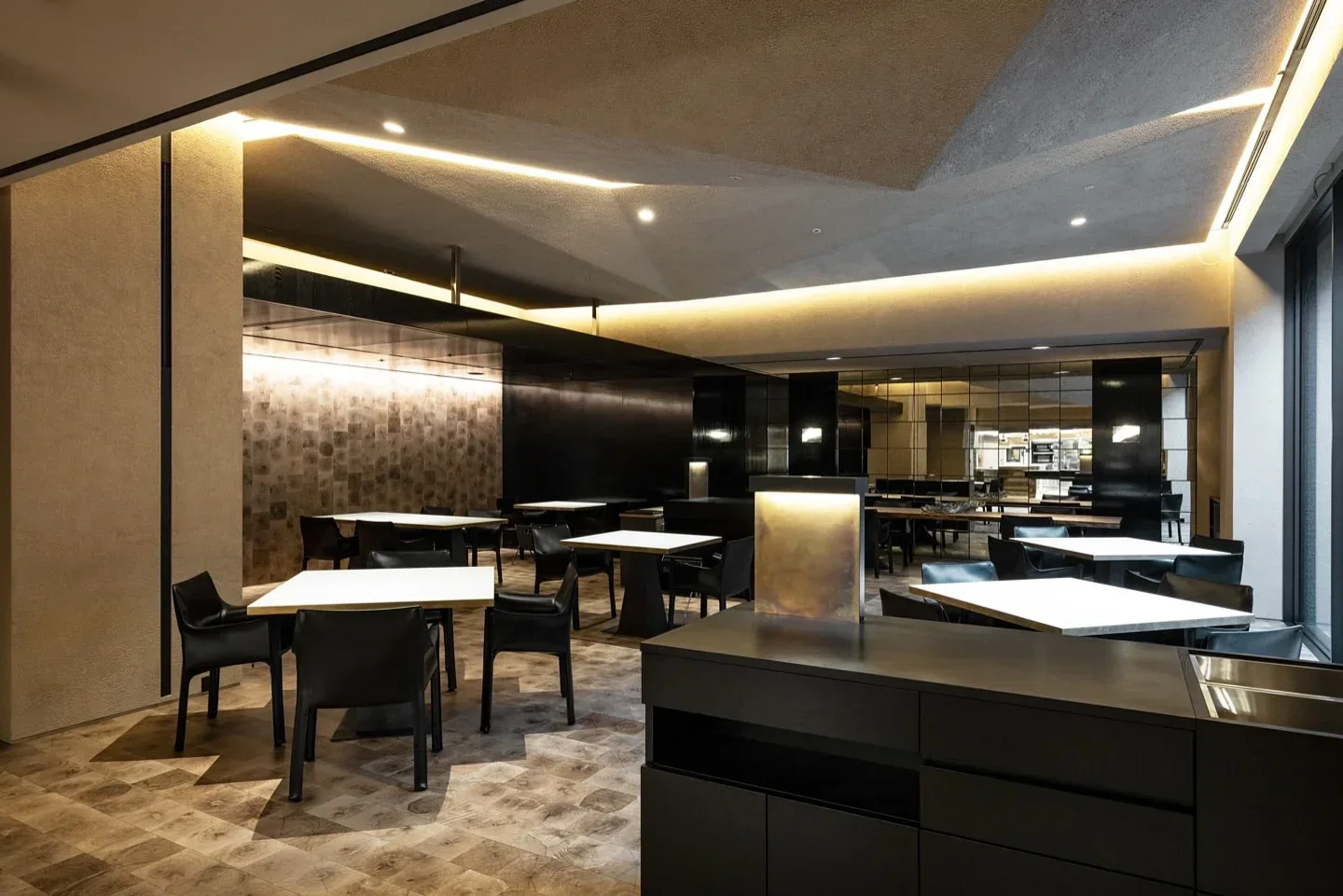
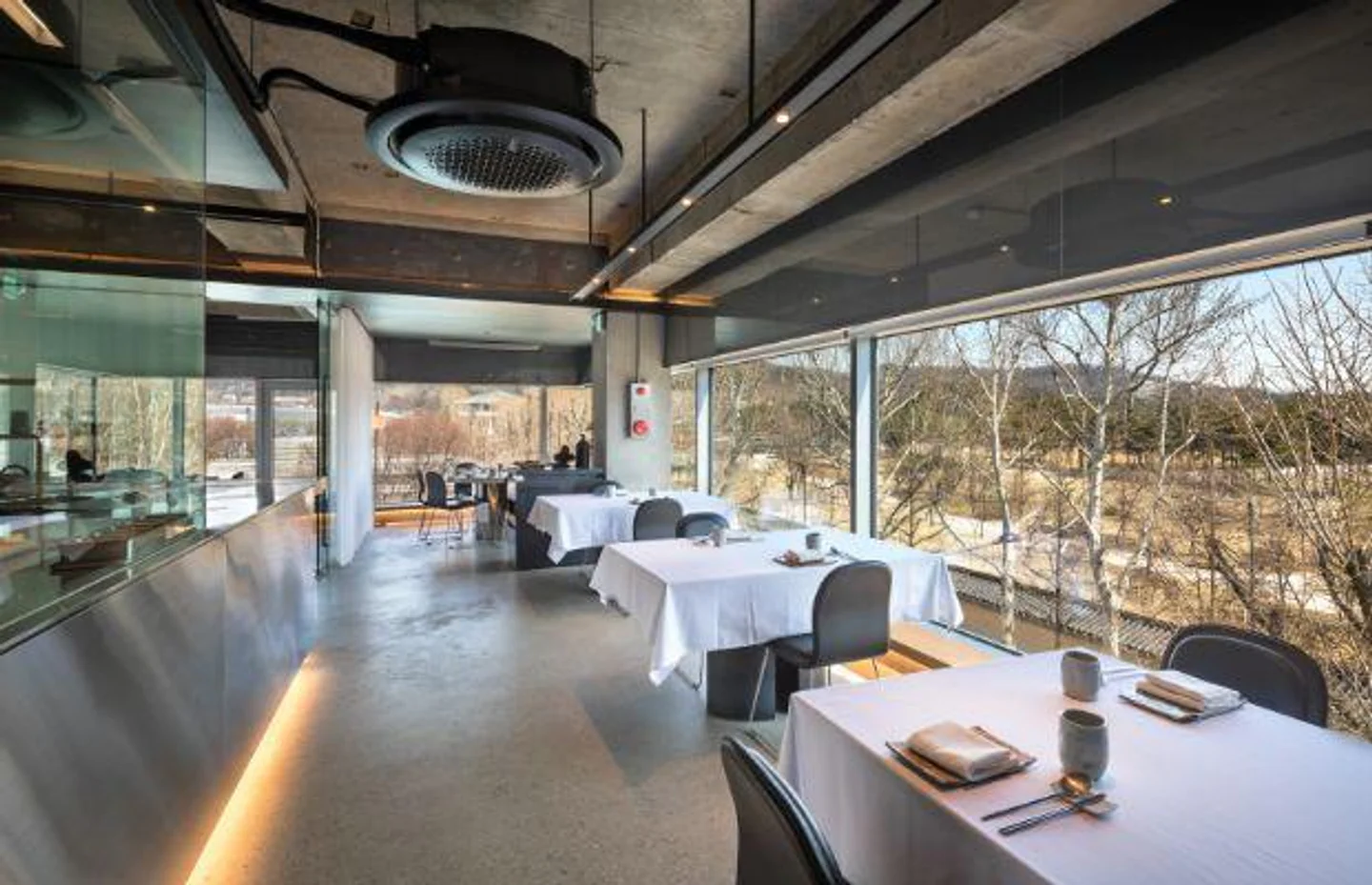
Photos: San
04.San
What is it? San is a fine dining restaurant located on Eonju-ro 168-gil in the Gangnam District of Seoul. It holds a Michelin star and maintains a focus on Korean, Japanese, and fusion cuisines.
Why we love it: San manages a high-stakes balance of Korean and Japanese influences that differentiates it from the strictly traditional houses found elsewhere in Gangnam. Because it offers a view, the architecture acts as an extension of the menu, shifting the focus from the table to the skyline.
Good to Know: The fine dining menu at San requires a relaxed pace to appreciate the fusion of these distinct culinary traditions.
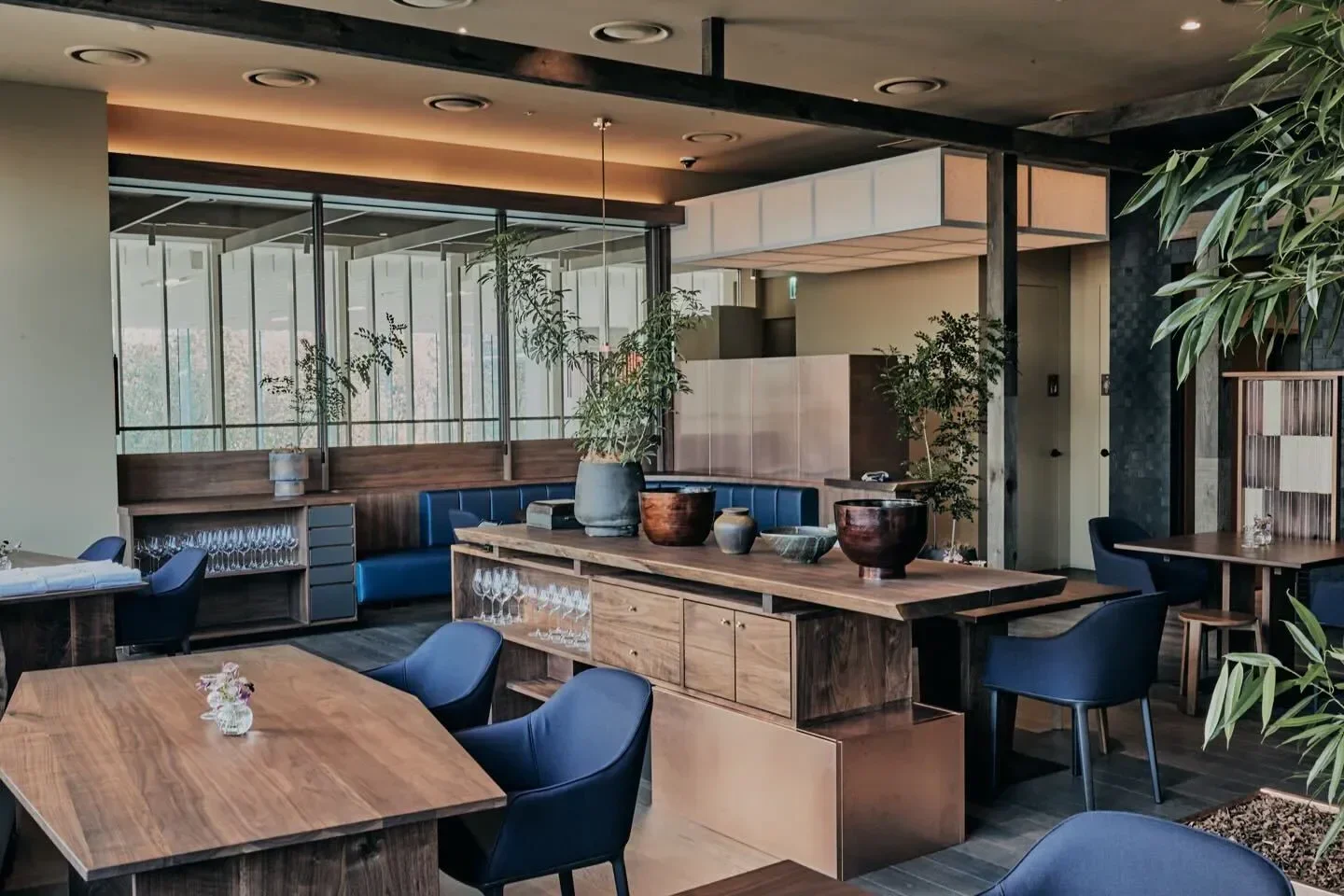
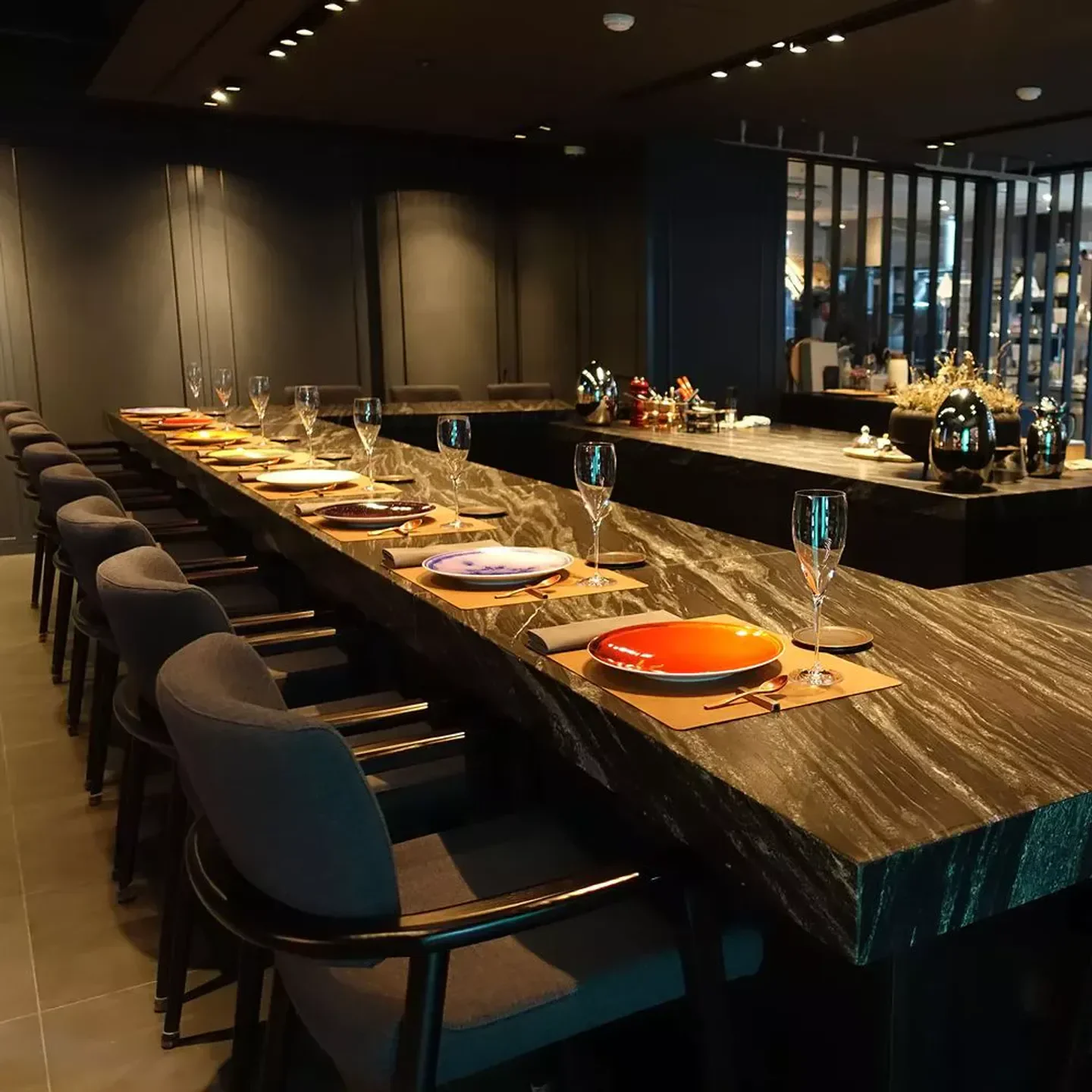
Photos: Restaurant Allen
05.Restaurant Allen
What is it? Restaurant Allen sits on the second floor of the building at Teheran-ro 231, a ten-minute walk from Bongeunsa Temple. It holds two Michelin stars and earned an Excellence Award from Wine Spectator.
Why we love it? This venue earns its place on the international stage, holding the 29th spot on La Liste, by pinning its identity to a precise fusion of Korean and Japanese culinary traditions. While the surrounding district remains a dense hub of commercial activity, the dining room offers a rare, deliberate shift toward fine dining that manages to sustain a 4.60 rating from its guests.
Good to Know: The terrace at Restaurant Allen provides a view that separates the table from the busy Teheran-ro thoroughfare, making it the preferred choice for a romantic evening in a smart and elegant dress code.
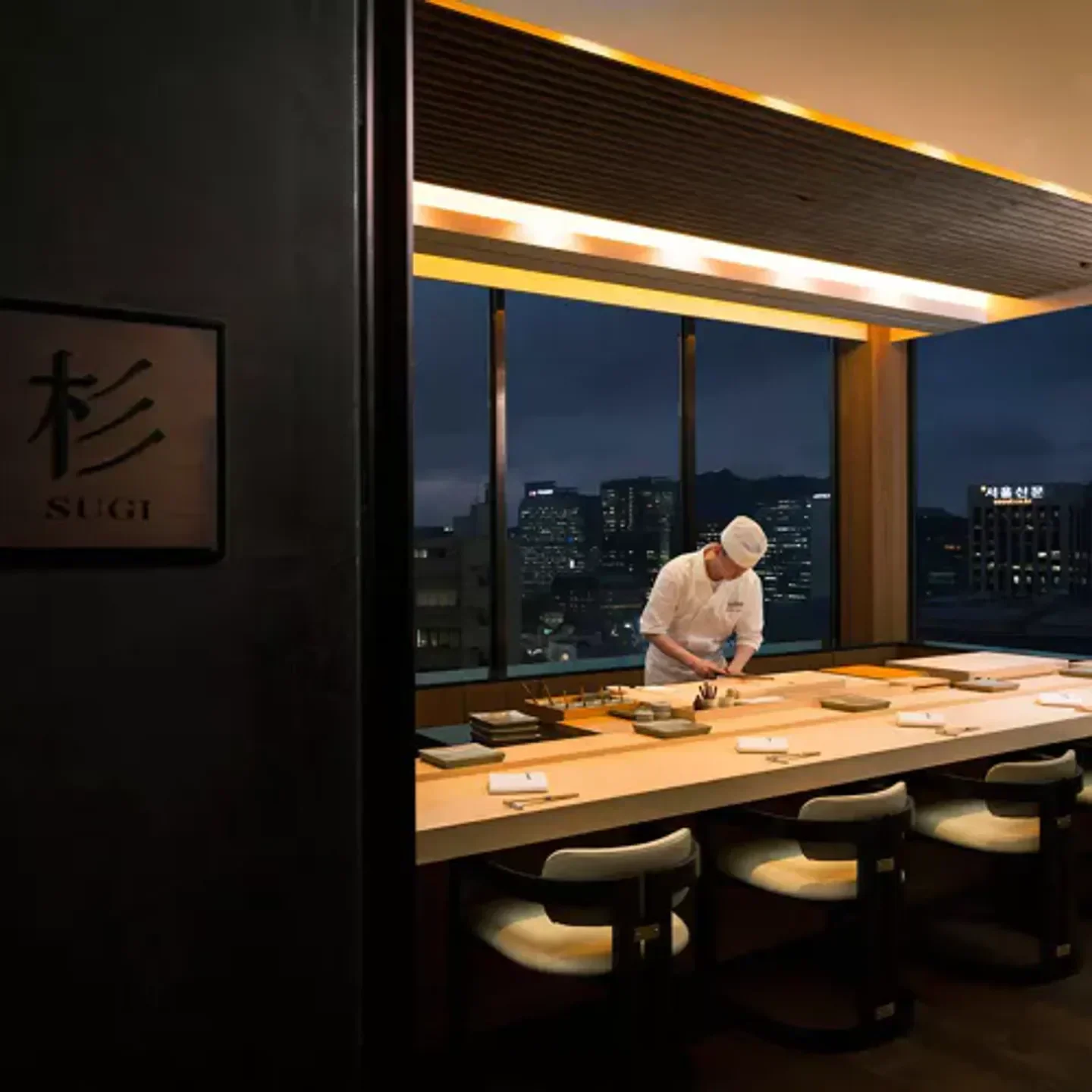
Photos: Sushi Cho
06.Sushi Cho
What is it? Sushi Cho sits on the 20th floor at 106 Sogong-ro in the Jung District, a three-minute walk from the Lotte Department Store. This Michelin-starred restaurant specializes in high-end Japanese seafood and sushi, earning a 2024 La Liste ranking of no. 23.
Why we love it: While many restaurants in the Jung District offer proximity to Myeongdong Shopping Street, Sushi Cho uses its elevation to pair fine dining with a view. With a guest rating of 4.65 from 673 reviews, it manages the rare feat of maintaining a luxury experience that consistently resonates with its diners.
Good to Know: Sushi Cho requires a smart and elegant dress code to match the formal tone of its sushi and seafood service, so ensure your attire is polished before heading over from the nearby Deoksugung Palace.
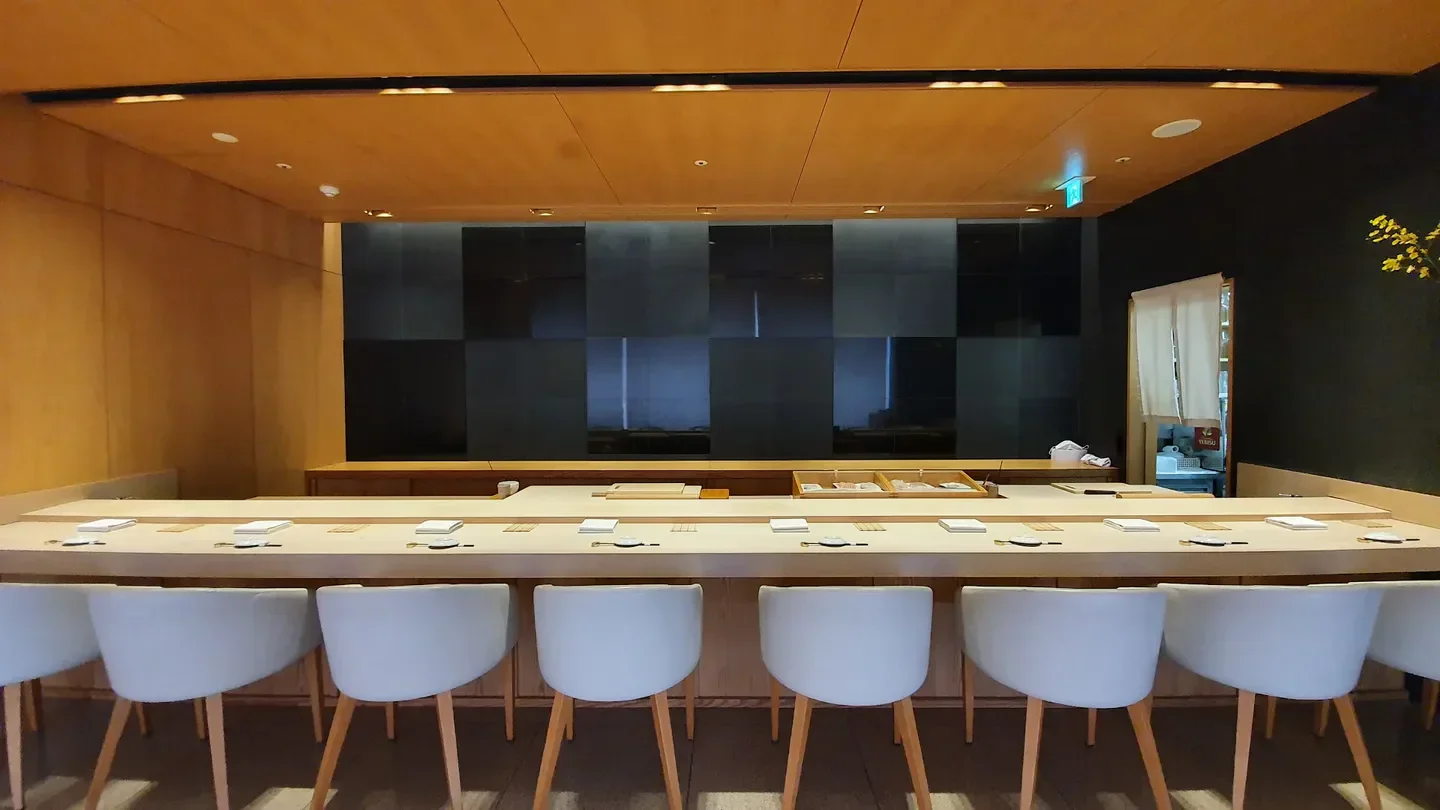
Photos: Kojima
07.Kojima
What is it? Kojima sits on Dosan-daero in the Gangnam District, roughly a ten-minute walk from the Hyundai Department Store. This fine dining destination specializes in Japanese sushi and seafood and currently holds two Michelin stars.
Why we love it: The restaurant maintains an impressive consistency, as evidenced by its 4.68 rating from over 500 guests. It commands a premium price for those seeking a highly regarded, focused expression of Japanese technique in a competitive culinary landscape.
Good to Know: The terrace at Kojima offers a rare vantage point for a high-end sushi house, providing a quiet space to settle in before the meal.
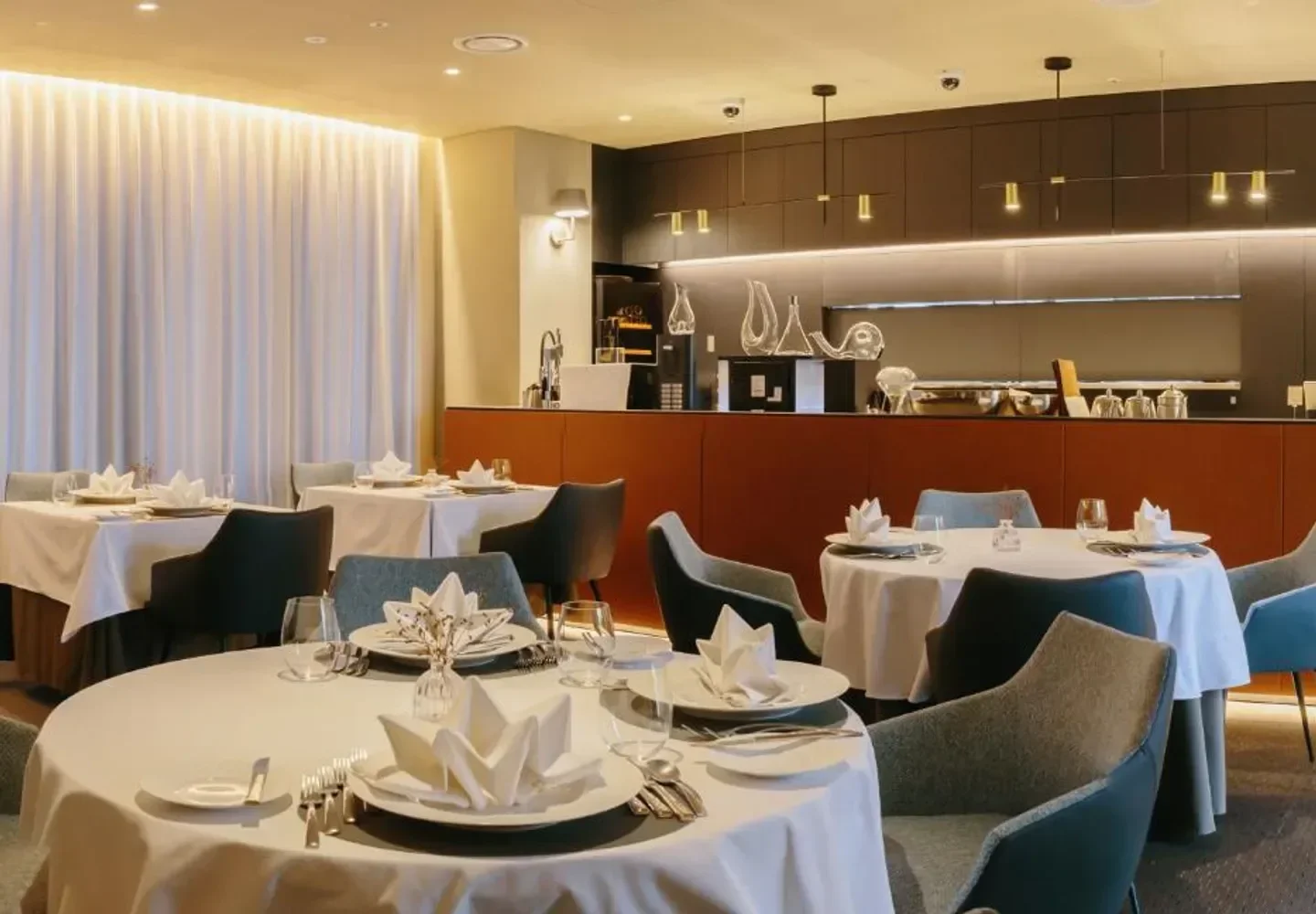
Photos: L'Amitié
08.L'Amitié
What is it? L'Amitié sits on Dosan-daero 67-gil in the Gangnam District, an eight-minute walk from the Hyundai Department Store. This French contemporary restaurant holds a Michelin star and maintains a position at number 24 on La Liste.
Why we love it: L'Amitié prioritizes a formal, fine-dining experience that feels rare in the surrounding streets. It commands a high guest rating of 4.57, justifying the significant investment required for a meal here compared to the casual eateries near Garosu-gil. The setting leans heavily into a romantic, classic aesthetic that is difficult to replicate in the more frantic corners of the district.
Good to Know: The terrace at L'Amitié offers a rare vantage point for a quiet, elevated evening; stick to a strictly smart and elegant dress code to match the tone of the dining room.
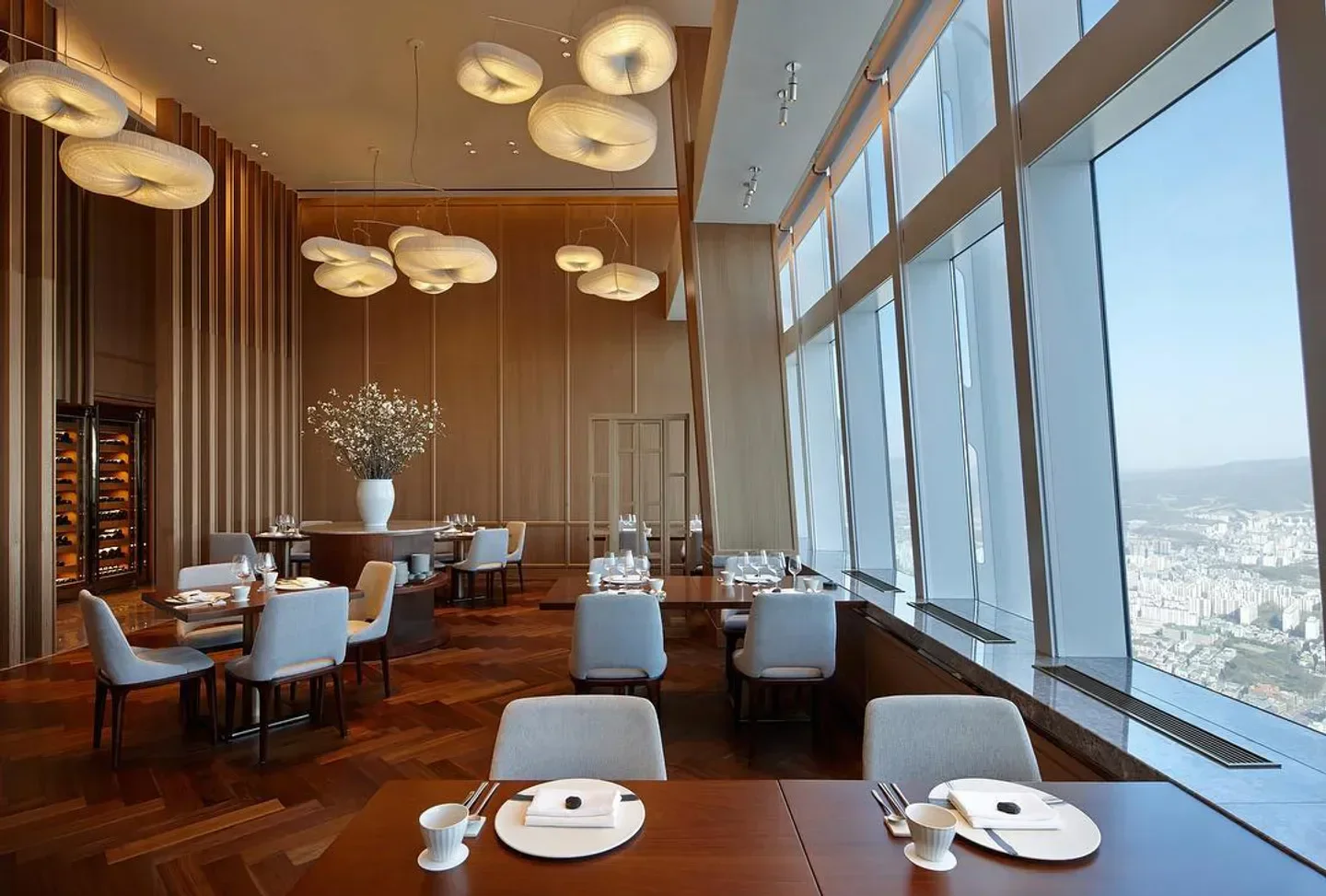
Photos: Bicena
09.Bicena
What is it? Bicena sits inside the Lotte World Tower & Mall in the Songpa District of Seoul. This Michelin-starred restaurant specializes in modern Korean fusion.
Why we love it: The location makes it a logical stop after a walk around Seokchon Lake, placing a high-end dining experience within the immediate footprint of a major landmark. With over 400 guests providing a consistently high rating, it manages the rare feat of keeping the precision of a Michelin-starred kitchen consistent alongside its luxury service standards.
Good to Know: Bicena requires a smart and elegant dress code to match the view from its fine dining room, so plan your attire for the table rather than for a casual stroll through Olympic Park.