Shanghai dining ignores the myth of the pan-Asian fusion trend. Instead, the city demands an appreciation for the tension between aggressive modernization and the protection of heritage recipes. Visitors often mistake the frantic pace of neon-lit malls for the actual culinary pulse. Real quality here lives in the friction between high-concept techniques and the preservation of regional spice profiles, particularly in the city’s devotion to complex, layered sauces that define its distinct identity.
The dining map shifts rapidly between the low-slung lanes of the Former French Concession and the vertical density of Jing’an. You find the most interesting contrasts on the quiet, tree-lined streets of Xuhui, where quiet courtyards hide dense, intense menus. The Bund houses the heavy hitters, but the residential side streets of Huangpu offer a more grounded look at the city’s standard of service. Navigating these requires a grasp of reservation apps and a willingness to sync your schedule with the local habit of late-night dining.
Here is where to start.
Photos: Fu 1088
01.Fu 1088
What is it? Fu 1088 sits on Zhenning Road and holds a Michelin star. It is a traditional Chinese restaurant that operates within a fine dining framework.
Why we love it: The kitchen focuses on classic Chinese preparations, distinguishing itself from the casual eateries found closer to the Jade Buddha Temple. While many venues in this price tier prioritize spectacle, this address earns its 4.68 rating through a consistent, deliberate approach to traditional regional flavors.
Good to Know: The formal, smart and elegant dress code at Fu 1088 requires more than just business casual if you want to match the atmosphere of the dining room.
Photos: Barbarossa
02.Barbarossa
What is it? Barbarossa sits at 11 Nanjing Rd (W) in Shanghai. It is a fine dining restaurant that blends French and seafood-focused fusion cuisine, situated a short three-minute walk from the Nanjing Road Pedestrian Street.
Why we love it: The restaurant maintains a 4.62 guest rating, standing out as a consistent choice for those navigating the high-end dining options near the city’s major landmarks. While the area is dominated by fast-paced commercial foot traffic, this venue offers a destination for a more structured, seated experience.
Good to Know: The terrace provides an outdoor setting for those looking to enjoy the French-inspired fusion menu away from the nearby bustling pedestrian streets.
Photos: Fu He Hui
03.Fu He Hui
What is it? Fu He Hui sits on Yuyuan Road in the Changning District, approximately a twenty-five-minute walk from the Jade Buddha Temple. This fine dining restaurant holds a Michelin star and is currently ranked no. 68 on The World's 50 Best Restaurants list.
Why we love it: It manages to be the highest-rated venue of its kind in mainland China, according to the 2024 Asia's 50 Best Restaurants list, despite a menu that eschews animal products entirely. By focusing exclusively on Asian vegan cuisine, it offers a level of technical precision that justifies its premium price point and sets it apart from the heavy, meat-centric luxury dining typical of the city.
Good to Know: The kitchen at Fu He Hui elevates local, seasonal vegetables to the center of the plate, so expect a rigorous fine dining pace that requires a full evening commitment.
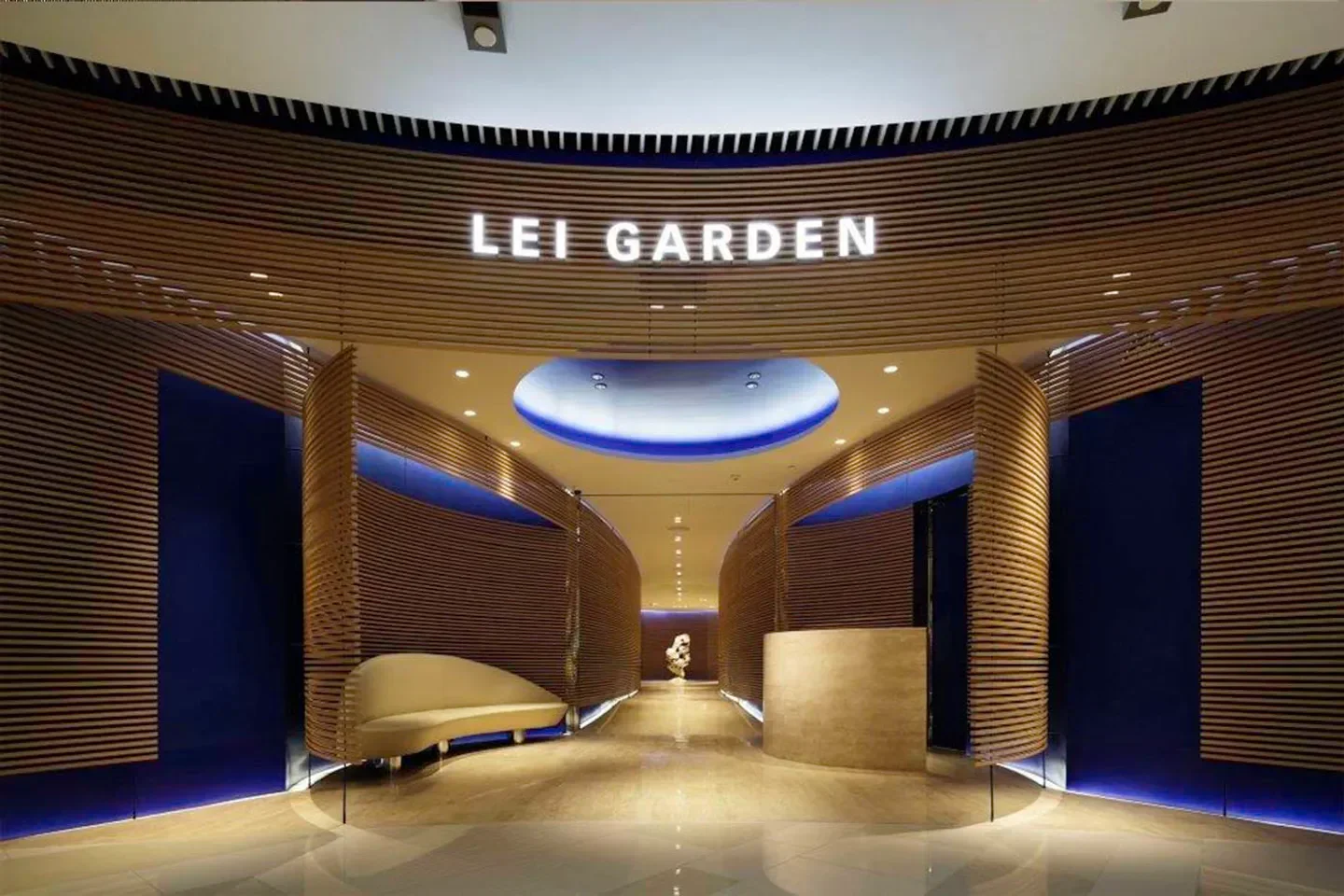
Photos: Lei Garden
04.Lei Garden
What is it? Lei Garden sits in the Huangpu district, a ten-minute walk from Nanjing Road and roughly 20 minutes from The Bund. This Michelin-starred venue focuses on Chinese seafood and high-end dining.
Why we love it: The restaurant provides a reliable, formal setting for those navigating the city’s dense culinary landscape. Its Michelin-starred status confirms a technical rigor in the kitchen that consistently satisfies the expectations of its patrons.
Good to Know: Given the fine dining focus of Lei Garden, arrive in smart and elegant attire to match the atmosphere of the room.
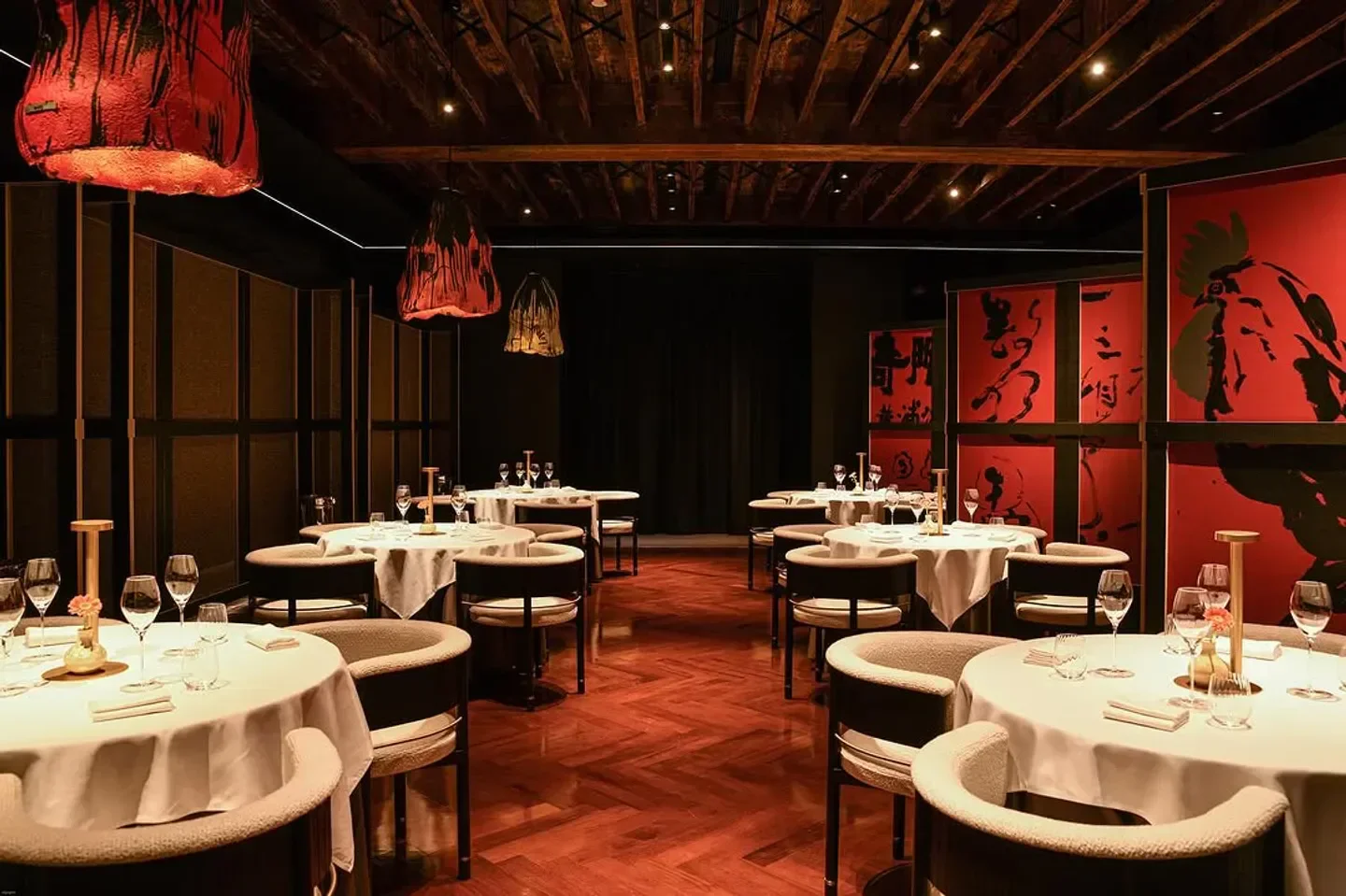
Photos: Ling Long - Shanghai
05.Ling Long - Shanghai
What is it? Ling Long - Shanghai sits at 57 Shanxi Rd (S). This fine dining destination, which holds a Michelin star and is ranked no. 35 on the Asia's 50 Best Restaurants list, focuses on Chinese fusion cuisine.
Why we love it: While many venues in Lu Wan Qu lean into the neighborhood’s bustle, this restaurant commands attention through a precise, luxury-minded approach to Asian flavors. The 4.50 guest rating reflects a consistency that is rare in such a competitive, high-end price bracket. It provides a sanctuary for serious diners, located a fifteen-minute walk from the Tianzifang area.
Good to Know: The formal, smart and elegant dress code at Ling Long - Shanghai ensures that the atmosphere remains as polished as the refined fusion technique applied to their Chinese-based menu.
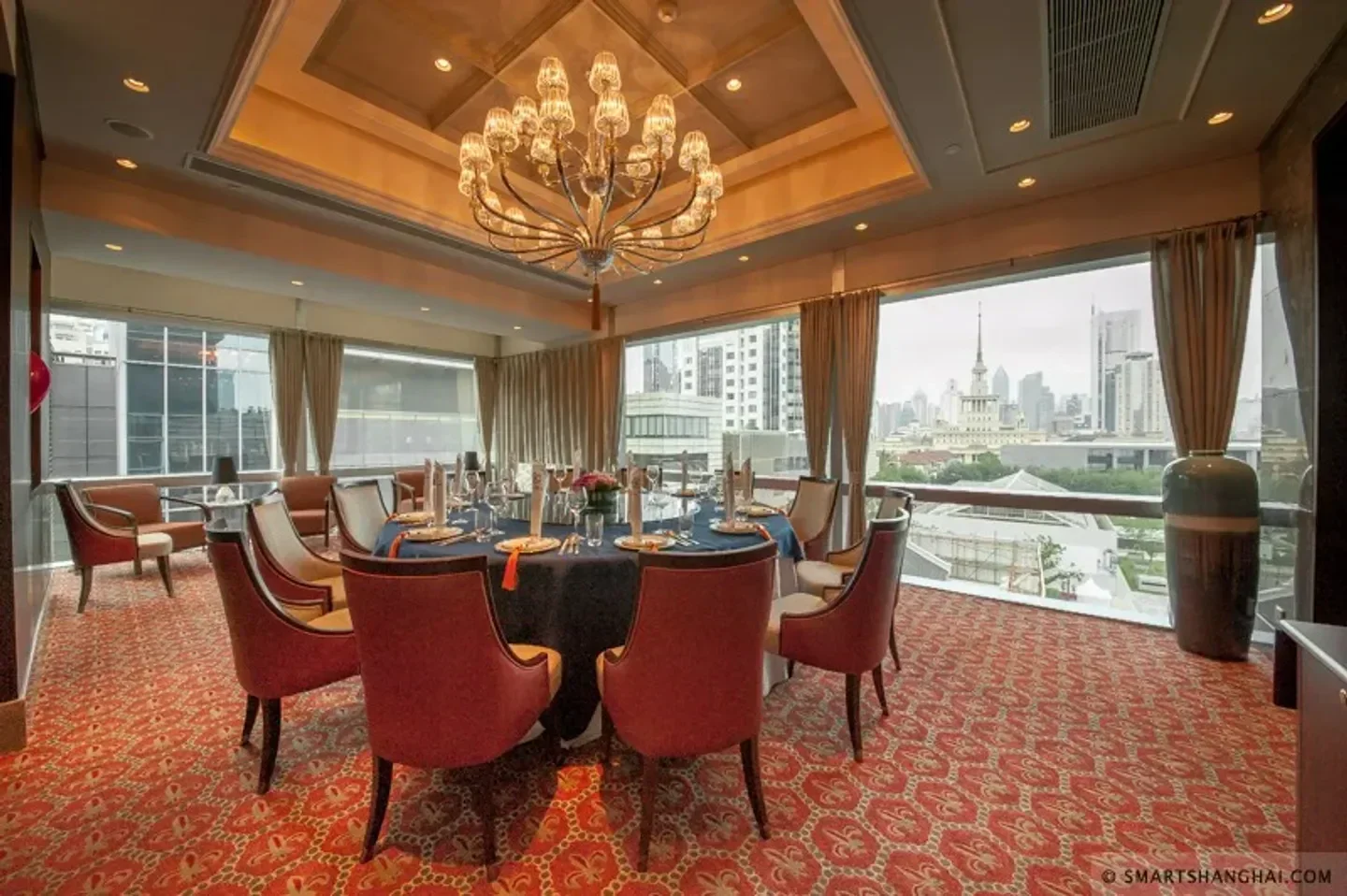
Photos: Jade Garden
06.Jade Garden
What is it? Jade Garden is a Michelin-starred restaurant located at 1121 Yan'an Rd (M) in Jing'An. It sits an eight-minute walk from Jing’an Temple and caters to a high-end crowd with a focus on Chinese and Asian seafood preparations.
Why we love it: The kitchen balances the rigor required to maintain a Michelin star with the precision of a high-end seafood house. It remains a destination for those seeking reliable luxury in a city that often favors the experimental over the refined, as evidenced by its 4.67 rating.
Good to Know: The formal, smart and elegant dress code at Jade Garden is strictly enforced, so leave the sneakers at the hotel before heading over from the nearby Nanjing Road area.
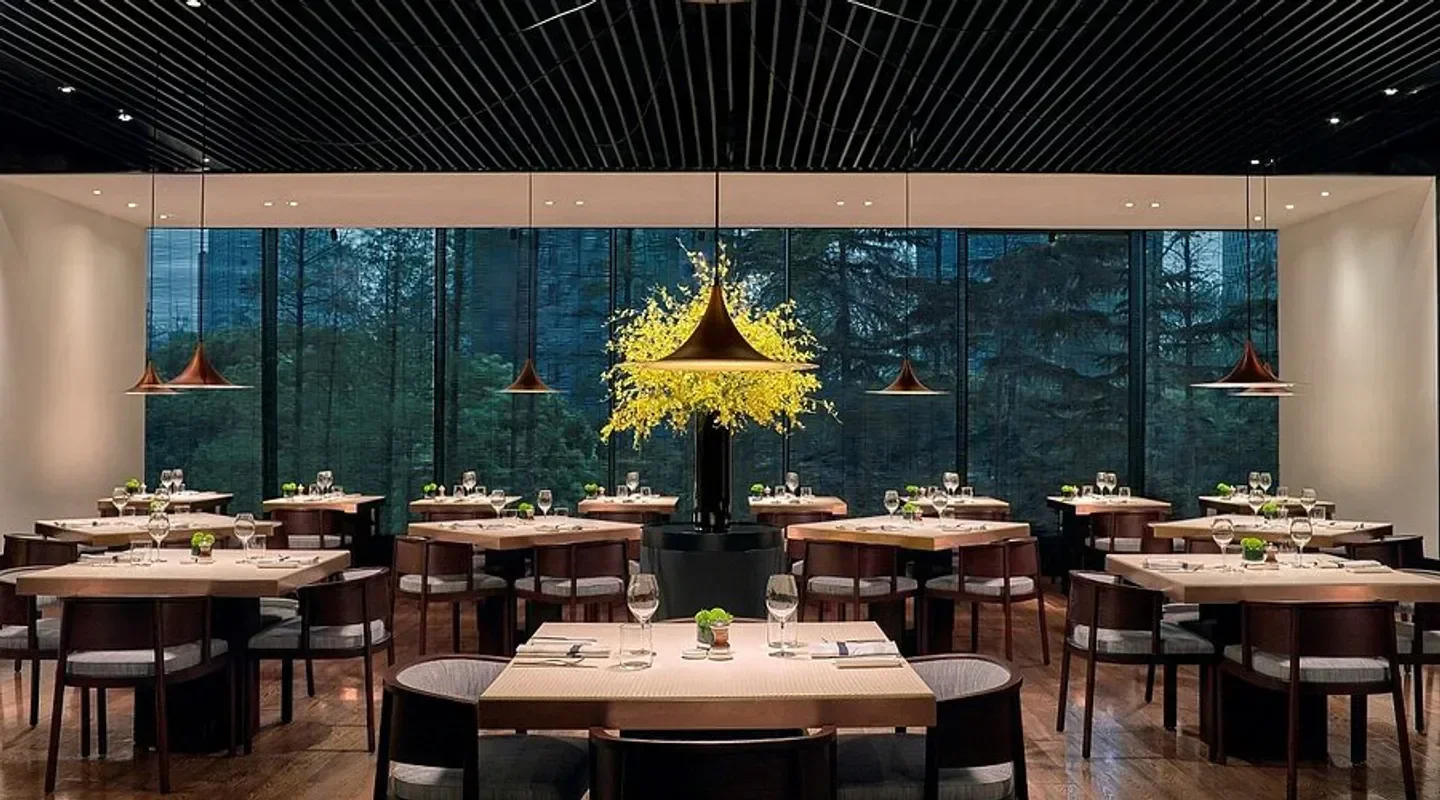
Photos: Phénix
07.Phénix
What is it? Phénix sits on Nanjing Rd (E) in the Huangpu district, a five-minute walk from the Bund and roughly 300 meters from the Nanjing Road Pedestrian Street. The restaurant holds a Michelin star.
Why we love it: It manages to pull off high-end French, Modern, and Fusion cooking within a luxury setting without feeling like a museum piece. The space feels intentionally beautiful, providing a rare sense of quiet for an address just minutes away from the city's most congested tourist thoroughfares.
Good to Know: Given the strict smart and elegant dress code, Phénix is best reserved for formal dinners where you intend to linger over the views.