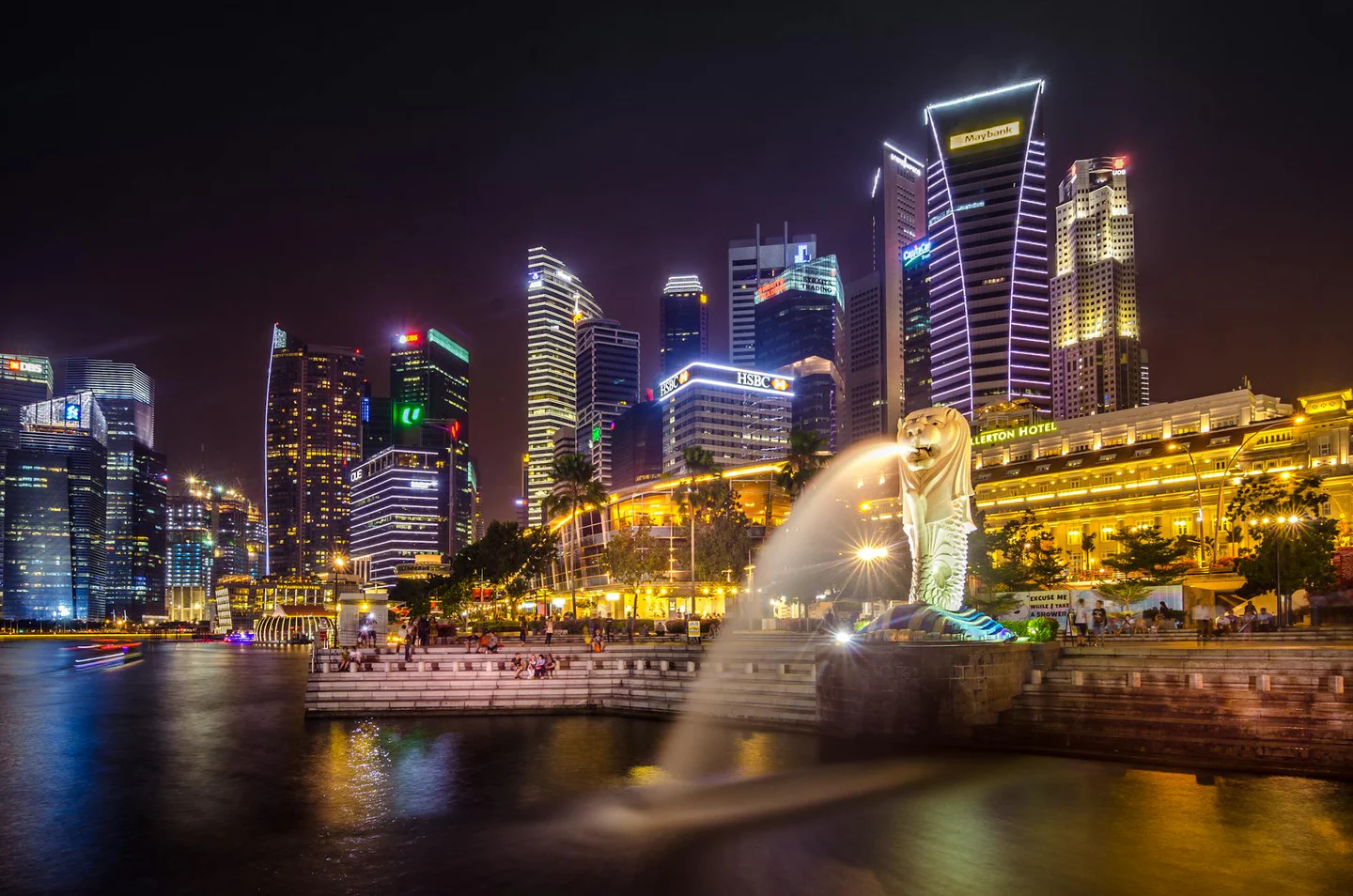
Singapore isn’t just a place where people eat; it’s a city where they strategize. The real challenge isn't finding a good meal. It's securing a seat before the booking window slams shut at midnight. In a city where a three-month waitlist functions as a status symbol, the dining scene moves with the precision of a high-frequency trading floor. You don’t "drop by" for omakase here. You plan your flights around it.
Japanese masters are currently redefining the city’s high-end landscape. At Hashida, Kenji Hashida treats sushi like performance art. Sushi Sakuta offers a monastic focus in the Capitol Building, while Hamamoto channels the quiet intensity of Kyoto. These counters typically seat fewer than ten guests. Even if you've mastered the SevenRooms midnight dash, the local hierarchy still rewards those who know which chef just arrived from Tokyo.
These are the counters currently dictating the pace of the city. Start with these four.

© Photo Credits: Sushi Sakuta
02.Sushi Sakuta
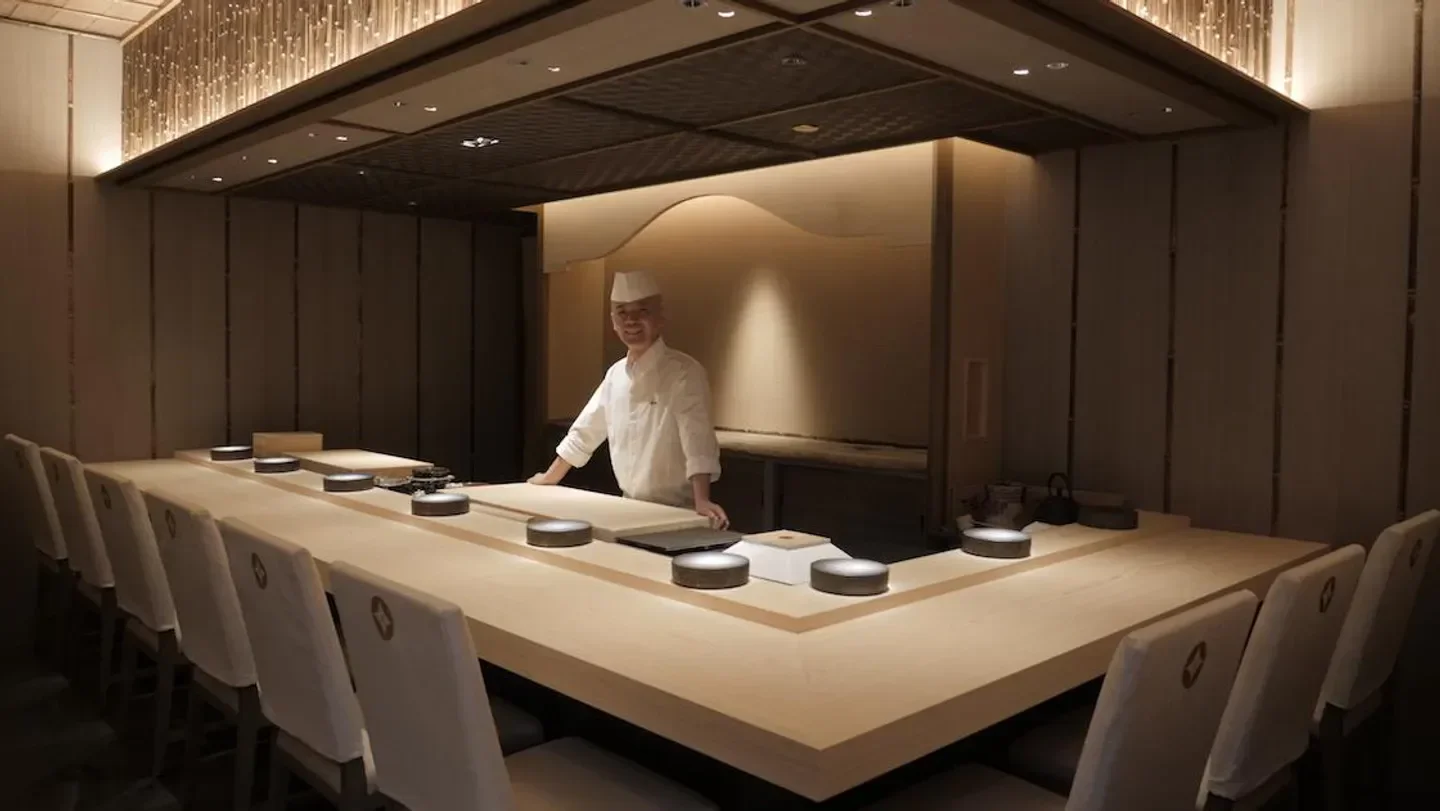
What is it? Sushi Sakuta anchors itself in Singapore as a destination for disciplined, high-level dining. The room feels intimate and intentional, drawing your eyes immediately to the chef’s workspace where every movement serves a purpose.
Why we love it: The energy here stays hushed and focused. You sit close to the action, watching knife blades glide through seasonal fish with surgical precision. It’s the kind of place where the outside world disappears the moment the first course hits the counter.
Good to Know: The omakase at Sushi Sakuta follows a strict seasonal rhythm, meaning the menu shifts entirely based on the specific market catch that arrives from Japan each morning.

© Photo Credits: Hamamoto
03.Hamamoto
What is it? Hamamoto operates as a focused restaurant in the heart of Singapore. The space feels personal and deliberate. It strips away the excess to highlight the immediate connection between the kitchen and the guest.
Why we love it: The service moves with a quiet, practiced grace. Every course arrives with a brief explanation of its origin, delivered with a rhythm that feels both urgent and calm. You leave feeling like you have witnessed a highly choreographed performance.
Good to Know: The seasonal nigiri at Hamamoto relies on daily market hauls from Japan, so the menu shifts constantly to reflect the best available ingredients.

© Photo Credits: Sushi Masaaki
04.Sushi Masaaki
What is it? Sushi Masaaki brings a focused, intentional energy to the Singapore dining scene. The restaurant functions as a quiet sanctuary, stripping away distractions to highlight the precision of the kitchen. You notice the calm immediately, which provides a sharp contrast to the city's usual pace.
Why we love it: The experience thrives on the interaction between the staff and the diner. Every movement behind the counter feels choreographed and deliberate. The atmosphere stays hushed, allowing the subtle details and temperatures of the food to command your full attention.
Good to Know: The omakase at Sushi Masaaki features ingredients flown in from Japan, so the menu shifts based on what is freshest at the market that morning.

© Photo Credits: Esora
05.Esora
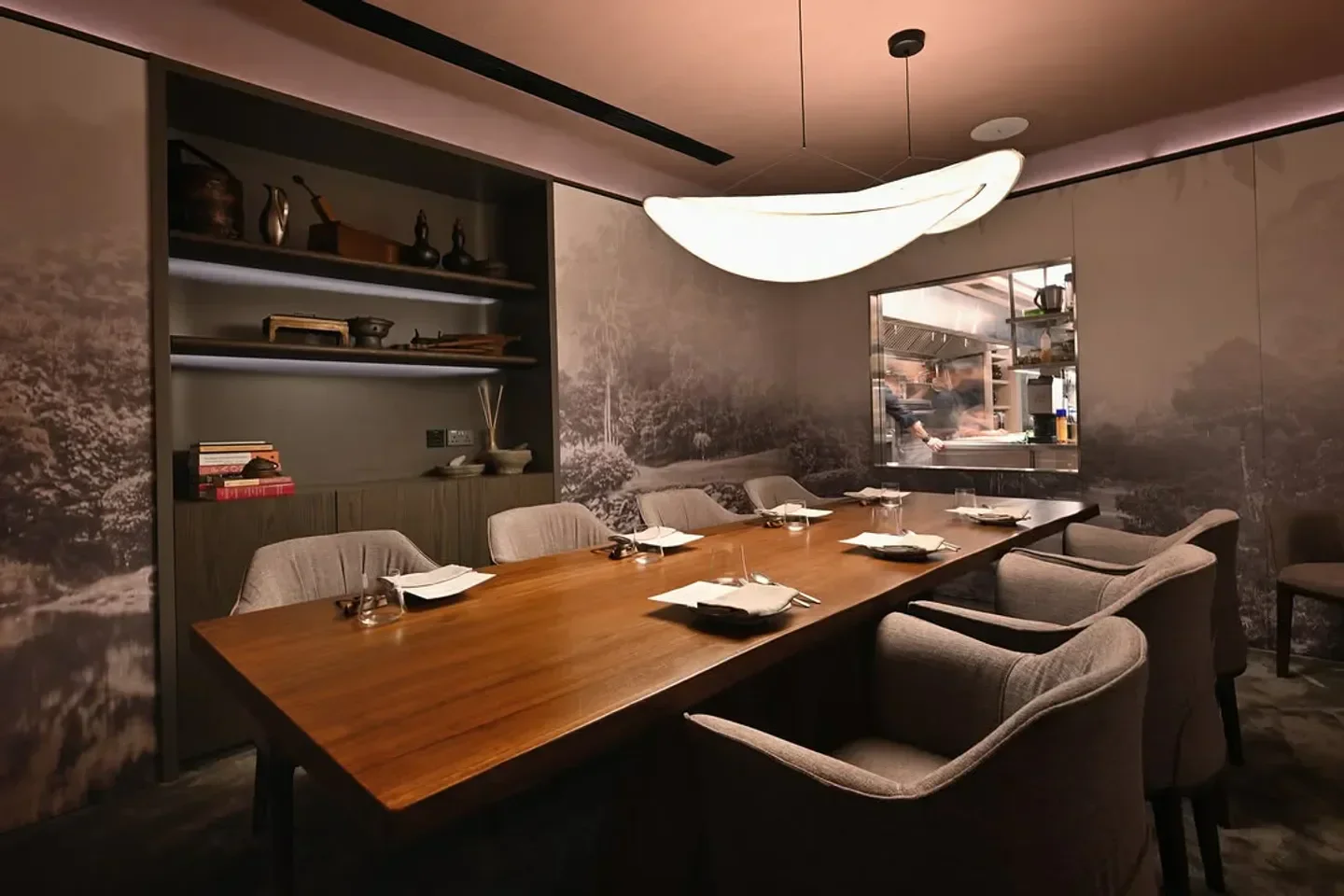
What is it? Esora occupies a serene pocket of Singapore where the kitchen takes center stage. The room hums with a quiet, focused energy as chefs prepare the day’s menu. It is a place built for observation and the slow appreciation of craft.
Why we love it: The staff anticipates your movements, refilling glasses and clearing plates with silent efficiency. Each plate highlights the specific texture of its ingredients. The meal progresses at a clip that keeps you engaged but never feels rushed.
Good to Know: The tea pairing at Esora uses specific brewing temperatures to transform how you experience the flavor profile of each course.

© Photo Credits: Sushi Ichi
06.Sushi Ichi
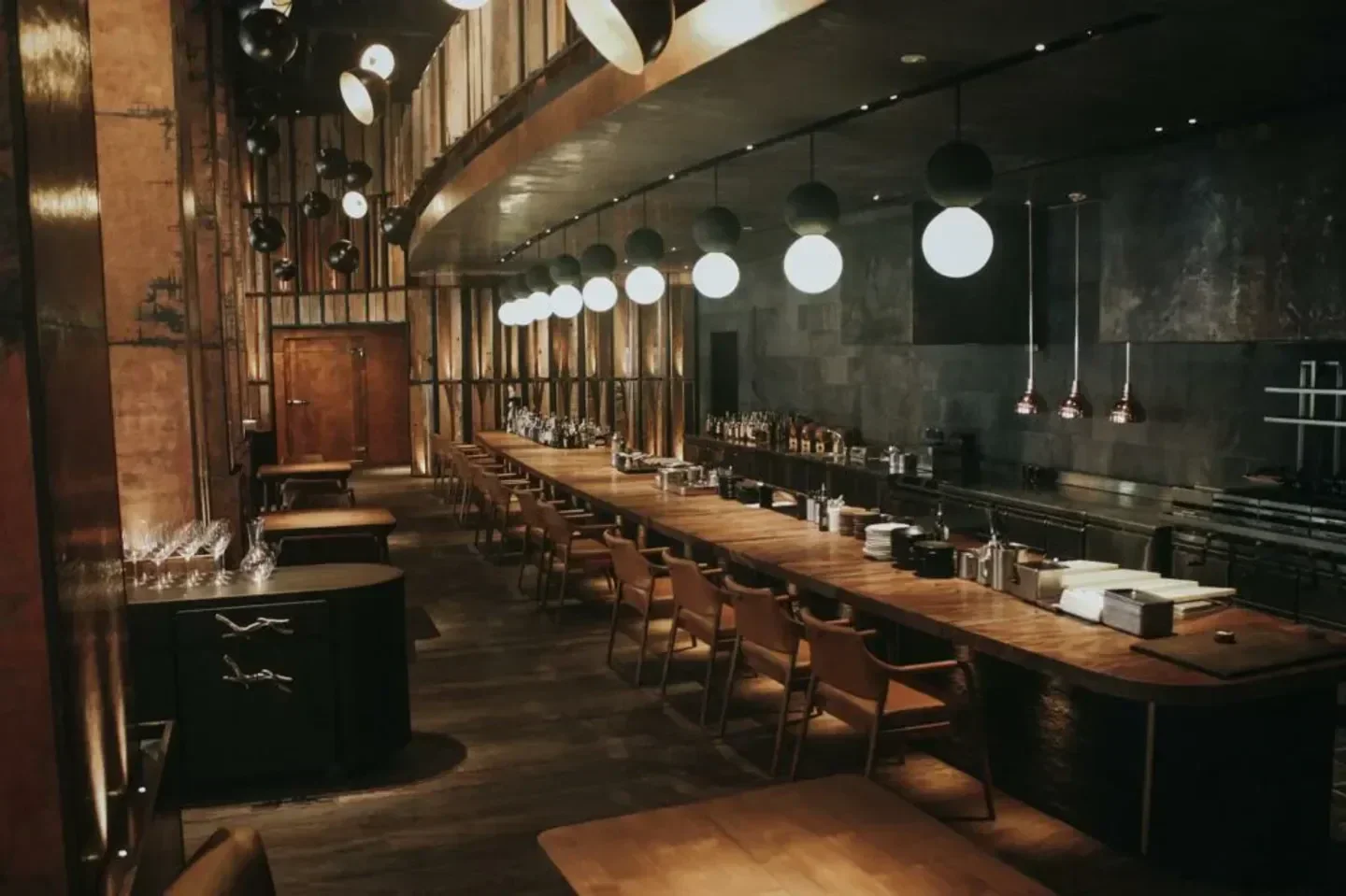
What is it? Sushi Ichi brings a focused, authentic Japanese dining experience to Singapore. The room feels hushed and intentional. You notice the heavy timber counter immediately, where chefs prepare for a high-end omakase service.
Why we love it: The meal centers on the interaction at the counter. You watch precise movements behind the bar as each course of the omakase arrives. It feels like a masterclass in fine dining, where the atmosphere stays quiet enough to hear the slice of a blade.
Good to Know: The Michelin-starred omakase at Sushi Ichi demands your full attention, so sit at the counter and watch the chefs work their craft in real time.

© Photo Credits: Shinji (Bras Basah Road)
07.Shinji (Bras Basah Road)
What is it? Shinji (Bras Basah Road) brings a masterclass in disciplined dining to the heart of Singapore. The room feels purposeful and stripped of all unnecessary noise. You notice the sharp focus of the space the moment you cross the threshold.
Why we love it: The atmosphere thrives on a sense of theater and clinical precision. Chefs move with a rhythmic grace that keeps your eyes fixed on the preparation. It is the kind of place where the silence between courses carries as much weight as the service itself.
Good to Know: The omakase at Shinji (Bras Basah Road) follows a strict, measured sequence that rewards guests who settle in for the full duration.

© Photo Credits: Oshino
08.Oshino
What is it? Oshino brings a disciplined, focused energy to the Singapore dining landscape. The restaurant functions as a quiet retreat where the environment demands your full attention. You’ll notice a sense of calm the moment you walk through the door.
Why we love it: The kitchen operates with a steady, rhythmic precision that dictates the flow of the entire evening. We love how the service prioritizes technical skill and a measured pace over flash or noise. It is an immersive experience that rewards those who enjoy watching a team move with absolute intent.
Good to Know: The meal at Oshino follows a very specific sequence, so clear your schedule to fully appreciate the kitchen's methodical timing.

© Photo Credits: Shoukouwa
09.Shoukouwa
What is it? Shoukouwa stands as a sanctuary of focus in the heart of Singapore. The room feels spare and intentional, designed around a central counter where every seat faces the chef. Silence dominates the air until the first course arrives.
Why we love it: The energy here comes from the direct interplay between the chef and the guest. No stage or barrier exists. You watch the knife edge and the placement of every garnish from inches away, witnessing a masterclass in Michelin-level execution.
Good to Know: The omakase at Shoukouwa relies on ingredients flown in daily, so the menu often shifts based on the morning's best catch.

© Photo Credits: Wakuda
10.Wakuda
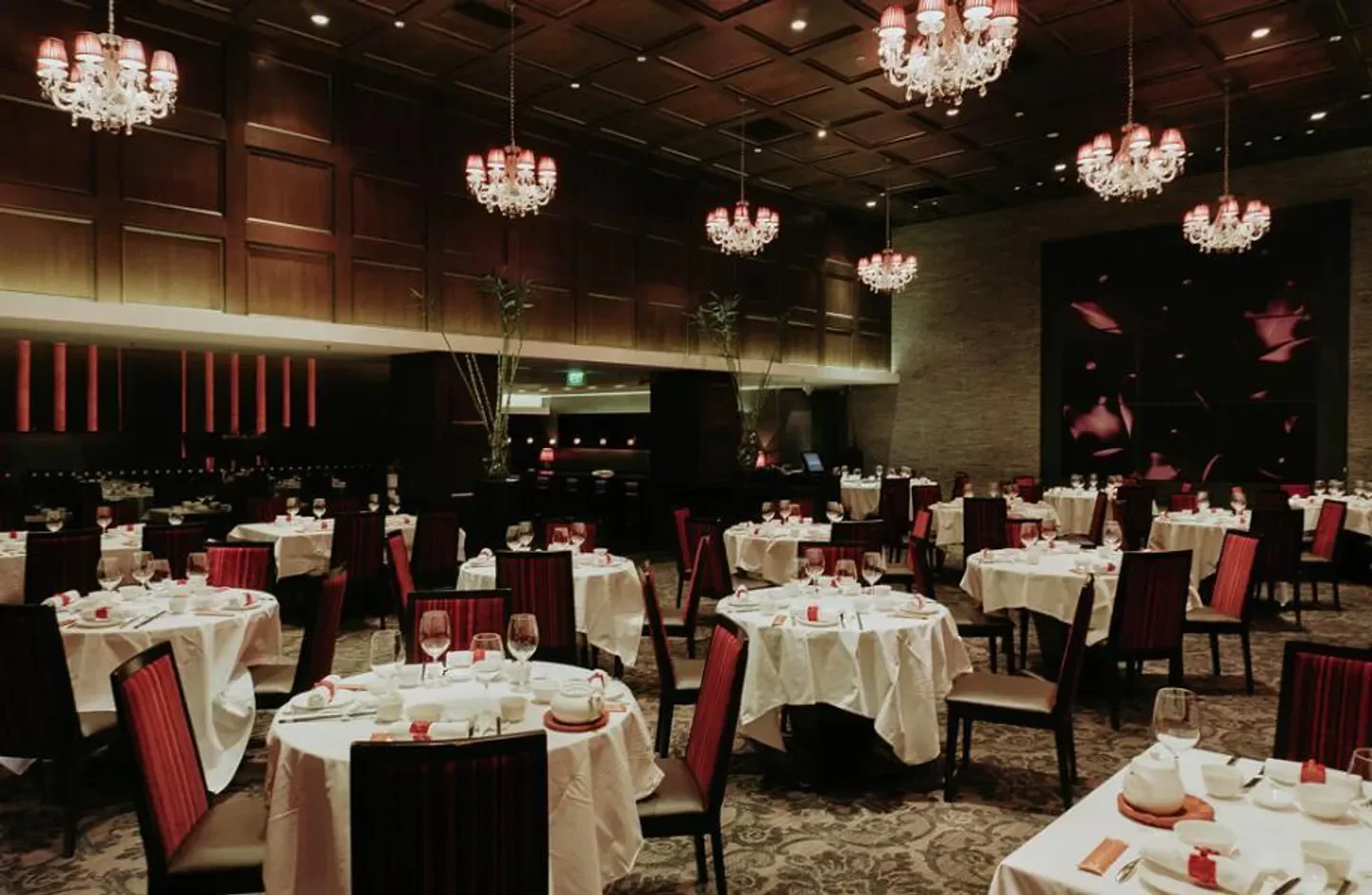
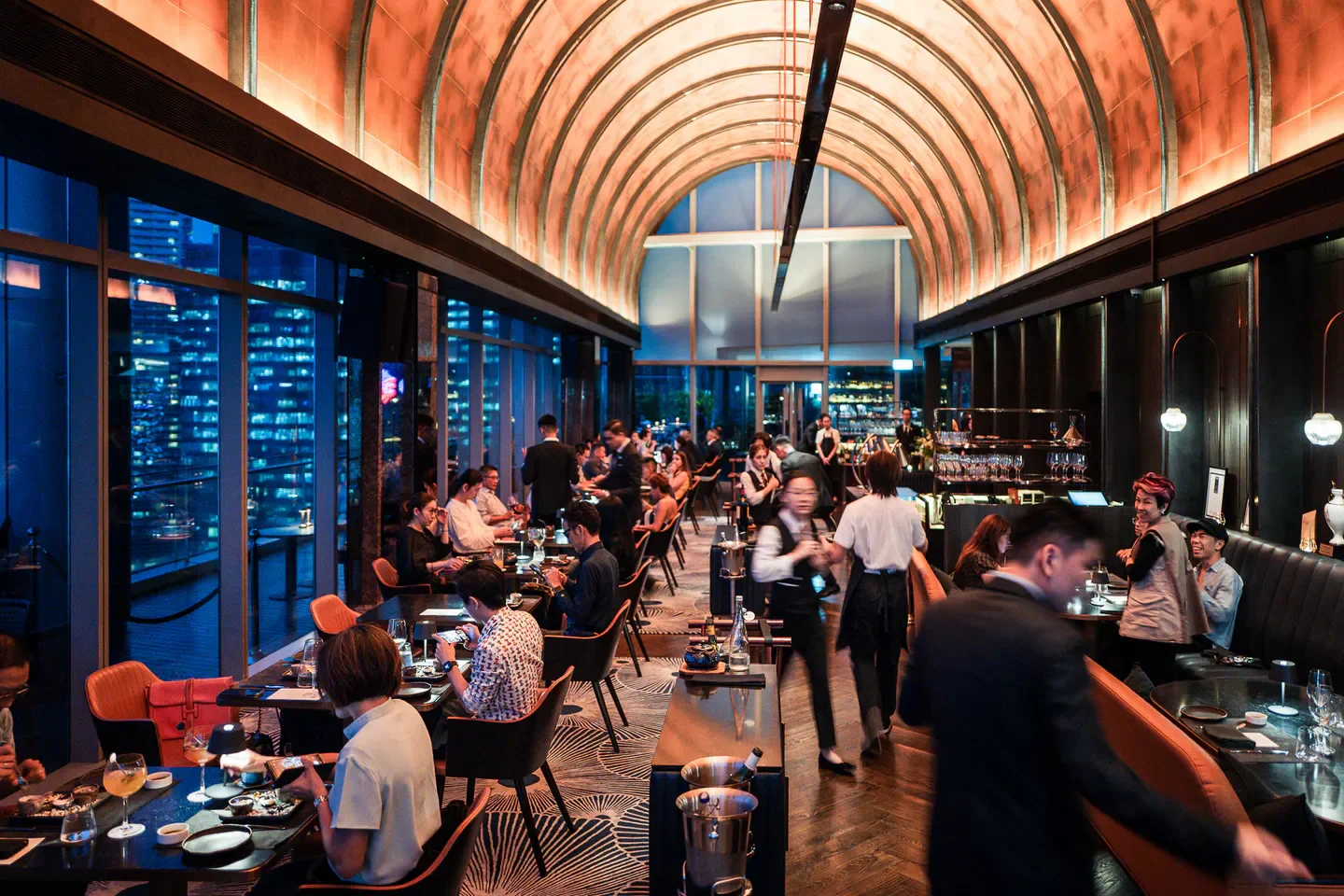
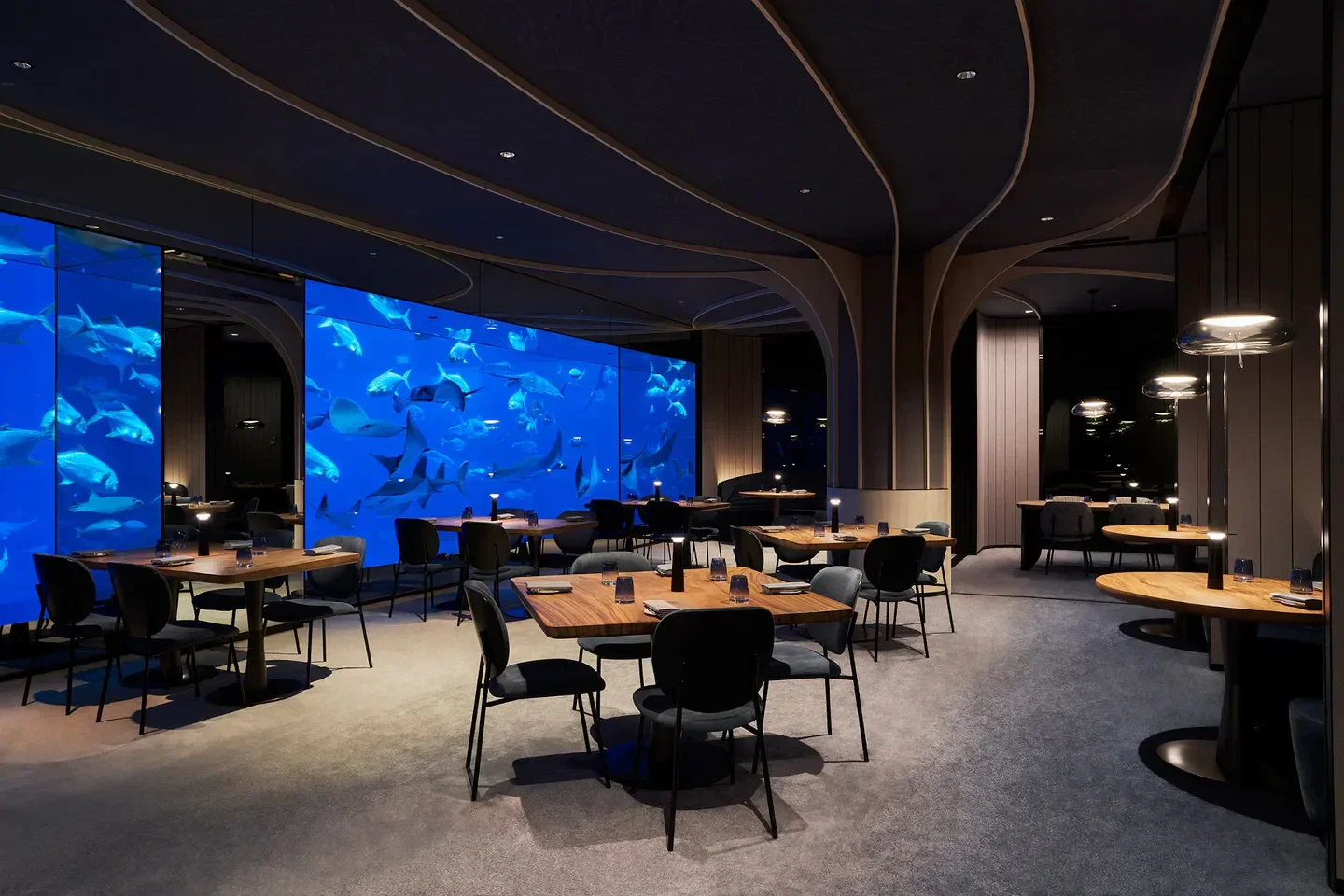
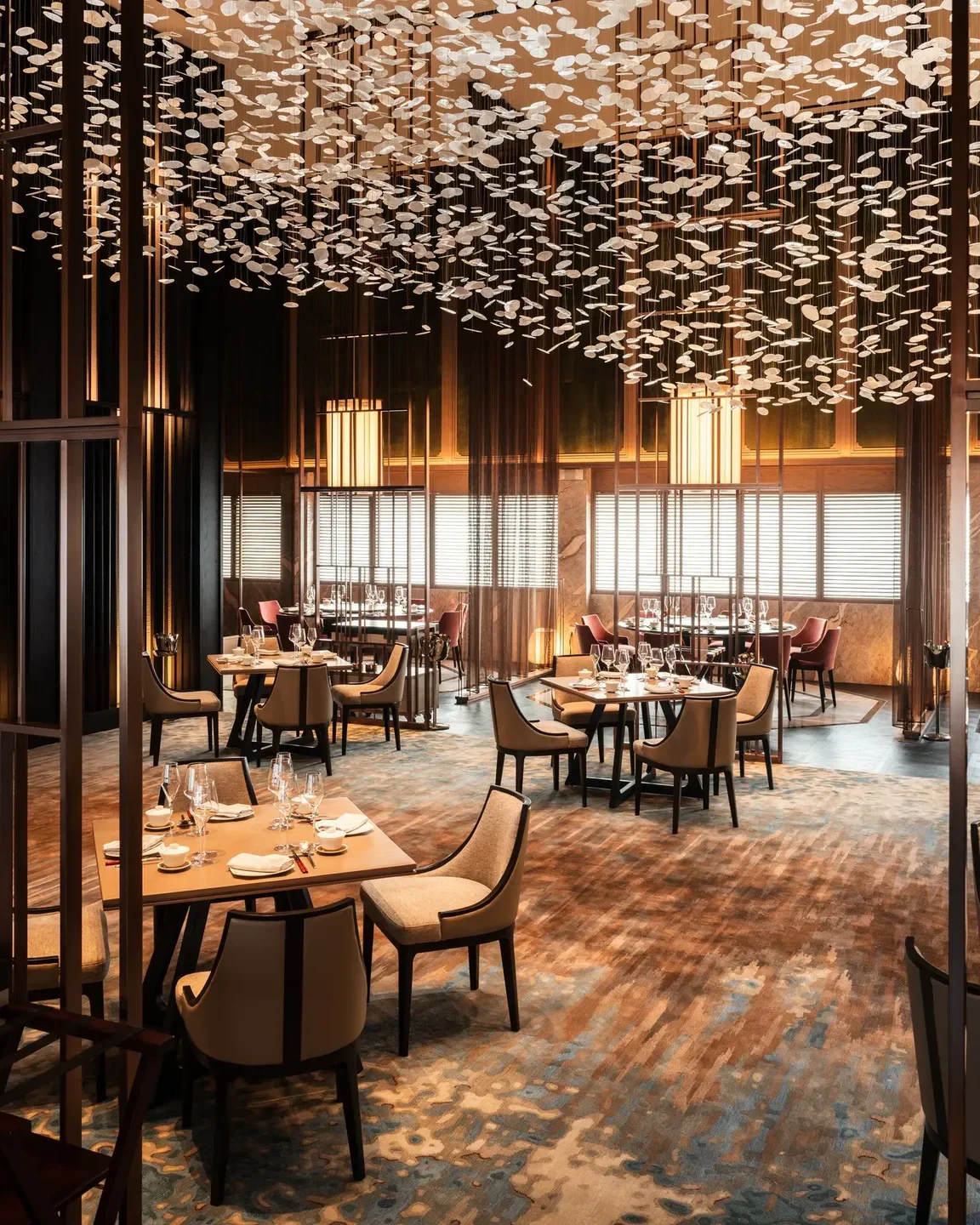
What is it? Wakuda centers itself in Singapore with a sharp, undeniable energy. This restaurant makes an immediate impression through its scale and the focused movement of its staff. You enter a room that feels calibrated for the city’s most discerning diners.
Why we love it: The service creates a seamless flow that allows the atmosphere to take center stage. Conversations hum at a perfect frequency against the backdrop of a high-functioning kitchen. It captures a specific sense of place where every detail feels deliberate and every guest feels seen.
Good to Know: The seating arrangements at Wakuda cater well to both intimate pairs and larger groups, making it a versatile anchor for a long evening out in Singapore.