Singapore Luxury Concierge Services
Plan Your Experience
The Singapore Edit
View all
Restaurant
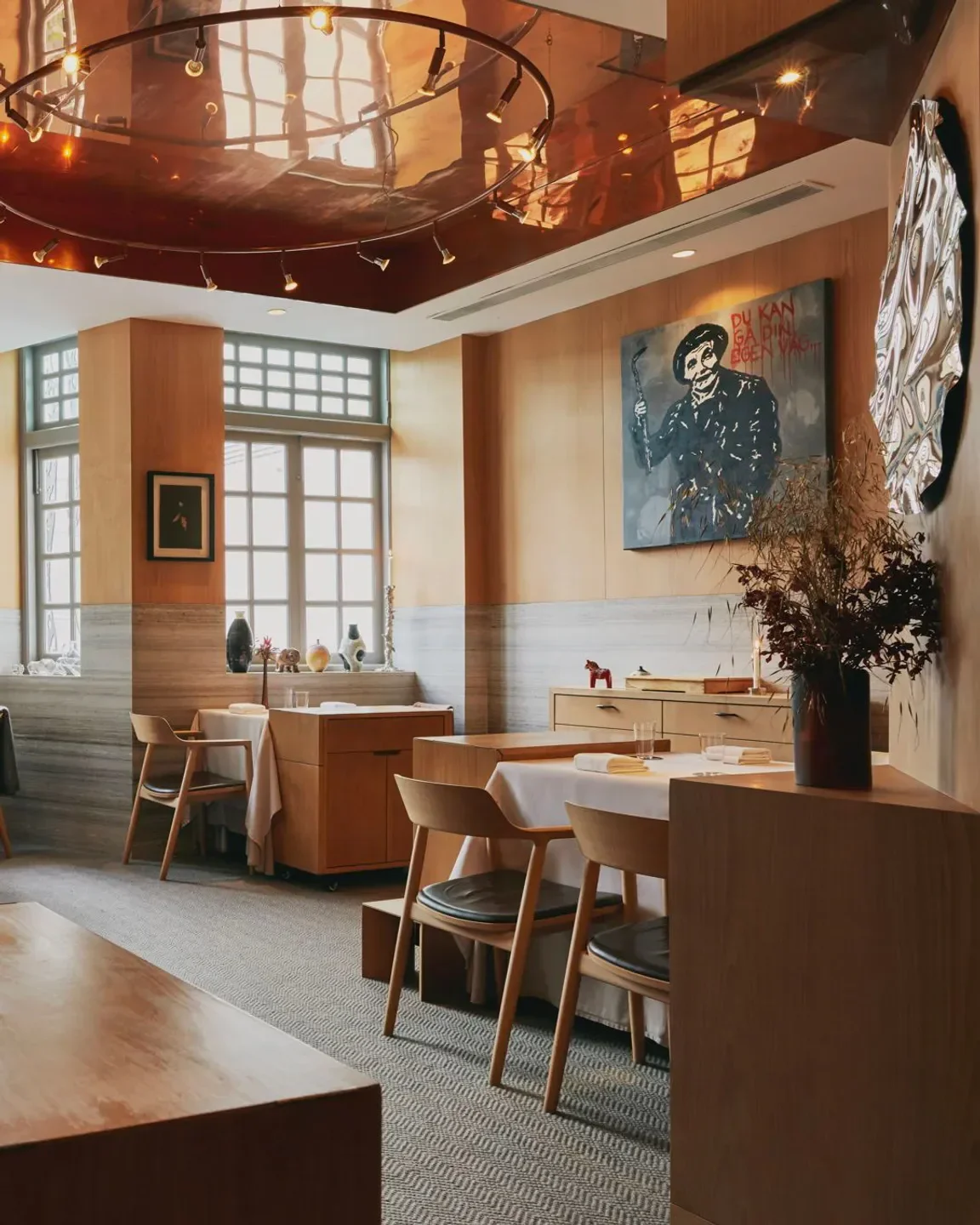
The TOP 10 Restaurant Open on Saturday in Singapore
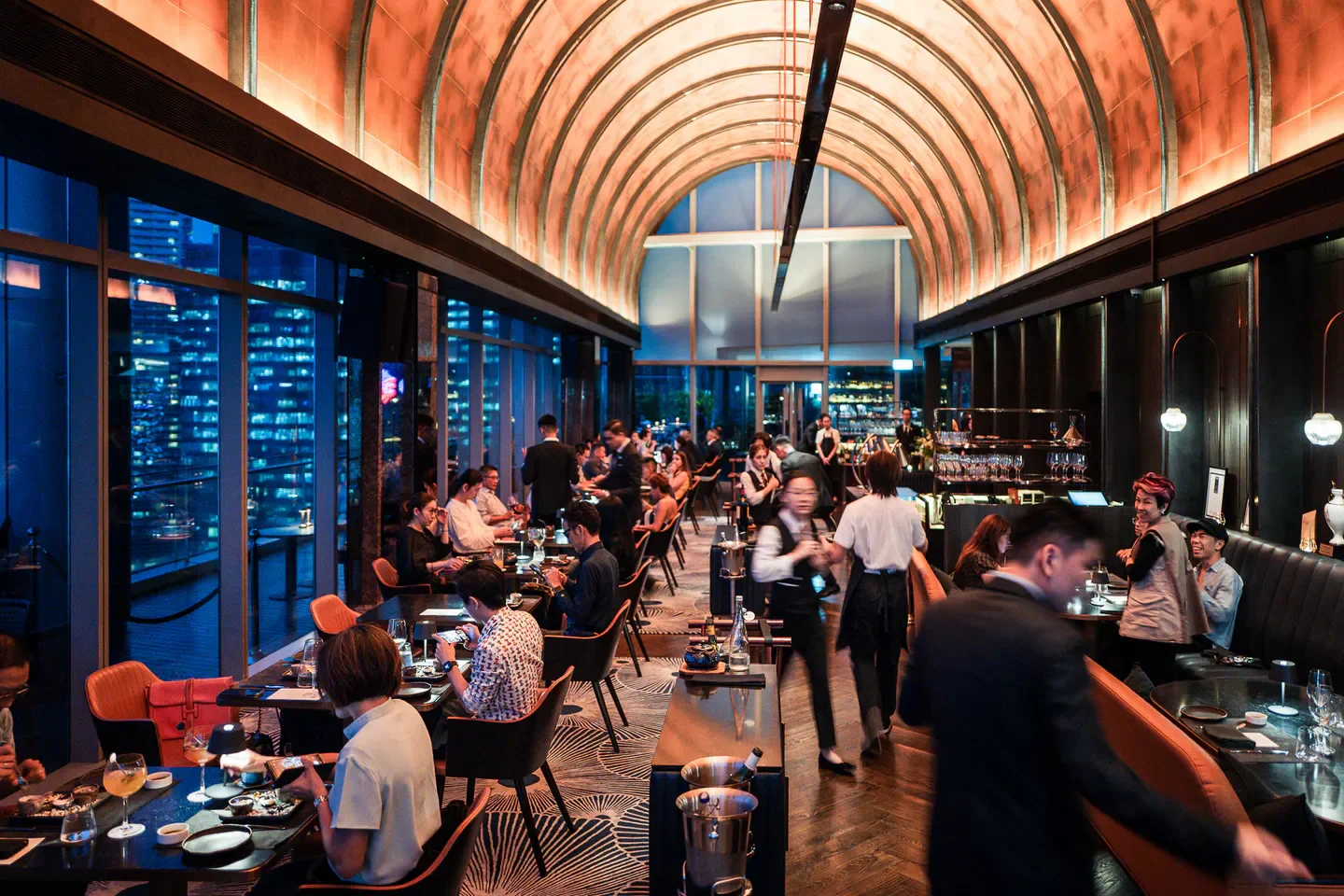
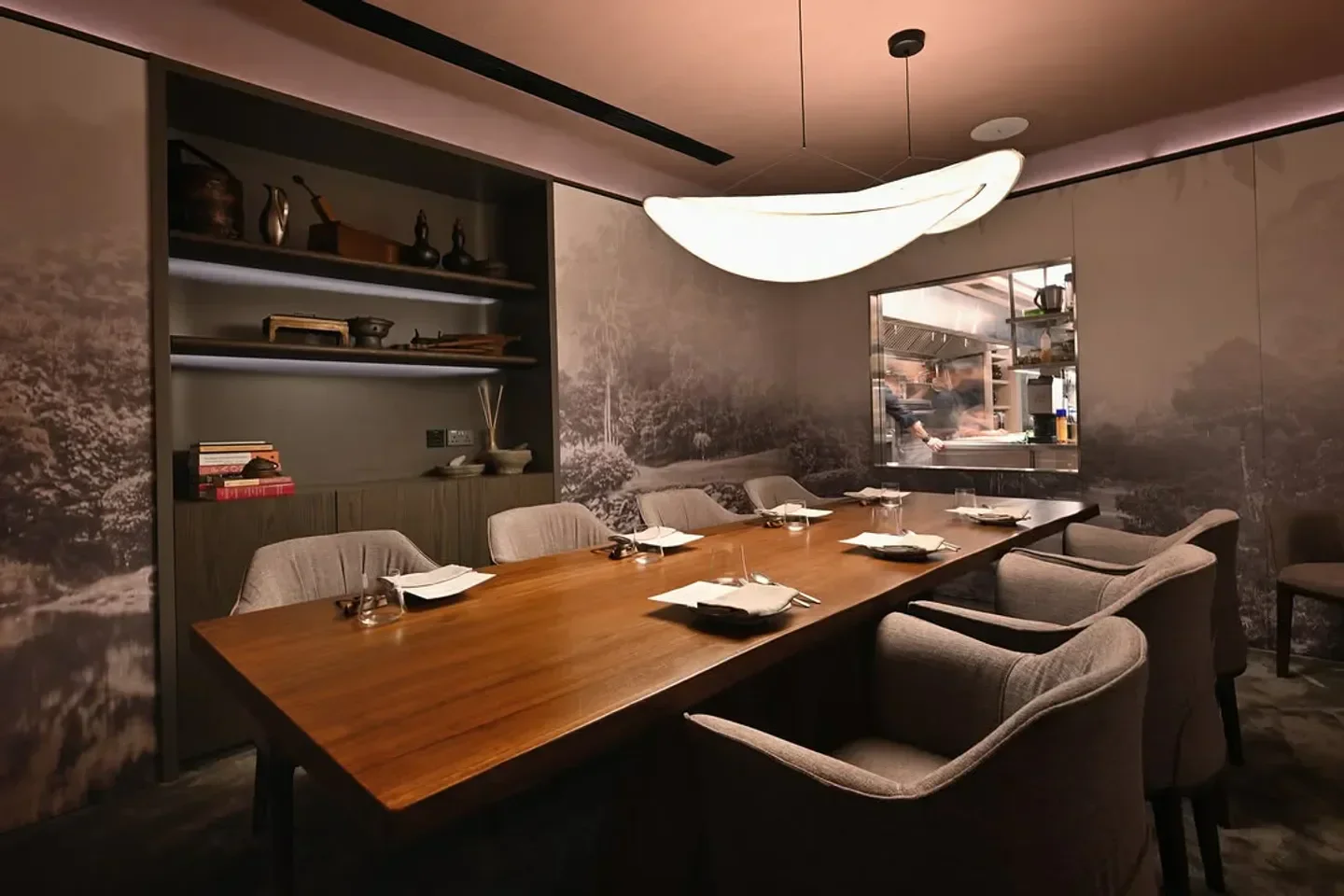
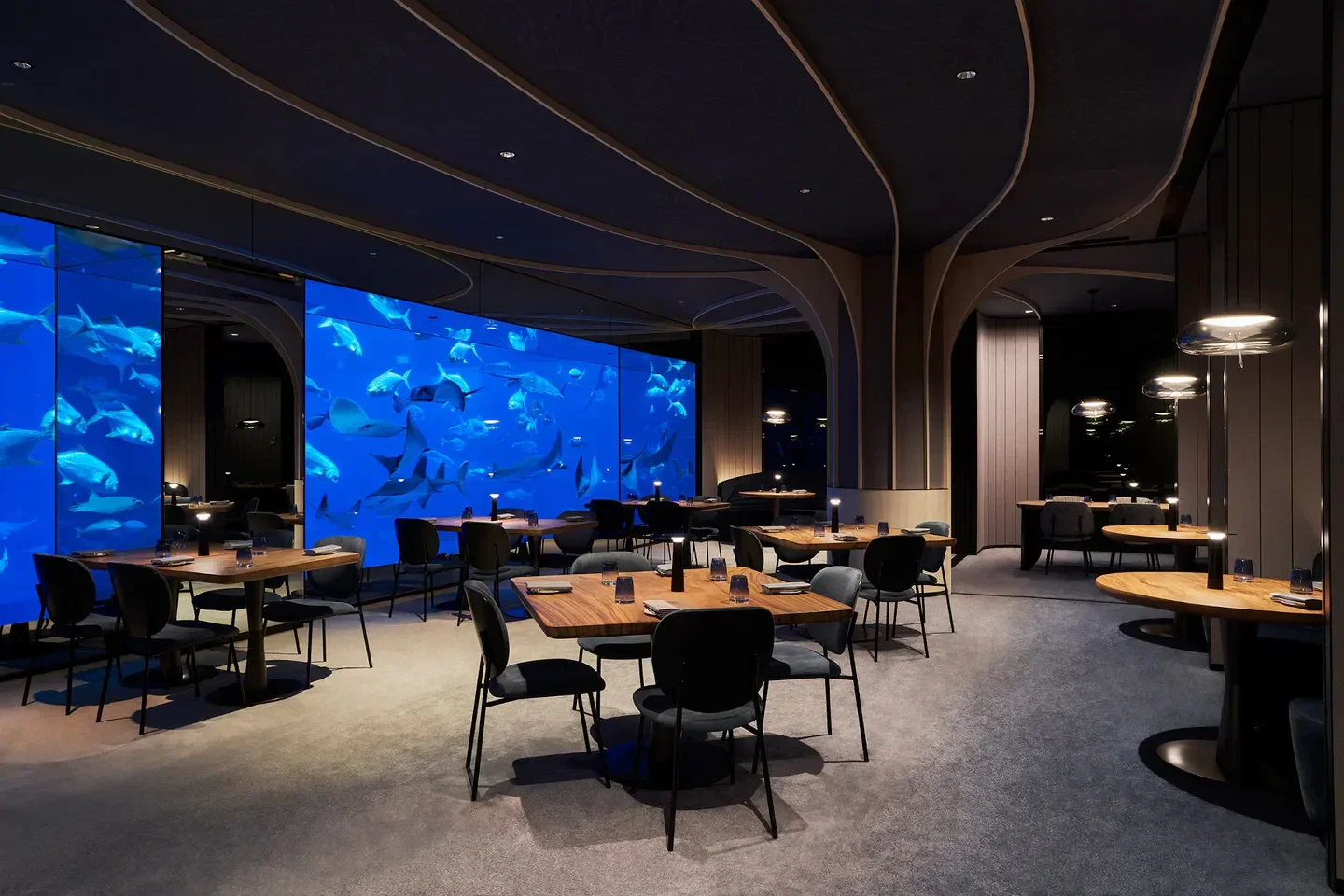
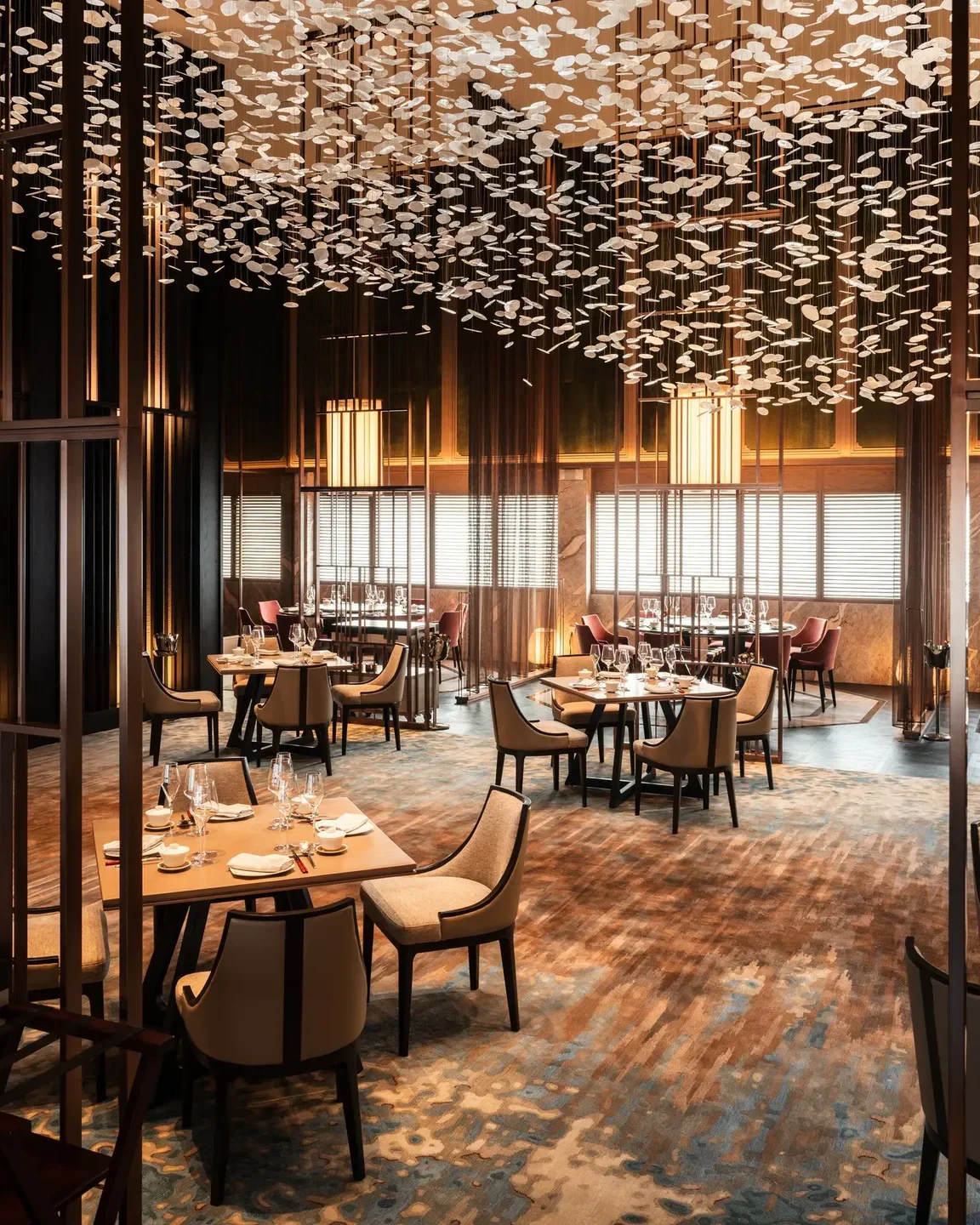
Discover Singapore's culinary elite with our curated list of the top 10, where innovative flavors and breathtaking ambiances promise an unforgettable gastronomic journey. Embark on a journey of exquisite tastes and refined dining experiences.
Restaurant
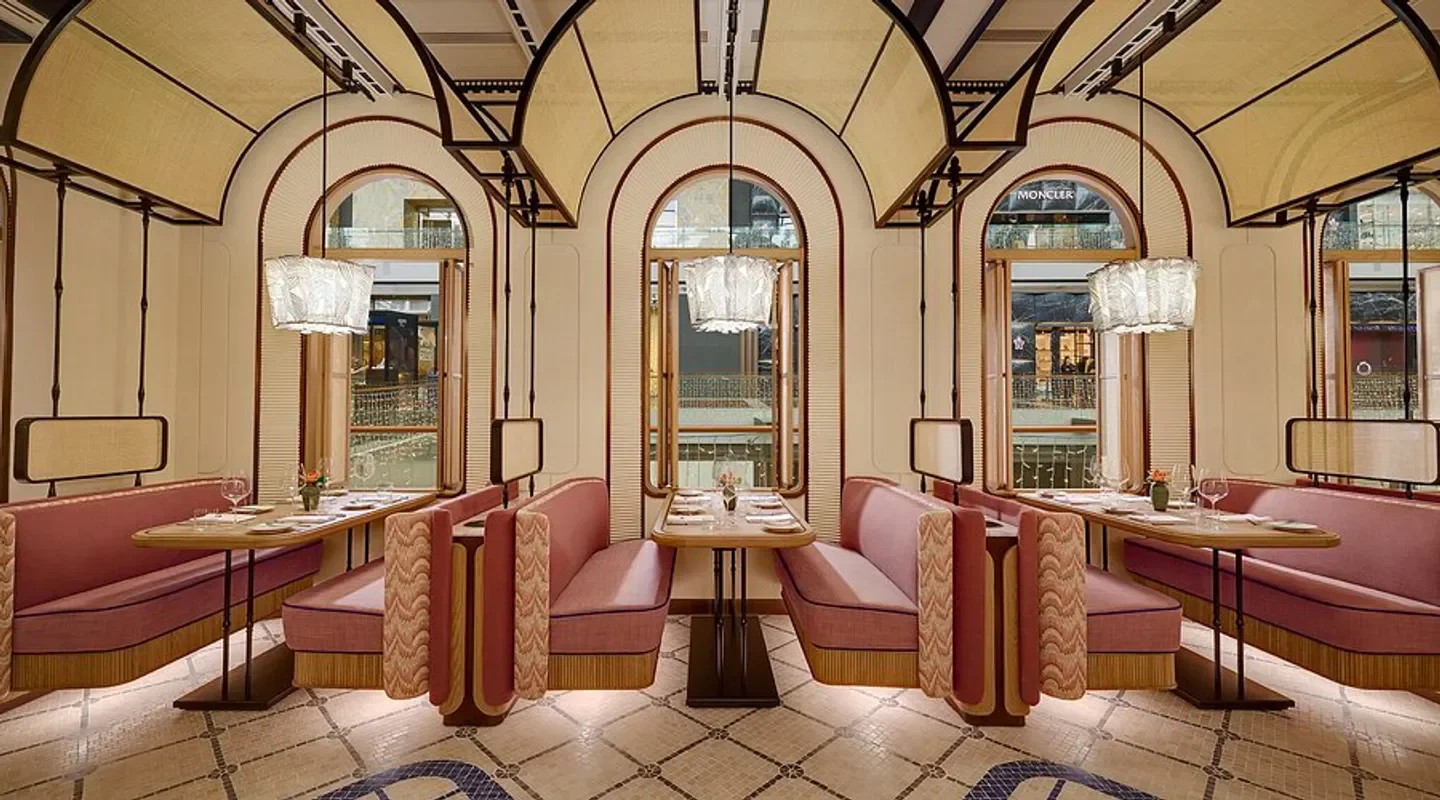
The TOP 10 Restaurant Open on Friday in Singapore
Uncover Singapore's most exquisite culinary destinations. This guide unveils the top 10 restaurants for unforgettable flavors and unparalleled dining experiences.
Restaurant
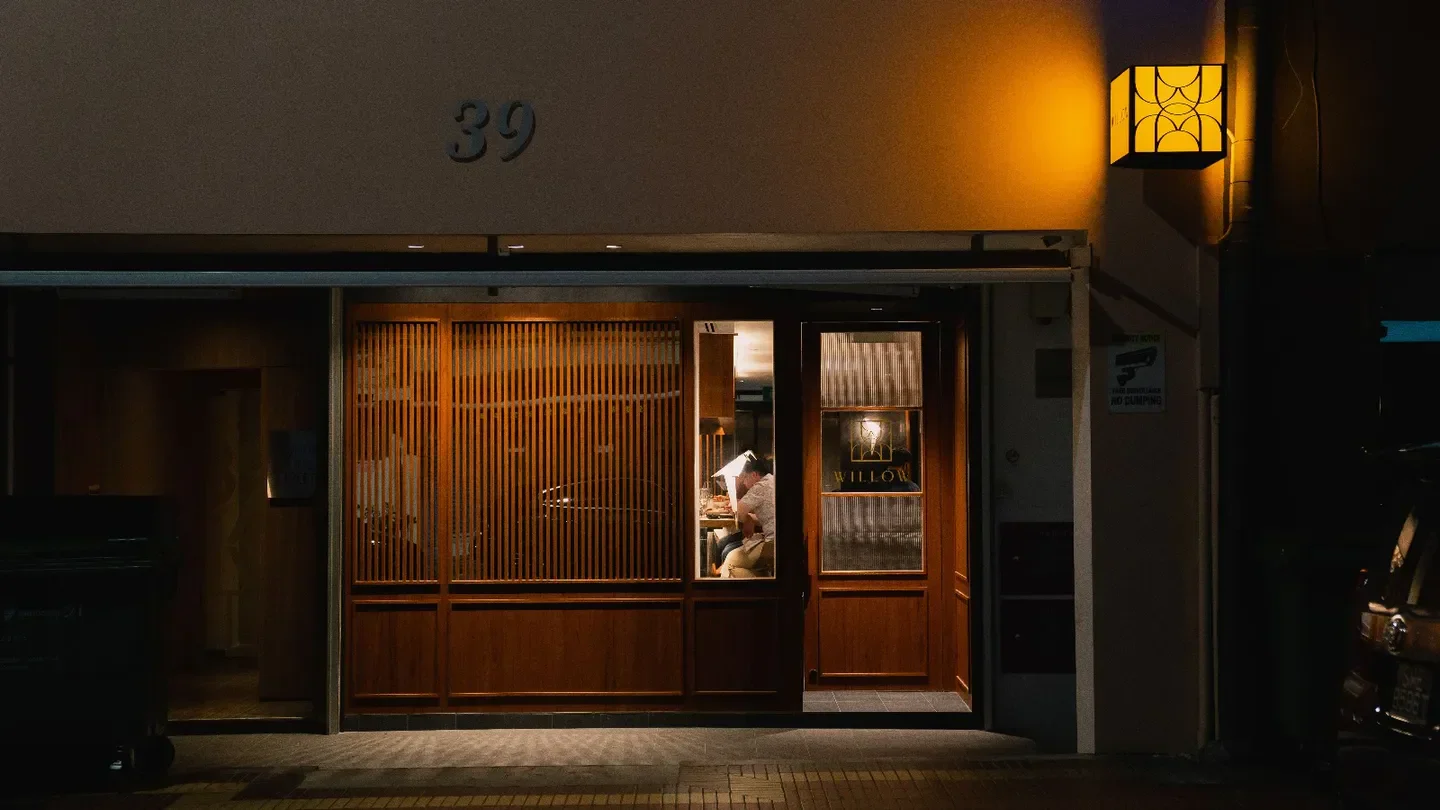
The TOP 10 Restaurant Open on Thursday in Singapore
Embark on a culinary adventure through Singapore's vibrant dining scene and discover the ten exquisite establishments that define gastronomic excellence. Savor unforgettable flavors and experience the city's most celebrated tastes.
Restaurant
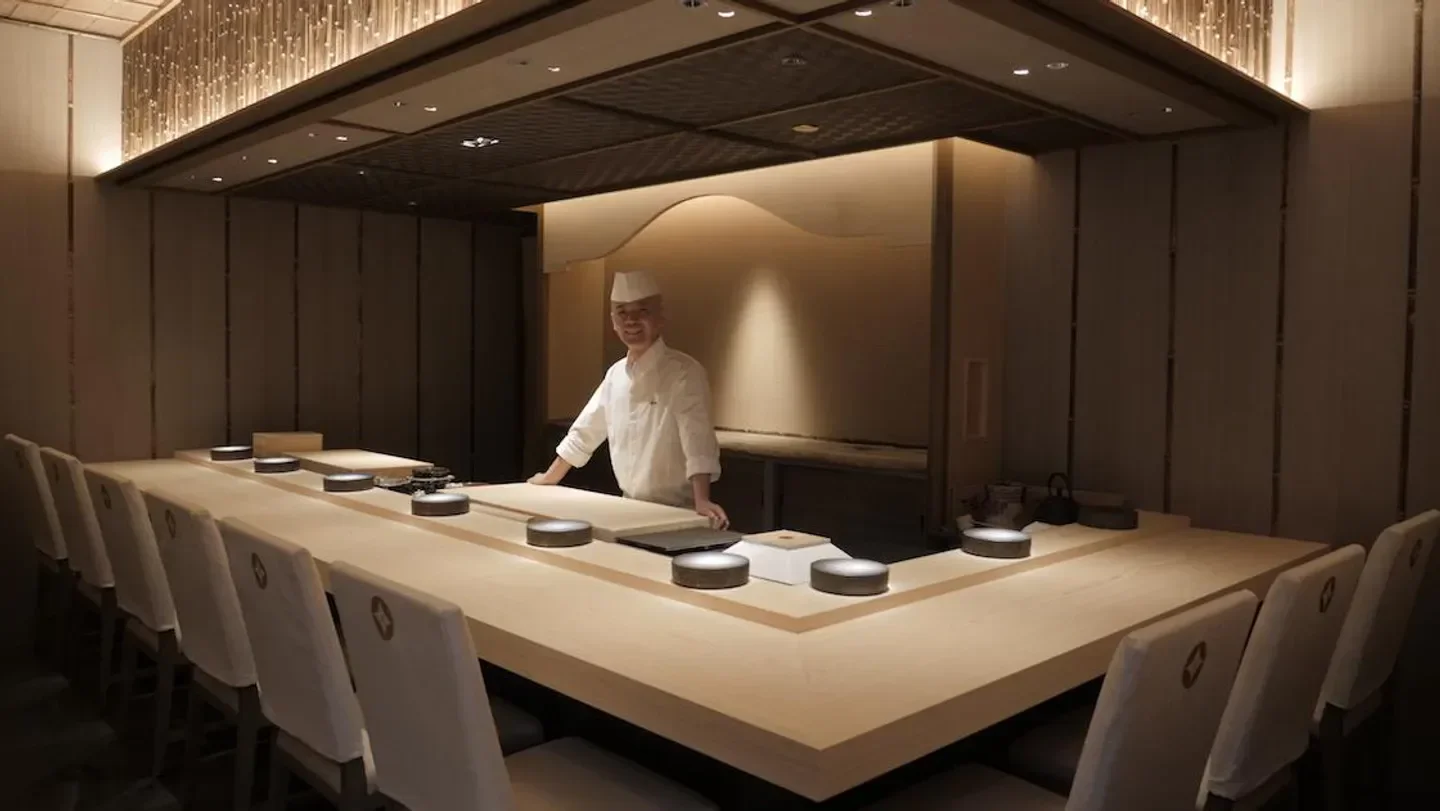
The TOP 10 Restaurant Open on Tuesday in Singapore
Uncover Singapore's culinary stars, from Michelin-starred marvels to hidden hawker gems. This guide reveals the essential dining experiences that define the Lion City's vibrant gastronomic scene.
Restaurant
The TOP 10 Restaurant Open on Wednesday in Singapore
Embark on a culinary odyssey through Singapore's vibrant dining scene. Discover ten exceptional eateries that promise unforgettable flavors and breathtaking experiences for every palate.
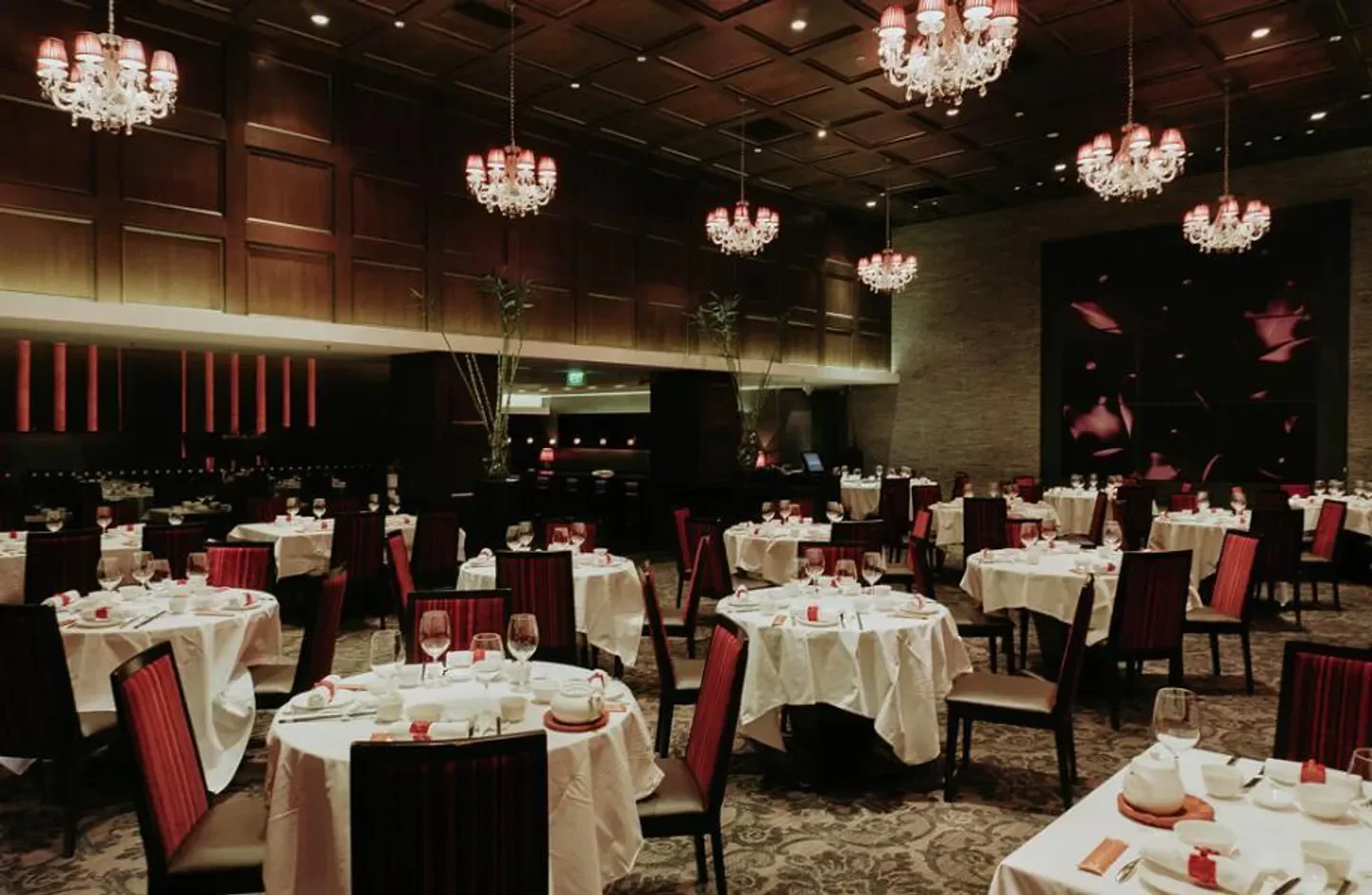
Restaurant
The TOP 10 Restaurant Open on Sunday in Singapore
Embark on a culinary journey through Singapore's vibrant dining scene and discover our curated list of the top 10 restaurants. Savor exquisite flavors and unforgettable experiences that will tantalize your taste buds.
The Experience
Singapore Unlocked
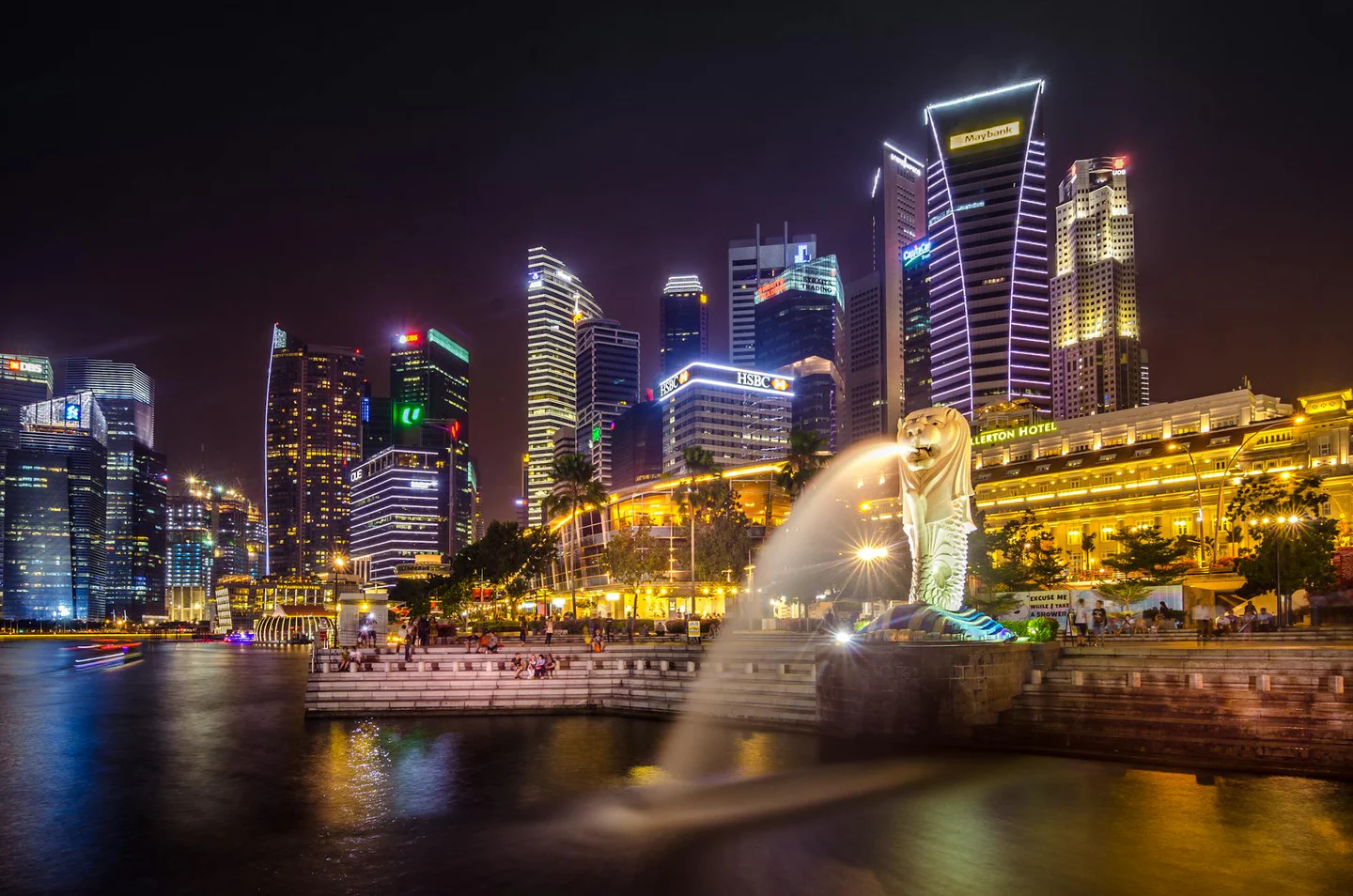
Singapore rewards the traveller who ignores the glossy postcards and embraces the humidity. The city moves in a constant rhythm of air-conditioned interiors and open-air hawker centres where dining is a communal act. Recent years have seen a departure from the sterile hotel-bound dining scene; the current momentum is in the conservation shophouses where chefs prioritize hyper-local sourcing and experimental menus over legacy labels.
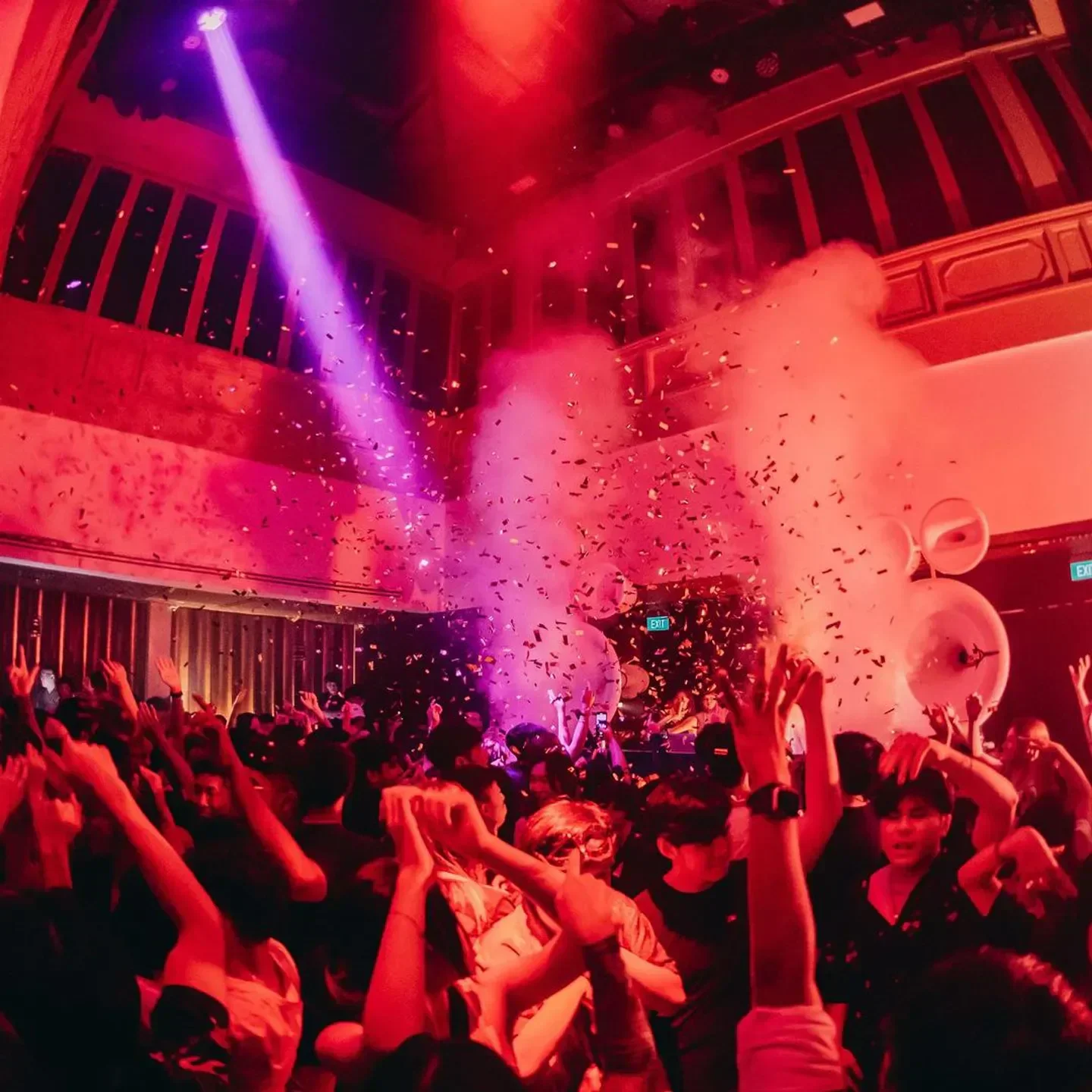
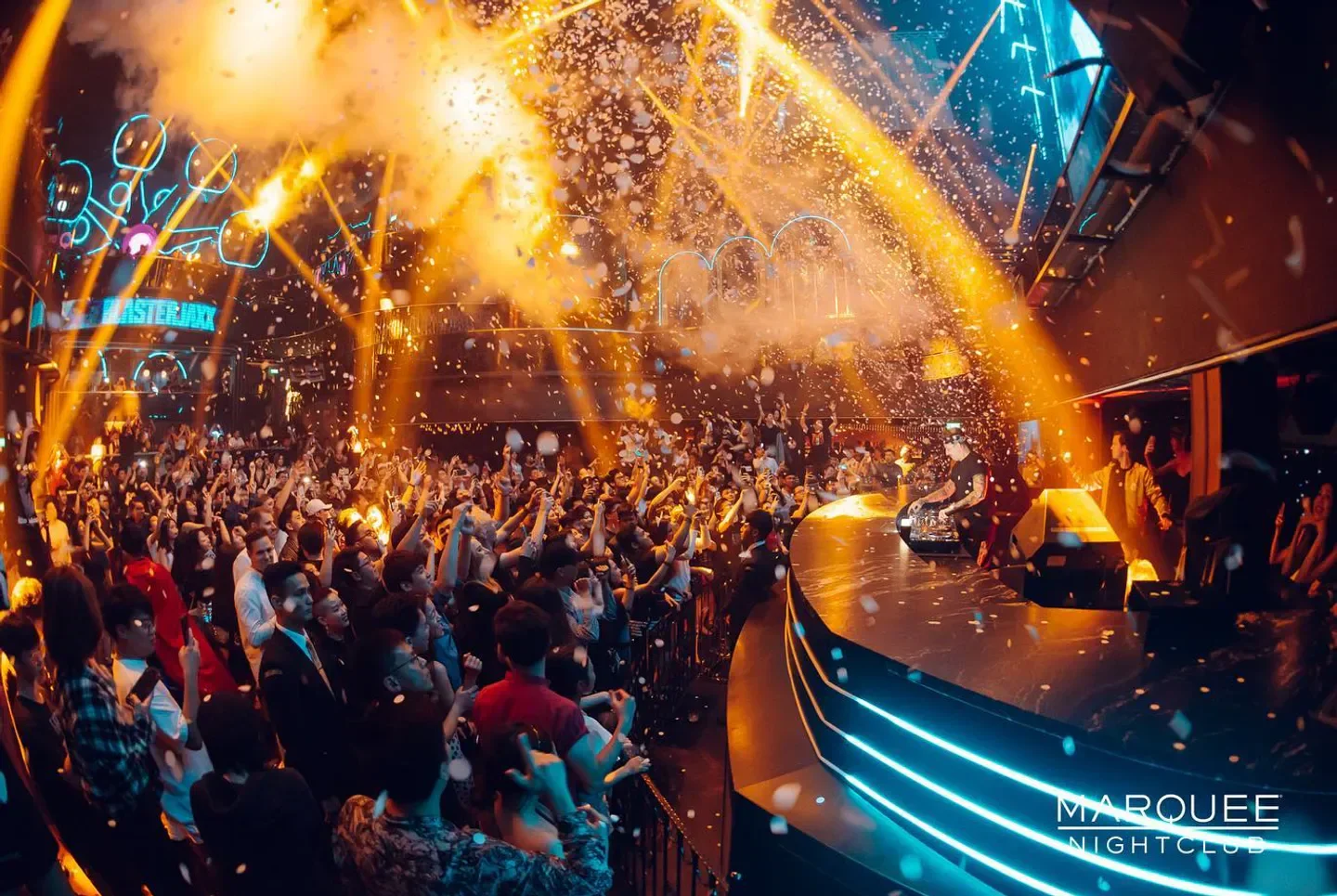
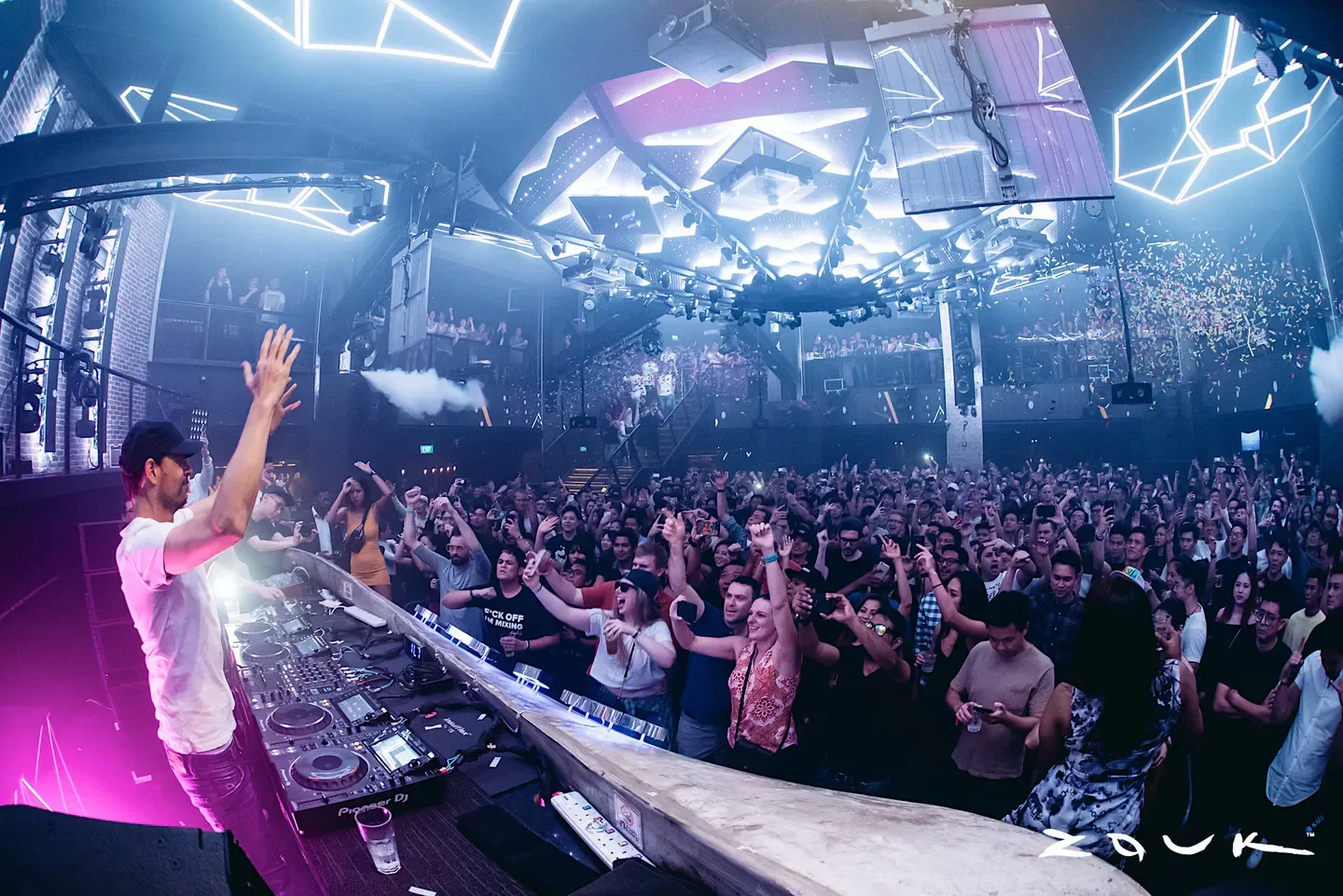
The dining scene thrives in the heritage corridors of Tanjong Pagar and the quiet residential pockets near Dempsey Hill. AIR, which earned the opening of the year award at La Liste, challenges the traditional farm-to-table narrative through circular waste management. For those seeking precision, Bistecca Tuscan Steakhouse remains a heavyweight, holding a spot as no. 37 on the world’s 101 best steak restaurants. Meanwhile, the nightlife is dominated by the sprawling, high-energy dance floors of Clarke Quay where Marquee pulls the biggest crowds for those who want their weekends to run until sunrise.
Plan your nights around the monsoon shifts; evenings are often punctuated by sharp rain, making late-night supper spots in the Geylang district a necessity. The city is busiest from Thursday to Saturday when the local workforce spills out of the financial district to reclaim the streets. We highlight these venues to help you navigate the sprawl between refined dining rooms and the heavy bass of the nightlife scene.
Singapore FAQ