Tokyo isn’t a city where you simply stumble into a great meal. The sheer volume of restaurants is paralyzing for even the most seasoned traveler. The real challenge lies in the gatekeeping. Reservations often vanish seconds after they go live on digital booking platforms. This is a city of specialists where narrow mastery is the only currency.
You might find yourself chasing the charcoal-fired precision of Spanish-Japanese fusion at Acá 1°. Or you could be sipping liquid poetry at FOLKLORE, where the cocktails bridge tradition and the avant-garde. Tokyo rewards the obsessive. You must know when to pivot from the old-world French soul of Restaurant Pachon to the sharp, seasonal modernism of amarantos. Arrive five minutes early, or you’ve already lost your seat.
A new generation of chefs is redrawing the city’s culinary map. These tables are worth the logistical gymnastics. Start here.
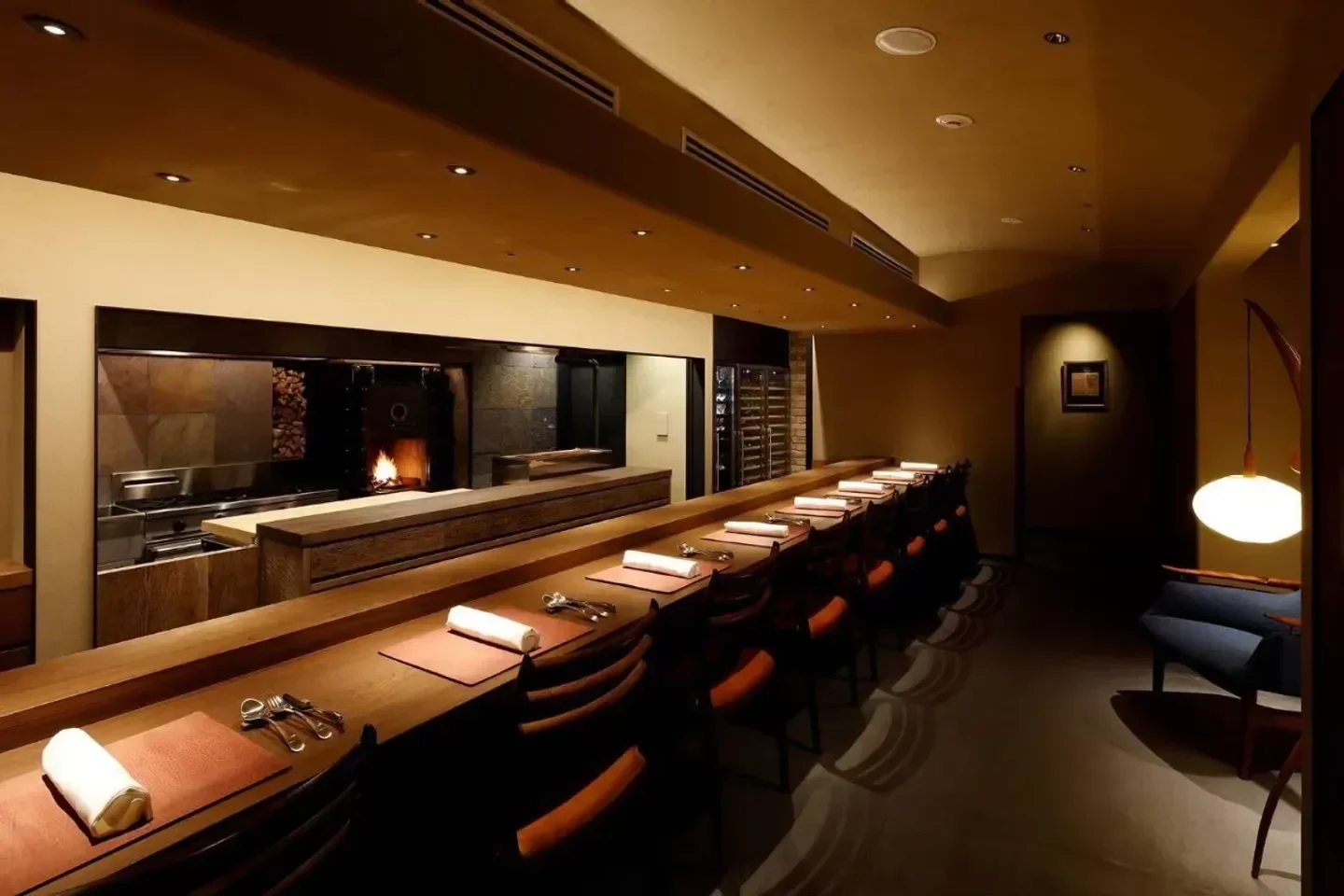
Photos: Acá 1°
01.Acá 1°
What is it? Acá 1° is a sharp, intentional restaurant in the heart of Tokyo. The room strips away distractions, funneling all attention toward a central kitchen where the staff operates with clinical efficiency. It feels like an inner sanctum for guests who prioritize the craft of cooking over a loud social scene.
Why we love it: The kitchen functions like a quiet, well-oiled machine. You watch the chefs assemble plates with a level of rigor that makes the experience feel both intimate and theatrical. The meal unfolds in a steady, rhythmic progression that keeps you locked into the moment.
Good to Know: The tasting experience at Acá 1° requires several hours to complete, so avoid scheduling any tight follow-up plans after your reservation.
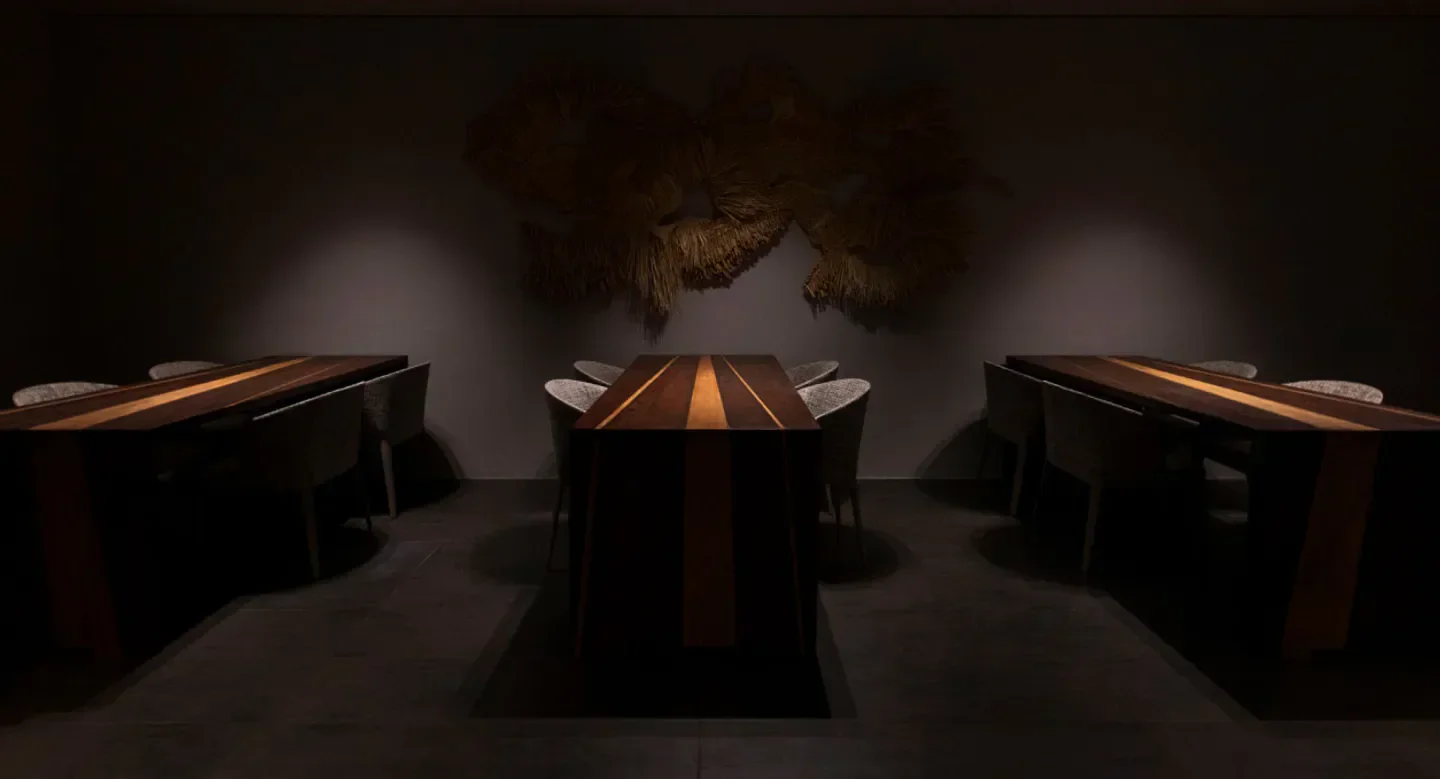
Photos: MAZ
02.MAZ
What is it? MAZ brings a high-concept dining experience to the heart of Tokyo. The space feels deliberate and focused, stripped of unnecessary distractions. It functions as a restaurant where geography and gastronomy collide in a series of calculated moments.
Why we love it: The meal unfolds as a narrative of different altitudes and ecosystems. You watch the kitchen staff work with a quiet intensity that borders on the academic. Every plate serves as a conversation piece, blending unfamiliar textures with precise, clean flavors.
Good to Know: MAZ structures its entire menu around vertical heights, so the flavors change as you move from the ocean floor to the Andes peaks.
Photos: FOLKLORE
03.FOLKLORE
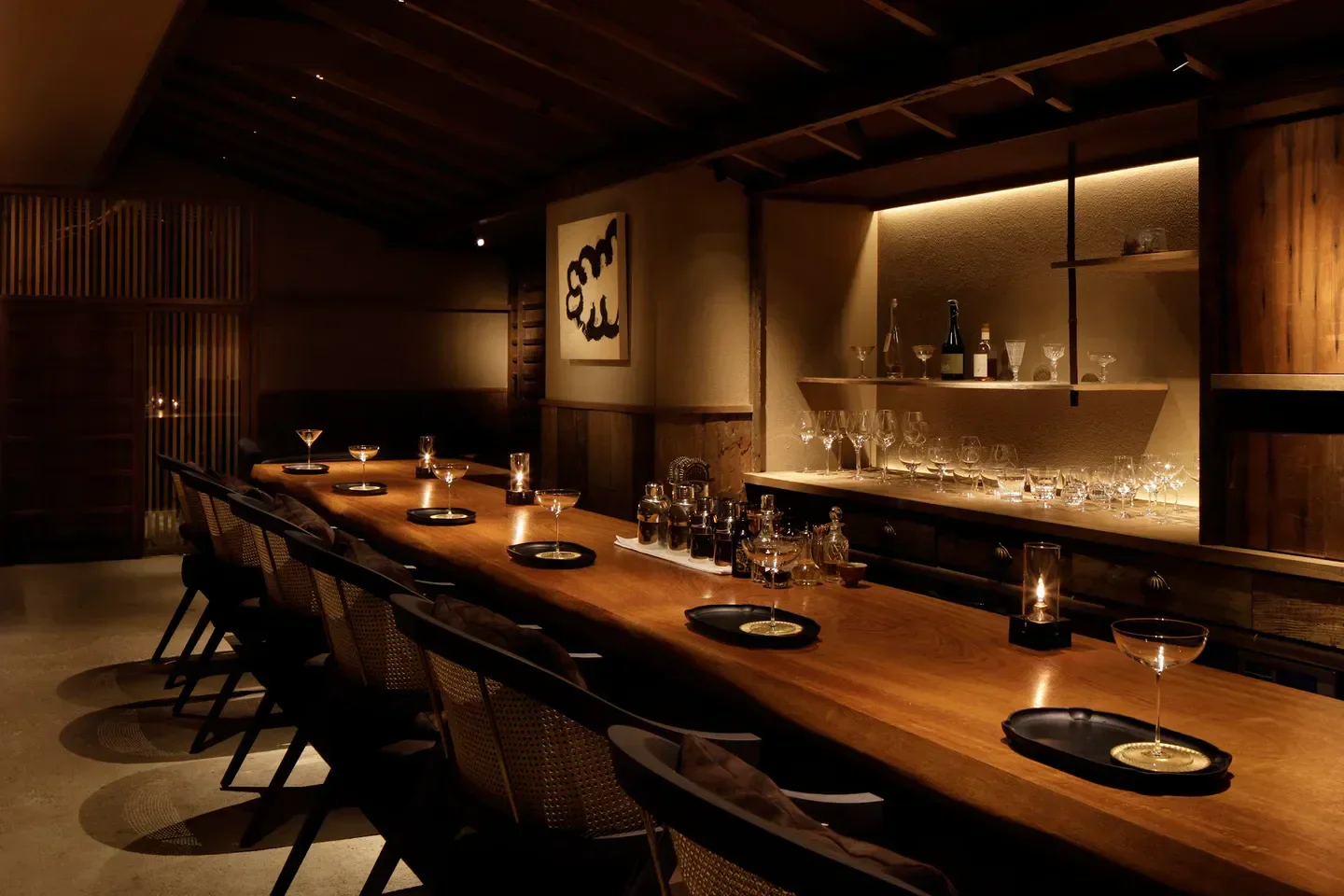
What is it? FOLKLORE sits high above the Tokyo streets, offering a sharp, fine-dining take on South American and Argentinian fusion. You step out of the elevator into a dimly lit, luxury space designed for lingering. The city lights stretch out across the horizon, framing the room in a permanent, shimmering glow.
Why we love it: The kitchen balances Argentinian heat with complex fusion techniques. You watch the chefs work through the open kitchen as they sear proteins with precision. It feels intimate, quiet, and deliberate—the kind of room where the conversation stays low and the focus remains entirely on the plate and the view.
Good to Know: The Argentinian-inspired wine list at FOLKLORE features bold Malbecs that cut through the richness of the fusion-style menu.
Photos: amarantos
04.amarantos
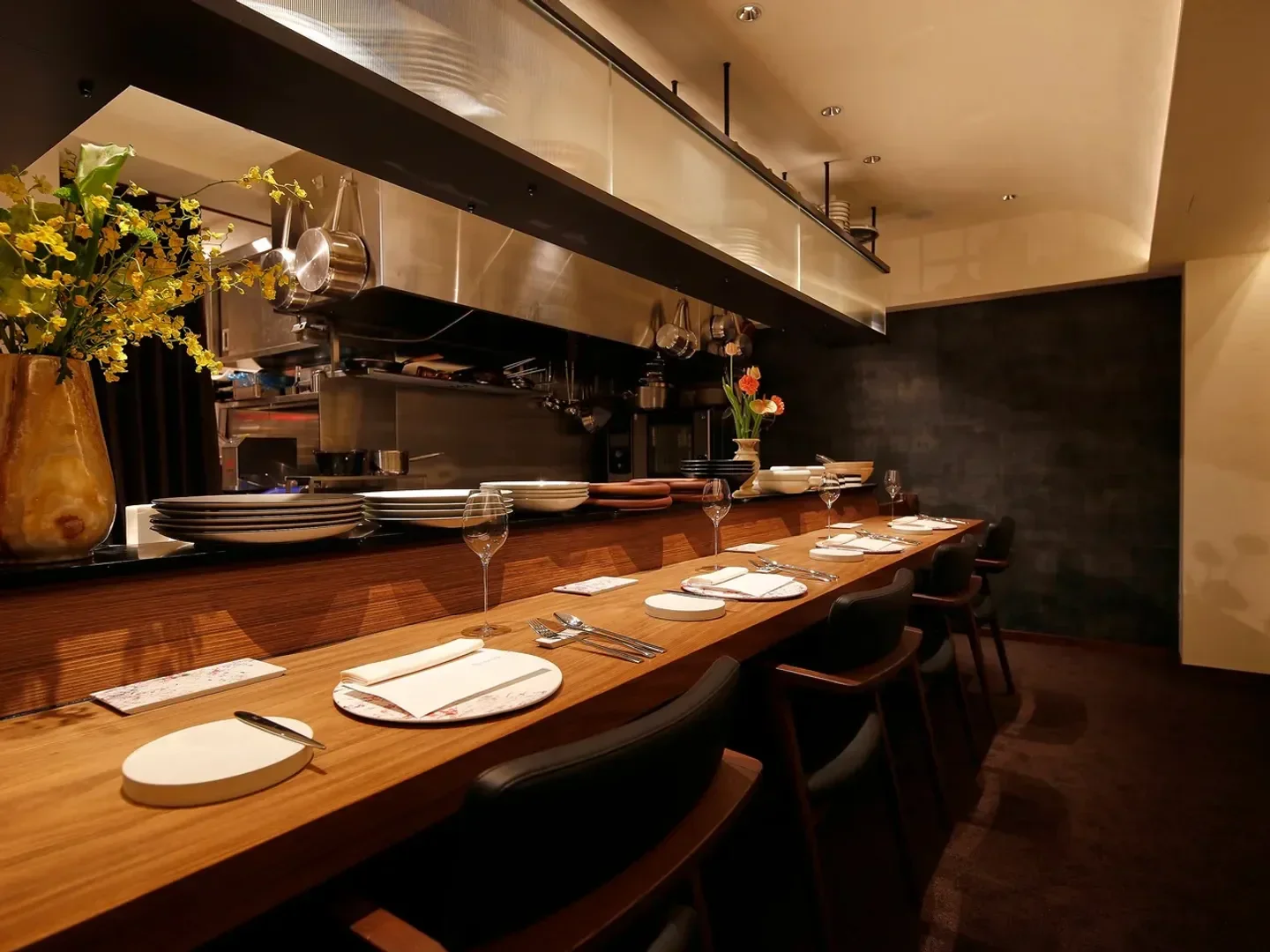
What is it? Amarantos stands as a focused sanctuary within Tokyo’s high-velocity dining scene. The space feels intentional and sharp, immediately quieting the city’s external noise the moment you enter. It is a restaurant where the atmosphere centers entirely on the movement of the staff and the rhythm of the meal.
Why we love it: The energy in the room is both calm and magnetic. You watch the team operate with a level of precision that feels like a choreographed performance rather than mere service. It is the type of place that demands your full attention, rewarding you with an experience that feels private and perfectly timed.
Good to Know: The seasonal pairings at amarantos are designed to bridge the gap between courses, so trust the sommelier to handle the glass pours.