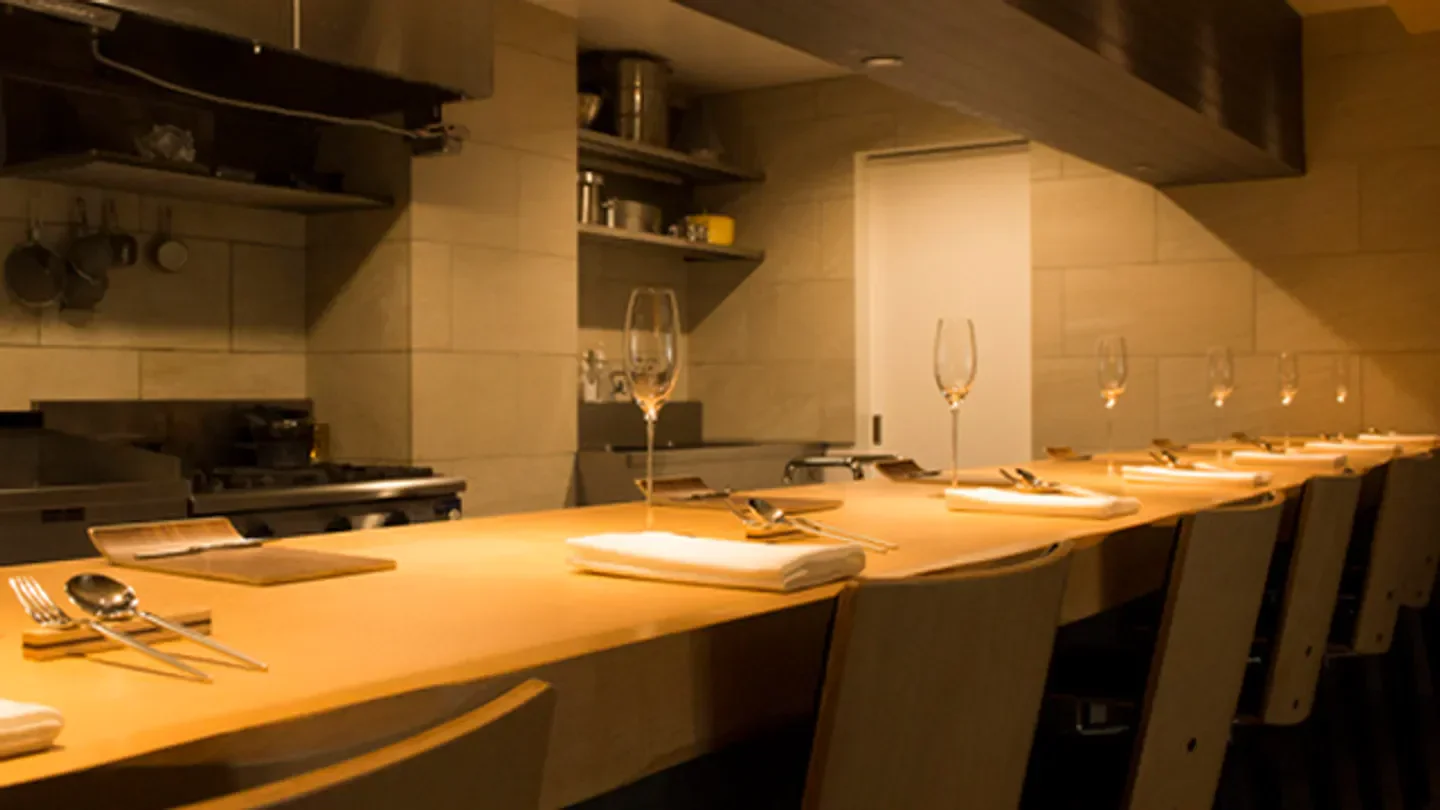
In Tokyo, the paradox of choice isn't just about volume. It’s about access. With over 160,000 eateries, the challenge is no longer finding excellence. Excellence serves as the baseline here. The real friction comes from the two-month lead time for a table and the quiet pressure of a twelve-seat counter. You don't just eat in this city. You negotiate with it.
French technique has become Tokyo's second language, refined to a point that often surpasses Paris. At L’Osier, the legacy of Ginza hospitality meets a relentless pursuit of the seasonal micro-moment. Newer entries like L'ÉTERRE and L’Argent trade stuffy traditions for a sharp, focused edge that reflects the city’s evolving palate. Even the grandest rooms, like Tour D’argent Tokyo, demand a specific kind of reverence. One missed phone call can cost you a season’s worth of planning.
These destinations represent the pinnacle of the city’s current obsession with precision. They are the hardest tables to book for a reason. Start with these.
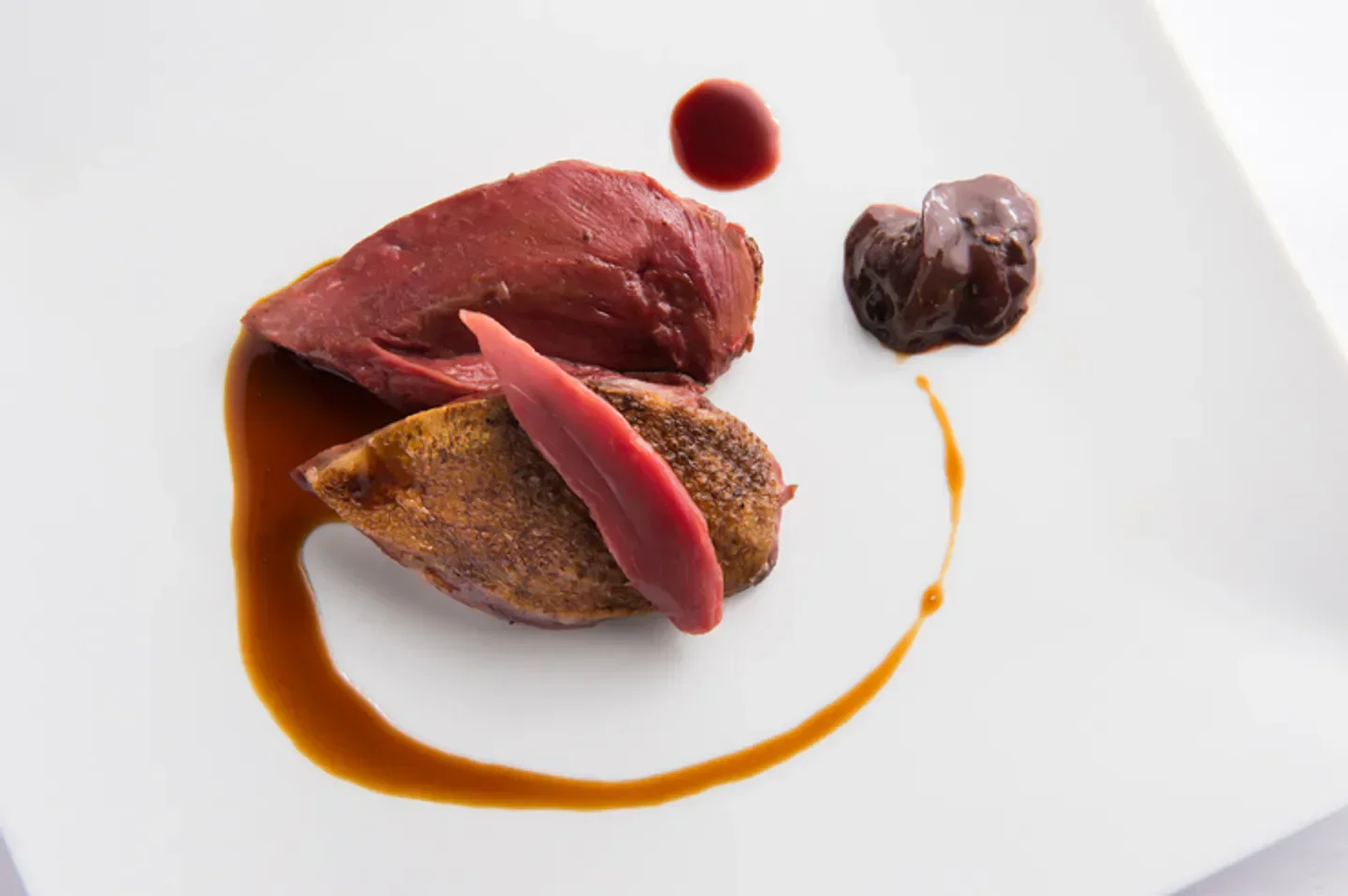
Photos: Le Mange-Tout
01.Le Mange-Tout
What is it? Le Mange-Tout occupies a quiet corner of Tokyo, serving as a sanctuary for those seeking refined, high-end gastronomy. You walk off the city street and straight into an atmosphere of deliberate, quiet luxury. The space balances a romantic intimacy with the technical precision of a classic French kitchen.
Why we love it: The dining room hums with the soft clink of silverware against fine china. Between courses, you step out onto the terrace to catch the cool night air and observe the Tokyo skyline. The menu bridges the gap between classic French tradition and contemporary technique, keeping the palate engaged through every transition.
Good to Know: The contemporary French menu at Le Mange-Tout rewards a slow pace, so plan to spend at least three hours over your wine pairings.
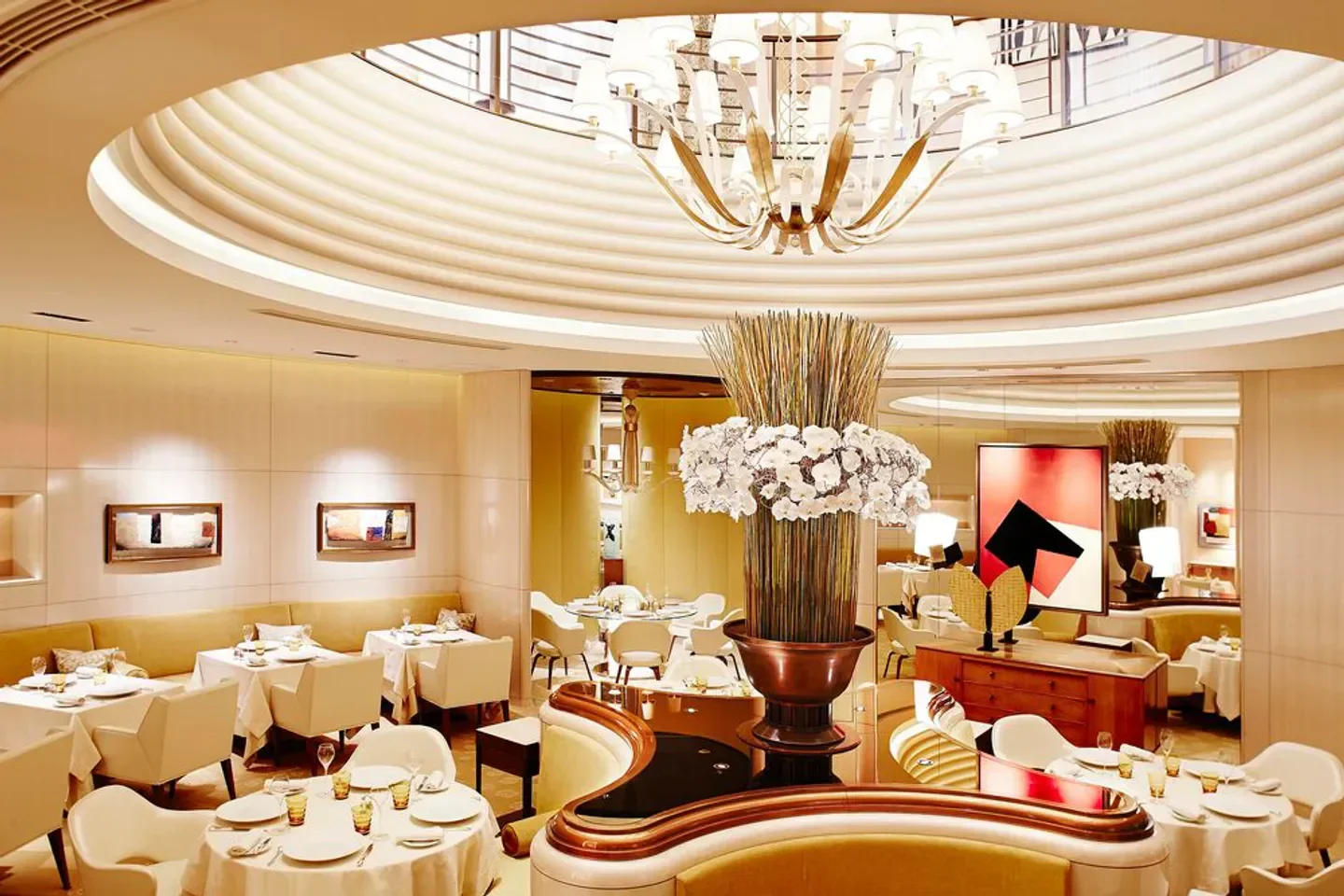
Photos: L'OSIER
02.L'OSIER
What is it? L'OSIER anchors the dining scene in Tokyo. This restaurant greets you with a sense of quiet authority the moment you step inside. The room feels intentional and focused, stripping away the city’s frantic pace for something far more composed.
Why we love it: The service moves with a rhythmic, almost silent precision. You notice the staff only when they appear to perfectly time a pour or replace a utensil. Each course arrives as a deliberate statement. It keeps the energy at the table consistent until the very end.
Good to Know: The wine pairings at L'OSIER often feature selections from small-scale producers that are difficult to find elsewhere in Tokyo.
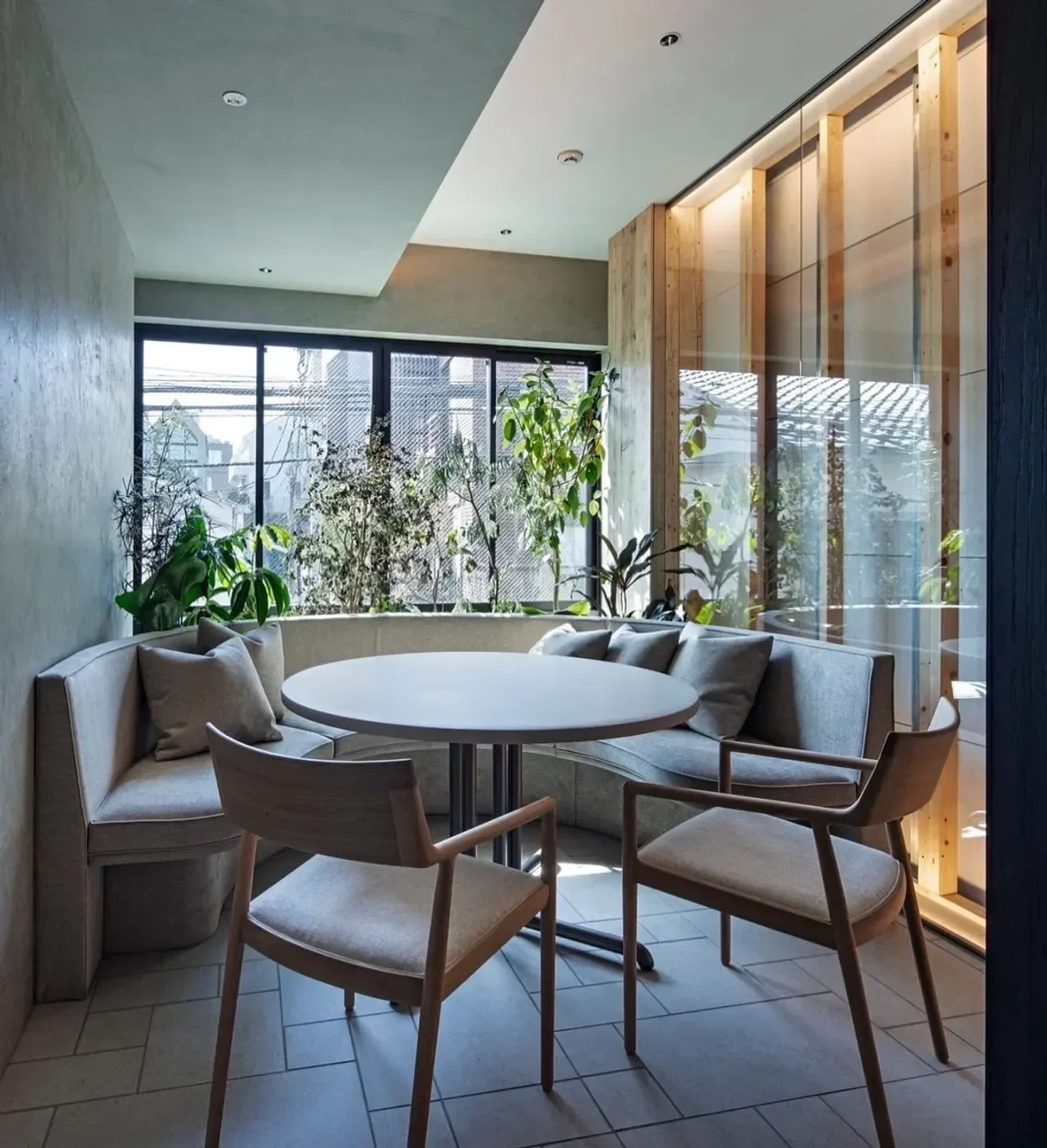
Photos: L'ÉTERRE
03.L'ÉTERRE
What is it? L'ÉTERRE functions as a high-concept stage for fine dining in the heart of Tokyo. As you step inside, the room centers your focus on the expansive view framed against the city skyline. It occupies a space defined by quiet luxury and a strictly maintained sense of intimacy.
Why we love it: This is a destination for the deliberate diner. The kitchen blends classic French techniques with creative riffs, serving plates that bridge traditional foundations and modern experimentation. A romantic atmosphere settles over the dining room as the evening light fades, turning the space into a sanctuary from the urban rush below.
Good to Know: The creative French menu at L'ÉTERRE demands a wardrobe that leans into the smart and elegant dress code; a tailored blazer ensures you feel right at home among the polished glass and white linens.
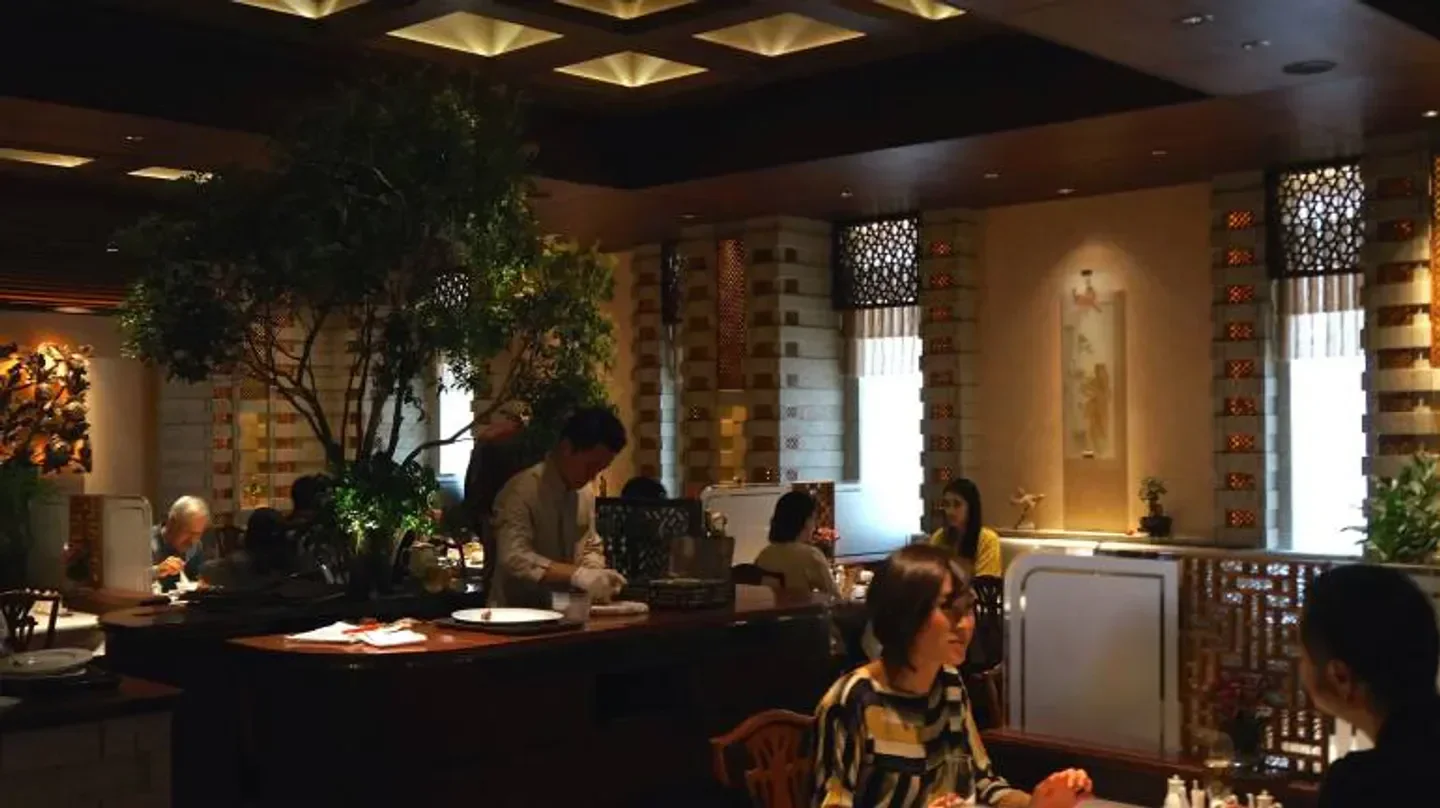
Photos: Chugoku Hanten Fureika
04.Chugoku Hanten Fureika
What is it? Chugoku Hanten Fureika anchors its Tokyo location with quiet authority. The room hums with focused energy. The host leads you to your seat with practiced efficiency, establishing a deliberate, professional rhythm.
Why we love it: Service operates with a level of attention that borders on telepathic. Staff navigate the floor with grace to ensure course transitions remain seamless. It is a space designed for focus. Business deals and milestones unfold over plates that prioritize technique over flash.
Good to Know: The Peking duck at Chugoku Hanten Fureika features skin so crisp it shatters, a dish that remains a benchmark for regional Chinese cuisine in Tokyo.