Amsterdam used to be a city where you ate to survive the rain, not to find a Michelin star. That era ended years ago. Now, the challenge isn’t finding a world-class meal; it’s snagging a table before the 8:00 PM rush. Locals treat reservations like currency. Plan ahead. If you wander off a canal boat without a booking, you’re likely headed for a FEBO vending machine.
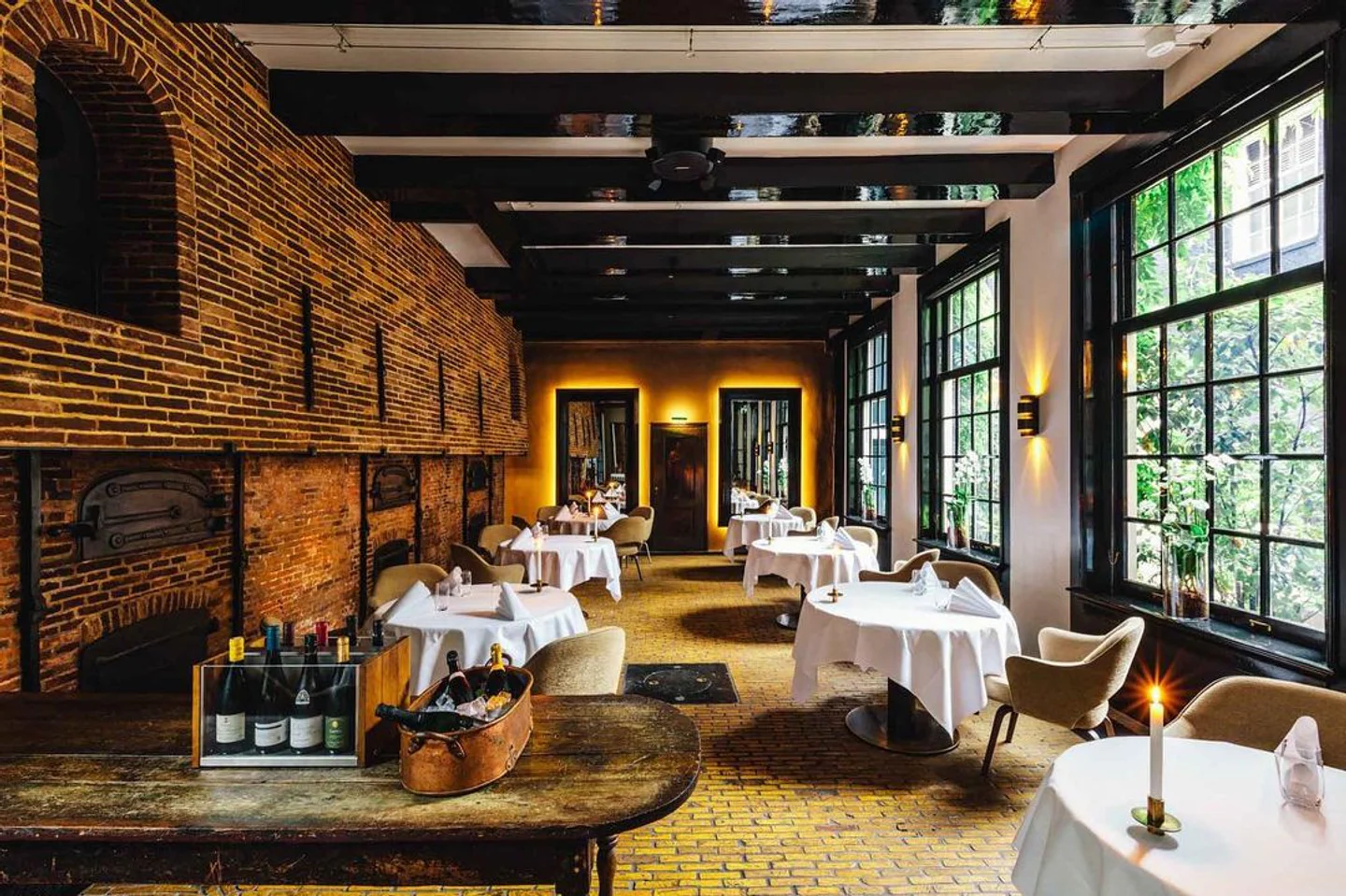
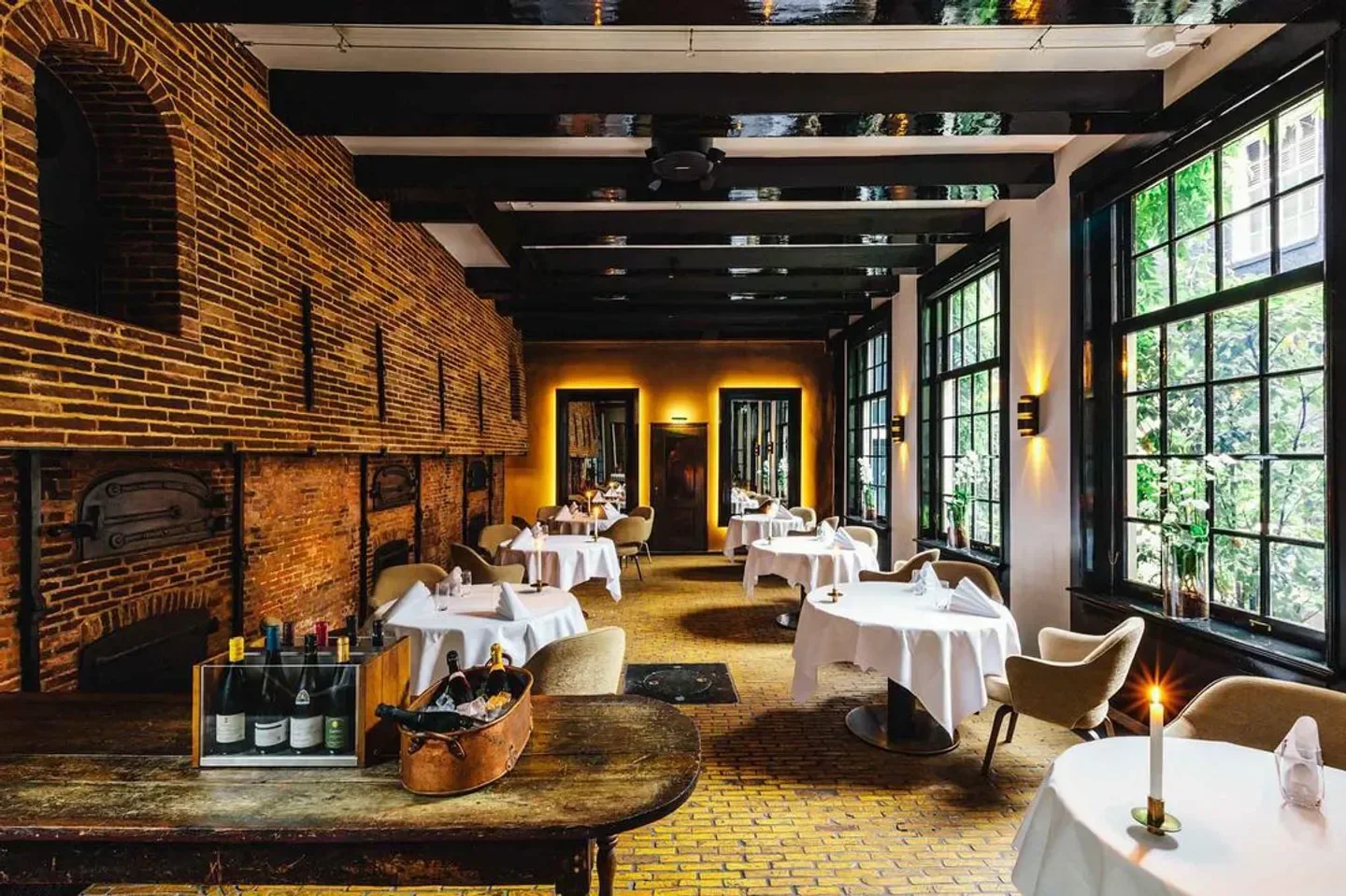
The city's kitchens have moved past tired labels into something far more confident. At Vinkeles, the bones of a 17th-century bakery house some of the most precise cooking in Europe. Bougainville commands Dam Square with technical rigor, while Lars Amsterdam anchors the Houthavens' modern waterfront. Coulisse strips away the white tablecloths, favoring a "fine-casual" energy that feels entirely current. These chefs prioritize North Sea harvests over imported shortcuts.
Navigating this landscape requires a local's eye and a bit of foresight. Start with these four.
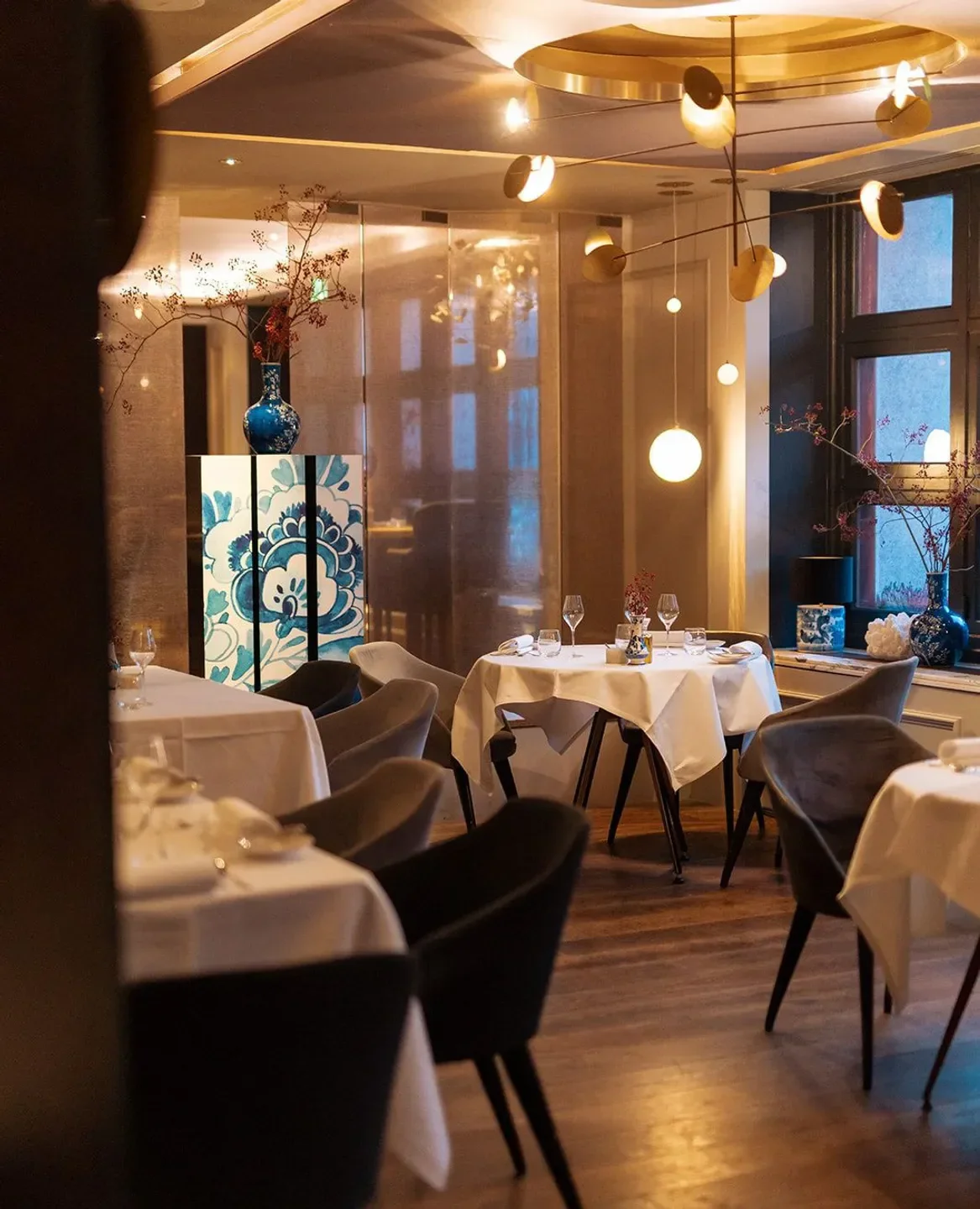
Photos: Vinkeles
01.Vinkeles
What is it? Vinkeles operates as a dedicated fine dining destination in Amsterdam. The restaurant occupies a historic setting that anchors the room in the past. It feels private, focused, and intentionally calm from the moment you step inside.
Why we love it: The kitchen anchors the experience with a meticulous tasting menu. This romantic space moves at a deliberate pace, allowing the great wine list to take a lead role. The staff maintains a sharp, rhythmic presence throughout the meal without ever interrupting the flow.
Good to Know: The tasting menu at Vinkeles unfolds over several hours, so clear your evening to enjoy the full progression of the kitchen’s work.
Photos: Restaurant 212
02.Restaurant 212
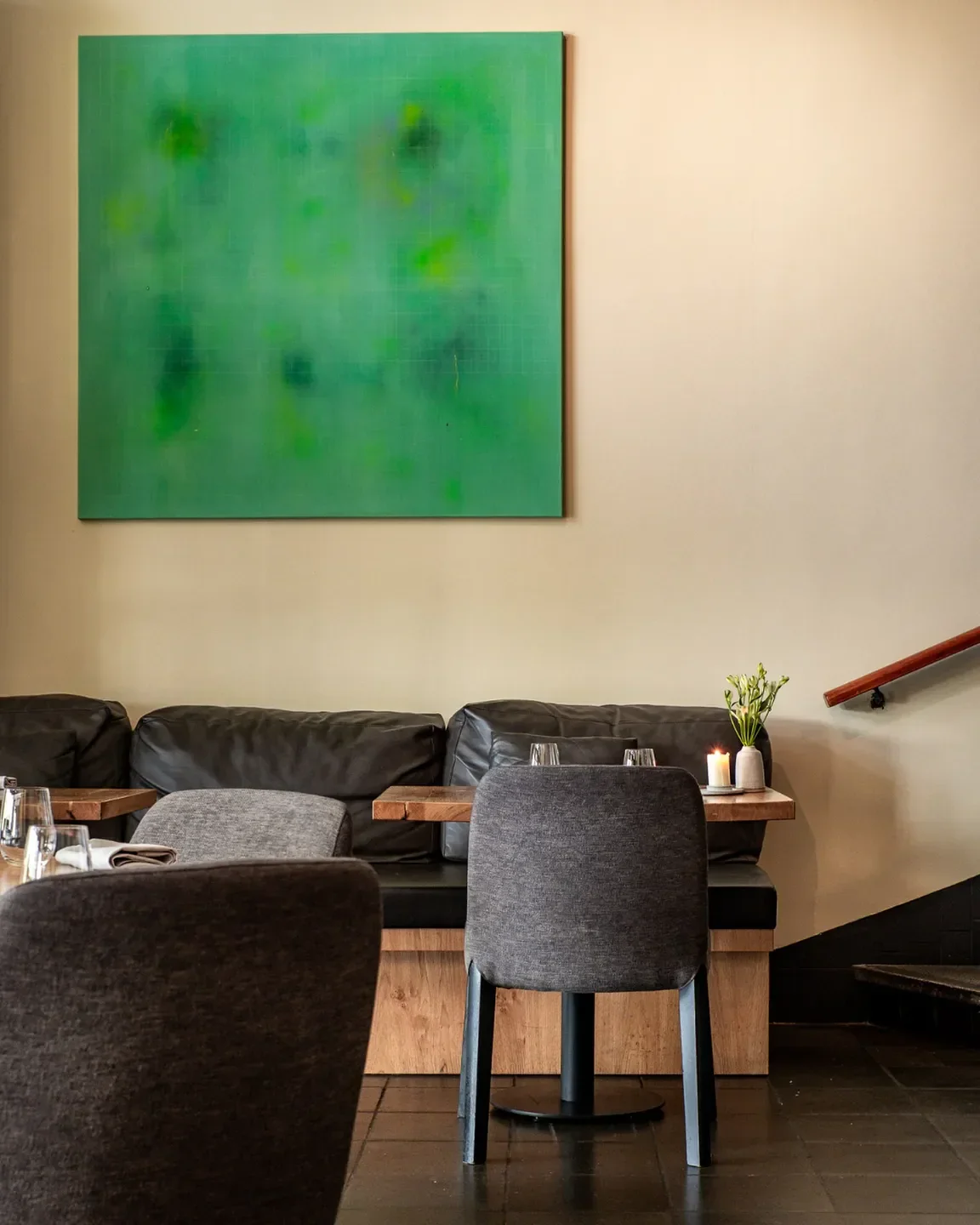
What is it? Restaurant 212 brings a sharp, modern pulse to Amsterdam. The room abandons the traditional walls that usually hide the service from the guests. You walk into an environment where the staff and the diners occupy the same transparent space.
Why we love it: The team works with an intensity you can feel from your seat. We love the theater of the service, where every motion contributes to the rhythm of the room. It feels less like a quiet dinner and more like a front-row seat to a high-stakes performance.
Good to Know: The seating layout at Restaurant 212 puts you right in front of the action, so watch the pass to see the final garnishes hit every plate.
Photos: Zoldering
03.Zoldering
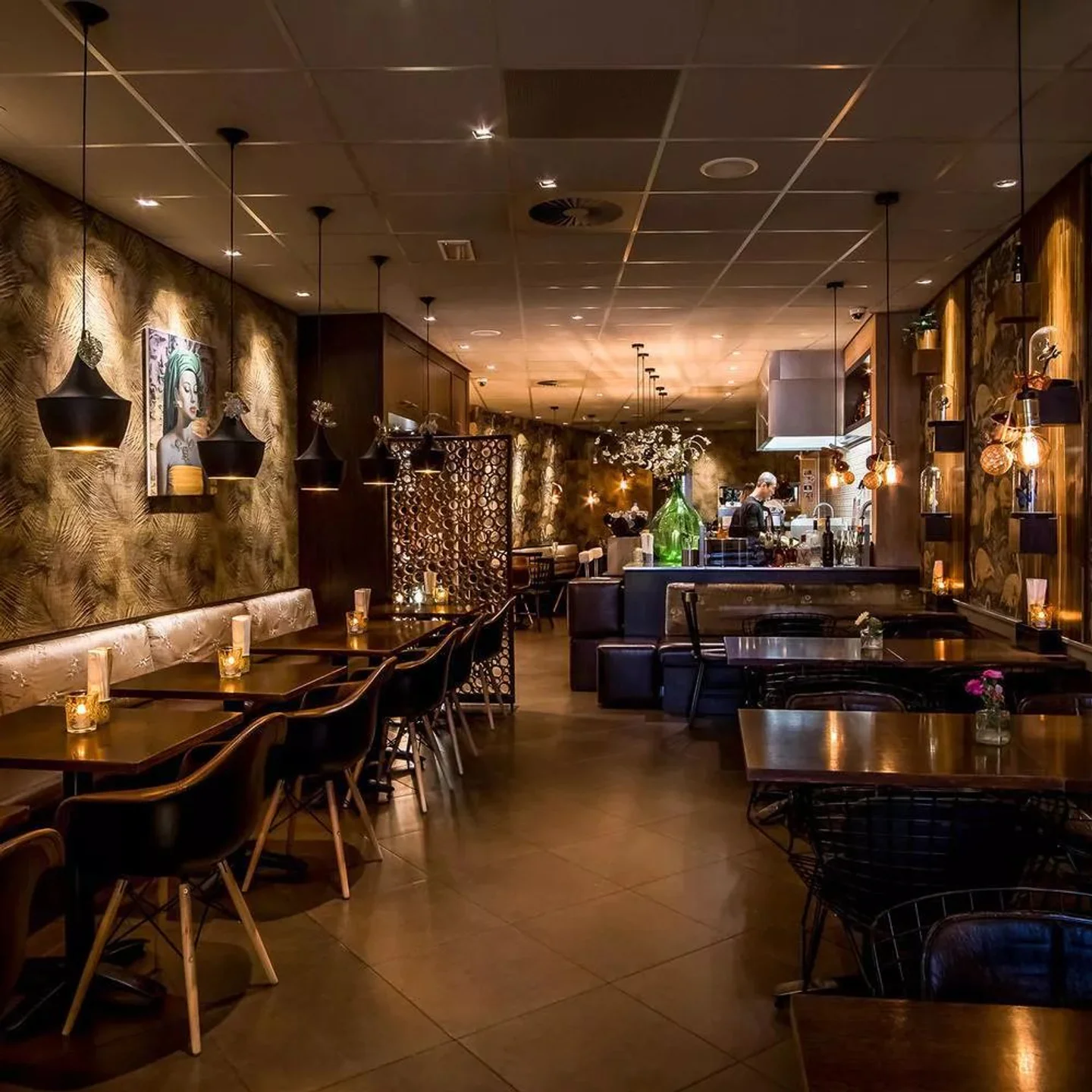
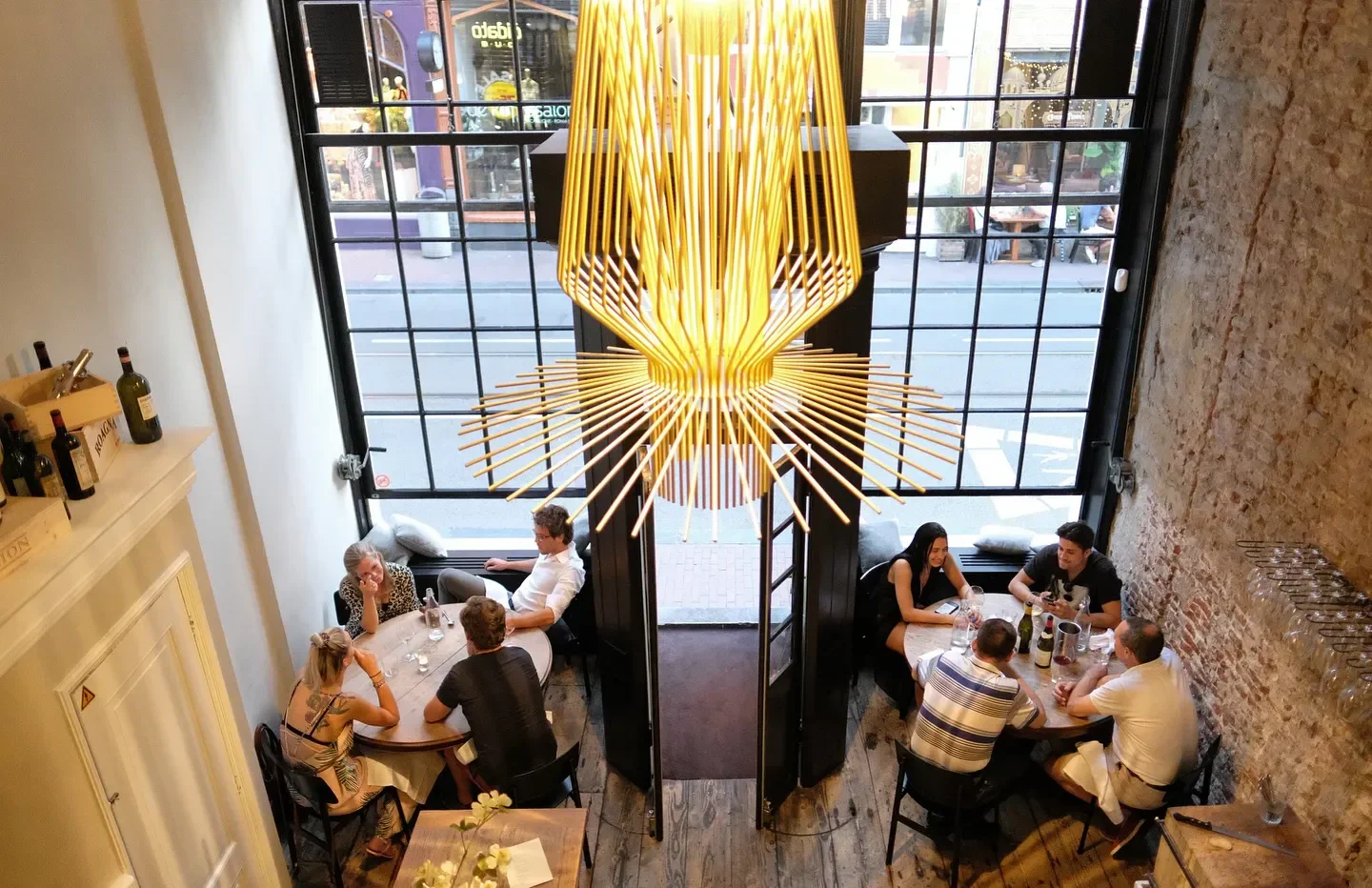
What is it? Zoldering brings a sharp, focused energy to the Amsterdam dining scene. This restaurant strips away the formality of high-end dining, favoring a room that feels lived-in and immediate. You notice the quiet hum of a well-oiled machine the moment you walk in.
Why we love it: The service strikes a rare balance between technical precision and genuine warmth. Staff navigate the floor with a confidence that keeps the evening’s pace steady. It is the type of place where the atmosphere evolves from a neighborhood local into a vibrant evening destination.
Good to Know: The wine list at Zoldering is a primary draw, so ask the team to pair a glass from their curated cellar with the seasonal market plates.
Photos: De Kas
05.De Kas
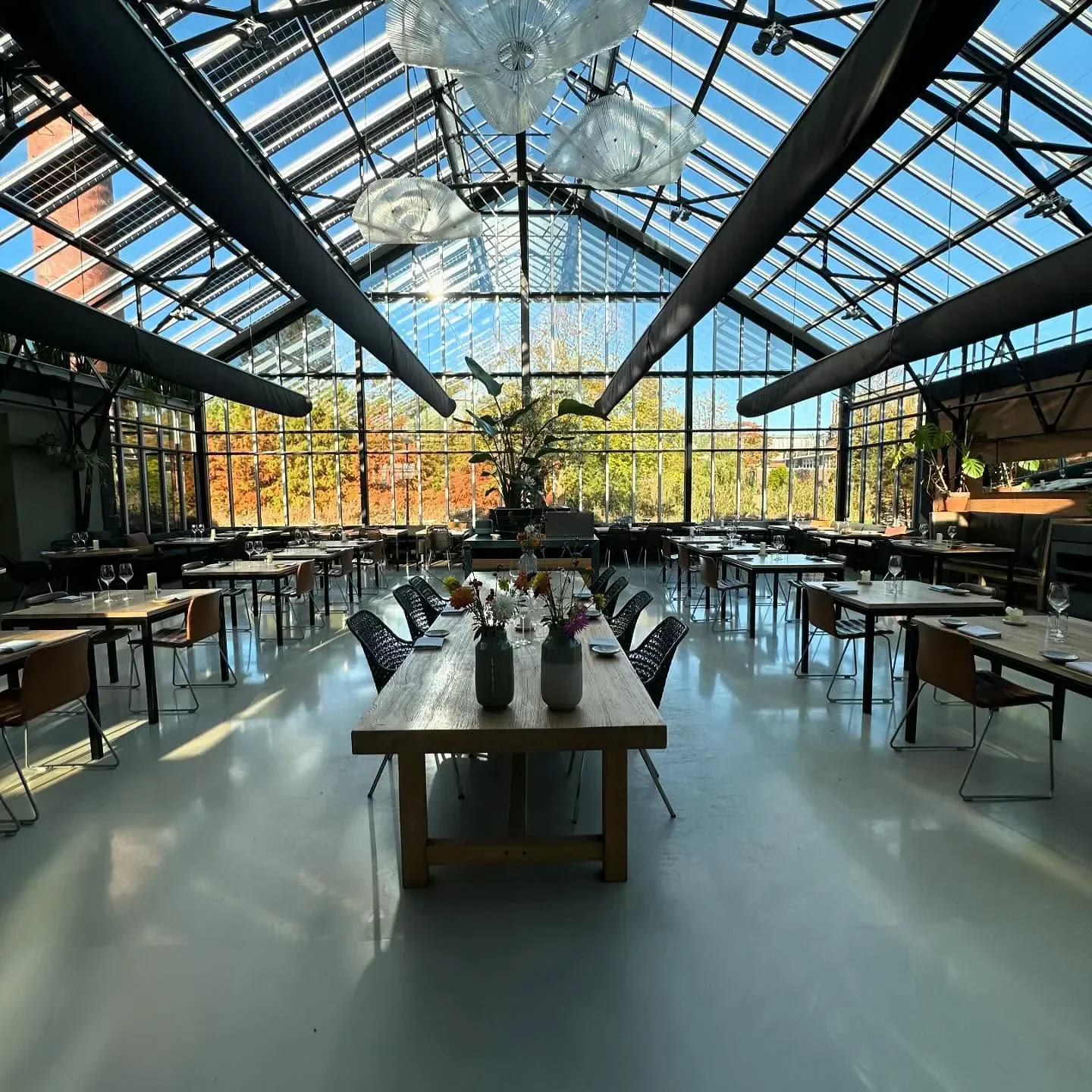
What is it? De Kas occupies a soaring glass greenhouse in Amsterdam. Sunlight streams through high transparent ceilings onto a dining room that blends industrial architecture with a working nursery. The boundary between the garden and the table feels non-existent.
Why we love it: A strict farm-to-table ethos drives the kitchen, where the morning harvest dictates the entire meal. Chefs move constantly between the nearby soil and the open kitchen to prepare seasonal plates. The atmosphere remains bright and airy, anchored by a commitment to a sustainable, plant-driven pace.
Good to Know: The fixed menu at De Kas revolves entirely around what is ripe in their own nursery, ensuring that the ingredients on your plate were likely still in the ground that morning.
Photos: Lars Amsterdam
06.Lars Amsterdam
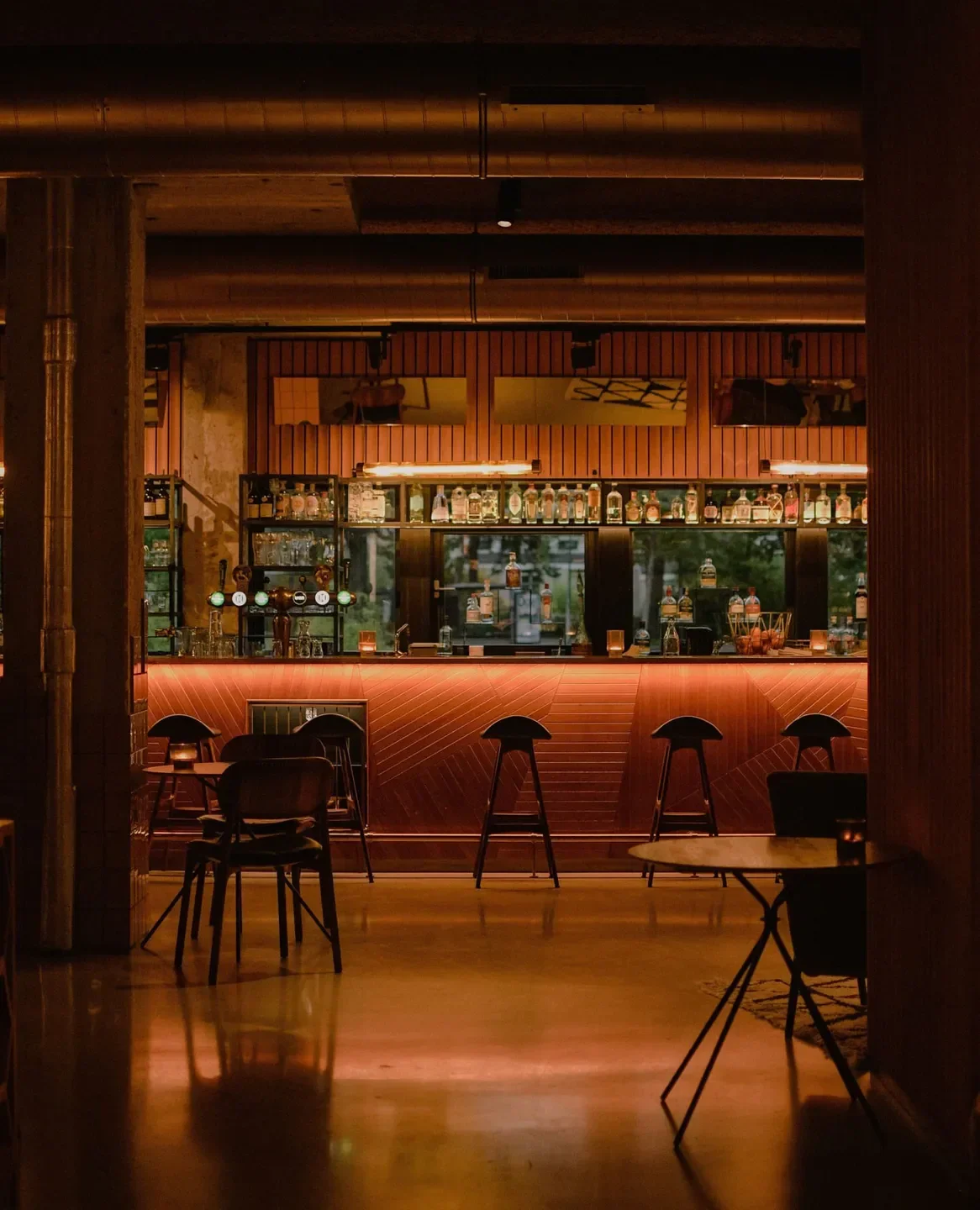
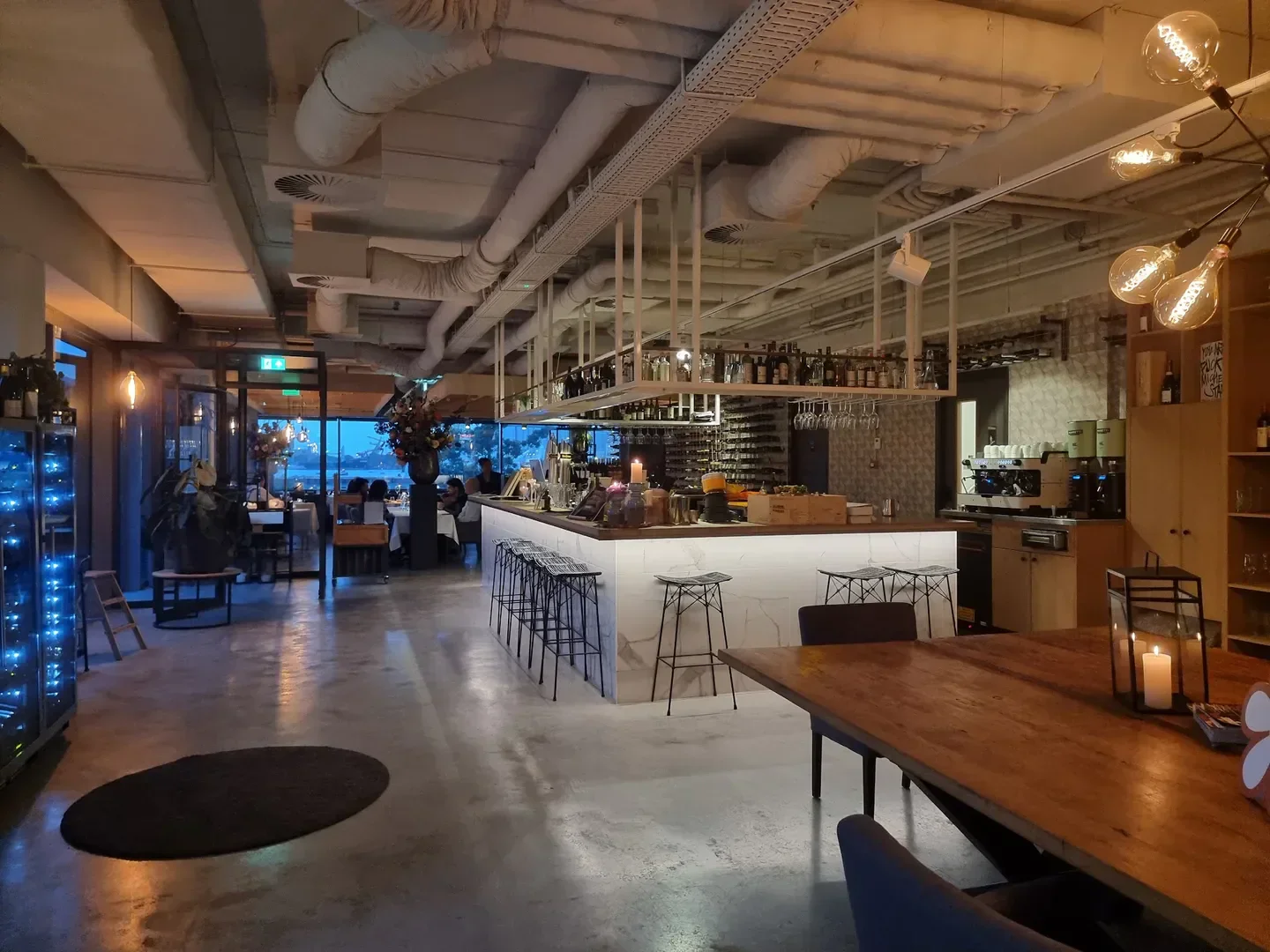
What is it? Lars Amsterdam anchors the city’s Houthavens district with a sharp, industrial-chic energy. The space feels intentional and modern. It trades traditional canal-house tropes for clean lines and a focused, professional hum.
Why we love it: Technical precision drives the experience here. Chefs move with synchronized grace, delivering plates that balance complex textures with a confident, minimal aesthetic. It is a sophisticated room where the craft of cooking remains the main attraction.
Good to Know: The dining experience at Lars Amsterdam is paced with deliberate care, so clear your evening to fully appreciate the kitchen's progression of flavors.
Photos: Flore
07.Flore
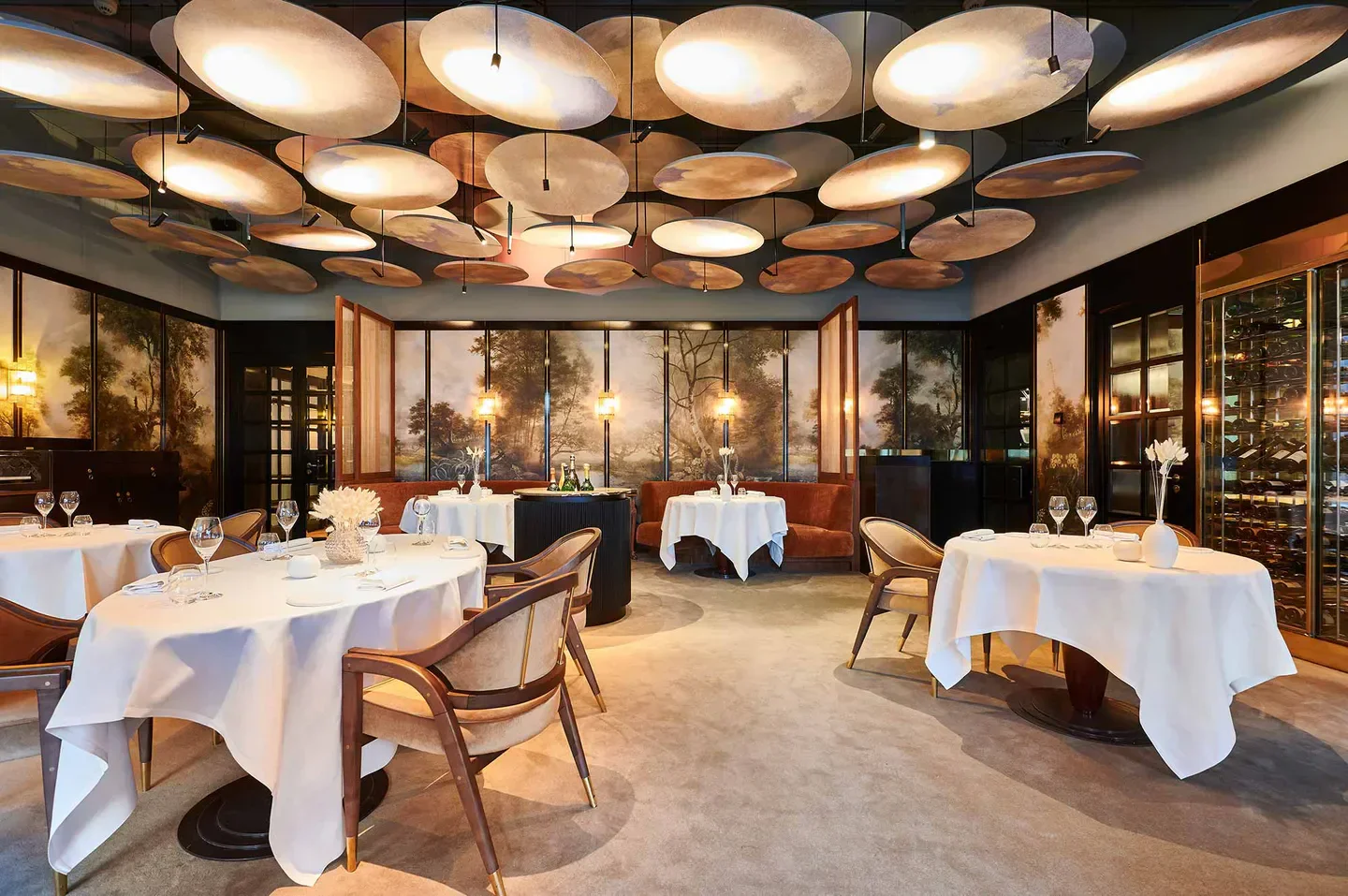
What is it? Flore sits tucked away in the heart of Amsterdam, a sanctuary of contemporary fine dining. You step inside to find a space that balances luxury with a focused, quiet energy. The room feels intentional, modern, and beautifully lit.
Why we love it: The kitchen treats every plate as a canvas for creative expression. Each course highlights a commitment to modern techniques, transforming fresh ingredients into a cohesive, high-concept experience. The atmosphere remains intimate and romantic throughout the night, making it the perfect choice for a slow, thoughtful meal.
Good to Know: The kitchen at Flore adjusts their creative, contemporary menus to prioritize seasonal changes, so expect the composition of your meal to shift entirely depending on when you visit.
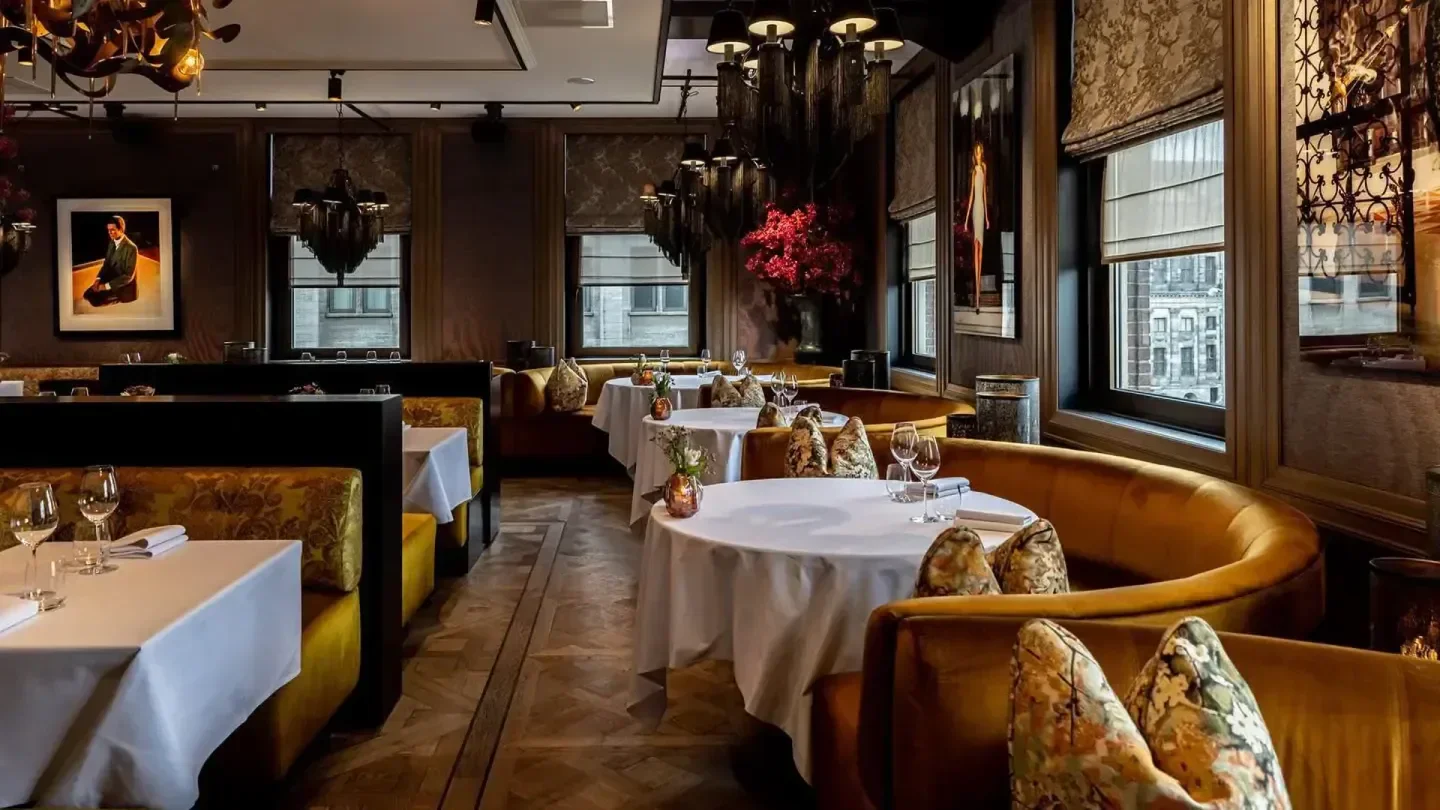
Photos: Boungainville
08.Boungainville
What is it? Boungainville anchors the city center with a Michelin-starred presence that feels both sharp and intentional. This fine dining destination replaces the Amsterdam bustle with a room defined by technical focus. You walk in and find a space where professional service sets a rigorous, high-end pace.
Why we love it: The tasting menu arrives in a series of steady, technically precise beats. Sommeliers navigate the floor to pour wine pairings that transition seamlessly between courses. The room holds a focused energy that rewards diners who pay attention to the details of the service.
Good to Know: The sommelier at Boungainville tailors the wine pairings to the shifting tasting menu, so ask for the background on the specific vintages selected for your meal.
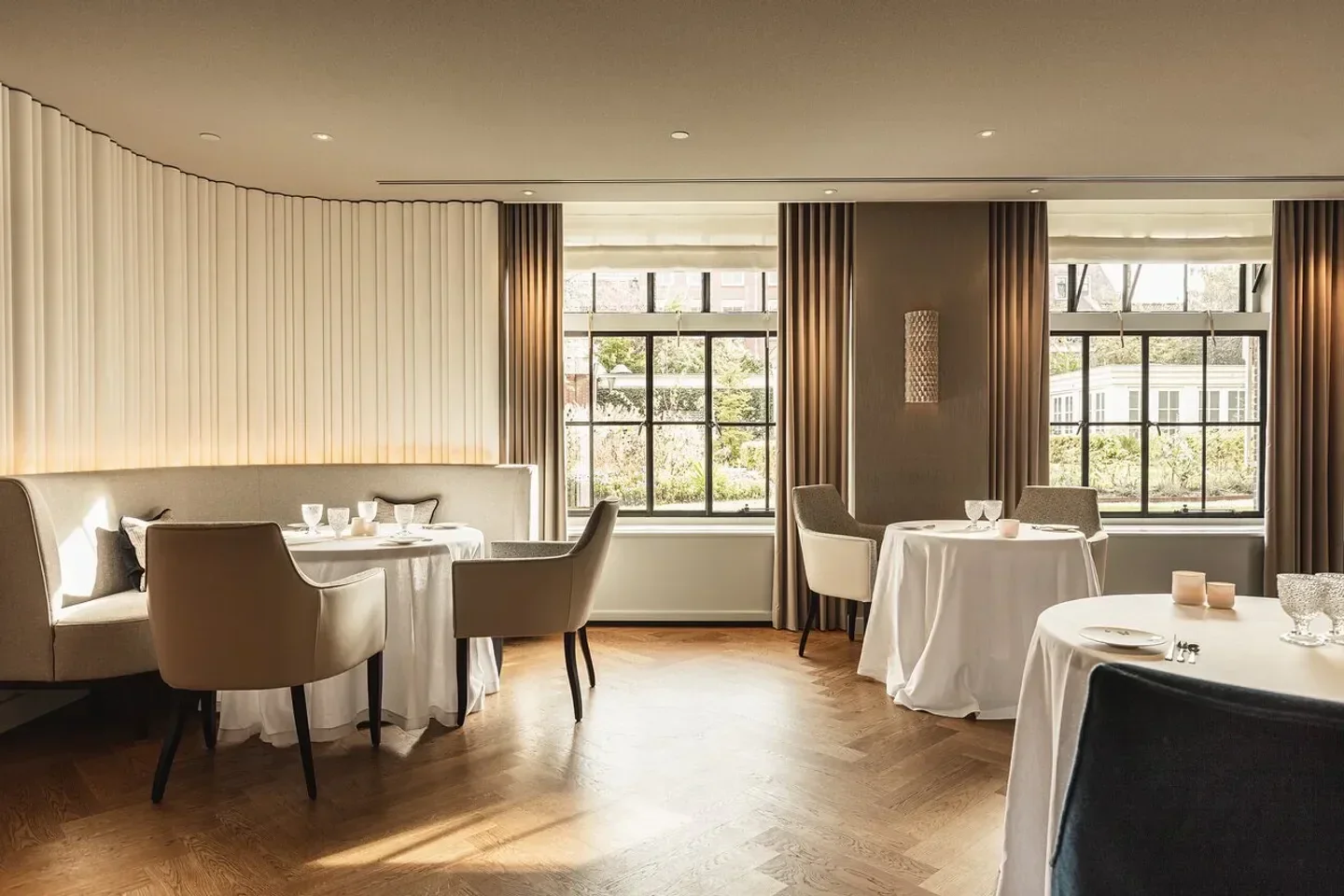
Photos: Spectrum
09.Spectrum
What is it? Spectrum defines the modern dining edge of Amsterdam. The room feels intentional and sharp. You enter a space where the city’s noise drops away the moment you take your seat.
Why we love it: The kitchen team executes every move with clinical precision. Each course arrives with a deliberate rhythm, building a narrative through texture and temperature. It is a focused experience that feels both private and grand.
Good to Know: The staff at Spectrum coordinates every movement with such choreography that you never have to catch a waiter's eye for service.
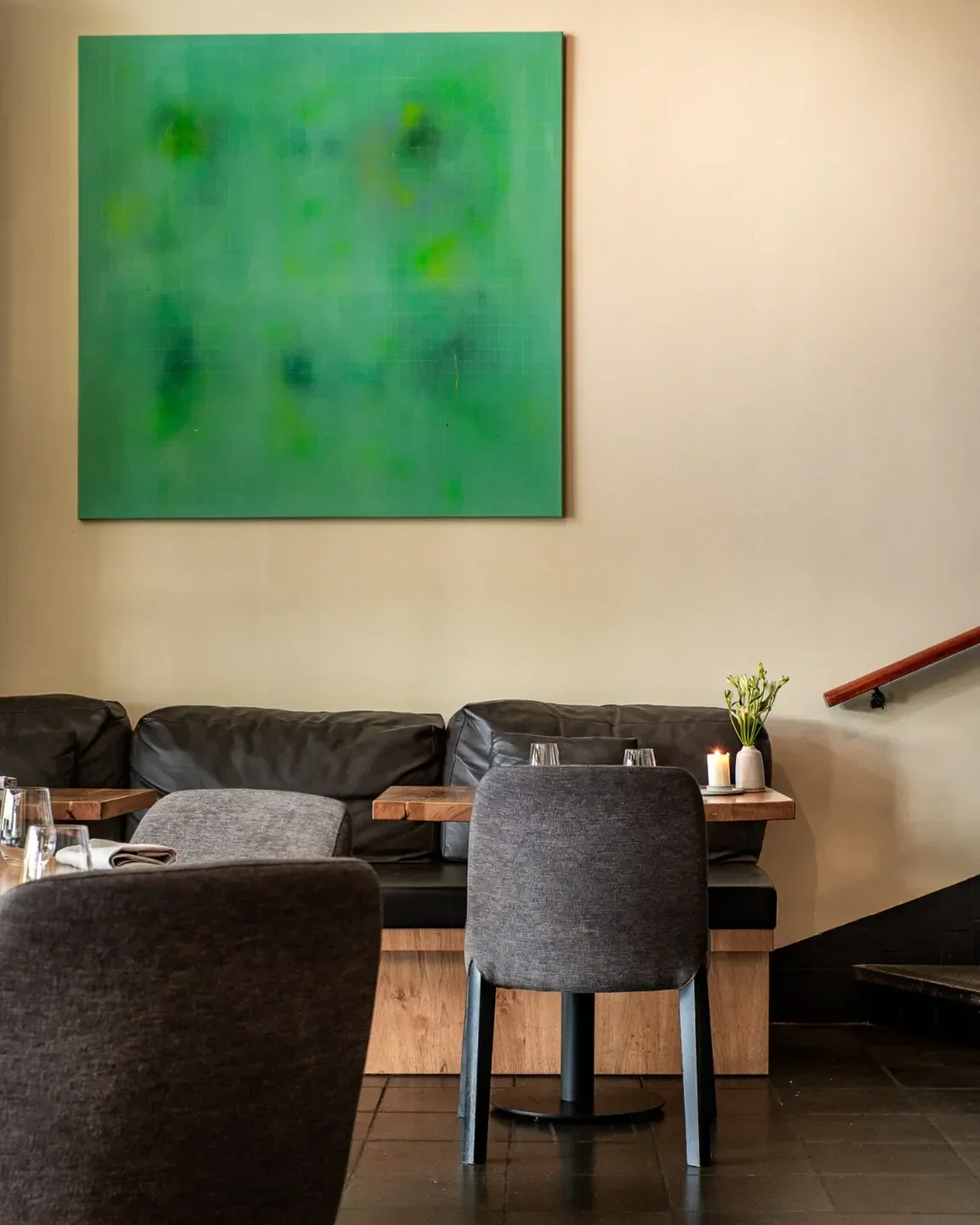
Photos: Coulisse
10.Coulisse
What is it? Coulisse occupies a storied historic building in Amsterdam. The space feels grounded and intentional, stripping away distraction to focus on the craft. You notice the architectural scale of the room the moment you walk in.
Why we love it: The open kitchen puts the cooking front and center. Chefs plate with surgical precision, using local ingredients to anchor the flavors in the present season. The tasting menu moves at a steady, professional clip.
Good to Know: The tasting menu at Coulisse relies on local ingredients, so dishes shift frequently to reflect the immediate harvest.