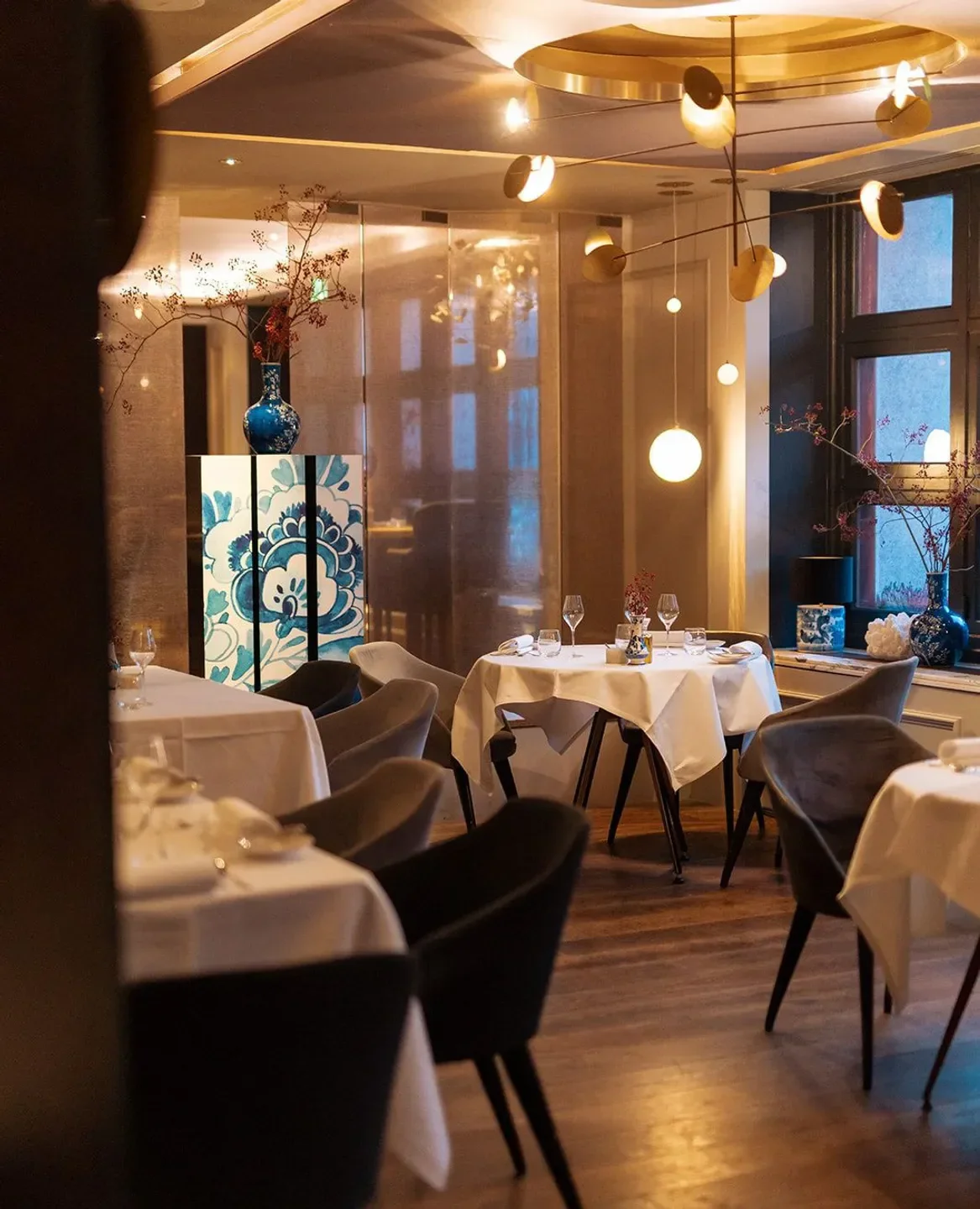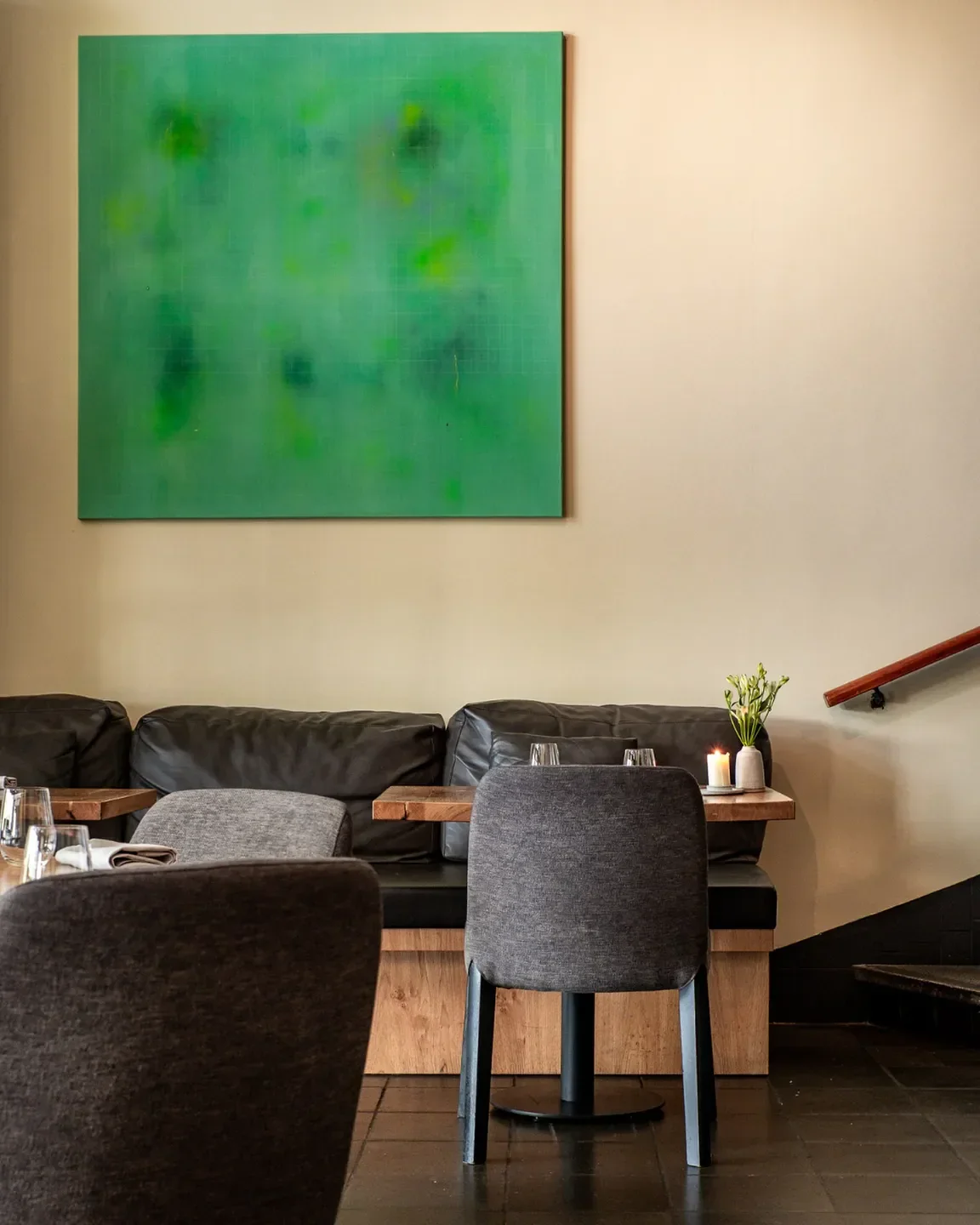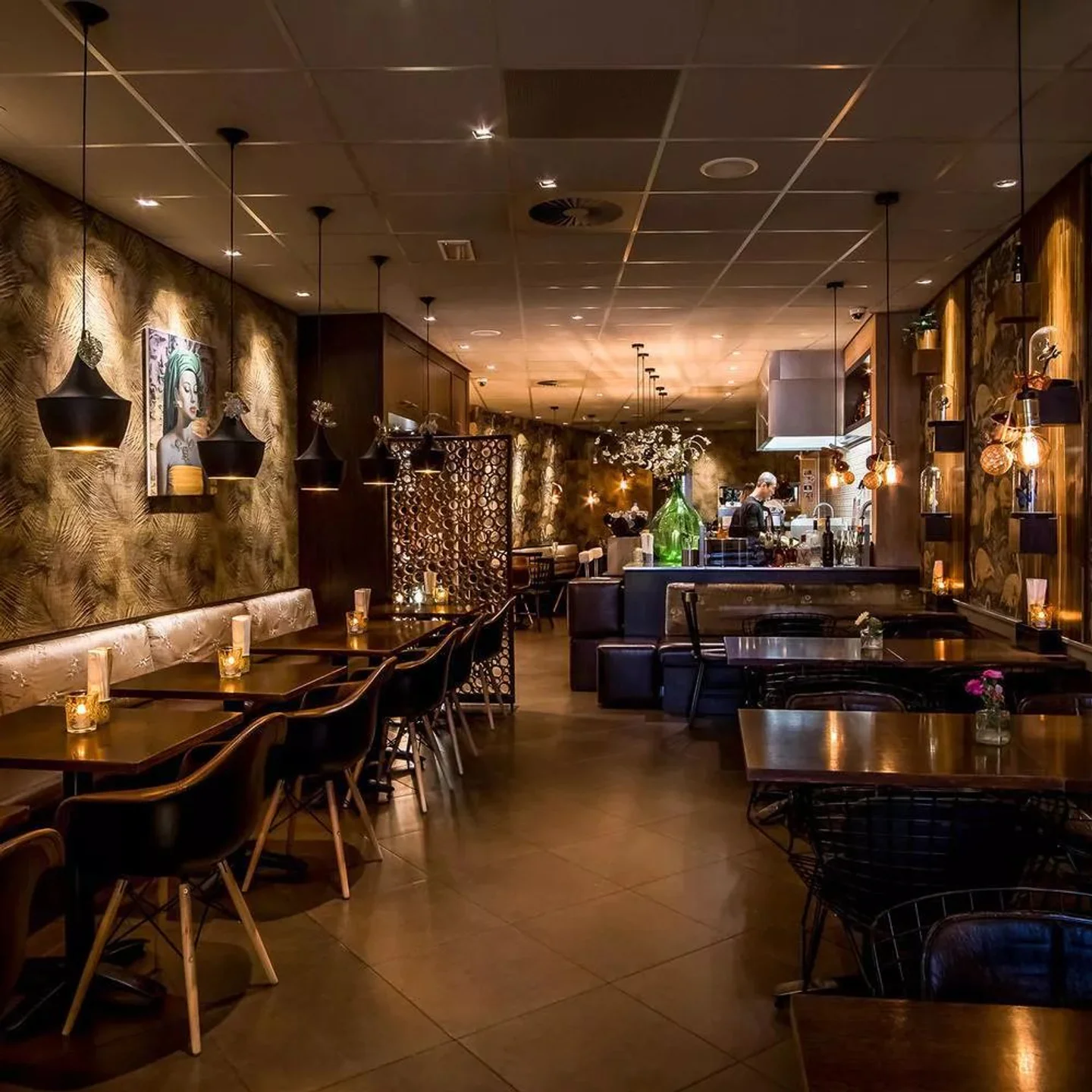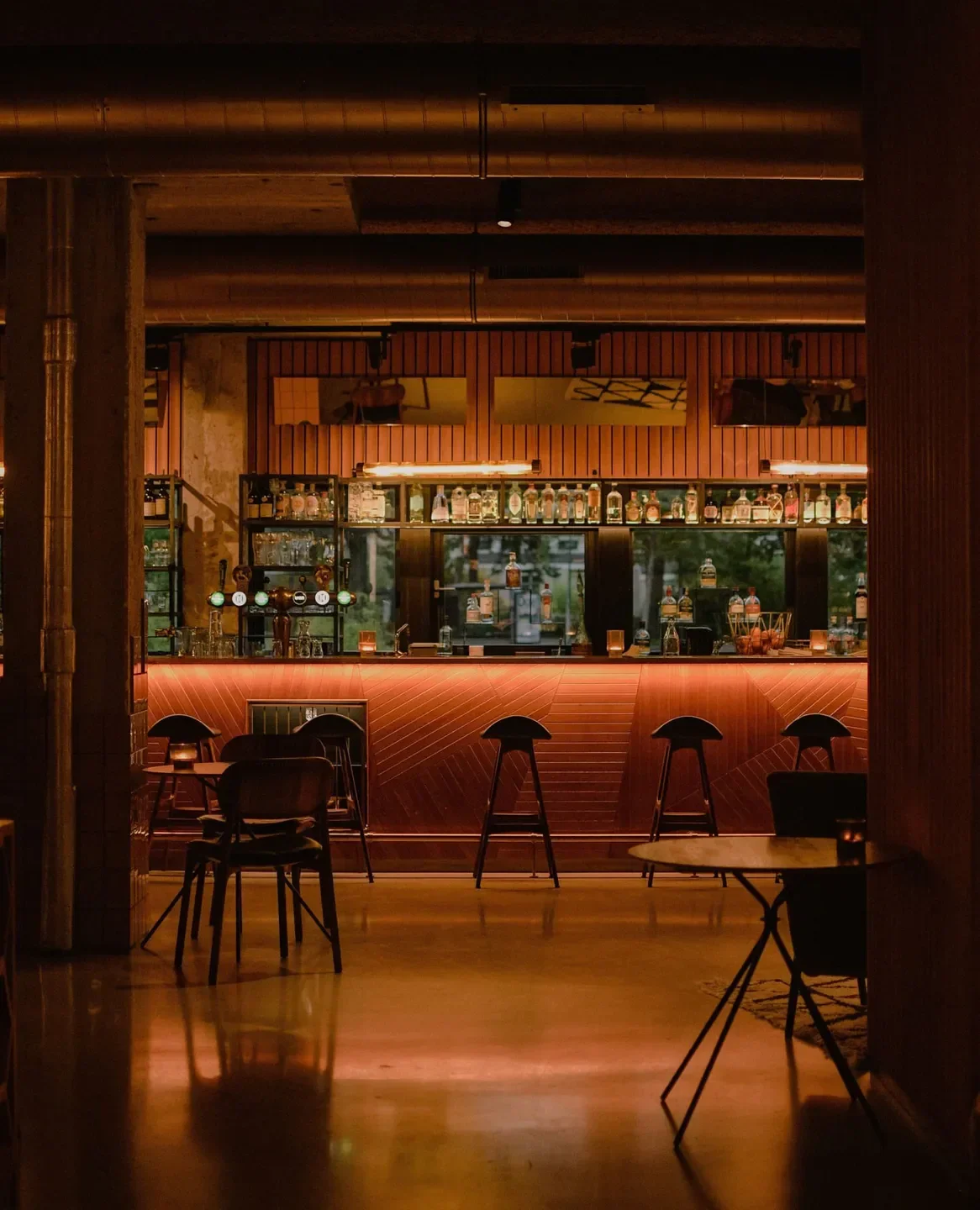
Amsterdam once defined itself through brown cafes and kroketten pulled from a wall. Now, the canals trade in Michelin stars and natural wine lists that rival Paris. Securing a table at 7:30 PM requires the strategy of a grandmaster. Locals book weeks in advance. They know that dining here is about more than the scenery.
You might find yourself under the vaulted ceilings of Vinkeles, where history meets modern precision. At Bougainville, the kitchen elevates Dam Square with technical mastery that demands your full attention. Or perhaps you crave the sharp, unpretentious energy of Zoldering. There, the wine service feels like a masterclass without the lecture. At Lars Amsterdam, the Houthavens waterfront frames plate-work that leans on seasonal intensity. New flavors are pulling the city's culinary center of gravity toward the docks and side-streets.
These four restaurants define the new Dutch standard. Start with these.
Photos: Vinkeles
01.Vinkeles
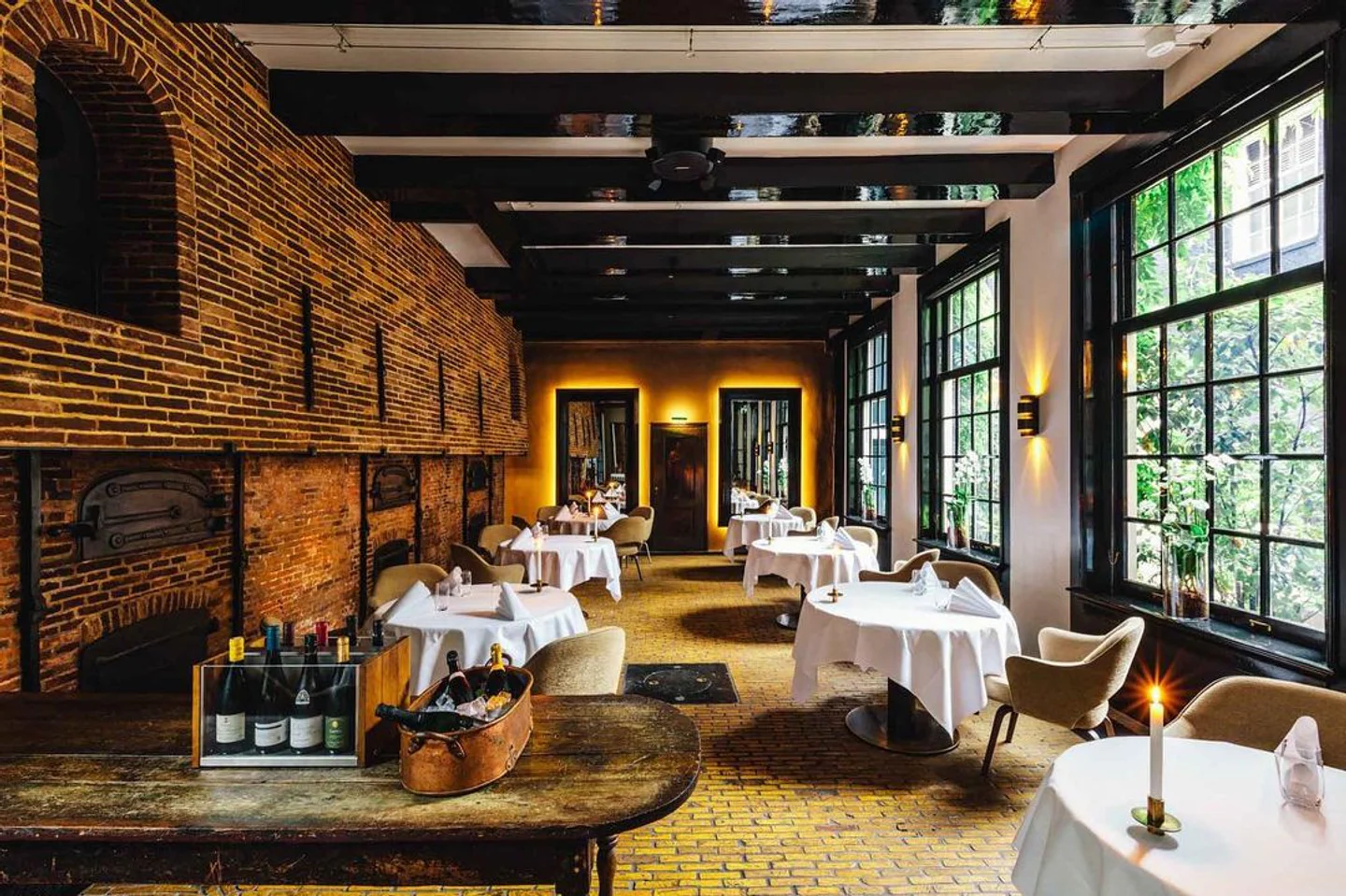
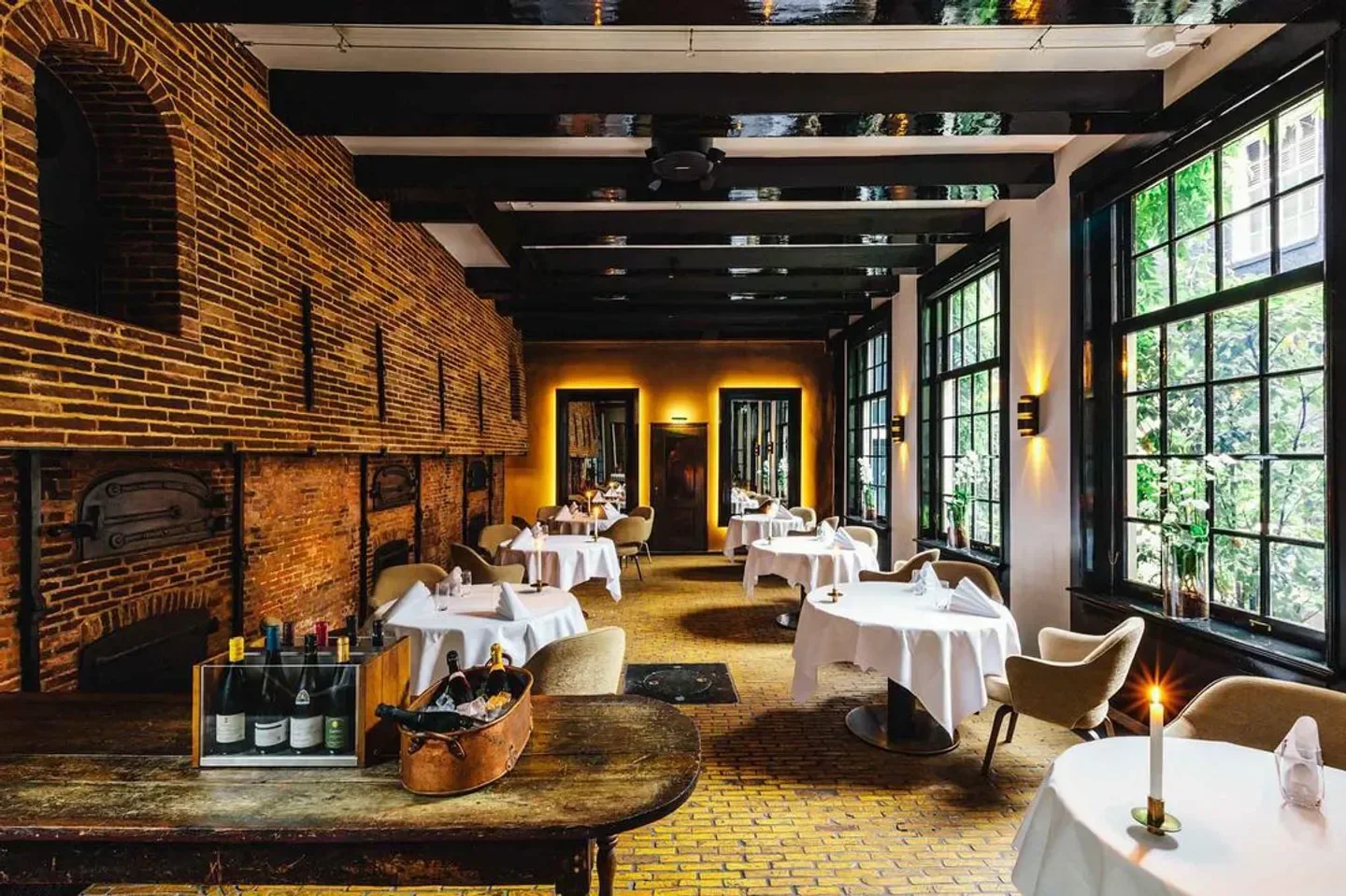
What is it? Vinkeles sits tucked away in an Amsterdam historic building, delivering a fine dining experience that commands attention. You step through the doors and into a space defined by its luxury and quiet, beautiful design. It is a Michelin Star destination where the atmosphere leans into the romantic.
Why we love it: The staff executes each service with precision, mirroring the creative French techniques at play in the kitchen. Modern plating defines the meal, while the room hums with the focused energy of a kitchen operating at the highest level of craft. Every detail in the dining room amplifies the sense of occasion.
Good to Know: The Vinkeles kitchen excels at reinterpreting French classics with a modern edge, so opt for the full tasting progression to see the chef’s creative range in its entirety.
Photos: The White Room
02.The White Room
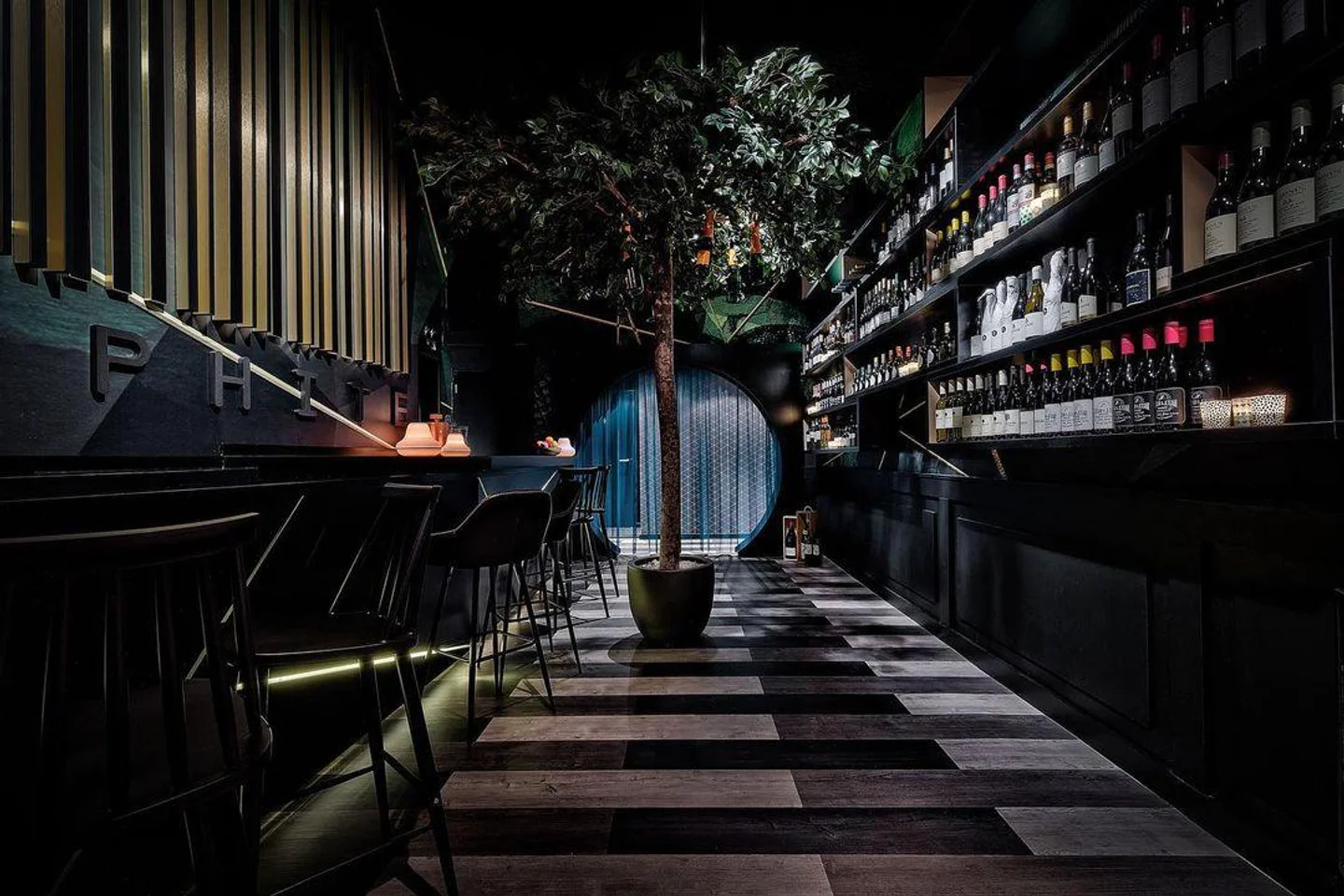
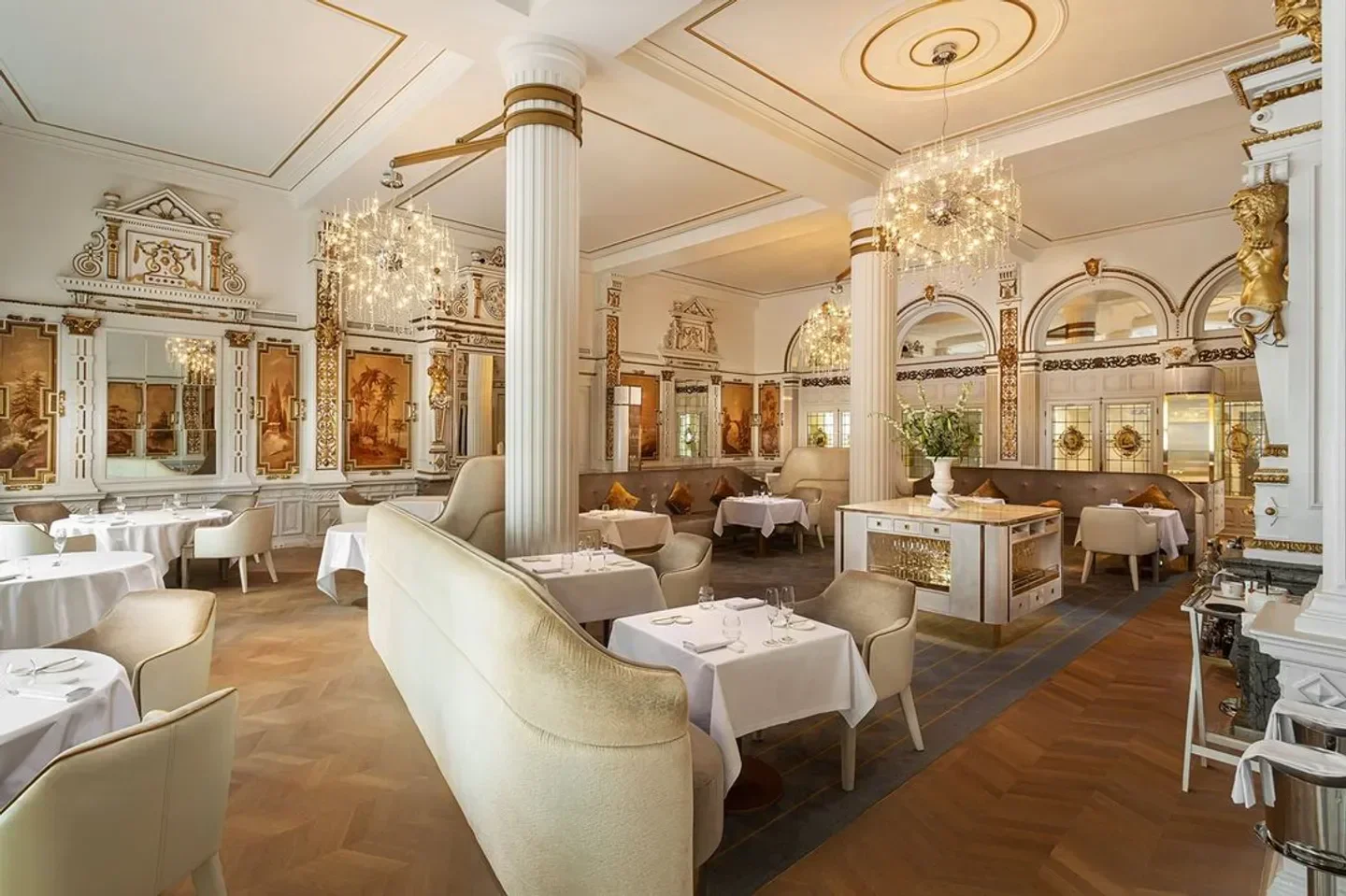
What is it? The White Room brings high-stakes fine dining to the heart of Amsterdam. You step off the street into a space that feels curated and precise. It defines luxury through its clean lines and intentional, beautiful aesthetic.
Why we love it: The Michelin star pedigree shows in the rhythm of the dining room. Every movement here feels calculated, turning a meal into a performance of modern French techniques. It functions as a romantic escape where the focused, contemporary atmosphere keeps the attention entirely on the table.
Good to Know: The contemporary menu at The White Room demands an afternoon-long commitment, so avoid scheduling firm plans immediately following your meal.
Photos: Restaurant 212
03.Restaurant 212
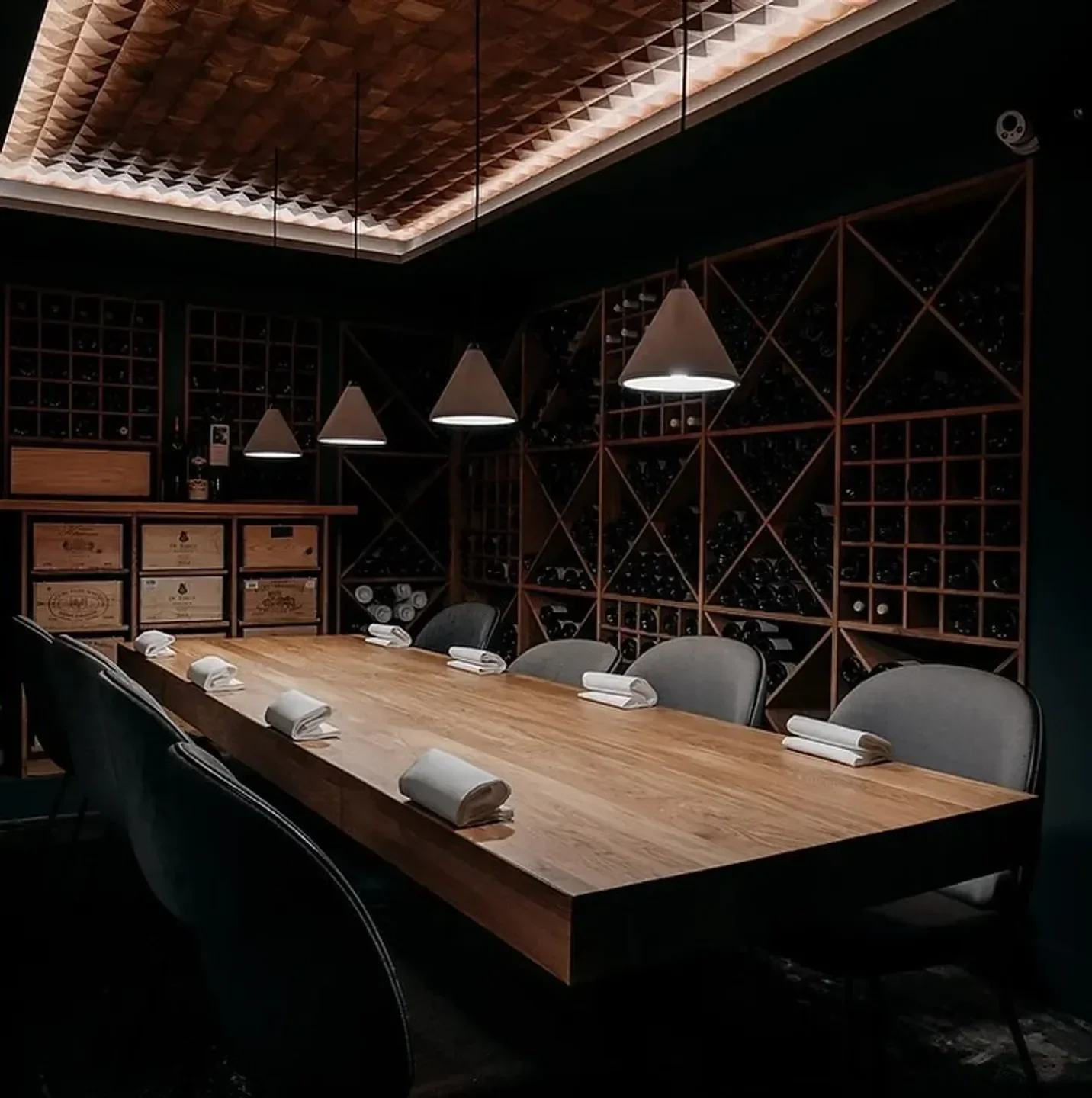
What is it? Restaurant 212 anchors the modern Amsterdam dining scene. The space pulses with a sharp energy, stripping away the walls that usually hide the kitchen. You walk into a choreographed environment where the focus remains entirely on the craft.
Why we love it: An intimate, high-octane energy fills the room. We love how the staff interacts with the guests throughout the evening. They turn the meal into a collaborative event, making the experience feel like a backstage pass to a masterclass.
Good to Know: The unique configuration of Restaurant 212 ensures a clear sightline of the team's precise plating techniques.
Photos: Zoldering
04.Zoldering
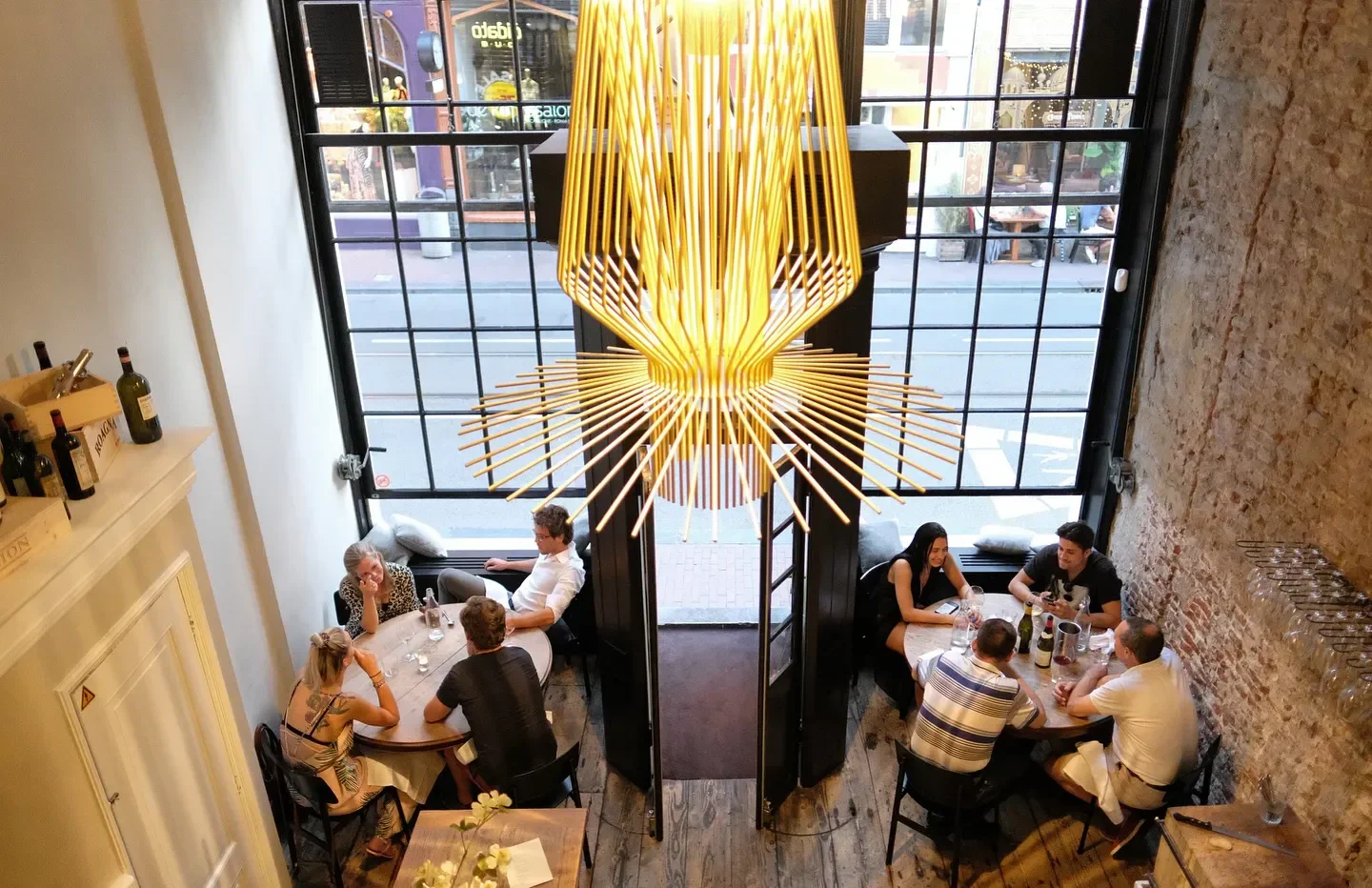
What is it? Zoldering brings a relaxed neighborhood feel to Amsterdam’s dining landscape. This Michelin-starred restaurant trades stiff formality for an approachable, high-energy room. You notice the lack of pretense the moment you step inside.
Why we love it: The kitchen balances technical precision with a focus on seasonal quality. It’s a rare spot where top-tier cooking meets the warmth of a local bistro. An expansive wine list serves as the restaurant’s backbone, offering bottles that turn a simple meal into a long event.
Good to Know: The wine list at Zoldering is remarkably deep, so ask for a bottle from their collection of smaller, independent producers.
Photos: De Kas
05.De Kas
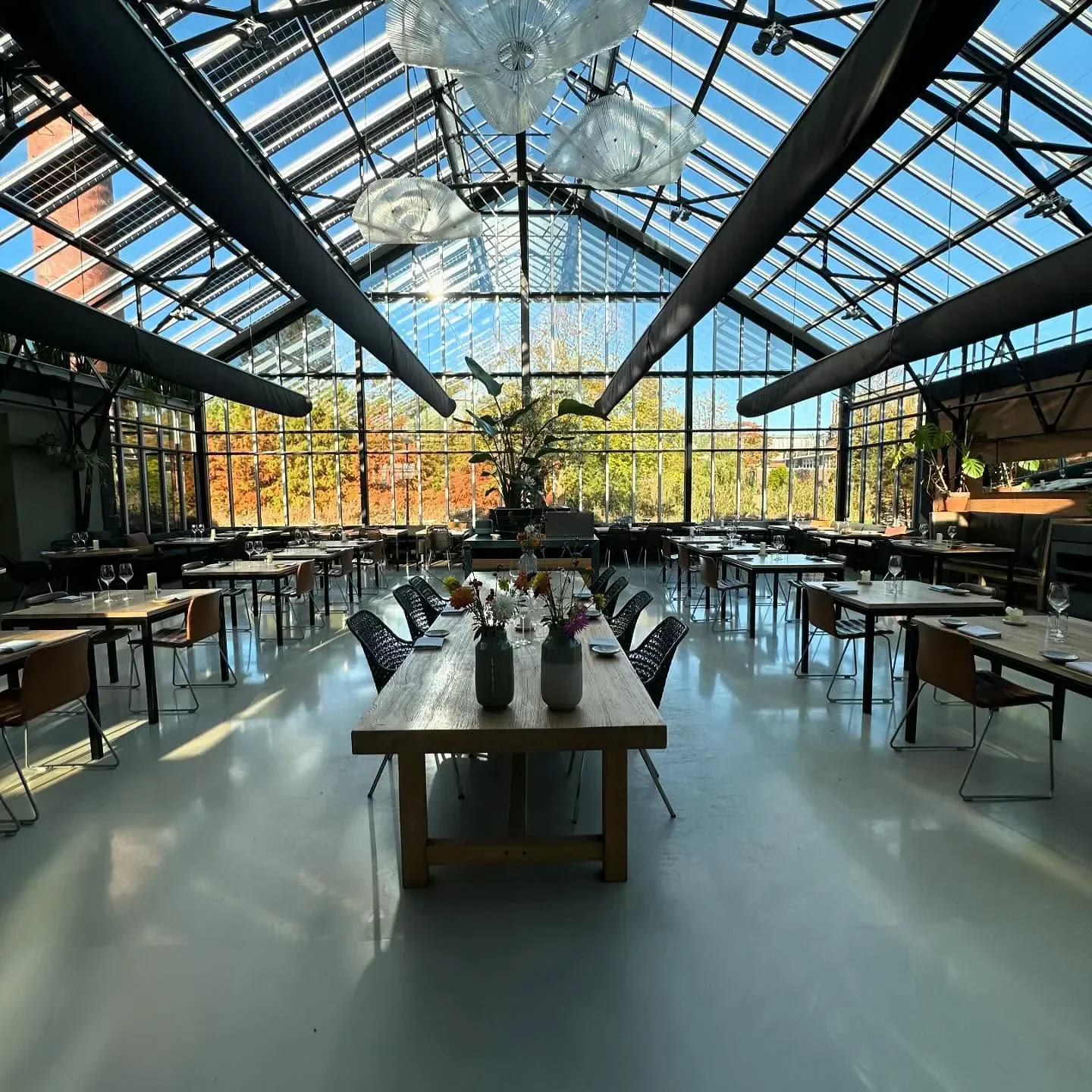
What is it? Light floods this glass-encased Amsterdam restaurant. The structure stands as a transparent shell between you and the surrounding greenery. It feels like a quiet sanctuary where the city's pace slows down and the architecture honors the natural world.
Why we love it: The kitchen emphasizes the journey from the soil to your plate. You watch the light change through the glass roof as the meal progresses, grounding the experience in the specific time of day. Every dish reflects the immediate environment with sharp, clean flavors and focused execution.
Good to Know: The tasting menu at De Kas follows the daily harvest, which means the ingredients on your plate likely grew just a few meters from your table that morning.
Photos: Lars Amsterdam
06.Lars Amsterdam
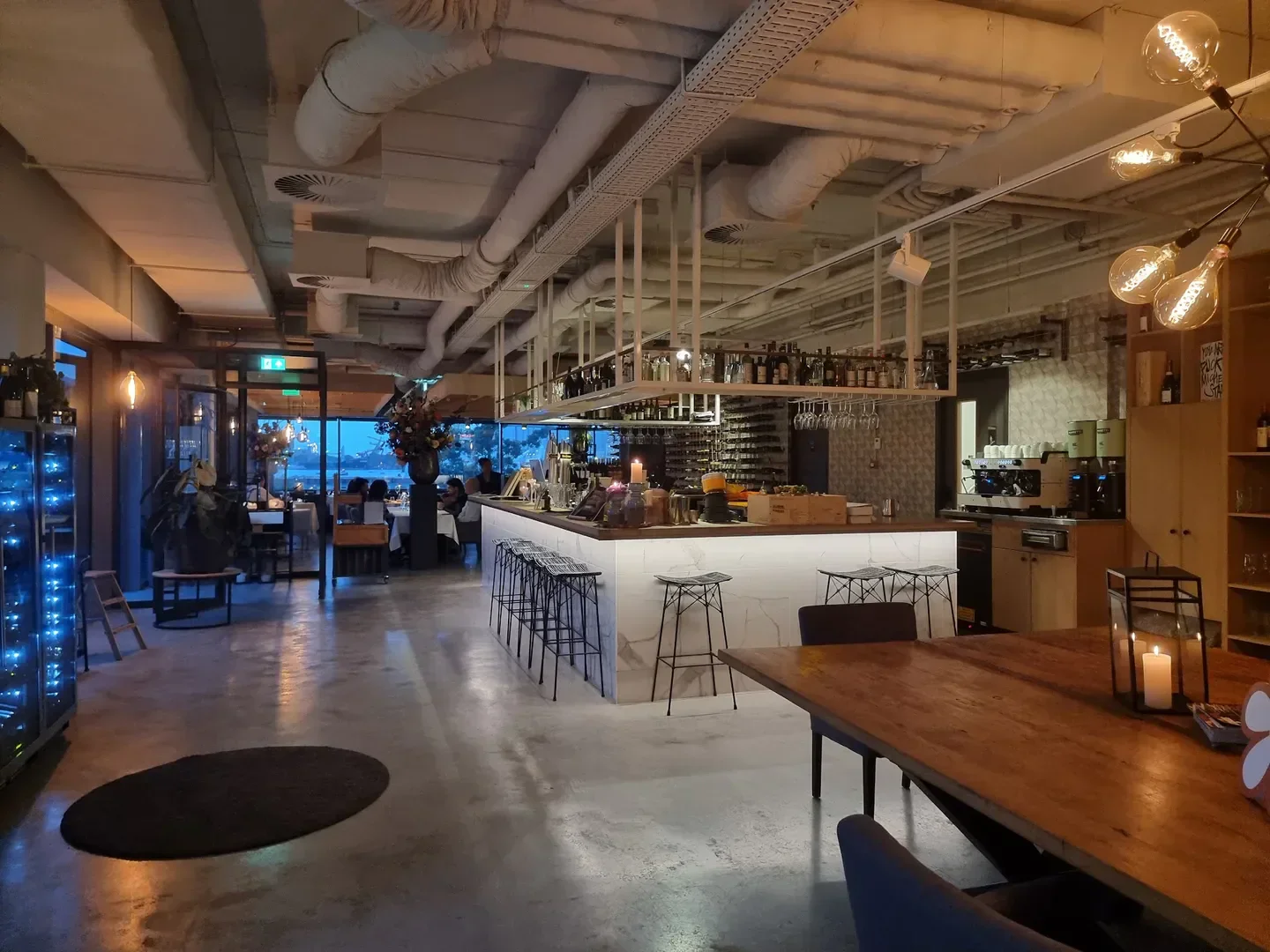
What is it? Lars Amsterdam operates as a sleek, intentional hub in the city’s evolving architectural landscape. This restaurant balances a high-end culinary approach with a vibe that feels distinctly urban and modern. You enter a space where the focus stays squarely on the craft happening in the kitchen.
Why we love it: The kitchen team works with a visible intensity that dictates the rhythm of the evening. Every plate reflects a commitment to technical precision, arriving with a level of detail that commands your attention. It is the kind of environment where the service is sharp, the room is buzzy, and the craft takes center stage.
Good to Know: The kitchen at Lars Amsterdam excels at textural contrast, so notice how they pair crisp elements with richer components in their multi-course sequences.
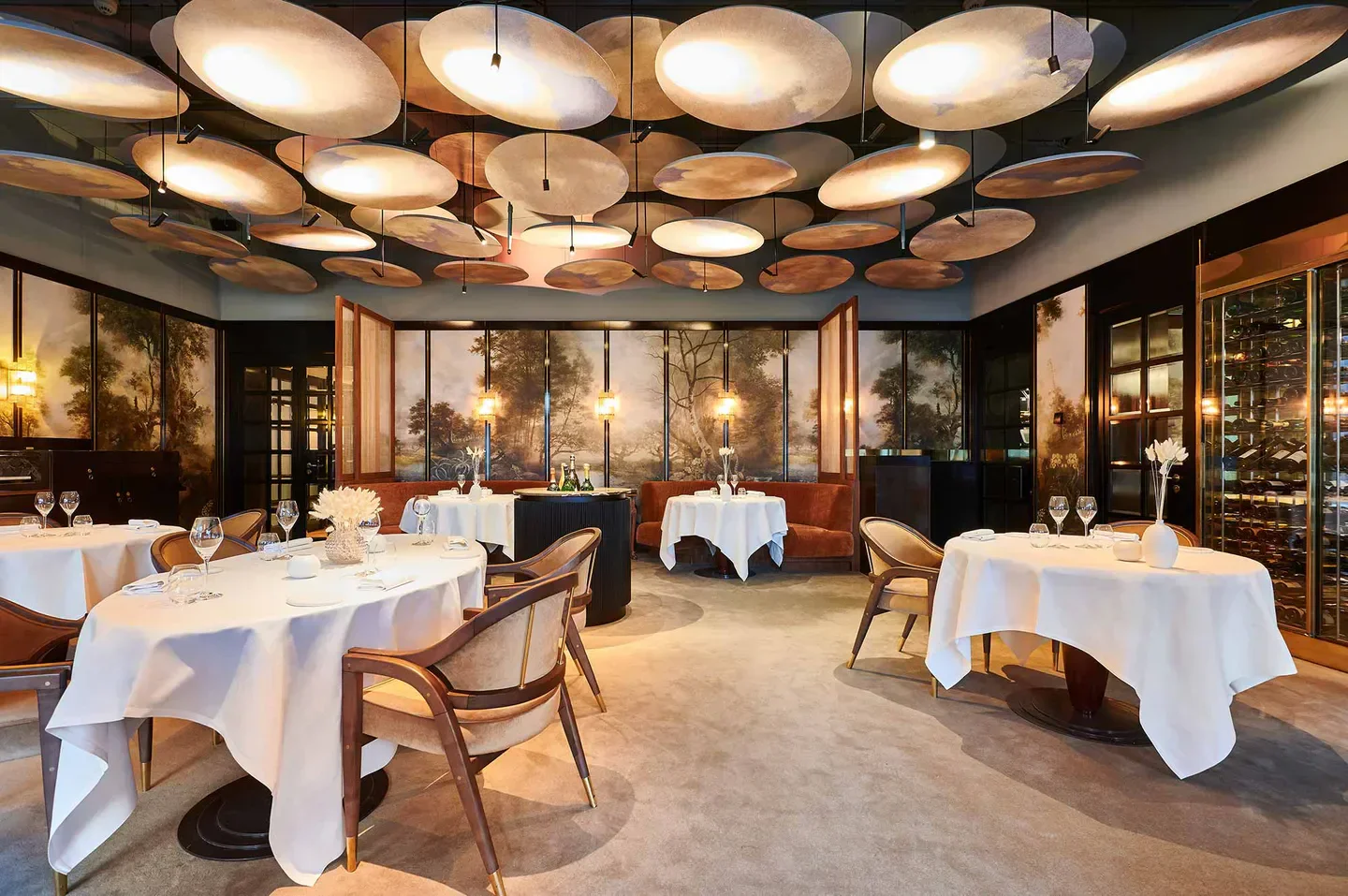
Photos: Flore
07.Flore
What is it? Flore occupies a quiet, polished corner of Amsterdam, immediate in its precision. The room radiates a quiet, fine dining energy that feels both contemporary and deeply intentional. You walk in, and the space centers you instantly.
Why we love it: Modern techniques define the kitchen’s output, transforming seasonal ingredients into a thoughtful, creative sequence. The service moves with a choreographed grace that matches the room's beauty, making a long, romantic dinner feel like a singular event.
Good to Know: The creative, contemporary menu at Flore demands your full attention, so plan for a lengthy experience that prioritizes the rhythm of the kitchen over the bustle of the city.
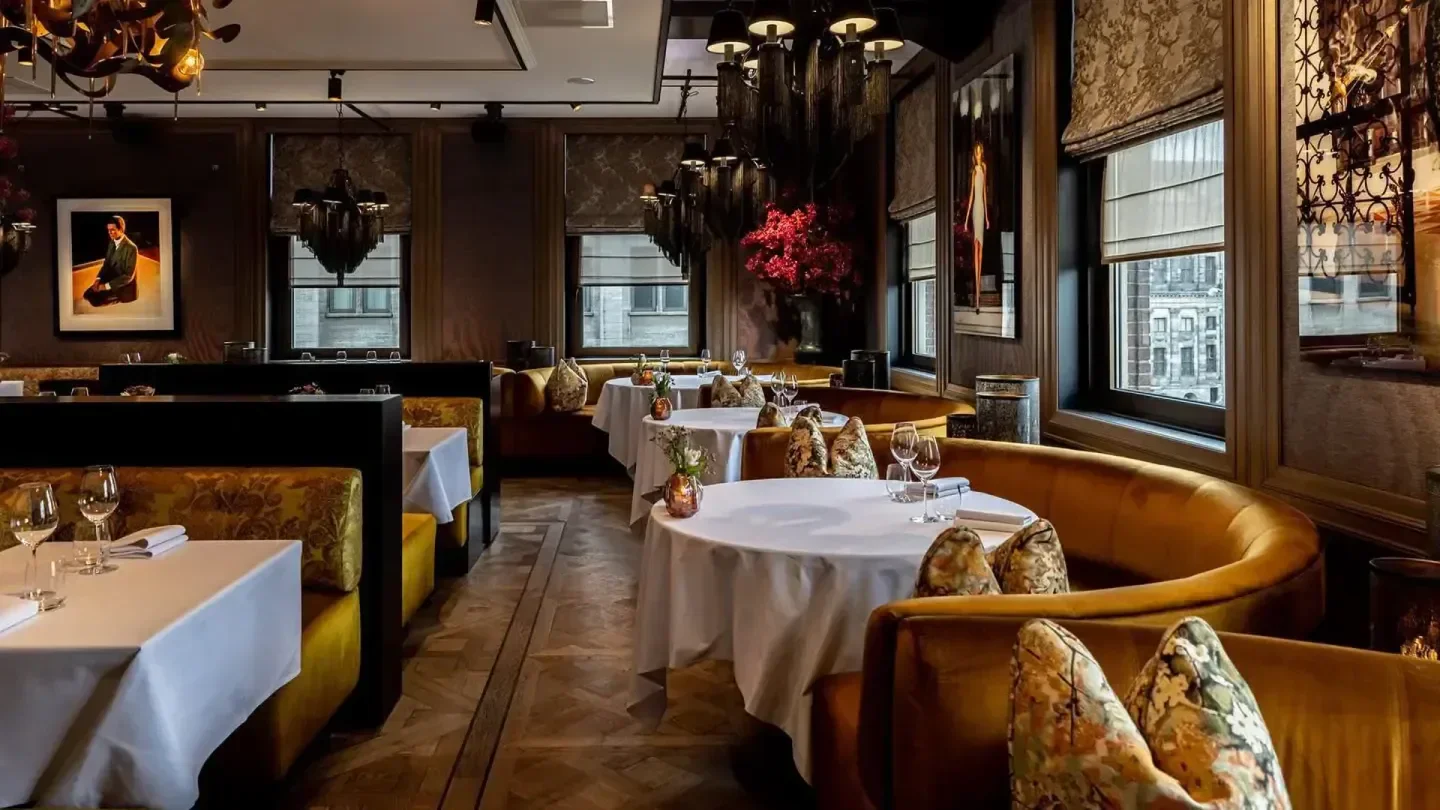
Photos: Boungainville
08.Boungainville
What is it? Boungainville anchors a central corner of Amsterdam with a direct, high-performance approach to dining. The room hums with a focused energy. You notice the floor team moving with the silent, practiced coordination of a well-rehearsed cast.
Why we love it: The atmosphere balances professional polish with a steady, rhythmic pace. Silverware clinks against china as service flows with a deliberate timing that never feels rushed. It is a space where technical precision defines the evening and the staff anticipates needs before they are voiced.
Good to Know: Request a seat with a view of the wine display at Boungainville to watch the sommelier navigate the extensive collection of rare vintages throughout the night.
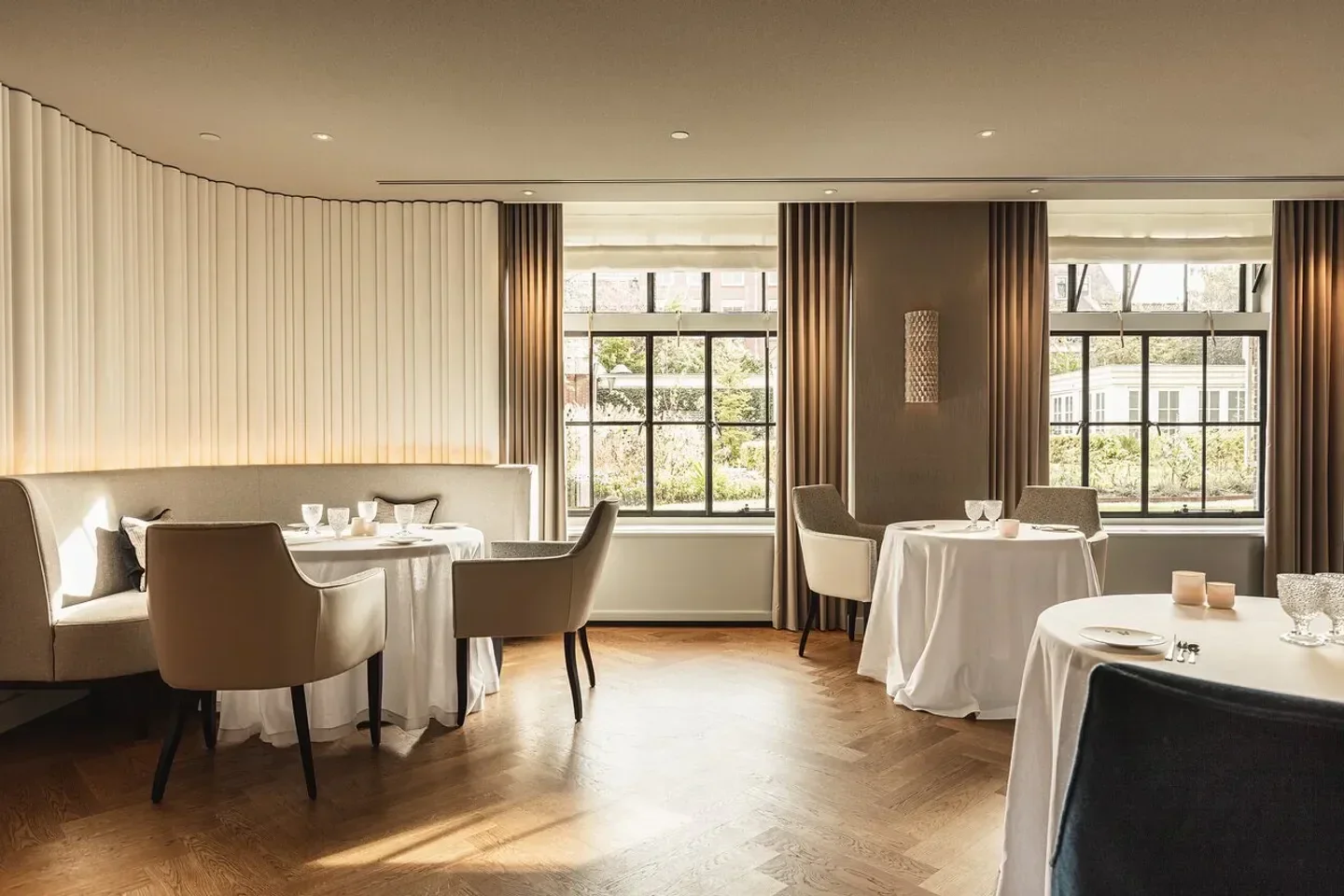
Photos: Spectrum
09.Spectrum
What is it? Spectrum serves as a high-functioning anchor for the Amsterdam dining scene. The room vibrates with a quiet, sharp energy that signals a disciplined approach to the meal. You walk into a space where modern Dutch style meets a serious kitchen culture.
Why we love it: The staff navigates the floor with practiced, silent efficiency. Plates arrive as studies in texture and temperature, focusing on the raw potential of local ingredients. It is the type of room where the outside world fades, leaving only the rhythm of the service.
Good to Know: The progression of plates at Spectrum is designed for a full evening, so avoid booking other plans for after your reservation.
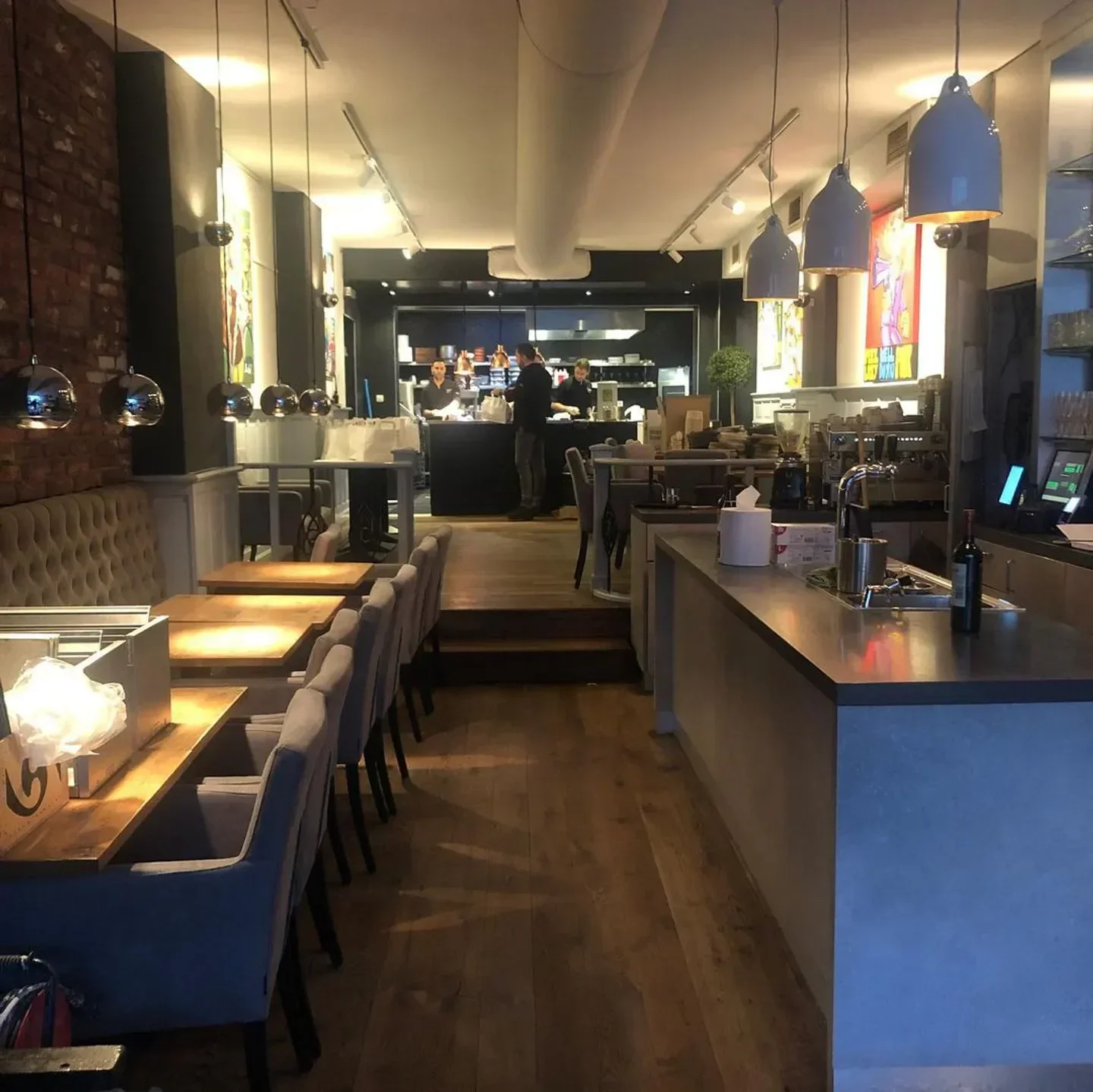
Photos: Sinne
10.Sinne
What is it? Sinne pairs a Michelin-starred pedigree with a refreshingly casual atmosphere. The Amsterdam space feels open and bright. It strips away the heavy velvet and hushed tones often associated with fine dining. An open kitchen hums at the center of the room, giving every guest a front-row seat to the action.
Why we love it: The kitchen builds its tasting menu around local ingredients. Chefs move with speed and precision, plating each course under the glow of the kitchen lights. You get the technical mastery of a high-end kitchen, but the room stays as comfortable as a neighborhood bistro.
Good to Know: Seats near the open kitchen at Sinne offer the best view of the chefs prepping the local ingredients featured on the tasting menu.