
The Best Beach Clubs in Bali




Plan Your Experience
The Experience
Bali Beach Clubs Unlocked
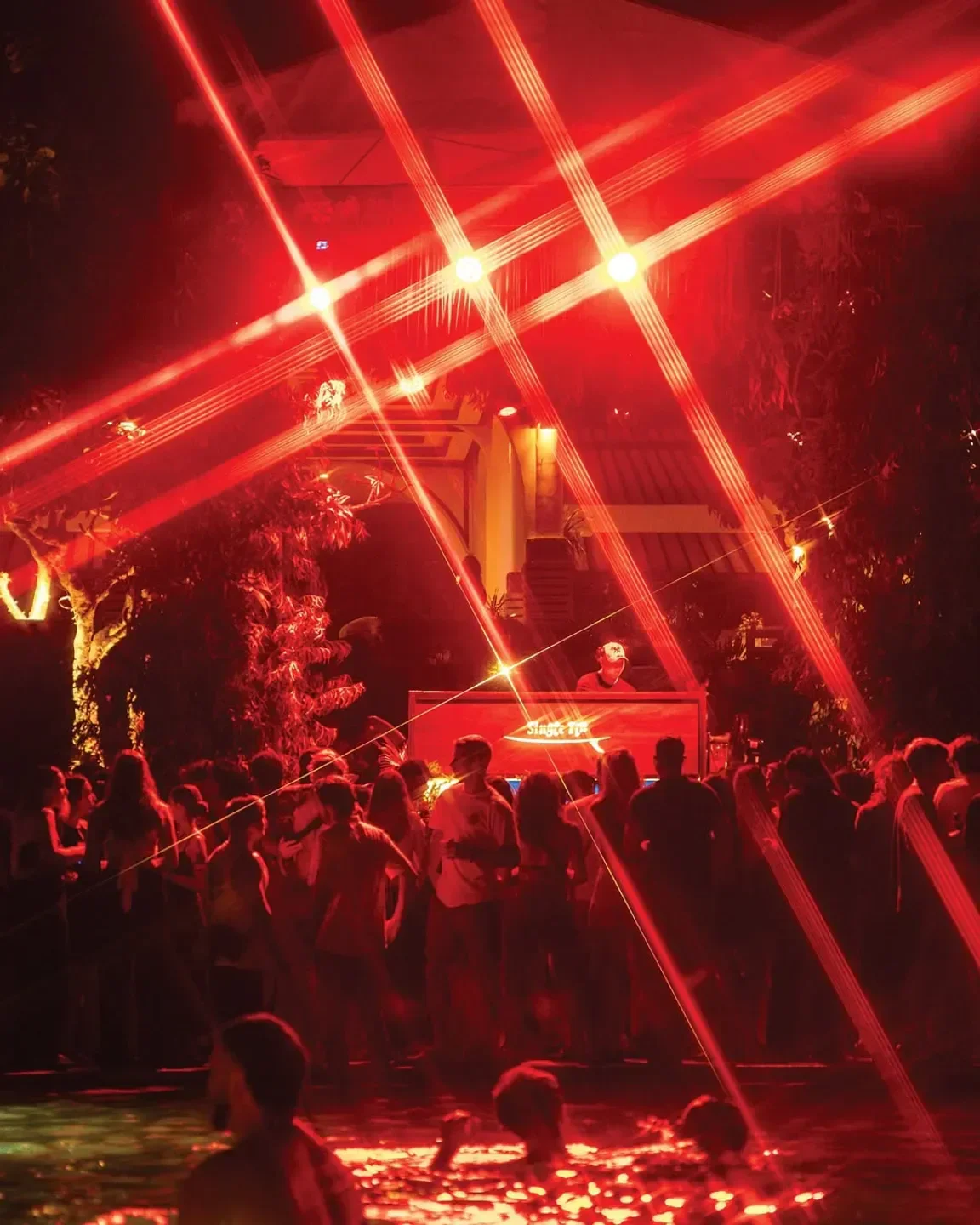
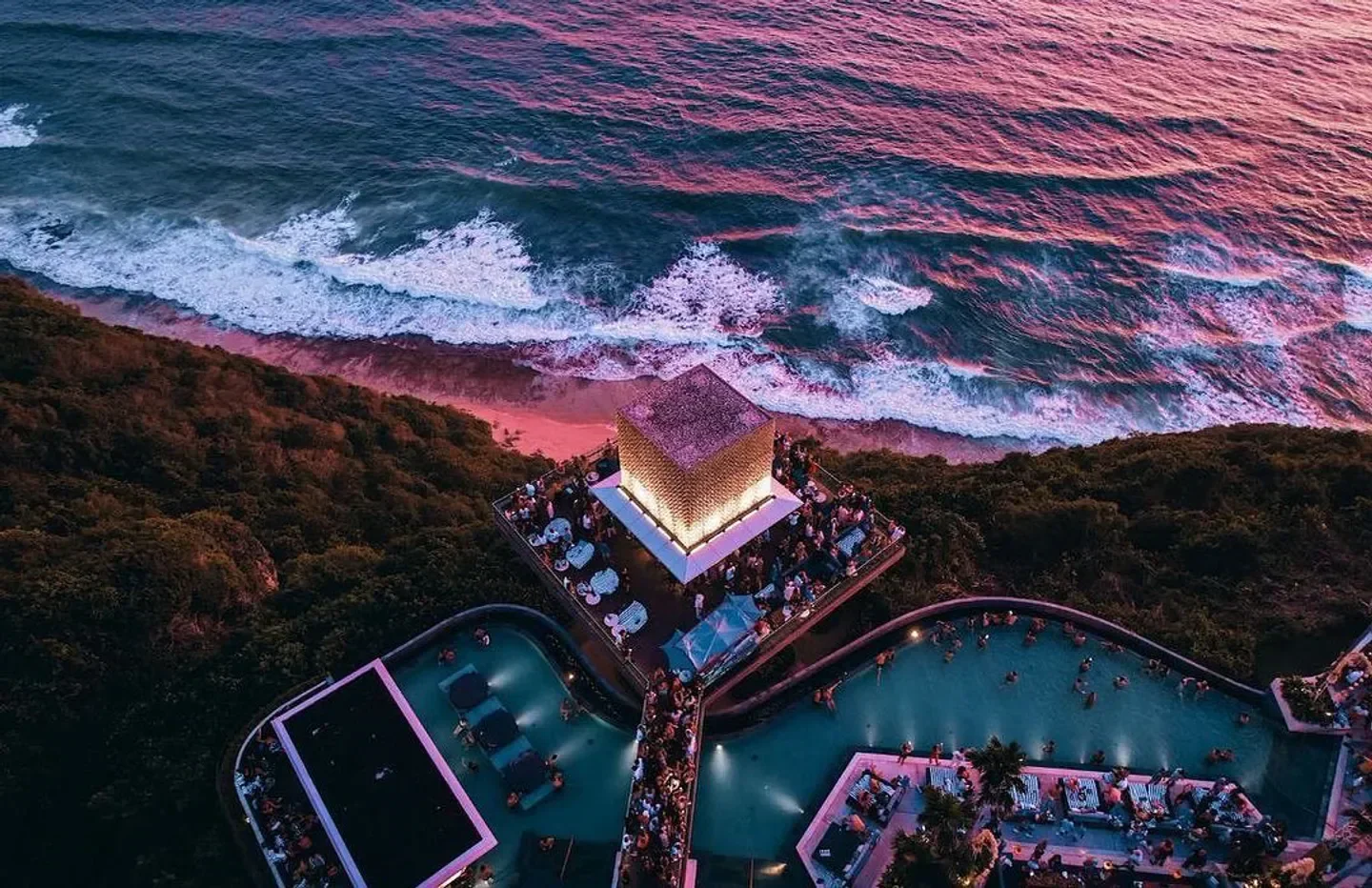
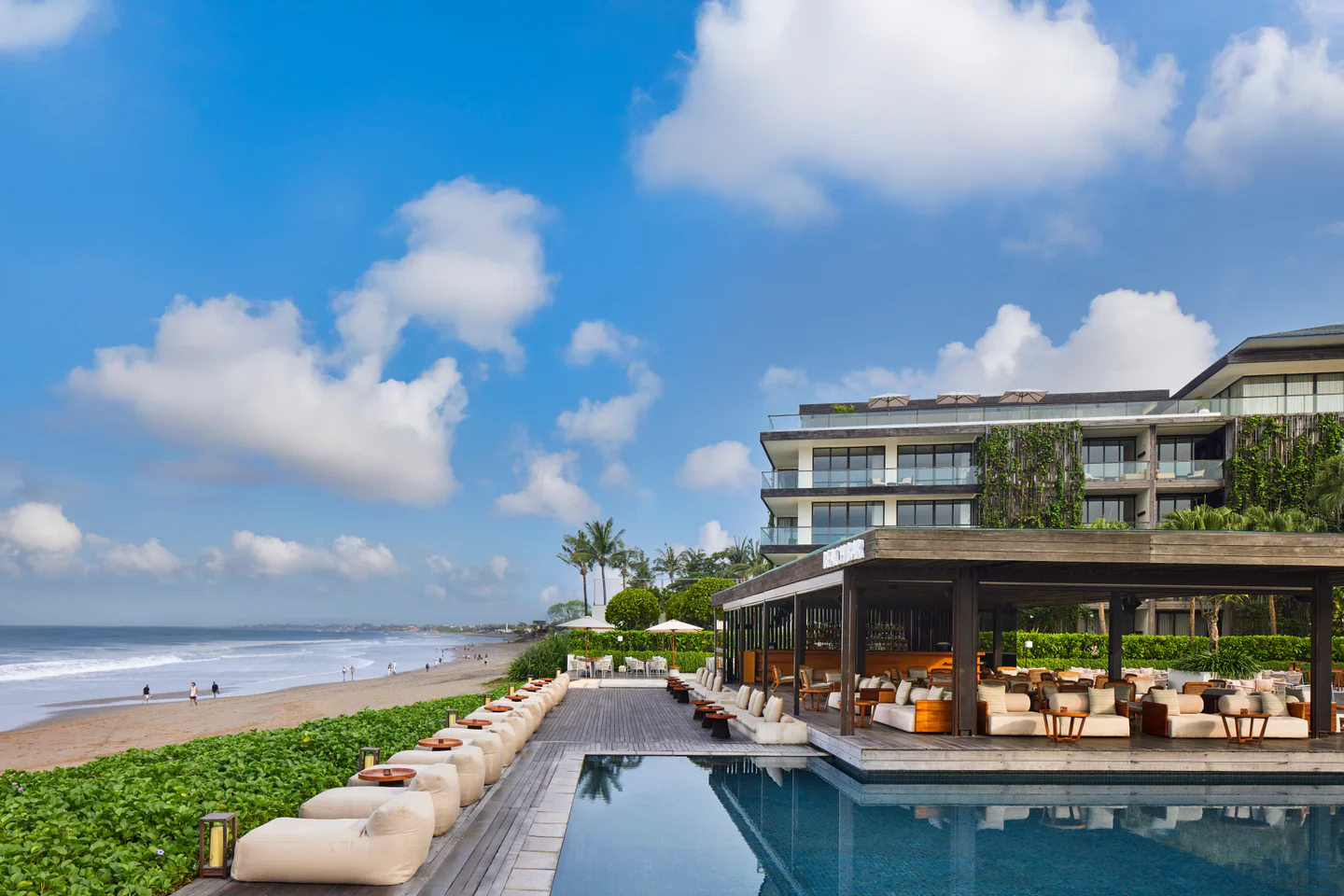
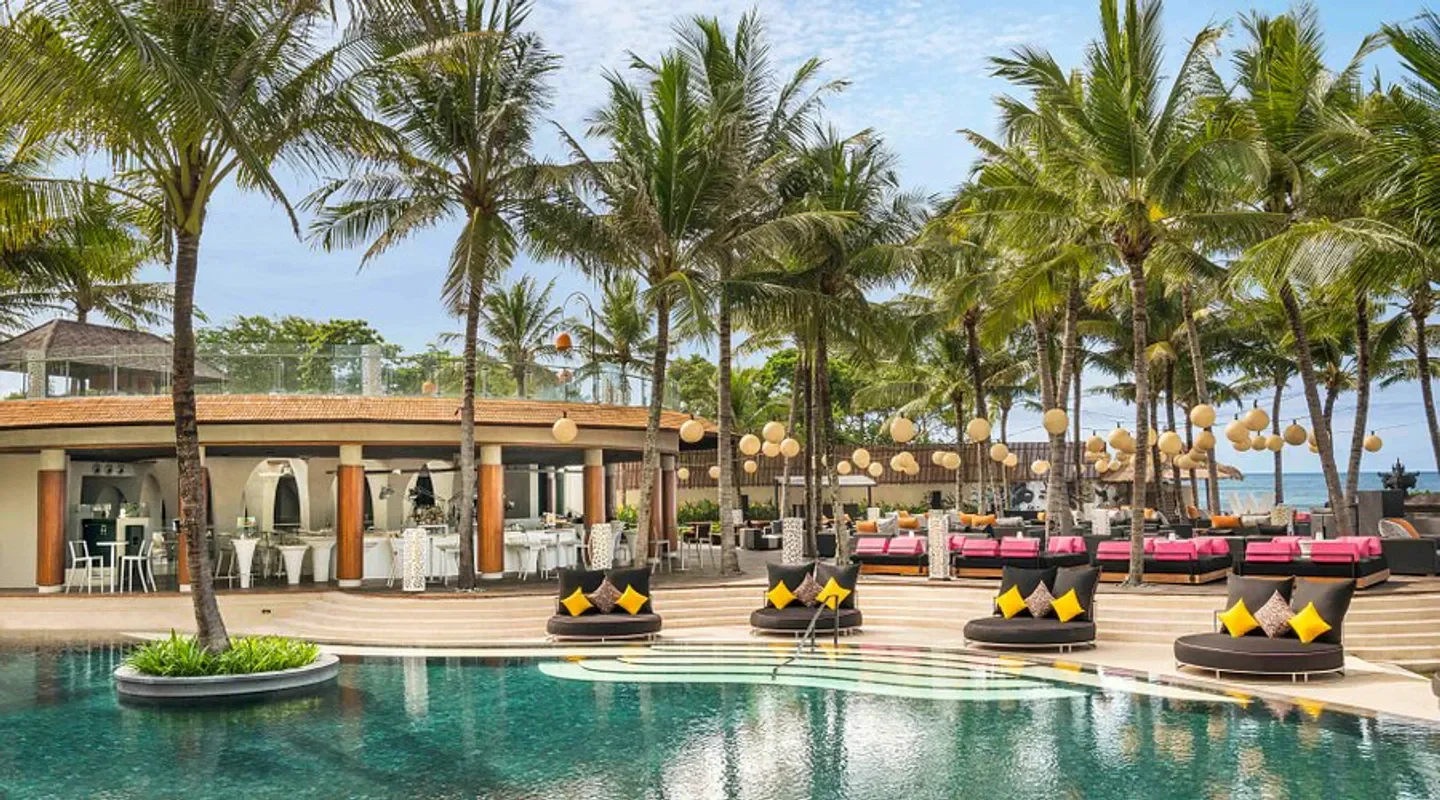
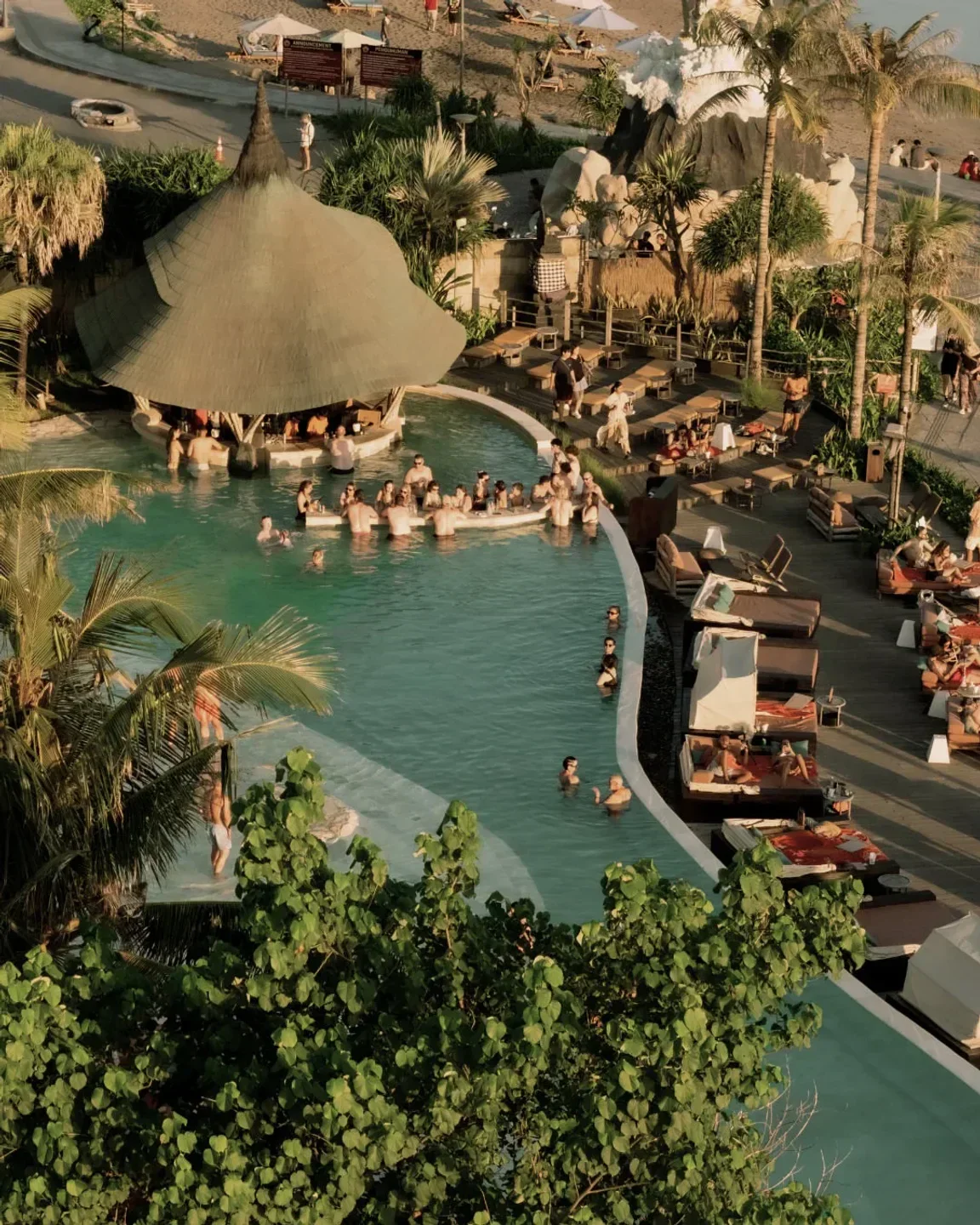
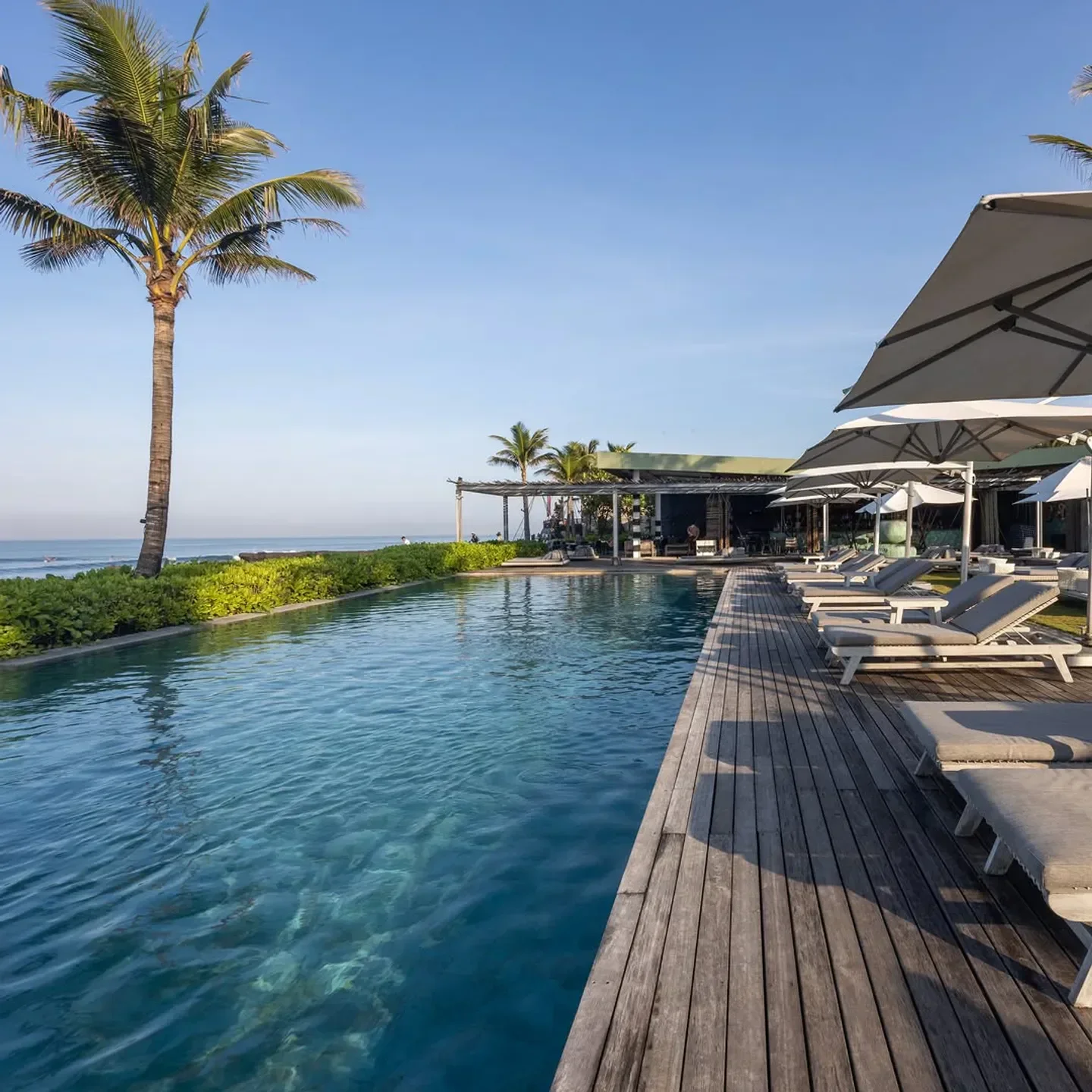
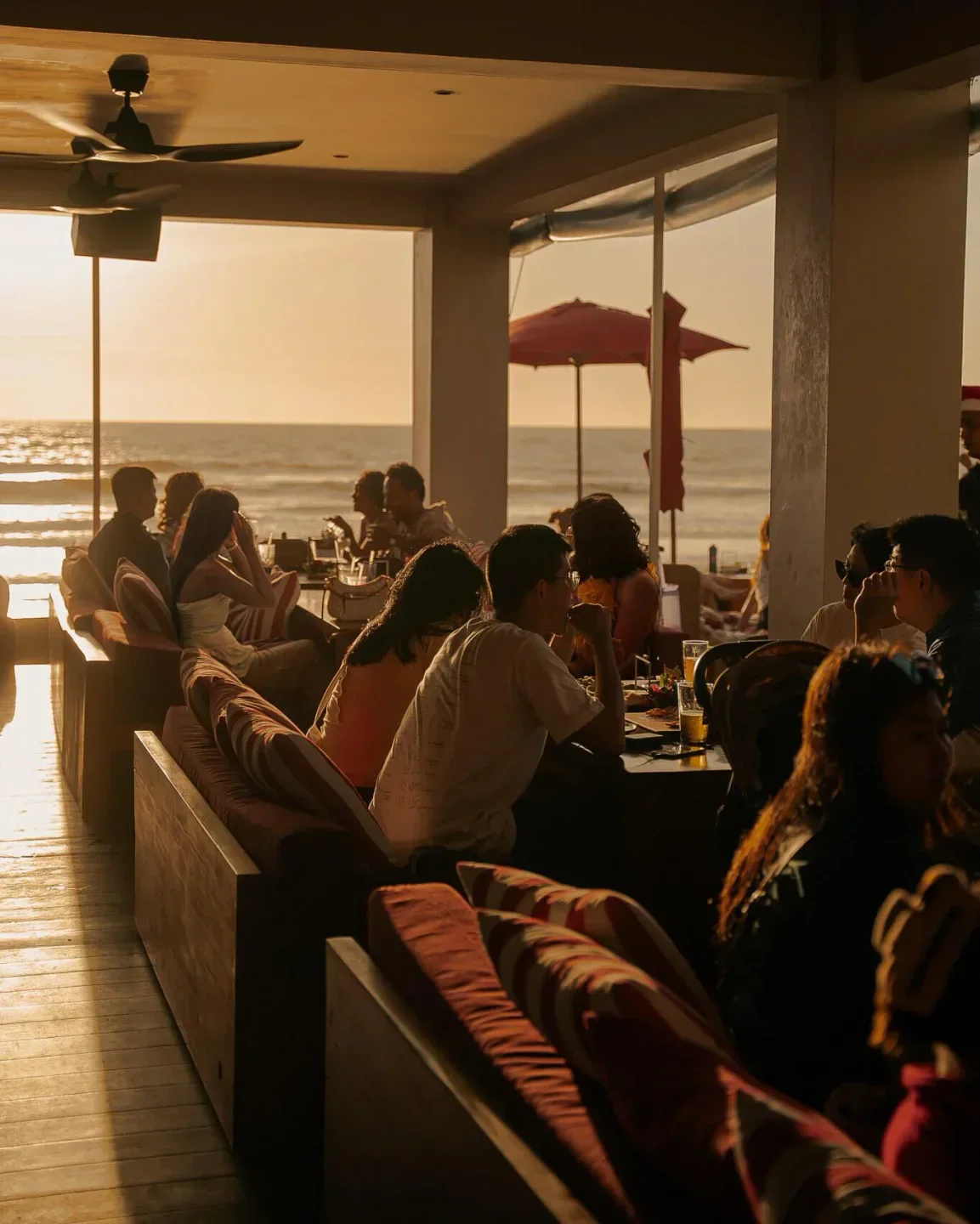
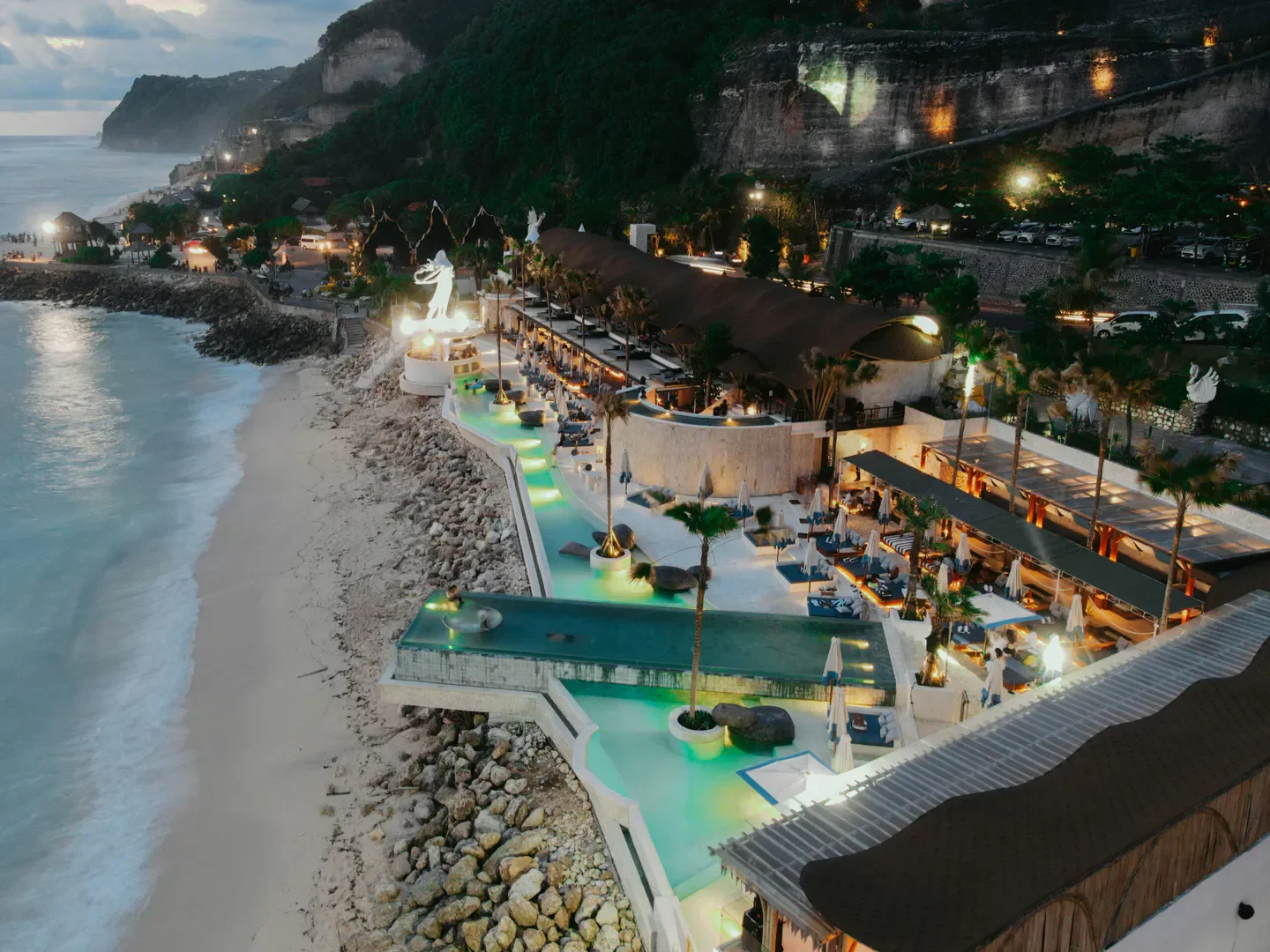
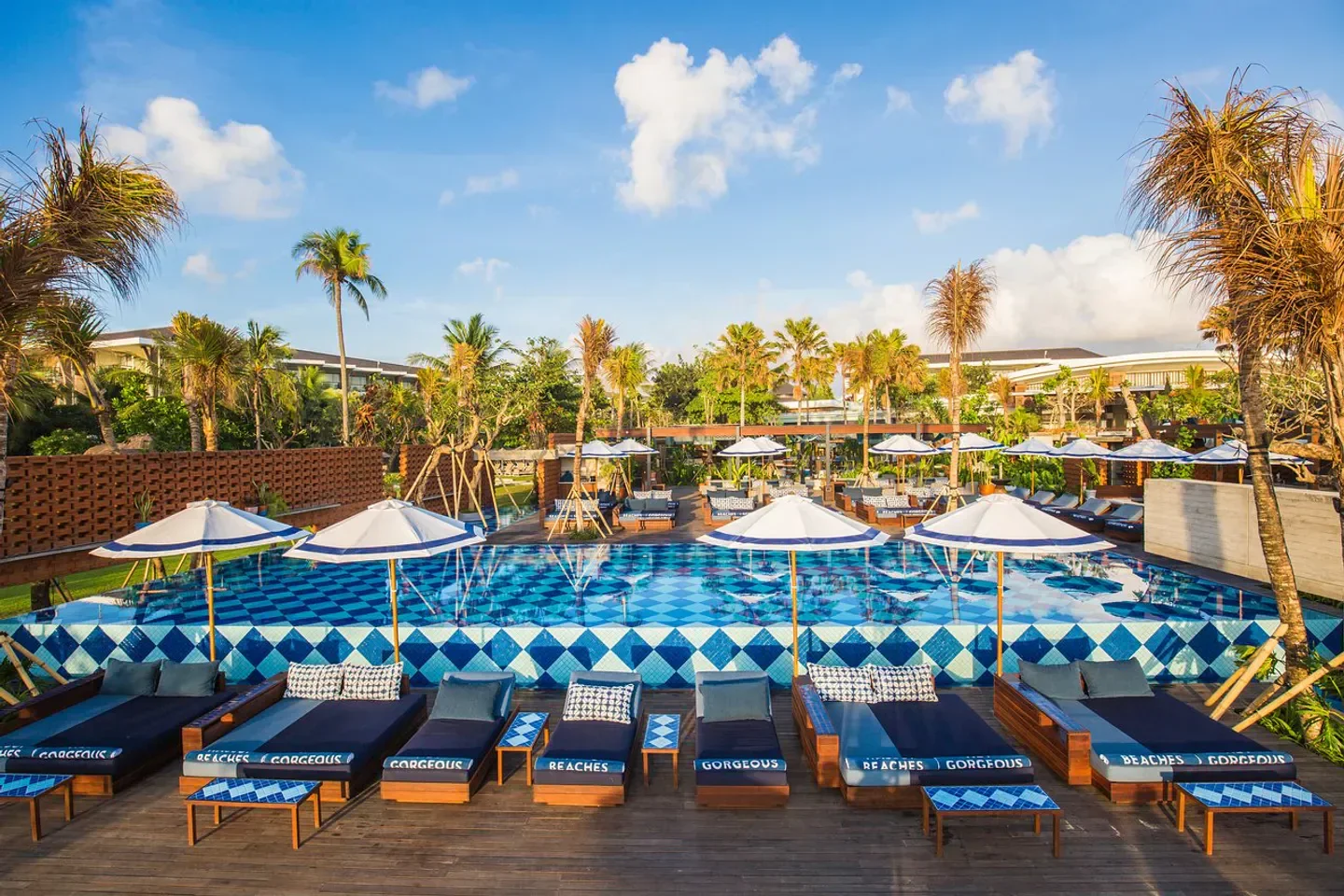
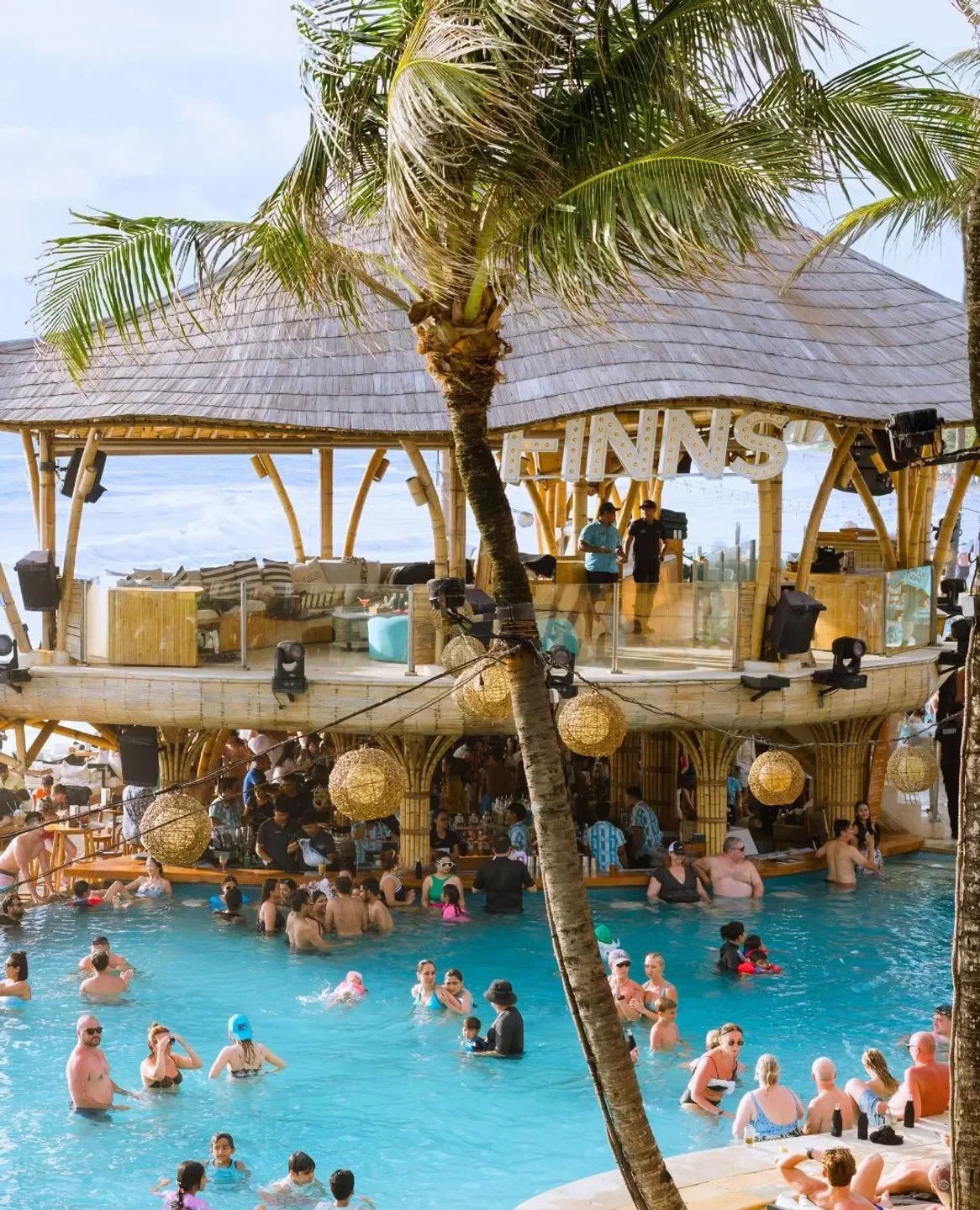
Bali beach clubs function as integrated social ecosystems where the tropical climate mandates a blurring of indoor and outdoor space. These venues rely on a unique rhythm of all-day transitions, shifting from sun-drenched coastal lounging to high-energy nightlife under the stars. Unlike temperate beach bars, these institutions are designed to handle the humidity and intense sunlight through massive, open-air structures.
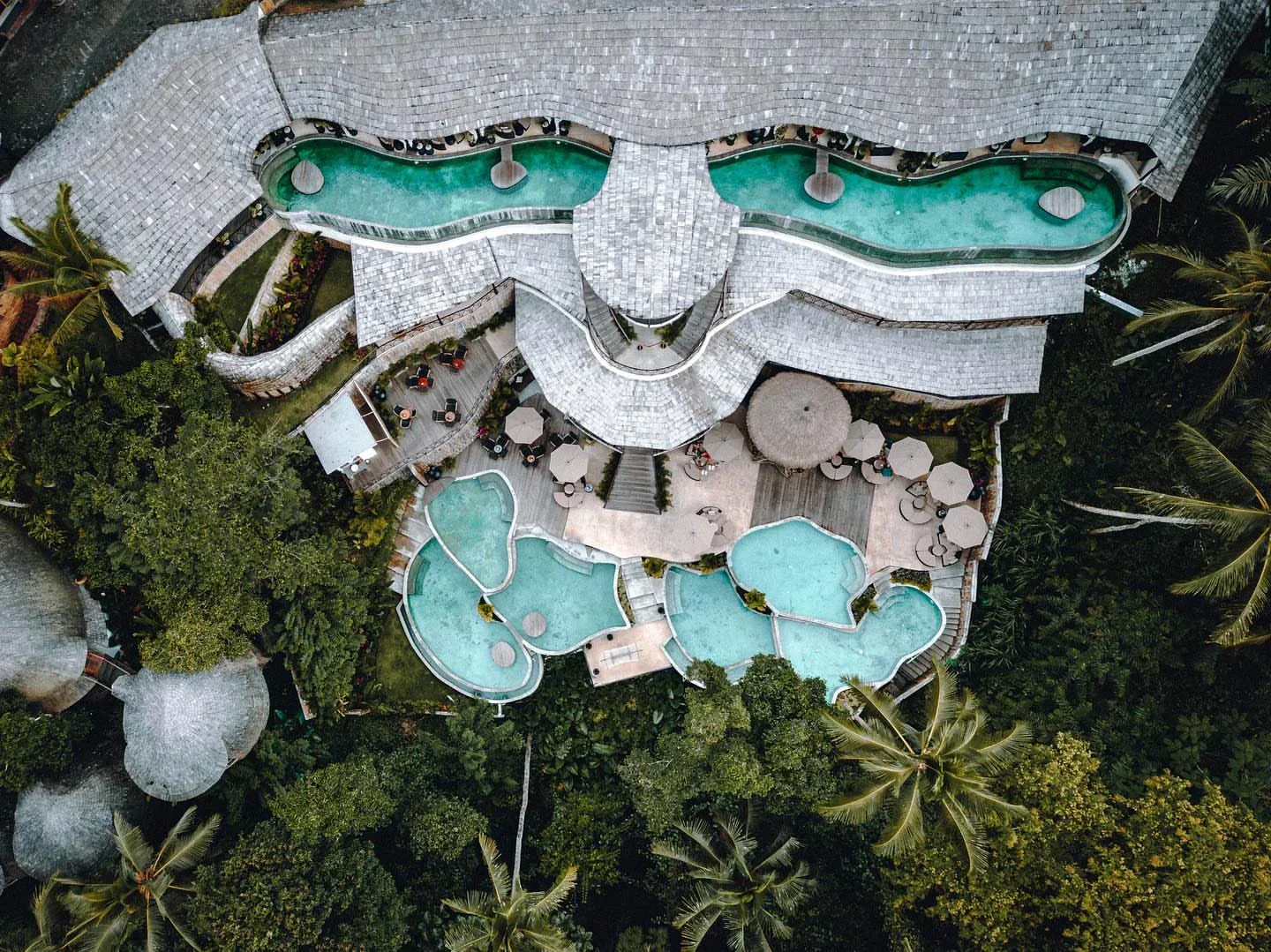
Seminyak remains the densest cluster, where the scene caters to those wanting immediate access to the shoreline and urban energy. KU DE TA draws a crowd focused on refined seaside lounging, while nearby Potato Head Beach Club offers a complex, architecture-heavy environment for those who prefer a more communal social setting. For a departure from the coastal strip, Kabana Ubud creates a jungle-focused experience that replaces the ocean view with a steep, forested valley floor.
The dry season brings a surge in attendance that makes the midweek period far more manageable for those seeking space. While weekends pull in a mix of residents and travelers that pushes these venues to capacity, the late afternoon remains the critical hour for the transition between light and dark. We monitor these shifts to help you identify which spaces remain tethered to the tide and which transform into after-dark destinations.
Bali Beach Clubs FAQ