En Tokio, la pura densidad de la excelencia es paralizante. No te limitas a "salir a cenar". Te comprometes con una geografía específica, a menudo oculta. La excelencia se esconde detrás de puertas de acero sin marcar y subiendo tres tramos de escaleras estrechas. Los mejores chefs de la ciudad no persiguen tendencias ni "likes" en redes sociales. Persiguen el pico efímero de un solo pescado o de una verdura de montaña específica. Navegar por este paisaje requiere una comprensión de las reglas tácitas.
El tiempo es la moneda local. En Sushiya Shota, el omakase se mueve con la eficiencia rítmica de un reloj. Encontrarás el mismo enfoque en Ginza Kousui, donde los cambios estacionales se capturan en cada recipiente de cerámica. Incluso los platos ahumados en Torakuro o la progresión tranquila y magistral en Kaiseki Ohara se sienten como actuaciones privadas. Esta no es una ciudad para los indecisos o los que llegan tarde a la moda. Recompensa a los pacientes y a los puntuales.
Asegurar un asiento en estas mesas requiere esfuerzo. Empieza con estos cuatro.
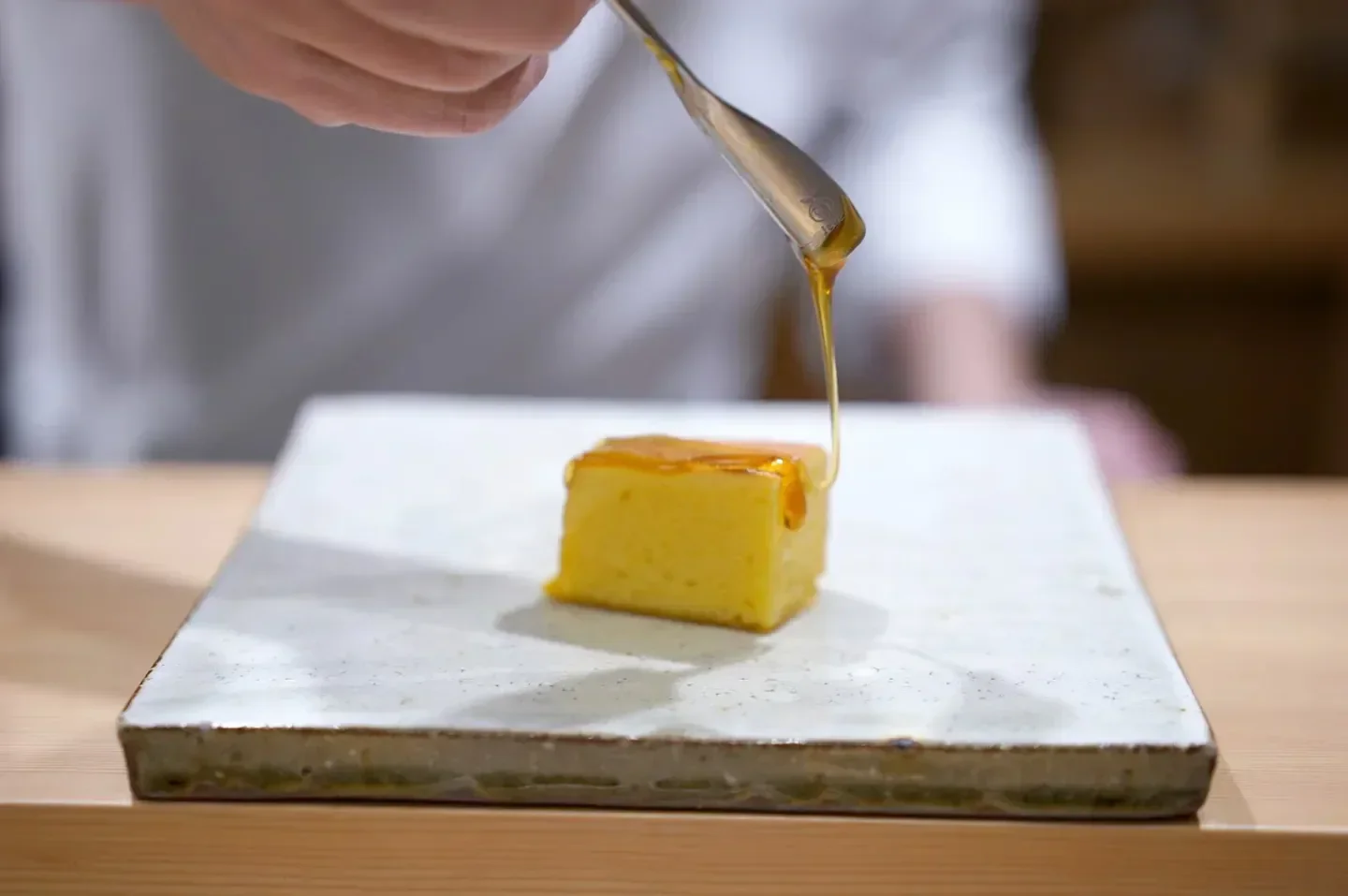
Fotos: Higashiazabu Amamoto
01.Higashiazabu Amamoto
What is it? Higashiazabu Amamoto sits at 1 Chome-7-9 Higashiazabu. This traditional Japanese sushi restaurant holds a spot on the 2024 La Liste at number 56.
Why we love it: While many establishments in Minato City demand attention through scale, this venue relies on a refined, private atmosphere that justifies its high price tier. The consistency of the experience is reflected in a 4.73 guest rating from 200 reviews, proving that the technical precision of their traditional sushi preparation remains a draw for those prioritizing quality over flash.
Good to Know: The formal, smart and elegant dress code at Higashiazabu Amamoto is strictly observed by its clientele, so plan your attire accordingly for an evening within walking distance of Zojoji Temple.
Fotos: Hakkoku
02.Hakkoku
What is it? Hakkoku is a sushi restaurant in Ginza, Chuo City, that holds a Michelin star. It sits a four-minute walk from Ginza Six and is roughly a ten-minute walk from the Kabuki-za Theatre.
Why we love it: This is high-end Japanese seafood prepared with a focus on fine dining precision that justifies its premium price point. With a 4.67 rating from 364 reviews, it delivers a consistent, romantic atmosphere that remains rare for a sushi-focused space in this part of Tokyo.
Good to Know: Hakkoku demands a smart and elegant dress code to match the focused, luxury environment of its counter.
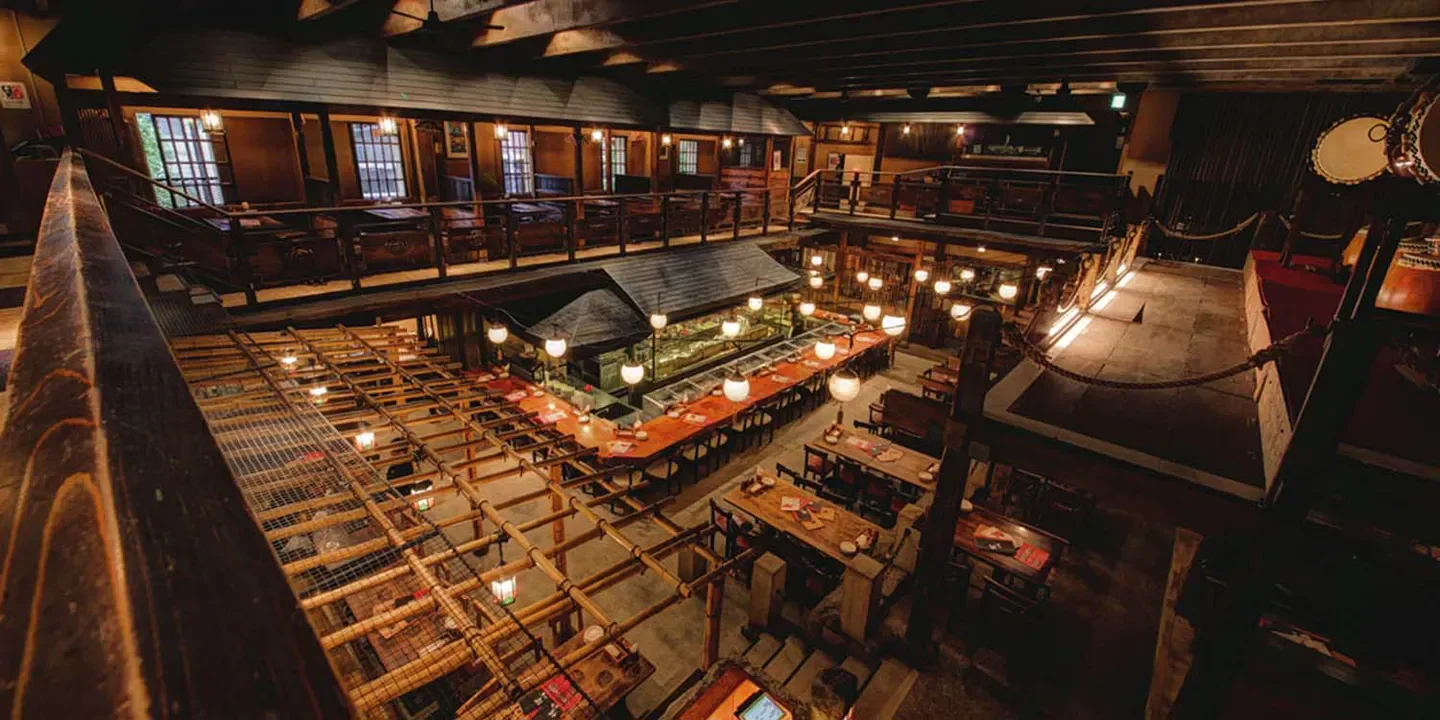
Fotos: Gonpachi Nishi-Azabu
03.Gonpachi Nishi-Azabu
What is it? Gonpachi Nishi-Azabu sits at 1 Chome-13-11 Nishiazabu, a fifteen-minute walk from Roppongi Hills. It is a traditional Japanese restaurant that bridges the gap between mid-range accessibility and a fine-dining aesthetic.
Why we love it: With 6,568 reviews yielding a 4.47 rating, the restaurant balances its status as a tourist landmark with a consistent output of sushi and traditional fare. The space leans into a romantic, luxury atmosphere that feels distinct from the utilitarian izakayas found in the surrounding Minato City streets.
Good to Know: If you prefer a quieter, more intimate vantage point over the main floor, request seating on the terrace at Gonpachi Nishi-Azabu to pair your traditional meal with an elevated view of the city.
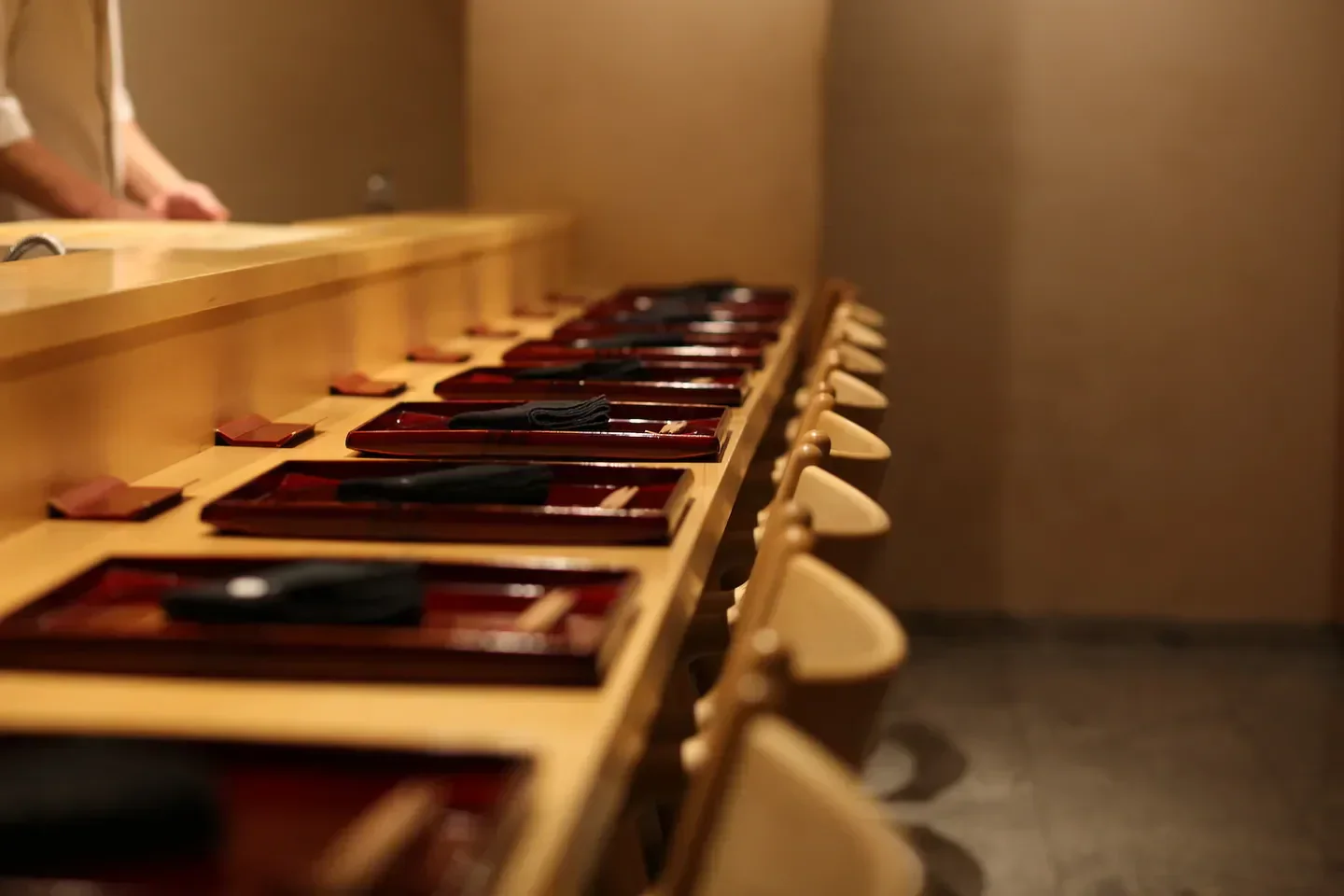
Fotos: Ginza Shinohara
04.Ginza Shinohara
What is it? Ginza Shinohara sits on 2 Chome-8-17 Ginza, a six-hundred-meter walk from the Kabuki-za Theatre. The restaurant holds two Michelin stars and is a noted fixture in the 2024 La Liste rankings at number 58.
Why we love it: This is traditional Japanese and sushi dining stripped of pretense and focused entirely on the craft. While many Ginza establishments rely on high-traffic proximity, the sustained 4.76 guest rating suggests a rigor that justifies the significant price point. It manages to feel intimate despite the demands of its high-end setting.
Good to Know: Given the precision of the traditional Japanese cuisine at Ginza Shinohara, guests should adhere to the smart and elegant dress code to match the formality of the service.
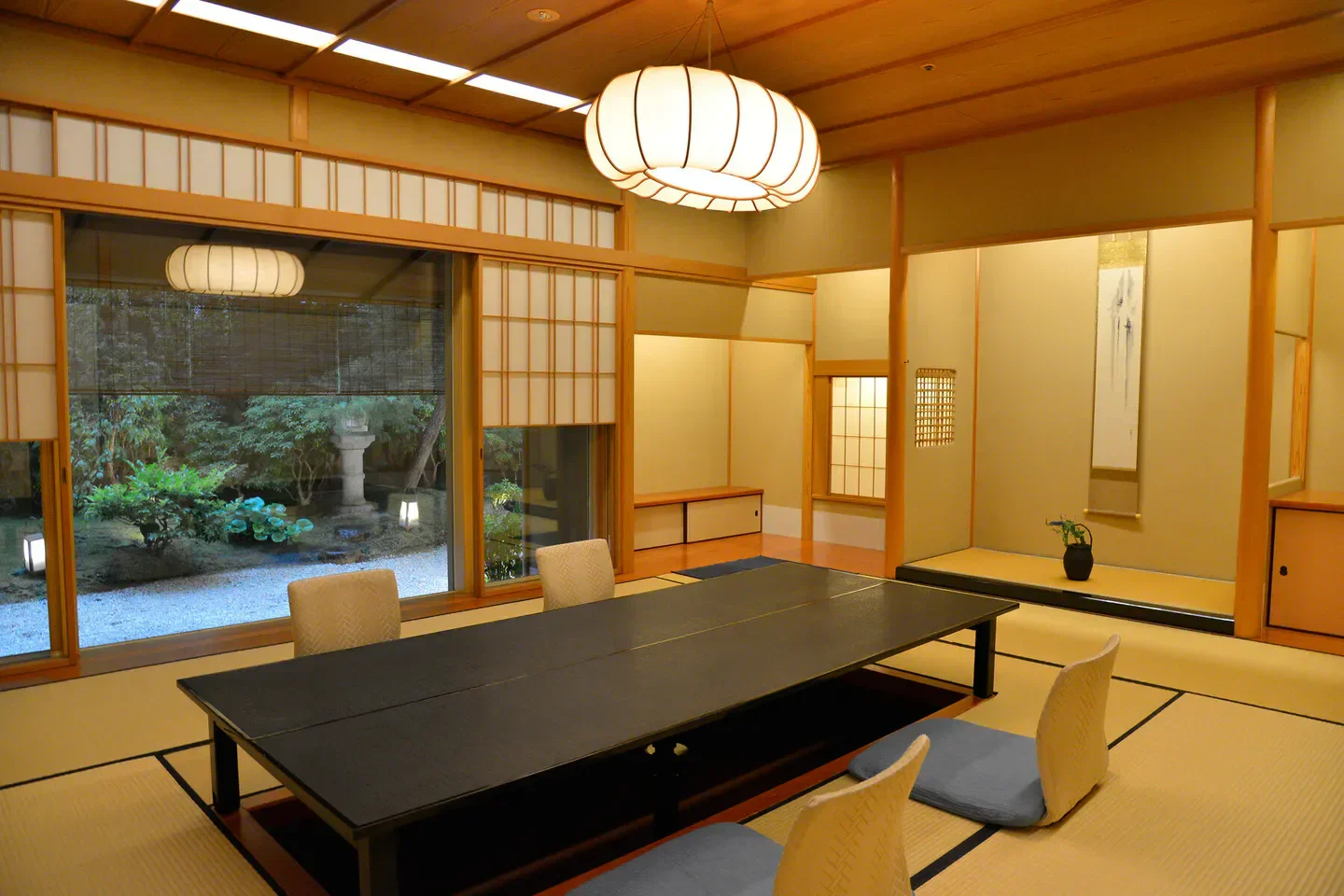
Fotos: Daigo
05.Daigo
What is it? Daigo is a Minato City restaurant specializing in traditional Japanese and sushi preparations. It holds a Michelin star and ranks at number 20 on La Liste, situated a short walk from Tokyo Tower.
Why we love it: While many Tokyo dining rooms chase trends, Daigo focuses on the rigors of traditional Japanese technique and a quiet, luxury-driven atmosphere. It commands a high price for its consistency, supported by a 4.72 rating from nearly 300 diners who value its secluded, romantic posture over the noise of the nearby Roppongi Hills corridor.
Good to Know: Daigo requires a smart and elegant dress code that reflects the formal precision of its traditional Japanese menu.
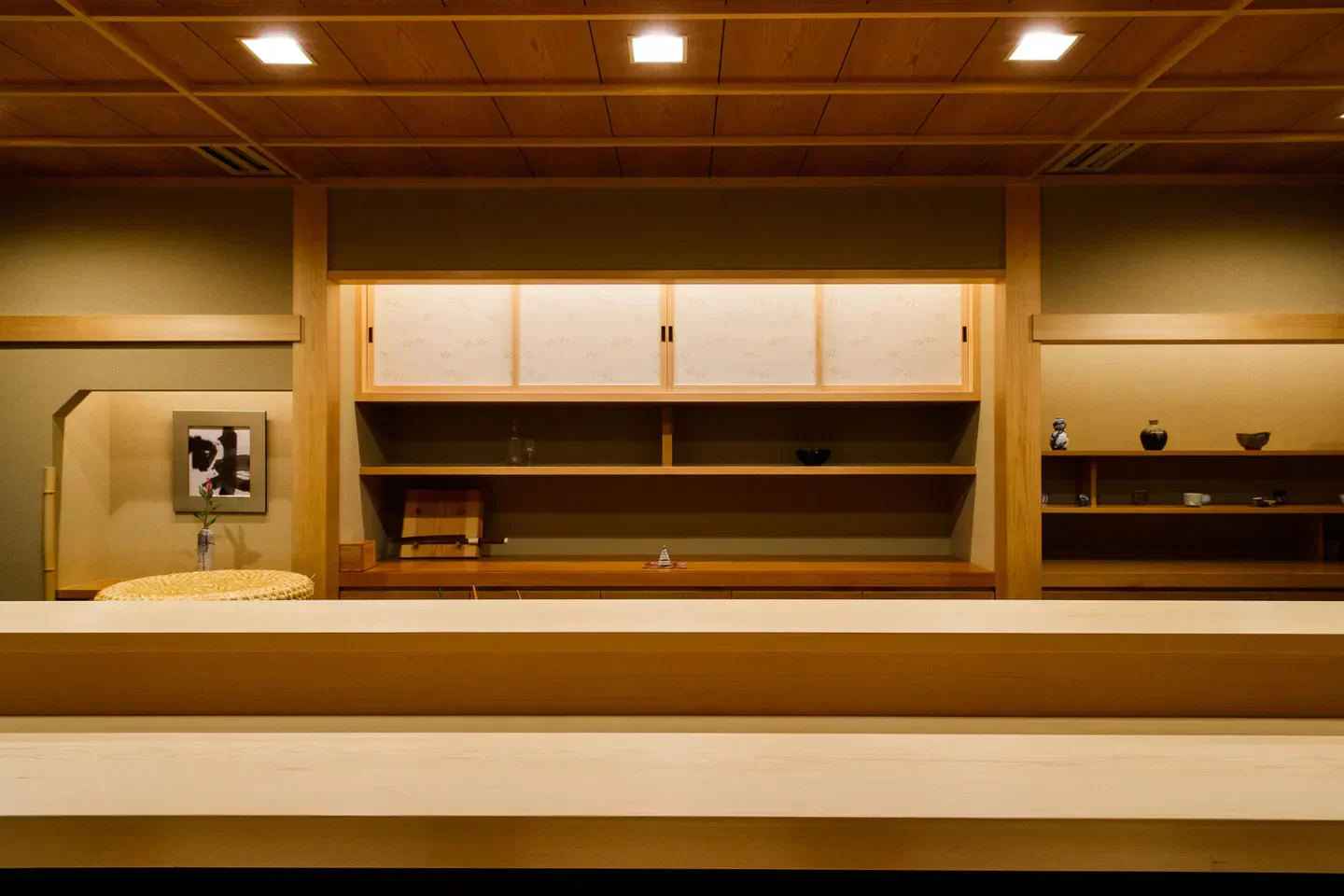
Fotos: Sushi Sugita
06.Sushi Sugita
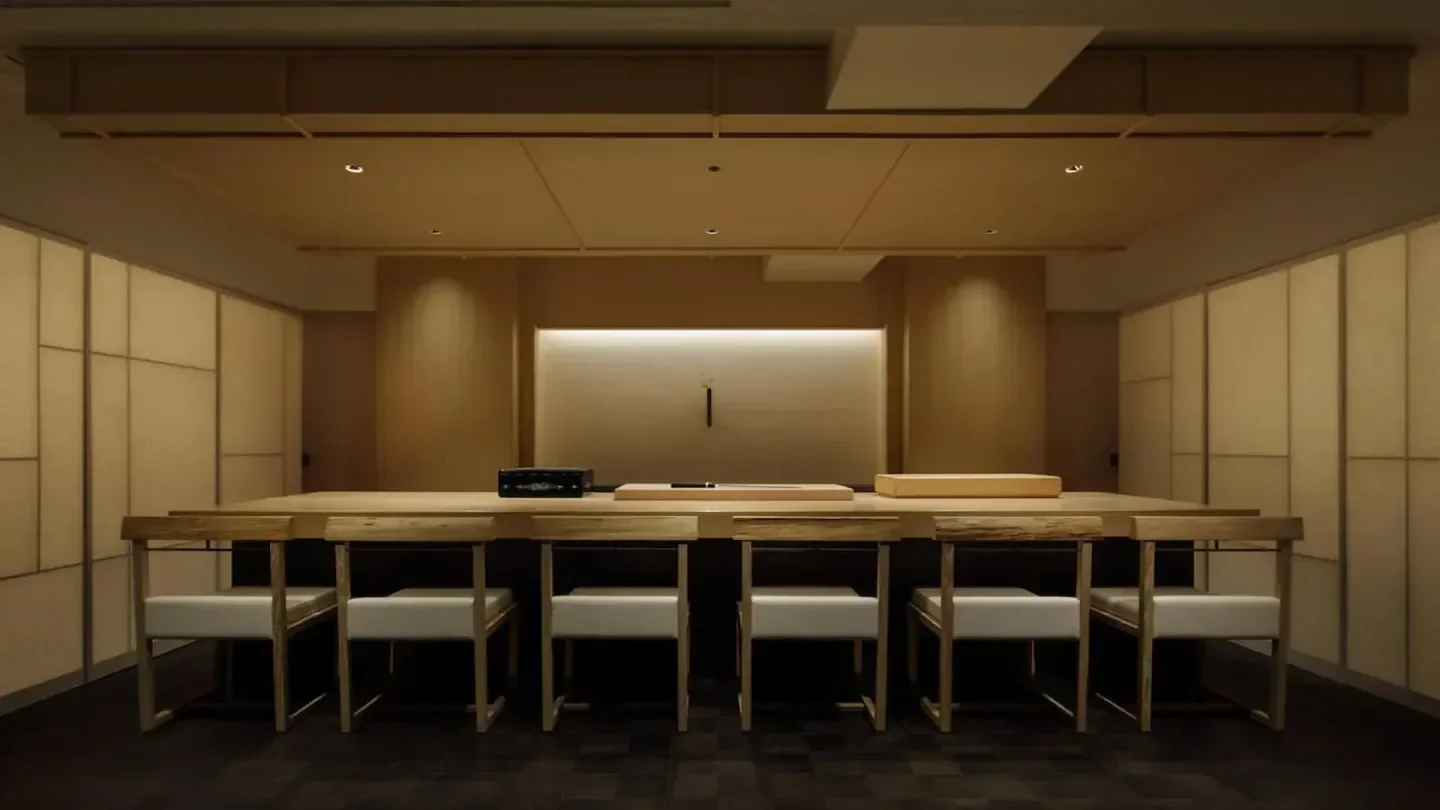
¿Qué es? Sushi Sugita es un restaurante de Tokio donde un único mostrador pulido define el espacio. Entras en un ambiente de enfoque silencioso y tradicional. Se siente menos como un comedor y más como un santuario dedicado a la artesanía.
Por qué nos encanta: El omakase se desarrolla con una precisión constante y rítmica. Observas al chef trabajar en silencio, convirtiendo una comida en una serie de momentos pequeños y de alto riesgo. El entorno íntimo te obliga a reducir la velocidad y notar cada detalle.
Bueno saber: La ventana de reserva para Sushi Sugita es notoriamente ajustada, así que planifica tu viaje en torno a las fechas de lanzamiento de las reservas.
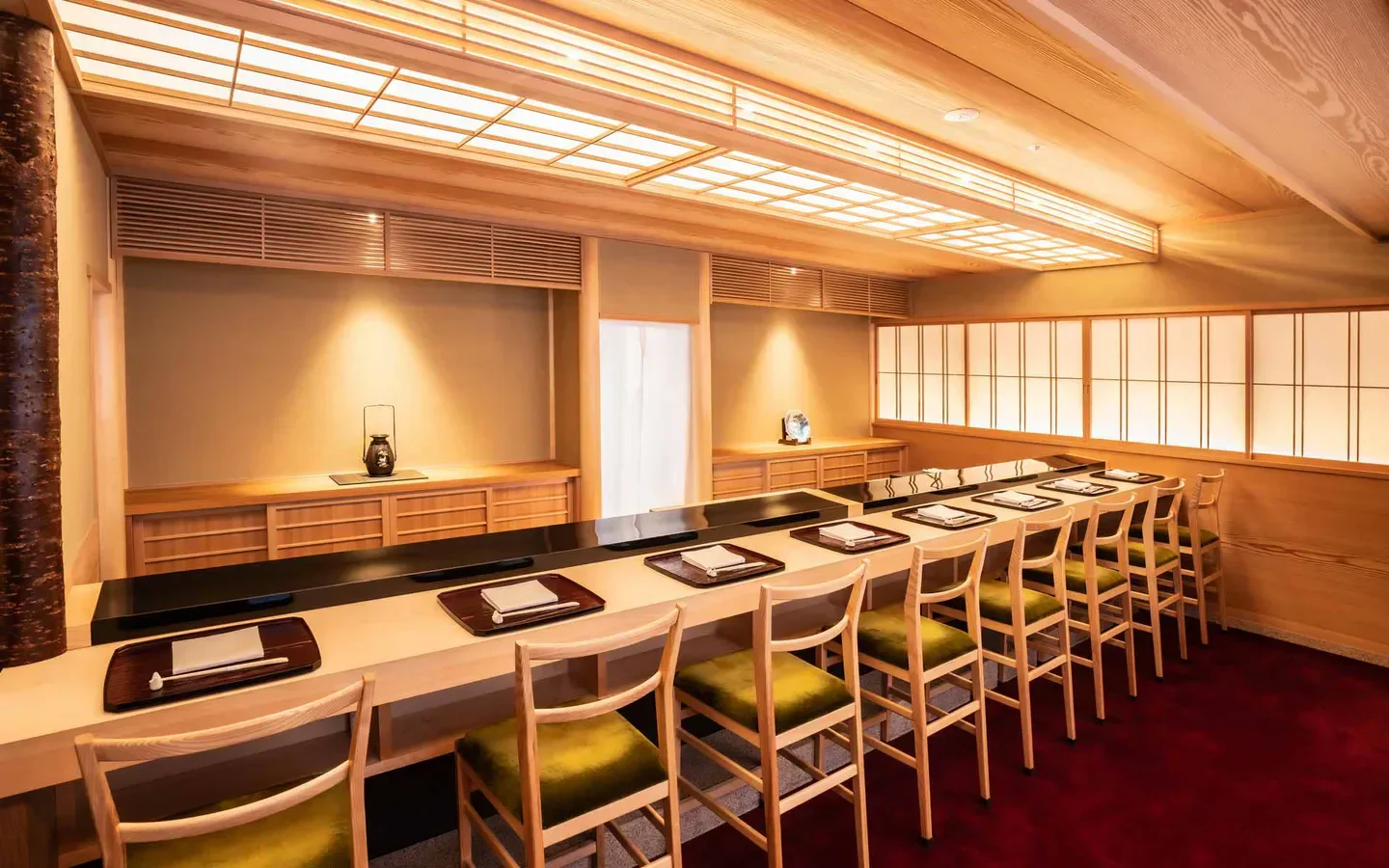
Fotos: Sushi Arai
07.Sushi Arai
What is it? Sushi Arai is a high-end sushi restaurant in Ginza, ranking at number 57 on the 2024 La Liste. It is a ten-minute walk from the Kabuki-za Theatre and sits just down the street from the Ginza Six and Mitsukoshi Ginza landmarks.
Why we love it: While many Ginza institutions lean into formality, Sushi Arai focuses on the raw precision of Japanese seafood preparation. Its high guest rating, gathered from hundreds of diners, signals a consistency in the fine dining experience that remains difficult to find even in this competitive district.
Good to Know: Given the expensive nature of the Sushi Arai experience, arrive in your most polished smart and elegant attire to match the serious atmosphere of the counter.
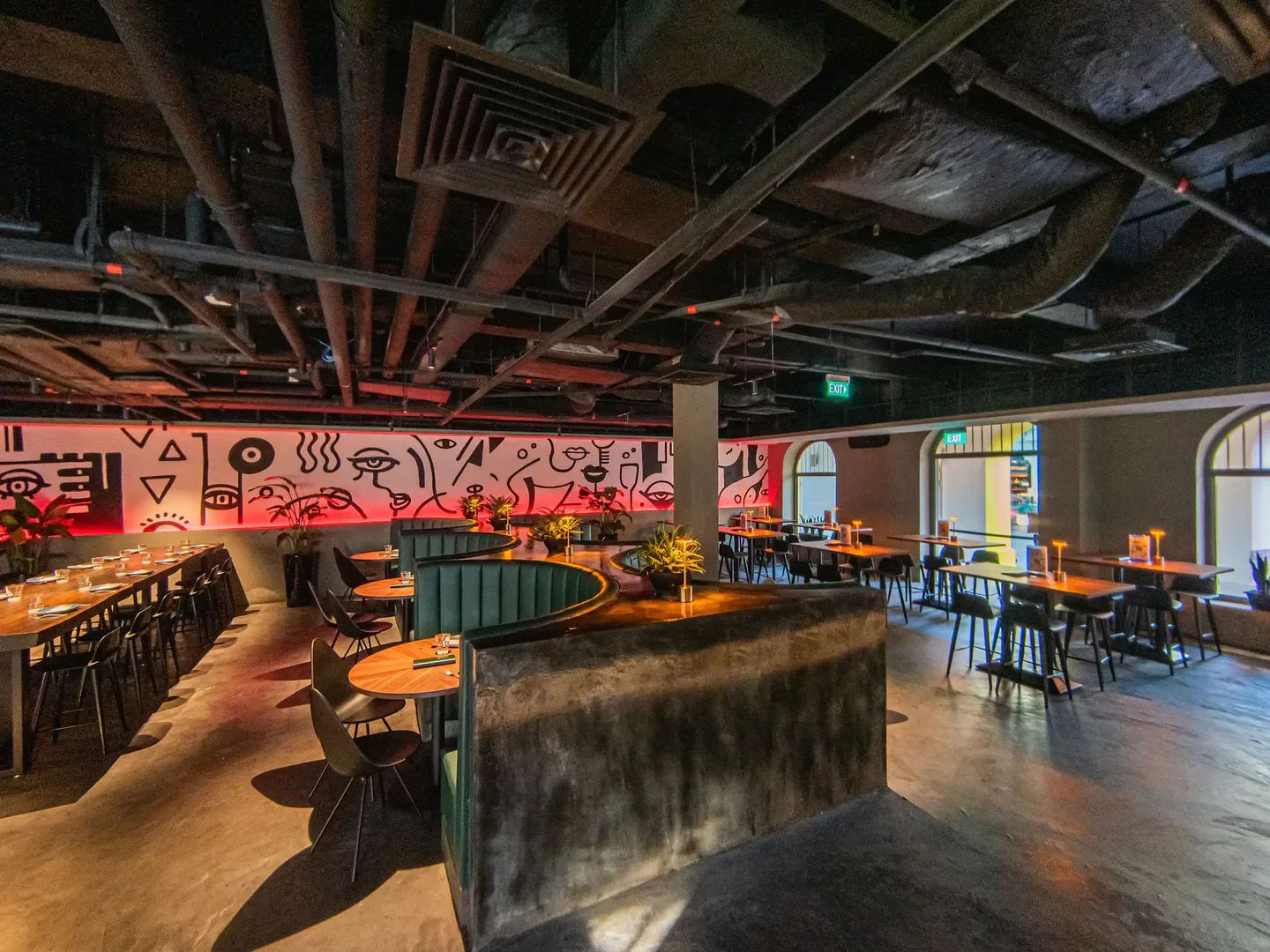
Fotos: Myojaku
08.Myojaku
¿Qué es? Myojaku se erige como un santuario tranquilo en el corazón de Tokio. Este restaurante cambia el brillo por la concentración, dándote la bienvenida con una estética minimalista que ralentiza tu pulso de inmediato. Cada detalle en la sala apunta hacia una búsqueda dedicada de armonía y precisión culinaria.
Por qué nos encanta: El ritmo de la comida se siente como una actuación coreografiada. Observas al chef trabajar con una intensidad tranquila, transformando ingredientes de temporada en platos que se sienten modernos y atemporales. Es un espacio raro donde la atmósfera se mantiene tan nítida y clara como los sabores en la lengua.
Bueno saber: El dashi insignia de Myojaku utiliza un agua blanda específica para lograr su legendaria claridad, así que saborea el primer sorbo antes de sumergirte en los ingredientes sólidos.
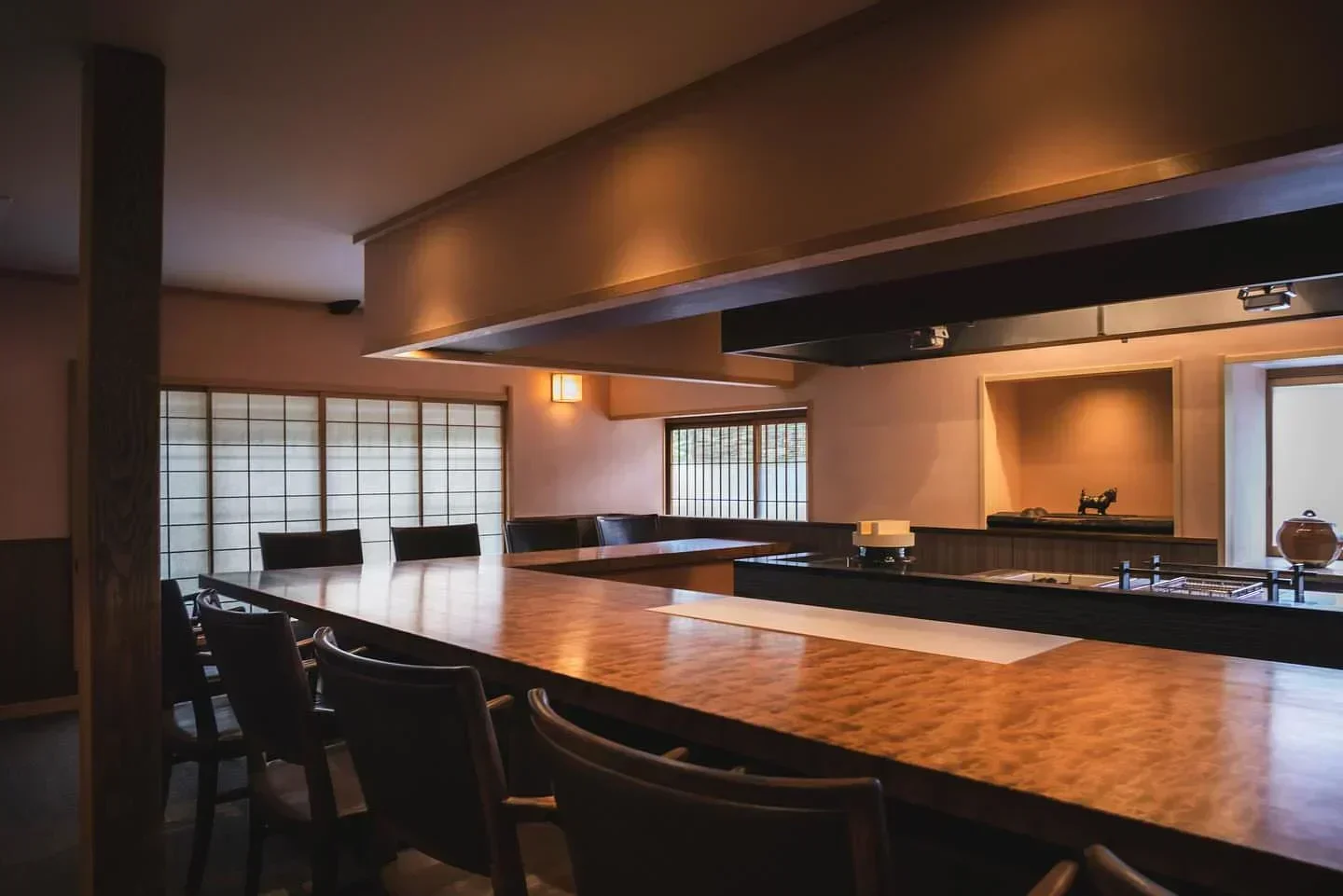
Fotos: Akasaka Kikunoi
09.Akasaka Kikunoi
What is it? Akasaka Kikunoi sits 600 meters from Tokyo Midtown and 900 meters from the Akasaka Palace. The restaurant holds two Michelin stars and is ranked 46th on the current La Liste.
Why we love it: It remains a rare example of traditional Japanese fine dining that manages to sustain a high volume of diners—nearly 450 guests have weighed in to provide a 4.68 rating—without diluting the rigor of its service. While it commands a premium price, the precision of the kitchen justifies the expense for those seeking a highly formal, quiet environment.
Good to Know: The smart and elegant dress code at Akasaka Kikunoi is strictly observed, so opt for tailored layers that suit the hushed, romantic atmosphere of a high-end traditional Japanese dining room.
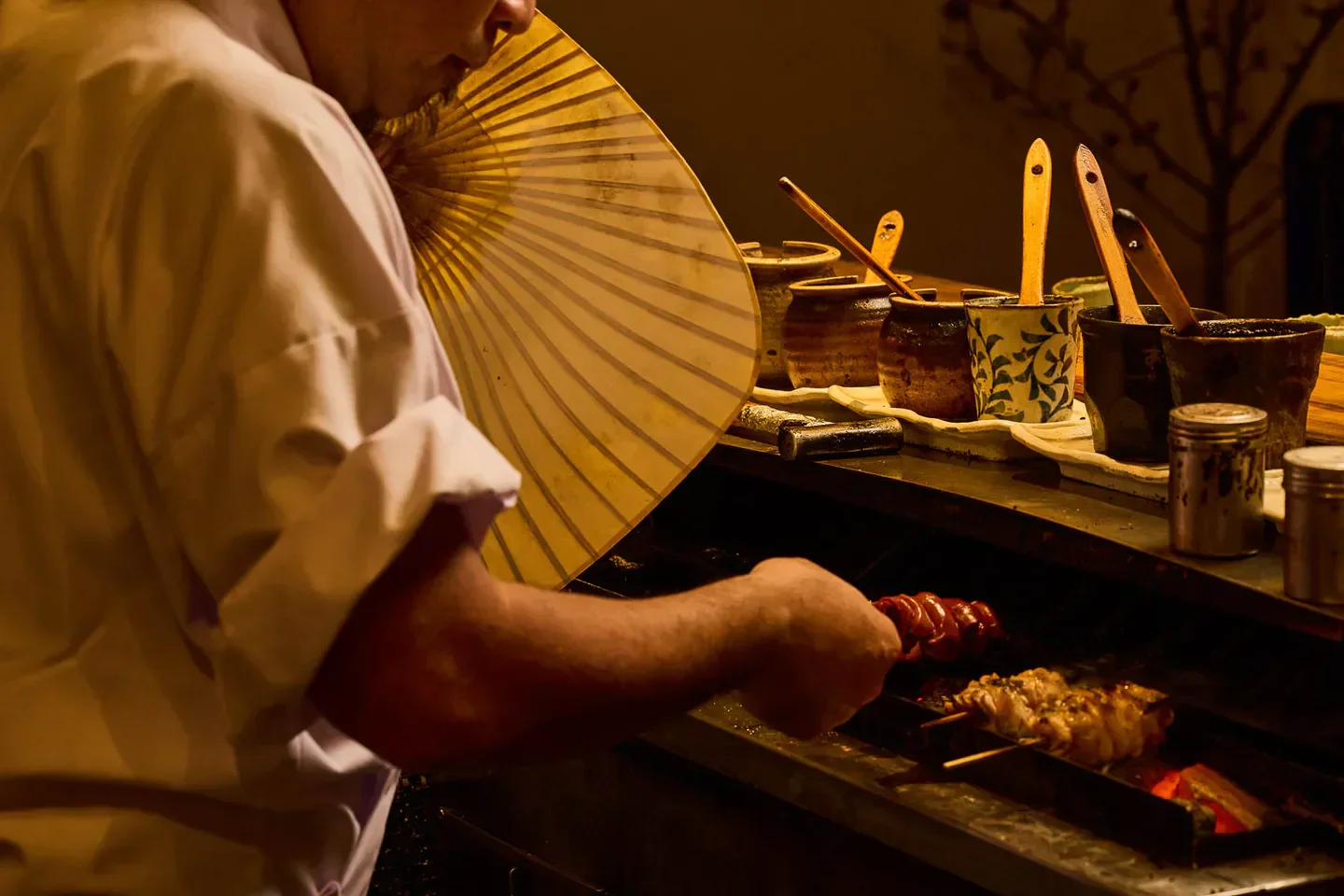
Fotos: Torishiki
10.Torishiki
What is it? Torishiki sits on 2 Chome-14-12 Kamiosaki, a ten-minute walk from the Meguro River. It holds a Michelin star and ranks at number 47 on the La Liste international index.
Why we love it: This is an expensive destination for those seeking a traditional Japanese dining experience that prioritizes technical discipline. Its high guest rating of 4.62 suggests a consistency that justifies the effort required to secure a seat in this fine dining room.
Good to Know: The kitchen focuses on traditional techniques, so arrive in smart and elegant attire to match the rigorous environment of this Kamiosaki address.