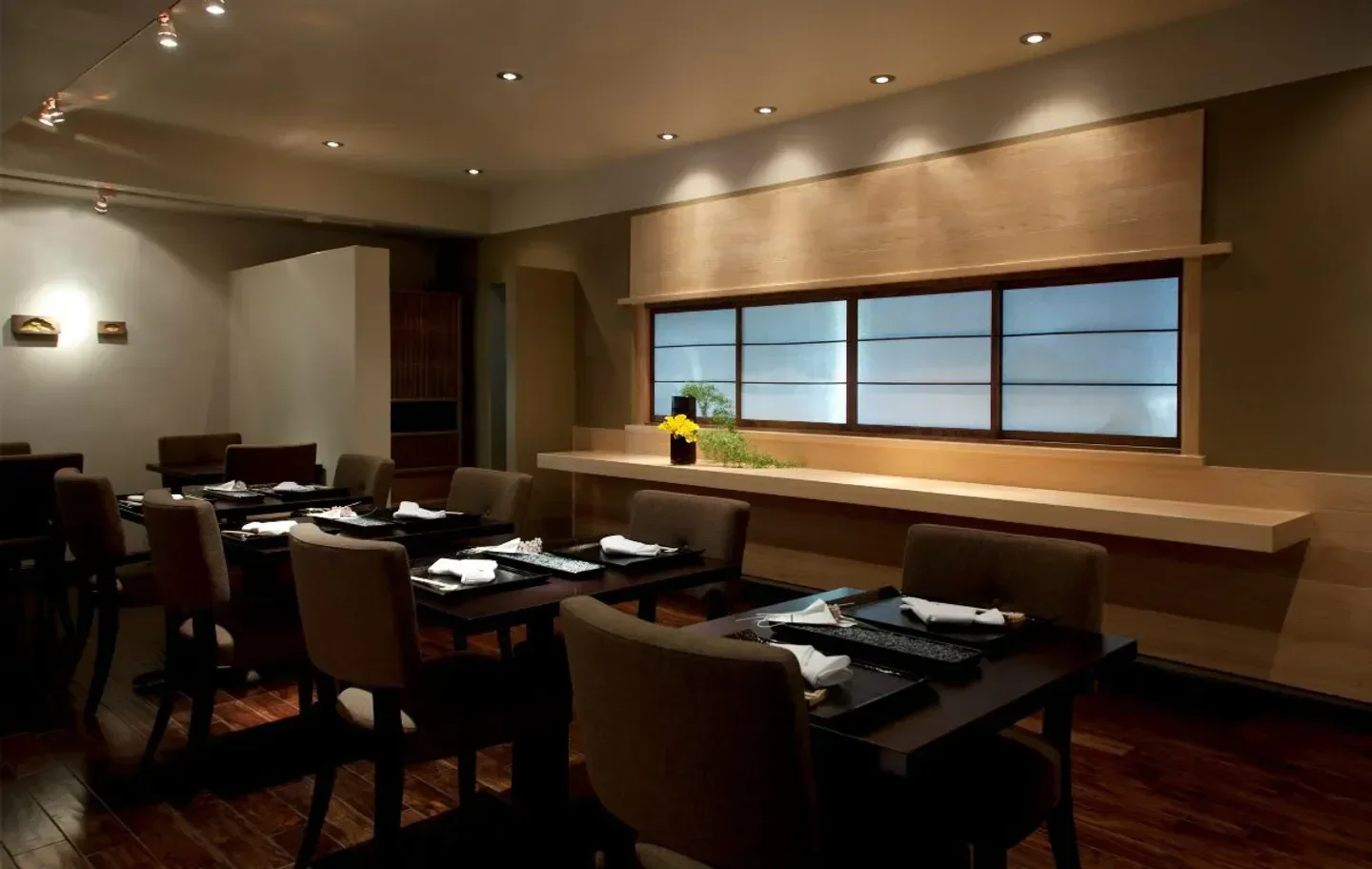
Los Angeles Japanese dining defies the trope of centralized districts. While visitors often fixate on the proximity to Hollywood, the city’s best fish is found in the sprawling strip malls of the South Bay or tucked into residential pockets of the Westside. Authentic preparation here prioritizes sourcing over trends. You will find more rigor in a Gardena parking lot than in a polished dining room on the Sunset Strip. The best meals often require a drive, a strict reservation window, and a willingness to navigate traffic patterns that dictate the rhythm of the kitchen.
High-end omakase culture clusters in Beverly Hills and West Hollywood, but the most precise knife work often exists in the unassuming storefronts of Little Tokyo or the quiet corridors of Sawtelle. Choose your destination by transit time, not by neighborhood cachet. A Tuesday evening on Sawtelle Boulevard behaves entirely differently than a Saturday night in the Arts District. Focus your efforts on these specific coordinates to bypass the generic sprawl.
Here is where to start.
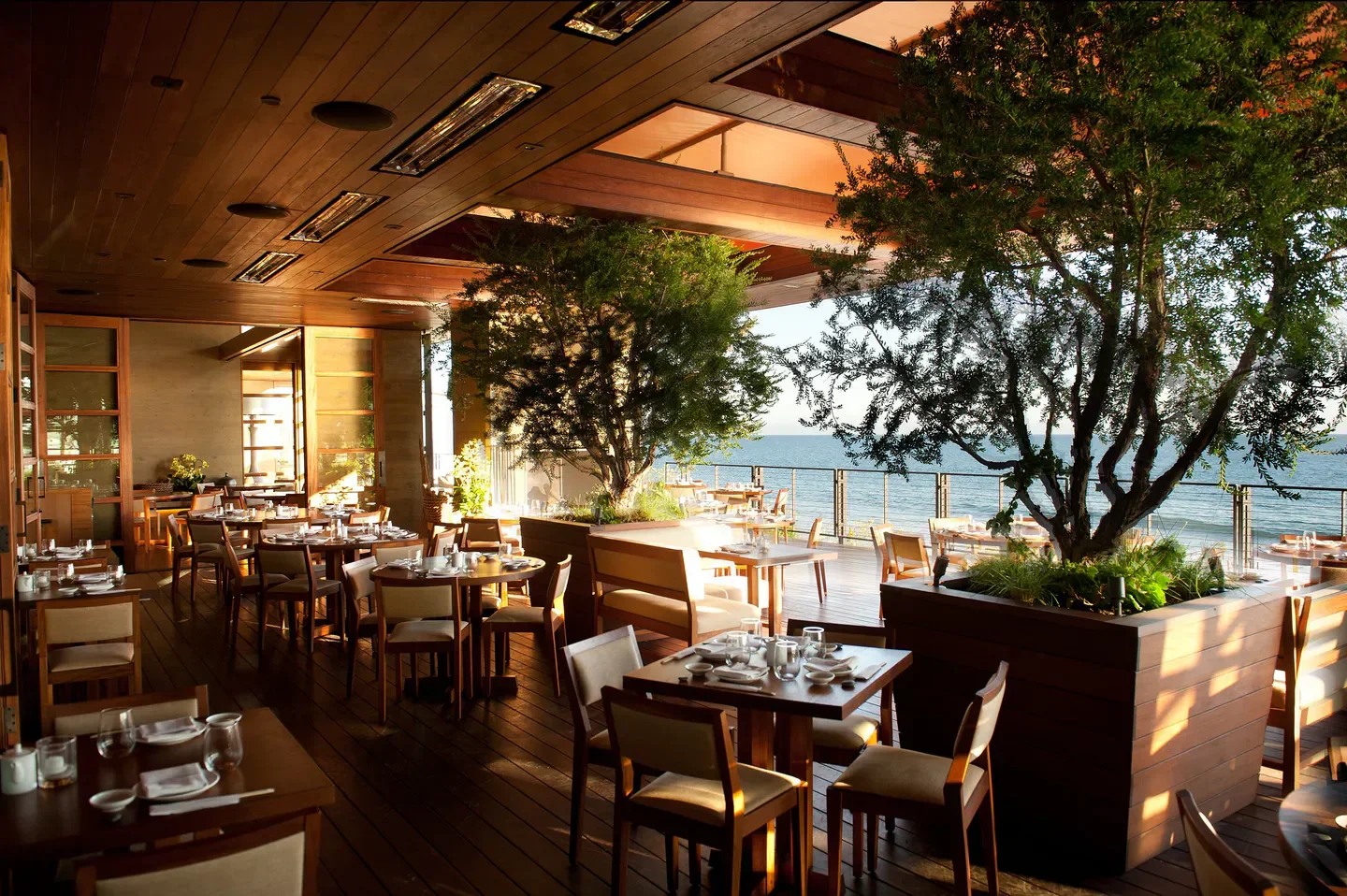
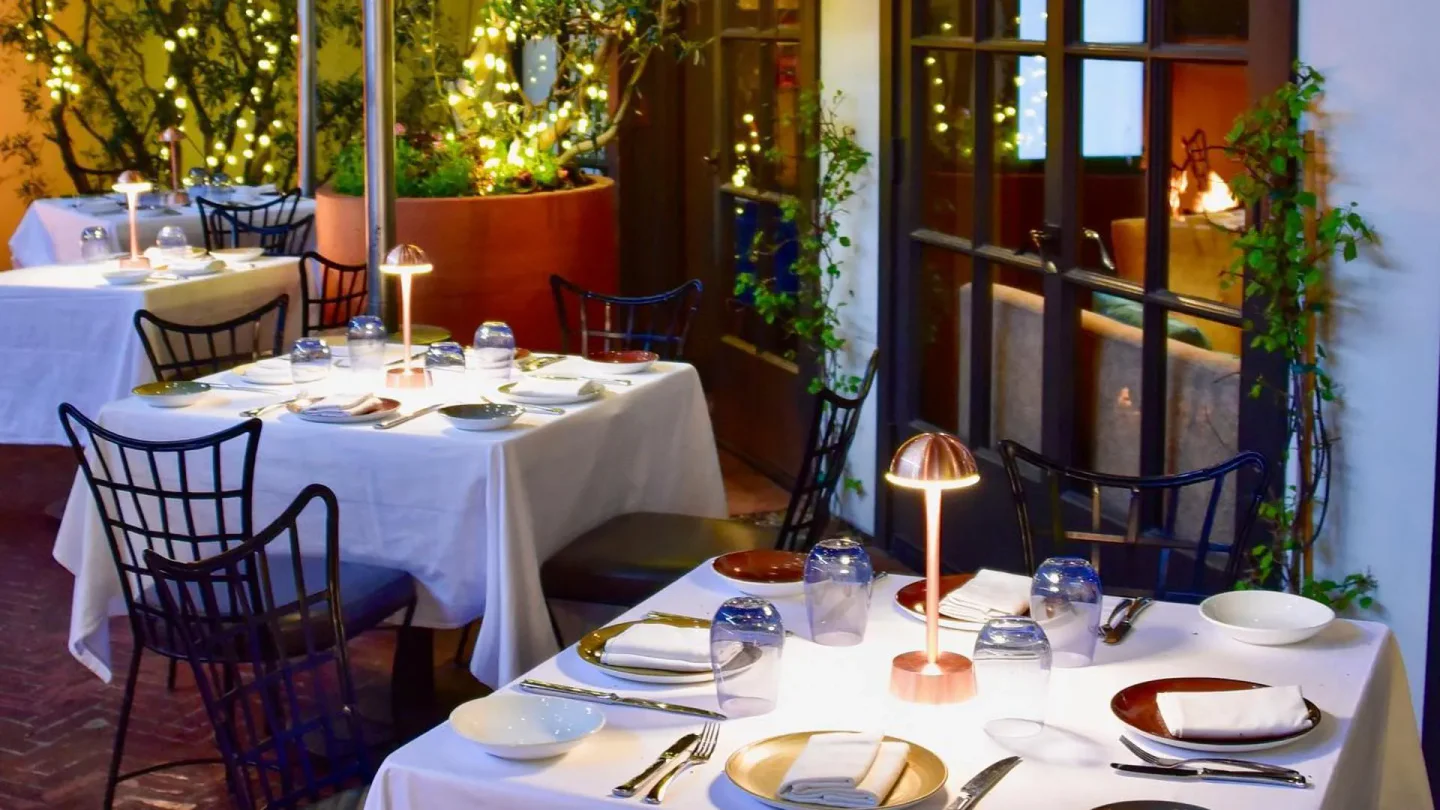
Photos: Nobu Malibu
01.Nobu Malibu
What is it? Nobu Malibu sits at 22706 Pacific Coast Highway. It is a fine dining destination focusing on Japanese, sushi, and seafood.
Why we love it: The restaurant commands a position 1800 meters from the Malibu Pier, placing it closer to the surf than most of the city’s high-end dining options. Its 4.75 rating from over 3,000 guests reflects a consistency in luxury service that justifies its position at the top tier of local pricing.
Good to Know: The terrace at Nobu Malibu is the most sought-after seating area for those looking to experience the restaurant's reputation for a romantic, view-focused atmosphere.
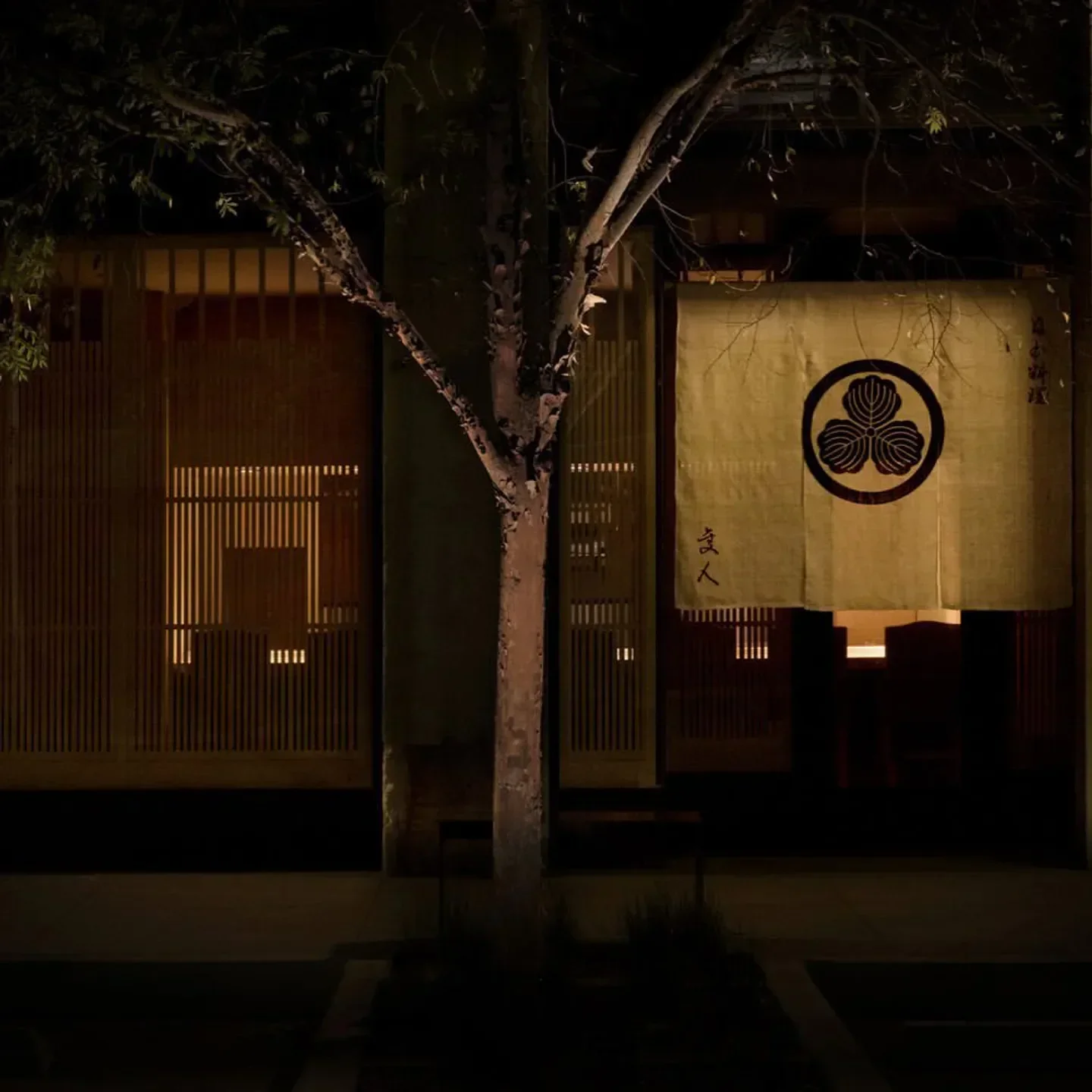
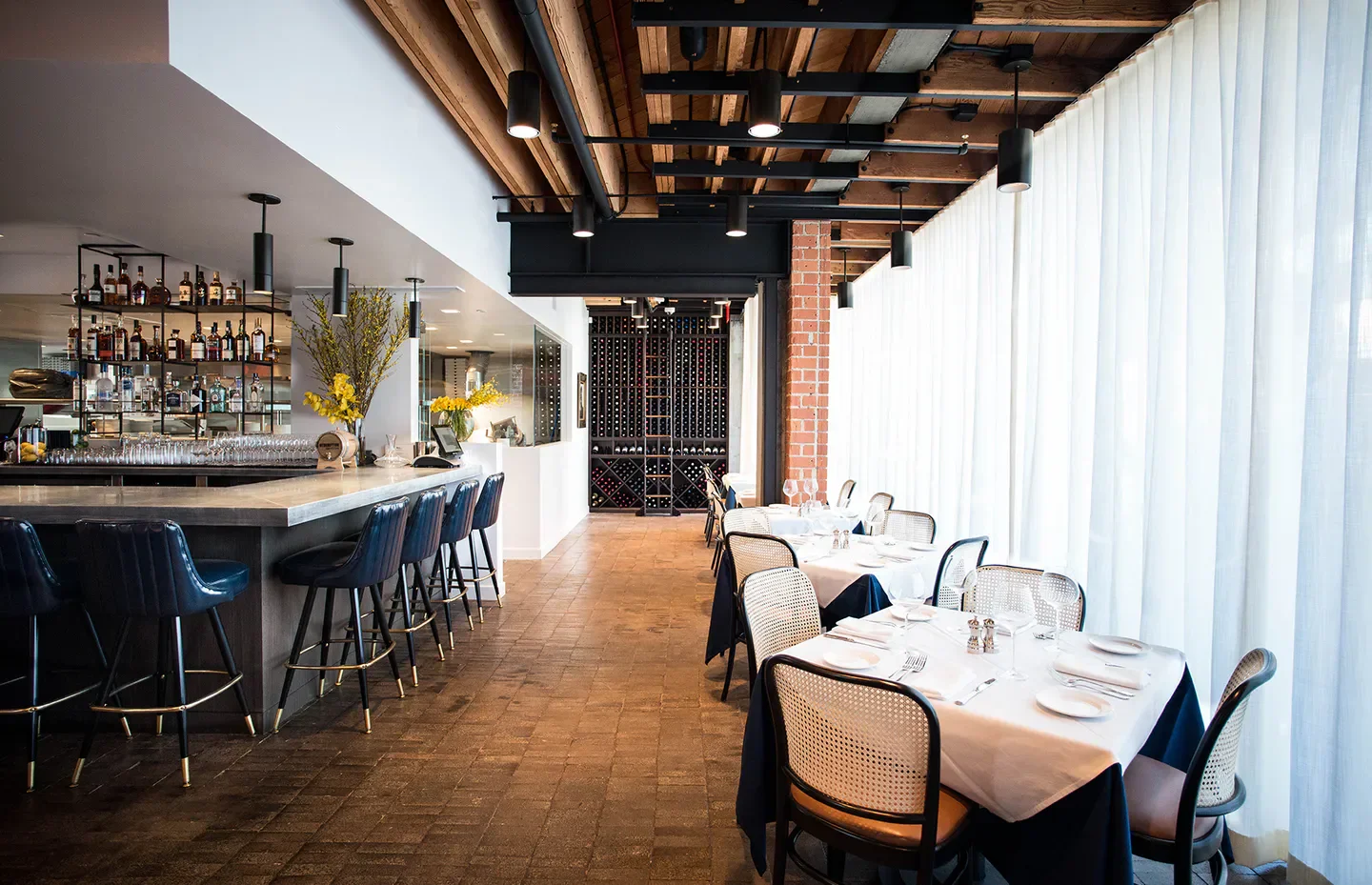
Photos: Hayato
02.Hayato
What is it? Hayato is a restaurant on E 7th St, positioned within a ten-minute walk of the Japanese American National Museum. It holds two Michelin stars and ranks first on the L.A. Times 101 Best Restaurants list.
Why we love it: This is a destination for traditional Japanese fine dining that avoids the excess typical of its category. With a guest rating reflecting high consistency across 85 reviews, Hayato secures its place as the top-rated experience on La Liste by focusing on precise, luxury execution rather than scale.
Good to Know: The smart and elegant dress code at Hayato is strictly enforced to match the intimacy of the dining room, so leave the casual streetwear behind.
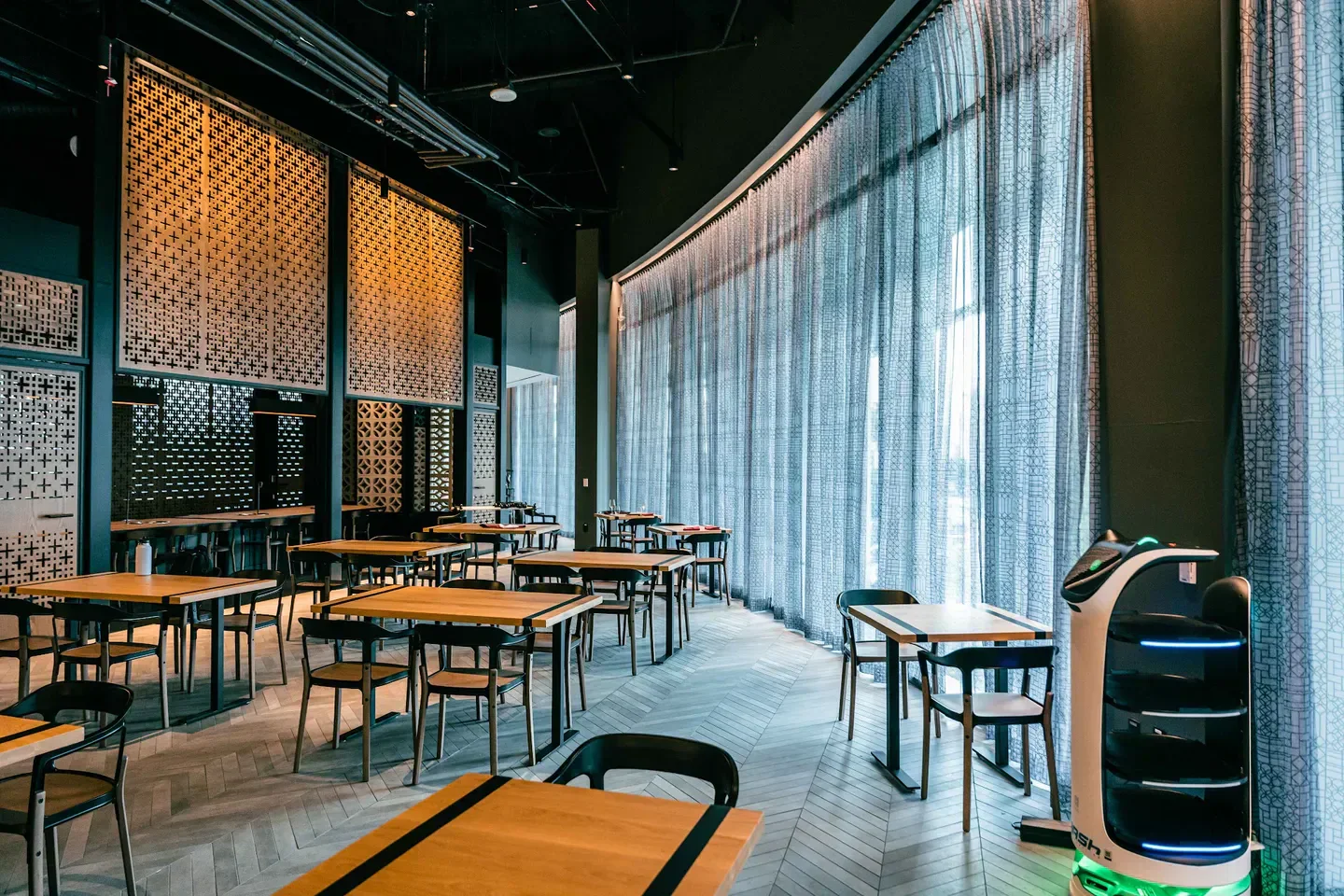
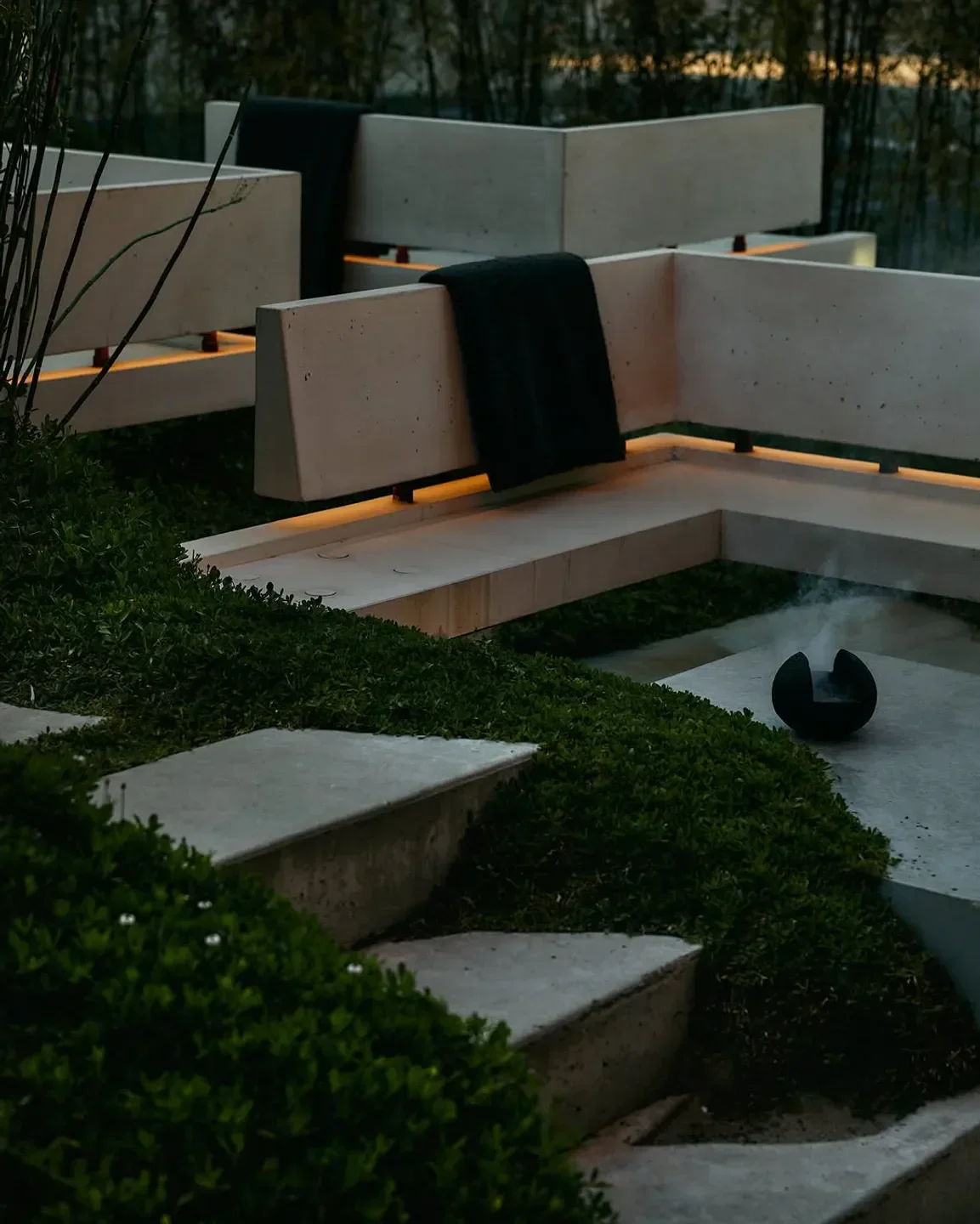
Photos: NIKU X
03.NIKU X
What is it? NIKU X is a Michelin-starred restaurant located at 900 Wilshire Blvd, suite 212. It sits a fifteen-minute walk from the Walt Disney Concert Hall and less than a mile from Grand Central Market.
Why we love it: The restaurant commands a premium price for its blend of Japanese grill and fusion techniques. With a guest rating of 4.88 from over 1,200 reviews, it secures its position as a high-end destination for those prioritizing technical precision over downtown’s more casual dining options.
Good to Know: The fine dining setting requires a smart and elegant dress code, and you should request a seat on the terrace to make the most of the views while eating.
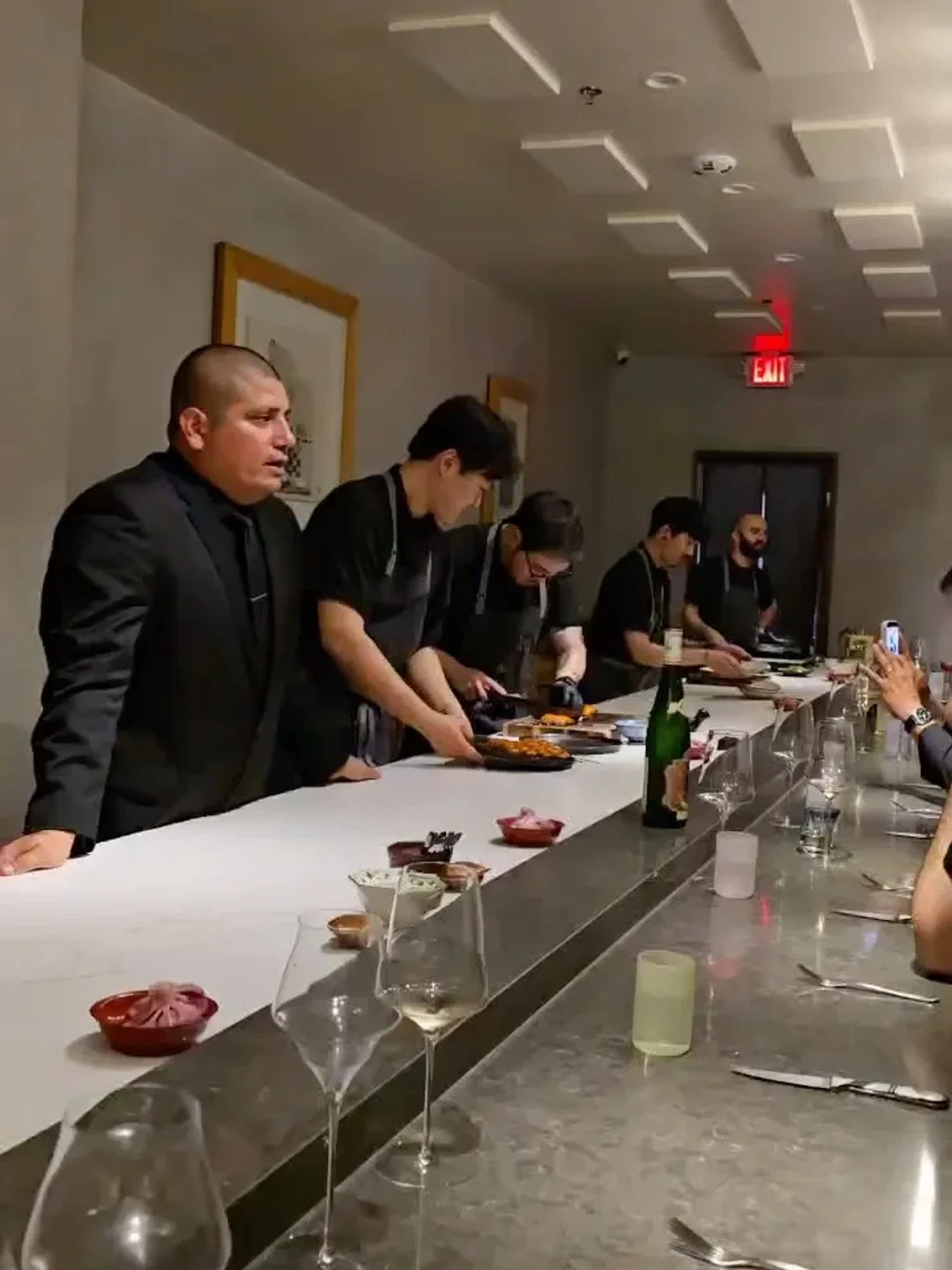
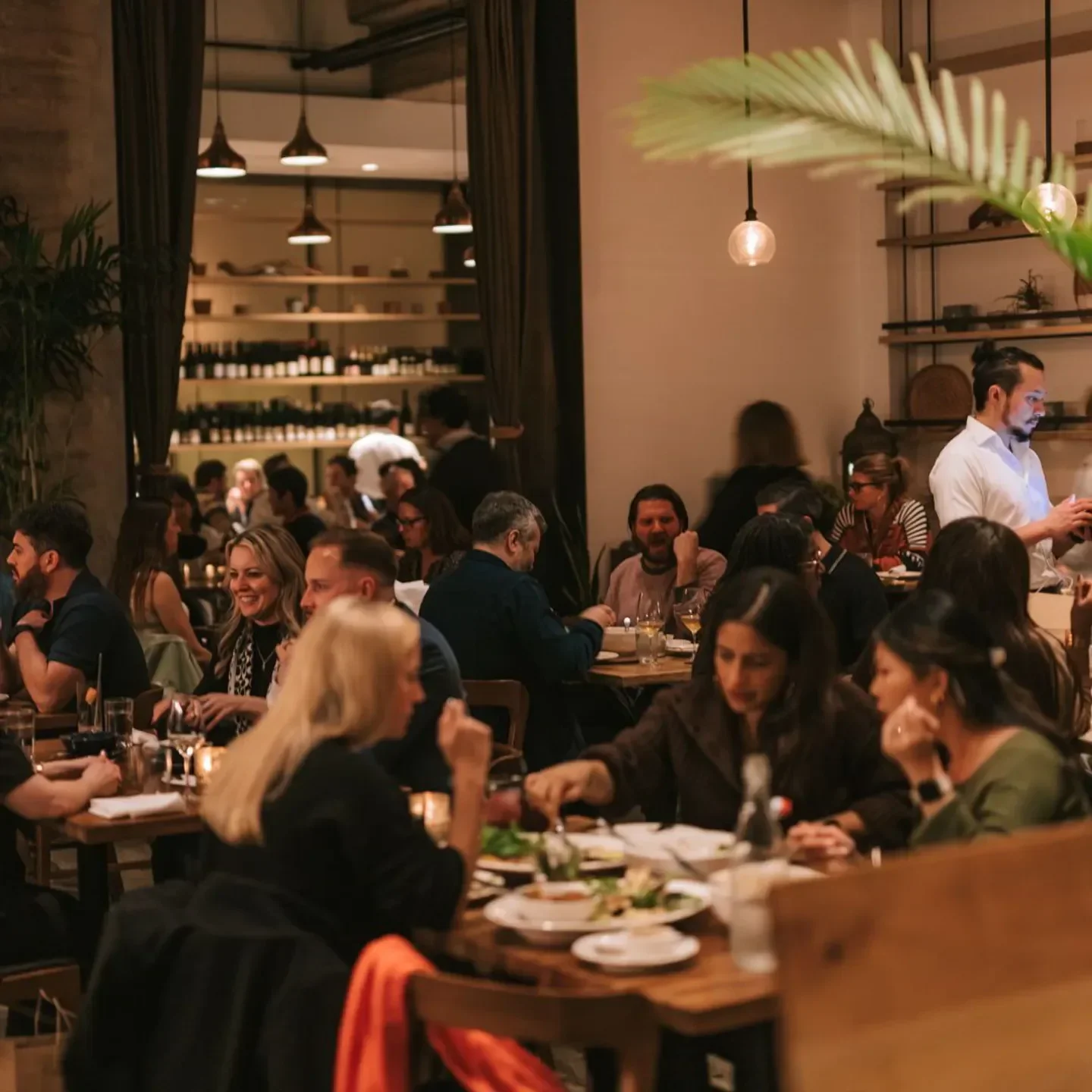
Photos: Restaurant Ki
04.Restaurant Ki
What is it? Restaurant Ki is a fine dining venue located at 111 San Pedro St in Los Angeles. It specializes in Japanese and Asian cuisine with a focus on sushi.
Why we love it: This space manages to be an outlier in Los Angeles by pairing high-end Japanese fare with a sea view. It sits in a price bracket that reflects the focus on luxury, making it an intentional choice for those seeking a quiet vantage point over the water.
Good to Know: The sea view at Restaurant Ki provides a distinct backdrop for the sushi menu, so request a table near the glass to catch the best perspective of the coast.
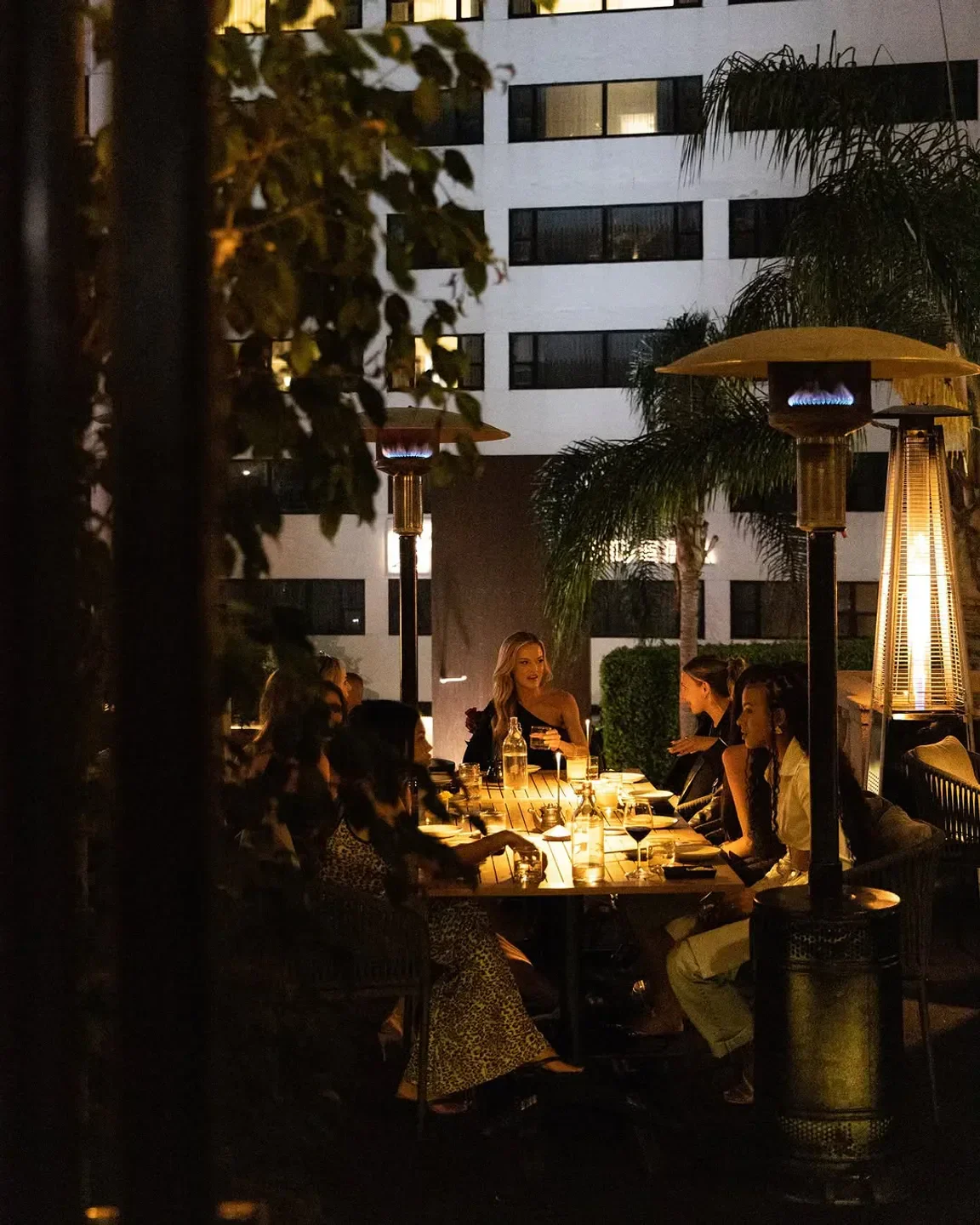
Photos: Katana
05.Katana
What is it? Katana sits on Sunset Blvd, a three-minute walk from the Whisky a Go Go and less than five minutes from The Comedy Store. This Japanese restaurant specializes in sushi and robata grills.
Why we love it: While most Sunset Strip neighbors trade on noise, Katana balances fine dining with a terrace that offers a view of the surrounding activity. It maintains a 4.73 rating across more than a thousand reviews, suggesting a level of consistency that is rare for a venue in such a high-traffic location.
Good to Know: The smart and elegant dress code is strictly observed at Katana, so keep the casual Sunset Strip attire for the clubs down the street.
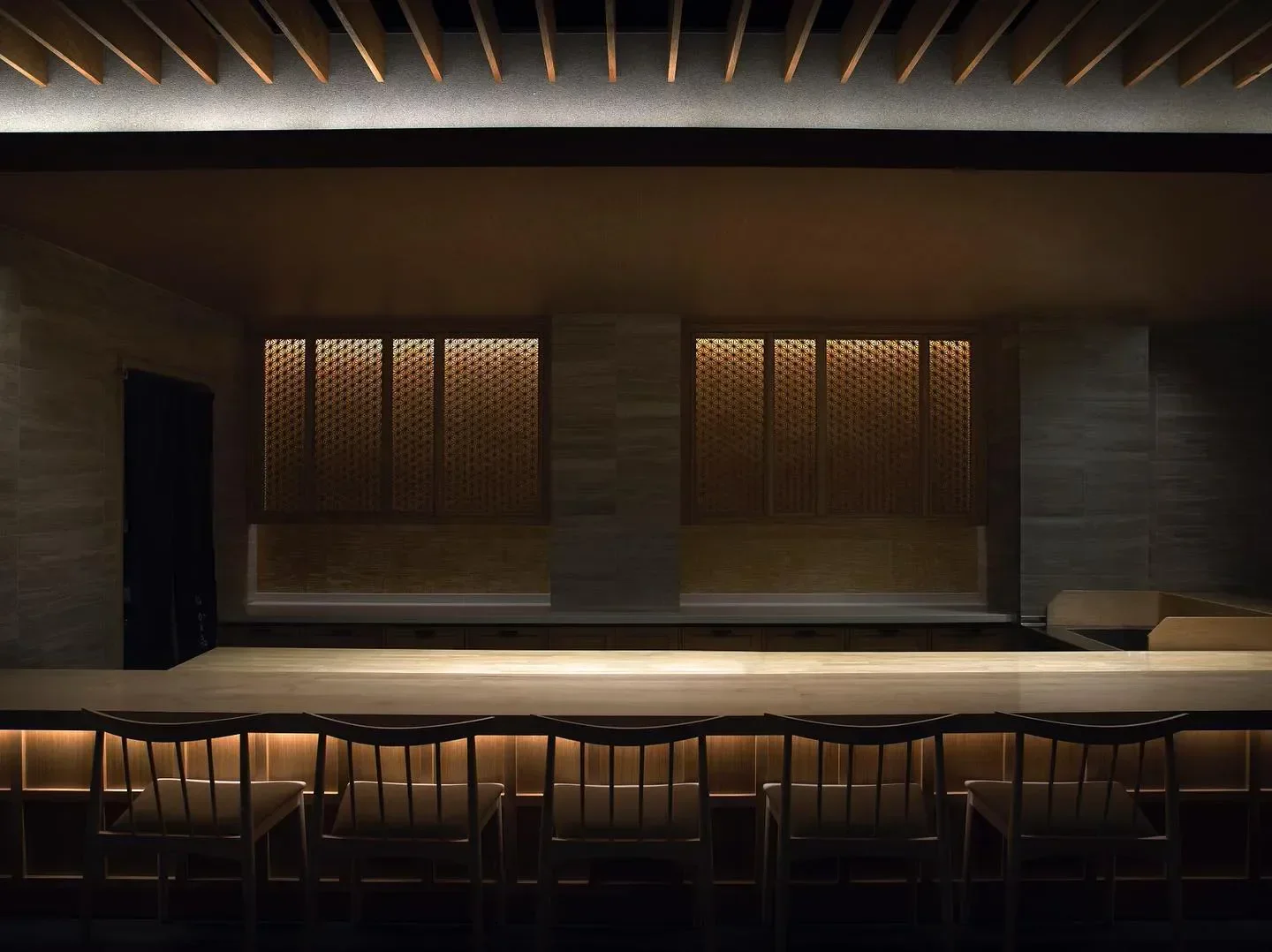
Photos: Sushi Kaneyoshi
06.Sushi Kaneyoshi
What is it? Sushi Kaneyoshi sits on 1st St, less than a ten-minute walk from Grand Central Market. This seafood-focused Japanese restaurant holds a Michelin star and is ranked among the 101 Best Restaurants by the L.A. Times.
Why we love it: It earns its reputation by stripping away the noise of the city, trading typical downtown bustle for a focused, luxury approach to sushi. With a 4.71 rating from diners, it manages to maintain an intimate, romantic atmosphere that feels distinct from the nearby crowds near The Broad and the Walt Disney Concert Hall.
Good to Know: The fine dining experience at Sushi Kaneyoshi requires guests to adhere to a smart and elegant dress code, matching the precision of the kitchen’s Japanese seafood preparation.
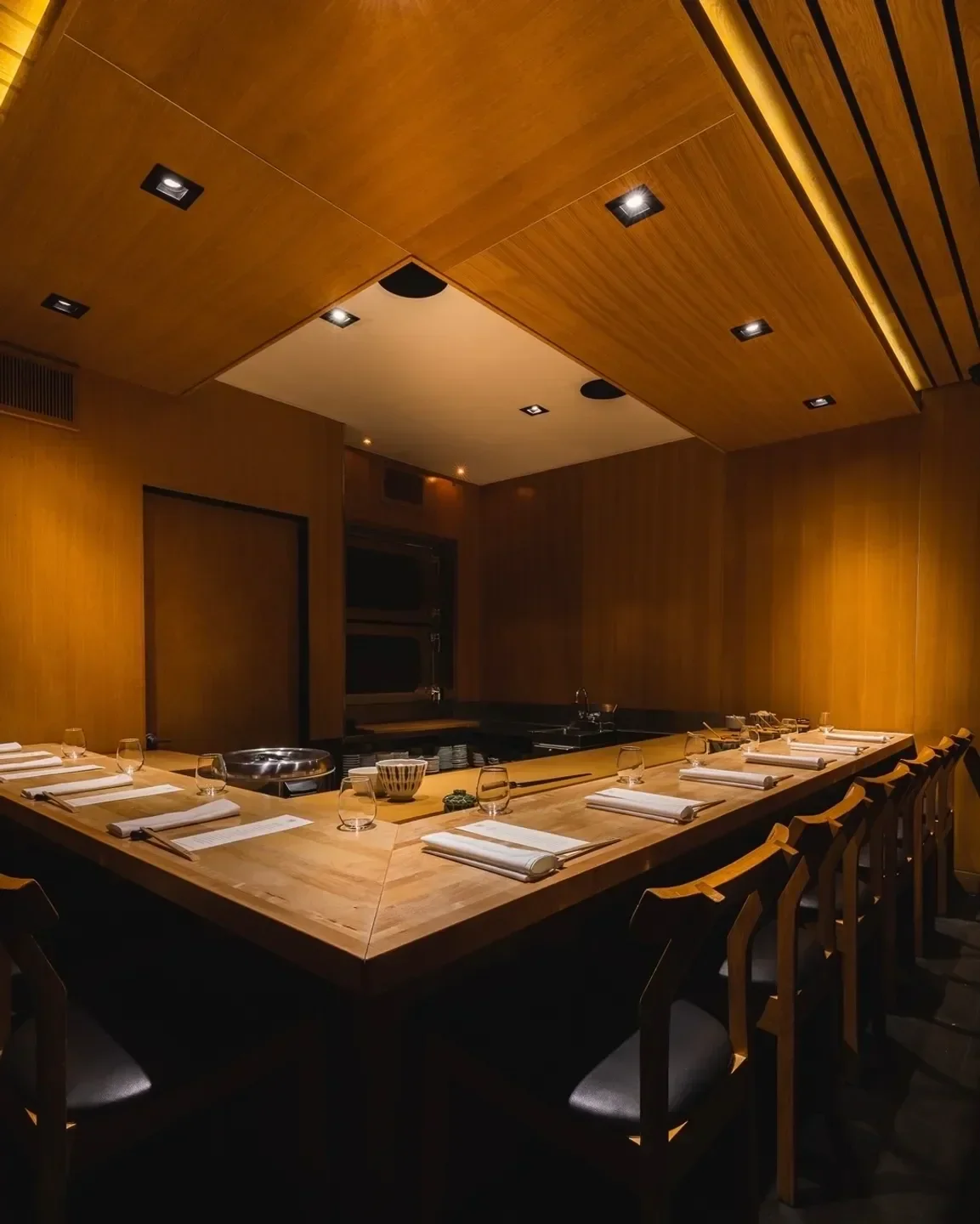
Photos: Nozawa Bar
07.Nozawa Bar
What is it? Nozawa Bar sits at 212 N Canon Dr in Beverly Hills, a half-mile walk from the high-fashion storefronts of Rodeo Drive. It is a Michelin-starred destination focused on Japanese seafood and sushi.
Why we love it: The restaurant maintains a high level of precision that explains its 4.92 guest rating, distancing itself from the more casual sushi spots common to the area. By focusing on a minimalist approach to Japanese fine dining, it justifies its expensive price point through sheer consistency rather than decorative flair.
Good to Know: The formal environment at Nozawa Bar requires guests to adhere to a smart and elegant dress code for this Japanese dining experience.
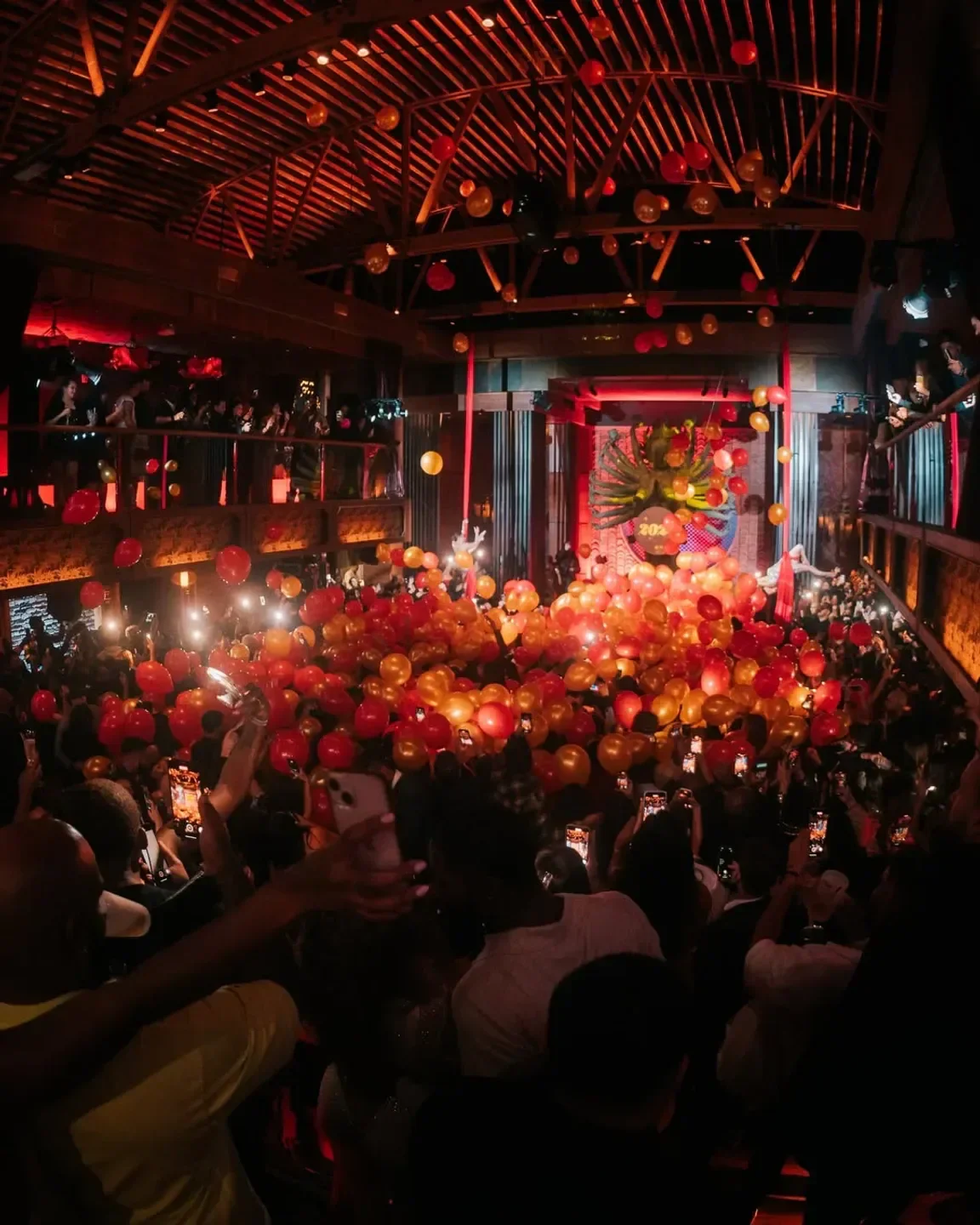
Photos: TAO
08.TAO
What is it? TAO sits on Selma Avenue, an eight-minute walk from the Hollywood Walk of Fame. It is a fine dining destination focusing on a fusion of Japanese, Chinese, and seafood cuisines.
Why we love it: While most dining on this stretch of Hollywood leans toward the casual, TAO commits to a formal, luxury-minded aesthetic. The high volume of diners—evidenced by nearly 1,700 reviews maintaining a 4.71 rating—proves that the combination of Japanese and Chinese kitchens remains a reliable draw for those navigating the landmarks between the TCL Chinese Theatre and the Dolby Theatre.
Good to Know: Given the valet service at TAO, it is often more efficient to arrive by car than to attempt parking near the nearby theaters.
Photos: n/ naka
09.n/ naka
What is it? n/ naka sits on Overland Avenue, roughly a twenty-five-minute walk from Westfield Culver City. This fine dining restaurant holds a Michelin star and focuses on modern Japanese fusion.
Why we love it: While many destinations in Los Angeles lean toward the casual, n/ naka maintains a high-priced, intimate luxury that feels removed from the sprawl. It draws nearly 500 guests who consistently rate it at 4.93, proving that its approach to modern Japanese fusion holds up under scrutiny.
Good to Know: The formal, smart and elegant dress code at n/ naka matches the precise, multi-course pace of its Japanese fusion menu, so anticipate a long-form experience.
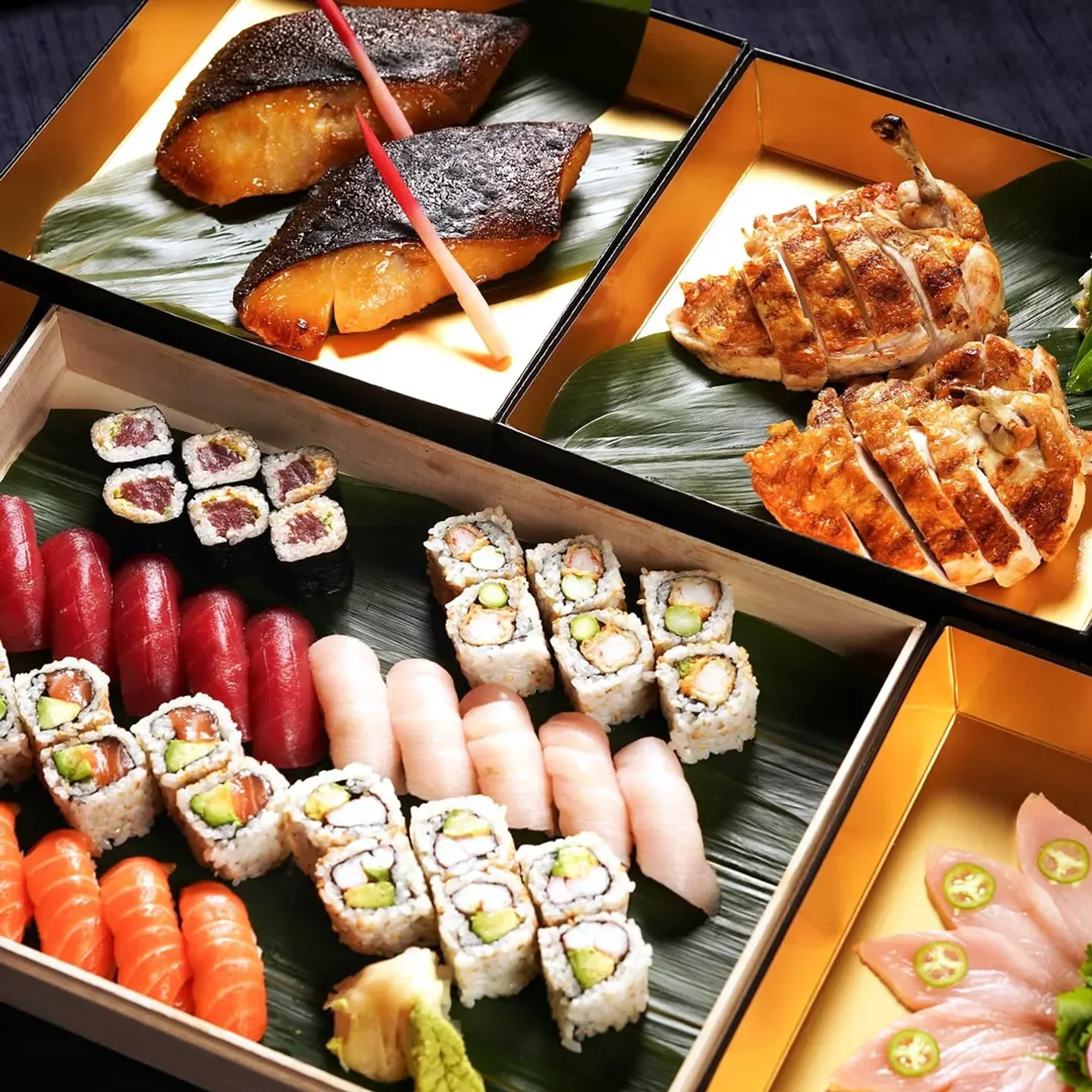
Photos: Nobu
10.Nobu
What is it? Nobu sits at 903 N La Cienega Blvd, positioned a roughly fifteen-minute walk from West Hollywood Park. This fine dining destination specializes in Japanese, sushi, and fusion cuisine.
Why we love it: The restaurant commands a high price point that reflects its status as a significant player in the city’s luxury dining market. With over 1,100 reviews cementing its 4.71 rating, it remains a consistent choice for those prioritizing a formal, curated experience over casual alternatives found closer to The Abbey or the luxury retail corridors of Rodeo Drive.
Good to Know: The smart and elegant dress code at Nobu is strictly enforced, so opt for tailored attire to match the refined, Japanese-fusion interior.