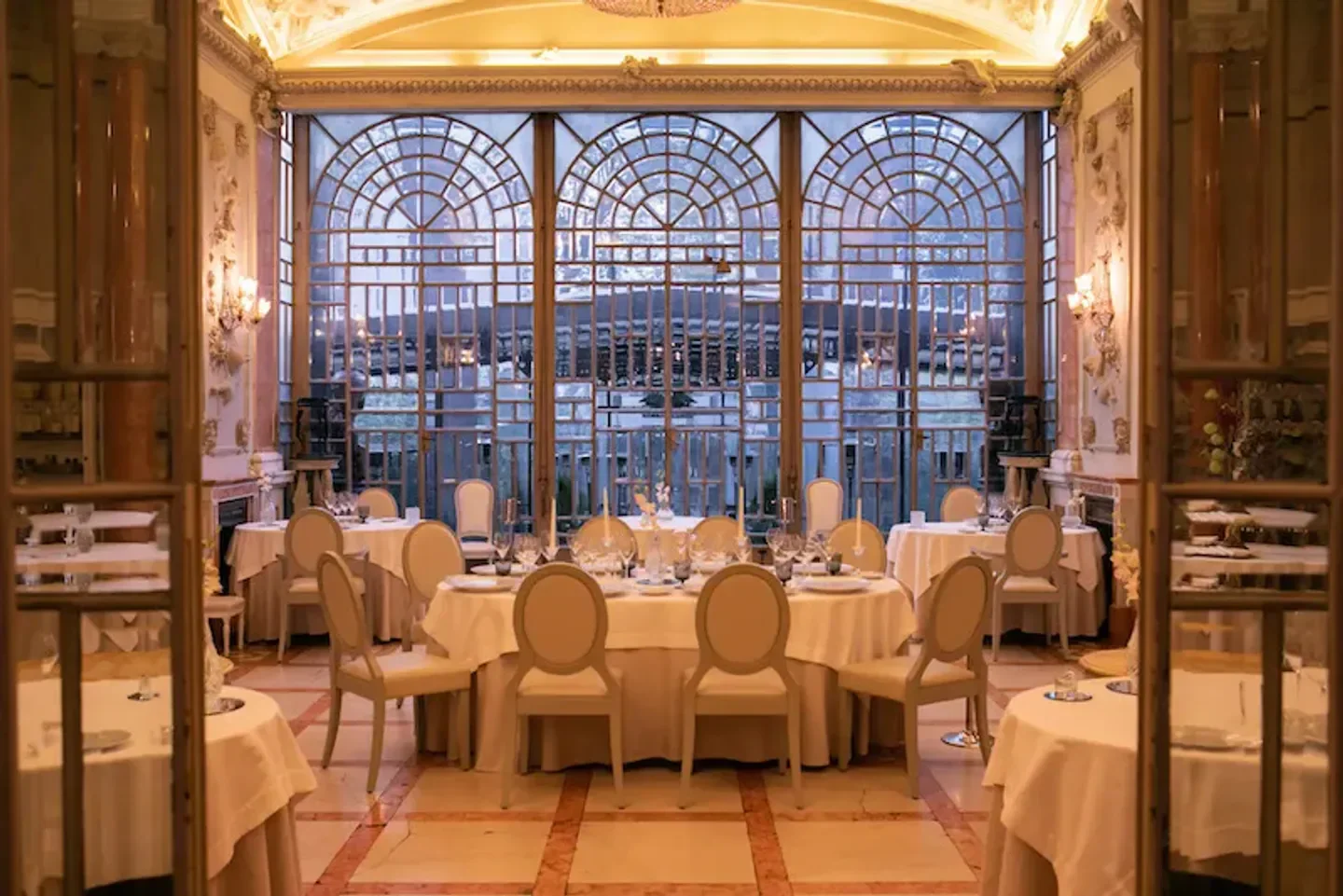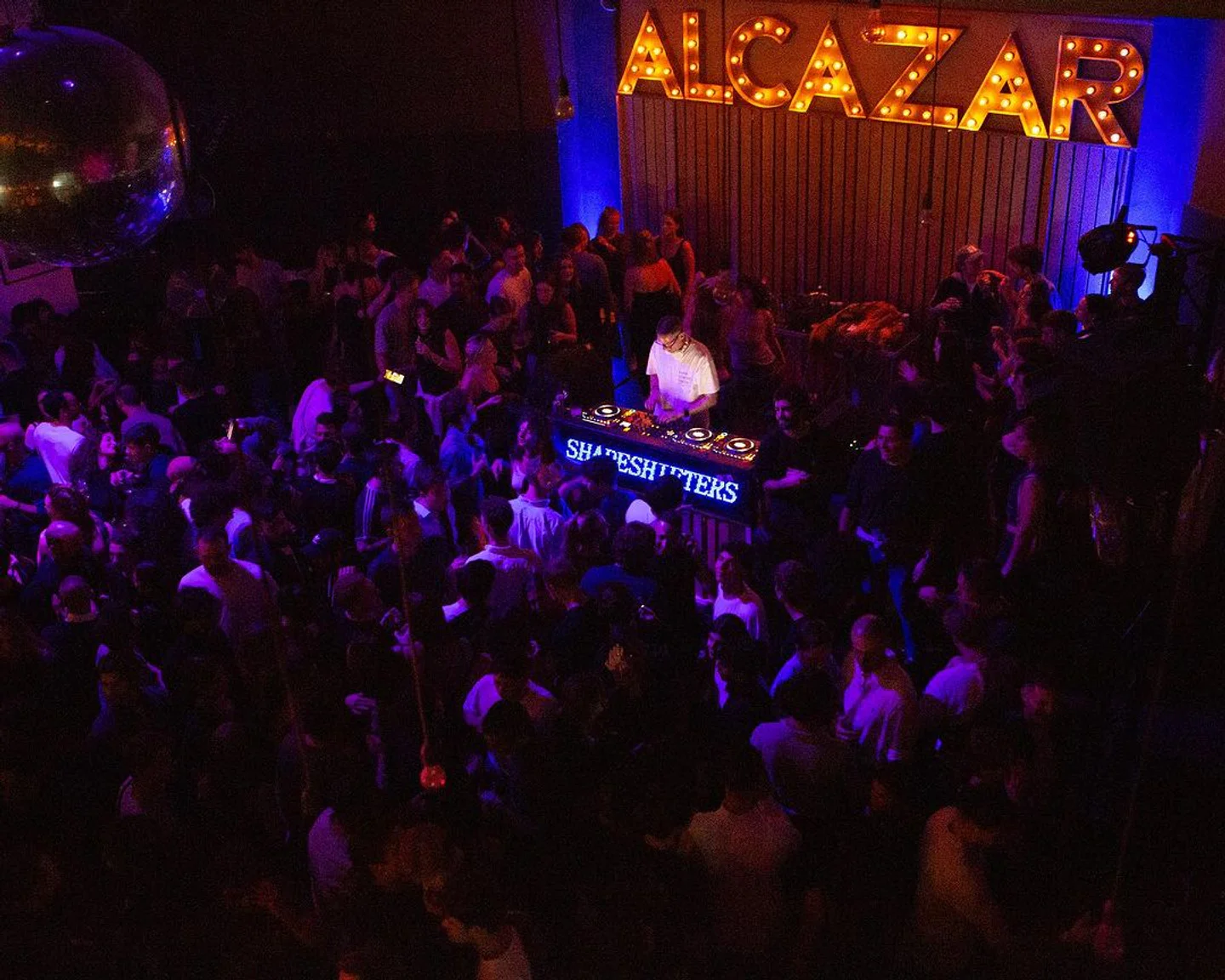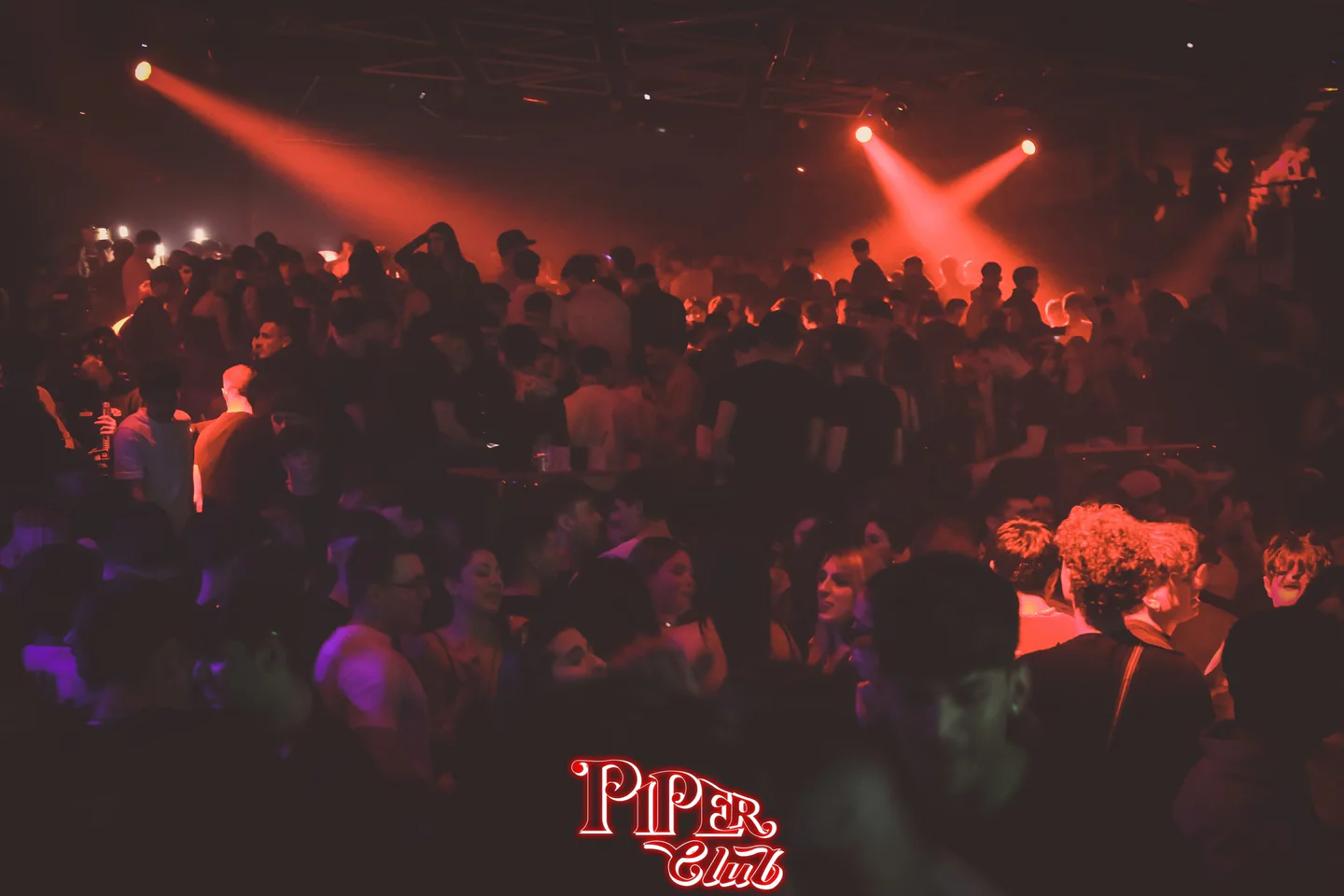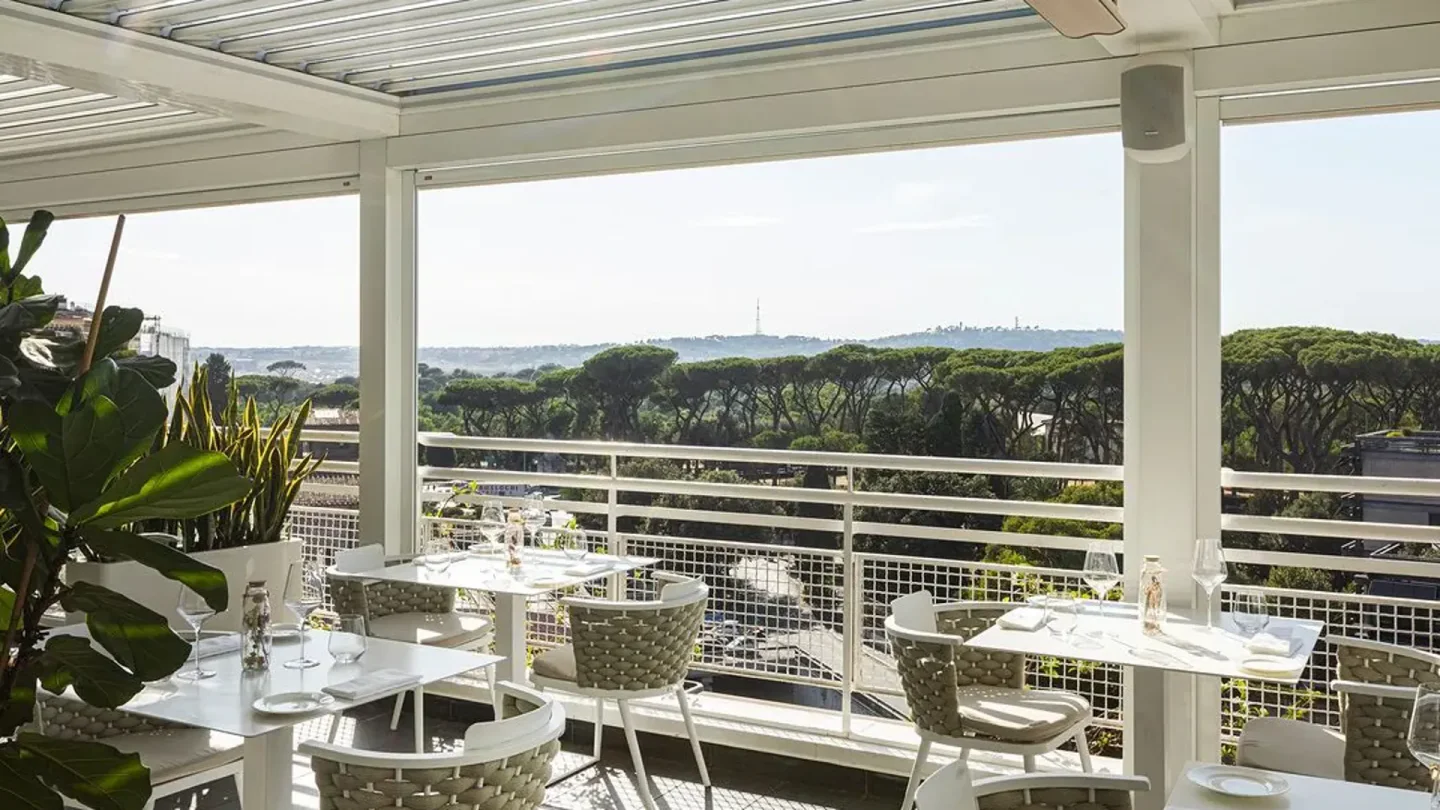
Dining in Rome used to be a predictable ritual of carbonara and checked tablecloths. Today, the challenge isn't finding a good meal—it's navigating a city that finally trusts its own modernity. You aren't just competing with tourists for a table anymore. Locals now stake out reservations weeks in advance for the prime 8:30 p.m. seating.
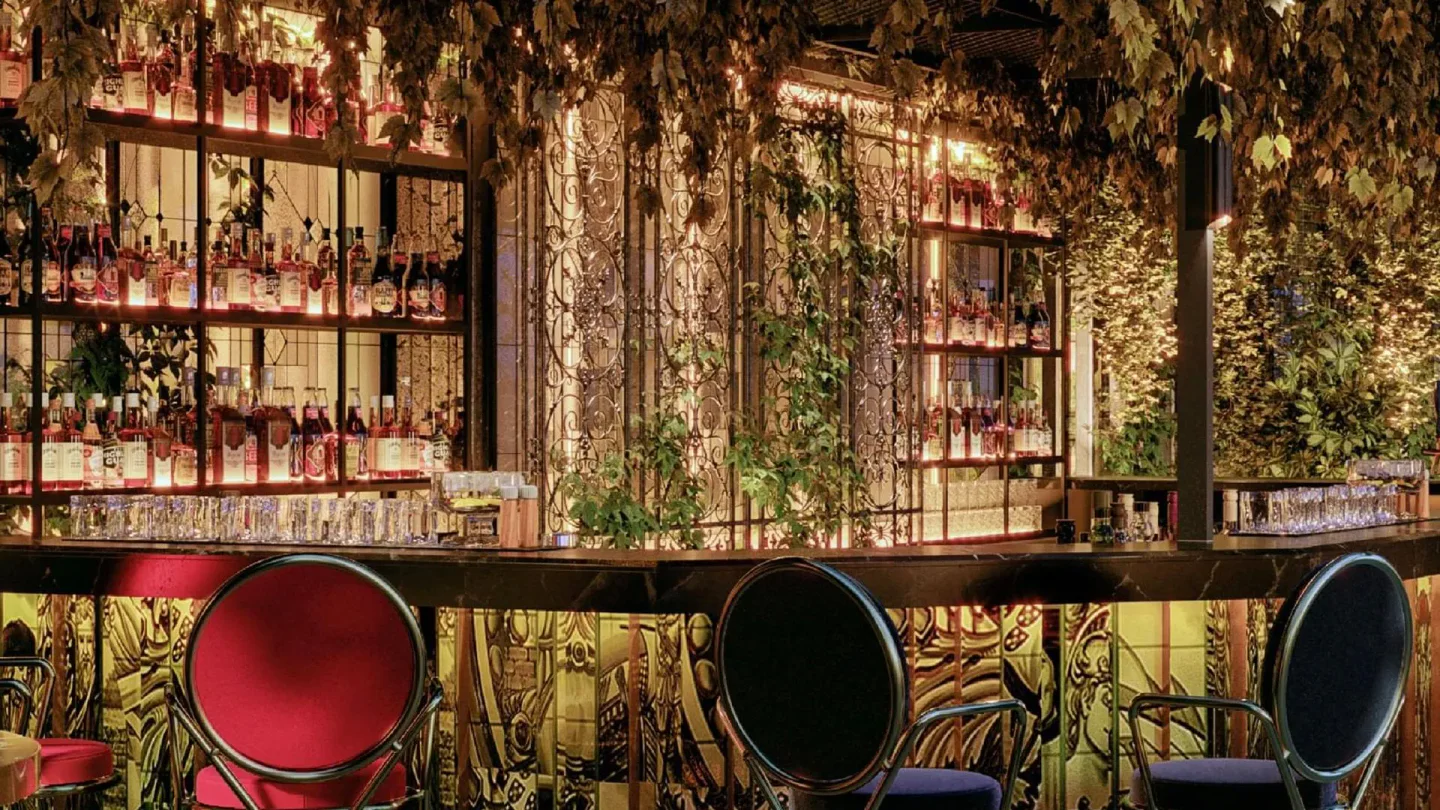
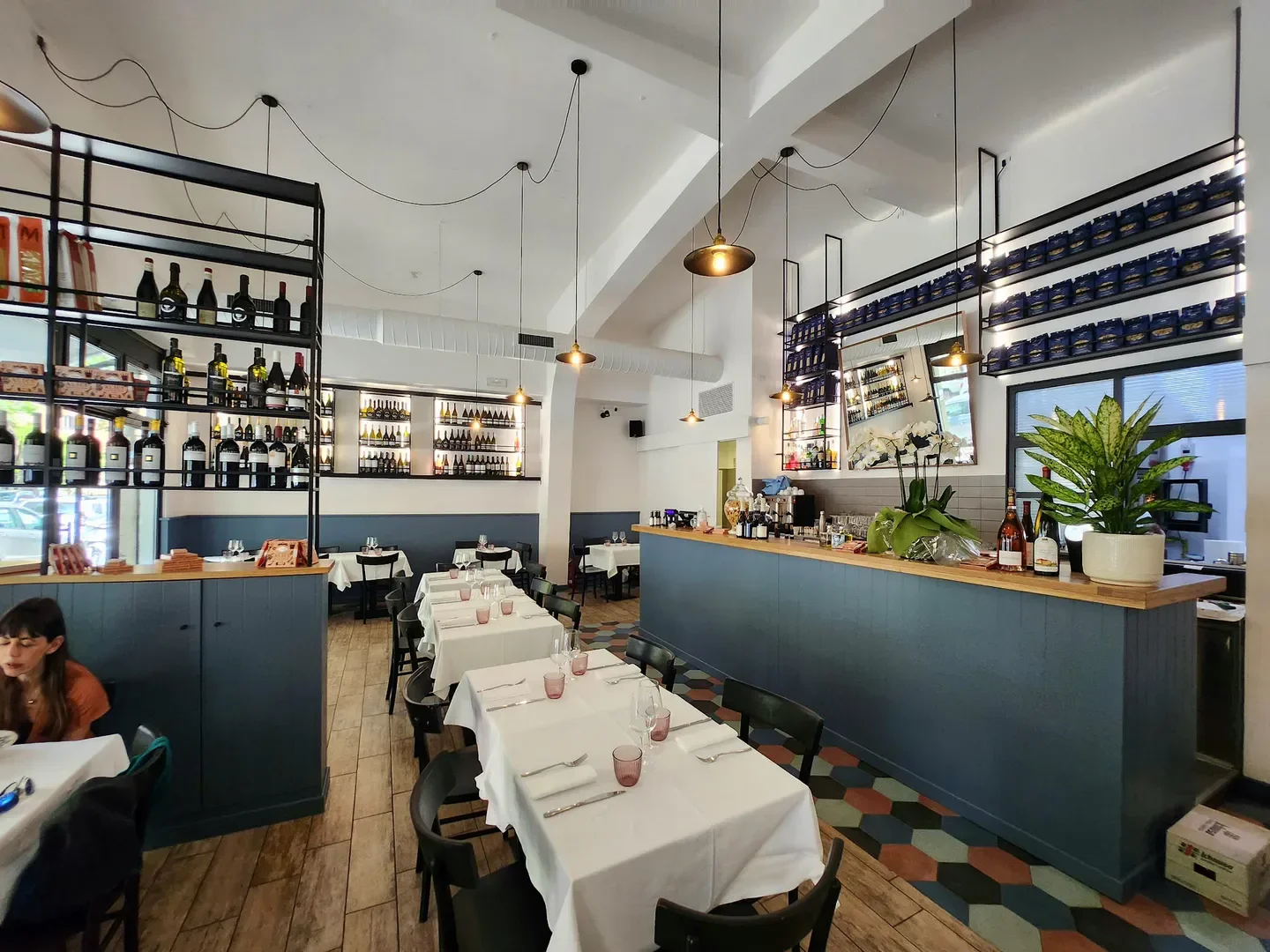
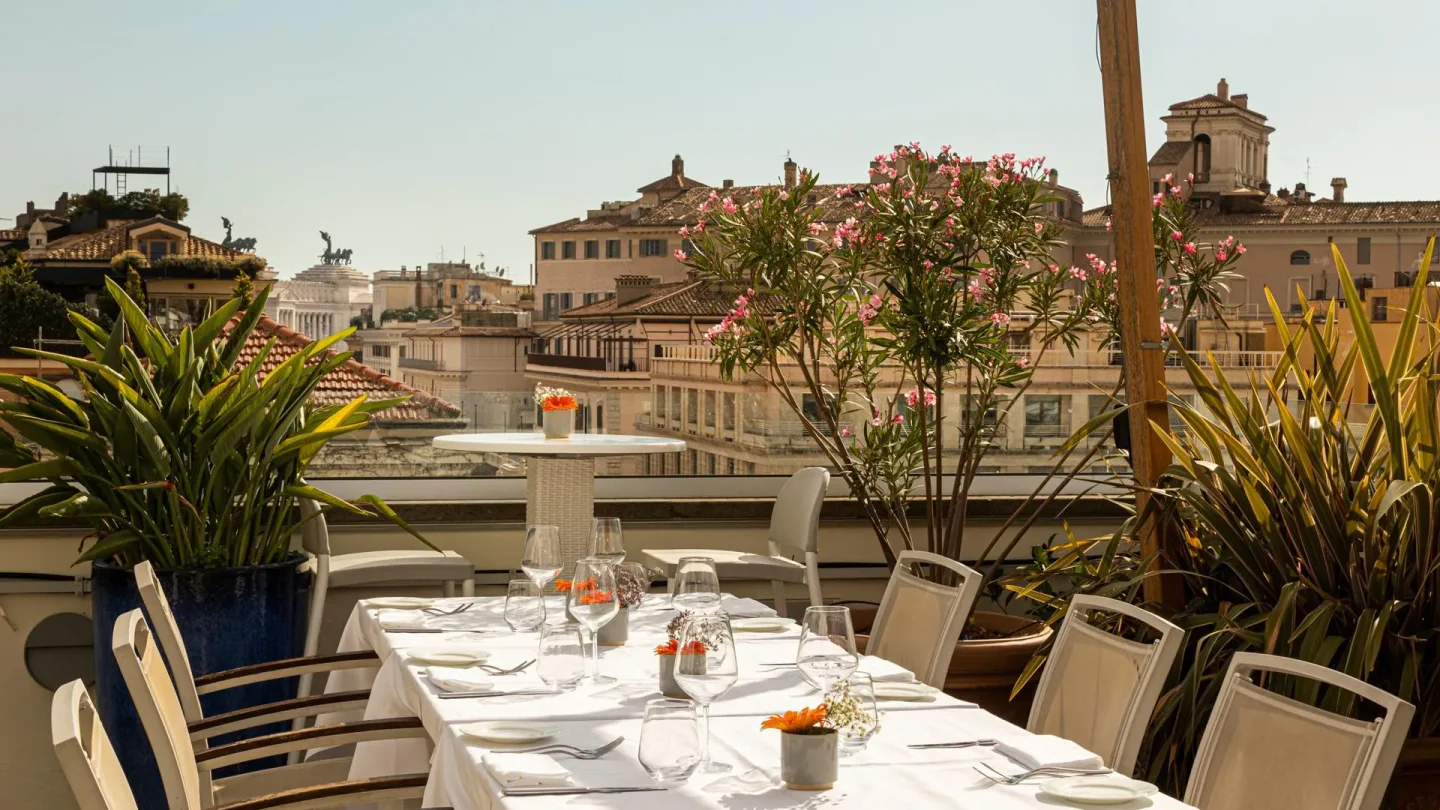
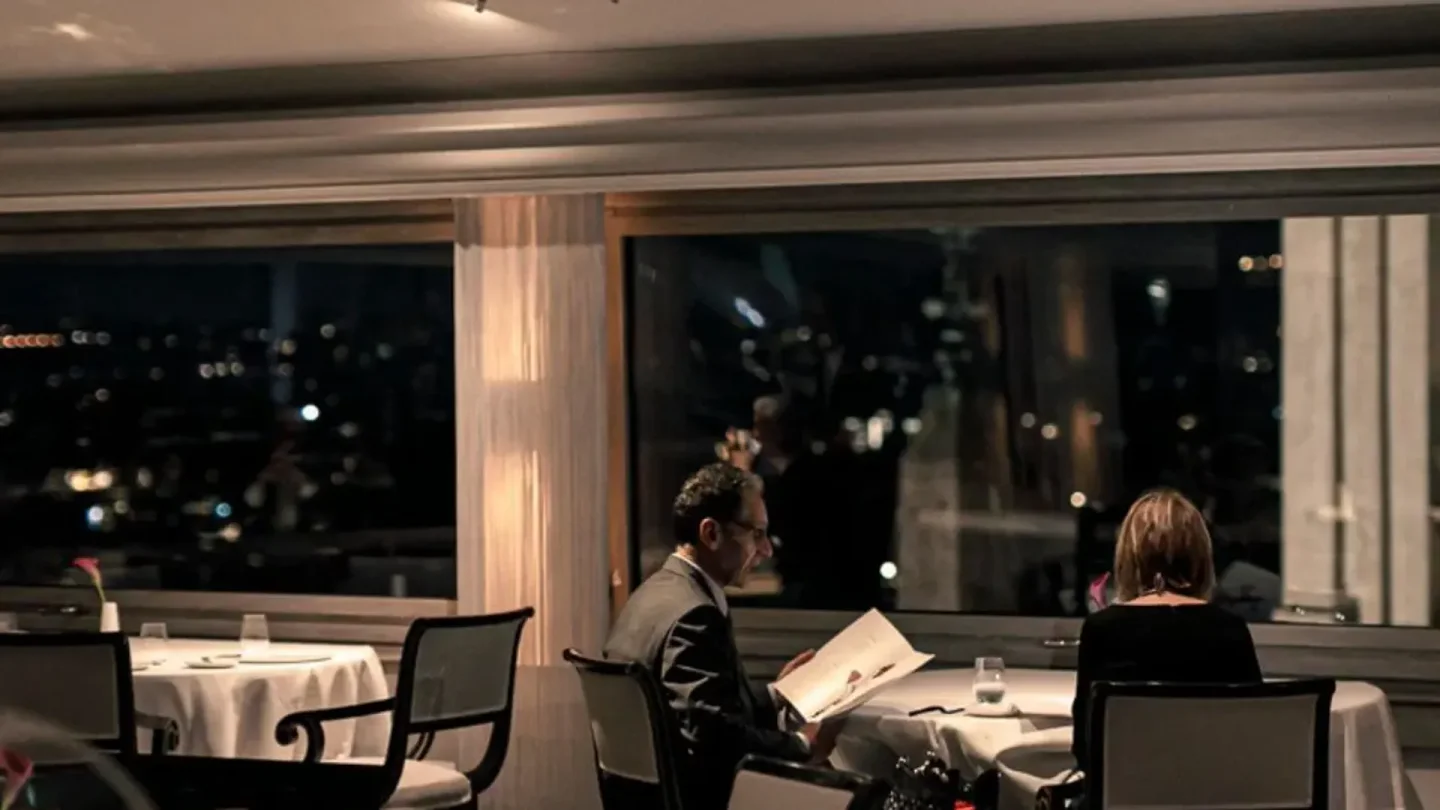
The Roman palate has shifted toward precision and height. At Mùn Rooftop, the evening trade-off involves a skyline view and a strictly timed cocktail window. Meanwhile, Simone Nardoni’s Essenza strips away the rustic noise to focus on technical brilliance. Even the neighborhood spots have evolved; at Aede, the kitchen trades heavy tradition for hyper-seasonal clarity and a quiet, confident atmosphere.
Rome remains a city of deep, complex layers. You just have to know which ones to peel back first. Start with these four.
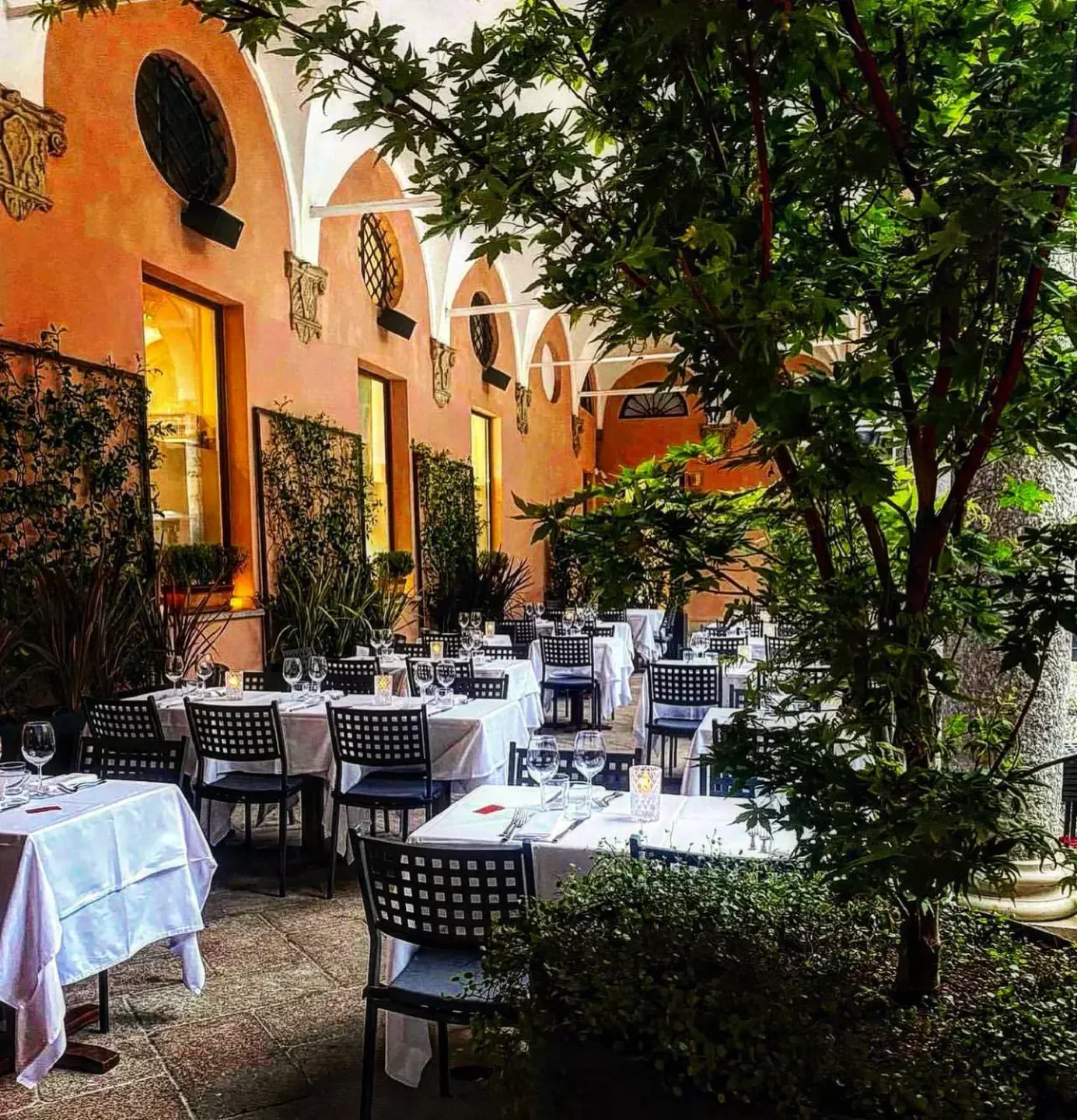
Photos: Dal Bolognese
01.Dal Bolognese
What is it? Dal Bolognese operates as a Roman institution. You enter a room where history and style collide. It feels like the city’s unofficial living room.
Why we love it: Waiters glide across the floor with practiced precision. The air carries the hum of high-stakes conversation while guests settle into the rhythm of the room. It offers a front-row seat to Rome’s social theater.
Good to Know: The green lasagna at Dal Bolognese stays true to the rich, layered traditions of its namesake city.
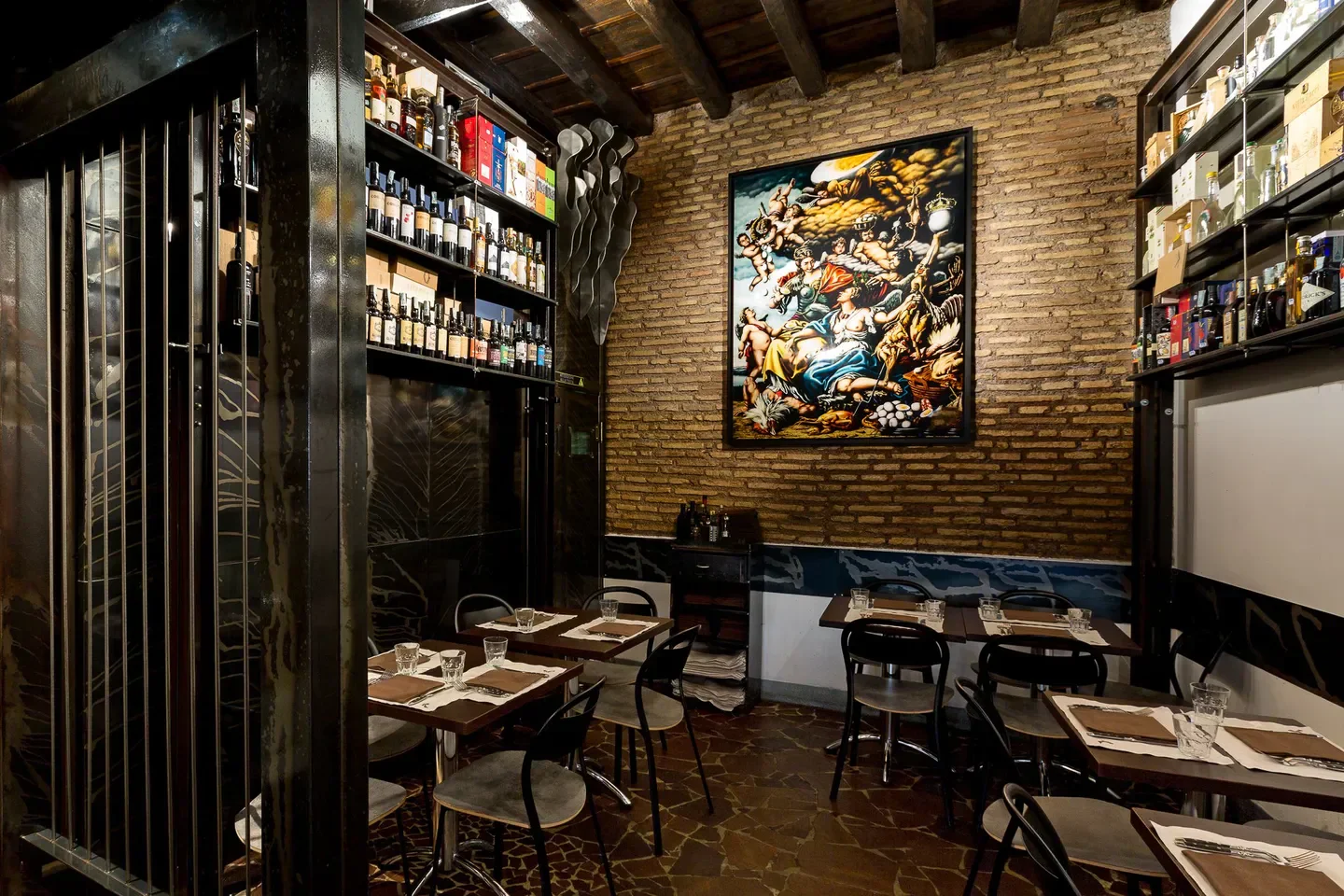
Photos: Roscioli Salumeria con Cucina
02.Roscioli Salumeria con Cucina
What is it? Roscioli Salumeria con Cucina is a dense, high-energy restaurant in Rome. The space combines a traditional food counter with tightly packed dining tables. Every square inch of the room serves a purpose.
Why we love it: This restaurant captures the organized chaos of the city. Staff members navigate the narrow floor with practiced precision. It offers the feeling of dining inside a gourmet pantry where the inventory reaches the ceiling.
Good to Know: The carbonara at Roscioli Salumeria con Cucina uses a specific blend of Malaysian black peppers to balance the weight of the Pecorino Romano and egg yolks.
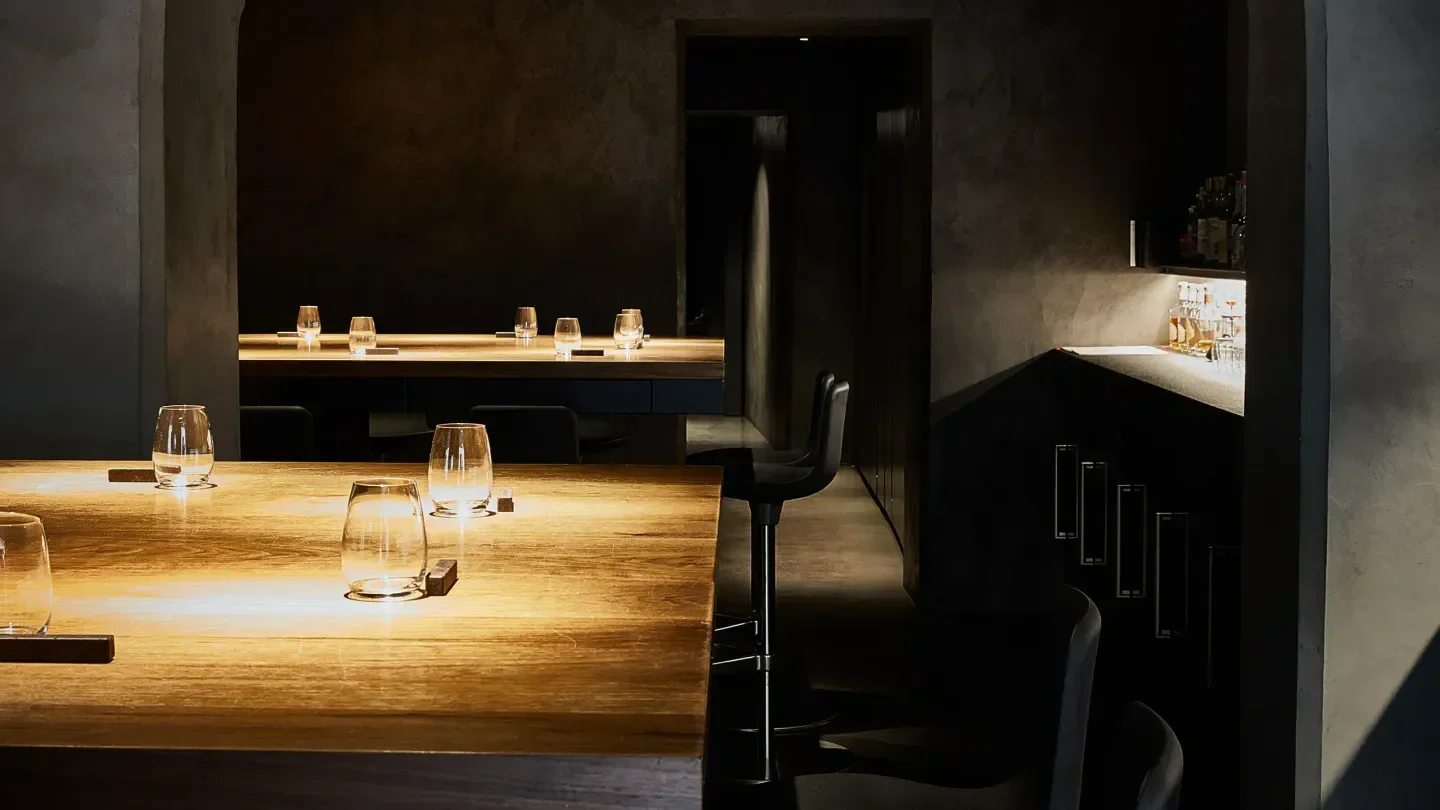
Photos: Retrobottega
03.Retrobottega
What is it? Retrobottega stands as a sharp departure from Rome’s usual dining scene. This restaurant trades predictable comfort for a fast-paced, urban atmosphere. You feel the city's modern pulse the second you cross the threshold.
Why we love it: The room vibrates with the sound of a crowd that knows where to find the city's best edge. Service is direct and purposeful. It captures a moment in Rome where tradition takes a back seat to current culture.
Good to Know: Retrobottega operates with a distinct rhythm that prioritizes the flow of the meal over the long, slow lingers common elsewhere in Rome.
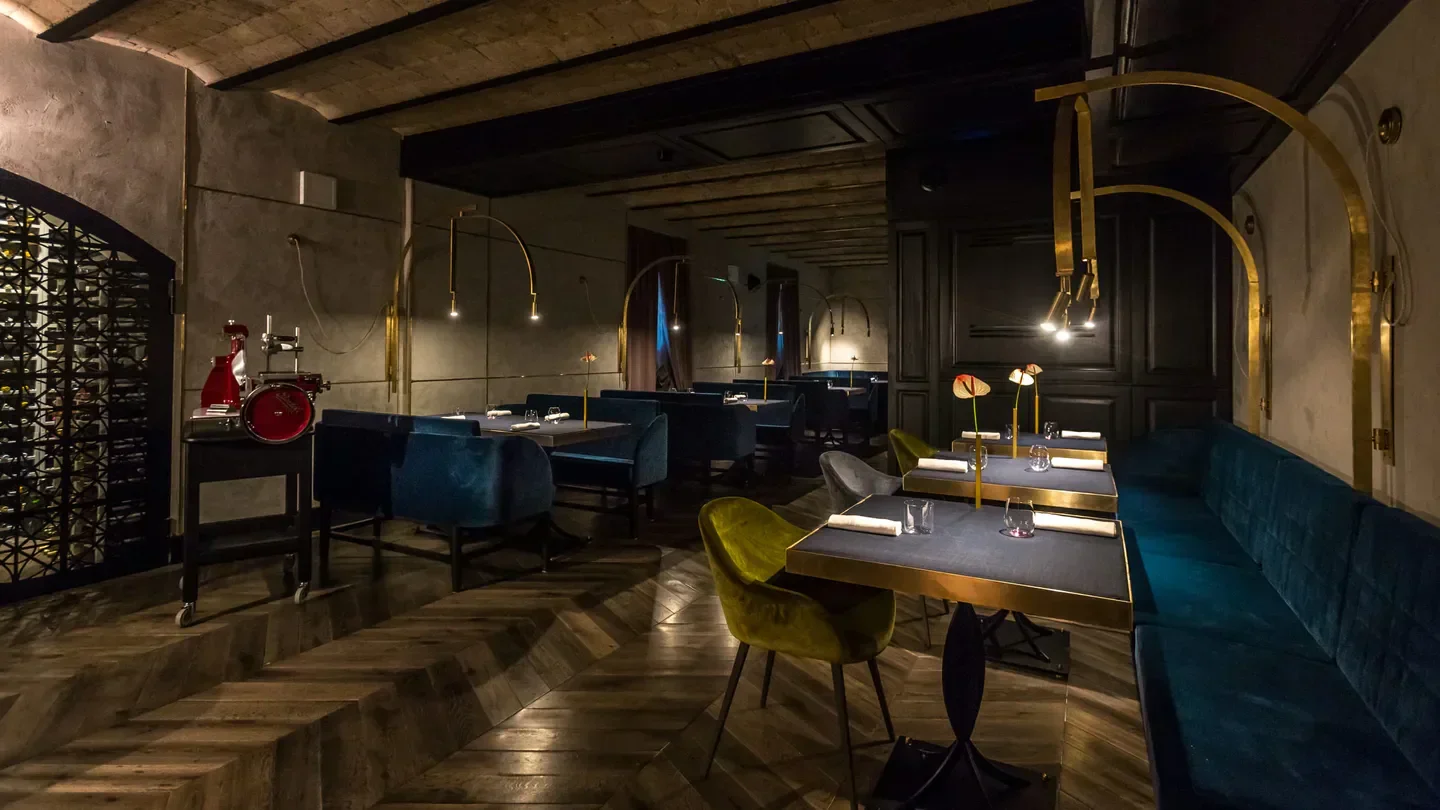
Photos: All'Oro
04.All'Oro
What is it? Rome reveals All’Oro. This restaurant stands as a destination for those seeking a dedicated seat in the city. The atmosphere shifts the moment you cross the threshold.
Why we love it: All’Oro commands attention without shouting. It provides a polished backdrop where the rhythm of the service dictates the mood. You lose track of the Roman clock as the evening unfolds.
Good to Know: Plan for a slow-burn experience at All’Oro, where the meal stays centered as the night's main event.
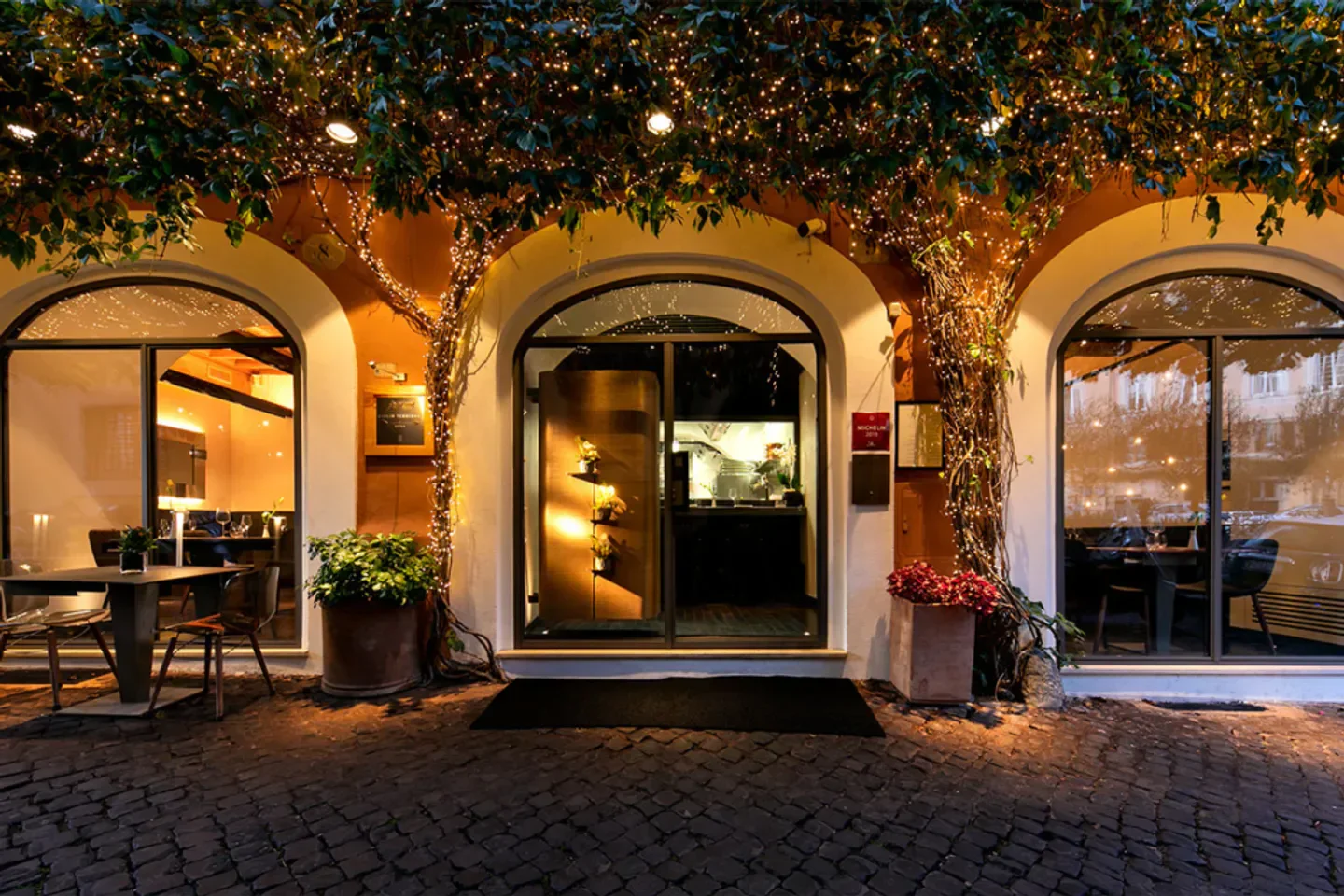
Photos: Per Me Giulio Terrinoni
05.Per Me Giulio Terrinoni
What is it? Per Me Giulio Terrinoni anchors itself in the historic heart of Rome. You step off the cobblestones into a space that feels sharp, intentional, and immediately calm. It is a restaurant where the chef’s name is on the door and his specific vision defines the room.
Why we love it: The dining room hums with a focused, modern energy. It avoids the typical tropes of the city, opting instead for a pace that feels both deliberate and personal. You come here when you want a meal that feels like a private conversation between the kitchen and your table.
Good to Know: The kitchen at Per Me Giulio Terrinoni translates the "For Me" namesake literally, tailoring the progression of the meal to fit the specific rhythm of your evening.
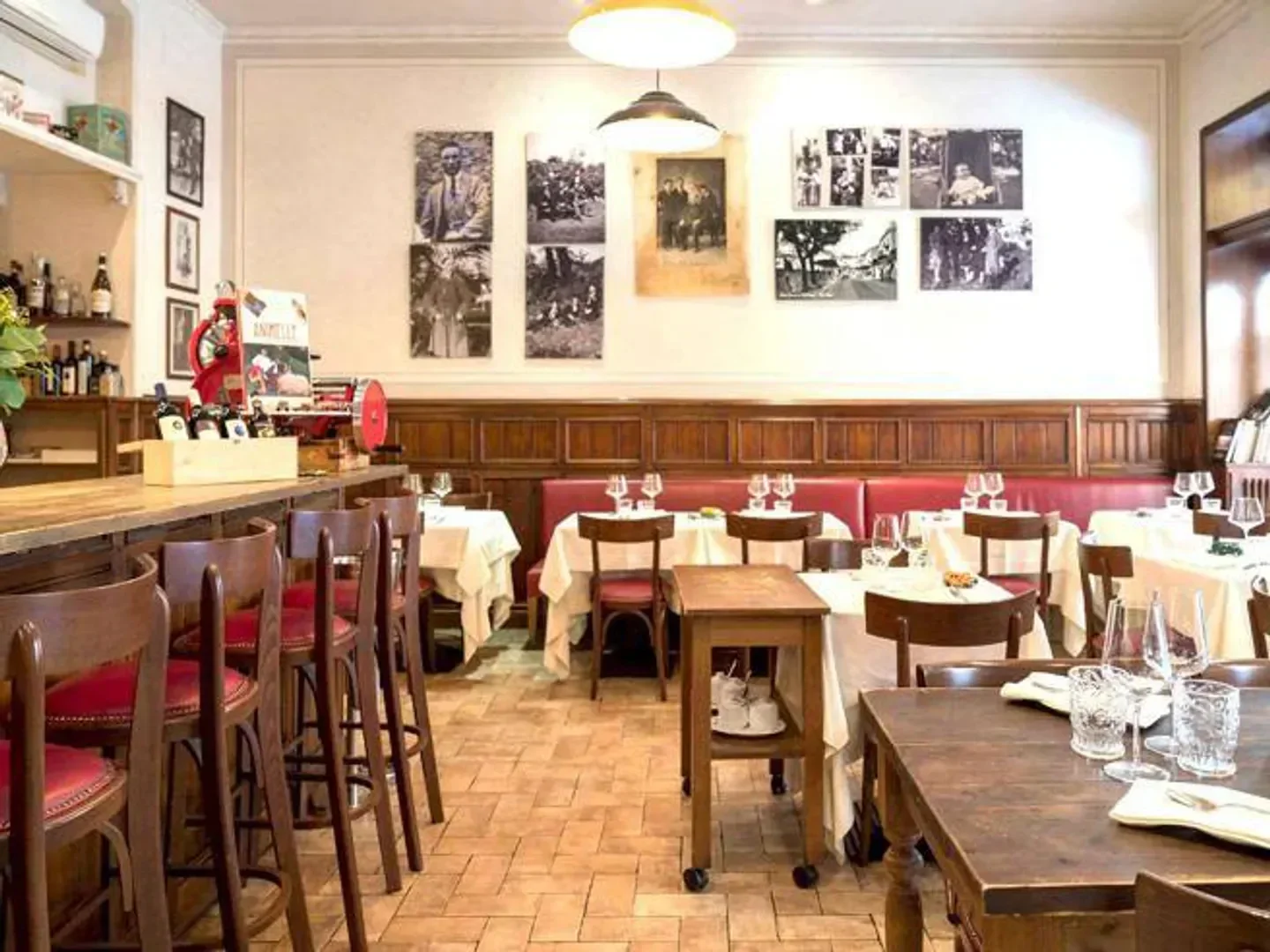
Photos: L'Arcangelo Vino e Cucina
06.L'Arcangelo Vino e Cucina
What is it? L'Arcangelo Vino e Cucina brings a sharp, disciplined energy to the Roman dining scene. The restaurant projects an intimate, intentional vibe from the moment you cross the threshold. It prioritizes the daily rhythm of the kitchen over flashy presentation.
Why we love it: The room hums with a quiet, steady confidence. It avoids the typical tourist-heavy clamor found near the city's major landmarks. You watch the staff navigate the floor with a rhythmic, understated efficiency.
Good to Know: The wine selection at L'Arcangelo Vino e Cucina features specific regional labels that celebrate the "Vino" in its name.
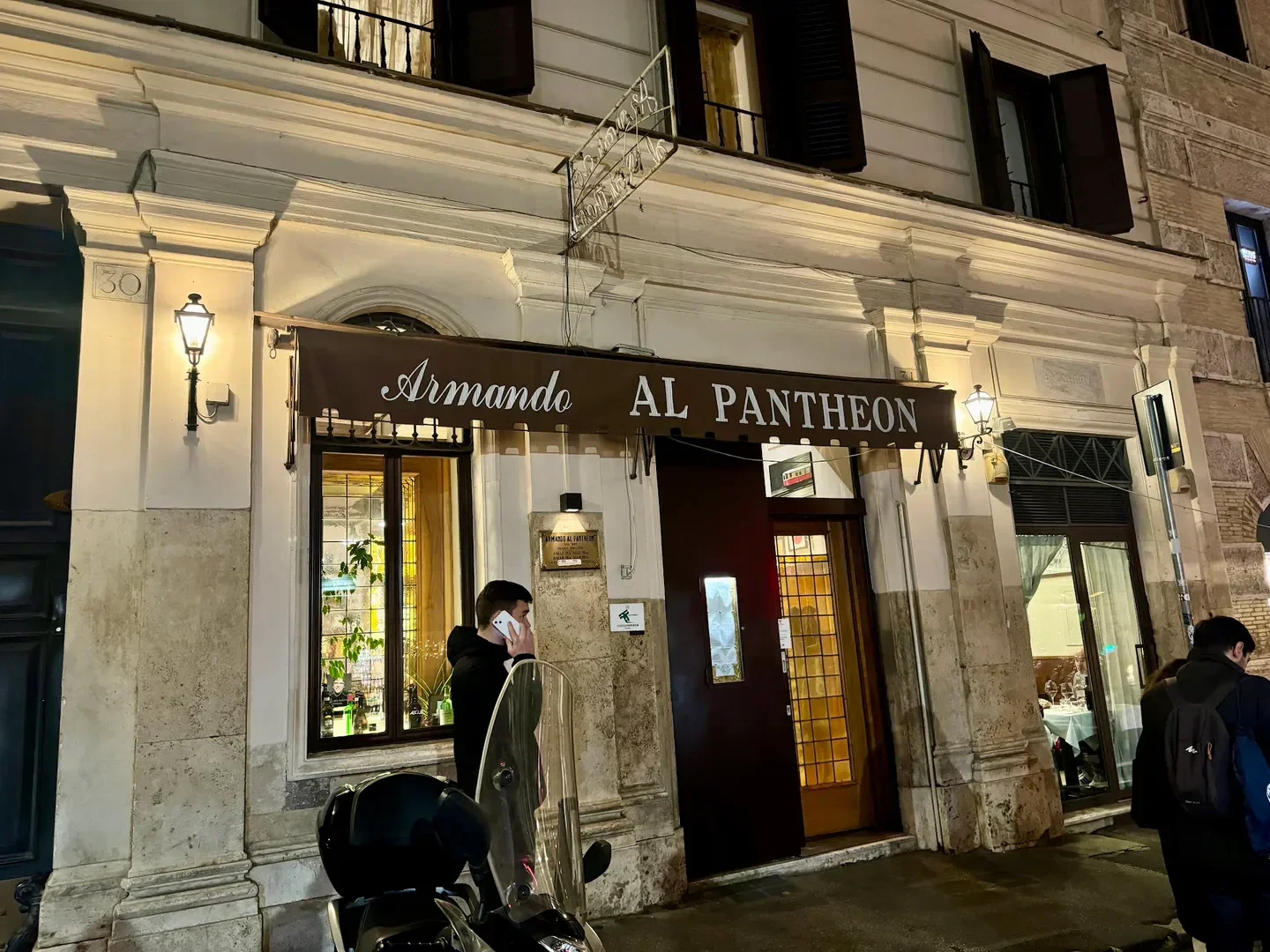
Photos: Armando al Pantheon
07.Armando al Pantheon
What is it? Armando al Pantheon is a restaurant in Rome. It sits in the center of the city. Tables sit close together inside the room.
Why we love it: The room hums with the energy of a busy Rome restaurant. Conversations fill the air. The space feels connected to the history of its location.
Good to Know: Armando al Pantheon sits just steps from the ancient landmark that shares its name.
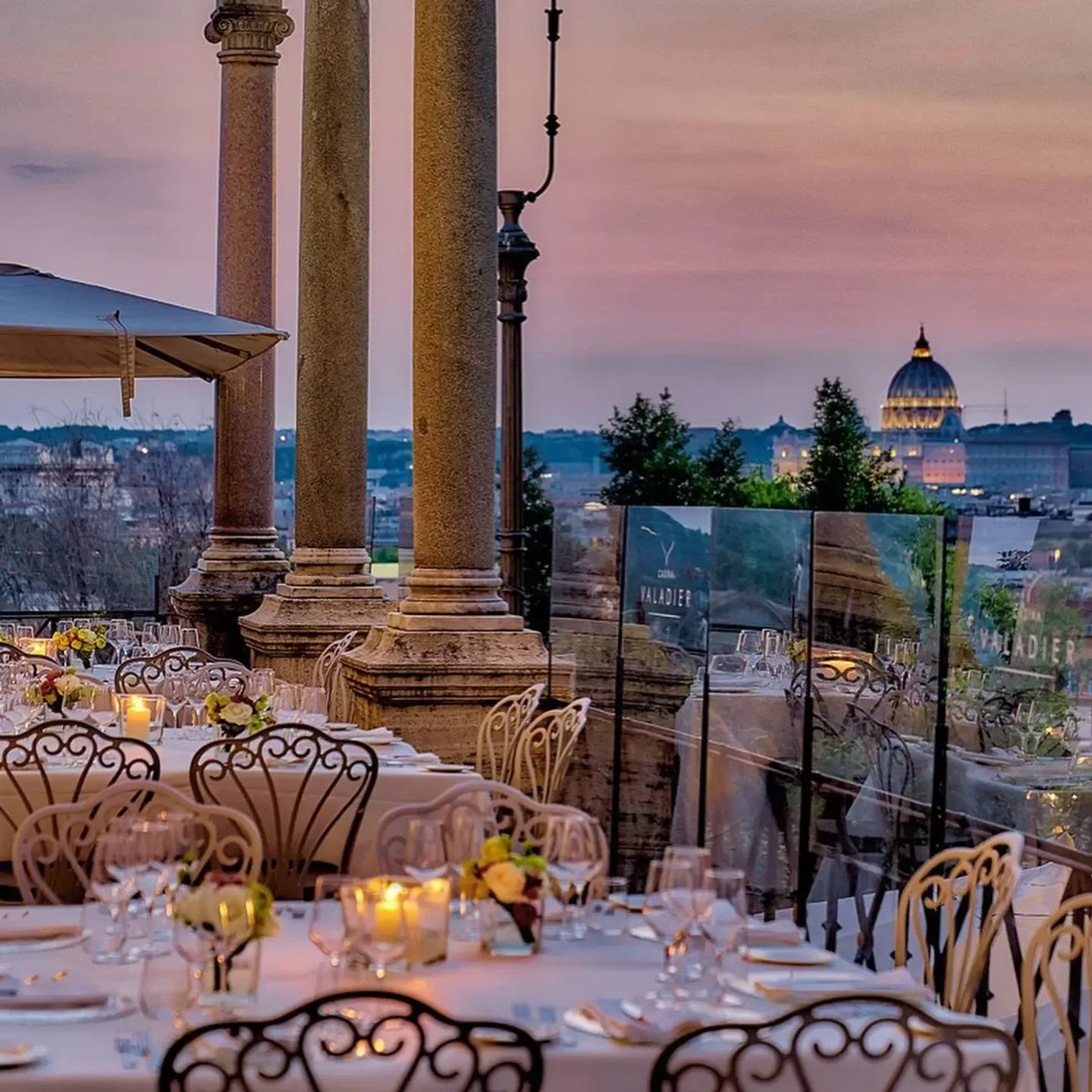
Photos: Aroma
08.Aroma
What is it? Aroma operates as a polished retreat in central Rome. It attracts a dedicated crowd that values a structured, formal dining experience.
Why we love it: The staff moves with a synchronization that borders on choreography. Every glass stays full and each course arrives exactly when the conversation hits a natural lull.
Good to Know: Dinner at Aroma typically spans several hours, so keep your post-meal schedule clear to avoid rushing the experience.
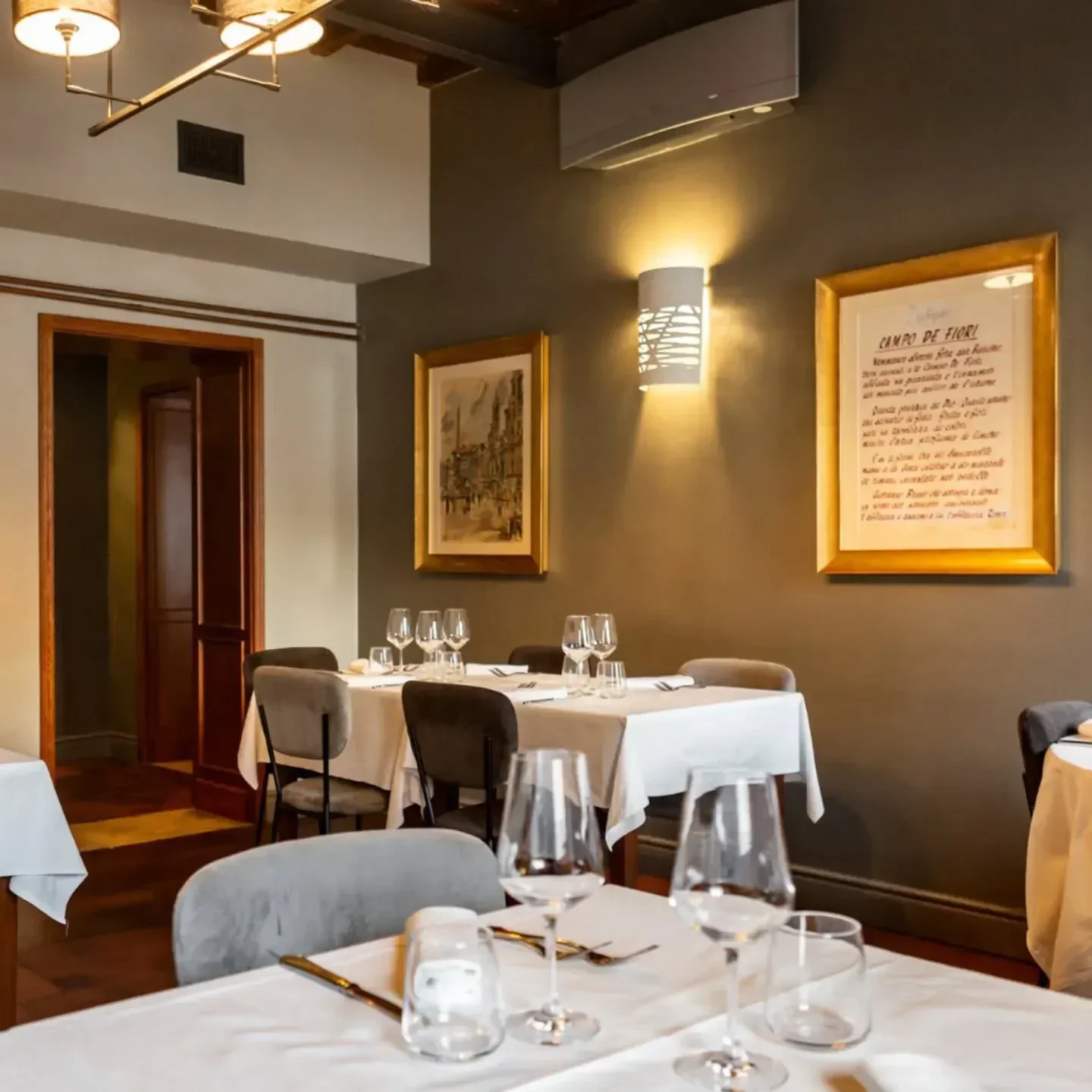
Photos: La Carbonara
09.La Carbonara
What is it? This restaurant operates as a definitive fixture in the Roman dining landscape. It offers a straightforward atmosphere where the focus stays entirely on the table. You enter a space that prioritizes the spirit of its city over modern trends.
Why we love it: The room hums with the energy of a crowd that knows exactly what it wants. It feels lived-in and honest. The staff maintains a steady pace, ensuring the meal remains the main event of your evening.
Good to Know: The namesake carbonara at La Carbonara acts as the menu's anchor, so order it to experience the dish the restaurant is built upon.
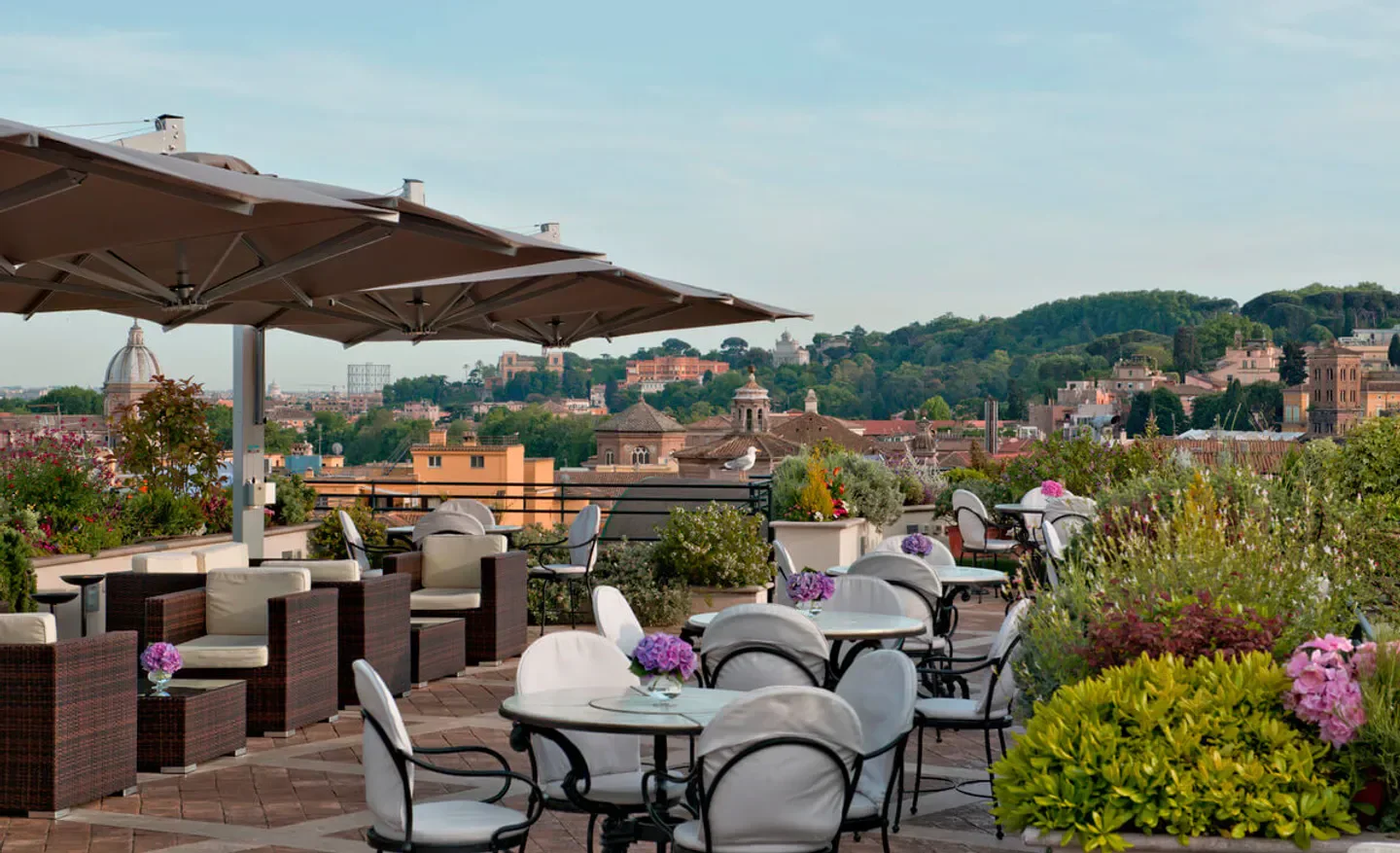
Photos: Les Etoiles Rooftop
10.Les Etoiles Rooftop
What is it? Les Etoiles Rooftop operates as a restaurant in the center of Rome. The space provides a dedicated dining environment for those navigating the capital. The room maintains a focused energy that separates it from the street-level rush.
Why we love it: The room fills with the steady hum of conversation as the night progresses. You notice the precision of the service as the kitchen begins its delivery. It captures a deliberate pace that feels grounded in the local culture.
Good to Know: Les Etoiles Rooftop coordinates its seating to favor the local dining rhythm. The room reaches its peak energy after 9:00 PM.
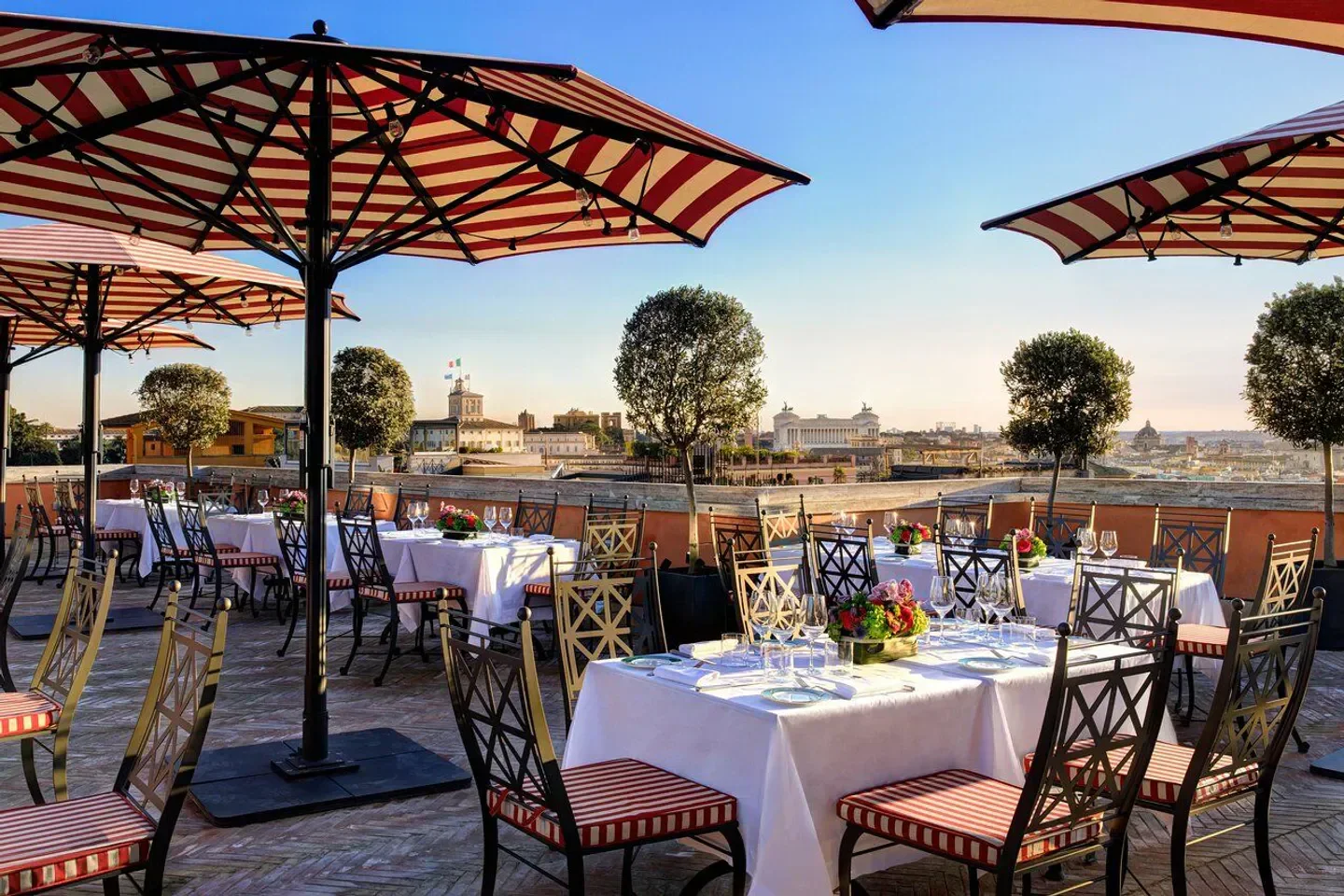
Photos: Cielo Terrace
11.Cielo Terrace
What is it? Cielo Terrace operates as a restaurant in the heart of Rome. The room pulses with energy. It attracts a crowd that understands the city’s social choreography.
Why we love it: Waiters move with a synchronization that anchors the space. Conversations blend into a steady, low hum. This is the ritual of a Roman meal, where the clock slows down as soon as you sit.
Good to Know: Cielo Terrace structures its seating to prioritize the internal flow of the room, making it an ideal spot to observe the local dining culture.
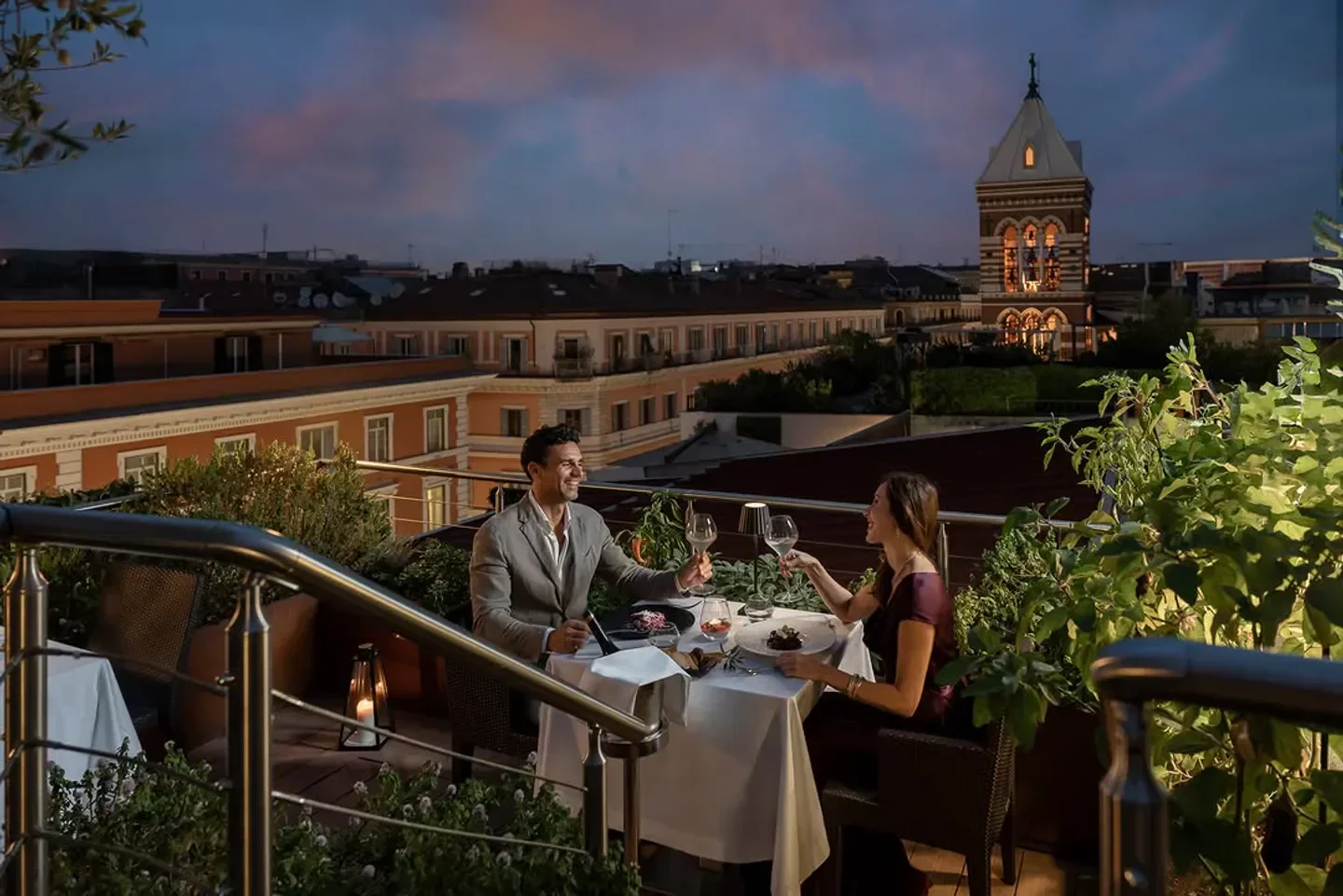
Photos: Ambrosia
12.Ambrosia
What is it? This Roman restaurant feels intentional. You walk into Ambrosia and the city's noise fades. It anchors itself in the heart of the capital.
Why we love it: The room hums with steady conversation. Locals and travelers fill the tables throughout the evening. It captures a specific energy unique to the city. You lose track of time here.
Good to Know: Ambrosia manages its table pacing strictly, so expect the staff to let you linger over coffee without rushing the check.
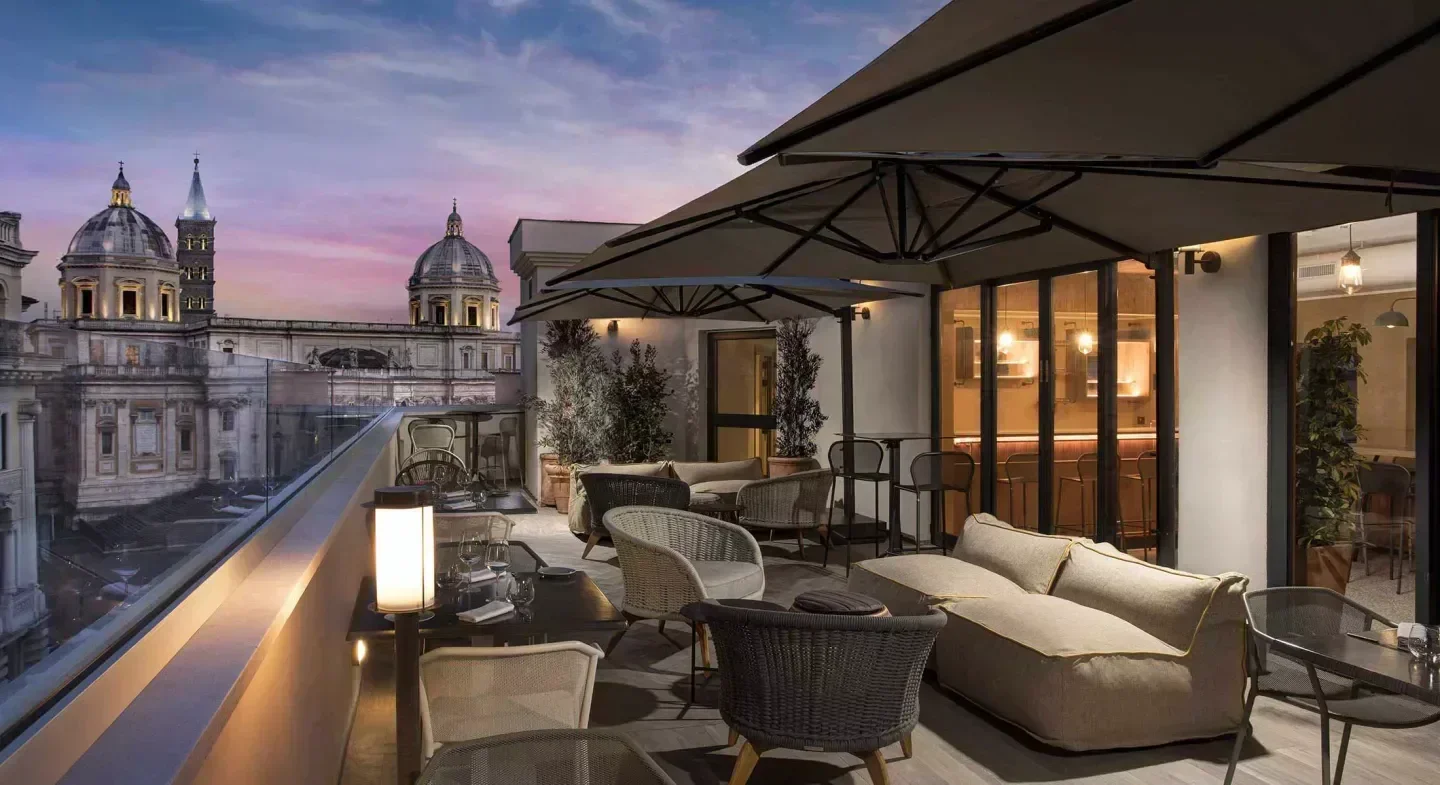
Photos: Mùn Rooftop Cocktail Bar
13.Mùn Rooftop Cocktail Bar
What is it? Mùn Rooftop Cocktail Bar operates as a dual-purpose restaurant in the heart of Rome. It balances a professional kitchen with a focused bar scene. The space feels distinct from the traditional trattorias found at street level.
Why we love it: Glasses clink as the Roman evening settles in. The crowd moves between the bar and the dining tables with ease. It offers a sharp retreat from the heavy foot traffic in the piazzas below.
Good to Know: Mùn Rooftop Cocktail Bar integrates its bar and kitchen menus, so the drink pairings often outshine a standard wine list.
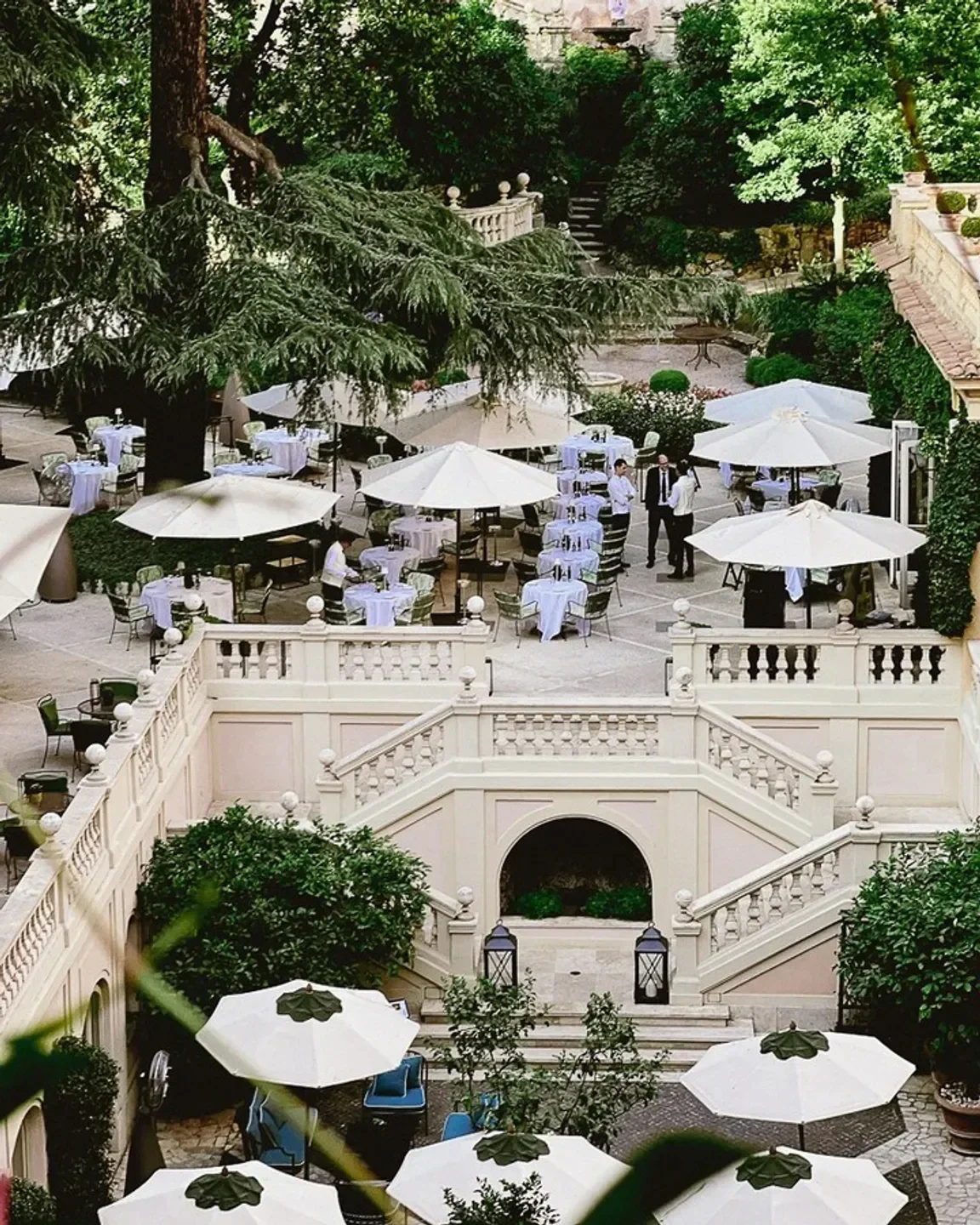
Photos: Le Jardin de Russie
14.Le Jardin de Russie
What is it? Rome moves at its own pace here. You step into Le Jardin de Russie and the city fades. This restaurant focuses on an atmosphere that dictates the mood.
Why we love it: The staff navigates the room with practiced ease. Guests linger over tables for hours. It captures a specific Roman energy where conversation matters more than the clock.
Good to Know: The table placement at Le Jardin de Russie creates pockets of privacy even when the room hits its peak capacity.
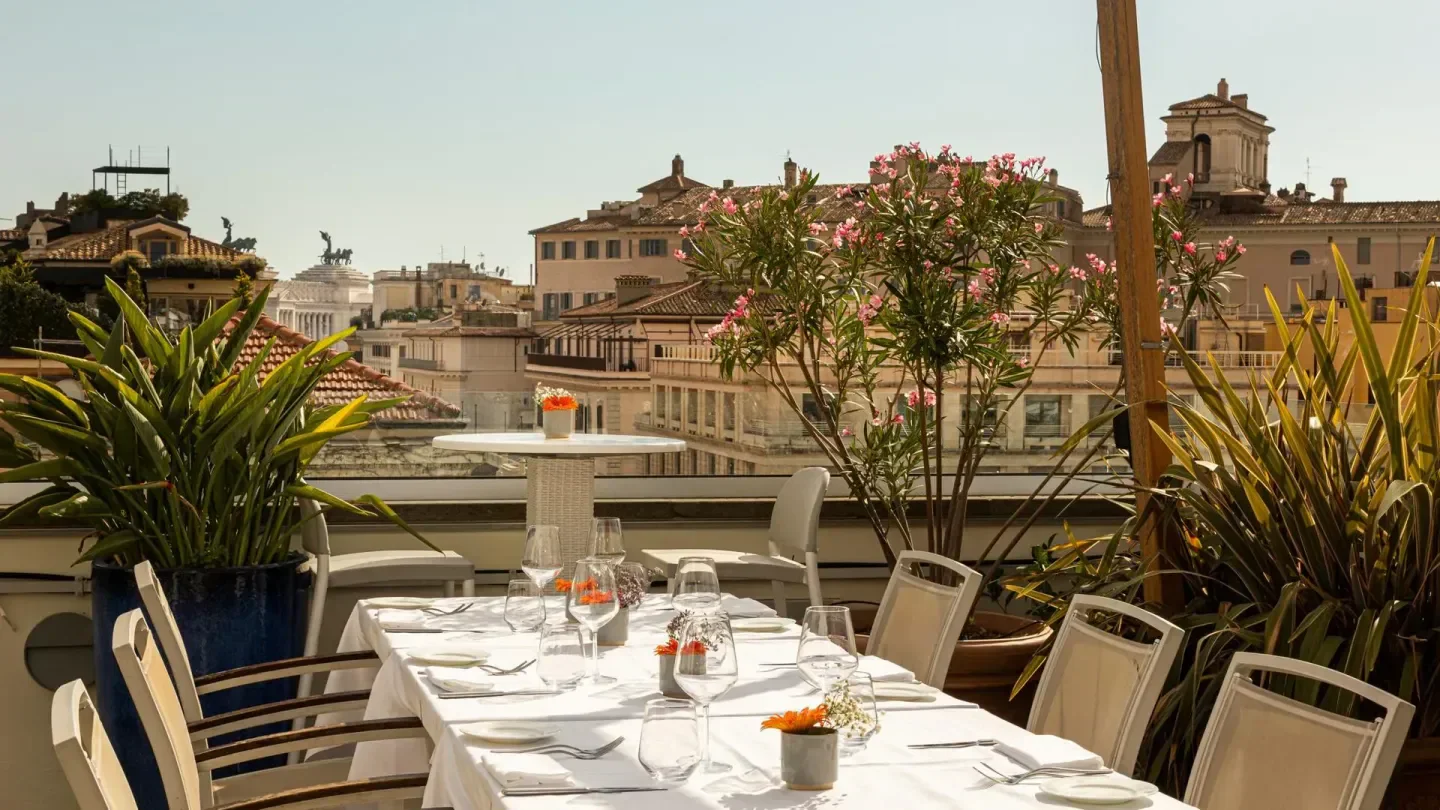
Photos: Terrazza Monti
15.Terrazza Monti
What is it? Terrazza Monti anchors a corner of Rome, operating as a restaurant with a steady, classic pulse. You step off the street and into a space where the city’s noise fades. It serves those who prefer focused service over social media hype.
Why we love it: Waiters move with a speed that keeps the room humming. Diners lean in as the atmosphere settles into a comfortable, steady groove. The kitchen manages a pace that celebrates the ritual of a slow meal. Every plate arrives exactly when the conversation hits its stride.
Good to Know: The corner tables at Terrazza Monti offer the most privacy for a long lunch away from the central floor bustle.
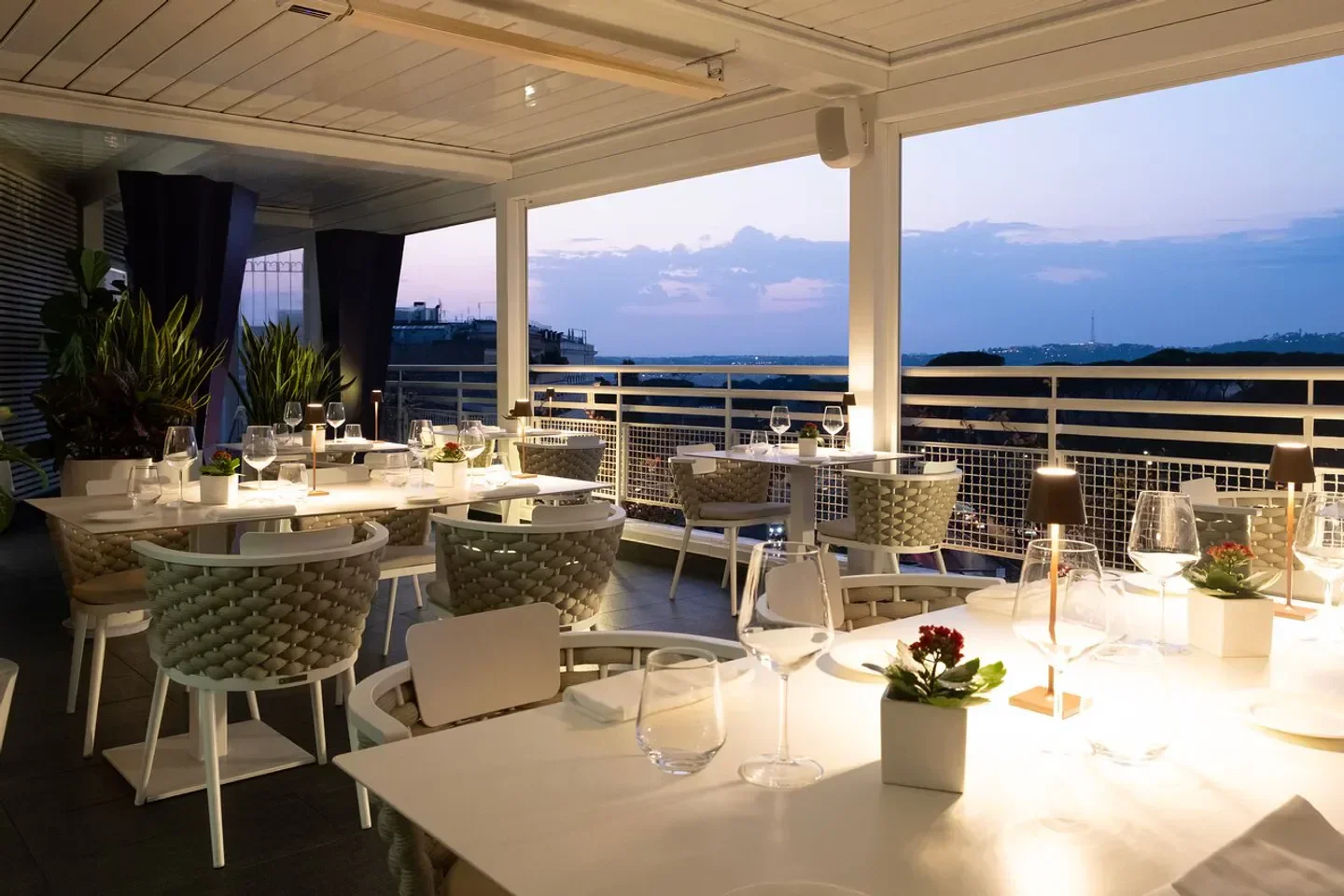
Photos: Terrazza Borghese
16.Terrazza Borghese
What is it? Terrazza Borghese is a Roman restaurant that captures the city’s sophisticated pace. The space feels intentional, greeting guests with a composed atmosphere that feels distinct from the surrounding neighborhood. You notice the rhythmic hum of a well-run room the moment you walk in.
Why we love it: Conversation flows easily here against a backdrop of clinking glasses and steady service. The restaurant maintains an energy that feels both established and vital, prioritizing a sense of calm over the frantic rush of typical tourist spots. It feels like a curated experience for those who know exactly where they want to be.
Good to Know: Terrazza Borghese draws its most vibrant crowd during the late-evening hours, so arrive after 9:00 PM to see the room at its peak.
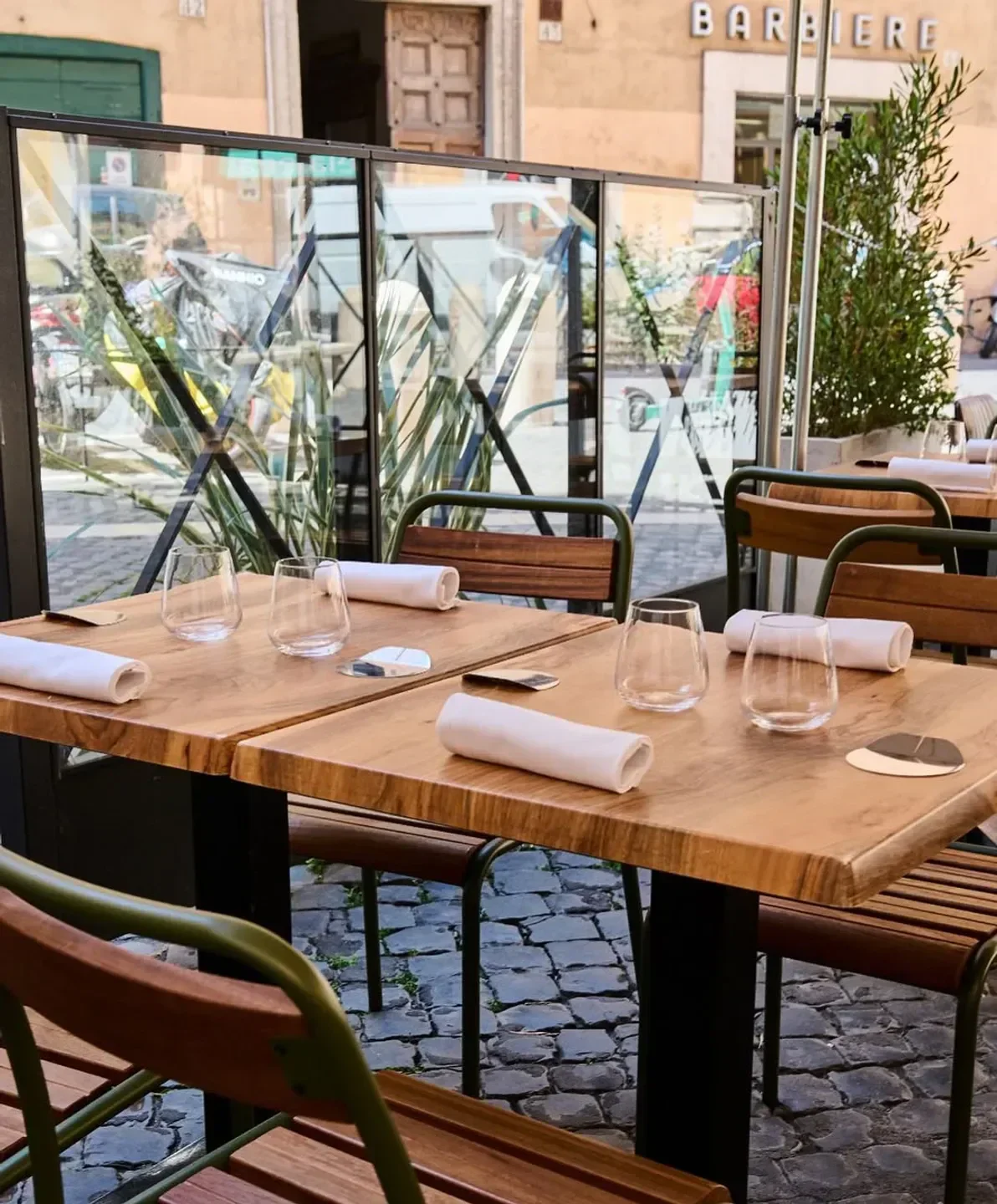
Photos: Luciano Cucina Italiana
17.Luciano Cucina Italiana
What is it? Luciano Cucina Italiana commands a central pocket of Rome with the confidence of a modern classic. This restaurant strips away the dusty layers of tradition to reveal a bright, high-energy dining room. You walk in and find a space that prioritizes the pulse of the city over quiet nostalgia.
Why we love it: The room hums with a focused intensity as the staff keeps pace with a hungry Roman crowd. It’s the kind of place where the atmosphere feels alive, driven by the steady clinking of glasses and the quick movement of the kitchen. We love how the environment stays sharp and contemporary while keeping the focus squarely on the dining experience.
Good to Know: Luciano Cucina Italiana offers a distinctively modern pace compared to the more traditional, slower-moving spots found throughout the rest of Rome.
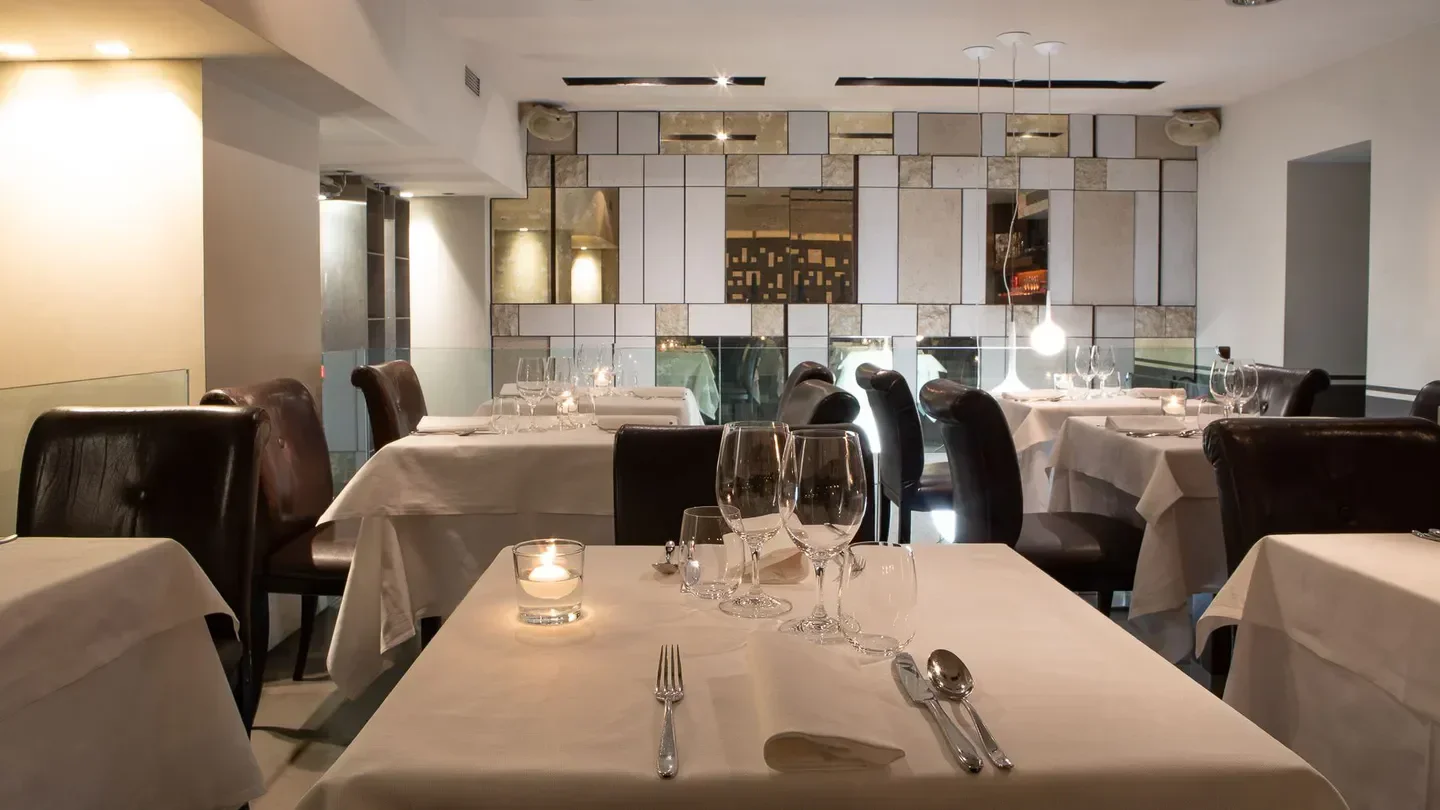
Photos: Moma
18.Moma
What is it? Moma anchors a corner of Rome where the city’s frantic energy finally settles. The restaurant presents a clean, deliberate environment from the second you step inside. It functions as a sanctuary built for the singular purpose of dining.
Why we love it: The staff anticipates every need before you even think to ask. We love the way the room hums with a steady, low-frequency energy that encourages long, unhurried conversations. It is the kind of place that makes a meal feel like the most important part of your day.
Good to Know: The back tables at Moma offer a more secluded atmosphere if you want to distance yourself from the activity near the entrance.
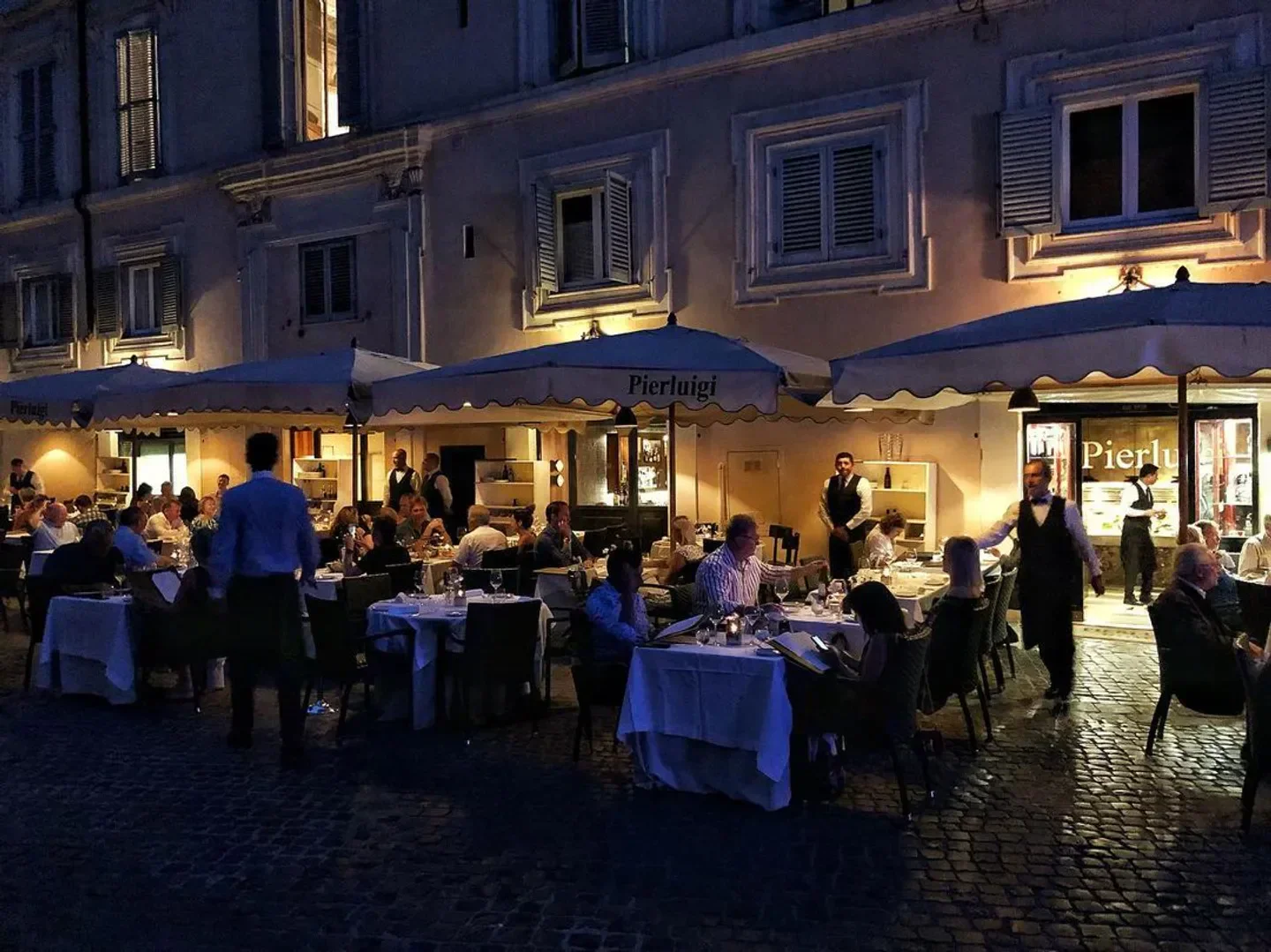
Photos: Pierluigi
19.Pierluigi
What is it? Pierluigi is a restaurant in Rome. The host greets you at the door. You walk into a room where the city’s modern pace takes hold.
Why we love it: The restaurant finds its stride as the tables fill. Silverware clinks against plates while the staff move through the room with practiced speed. It offers a front-row seat to the city's social engine.
Good to Know: The energy at Pierluigi peaks around 9:00 PM, so arrive closer to closing if you want the room to yourself.
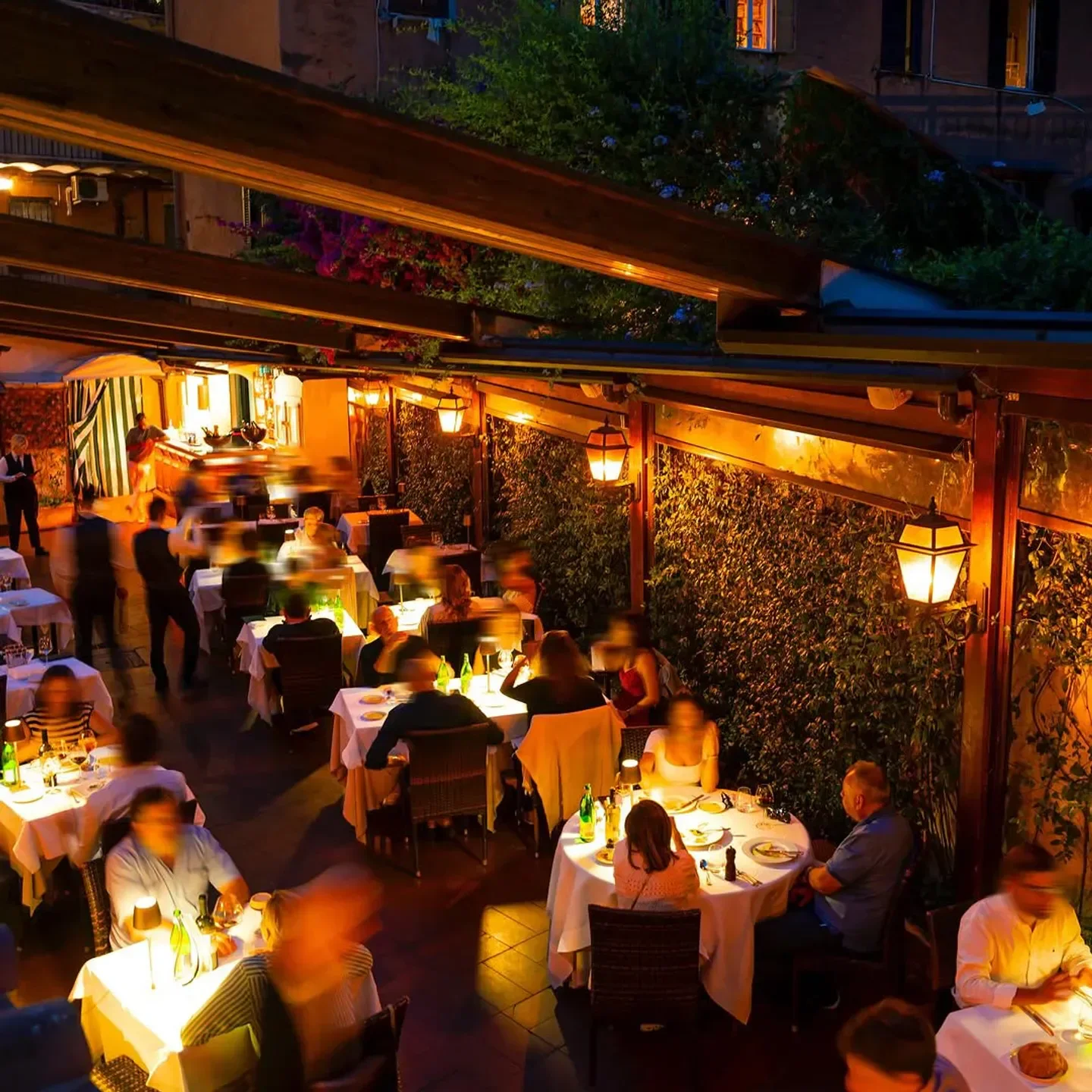
Photos: Antica Pesa
20.Antica Pesa
What is it? Antica Pesa stands as a Roman institution in the heart of the city. The entrance leads into a space where history feels tangible and intentional. You notice the steady rhythm of the dining room the moment you cross the threshold.
Why we love it: The restaurant pulses with a choreographed energy. Staff navigate the floor with practiced speed, attending to a crowd that feels both local and global. It captures the specific Roman intersection of tradition and the current social pulse.
Good to Know: The Cacio e Pepe at Antica Pesa hits the table with a sharp, peppery heat that anchors the entire meal.
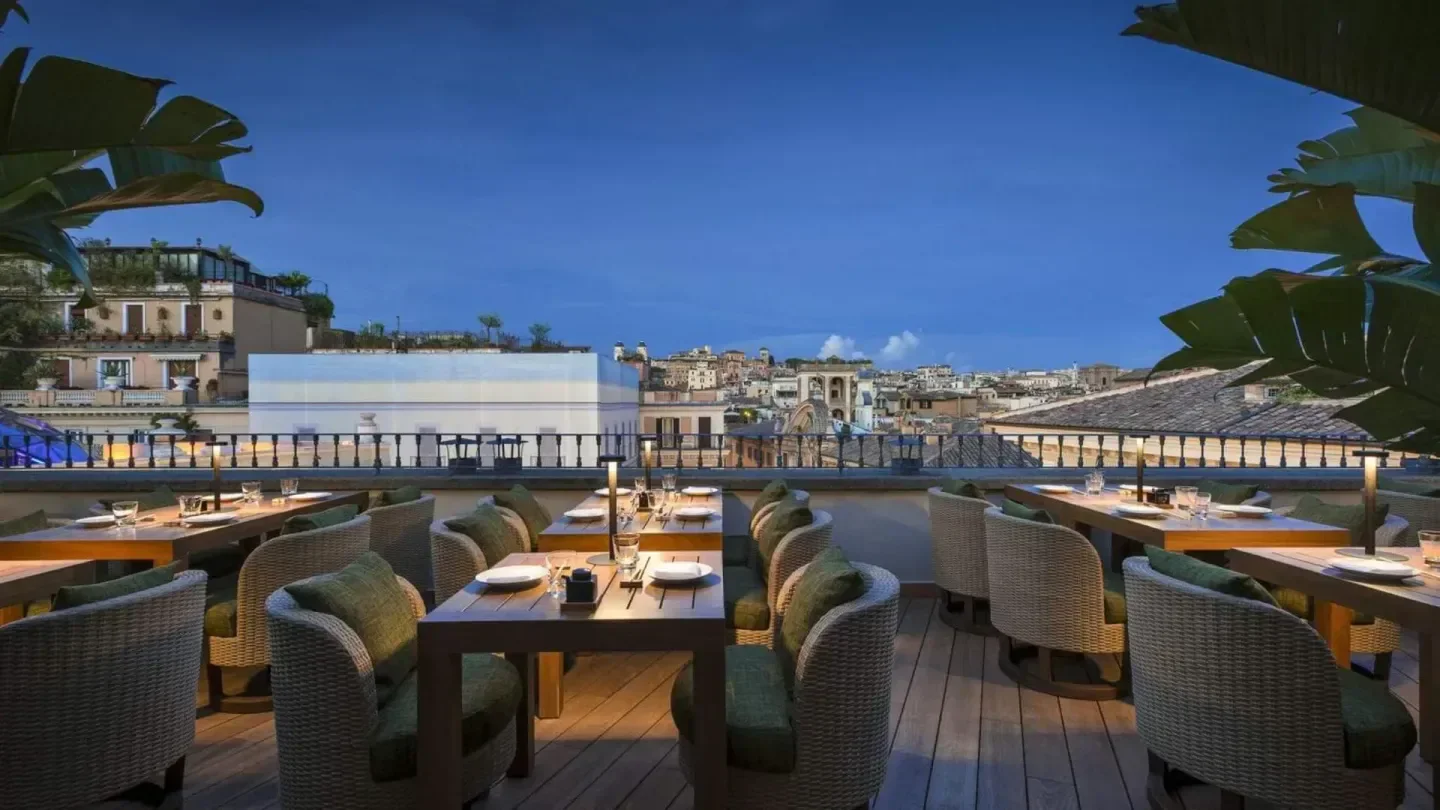
Photos: Zuma
21.Zuma
What is it? Zuma brings a sharp, high-energy dining experience to the heart of Rome. It stands as a modern fixture in the city’s historic landscape. You feel the shift in pace immediately. The room moves fast.
Why we love it: The space hums with a refined, international crowd. Conversations drift through the air alongside the focused clatter of the kitchen. It captures a specific Roman energy that feels both polished and immediate.
Good to Know: The seating layout at Zuma favors those who enjoy being in the center of the action.
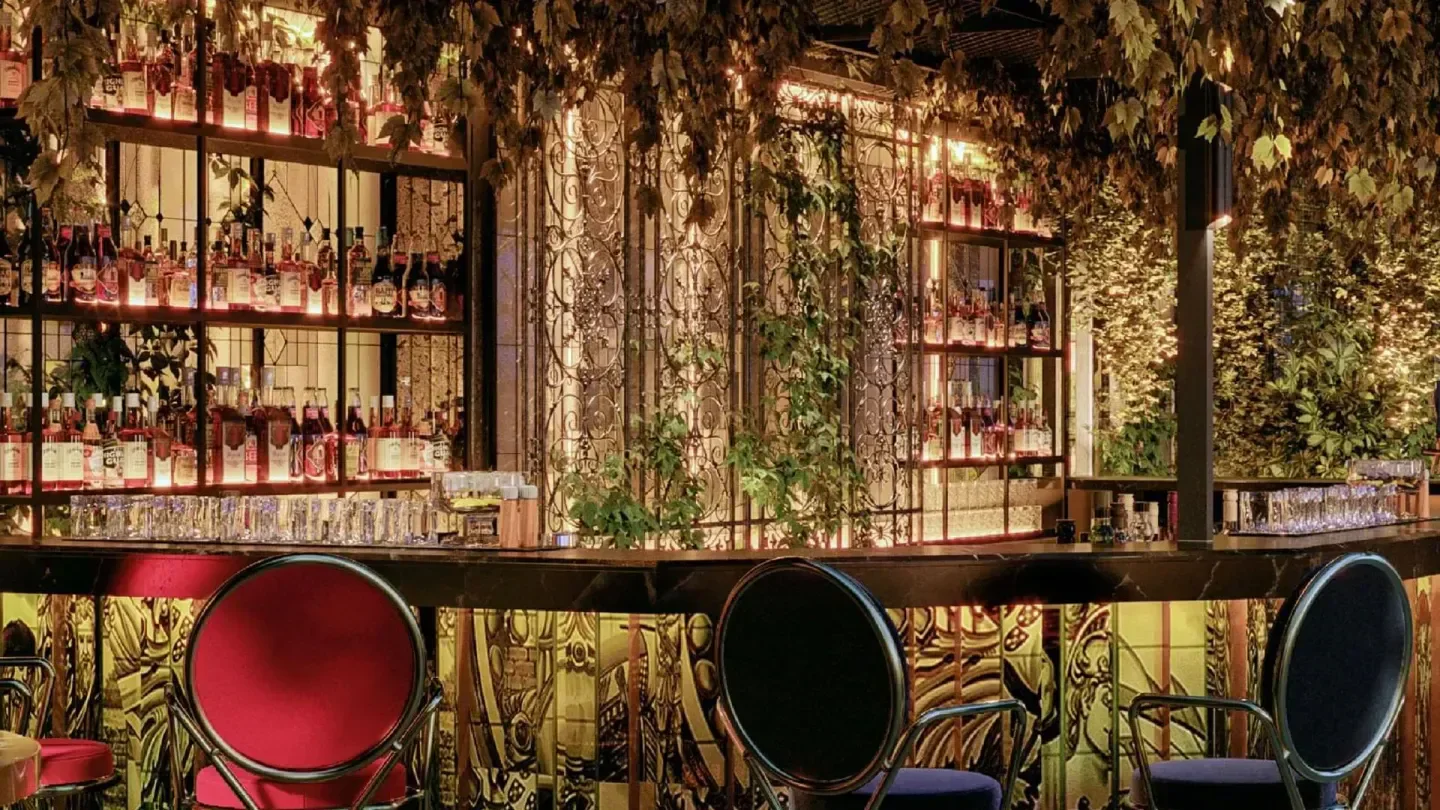
Photos: SEEN
22.SEEN
What is it? SEEN stands as a definitive restaurant in the middle of Rome. The space hits you with a focused energy the second you walk in. It functions as a primary hub for the city’s social crowd.
Why we love it: The vibe inside SEEN builds momentum as the evening stretches on. It captures a Roman spirit that feels sharp and intentional. You come here when you want the room’s pulse to match the pace of the city.
Good to Know: The seating at SEEN rewards late arrivals, as the room hits its peak stride well after the initial dinner rush.
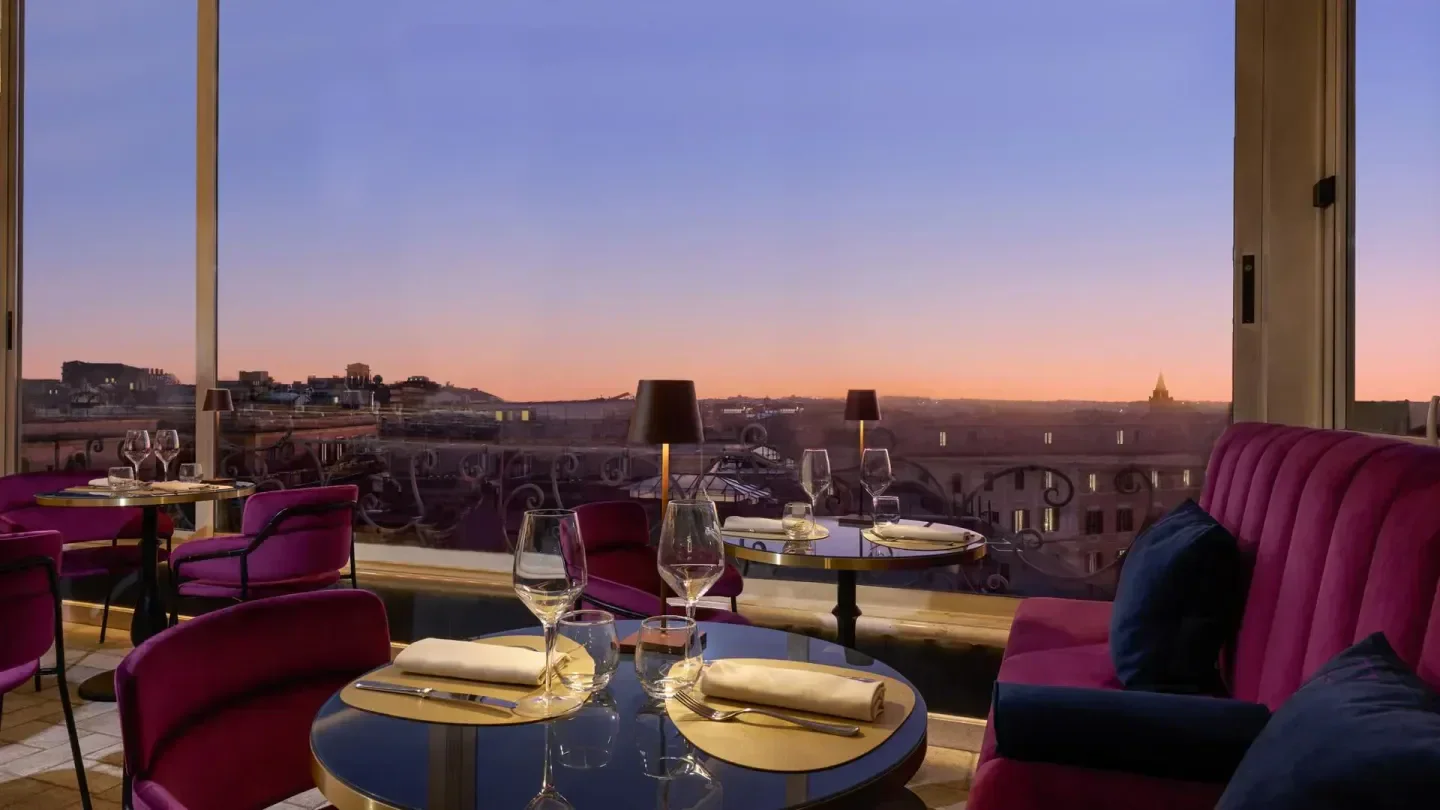
Photos: Terrazza Flavia
23.Terrazza Flavia
What is it? Terrazza Flavia occupies a corner of the Roman dining scene. The room hums with the steady rhythm of a city that takes its meals seriously. You step inside and find a space where the service moves with practiced precision.
Why we love it: The energy here feels quintessentially Roman. Conversations bounce across the tables while the staff navigates the dining room with ease. It’s the kind of spot where the clock slows down the moment you take your seat.
Good to Know: Terrazza Flavia rewards those who lean into the traditional Roman pace, so plan for a full multi-course meal rather than a quick single-plate stop.
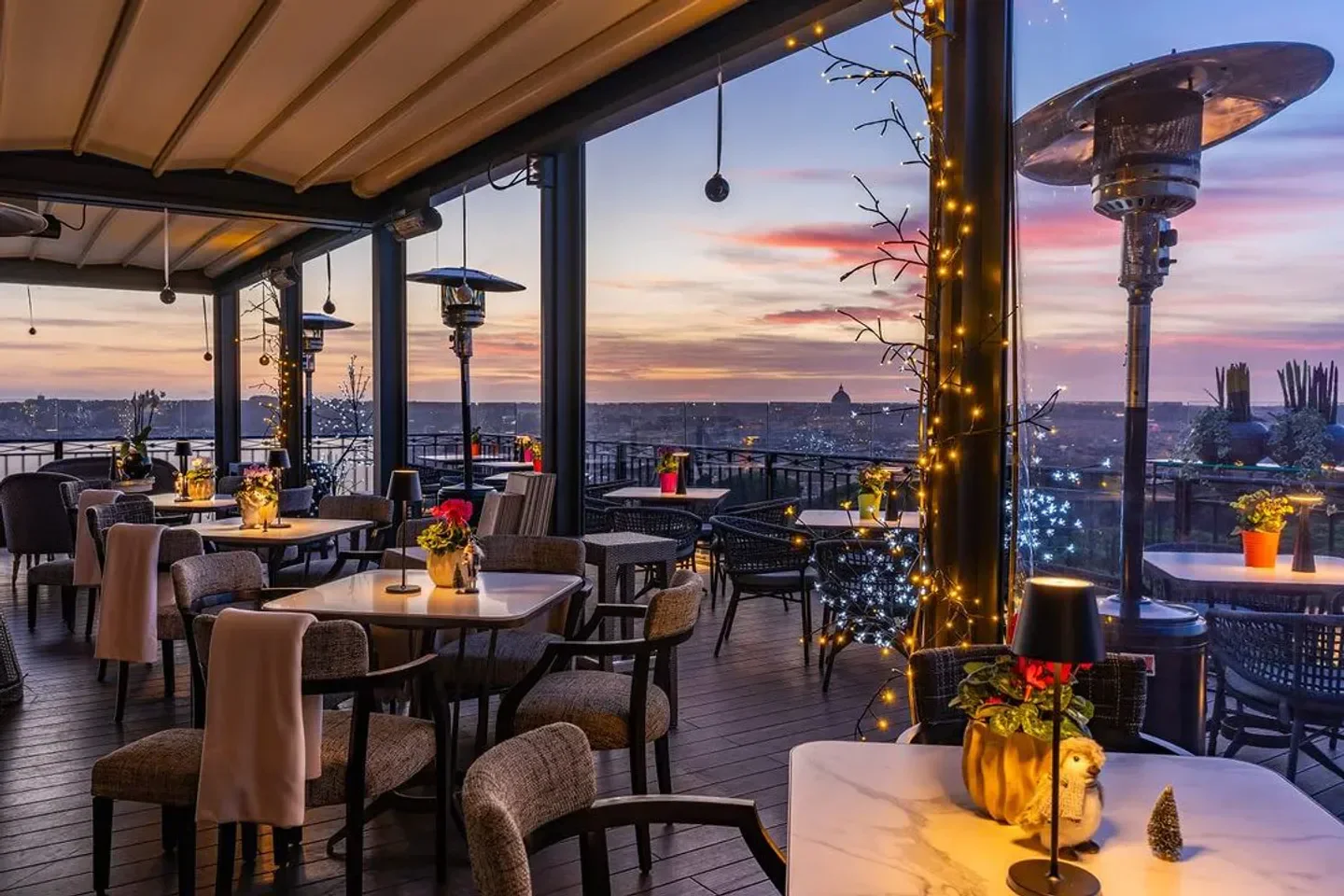
Photos: Mirabelle
24.Mirabelle
What is it? Mirabelle operates as a cornerstone of the Roman dining scene. This restaurant prioritizes a sharp, professional atmosphere. The dining room hums with quiet energy the moment you enter.
Why we love it: The service moves with a steady, intentional rhythm. Servers anticipate your needs without interrupting the flow of conversation. It captures a sense of ceremony that makes every meal feel significant.
Good to Know: The wine list at Mirabelle features deep cuts from the Lazio region, so ask the sommelier for a local pairing.
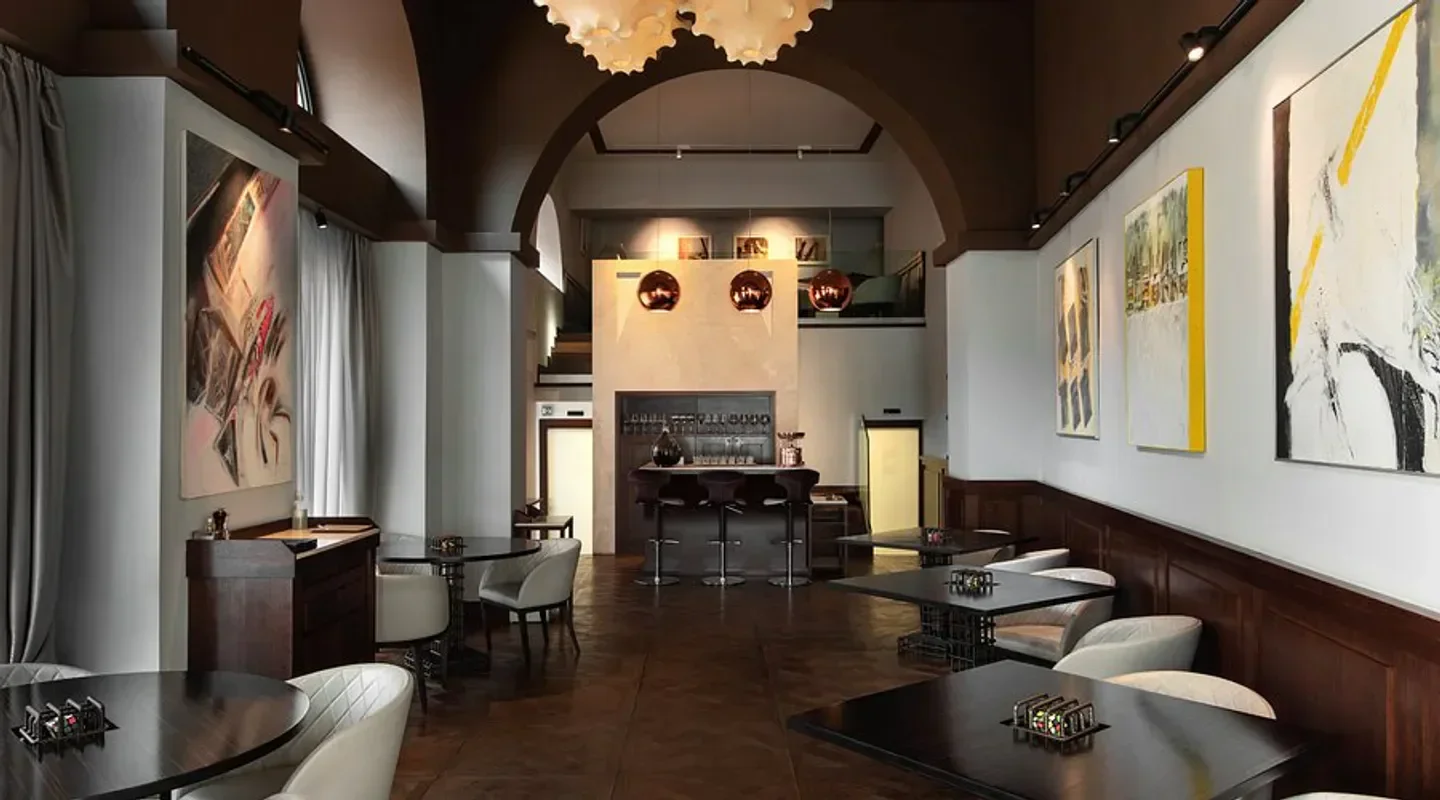
Photos: Pipero
25.Pipero
What is it? Pipero anchors itself in the center of Rome. This restaurant strips away the noise of the city the moment you cross the threshold. You trade the chaos of the streets for a room that feels composed and intentional.
Why we love it: The staff moves through the space with a choreographed ease. They anticipate every need with sharp, quiet efficiency. The energy in the room settles into a steady rhythm that makes you want to stay for hours.
Good to Know: The carbonara at Pipero hits the table as a masterclass in technique, carrying a richness that demands your full attention.
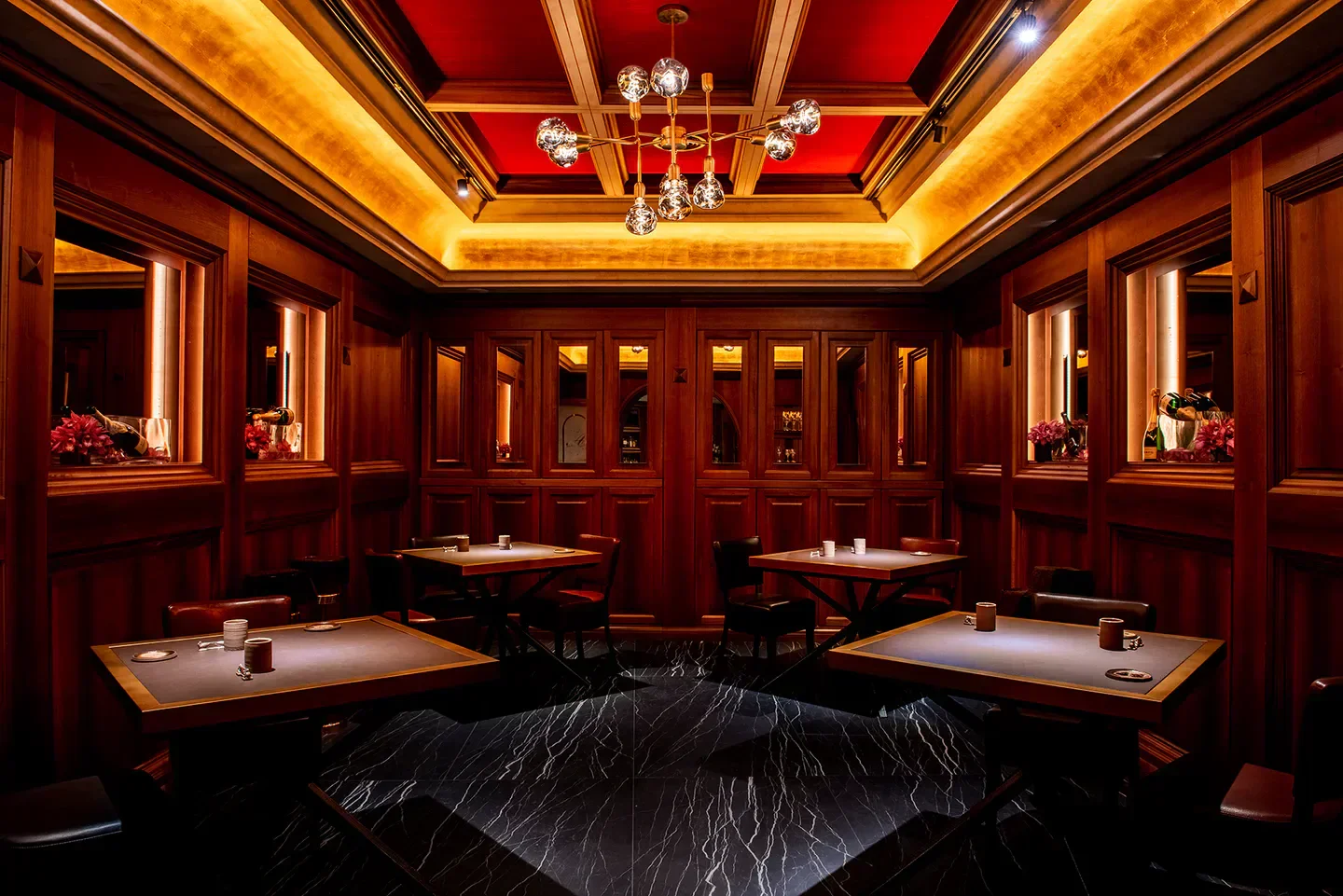
Photos: Achilli al Parlamento
26.Achilli al Parlamento
What is it? Achilli al Parlamento stands as a quiet fixture in the heart of Rome. This restaurant provides a sharp contrast to the surrounding city streets. The Roman noise fades into a structured, calm environment the moment you enter.
Why we love it: The space hums with a focused, professional energy. It lacks the frantic pace of the nearby tourist tracks. Conversations happen in low tones while the staff manages the floor with a sharp, intentional rhythm.
Good to Know: Achilli al Parlamento acts as a primary hub for the city's political set during the weekday lunch hour.
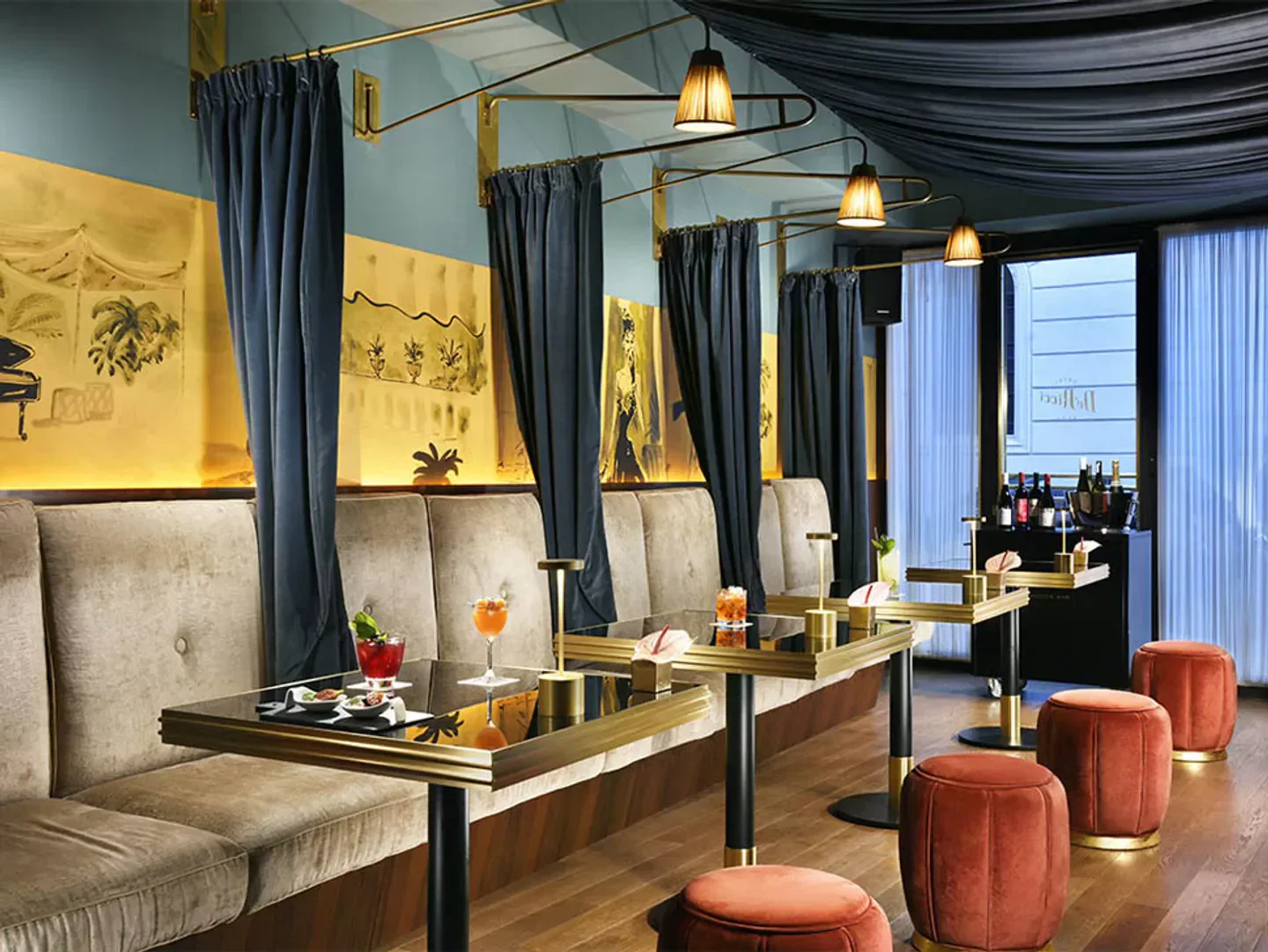
Photos: Charade Bar
27.Charade Bar
What is it? Charade Bar anchors its Roman neighborhood as a focused, sit-down restaurant. The room feels intentional and steady, shedding the noise of the surrounding streets the moment you cross the threshold.
Why we love it: The energy stays locked on the dining room floor. It provides a sanctuary for those who want to commit to a full meal in a city that often moves at a breakneck speed.
Good to Know: Charade Bar operates with a dedicated restaurant-first philosophy, making it the ideal spot for a slow-paced dinner where the table is yours for the night.
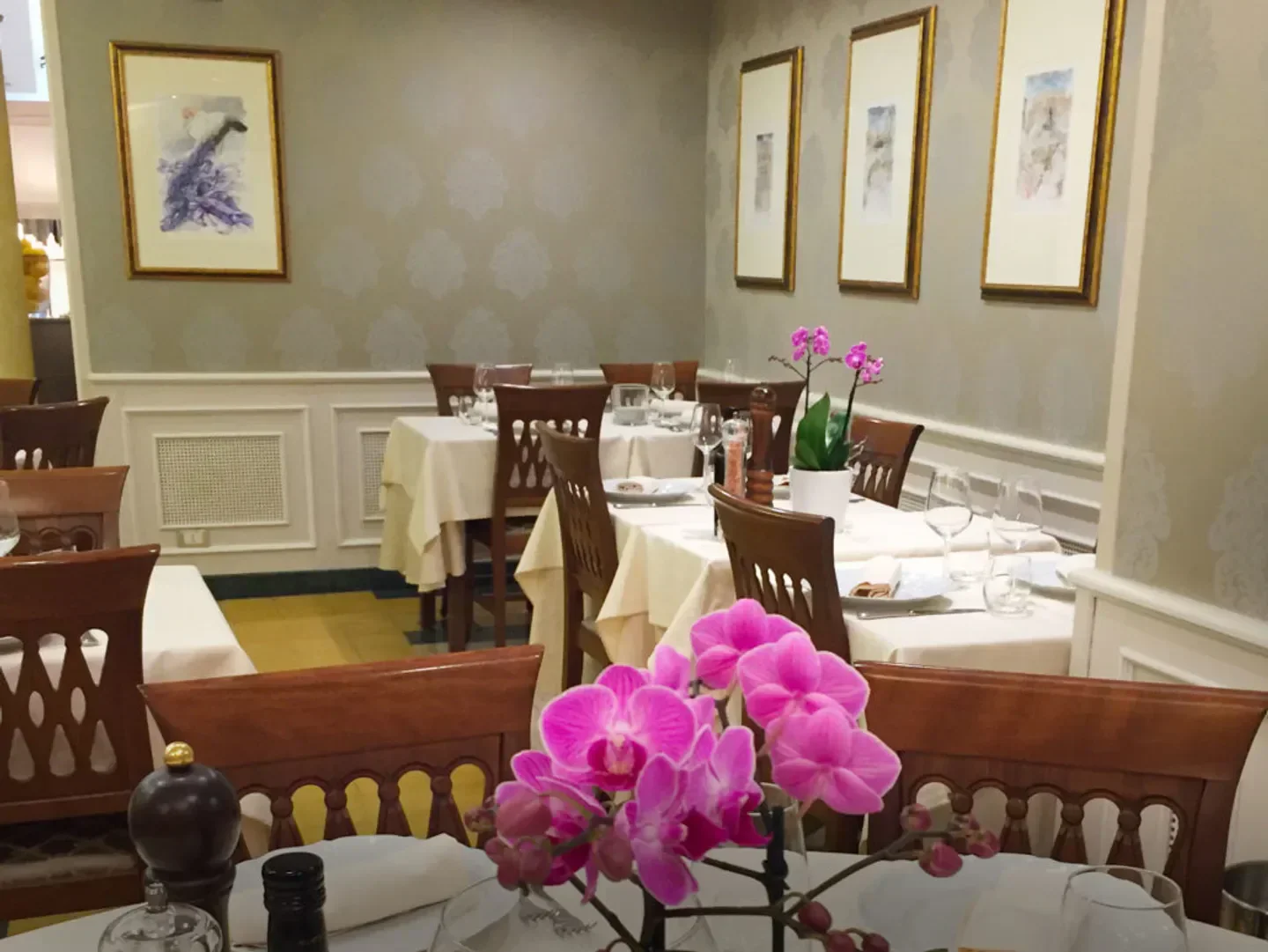
Photos: Rinaldi al Quirinale
28.Rinaldi al Quirinale
What is it? Rinaldi al Quirinale operates as a steady anchor in the Roman dining scene. It stays true to the expectations of a traditional restaurant in the capital. You step inside and find a room that favors classic hospitality over fleeting trends.
Why we love it: Waiters glide between tables with an efficiency that looks effortless. The atmosphere captures a specific Roman gravity. It serves as a reliable backdrop for a dinner that stretches late into the night.
Good to Know: The energy at Rinaldi al Quirinale shifts significantly after 9:00 PM when the local crowd arrives to fill the remaining tables.
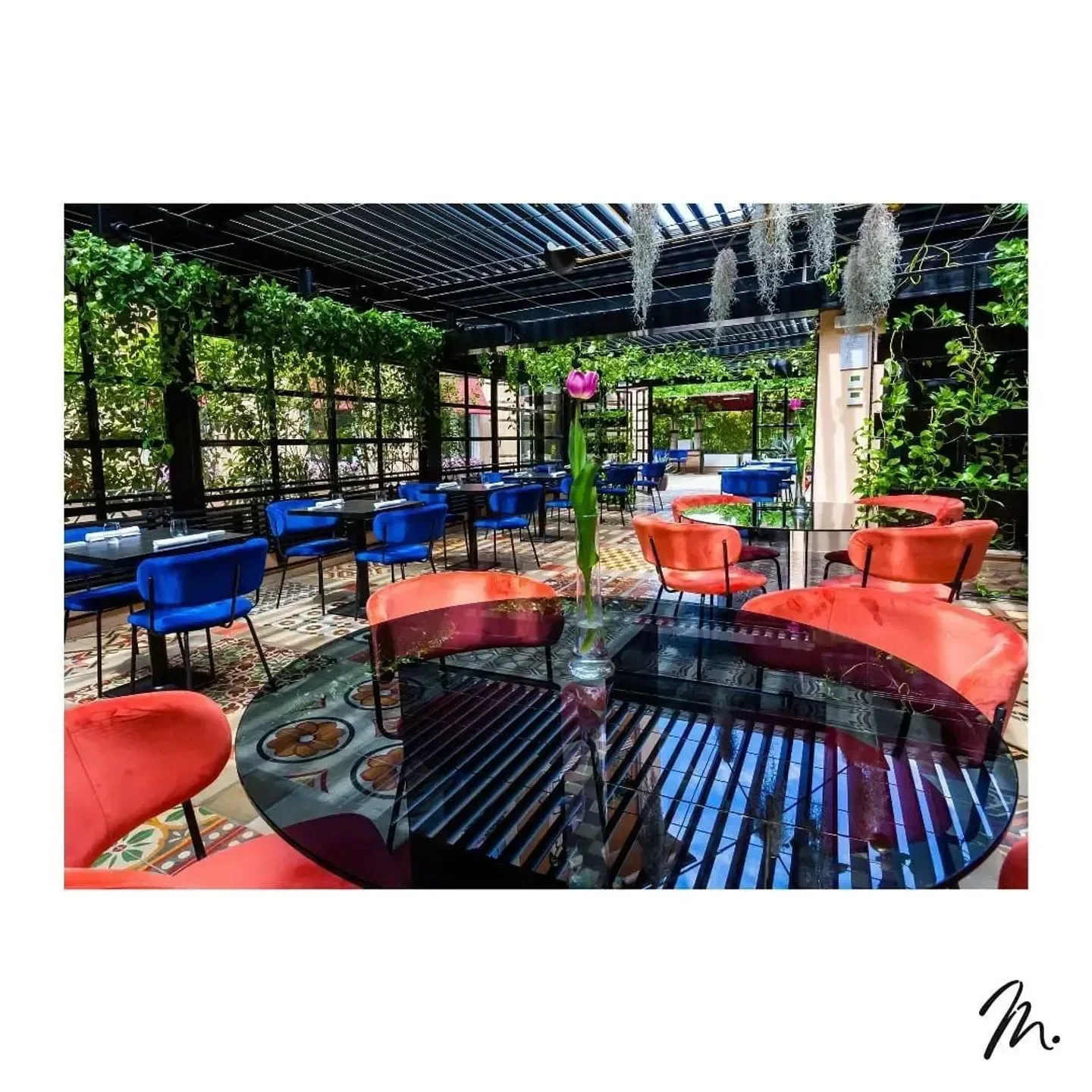
Photos: Marco Martini Restaurant
29.Marco Martini Restaurant
What is it? Marco Martini Restaurant anchors its pocket of Rome with a sharp focus. The room hums. You feel the gravity of the city’s dining scene the moment you enter.
Why we love it: Service moves with precision. Waiters pivot through the floor with purpose. The atmosphere strikes a balance between local Roman energy and a disciplined pace.
Good to Know: The tasting menu at Marco Martini Restaurant follows a specific narrative arc. Clear your evening to experience the full progression.
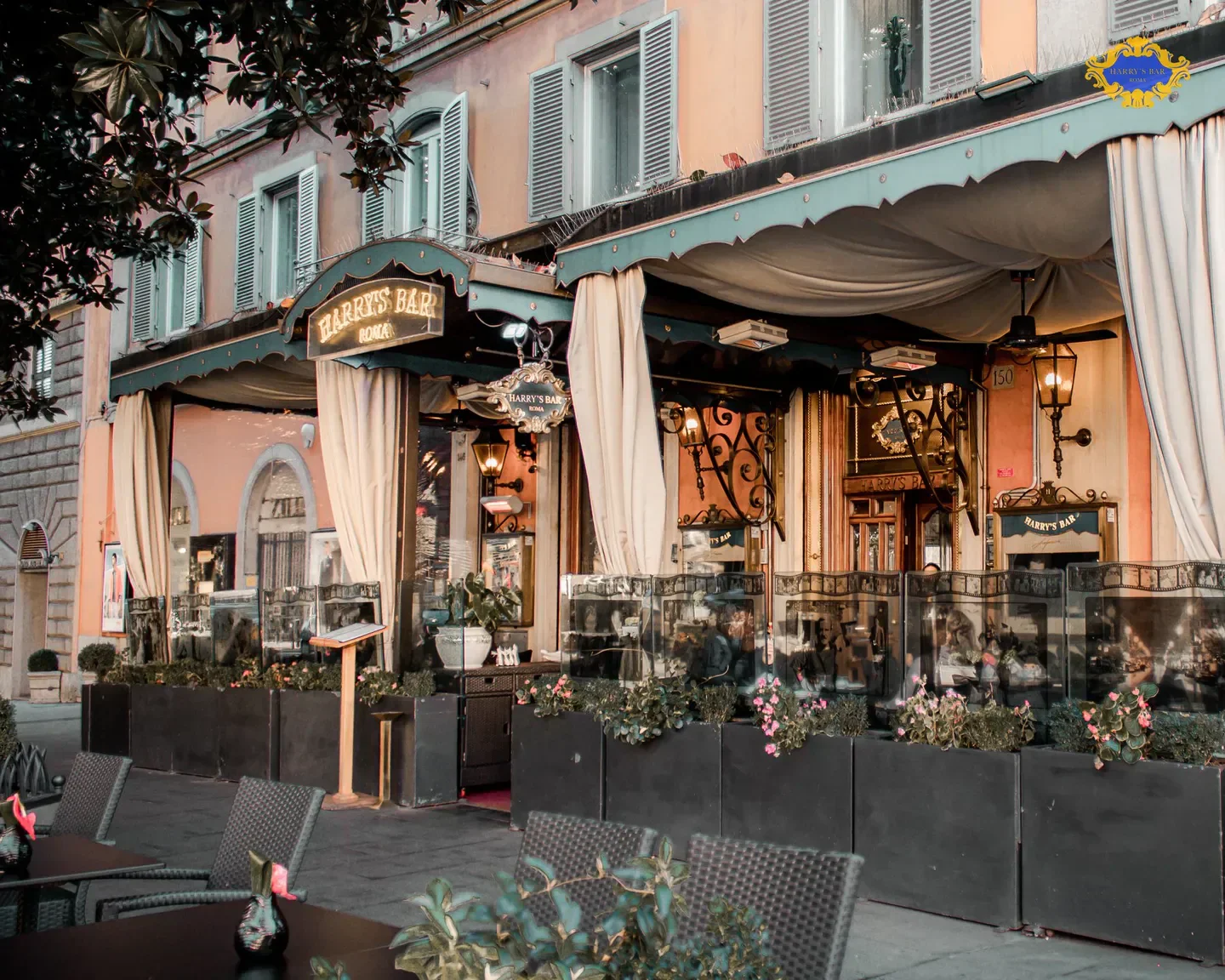
Photos: Harry's Bar
30.Harry's Bar
What is it? Harry’s Bar stands as a permanent fixture in the Roman dining scene. You step through the entrance and leave the city's frantic energy at the door. It is a restaurant that prioritizes a steady, composed atmosphere.
Why we love it: The room hums with a focused energy. Service staff navigate the floor with a practiced rhythm that keeps the experience seamless. It acts as an anchor in the city, providing a space where the meal remains the primary event.
Good to Know: The tables along the perimeter of Harry's Bar offer the best vantage point for observing the restaurant's seasoned staff move through the room.
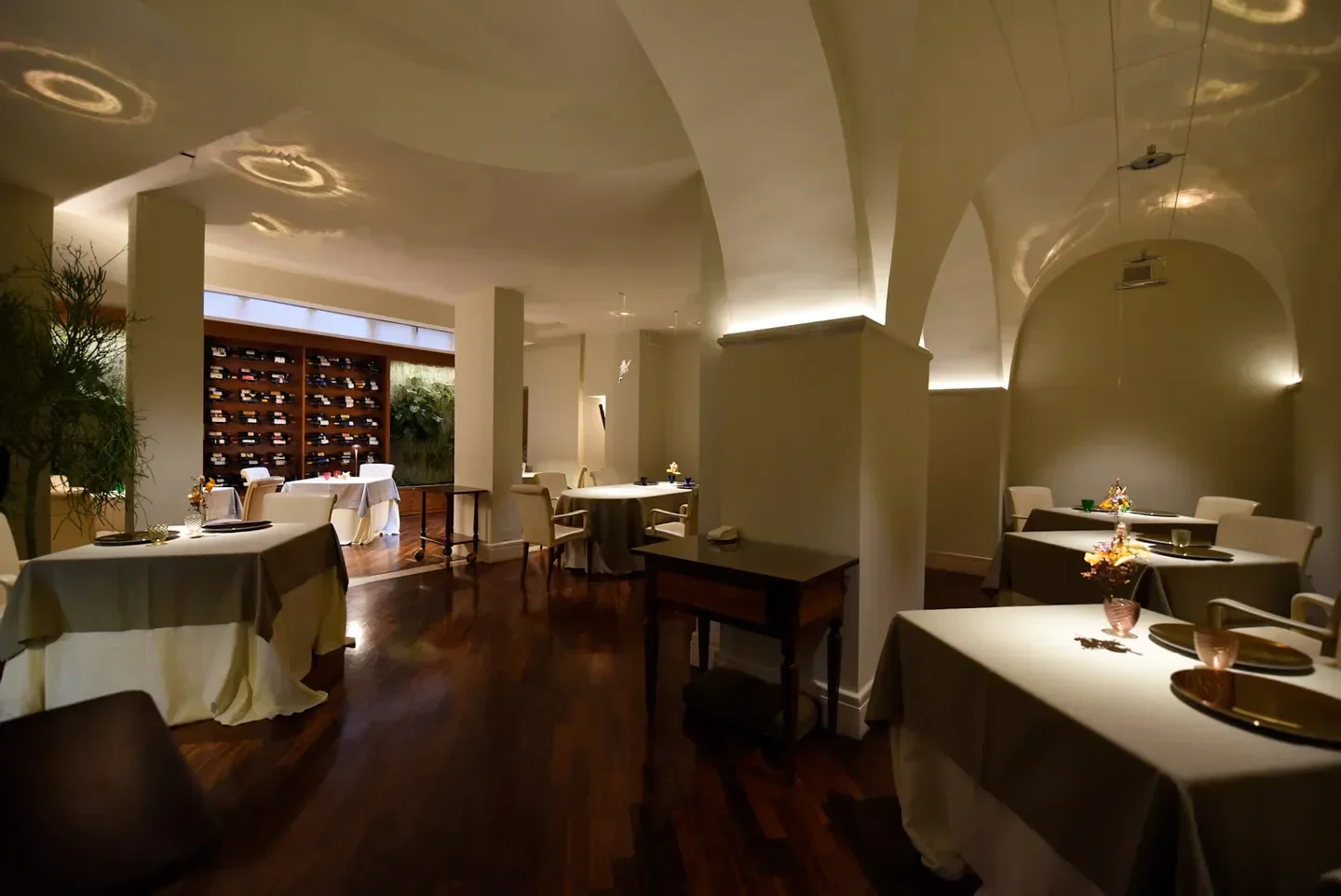
Photos: Il Convivio Troiani
31.Il Convivio Troiani
What is it? Rome’s winding side streets lead you to the entrance of Il Convivio Troiani. This restaurant trades the city's outdoor clamor for a space that feels composed and sharp. It is a focused environment where Roman history meets a polished, contemporary energy.
Why we love it: The staff moves with a quiet, practiced precision through the room. They settle you into a rhythm that feels both professional and personal. It is the kind of place where you lose track of the hours because the atmosphere remains so steady.
Good to Know: A meal at Il Convivio Troiani often spans several hours, so clear your afternoon to fully lean into the Roman pace.
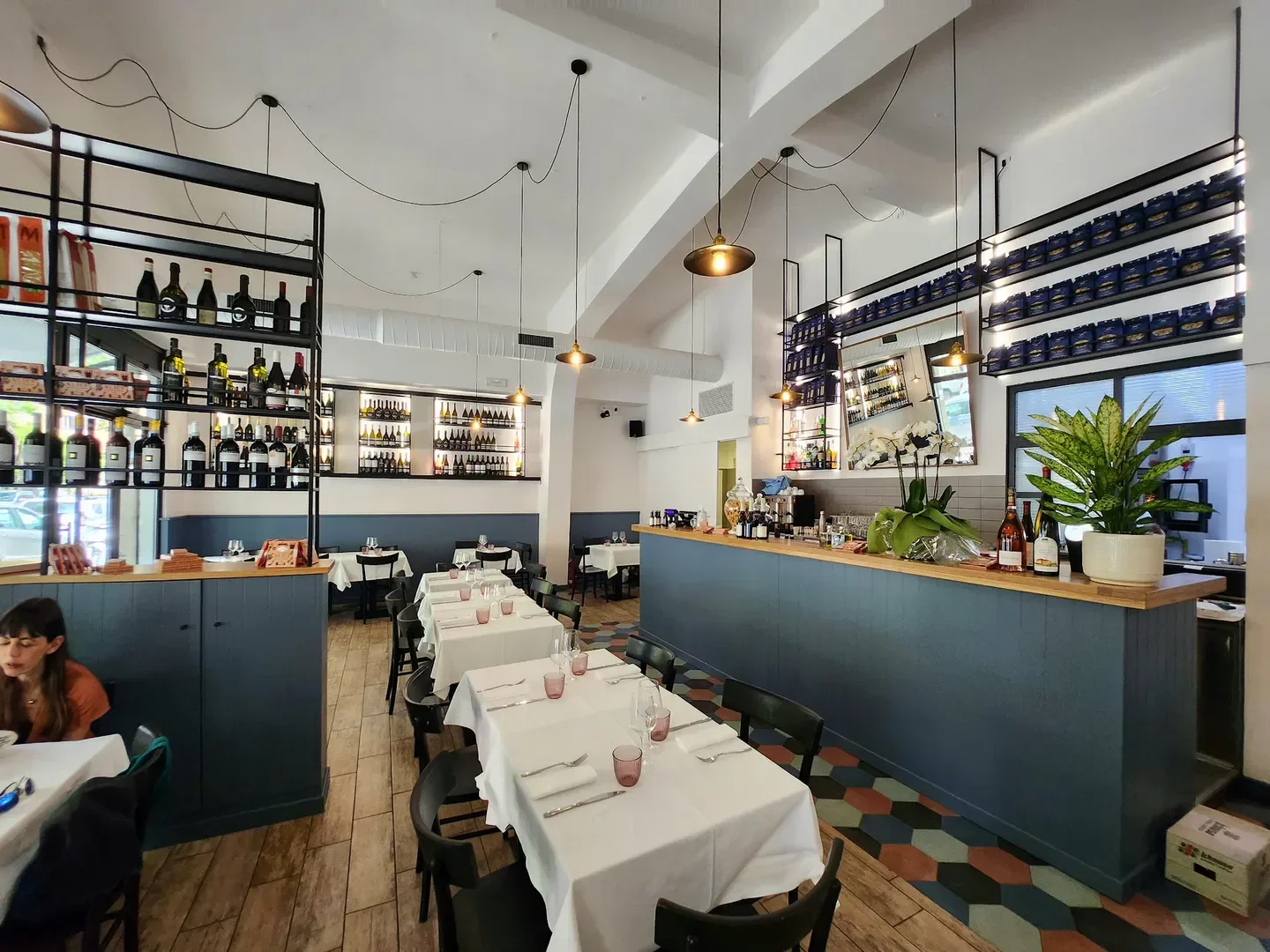
Photos: Bianca Trattoria
32.Bianca Trattoria
What is it? Rome doesn't lack for dining rooms, but Bianca Trattoria anchors its corner of the city with a steady, local hum. This restaurant captures a specific Roman rhythm where the noise of the street fades the moment you step inside. It functions as a neighborhood anchor for those seeking a dedicated seat in the heart of the capital.
Why we love it: The energy here feels unforced and inherently Roman. Servers move with a practiced grace that turns a standard meal into a choreographed event. It is the kind of place where the clock matters less than the conversation happening at the next table.
Good to Know: Bianca Trattoria stays true to its name by leaning into the unhurried, neighborhood-centric service style typical of Rome’s traditional dining rooms.