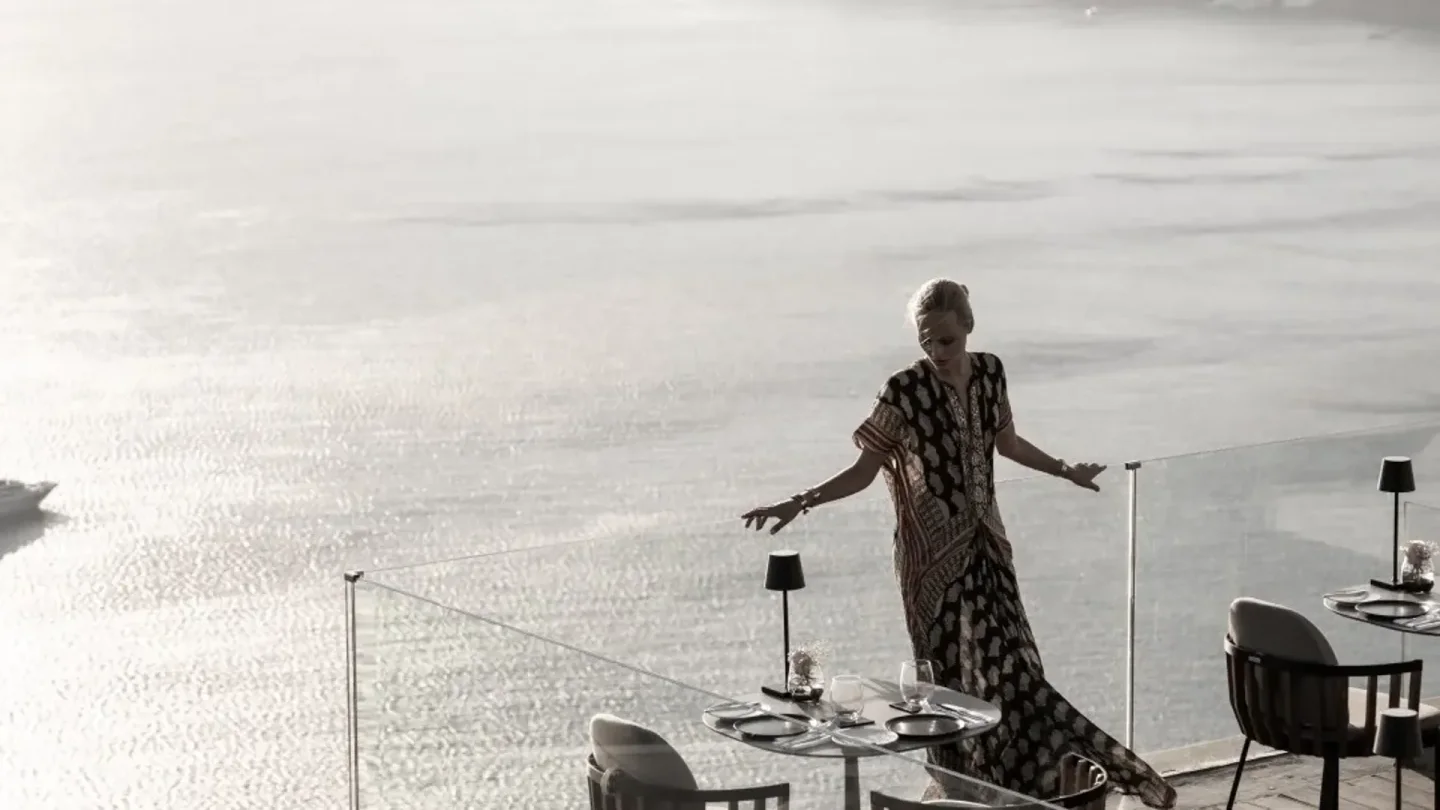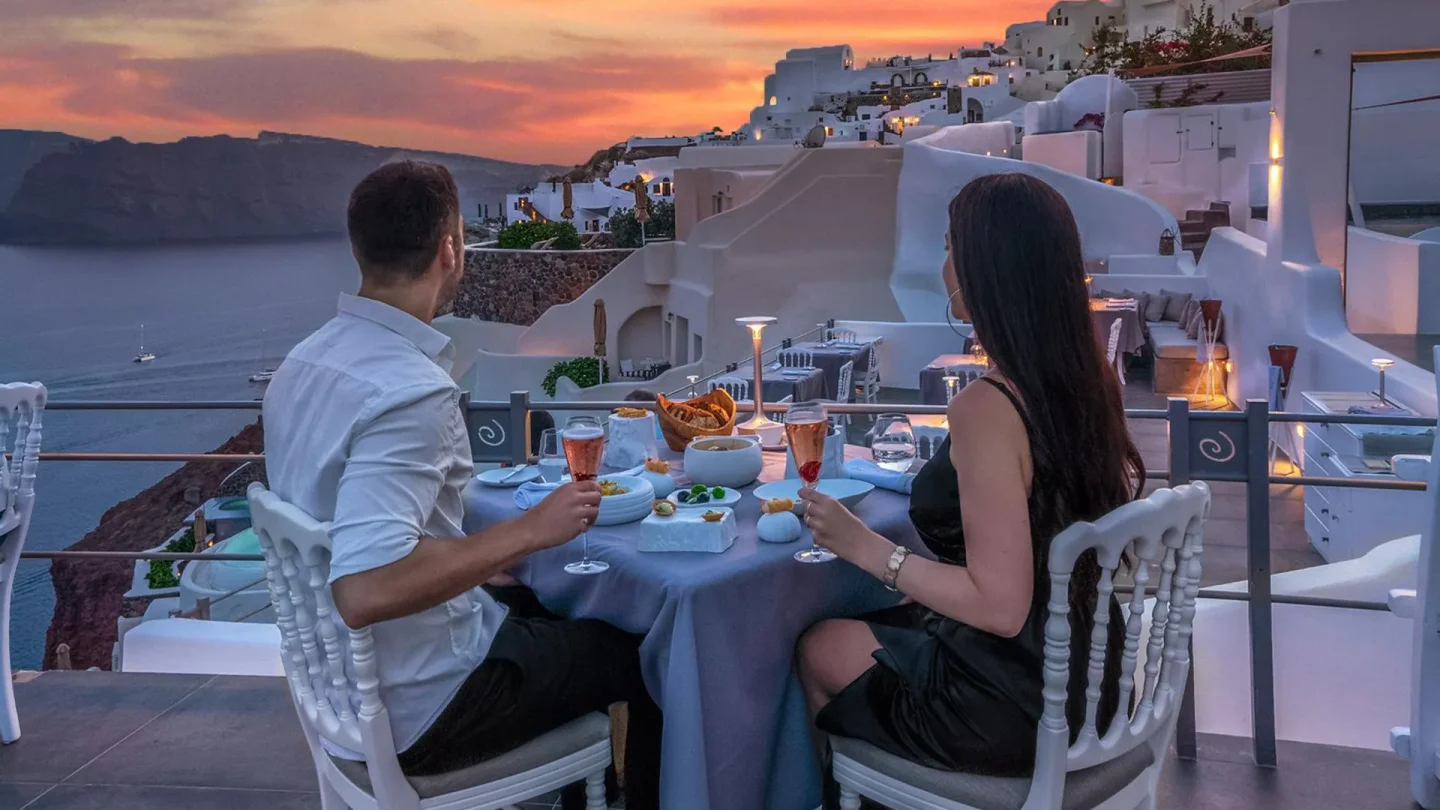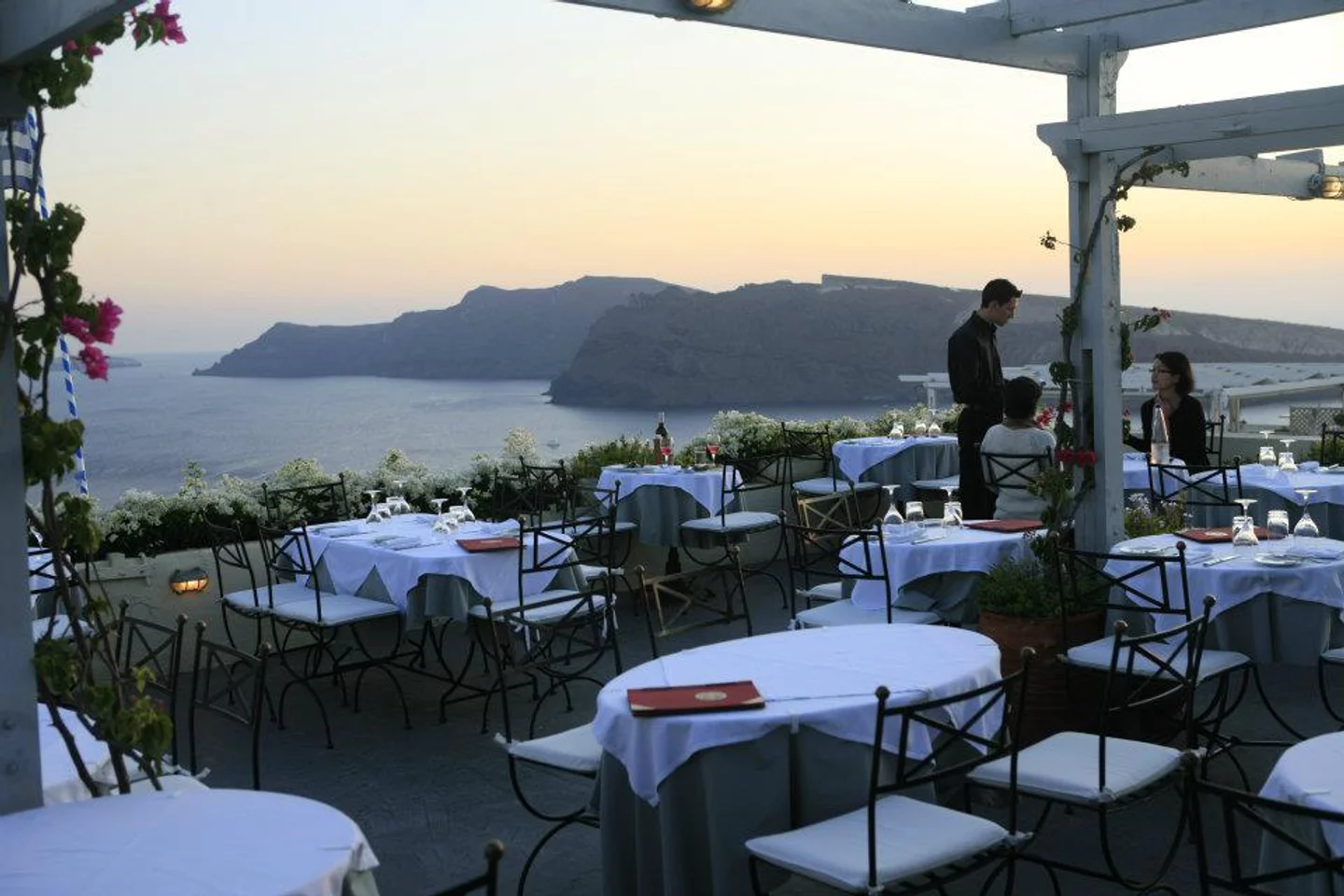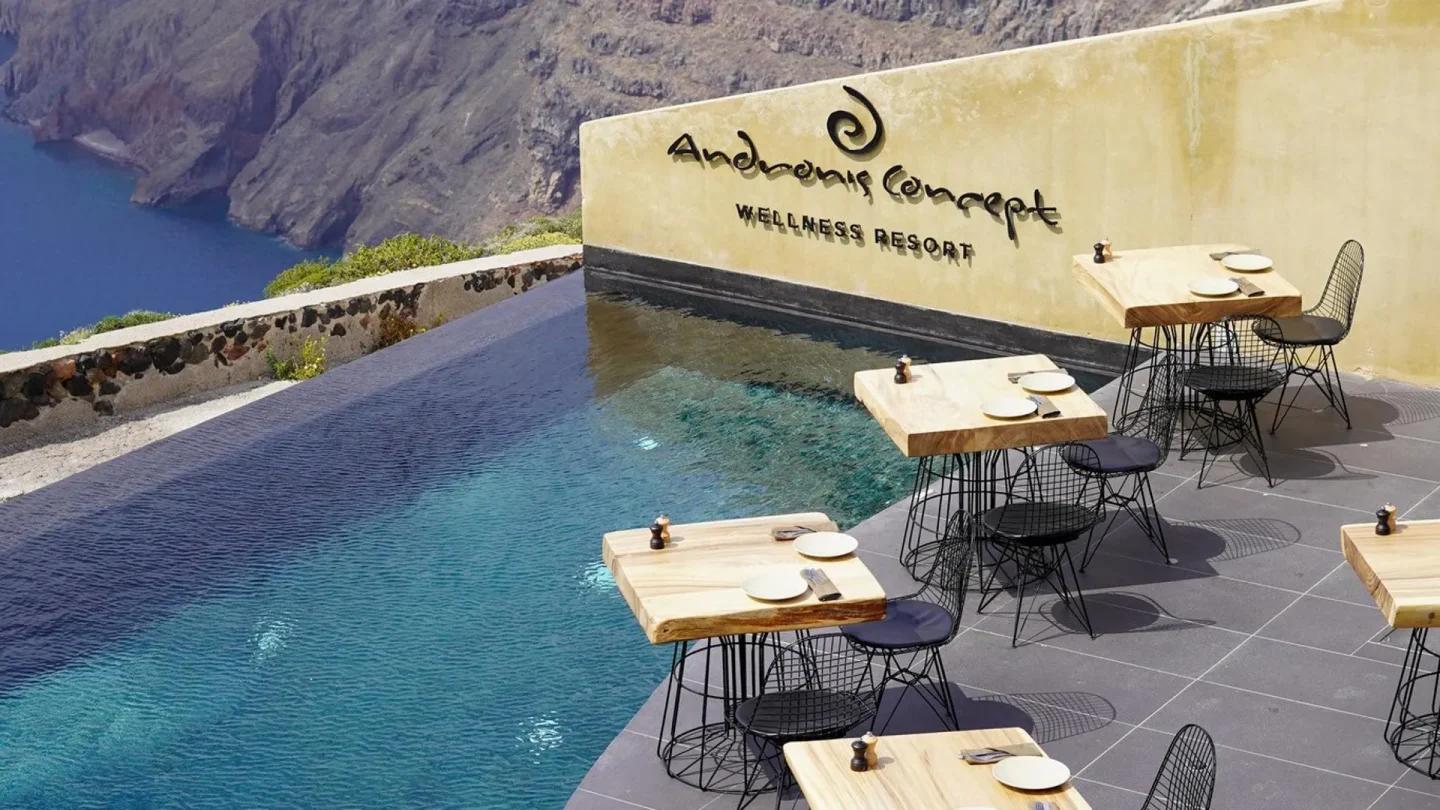
Santorini dining confuses visitors who mistake the sheer volume of caldera-facing terraces for quality. Many kitchens rely on the view to mask uninspired menus of frozen seafood and generic Mediterranean tropes. Culinary authority now rests with the venues that prioritize Cycladic ingredients—fava, cherry tomatoes, and white eggplant—over the spectacle of a sunset. Reservations are non-negotiable from June through September. Arriving without a booking during the eight o'clock rush typically results in being turned away.
The highest density of ambitious cooking shifts away from the crowded paths of Fira toward the quieter cliffs of Imerovigli and the northern reaches of Oia. While the caldera edge draws the crowds, interior villages like Pyrgos contain the most serious efforts in wine-pairing and seasonal technique. Seek out the cellars tucked into ancient pumice rock, where chefs move beyond simple grilling to refine local grains and volcanic soil harvests. Look for the kitchens that treat the Aegean pantry as a technical challenge rather than a default.
Here is where to start.
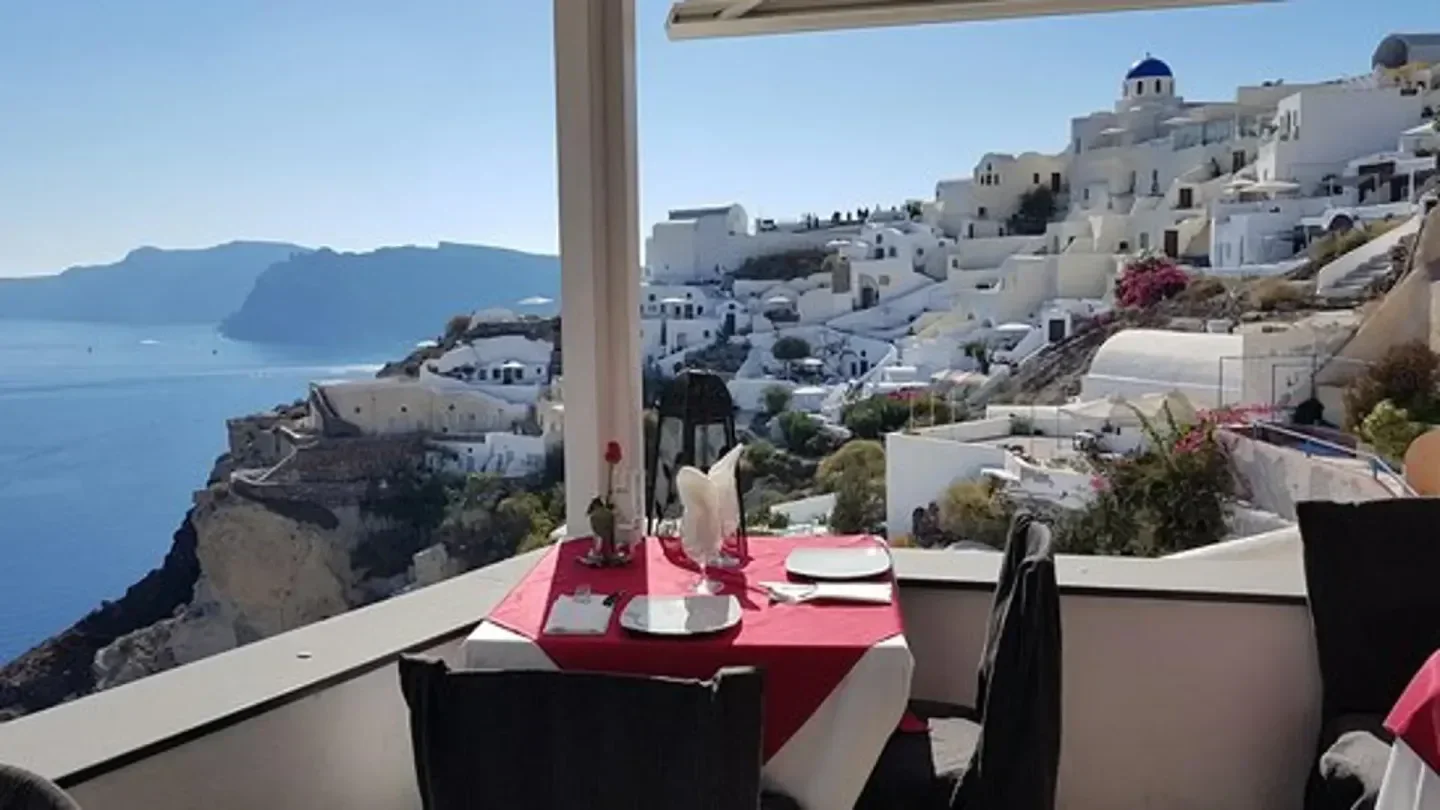
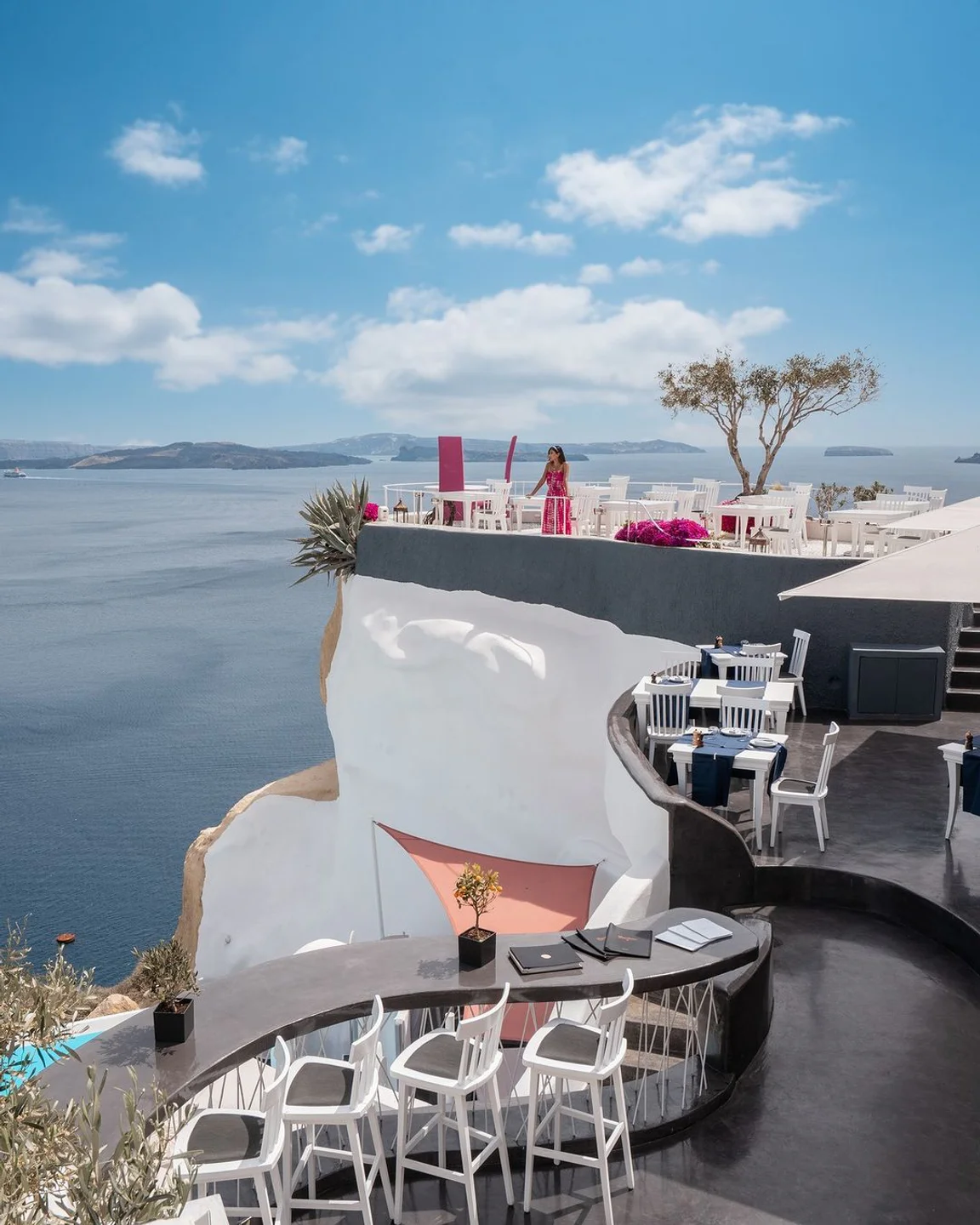
Photos: 1800 Floga
01.1800 Floga
What is it? 1800 Floga is a fine dining restaurant on Nik. Nomikou in Oia. The venue sits a short three-minute walk from Oia Castle and is positioned within a fifteen-minute stroll of the path to Ammoudi Bay.
Why we love it: While many tables in this part of Santorini rely solely on the horizon to draw a crowd, 1800 Floga justifies its premium pricing through a refined execution of Mediterranean, Greek, and seafood traditions. With a 4.62 guest rating across 428 reviews, it manages the rare feat of pairing a high-traffic location near Sunset Serenade with a consistently polished service style.
Good to Know: The terrace layout at 1800 Floga maximizes the venue's view, so request a table near the edge of the perimeter for an unobstructed perspective during your meal.
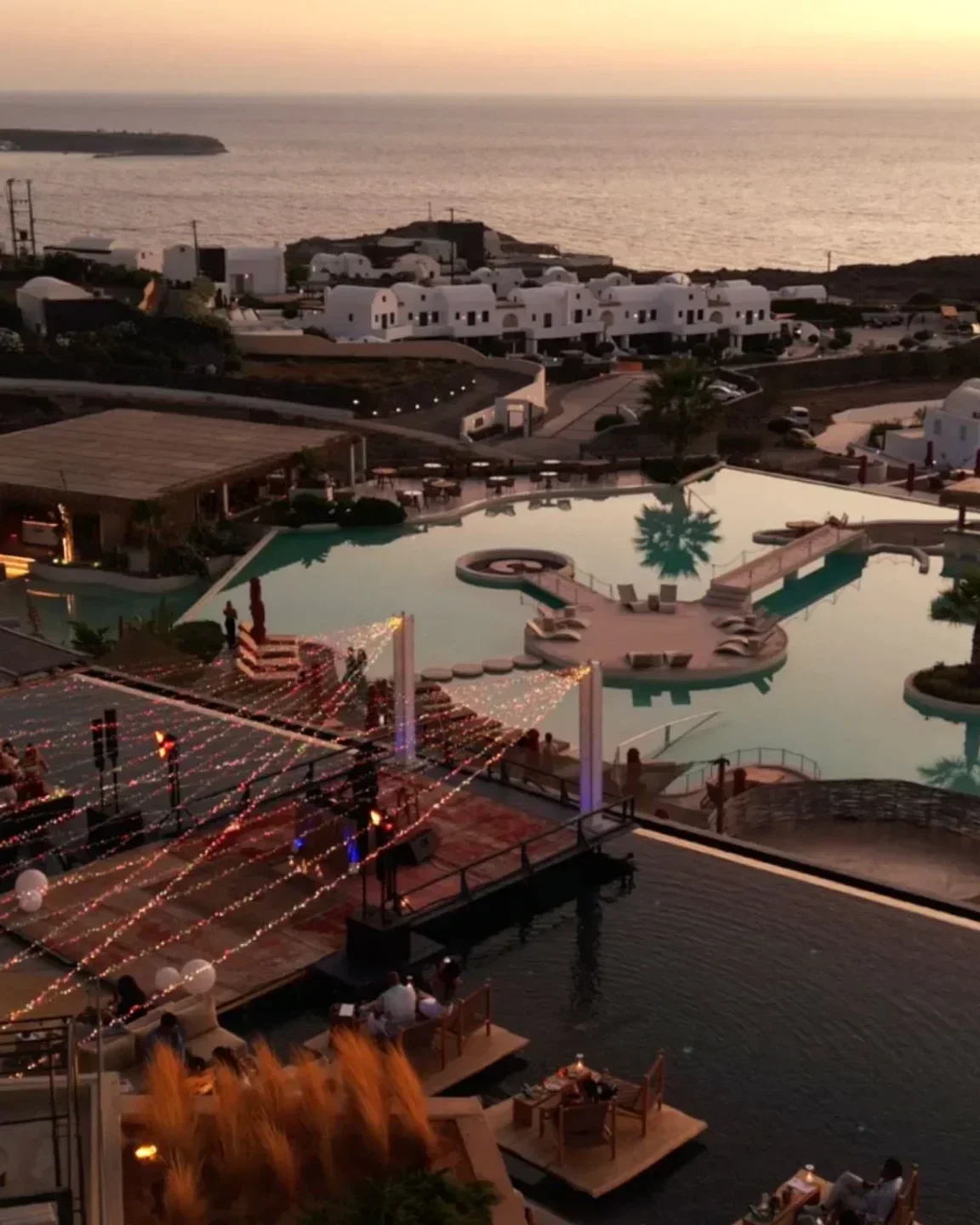
Photos: Pacman
03.Pacman
What is it? Pacman is a fine dining restaurant in Oia, Santorini. It sits a six-minute walk from the Sunset Serenade and is a short, ten-minute stroll from Oia Castle.
Why we love it: While Oia’s narrow paths are often crowded, this terrace offers a rare separation from the heavy foot traffic of the main thoroughfares. Its focus on Greek, Mediterranean, and seafood preparations at a premium price point justifies the choice for those looking for a quiet, romantic meal away from the immediate vicinity of the busy Amoudi Bay path. The high volume of positive feedback—reflected in its 4.67 rating—suggests a consistency that is difficult to find elsewhere in such a tourist-dense district.
Good to Know: The dress code at Pacman leans smart and elegant, so pack a blazer or formal linen attire to match the high-end seafood service.
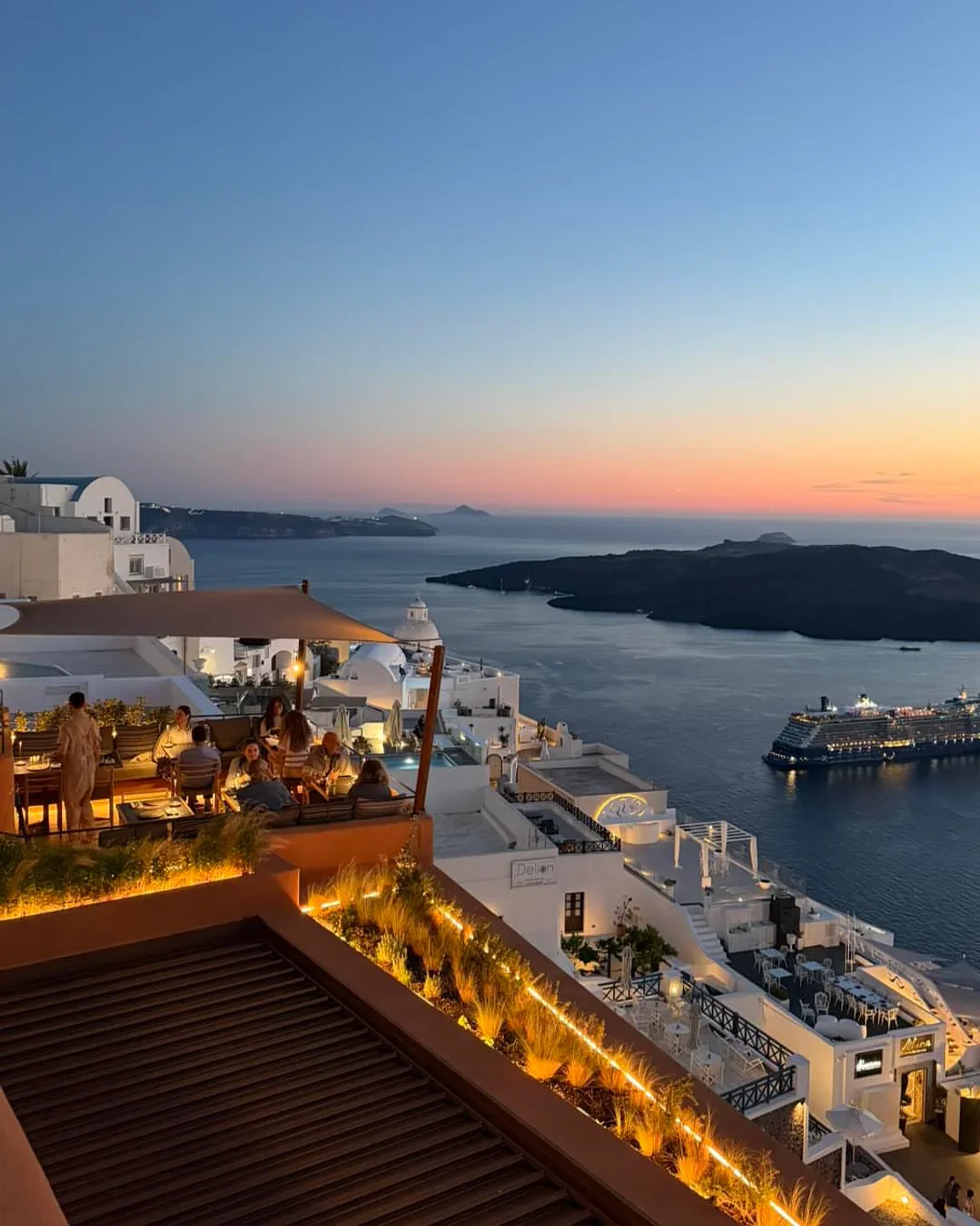
Photos: Rizes Gastro Taverna
04.Rizes Gastro Taverna
What is it? Rizes Gastro Taverna is a restaurant located in Fira, Santorini. It commands a higher price point than the typical casual taverna, positioning itself firmly in the premium category for the area.
Why we love it: It succeeds by balancing a high-end Mediterranean and Greek seafood menu with a terrace that prioritizes the sea view over Fira's foot traffic. While many spots in the town center feel cramped, the expansive layout here turns an outdoor dinner into a reprieve from the crowds.
Good to Know: The bar at Rizes Gastro Taverna focuses on local Aegean spirits, so ask the staff for a pairing that highlights Greek botanicals alongside your seafood order.
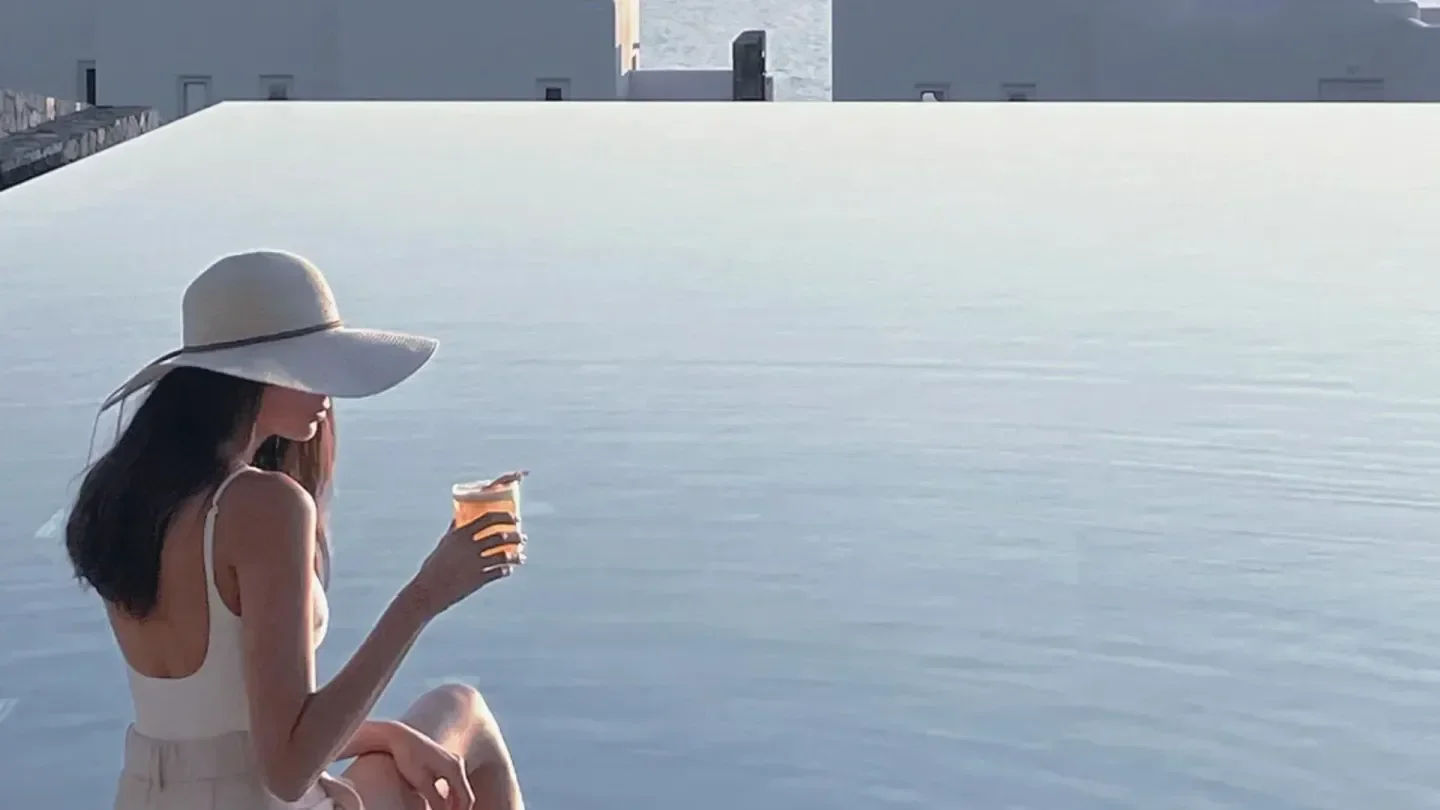
Photos: Canaves
05.Canaves
What is it? Canaves sits on the Main Road in Oía, a ten-minute walk from the Oia Castle. It is a fine dining destination focusing on a fusion of Mediterranean and seafood menus.
Why we love it: The restaurant commands a 4.91 rating across 76 reviews, a reflection of its focus on precision within the Oía dining landscape. By staying on the Main Road, it offers a distinct, high-end alternative to the casual cafes found further toward the Church of Panagia.
Good to Know: The seafood-heavy fusion menu at Canaves requires a smart and elegant dress code, so plan your footwear for the steep Oía terrain accordingly.
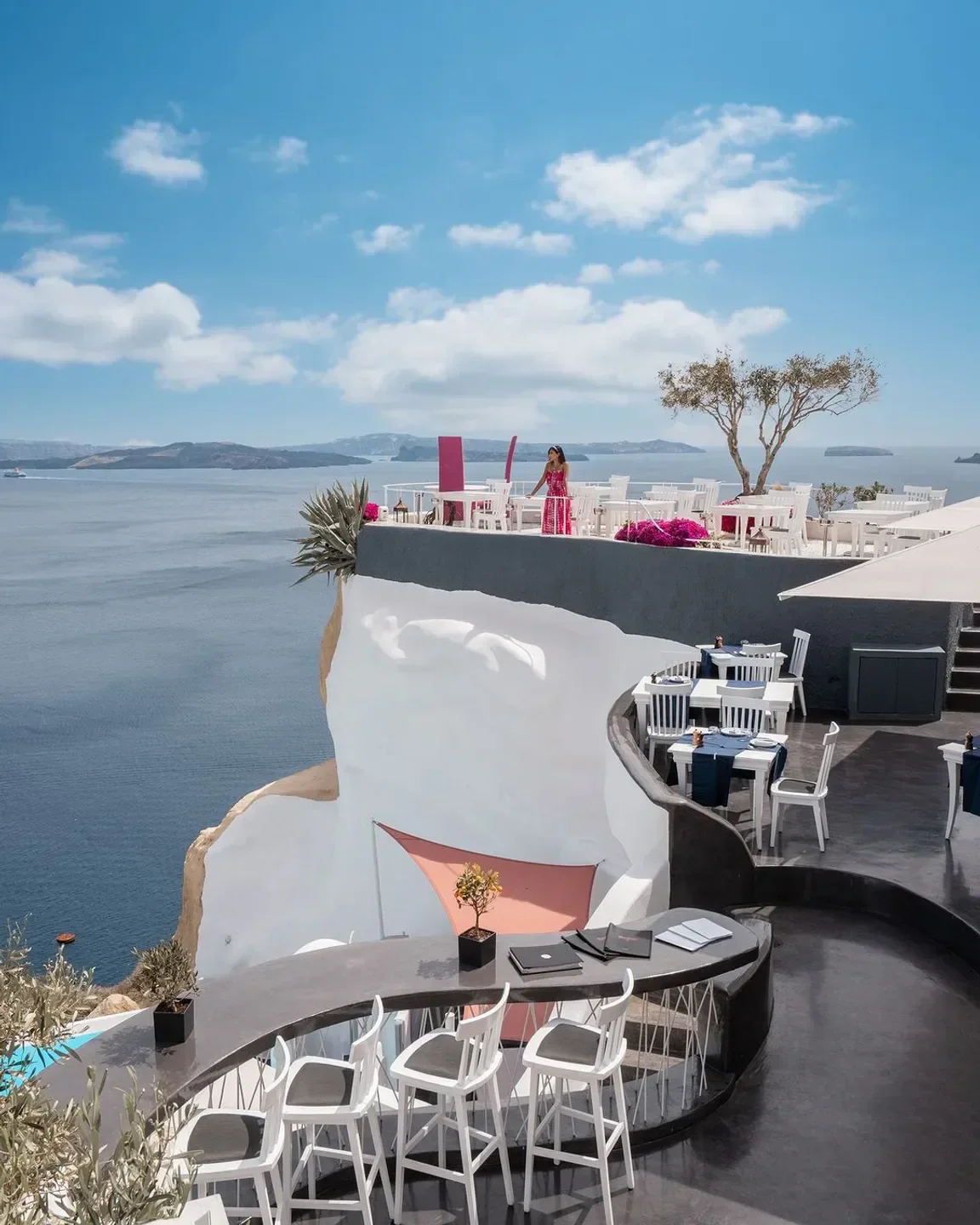
Photos: Lycabettus
06.Lycabettus
What is it? Lycabettus sits on Nik. Nomikou in Oía, positioned just 300 meters from Oia Castle. This fine dining restaurant specializes in a blend of Mediterranean, Greek, and seafood-focused cuisine.
Why we love it: The restaurant commands a position 400 meters from the Sunset Serenade, offering a rare vantage point for those prioritizing sunset views with their dinner. With 359 reviews resulting in a 4.76 rating, it manages the high-stakes balance of luxury service and atmosphere that defines the best of the local seafood scene.
Good to Know: Lycabettus requires a smart and elegant dress code, which complements the formal nature of their seafood-heavy menu.
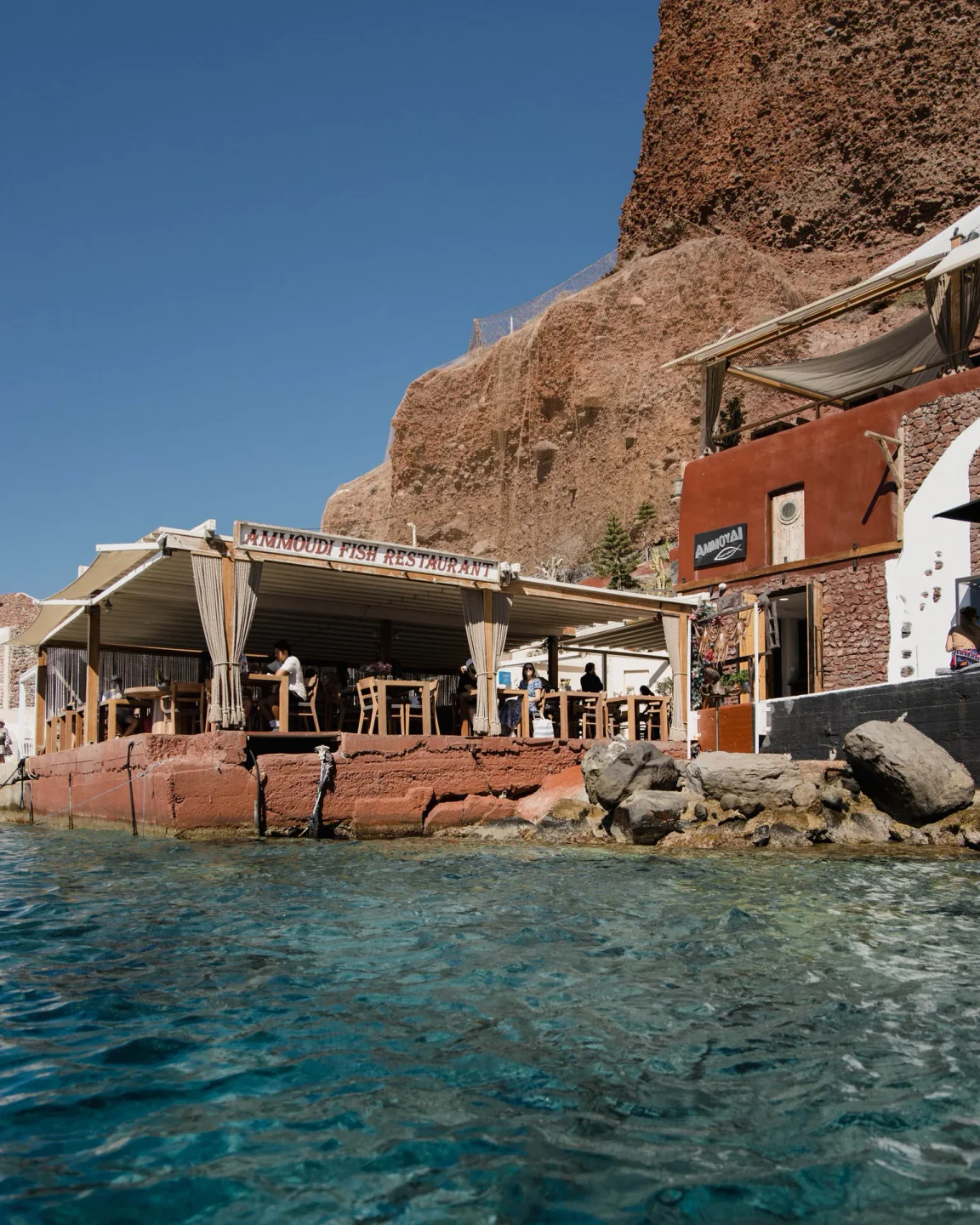
Photos: Ammoudi Fish Tavern
07.Ammoudi Fish Tavern
What is it? Ammoudi Fish Tavern is a seafood, Greek, and Mediterranean restaurant positioned directly in Ammoudi Bay, Santorini, near Oia. It operates in the higher price tier of the local scene.
Why we love it: The restaurant claims the water’s edge in Ammoudi Bay, providing a sea view that most Oia dining rooms cannot replicate. While many nearby spots feel like tourist transit zones, this terrace keeps the focus on its Mediterranean and Greek seafood menu.
Good to Know: The outdoor terrace at Ammoudi Fish Tavern sits inches from the waterline, making it the most exposed spot in the bay for a sea view dinner.
Photos: Catch
08.Catch
What is it? Catch is a fine dining restaurant located on Konstantinou Paleologou in Oía. It sits a short four-minute walk from Oia Castle and is positioned within a ten-minute stroll of the Sunset Serenade landmark.
Why we love it: The kitchen focuses on Mediterranean seafood, distancing itself from the casual tourist traps nearby by maintaining a consistent standard of quality that earned it a 4.72 rating across hundreds of guest reviews. While Oia is dense with dining options, the combination of a high-end price bracket and a dedicated terrace offers a quieter, deliberate alternative to the bustle of the nearby Amoudi Bay path.
Good to Know: The smart and elegant dress code at Catch is strictly enforced, so swap the island linens for polished evening wear before heading to your table.
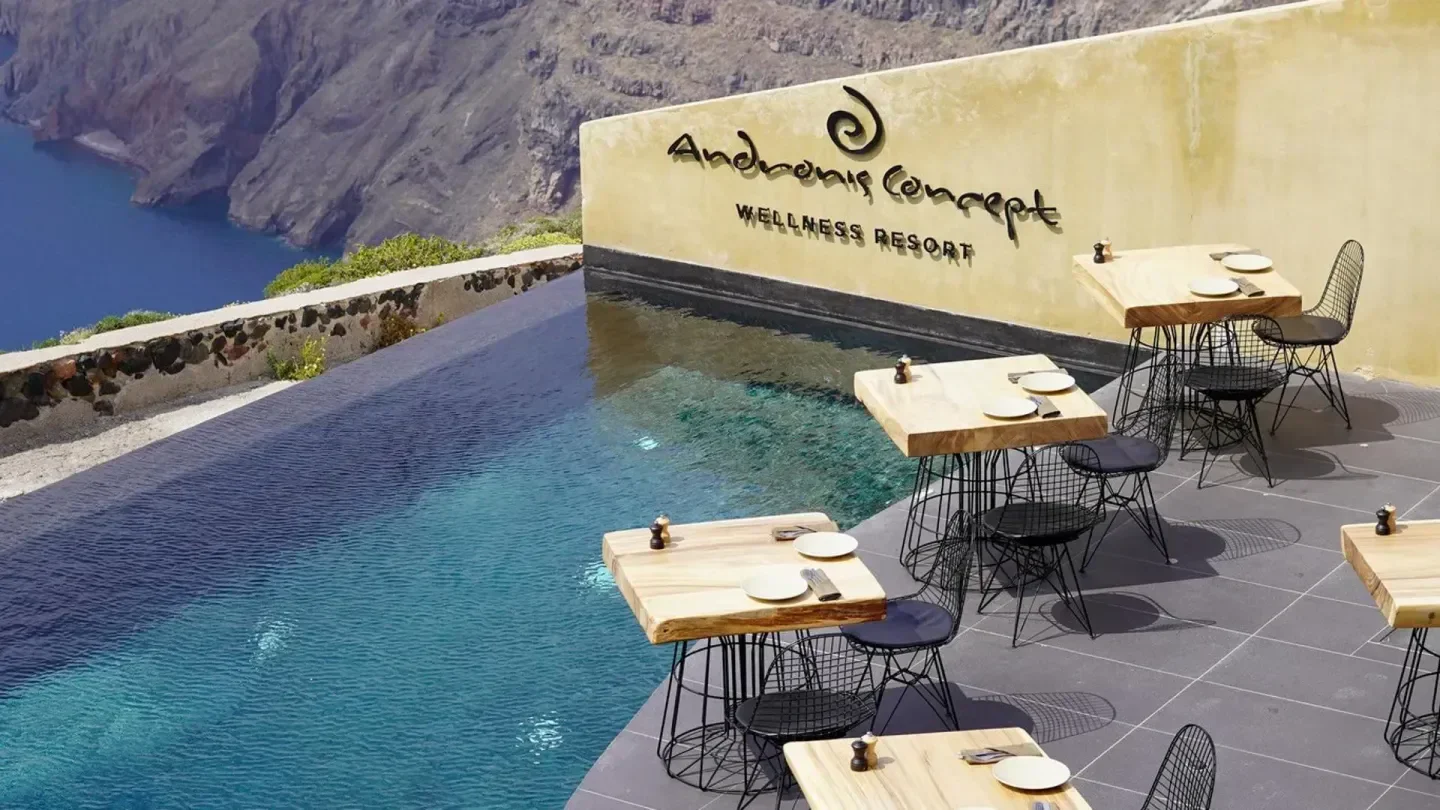
Photos: Throubi
09.Throubi
What is it? Throubi sits on Epar.Od. Firon-Ias, a three-minute walk from Skalos Restaurant and less than a five-minute stroll from the Santorini Caldera. This fine dining destination blends Mediterranean farm-to-table techniques with fusion influences.
Why we love it? Throubi avoids the tourist-trap noise common to Imerovigli by focusing on a quiet, luxury-leaning execution of Mediterranean staples. Its 4.81 rating across nearly 200 reviews tracks with a kitchen that prioritizes local sourcing over theatrical flair, making it an appropriate pick for a romantic evening where the setting—a dramatic terrace overlooking the caldera—does the heavy lifting.
Good to Know: The kitchen at Throubi relies on seasonal farm-to-table ingredients, so diners should anticipate that the menu shifts based on what arrives from local producers each morning.