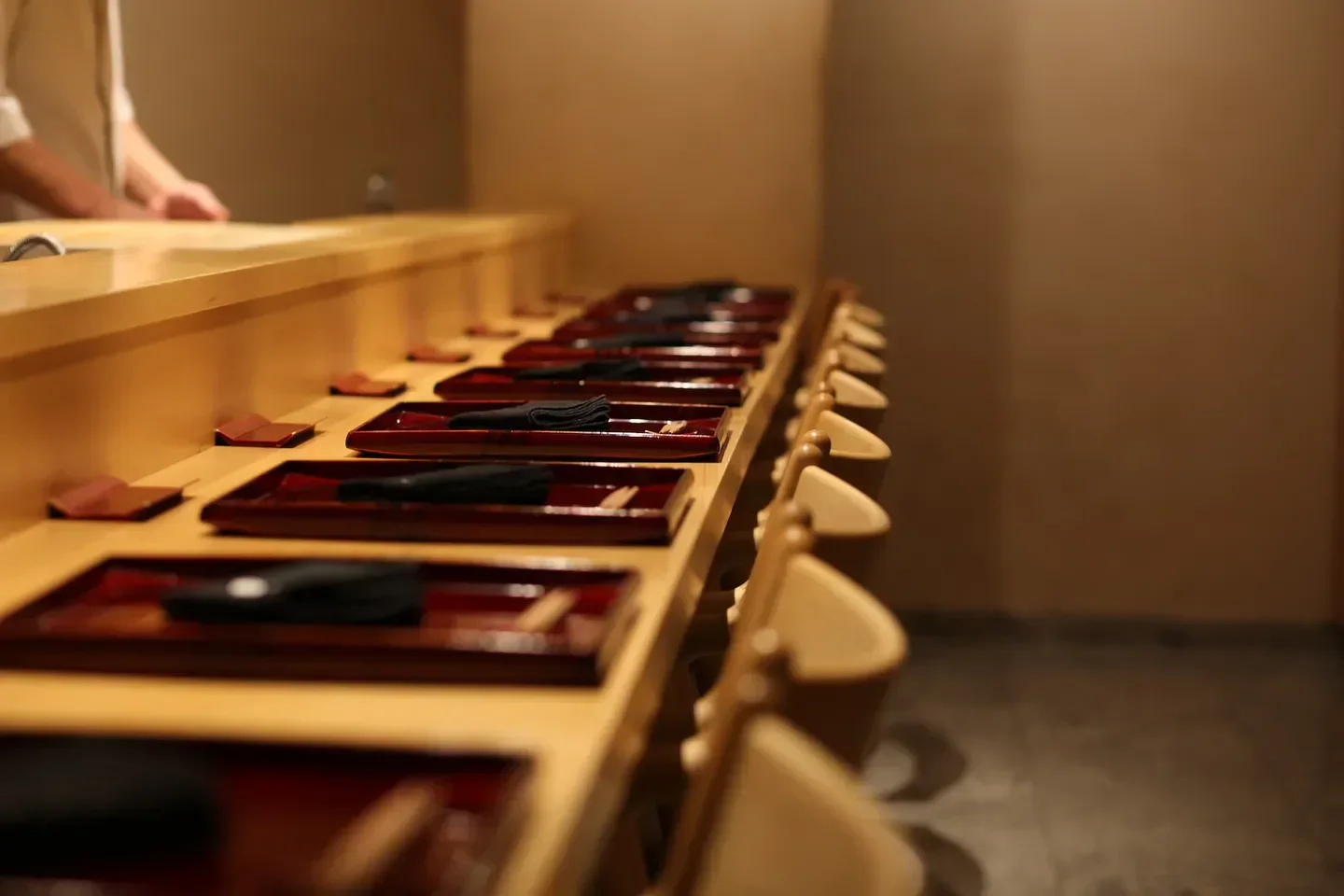
Tokyo dining relies on verticality. Most intimate rooms exist on the upper floors of nondescript commercial buildings or deep within windowless basements. Visitors often scan street-level frontages, missing the small brass plates or narrow elevators that lead to the most quiet dining spaces. Reservation culture requires planning weeks or months in advance. Many hosts require bookings through specialized concierge platforms or direct phone calls to local staff. Walk-ins in this city rarely yield a seat.
Geography dictates the flow of an evening. Azabu-Juban and Nishi-Azabu prioritize quiet, low-density streets where restaurants remain behind unmarked steel doors. Minami-Aoyama concentrates dining into basement levels, forcing guests to navigate staircases to reach their tables. Ginza demands formal, counter-seated focus, while the older districts near Kanda house small, legacy-driven rooms that avoid modern signage. Match your district to the pace of service you prefer. Here is where to start.
Photos: WAGYUMAFIA
01.WAGYUMAFIA
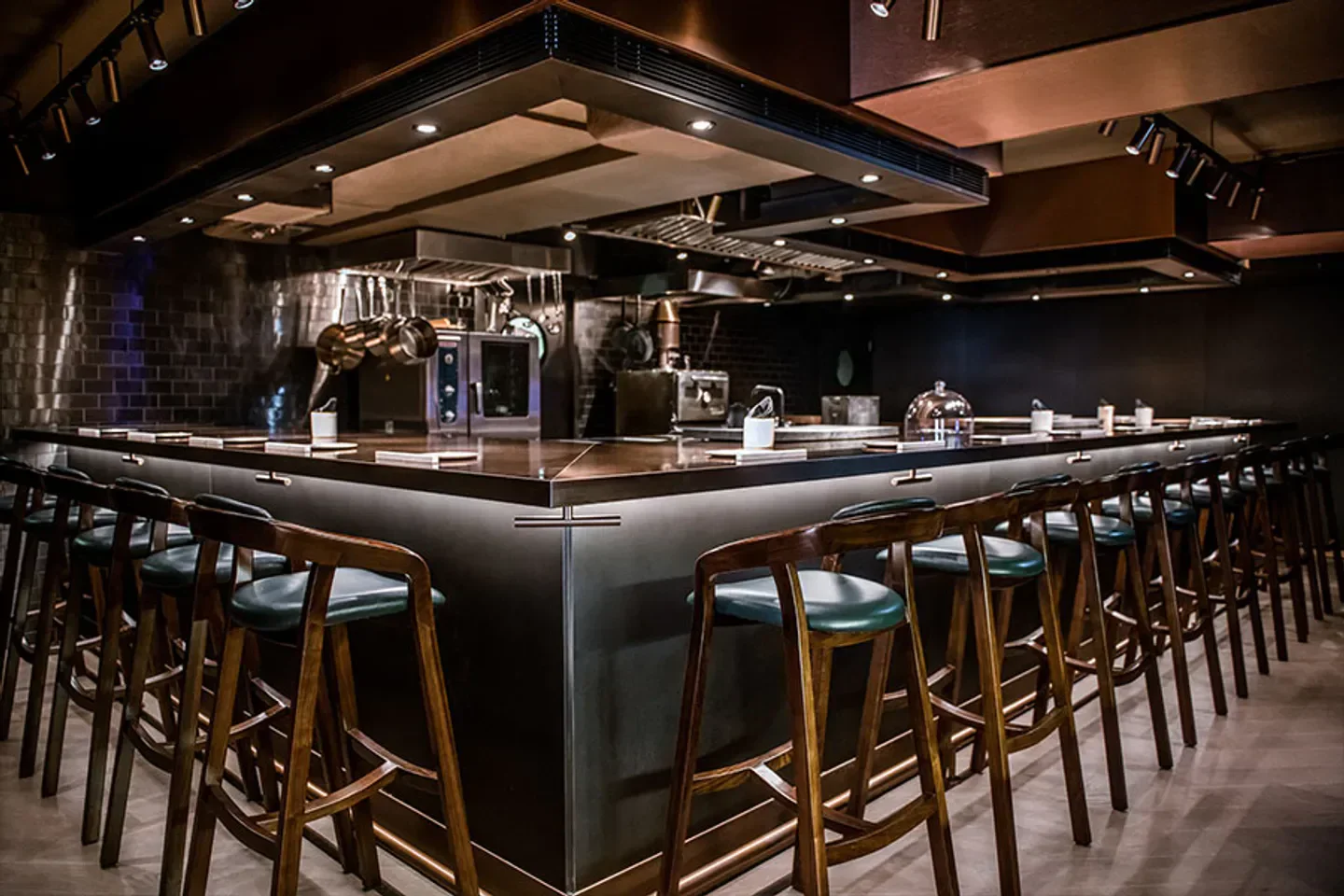
What is it? WAGYUMAFIA sits in The Sh One building in Toshima City, a fifteen-minute walk from the Roppongi Hills area. This Michelin-starred restaurant specializes in Japanese cuisine, specifically grills and sushi.
Why we love it: The kitchen’s focus on high-end Japanese beef delivers a dining experience that earns a 4.95 rating from thousands of guests. It stands out from the nearby offerings near the National Art Center by blending a luxury fine dining format with a romantic, quiet atmosphere. Given the high price point, the La Liste show-to-table award confirms a commitment to craft that is rare even in this part of Tokyo.
Good to Know: The smart and elegant dress code at WAGYUMAFIA is strictly enforced, so leave the casual wear behind for this grill-focused meal.
Photos: Takiya Tempura
02.Takiya Tempura
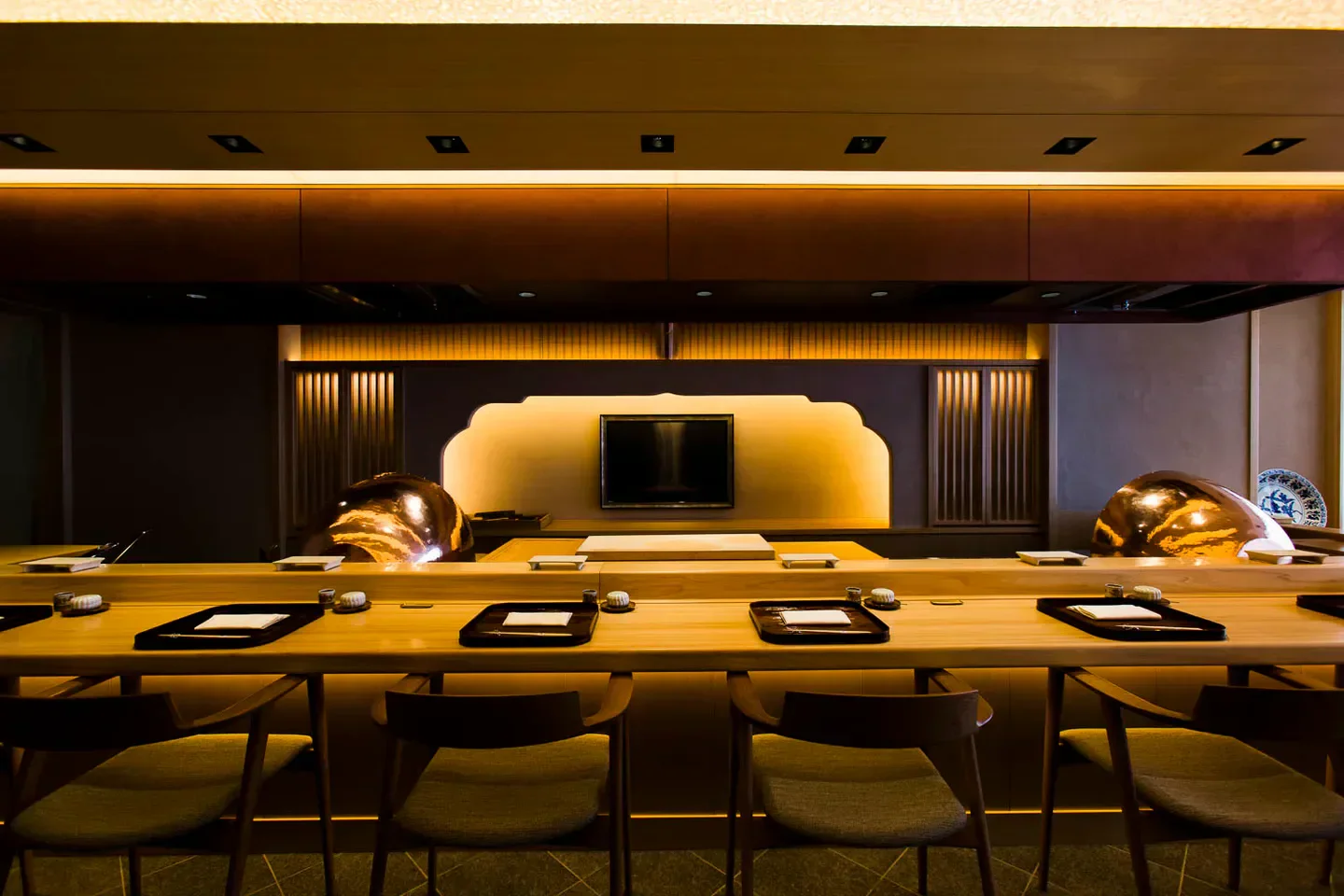
What is it? Takiya Tempura sits in Azabujuban, an eleven-minute walk from the Arisugawa-no-miya Memorial Park. It holds a spot as number 51 on the 2024 La Liste global ranking.
Why we love it: This venue elevates tempura into a fine dining discipline, justifying its place in a high-price tier. With a 4.73 rating across 158 reviews, it offers a consistent, luxurious seafood and Japanese experience that feels miles apart from casual fried-food shops. It is a calculated choice for a romantic evening where precision matters more than volume.
Good to Know: The kitchen at Takiya Tempura balances the precise textures of Japanese seafood with a style that demands a smart and elegant dress code to match the room's tone.
Photos: Higashiazabu Amamoto
03.Higashiazabu Amamoto
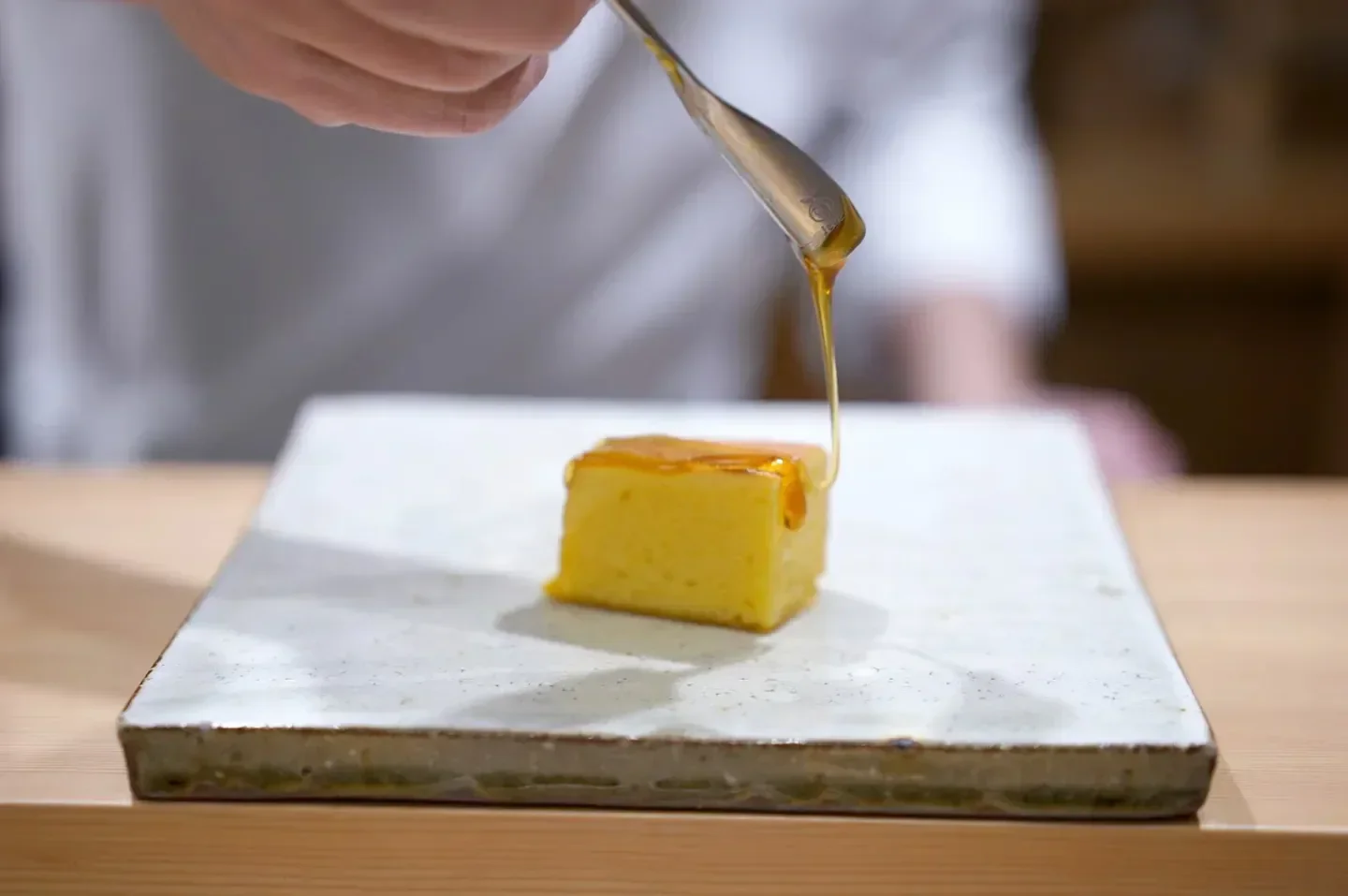
What is it? Higashiazabu Amamoto is a traditional Japanese sushi restaurant located at 1 Chome-7-9 Higashiazabu. It holds a place on the 2024 La Liste, currently ranked at no. 56.
Why we love it: This is an expensive, fine-dining destination that prioritizes the craft of traditional sushi. The restaurant sits 1100m from Zojoji Temple and 1300m from Tokyo Tower, making it a central choice for those exploring the Minato City area. With a guest rating of 4.73 from 200 reviews, it commands a reputation for precision that justifies its price tier.
Good to Know: The atmosphere at Higashiazabu Amamoto is designed for a romantic setting, so ensure your attire meets the smart and elegant dress code before arriving.
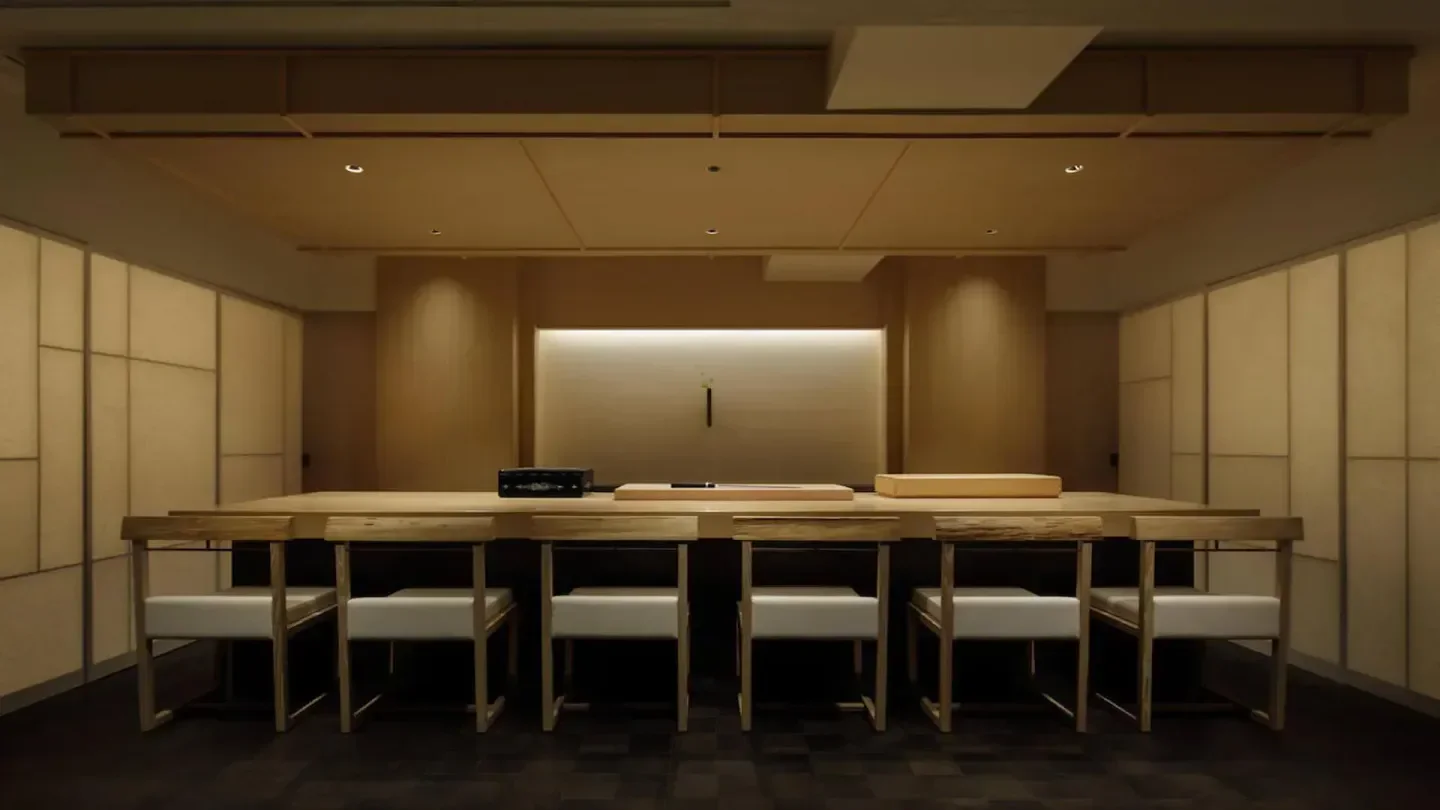
Photos: Hakkoku
04.Hakkoku
What is it? Hakkoku is a sushi restaurant in Ginza, located a four-minute walk from Ginza Six and under ten minutes from the Kabuki-za Theatre. It holds a Michelin star and sits in a higher price tier that reflects its status as a destination for fine dining.
Why we love it: The restaurant commands a loyal following, evidenced by a 4.67 rating from 364 reviews, and rewards diners who prioritize precise Japanese seafood preparation over the bustle of the nearby Imperial Palace East Garden. It avoids the performance of casual dining, offering a quiet, romantic space where the focus stays strictly on the sushi.
Good to Know: Hakkoku maintains a strict smart and elegant dress code, so plan your attire accordingly for a full, uninterrupted seafood experience.
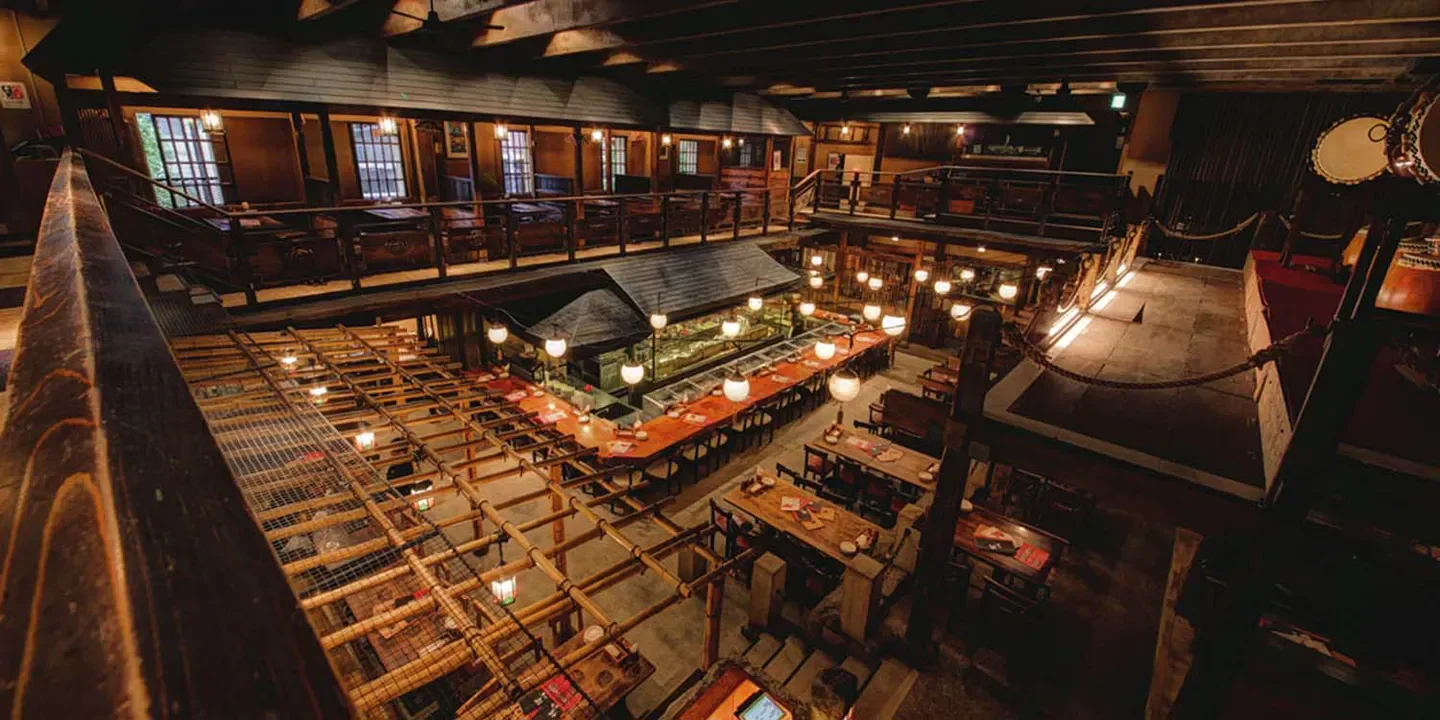
Photos: Gonpachi Nishi-Azabu
05.Gonpachi Nishi-Azabu
What is it? Gonpachi Nishi-Azabu sits at 1 Chome-13-11 Nishiazabu, a location positioned roughly a fifteen-minute walk from Roppongi Hills. It is a traditional Japanese restaurant that bridges the gap between casual sushi dining and a formal, luxury-minded atmosphere.
Why we love it: With over 6,500 individual guest reviews contributing to a high 4.47 rating, the restaurant manages a rare scale for a venue that maintains such a distinct, traditional aesthetic. It justifies its price tier by balancing an approachable menu of sushi and Japanese standards with an environment that feels tailored for romantic evenings.
Good to Know: The layout at Gonpachi Nishi-Azabu includes a terrace; request a seat outside if you prefer to dine with a view of the surrounding Nishi-Azabu streets rather than the interior.
Photos: Ginza Shinohara
06.Ginza Shinohara
What is it? Ginza Shinohara sits at 2 Chome-8-17 Ginza, a six-minute walk from the Kabuki-za Theatre. This traditional Japanese and sushi restaurant holds two stars in the Michelin Guide and appears as number 58 on the current La Liste ranking.
Why we love it: The restaurant commands a high guest rating of 4.76 from over 300 reviews, a rarity for a venue in this price bracket. It manages to balance the rigid standards of luxury fine dining with an intimate, romantic atmosphere that feels removed from the bustle of the nearby Ginza shopping district.
Good to Know: Given the precision of the traditional Japanese menu, Ginza Shinohara enforces a strict smart and elegant dress code to match the tone of the dining room.
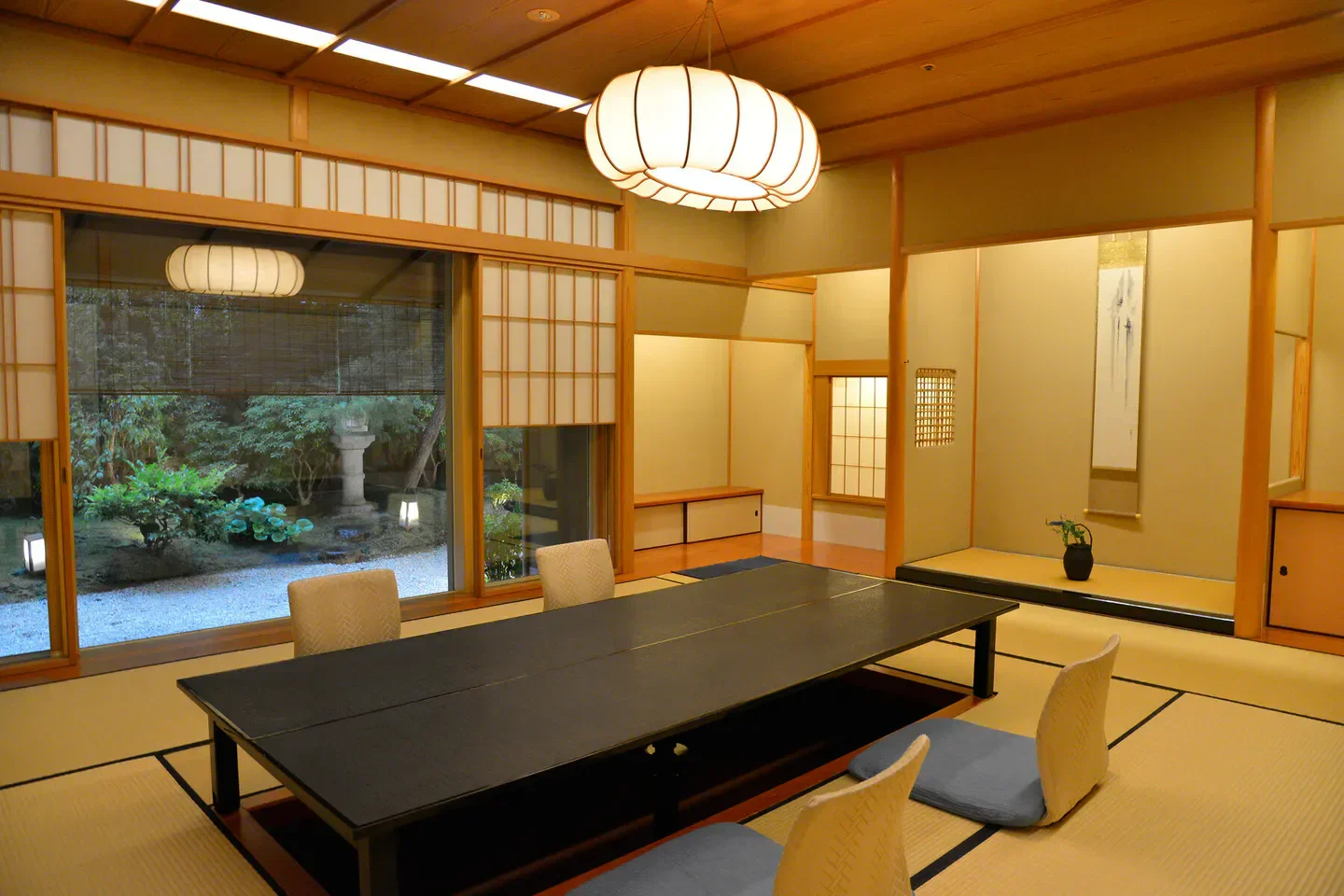
Photos: Daigo
07.Daigo
What is it? Daigo is a Minato City restaurant specializing in traditional Japanese cuisine. It holds a Michelin star and is currently ranked number 20 on La Liste.
Why we love it: While many Tokyo destinations chase trends, Daigo commands attention by mastering the fundamentals of traditional Japanese fine dining. The restaurant sits 1,500 meters from Roppongi Hills and 1,800 meters from Tokyo Tower, providing a quiet, high-end alternative to the city's more frenetic districts. With a 4.72 rating from 290 reviews, the venue offers a consistent, luxury experience that favors composure over noise.
Good to Know: The kitchen’s commitment to traditional Japanese preparations requires a smart and elegant dress code to match the formal tone of the dining room.
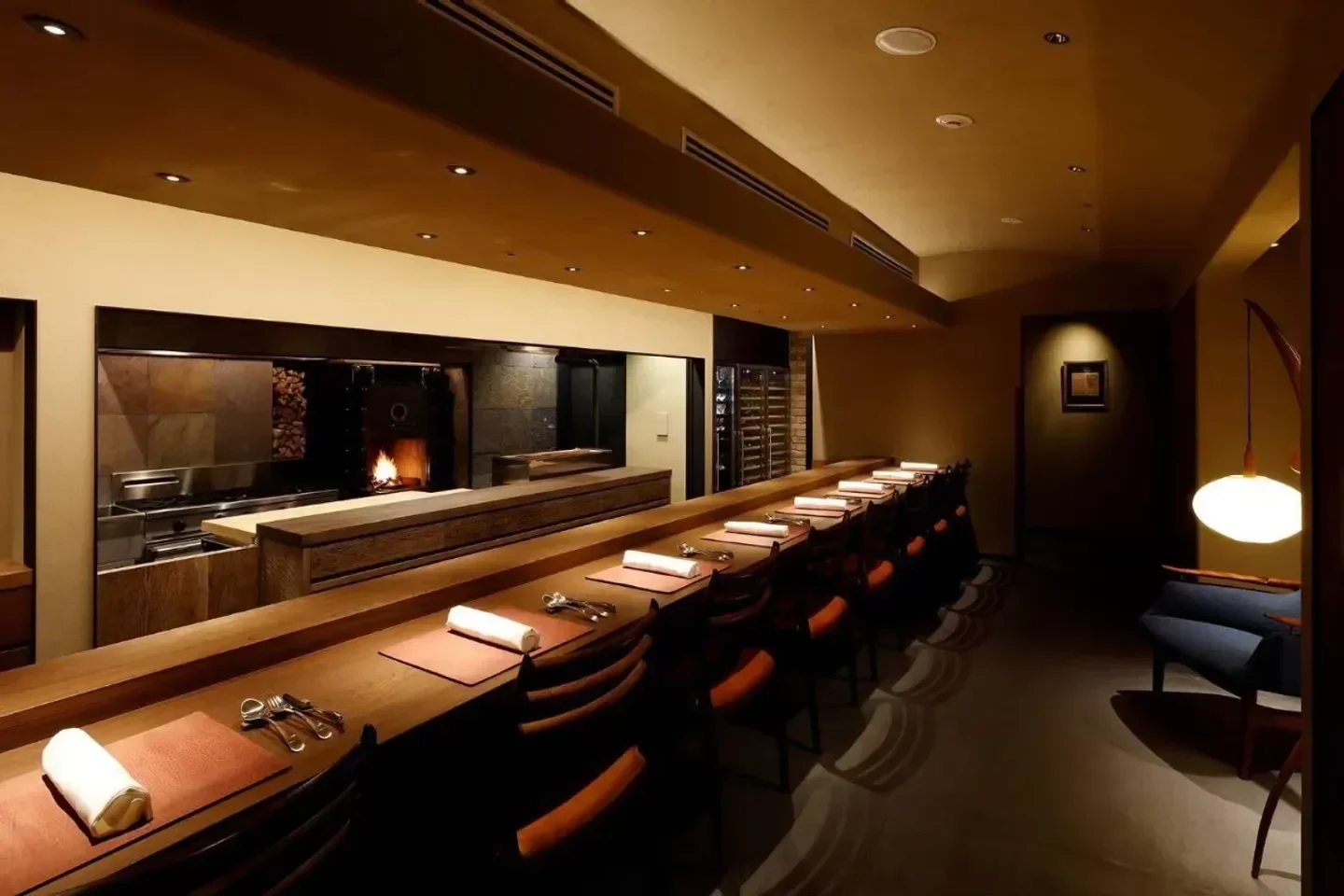
Photos: Acá 1°
08.Acá 1°
What is it? Acá 1° is a fine dining restaurant specializing in South American and Argentinian grills. It sits in Nihonbashi Muromachi, a three-minute walk from COREDO Muromachi Terrace and within a short stroll of the Mitsukoshi Main Store. The restaurant holds the no. 53 spot on the 2024 La Liste rankings.
Why we love it: Acá 1° avoids the typical sprawl of Nihonbashi by focusing entirely on the technical precision of the grill. With a guest rating of 4.82, it earns its reputation as a destination for those seeking an elevated, romantic setting that remains rooted in the robust, fire-led traditions of South American cuisine.
Good to Know: Given the fine dining approach to Argentinian grilling at Acá 1°, the kitchen encourages a smart and elegant dress code to match the intimate view from the dining room.
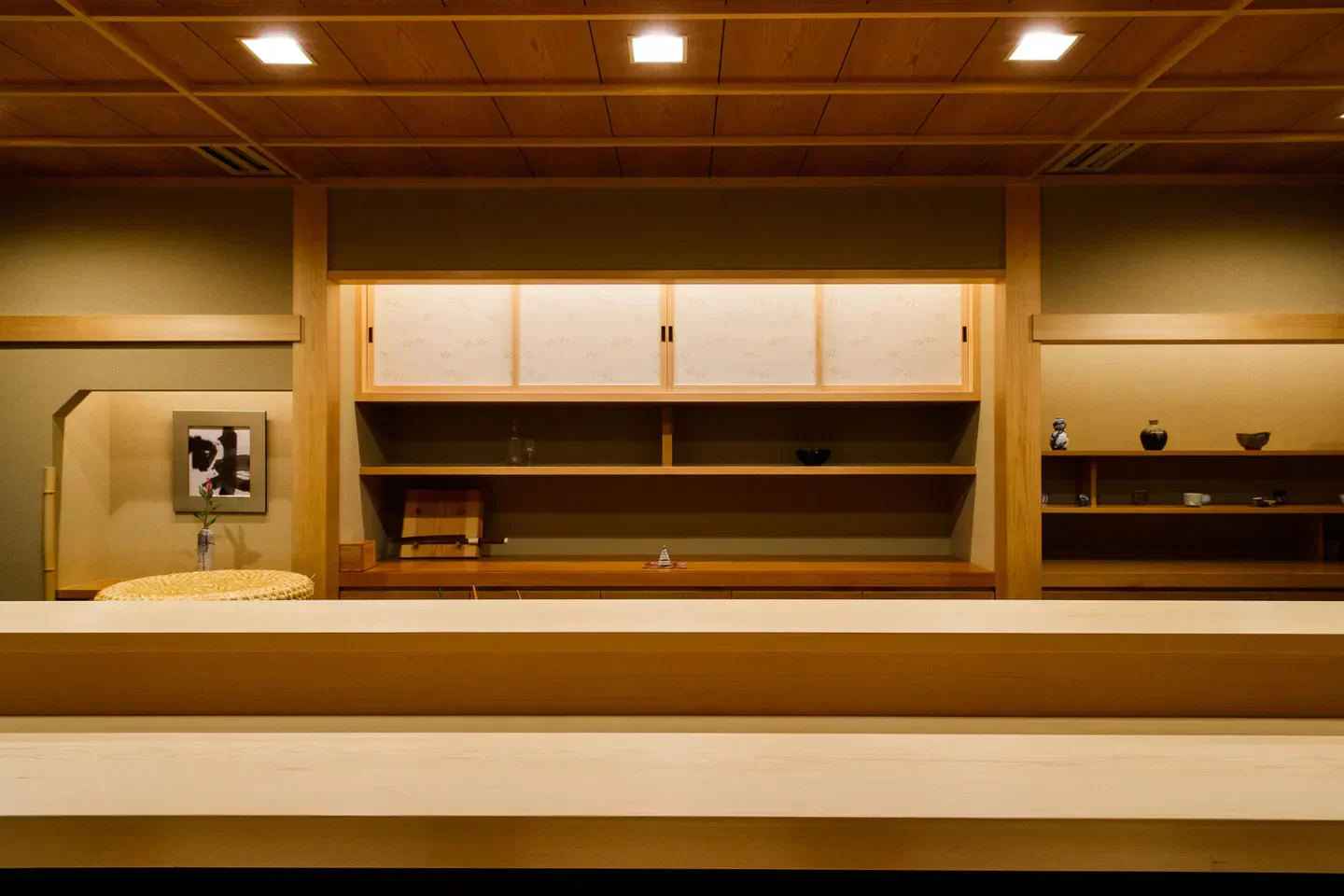
Photos: Sushi Sugita
09.Sushi Sugita
What is it? Sushi Sugita is a fine dining destination in Nihonbashikakigaracho, Chuo City, Tokyo. The restaurant holds a Michelin star and maintains a ranking of no. 65 on the 2024 Asia's 50 Best Restaurants list.
Why we love it: It is a rare find for those who prioritize a rigorous focus on seafood and traditional Japanese preparation over modern trend-chasing. While it sits just a short walk from both the Mitsukoshi Main Store and COREDO Muromachi, the room remains singularly committed to its high-end price point and quiet, intimate atmosphere. With a guest rating of 4.84 from 314 reviews, it clearly succeeds at balancing the demands of a high-pressure kitchen with the requirements of a romantic, luxury setting.
Good to Know: Given the strict smart and elegant dress code, ensure your attire is as refined as the Sushi Sugita menu.
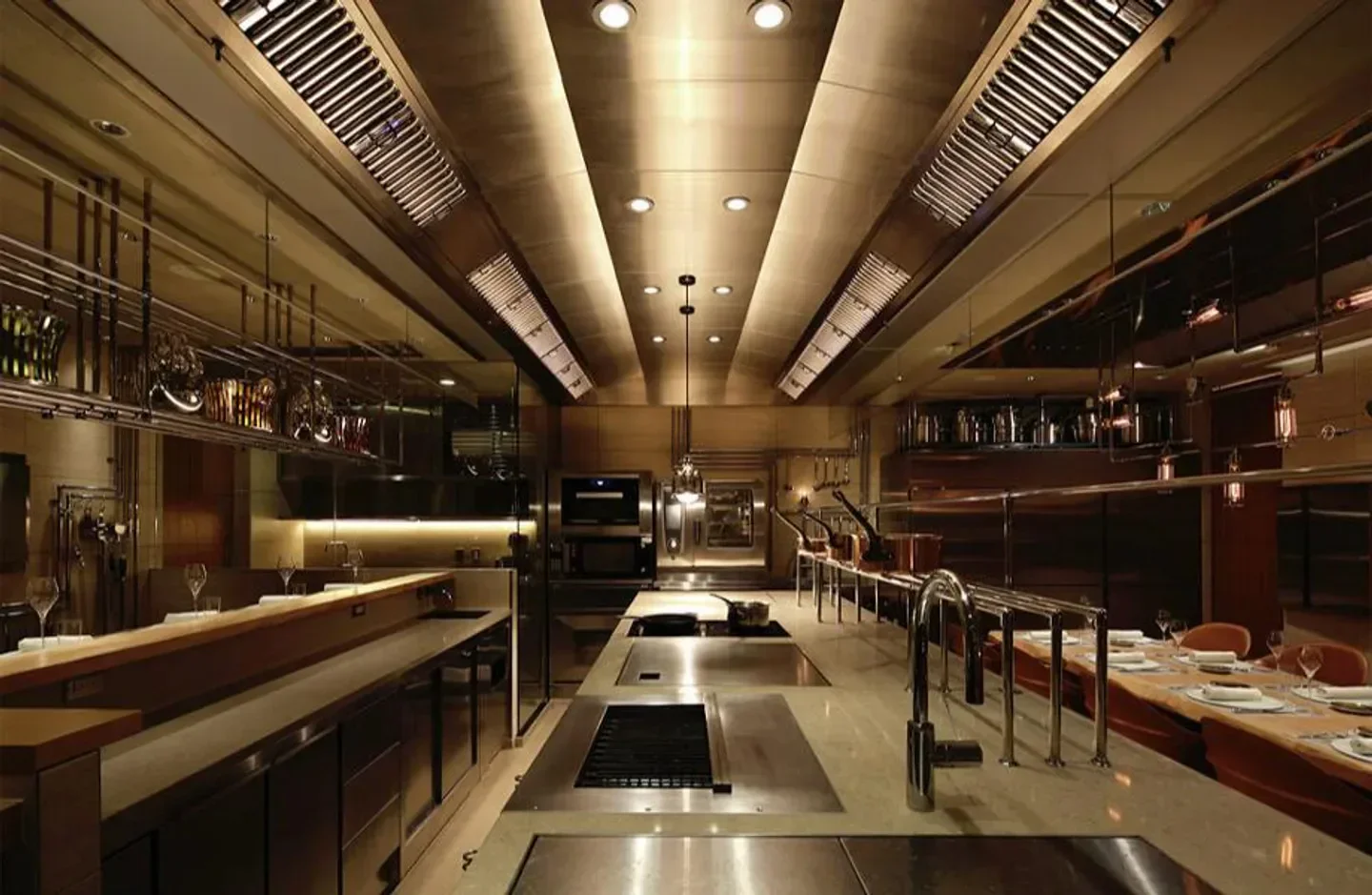
Photos: Sugalabo
10.Sugalabo
What is it? Sugalabo sits in Azabudai, a fifteen-minute walk from Zojoji Temple. It is a Michelin-starred restaurant that serves a blend of Japanese and French fusion cuisine.
Why we love it: It earns its place on the international stage with a 2024 La Liste ranking of 57. The kitchen crafts a menu that feels precise rather than performative, balancing the technical rigor of French fine dining with local sensibilities. With a 4.72 rating from 287 reviews, the consistency draws a crowd that prioritizes the luxury of a refined, intimate table.
Good to Know: Sugalabo enforces a smart and elegant dress code, so trade the sneakers for something sharper before heading out from Roppongi Hills.