Restaurants in Tokyo, chosen for what they do differently. Here is where to start.
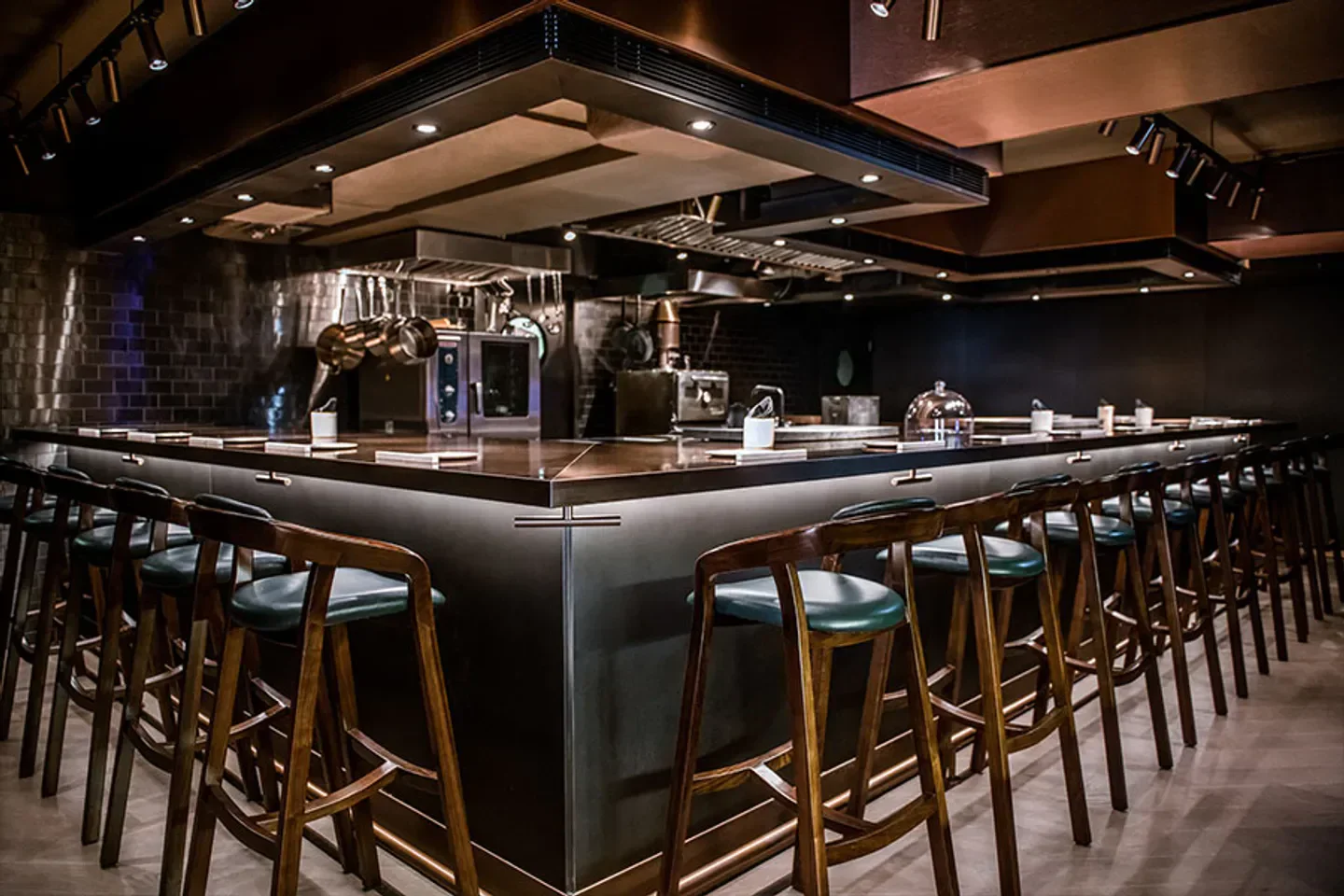
Photos: WAGYUMAFIA
01.WAGYUMAFIA
What is it? WAGYUMAFIA sits in The Sh One building in Toshima City. It holds the 2025 La Liste show-to-table award and a Michelin star for its focus on Japanese, sushi, and grill preparations.
Why we love it: While many high-end Tokyo destinations feel distant, WAGYUMAFIA earns its 4.95 rating by centering the craft of the grill alongside traditional sushi techniques. The location is an accessible choice for those exploring the city, sitting a short walk from Roppongi Hills, the National Art Center, Tokyo, and Tokyo Tower.
Good to Know: WAGYUMAFIA requires a smart and elegant dress code to match the tone of its fine dining room.
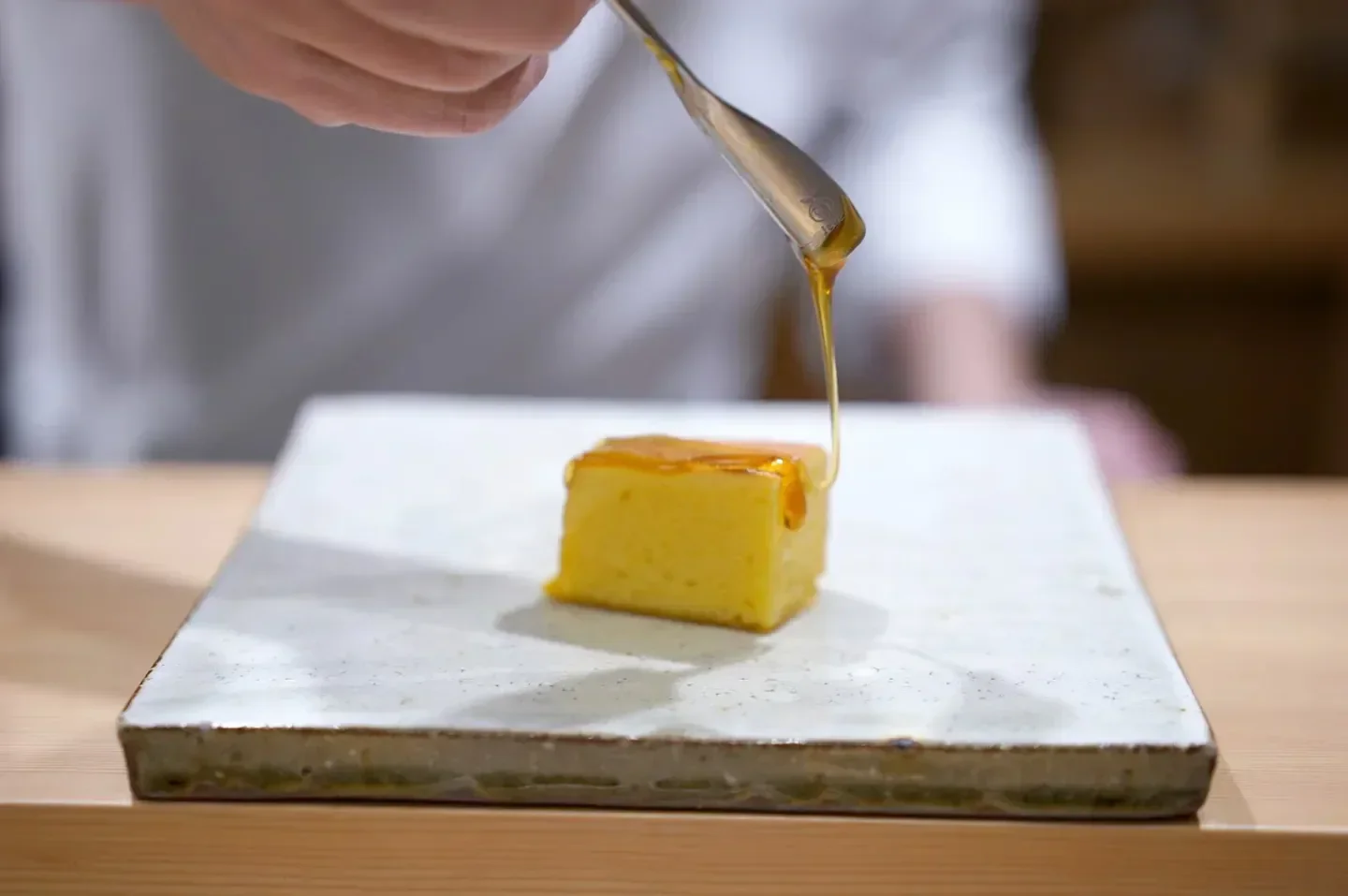
Photos: Higashiazabu Amamoto
02.Higashiazabu Amamoto
What is it? Higashiazabu Amamoto is a traditional Japanese sushi restaurant located at 1 Chome-7-9 Higashiazabu. It holds a spot at no. 56 on the 2024 La Liste rankings.
Why we love it: This is an expensive, intimate destination that justifies its high-end price point through rigorous technical precision. While it sits over a kilometer from the landmarks of Zojoji Temple and Tokyo Tower, its reputation for fine dining makes it a significant draw for those seeking a highly curated traditional experience.
Good to Know: The formal nature of Higashiazabu Amamoto calls for a strictly smart and elegant dress code, befitting its status as a premier venue for luxury sushi.
Photos: Hakkoku
03.Hakkoku
What is it? Hakkoku is a Michelin-starred Japanese restaurant located in Chuo City, Ginza. It sits a three-minute walk from the Ginza Six shopping complex and remains within a ten-minute stroll of the Kabuki-za Theatre.
Why we love it: The kitchen focuses exclusively on sushi and seafood, earning a 4.67 rating from 364 reviews for its consistency in a high-priced, fine-dining tier. It manages to feel intimate despite its location near the busiest thoroughfares of Ginza, making it a reliable choice for those seeking a romantic setting.
Good to Know: Hakkoku maintains a strict smart and elegant dress code, so plan your attire accordingly for the sushi counter.
Photos: Gonpachi Nishi-Azabu
04.Gonpachi Nishi-Azabu
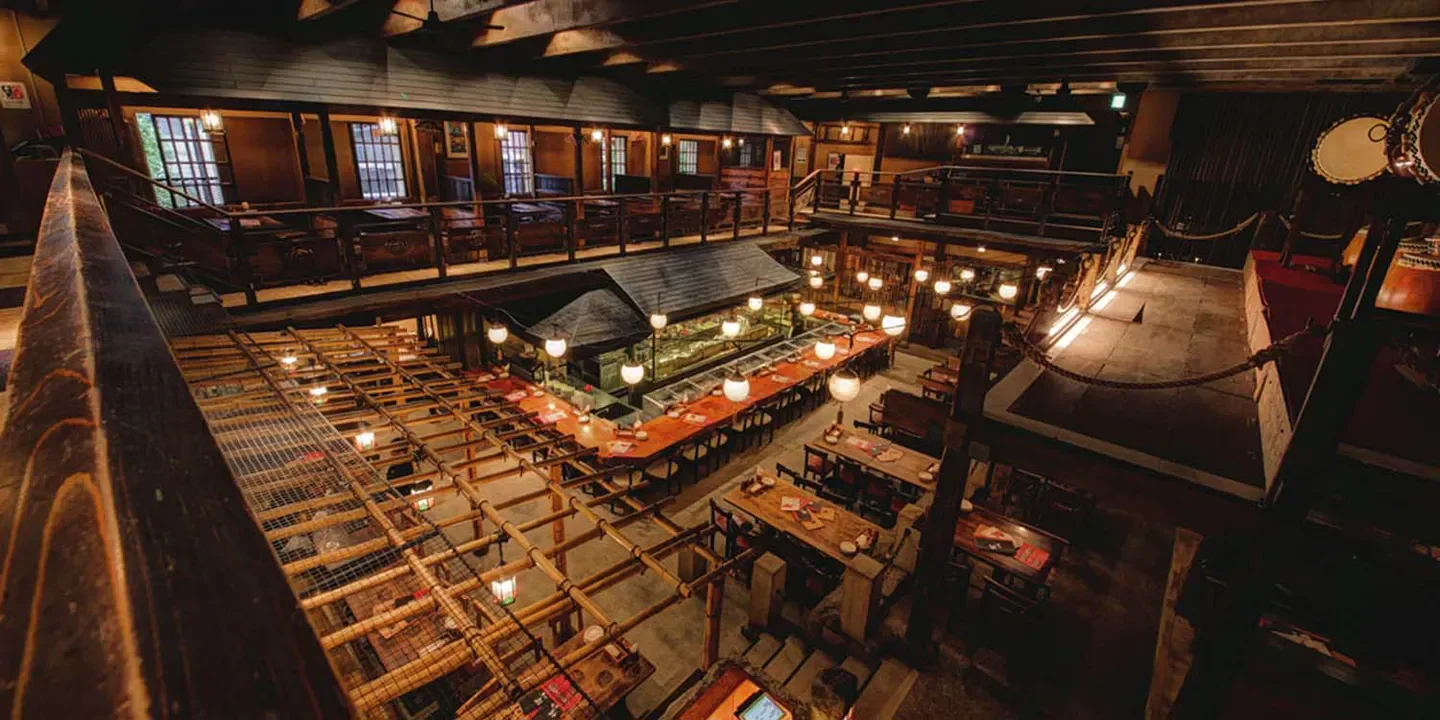
What is it? Gonpachi Nishi-Azabu sits at 1 Chome-13-11 Nishiazabu, about a twelve-minute walk from Roppongi Hills and seventeen minutes from Tokyo Midtown. It is a traditional Japanese restaurant specializing in sushi.
Why we love it: The scale of the space and the consistency of the 4.47 guest rating across over 6,500 reviews make it a reliable choice for a high-energy, romantic dinner. It balances a mid-range price point with a fine-dining aesthetic, offering a distinct departure from the smaller, more restrictive counters found elsewhere in Minato City.
Good to Know: Gonpachi Nishi-Azabu requires smart and elegant attire, so leave the sneakers at your hotel before heading to this, the most notable destination within a thirty-minute walk of the National Art Center.
Photos: Ginza Shinohara
05.Ginza Shinohara
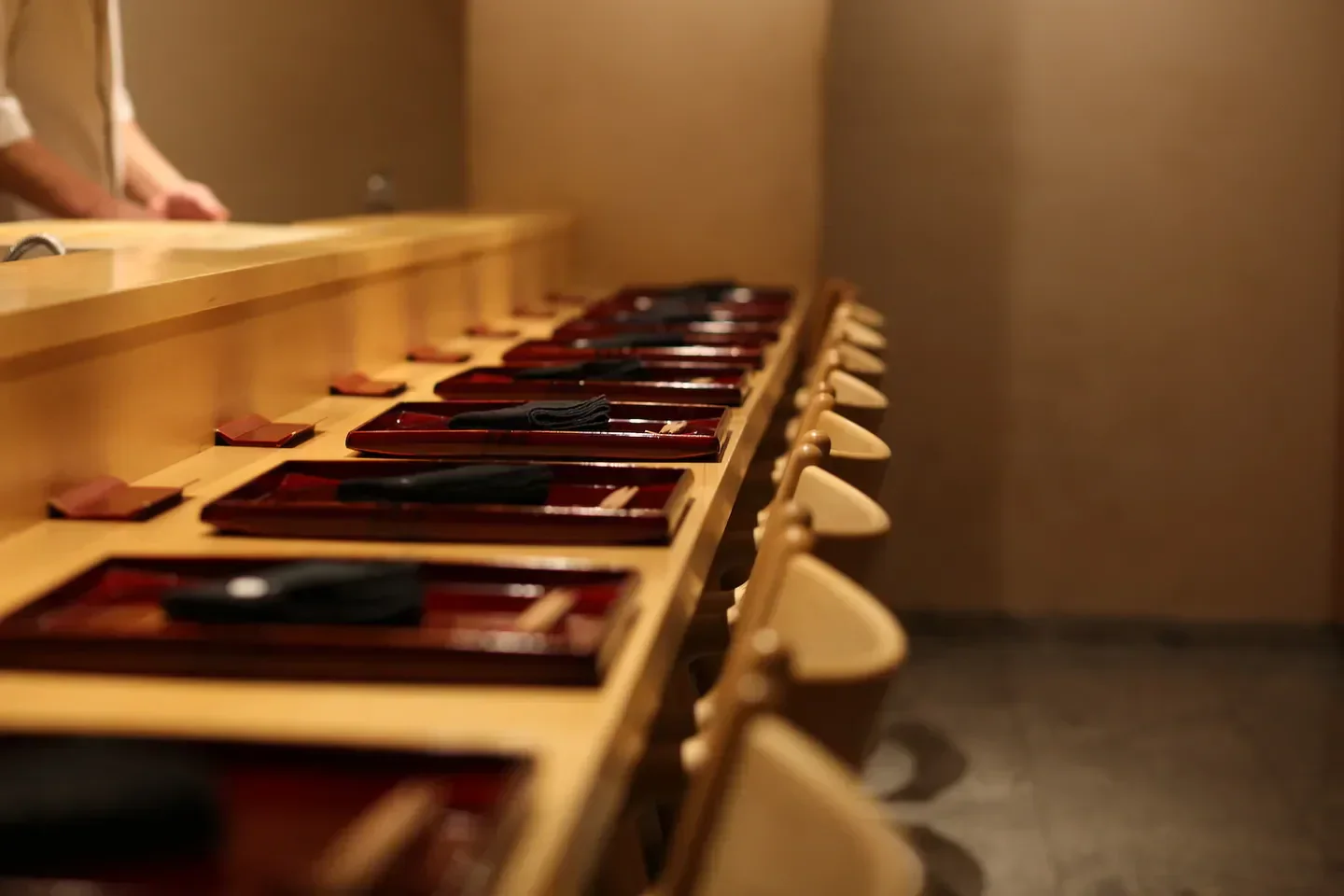
What is it? Ginza Shinohara sits at 2 Chome-8-17 Ginza, a six-minute walk from the Kabuki-za Theatre. This traditional Japanese and sushi restaurant holds two Michelin stars and ranks at number 58 on La Liste.
Why we love it: It earns its place in the crowded Ginza dining landscape by prioritizing the traditional rigors of its craft, a commitment reflected in its high guest rating of 4.76 from 311 reviews. The price point is firmly in the highest tier, but it remains a destination for those seeking a quiet, romantic environment rather than the high-turnover pulse of the nearby shopping district.
Good to Know: Ginza Shinohara enforces a strict smart and elegant dress code, so save the casual layers for the 1,300-meter walk to the Hama-rikyu Gardens.
Photos: Daigo
06.Daigo
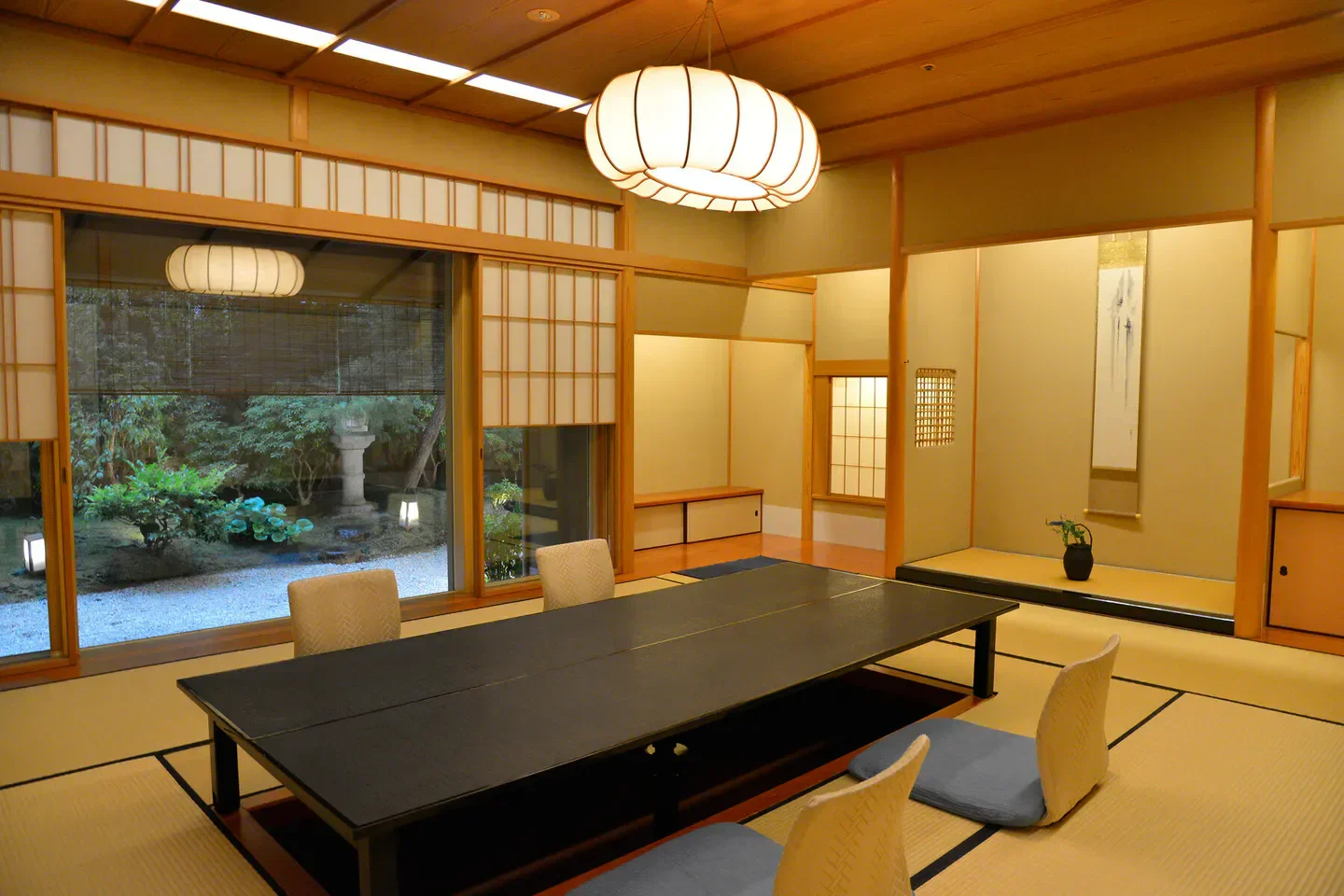
What is it? Daigo is a Minato City institution that holds a Michelin star. It sits a twenty-minute walk from Tokyo Tower and remains a staple for traditional Japanese, sushi-focused fine dining.
Why we love it: While many Tokyo restaurants chase trends, Daigo favors the weight of tradition. Its placement near the Hama-rikyu Gardens and the surrounding Minato area offers a quieter pace than the nearby Roppongi Hills corridor. With a high guest rating, it secures a position as one of the more consistent luxury experiences in the city, holding a spot on the most recent La Liste.
Good to Know: The smart and elegant dress code at Daigo is strictly observed; plan your attire accordingly for a full traditional Japanese fine dining experience.
Photos: Bulgari Ginza Bar
07.Bulgari Ginza Bar
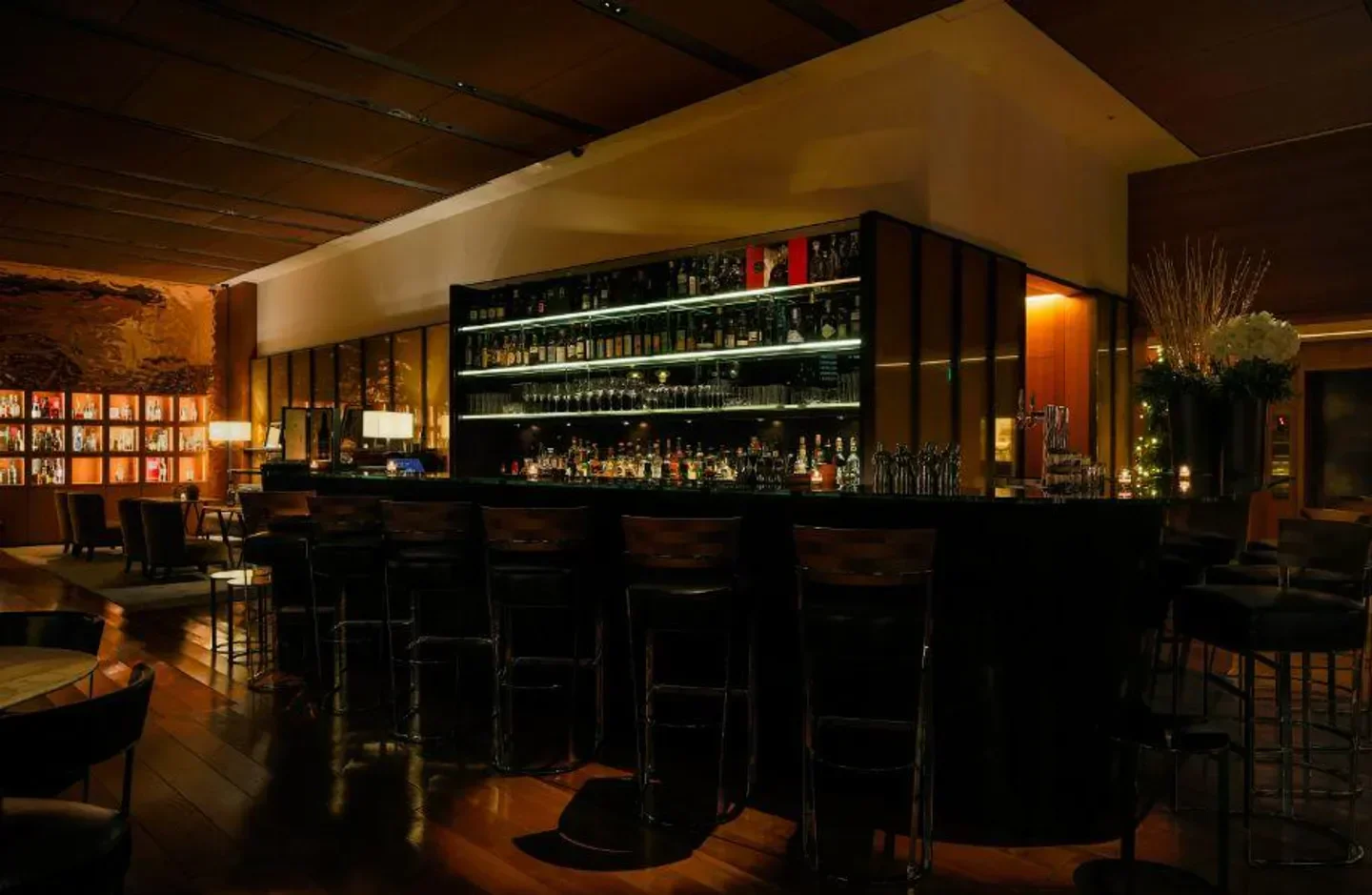
What is it? Bulgari Ginza Bar sits in the Ginza district, a mere 100-meter walk from the Ginza Shopping District. It holds a ranking as number 85 on the 2024 Asia's 50 Best Bars list.
Why we love it: While many destinations in this part of Tokyo focus on the quick turn, this spot balances the rigor of fine dining with the pace of a bar. Its inclusion on the Asia's 50 Best Bars list reflects a level of service and polish that justifies the premium price point better than its more frantic neighbors.
Good to Know: The Italian menu at Bulgari Ginza Bar pair best with a cocktail taken on the terrace, where the view offers a rare perspective of the district.
Photos: Acá 1°
08.Acá 1°
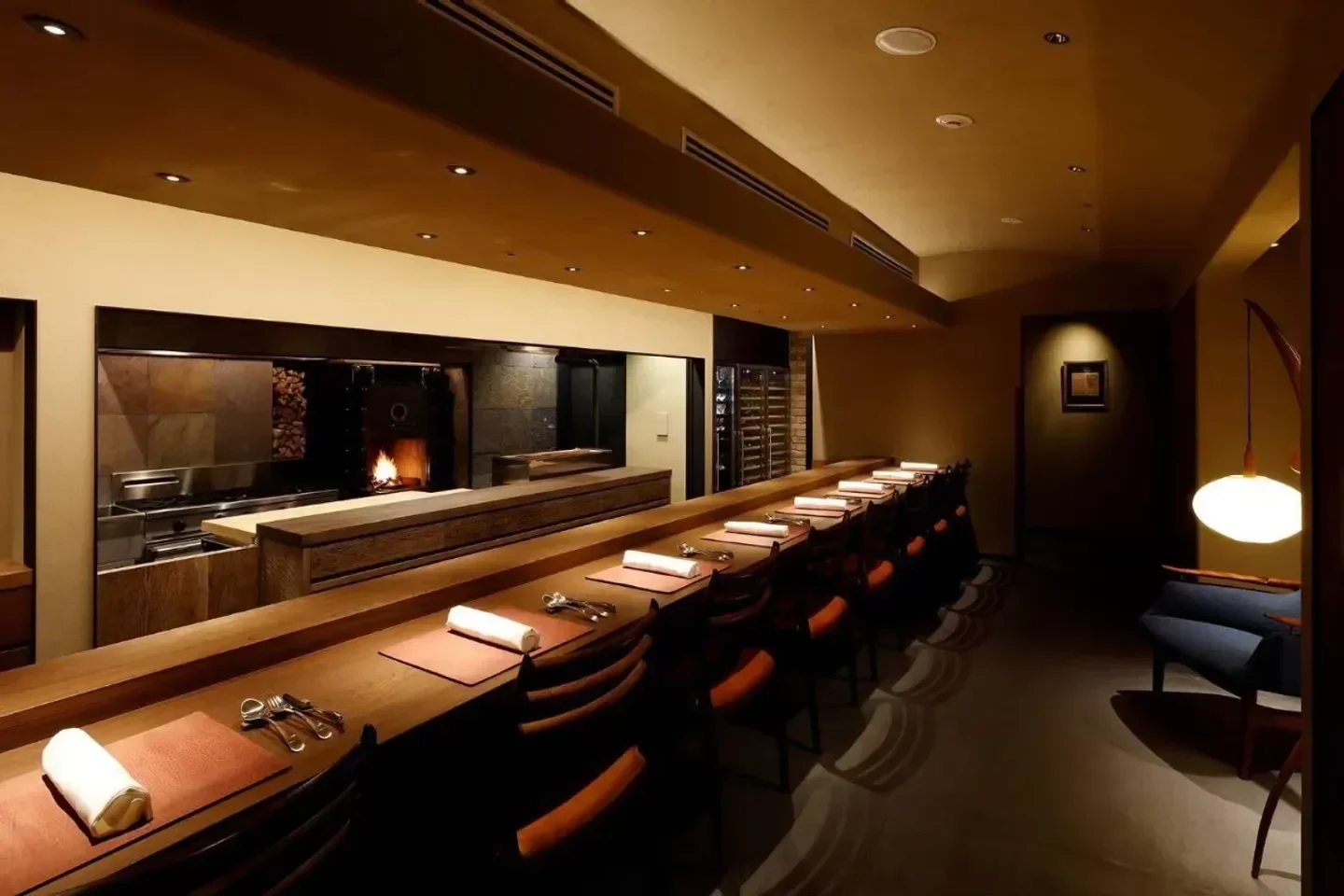
What is it? Acá 1° sits in Nihonbashimuromachi, a three-minute walk from COREDO Muromachi Terrace. This South American grill holds the number 53 spot on the 2024 La Liste rankings.
Why we love it? The kitchen centers its fine dining output entirely on South American and Argentinian grilling techniques, a rarity in this part of Tokyo. With a high guest rating of 4.82, it draws diners looking for a refined experience that stands apart from the surrounding commercial hubs like Mitsukoshi Main Store and Nihonbashitakashimaya S.C.
Good to Know: Given the premium price point and the smart and elegant dress code, Acá 1° suits formal, romantic occasions more than a casual night out.
Photos: Sushi Sugita
09.Sushi Sugita
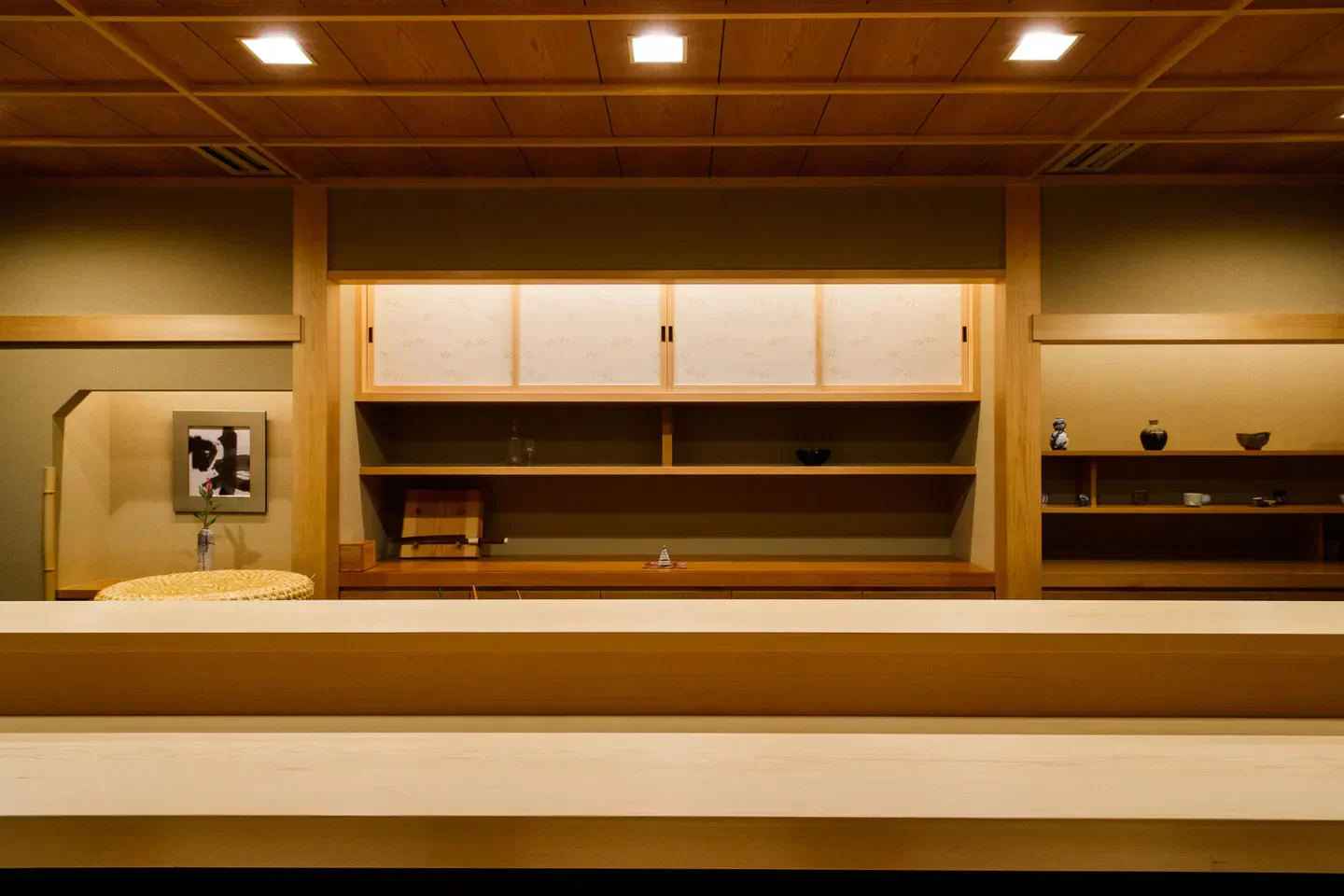
What is it? Sushi Sugita is a fine dining destination located in Nihonbashikakigaracho, Chuo City. It holds a Michelin star and is ranked no. 65 on the 2024 Asia's 50 Best Restaurants list. The restaurant sits a ten-minute walk from the Mitsukoshi Main Store.
Why we love it: The restaurant provides a rare, romantic setting that balances its high-end reputation with an intimate scale. While the price is high, the 4.84 rating across hundreds of reviews confirms that the quality of their Japanese seafood preparation consistently delivers on the promise of the price point.
Good to Know: Given the strict smart and elegant dress code, Sushi Sugita is best suited for quiet, deliberate evenings rather than casual drop-ins.
Photos: The Pizza Bar On 38th
10.The Pizza Bar On 38th
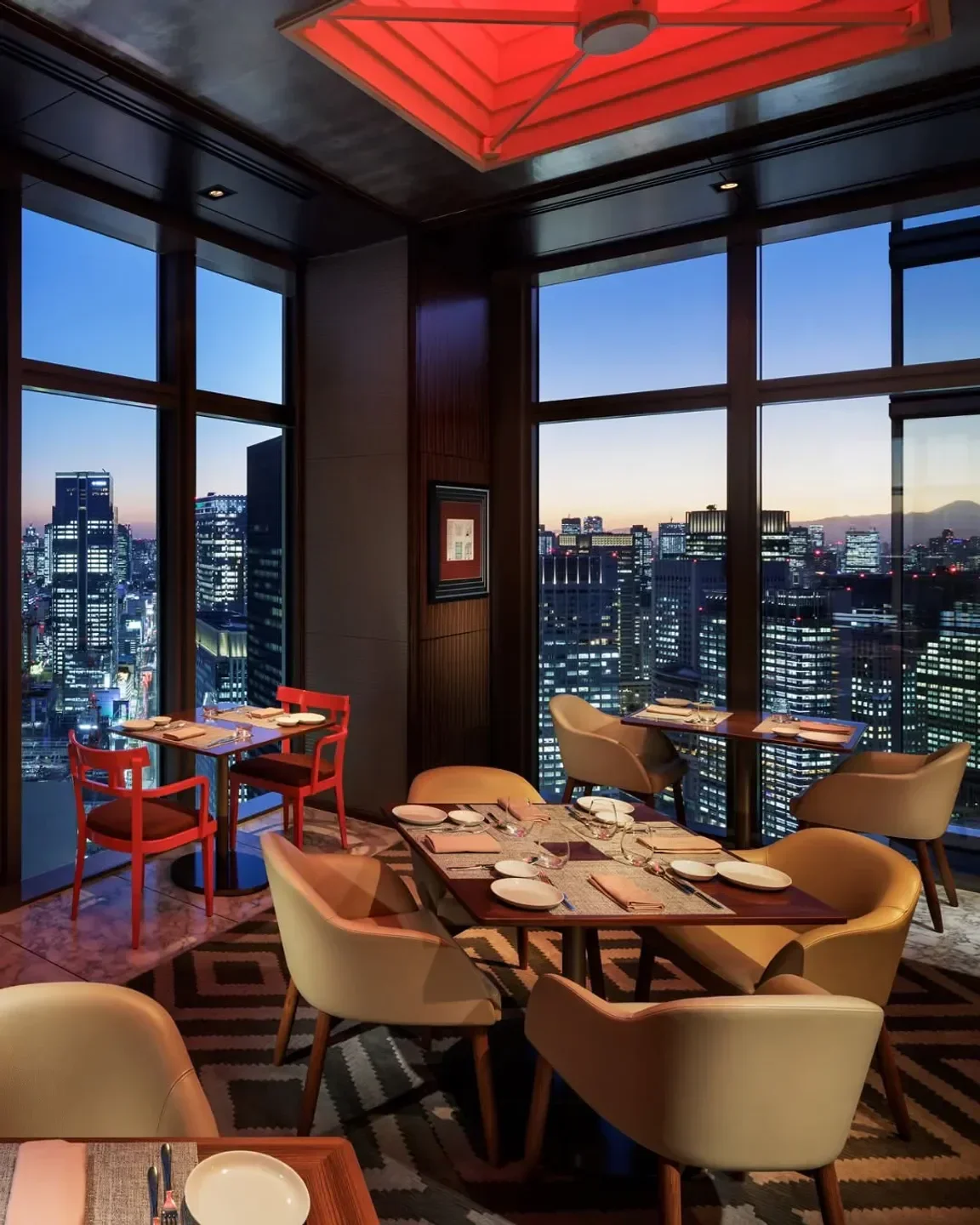
What is it? The Pizza Bar On 38th is an Italian restaurant located at 2 Chome-1-1 Nihonbashimuromachi in Tokyo. It holds a rank of 3 on the 2024 50 Top Italy list for the world's top pizzerias.
Why we love it: The restaurant sits 200 meters from the Mitsukoshi Main Store and 300 meters from COREDO Muromachi Terrace, placing it in a dense pocket of the city. While the price point reflects a premium fine dining experience, the high guest satisfaction rating of 4.71 across hundreds of reviews confirms the consistency of the kitchen’s output.
Good to Know: The Pizza Bar On 38th enforces a smart and elegant dress code, so trade your casual footwear for something more formal before making the twenty-minute walk from the Imperial Palace East Garden.