En Tokio, la paradoja de la elección no es una teoría. Es un obstáculo logístico. No solo estás eligiendo entre ramen y omakase. Estás navegando por un laberinto de calificaciones de Tablelog y ventanas de reserva con tres meses de antelación. La ciudad alberga más de 160.000 restaurantes. Los asientos más codiciados desaparecen antes de que el sol se ponga en el mes anterior.
La escena finalmente está dejando atrás su reputación rígida. En WAGYUMAFIA, la ruidosa puesta en escena y la carne de alta calidad convierten la cena en una actuación de alta energía. Mientras tanto, Nœud. TOKYO redefine la huella culinaria de la ciudad con una perspectiva eco-consciente y de inspiración francesa. Podrías buscar la discreción estacional de Kaiseki Ohara o la intensidad ahumada de Hakuun. Cada uno requiere una estrategia distinta. El acceso sigue siendo la moneda local definitiva.
Las siguientes selecciones representan el pulso actual de la ciudad. Empieza con estas cuatro.
Fotos: WAGYUMAFIA
01.WAGYUMAFIA
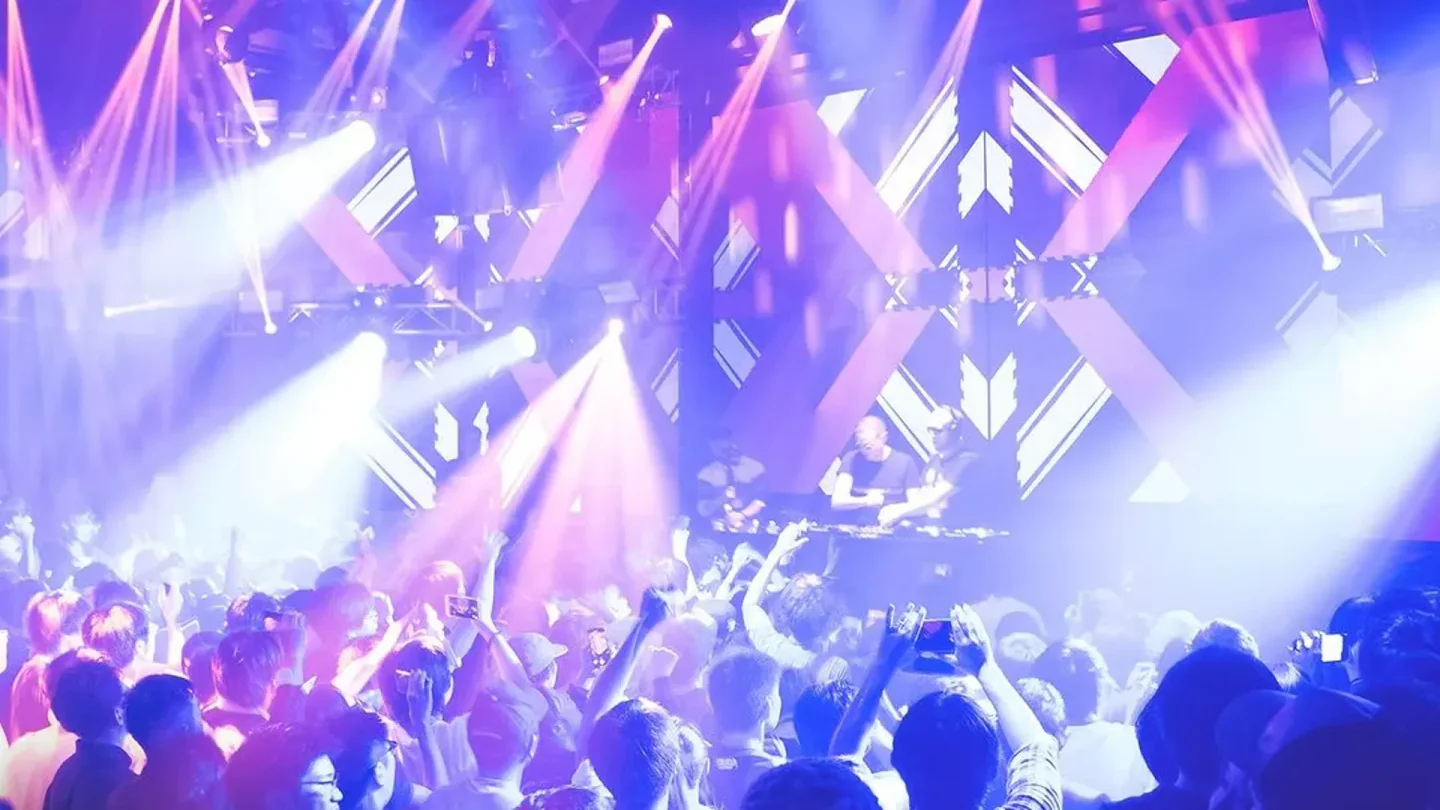
¿Qué es? WAGYUMAFIA es un restaurante de Tokio de alta energía que cambia la tradición tranquila por un pulso audaz y moderno. La sala vibra con una intensidad específica que te golpea en el momento en que entras. Funciona como un escenario de alto octanaje para una experiencia especializada de wagyu.
Por qué nos encanta: El personal trata cada plato con una intensidad que roza el arte escénico. Se mueven con una precisión ensayada que mantiene la sala vibrante. El wagyu llega a la mesa mientras la energía de la multitud permanece en un pico constante y alto.
Bueno saber: La presentación teatral característica en WAGYUMAFIA ocurre con casi todos los platos, así que ten tu cámara lista para la acción a alta velocidad.
Fotos: Ginza Shinohara
02.Ginza Shinohara
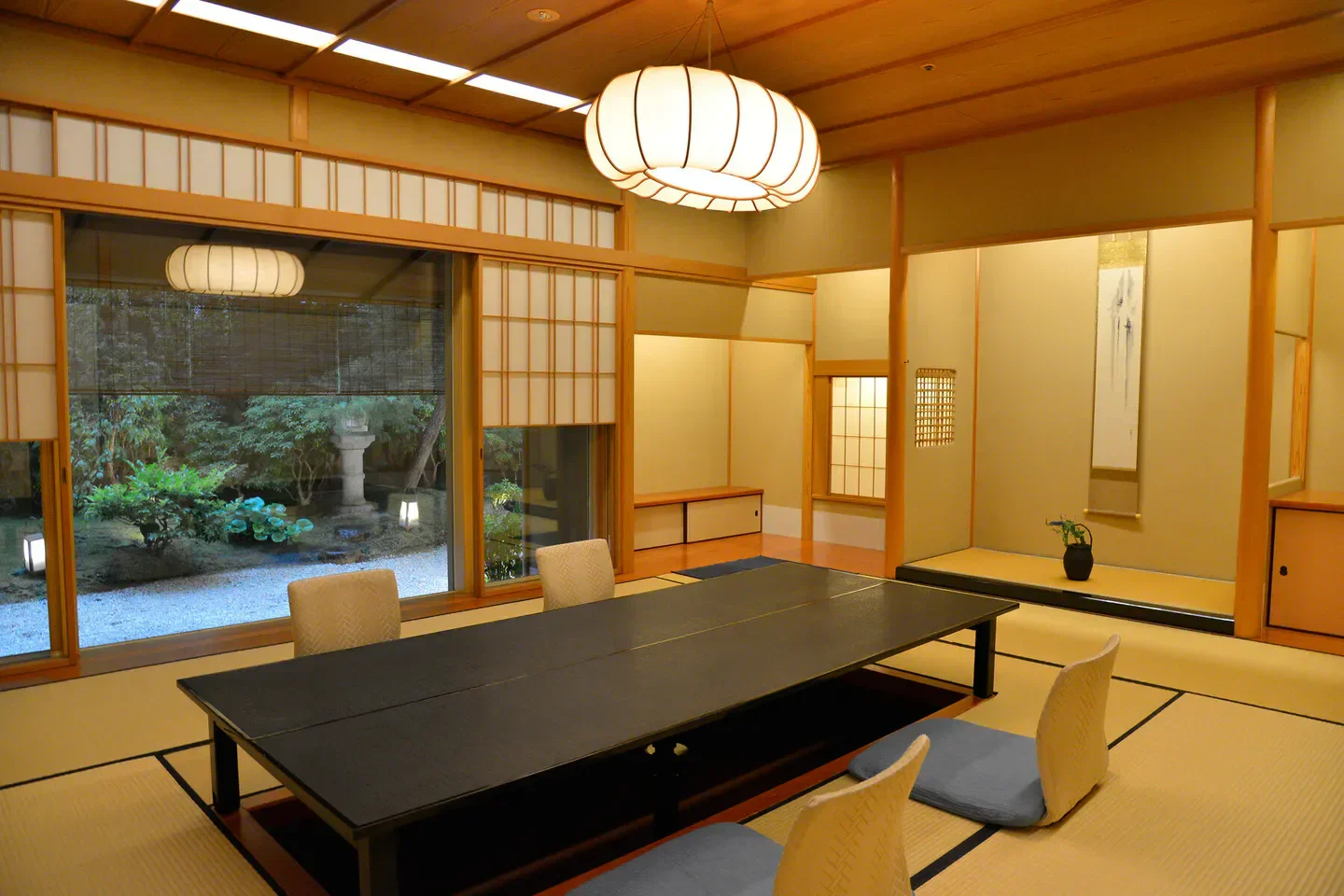
What is it? Ginza Shinohara sits at 2 Chome-8-17 Ginza, a short walk from the local shopping district and 600 meters from the Kabuki-za Theatre. This restaurant holds two Michelin stars and maintains a spot on the La Liste rankings.
Why we love it: While many tables in this district lean into high-volume service, Ginza Shinohara prioritizes the quiet precision of traditional Japanese techniques. Its high guest rating reflects a commitment to a standard that commands a significant premium, making it a fitting choice for those seeking a secluded, romantic environment within a dense urban landscape.
Good to Know: Given the intense focus on traditional sushi and Japanese preparation at Ginza Shinohara, guests should expect an evening that follows a deliberate, rhythmic pace.
Fotos: Daigo
03.Daigo
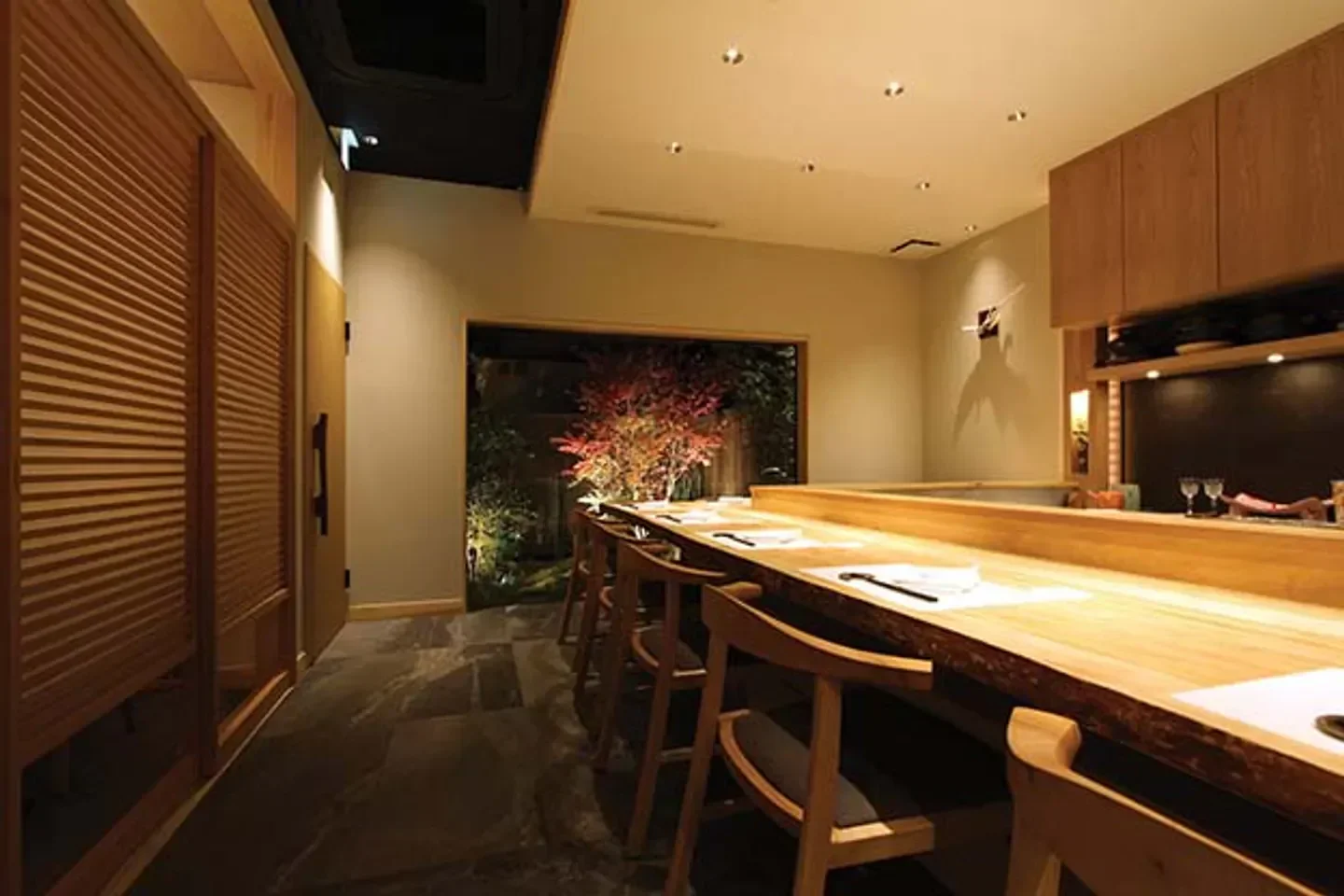
What is it? Daigo is a Minato City restaurant that holds a Michelin star. It sits a twenty-minute walk from Tokyo Tower and is situated just over two kilometers from the Hama-rikyu Gardens.
Why we love it: The kitchen focuses on traditional Japanese and sushi preparations that justify its luxury price point. With nearly 300 guests rating the experience at 4.72, it remains a rare, consistent choice for those prioritizing a formal atmosphere near the Roppongi Hills orbit.
Good to Know: Daigo requires a smart and elegant dress code to match the tone of its fine dining service.
Fotos: Shirosaka
04.Shirosaka
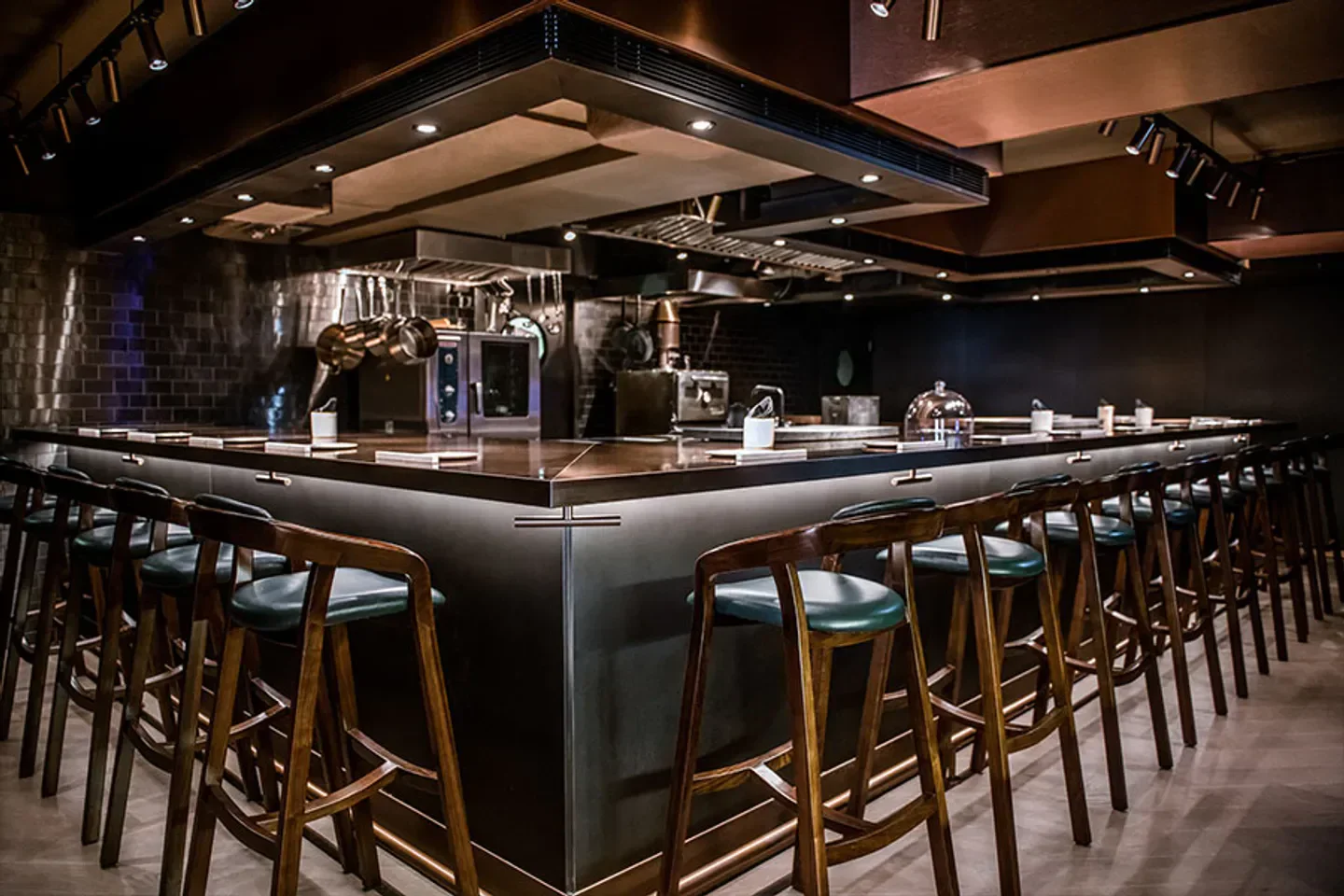
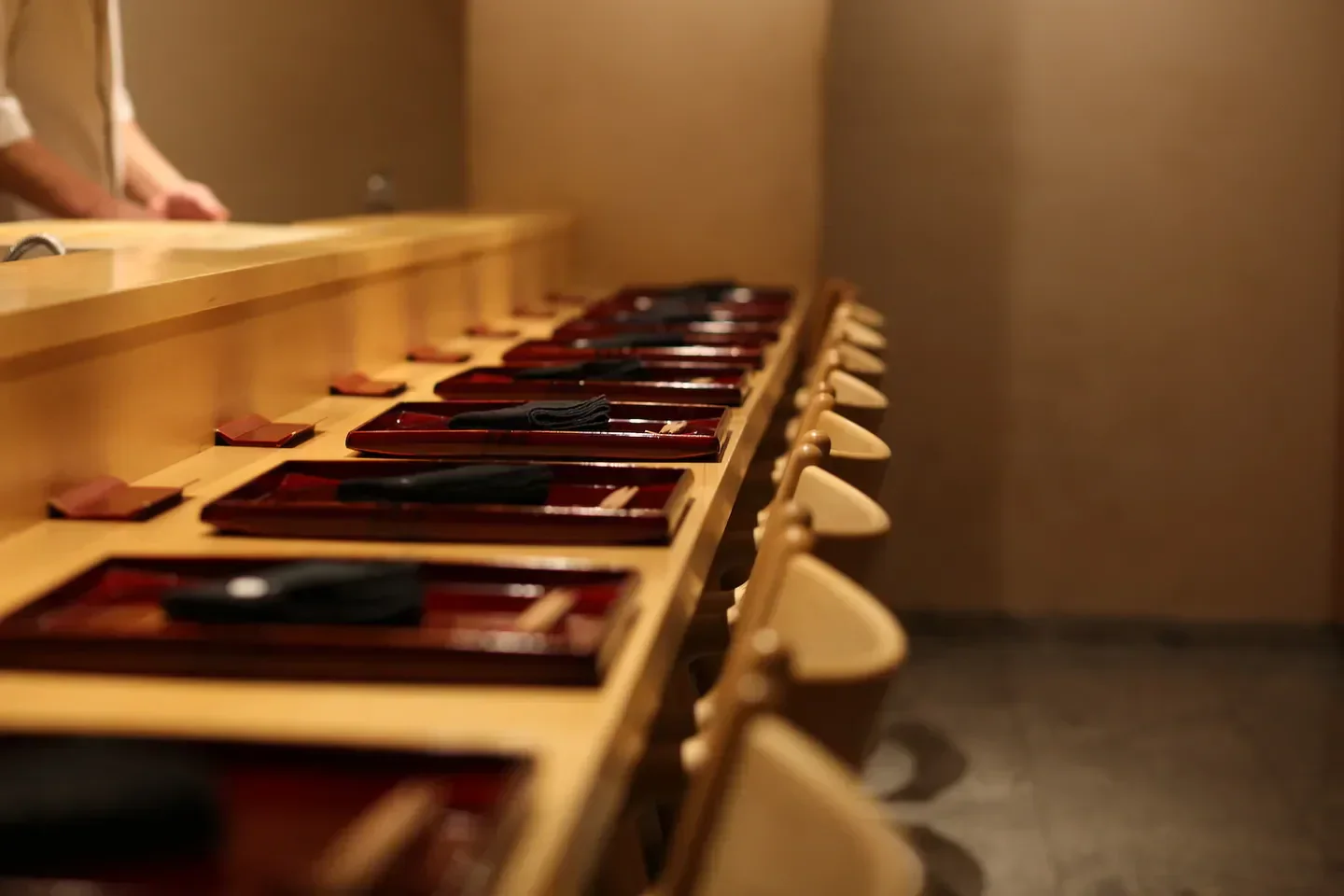
¿Qué es? Shirosaka sirve como un refugio tranquilo del zumbido de neón de Tokio. Este restaurante prioriza una sensación de calma, donde lo primero que notas es la energía deliberada y enfocada de la sala. Es un espacio construido para aquellos que aprecian el arte de la comida sin las distracciones de un salón comedor abarrotado.
Por qué nos encanta: La cocina opera con una gracia rítmica que convierte la velada en una actuación constante y viva. Observas cómo los chefs ejecutan cada paso con manos silenciosas y un enfoque agudo. Es una experiencia íntima que se siente como ser invitado a un taller culinario privado.
Bueno saberlo: Planifica una velada tranquila en Shirosaka, ya que la cocina marca el ritmo de la comida para que los sabores de la temporada se asienten adecuadamente.
Fotos: L'Effervescence
05.L'Effervescence
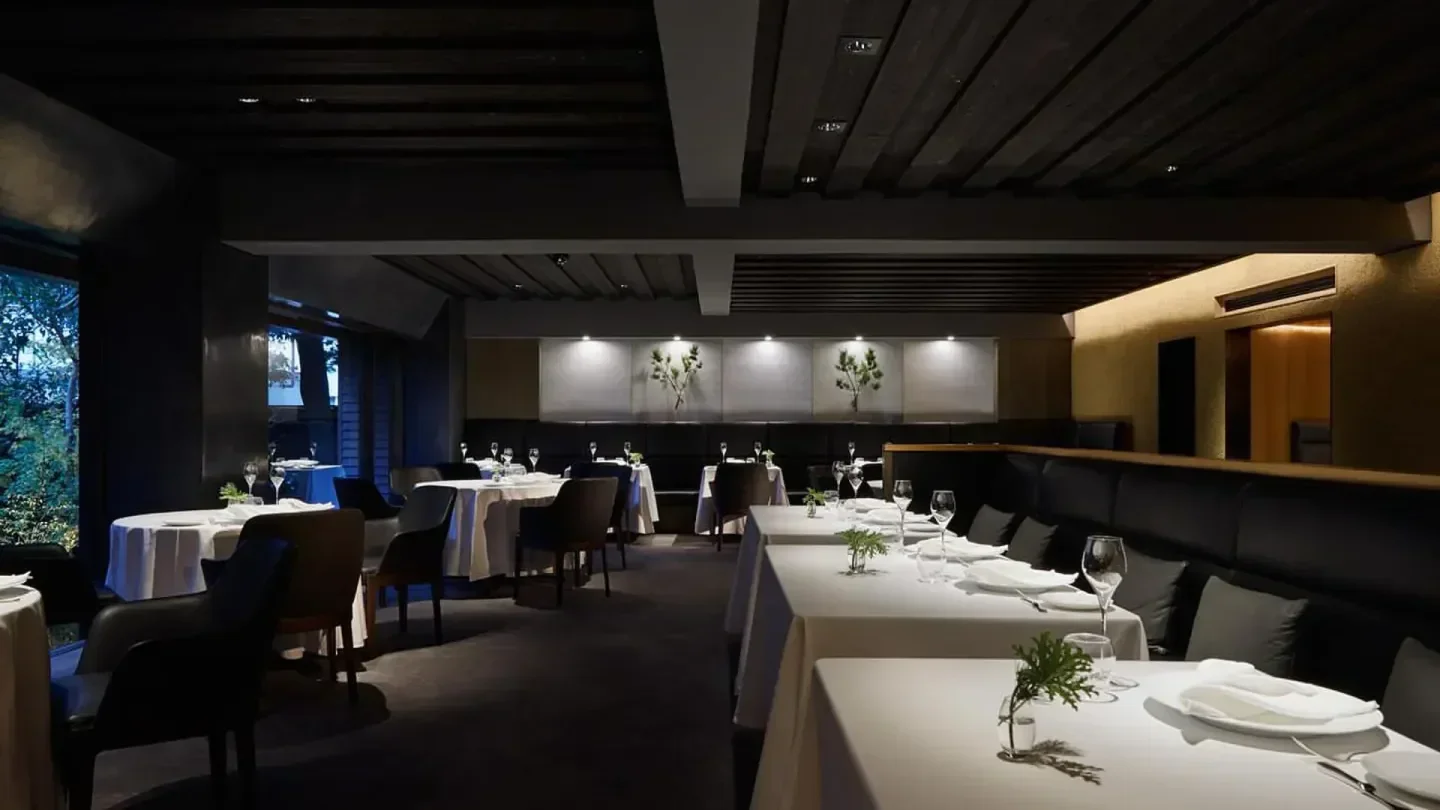
What is it? L'Effervescence sits on 2 Chome-26-4 Nishiazabu, a fifteen-minute walk from the National Art Center, Tokyo. The restaurant holds three Michelin stars and ranks no. 50 on the Asia's 50 Best Restaurants list.
Why we love it: It manages an expensive, high-end price point while maintaining a guest rating of 4.76 from 889 reviews, a rarity for a venue balancing French and Japanese fusion techniques. Unlike the larger, louder dining rooms near Roppongi Hills, this space leans into a quiet, romantic fine-dining experience.
Good to Know: The kitchen’s French and Japanese fusion approach requires a smart and elegant dress code, so plan your attire accordingly for the evening.
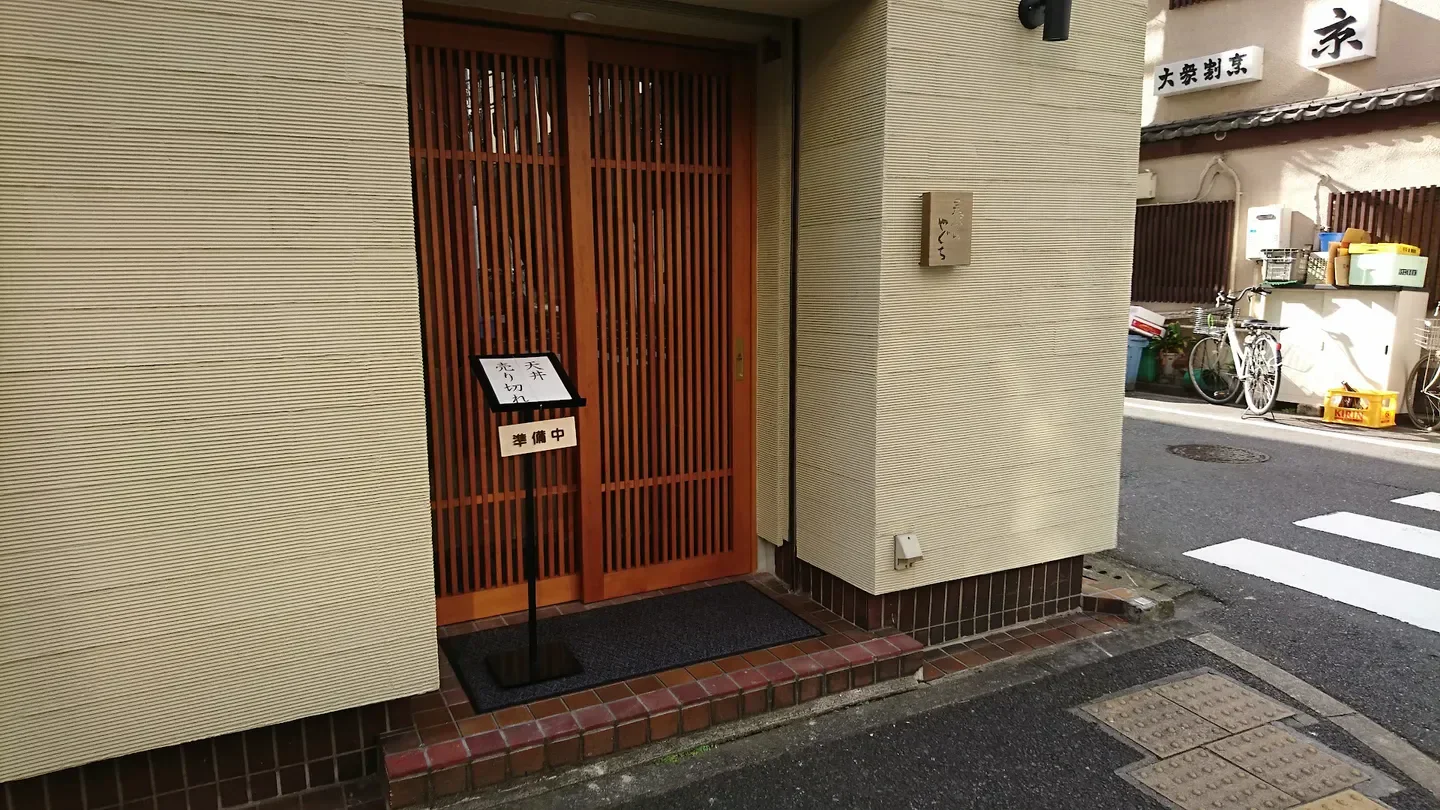
Fotos: Tempura Yaguchi
06.Tempura Yaguchi
What is it? Tempura Yaguchi sits in Nihonbashiningyocho, a ten-minute walk from the Mitsukoshi Main Store. This Michelin-starred restaurant specializes in traditional Japanese seafood tempura.
Why we love it: While many establishments in the Nihonbashi area favor heavy foot traffic, Tempura Yaguchi secures its status through a quieter, luxury-focused fine dining experience. The 4.60 rating from 62 reviews underscores a consistency that draws diners away from the nearby COREDO Muromachi Terrace crowds.
Good to Know: Given the romantic, intimate setting, ensure your attire meets the smart and elegant dress code before heading out to this Nihonbashiningyocho destination.
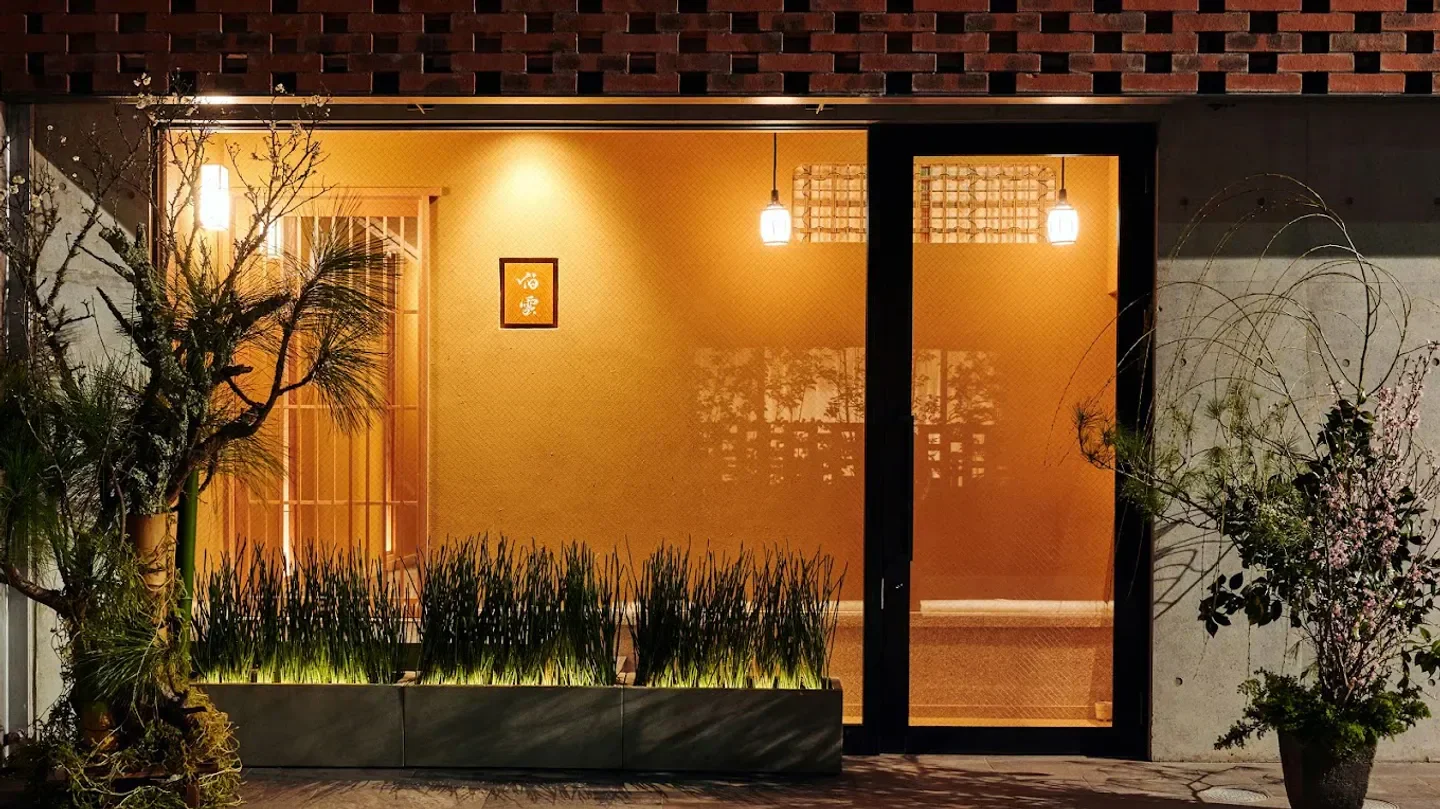
Fotos: Hakuun
07.Hakuun
¿Qué es? Hakuun define el punto álgido de la alta cocina en Tokio. El espacio se percibe íntimo y tranquilo, otorgando todo el protagonismo al arte del sushi japonés contemporáneo.
Por qué nos encanta: Su estrella Michelin pone de relieve la precisión detrás de cada movimiento en la cocina. El ambiente se inclina hacia lo romántico, convirtiéndolo en un lugar donde la conversación fluye con facilidad al ritmo del corte del pescado.
Es bueno saber: El menú de sushi contemporáneo en Hakuun exige toda tu atención, así que planea dejar el teléfono a un lado y conectar con el ritmo del chef.
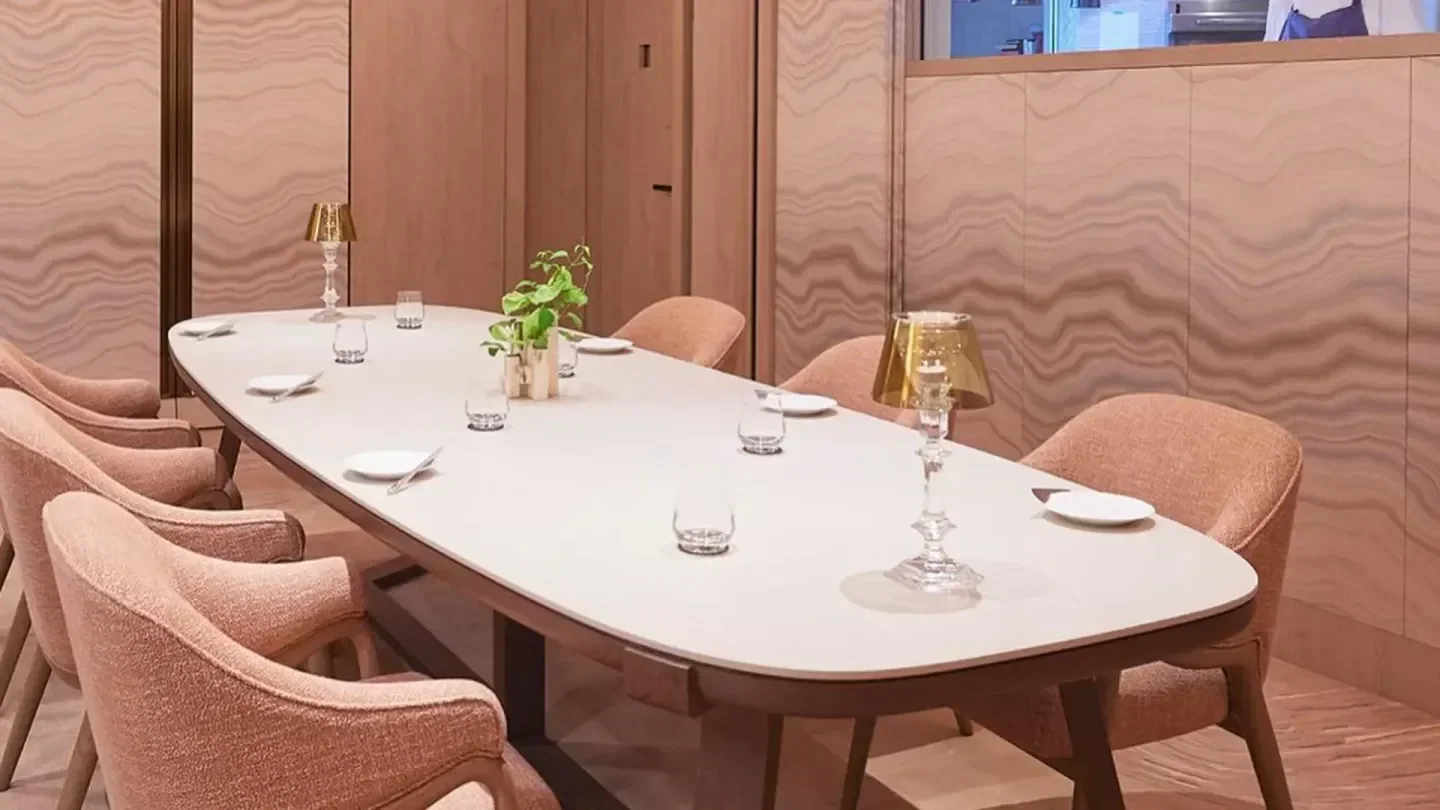
Fotos: SÉZANNE
08.SÉZANNE
What is it? SÉZANNE sits in Chiyoda City, a short walk from the Mitsubishi Ichigokan Museum. It is a modern French restaurant that holds two Michelin stars and currently ranks as the best restaurant in Asia according to the 2024 Asia's 50 Best Restaurants list.
Why we love it: The restaurant balances creative techniques with the precision expected of its high-ranking status, distinguishing itself as a destination for those who value consistency in fine dining. With a number 14 ranking on The World's 50 Best Restaurants list, it successfully bridges the gap between classic French methodology and a contemporary global outlook.
Good to Know: Given the strict smart and elegant dress code, SÉZANNE is a venue that requires a polished aesthetic to match the formality of the dining room.
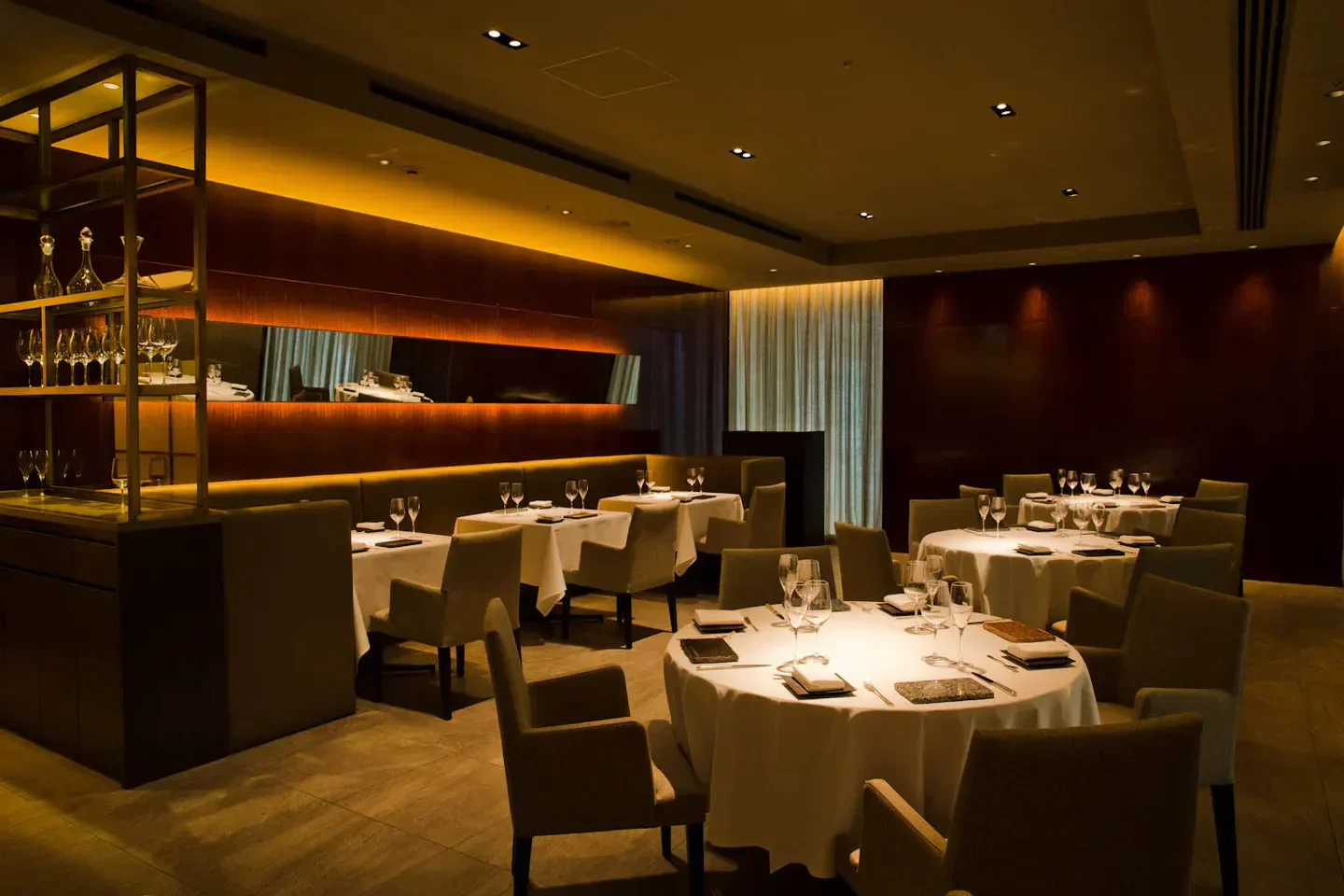
Fotos: Quintessence
09.Quintessence
What is it? Quintessence sits at 6 Chome-7-29 Kitashinagawa, roughly a fifteen-minute walk from the Meguro River and twenty minutes from Shinagawa Shrine. This restaurant holds three Michelin stars and ranks at number 60 on La Liste.
Why we love it: While many Tokyo establishments lean toward the traditional, Quintessence balances French techniques with local ingredients to justify its place in the upper tier of the city's fine dining. With a guest rating of 4.68 from 833 reviews, it is a rare instance where the high price point aligns with sustained critical recognition.
Good to Know: The kitchen’s commitment to the intersection of French and Japanese fusion means the menu changes constantly; bring a jacket, as the smart and elegant dress code is strictly observed in this formal dining room.
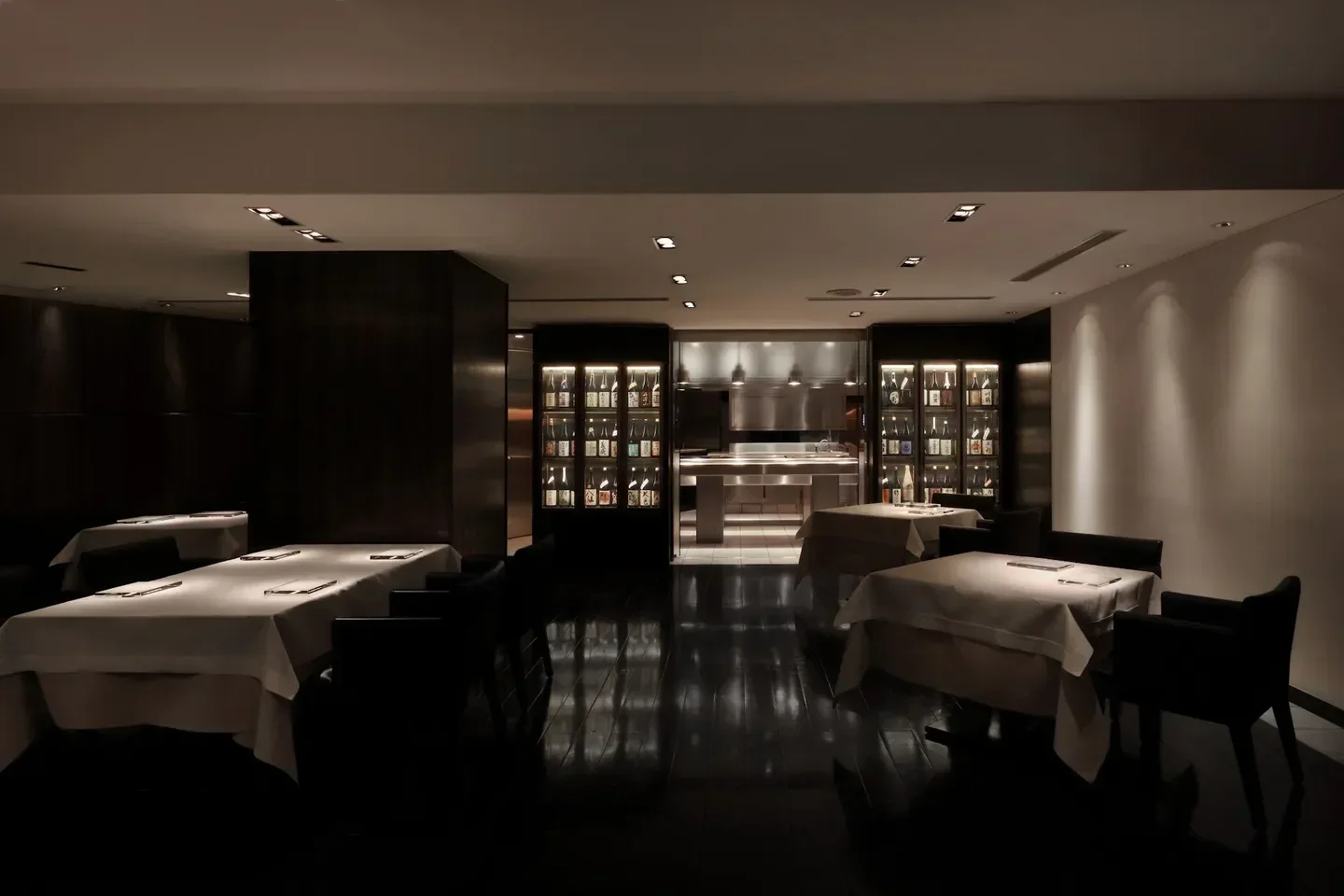
Fotos: Narisawa
10.Narisawa
What is it? Narisawa is a contemporary restaurant on 2 Chome-6-15 Minamiaoyama in Minato City. It holds two Michelin stars and ranks as number 13 on the Asia’s 50 Best Restaurants list.
Why we love it: While many Tokyo establishments lean on tradition, Narisawa earns its place on the global stage—holding the number 55 spot on The World's 50 Best Restaurants list—by prioritizing a creative approach to Japanese cuisine. It remains a rare destination that justifies its high price tier by balancing technical rigor with a thoughtful, luxury environment.
Good to Know: The creative menu at Narisawa often interprets the Japanese landscape through seasonal ingredients, so ensure your wardrobe meets the smart and elegant dress code before arriving for the experience.