À Tokyo, le paradoxe du choix n'est pas une théorie. C'est un obstacle logistique. Vous ne choisissez pas seulement entre un ramen et un omakase. Vous naviguez dans un labyrinthe d'évaluations Tablelog et de fenêtres de réservation trois mois à l'avance. La ville abrite plus de 160 000 restaurants. Les places les plus convoitées disparaissent avant que le soleil ne se couche sur le mois précédent.
La scène se débarrasse enfin de sa réputation rigide. Chez WAGYUMAFIA, le grand spectacle et le bœuf de haute qualité transforment le dîner en une performance de haute énergie. Pendant ce temps, Nœud. TOKYO redéfinit l'empreinte culinaire de la ville avec une perspective éco-responsable et d'inspiration française. Vous pourriez rechercher la sobriété calme et saisonnière de Kaiseki Ohara ou l'intensité fumée de Hakuun. Chacun nécessite une stratégie distincte. L'accès reste la monnaie locale ultime.
Les sélections suivantes représentent le pouls actuel de la ville. Commencez par ces quatre-là.
Photos : WAGYUMAFIA
01.WAGYUMAFIA
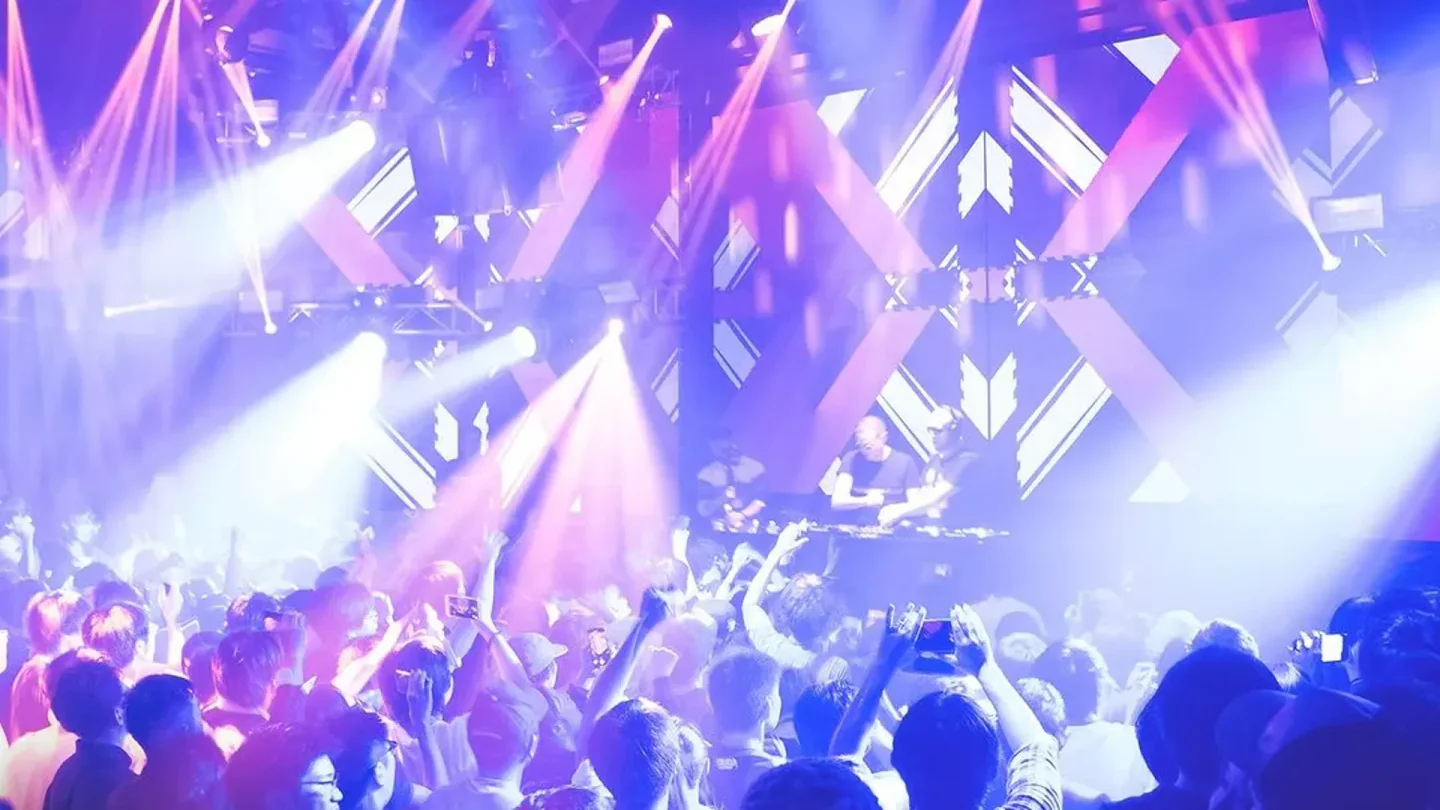
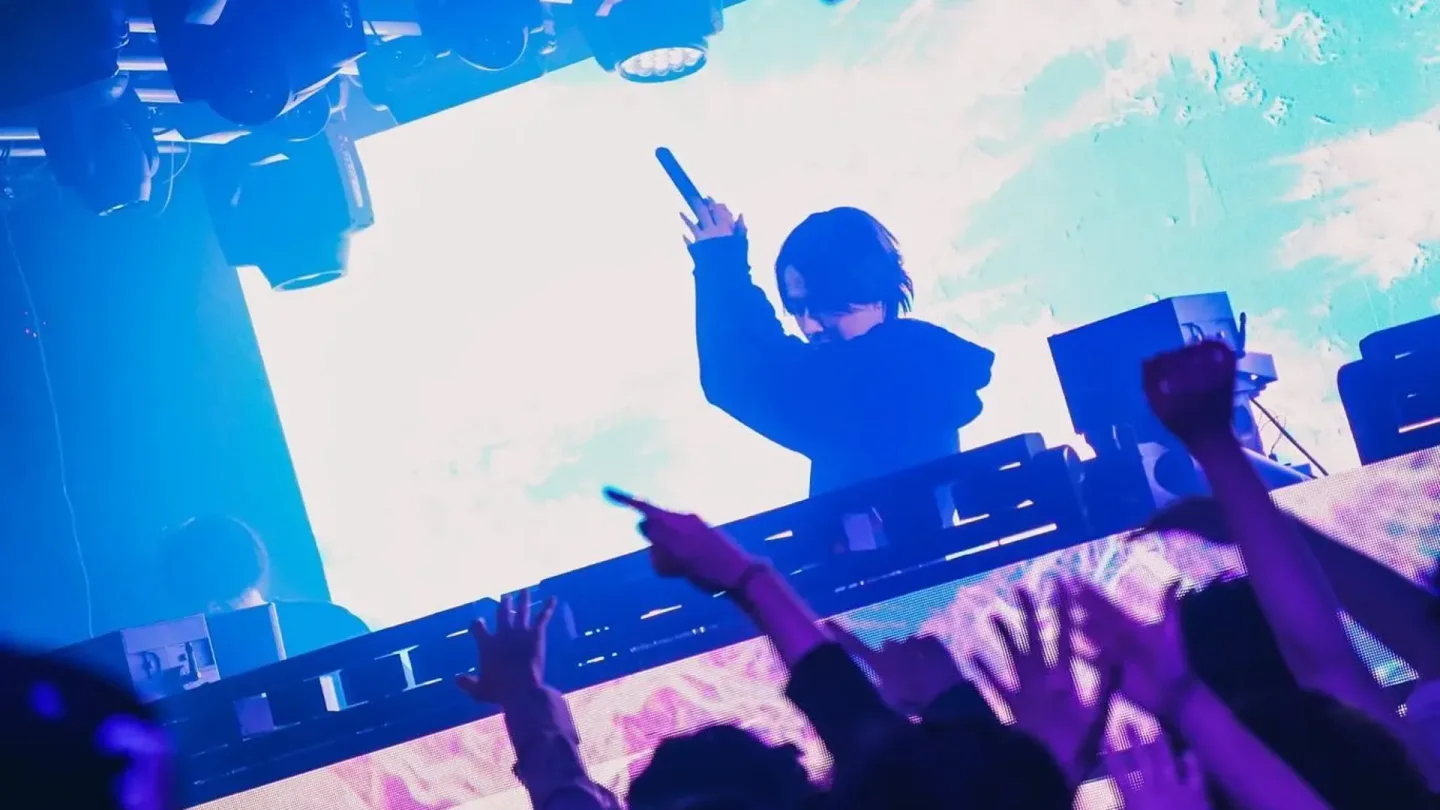
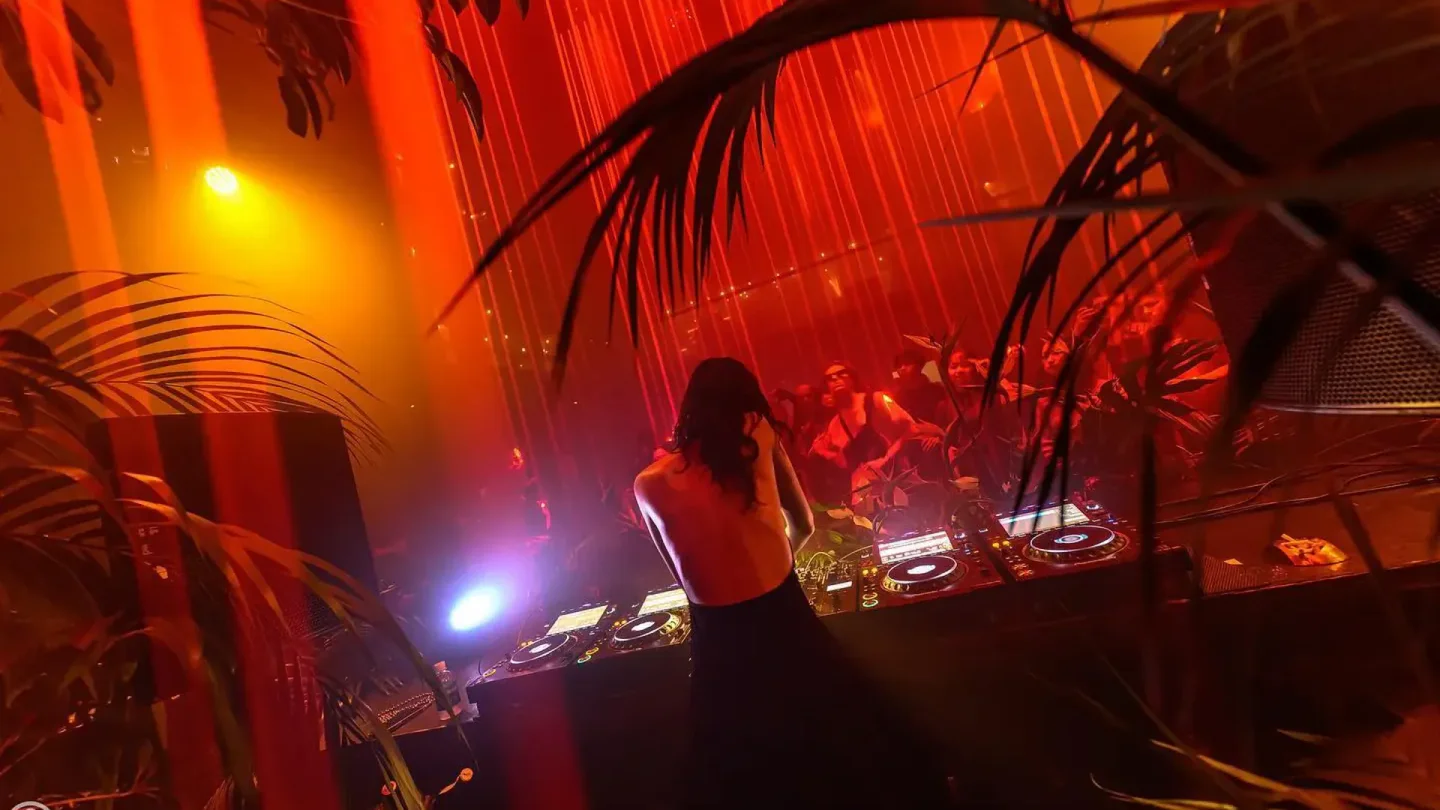
Qu'est-ce que c'est ? WAGYUMAFIA est un restaurant tokyoïte à forte énergie qui troque la tradition tranquille pour une pulsation audacieuse et moderne. La salle vibre d'une intensité spécifique qui vous frappe dès que vous franchissez le seuil. Il fonctionne comme une scène à haut régime pour une expérience wagyu spécialisée.
Pourquoi nous l'adorons : Le personnel traite chaque plat avec une intensité qui frise la performance artistique. Ils bougent avec une précision répétée qui maintient la salle en effervescence. Le wagyu arrive à table tandis que l'énergie de la foule reste à un pic constant et bruyant.
Bon à savoir : La présentation théâtrale signature chez WAGYUMAFIA se déroule avec presque tous les plats, alors gardez votre appareil photo prêt pour l'action à haute vitesse.
Photos : Ginza Shinohara
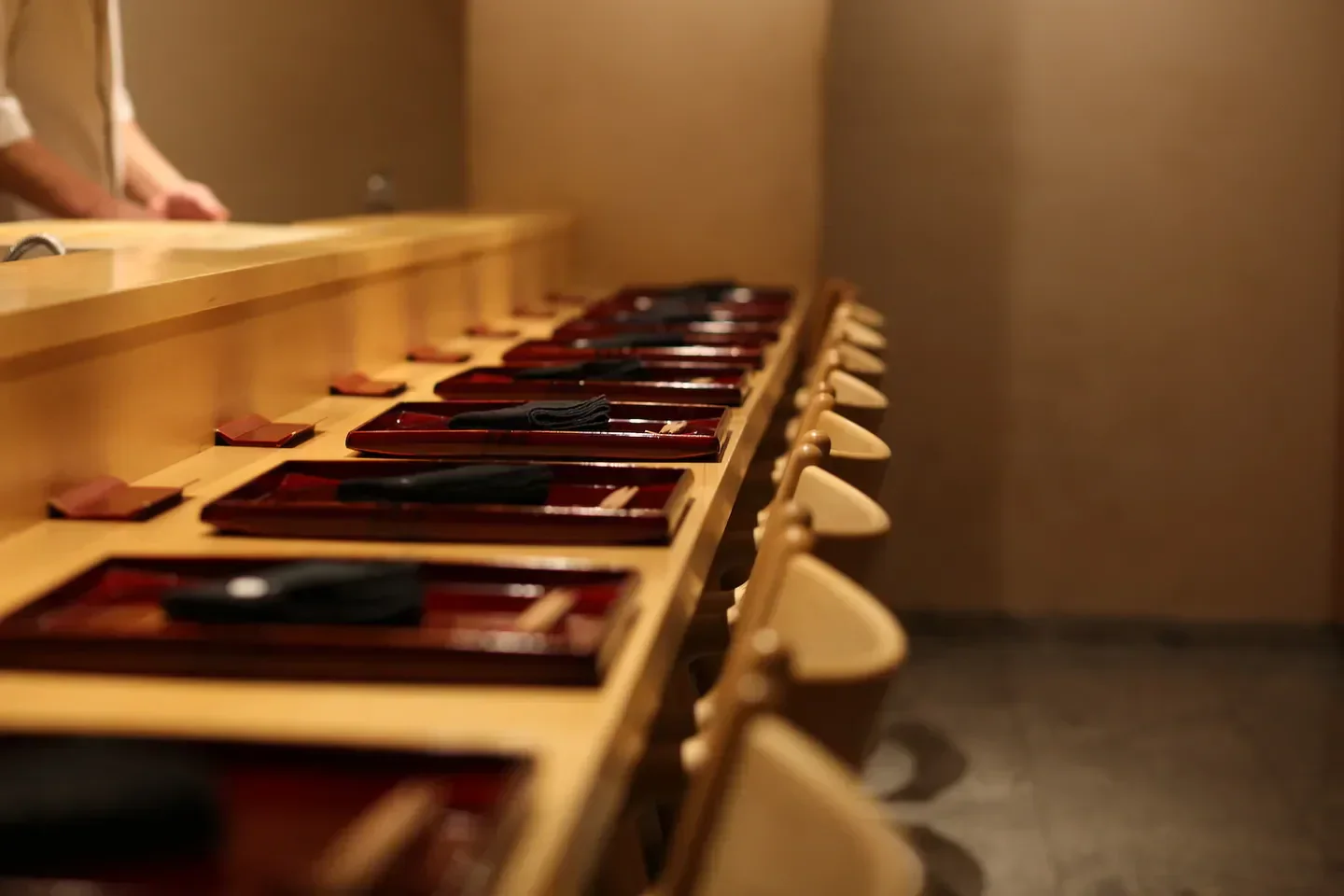
02.Ginza Shinohara
What is it? Ginza Shinohara sits at 2 Chome-8-17 Ginza, a short walk from the local shopping district and 600 meters from the Kabuki-za Theatre. This restaurant holds two Michelin stars and maintains a spot on the La Liste rankings.
Why we love it: While many tables in this district lean into high-volume service, Ginza Shinohara prioritizes the quiet precision of traditional Japanese techniques. Its high guest rating reflects a commitment to a standard that commands a significant premium, making it a fitting choice for those seeking a secluded, romantic environment within a dense urban landscape.
Good to Know: Given the intense focus on traditional sushi and Japanese preparation at Ginza Shinohara, guests should expect an evening that follows a deliberate, rhythmic pace.
Photos : Daigo
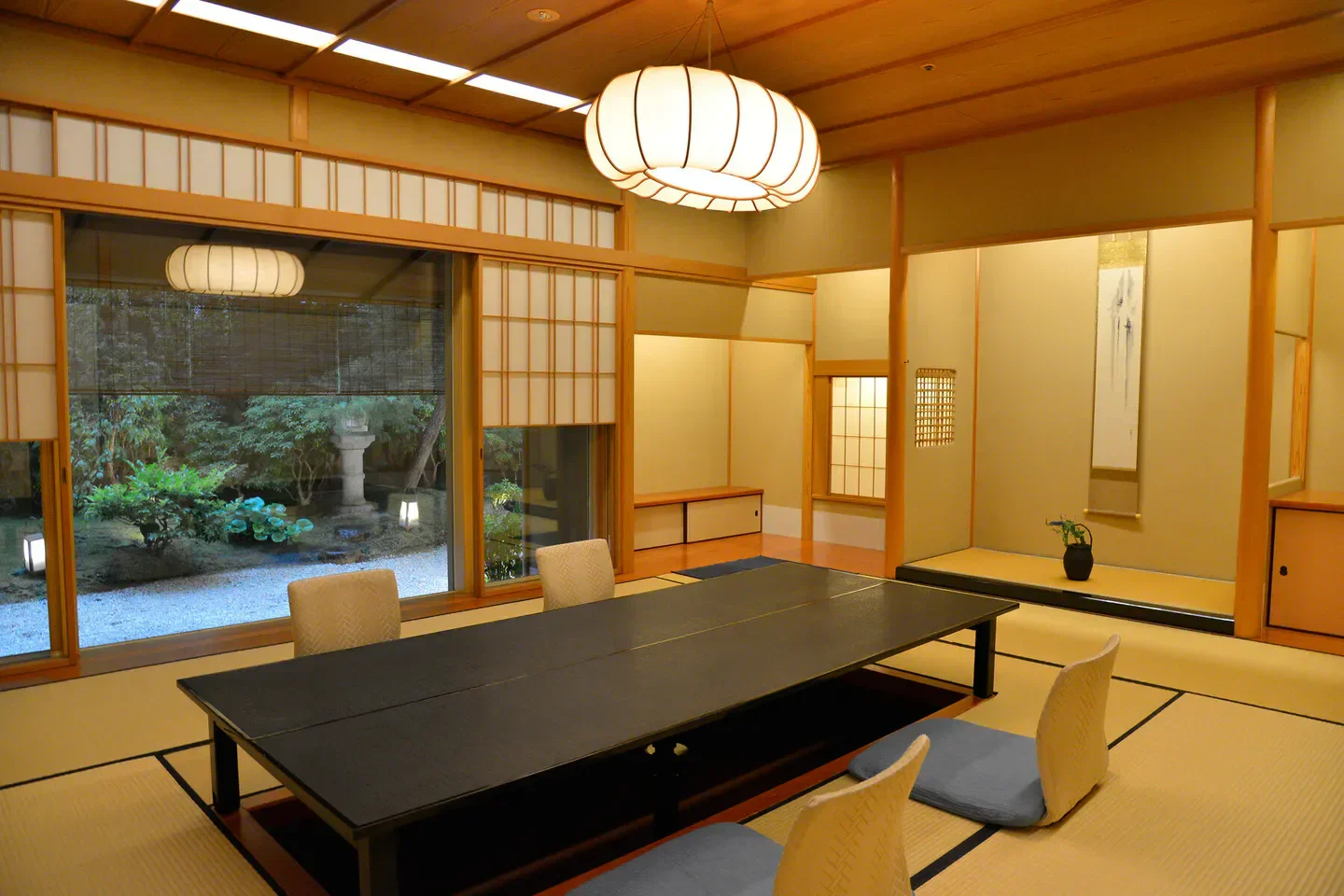
03.Daigo
What is it? Daigo is a Minato City restaurant that holds a Michelin star. It sits a twenty-minute walk from Tokyo Tower and is situated just over two kilometers from the Hama-rikyu Gardens.
Why we love it: The kitchen focuses on traditional Japanese and sushi preparations that justify its luxury price point. With nearly 300 guests rating the experience at 4.72, it remains a rare, consistent choice for those prioritizing a formal atmosphere near the Roppongi Hills orbit.
Good to Know: Daigo requires a smart and elegant dress code to match the tone of its fine dining service.
Photos : Shirosaka
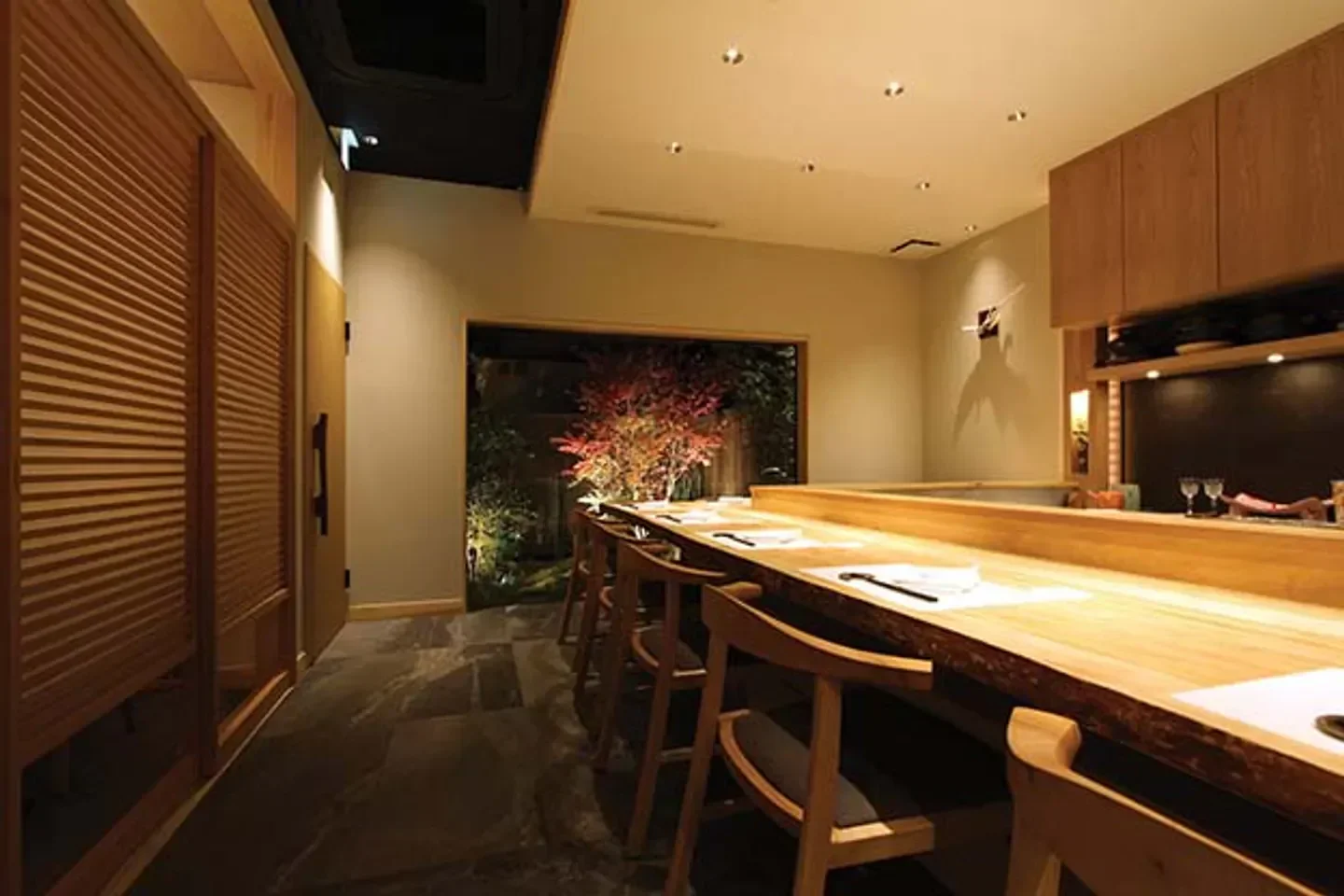
04.Shirosaka
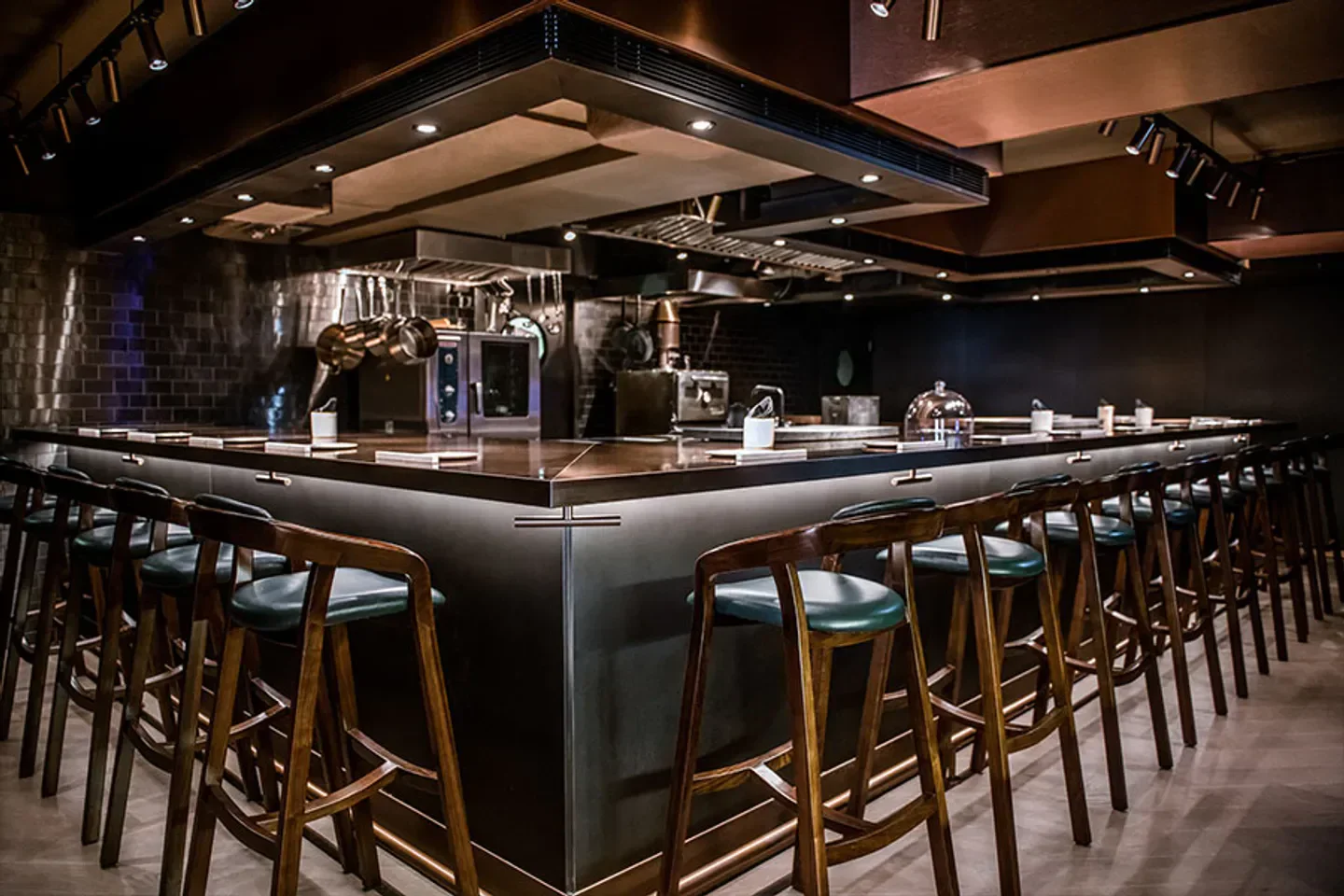
Qu'est-ce que c'est ? Shirosaka est une retraite paisible loin du bourdonnement néon de Tokyo. Ce restaurant privilégie un sentiment de calme, où la première chose que vous remarquez est l'énergie délibérée et concentrée de la pièce. C'est un espace conçu pour ceux qui apprécient l'art du repas sans les distractions d'une salle à manger bondée.
Pourquoi nous l'aimons : La cuisine opère avec une grâce rythmique qui transforme la soirée en une performance constante et vivante. Vous regardez les chefs exécuter chaque étape avec des mains discrètes et une concentration aiguisée. C'est une expérience intime qui donne l'impression d'être invité dans un atelier culinaire privé.
Bon à savoir : Prévoyez une soirée tranquille à Shirosaka, car la cuisine rythme le repas pour laisser aux saveurs de la saison le temps de s'exprimer pleinement.
Photos : L'Effervescence
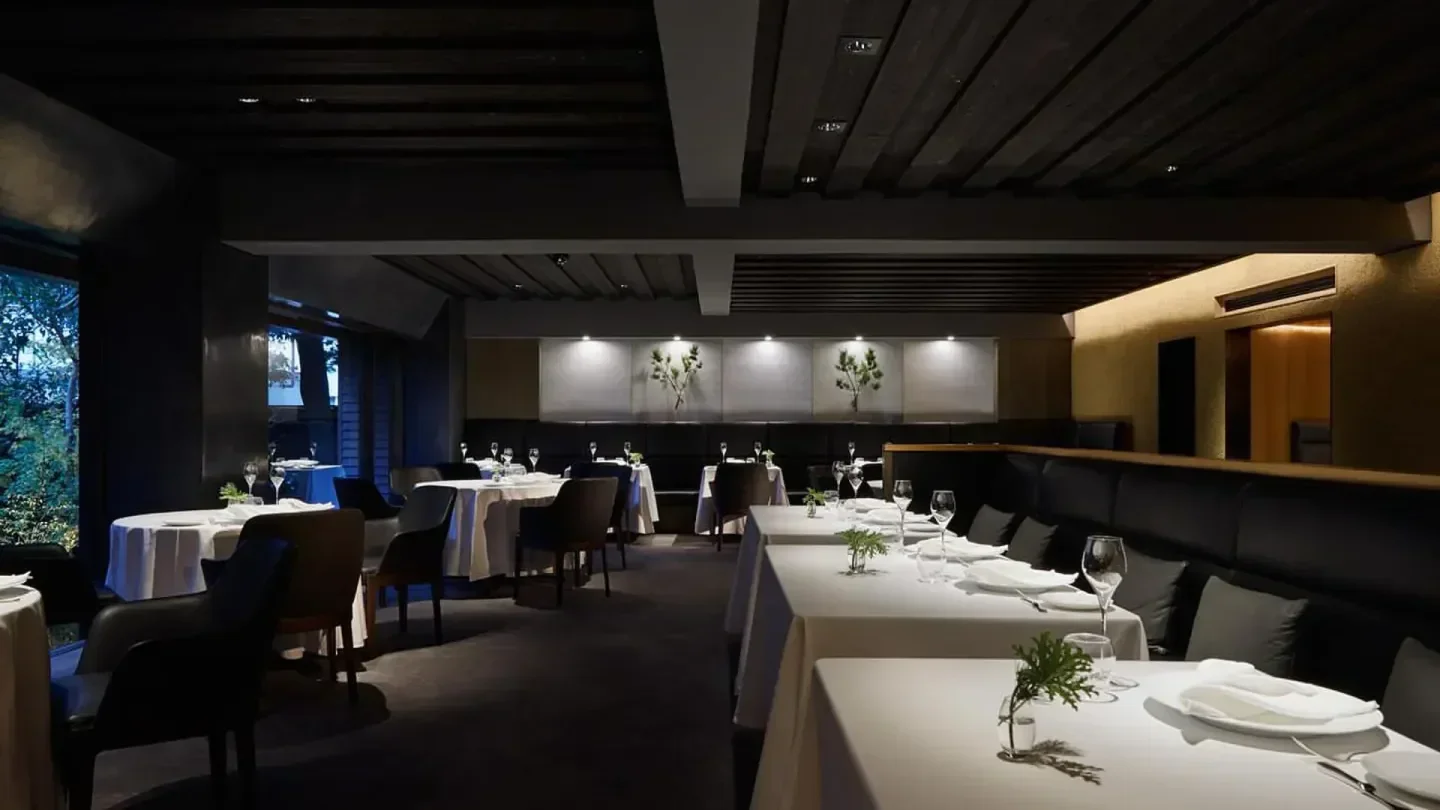
05.L'Effervescence
What is it? L'Effervescence sits on 2 Chome-26-4 Nishiazabu, a fifteen-minute walk from the National Art Center, Tokyo. The restaurant holds three Michelin stars and ranks no. 50 on the Asia's 50 Best Restaurants list.
Why we love it: It manages an expensive, high-end price point while maintaining a guest rating of 4.76 from 889 reviews, a rarity for a venue balancing French and Japanese fusion techniques. Unlike the larger, louder dining rooms near Roppongi Hills, this space leans into a quiet, romantic fine-dining experience.
Good to Know: The kitchen’s French and Japanese fusion approach requires a smart and elegant dress code, so plan your attire accordingly for the evening.
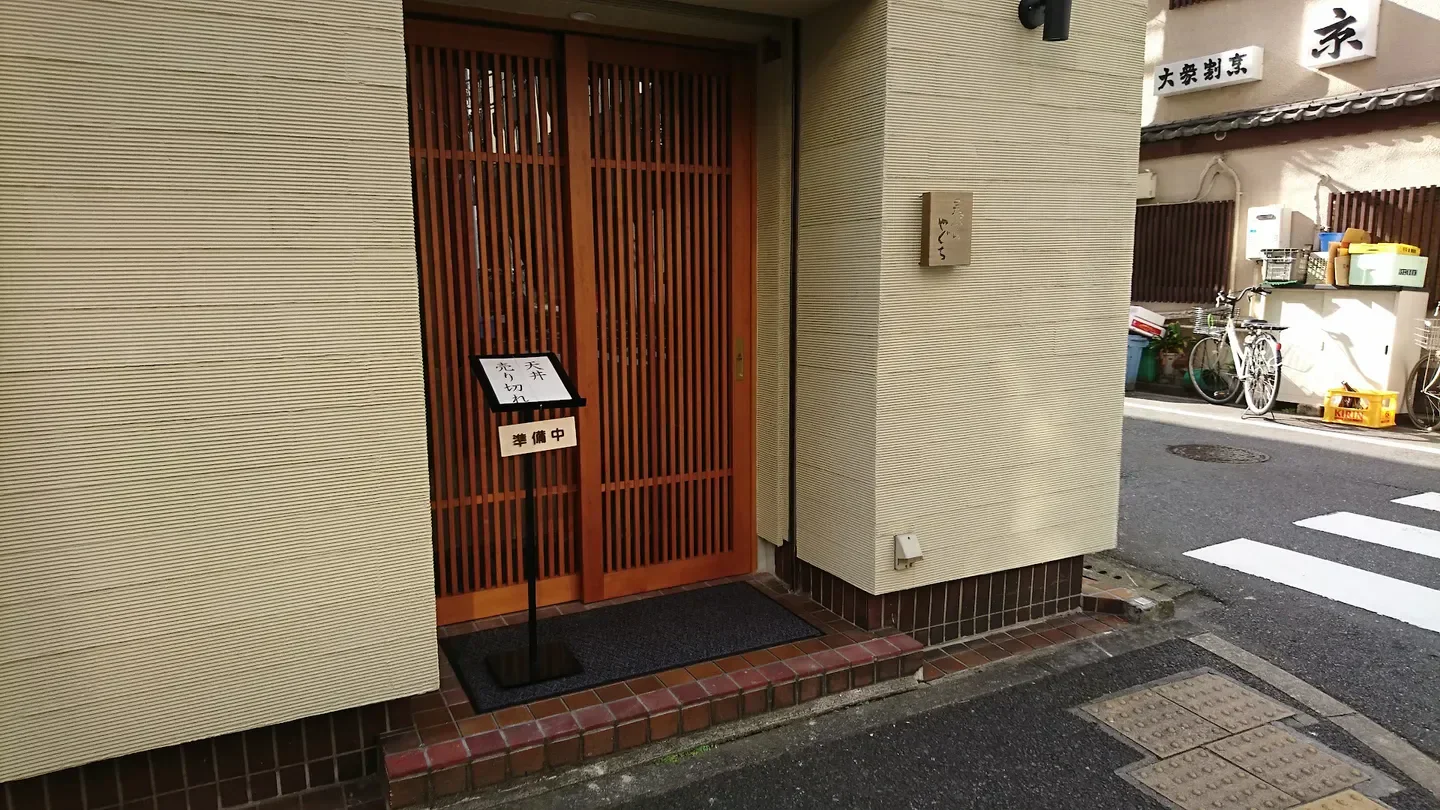
Photos : Tempura Yaguchi
06.Tempura Yaguchi
What is it? Tempura Yaguchi sits in Nihonbashiningyocho, a ten-minute walk from the Mitsukoshi Main Store. This Michelin-starred restaurant specializes in traditional Japanese seafood tempura.
Why we love it: While many establishments in the Nihonbashi area favor heavy foot traffic, Tempura Yaguchi secures its status through a quieter, luxury-focused fine dining experience. The 4.60 rating from 62 reviews underscores a consistency that draws diners away from the nearby COREDO Muromachi Terrace crowds.
Good to Know: Given the romantic, intimate setting, ensure your attire meets the smart and elegant dress code before heading out to this Nihonbashiningyocho destination.
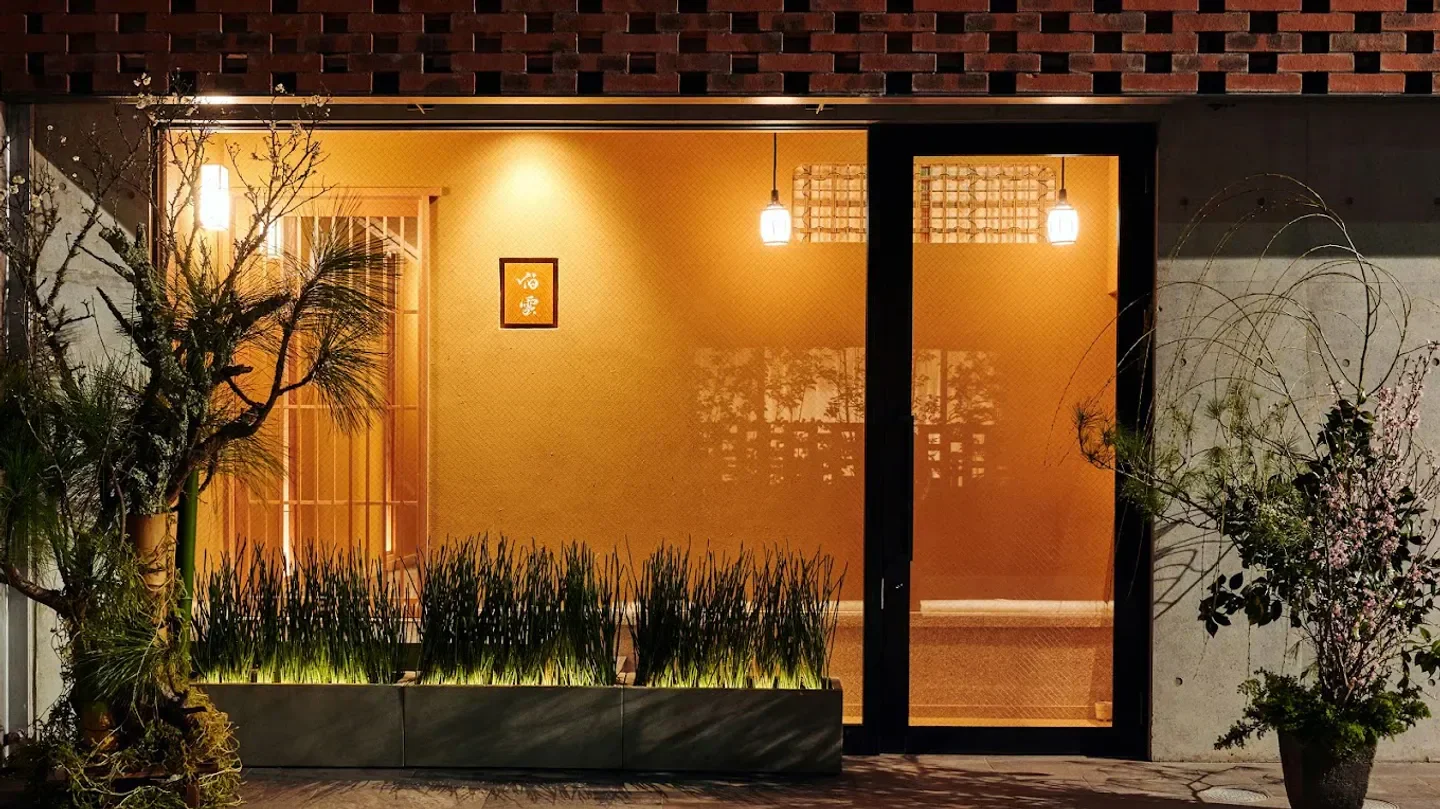
Photos : Hakuun
07.Hakuun
Qu’est-ce que c’est ? Hakuun incarne le summum de la gastronomie à Tokyo. L’espace, intime et feutré, met parfaitement en lumière l’art du sushi japonais contemporain.
Pourquoi on adore : Une étoile Michelin souligne la précision derrière chaque geste en cuisine. L’atmosphère est résolument romantique, ce qui en fait un lieu idéal pour laisser la conversation s’installer au rythme de la découpe du poisson.
Bon à savoir : Le menu sushi contemporain de Hakuun exige toute votre attention ; prévoyez de mettre votre téléphone de côté pour vous laisser porter par le tempo imposé par le chef.
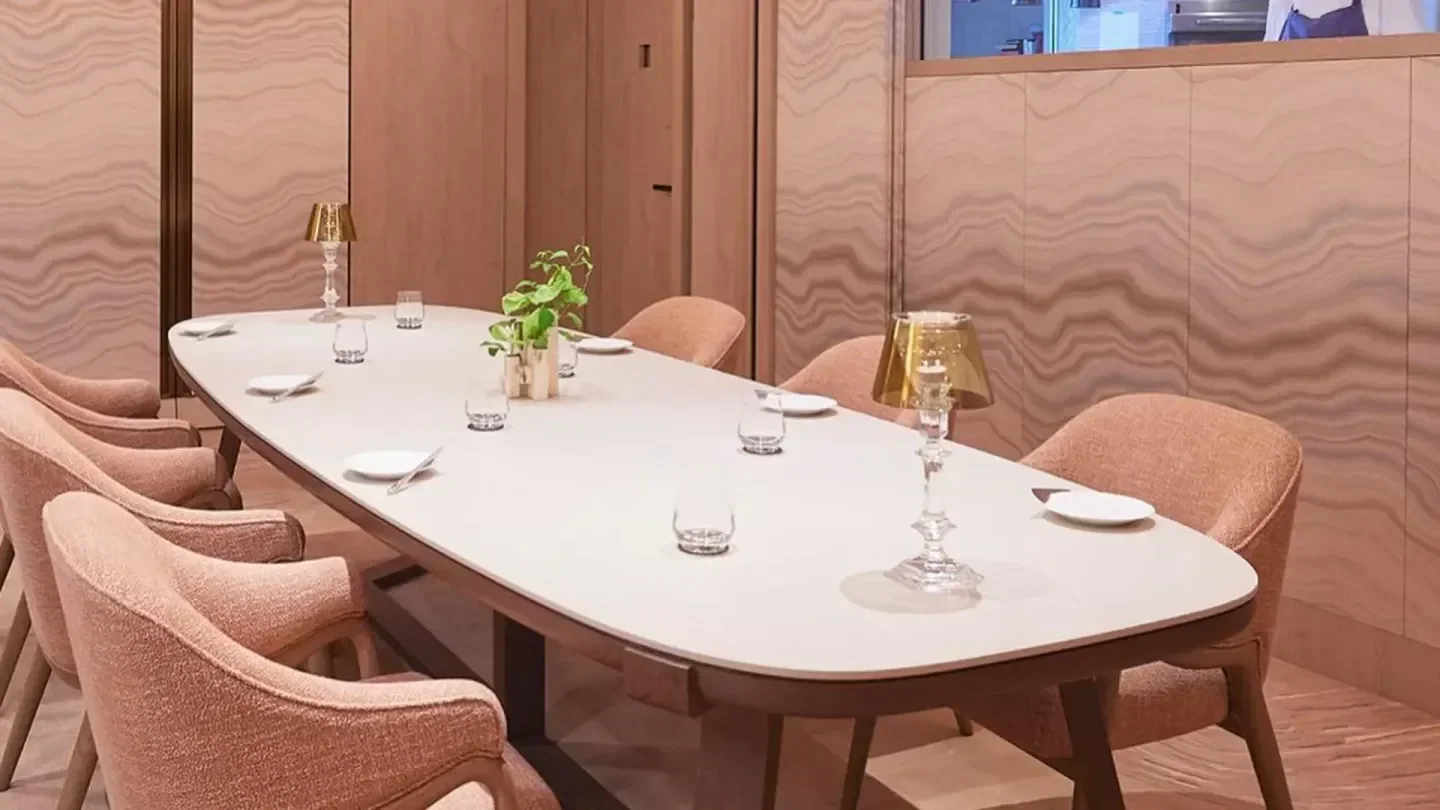
Photos : SÉZANNE
08.SÉZANNE
What is it? SÉZANNE sits in Chiyoda City, a short walk from the Mitsubishi Ichigokan Museum. It is a modern French restaurant that holds two Michelin stars and currently ranks as the best restaurant in Asia according to the 2024 Asia's 50 Best Restaurants list.
Why we love it: The restaurant balances creative techniques with the precision expected of its high-ranking status, distinguishing itself as a destination for those who value consistency in fine dining. With a number 14 ranking on The World's 50 Best Restaurants list, it successfully bridges the gap between classic French methodology and a contemporary global outlook.
Good to Know: Given the strict smart and elegant dress code, SÉZANNE is a venue that requires a polished aesthetic to match the formality of the dining room.
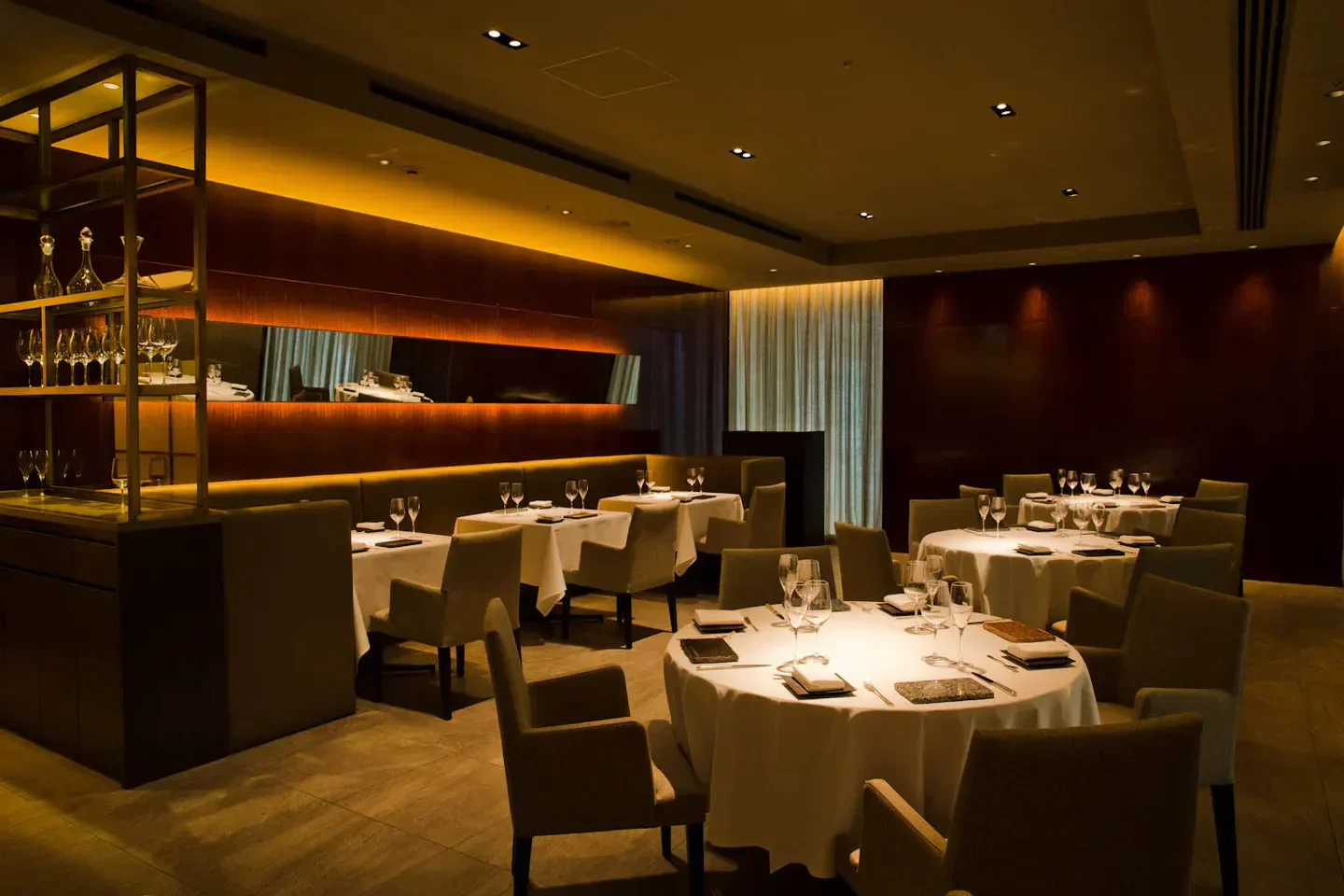
Photos : Quintessence
09.Quintessence
What is it? Quintessence sits at 6 Chome-7-29 Kitashinagawa, roughly a fifteen-minute walk from the Meguro River and twenty minutes from Shinagawa Shrine. This restaurant holds three Michelin stars and ranks at number 60 on La Liste.
Why we love it: While many Tokyo establishments lean toward the traditional, Quintessence balances French techniques with local ingredients to justify its place in the upper tier of the city's fine dining. With a guest rating of 4.68 from 833 reviews, it is a rare instance where the high price point aligns with sustained critical recognition.
Good to Know: The kitchen’s commitment to the intersection of French and Japanese fusion means the menu changes constantly; bring a jacket, as the smart and elegant dress code is strictly observed in this formal dining room.
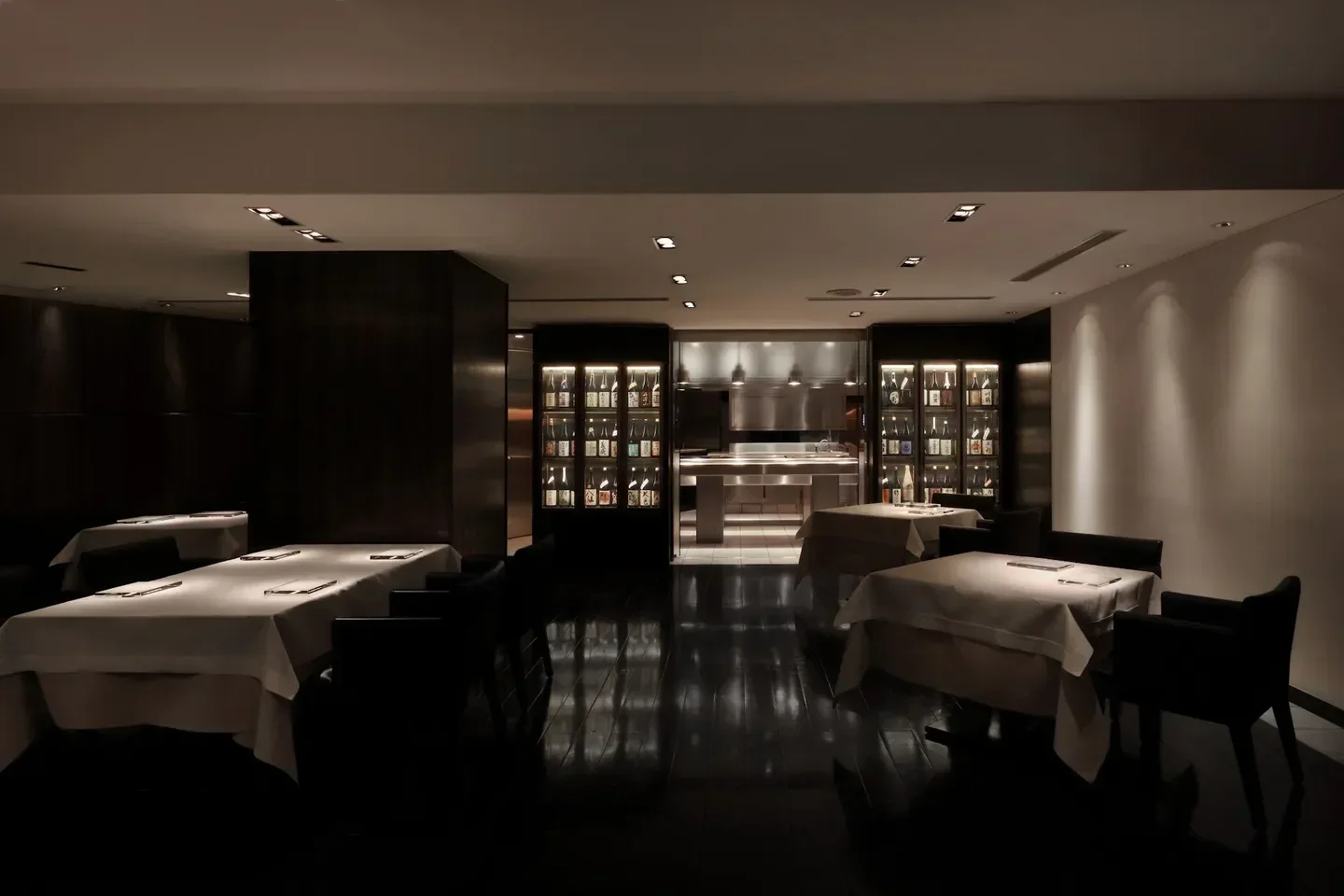
Photos : Narisawa
10.Narisawa
What is it? Narisawa is a contemporary restaurant on 2 Chome-6-15 Minamiaoyama in Minato City. It holds two Michelin stars and ranks as number 13 on the Asia’s 50 Best Restaurants list.
Why we love it: While many Tokyo establishments lean on tradition, Narisawa earns its place on the global stage—holding the number 55 spot on The World's 50 Best Restaurants list—by prioritizing a creative approach to Japanese cuisine. It remains a rare destination that justifies its high price tier by balancing technical rigor with a thoughtful, luxury environment.
Good to Know: The creative menu at Narisawa often interprets the Japanese landscape through seasonal ingredients, so ensure your wardrobe meets the smart and elegant dress code before arriving for the experience.