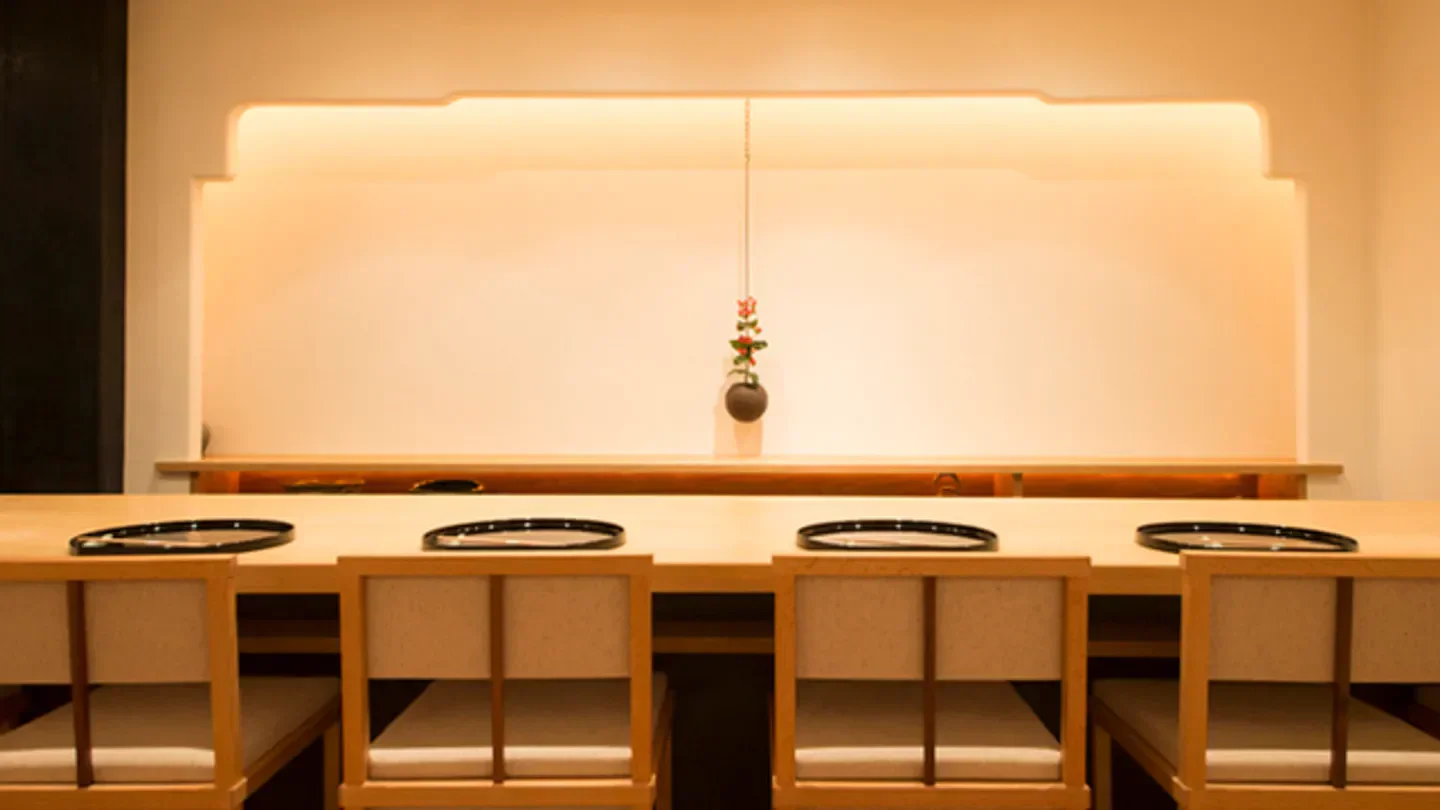
Dîner à Tokyo demande plus qu'une carte. Il faut déchiffrer un code. Avec plus de 150 000 restaurants, la ville ne se contente pas de vous nourrir. Elle exige votre attention totale. On ne se contente pas de "sortir dîner". Vous vous engagez sur une réservation trois mois à l'avance et un sous-genre spécifique de vinaigre de riz. La logistique de Ginza ou les ruelles feutrées d'Akasaka paralysent souvent même les gourmets les plus expérimentés.
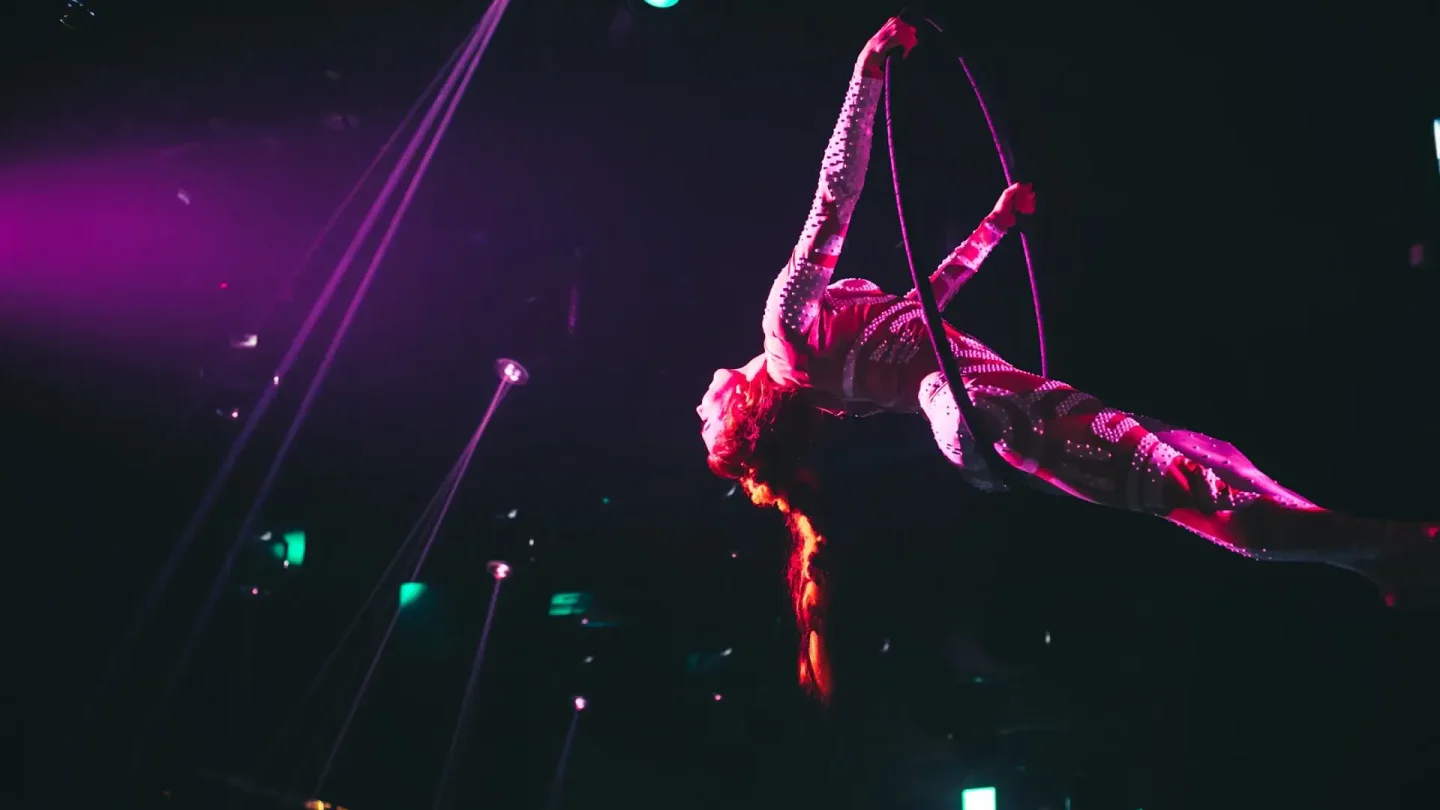
La scène prospère grâce à l'hyper-spécialisation et à l'intimité extrême. Une nuit, vous entrez dans le théâtre à haute énergie de WAGYUMAFIA. La nuit suivante, Kaiseki Ohara offre une étude tranquille et disciplinée de la saisonnalité. Des lieux comme Hakuun et Ginza Kousui redéfinissent l'expérience du service au comptoir avec une précision chirurgicale. La plupart de ces salles accueillent moins de dix personnes. Les chefs ne se contentent pas de cuisiner. Ils se produisent pour un public arrivé exactement à 19h00.
Le succès ici exige une stratégie face à la quête incessante de perfection de la ville. Commencez par ceux-ci.
Photos : WAGYUMAFIA
01.WAGYUMAFIA
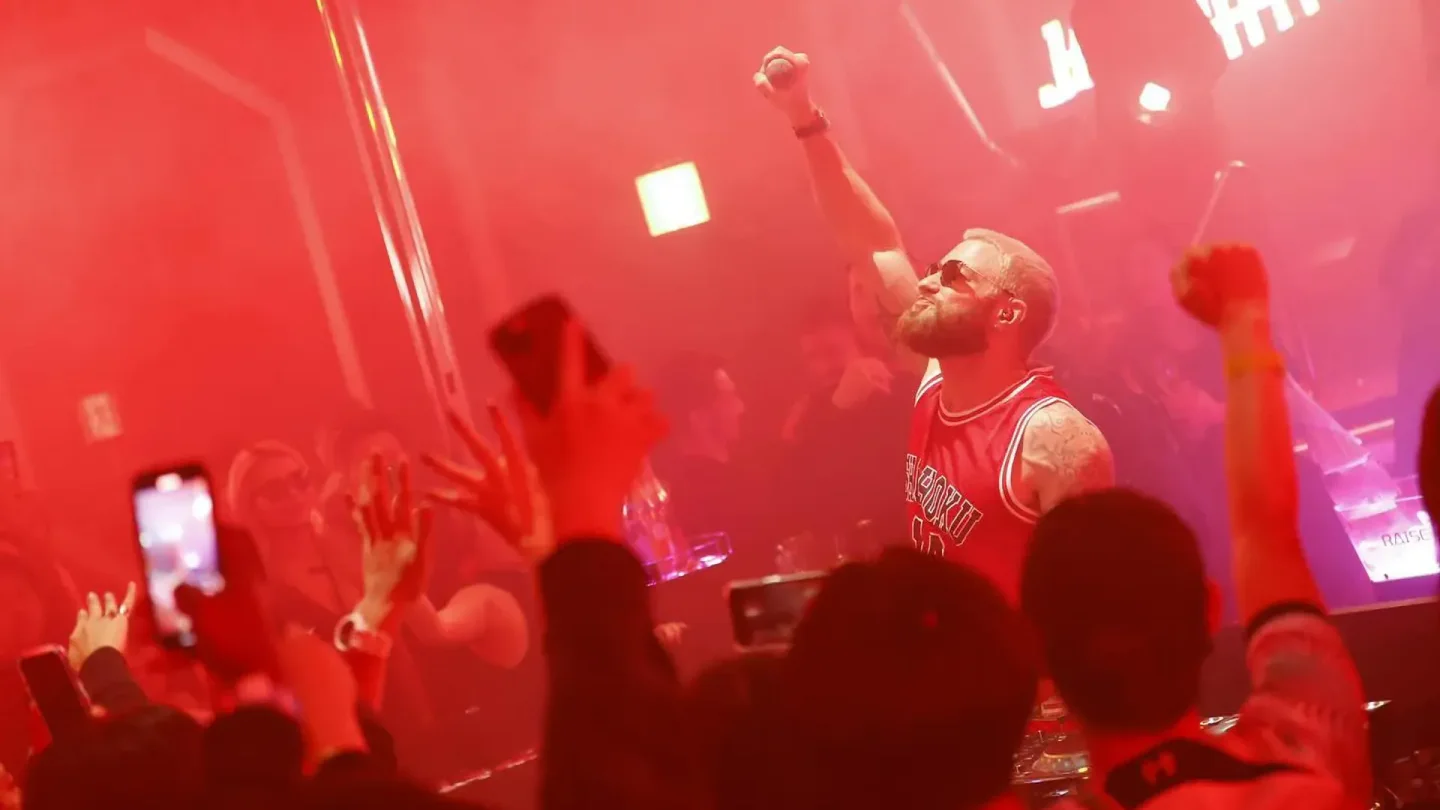
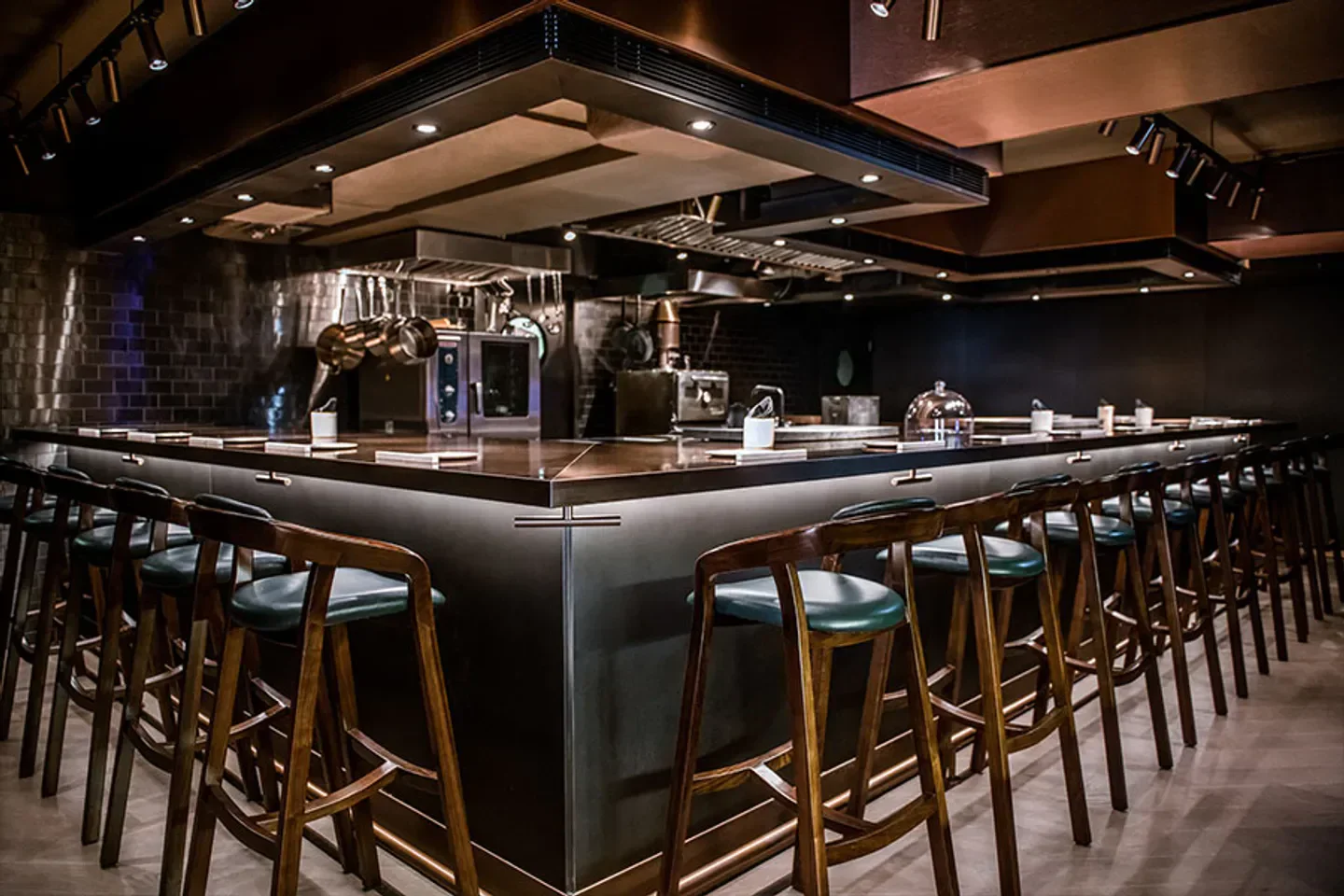
Qu'est-ce que c'est ? WAGYUMAFIA est un restaurant de Tokyo à haut régime. Il troque le raffinement discret pour une énergie pure. Vous entrez dans un espace où le personnel opère avec une précision militaire et un objectif unique et partagé. On se sent moins dans une salle à manger traditionnelle et plus dans un cercle intérieur de haute intensité.
Pourquoi on l'aime : L'énergie dans la salle change au moment où les chefs commencent leur performance. Des cris et des chants rythmés transforment un repas en un événement théâtral qui demande toute votre attention. C'est bruyant, sans excuses et vibre d'une atmosphère que vous ne trouverez nulle part ailleurs dans la ville.
Bon à savoir : Le service signature de WAGYUMAFIA utilise un style de présentation chorégraphié. Gardez votre appareil photo prêt pour chaque plat.
Photos : Sawada
02.Sawada
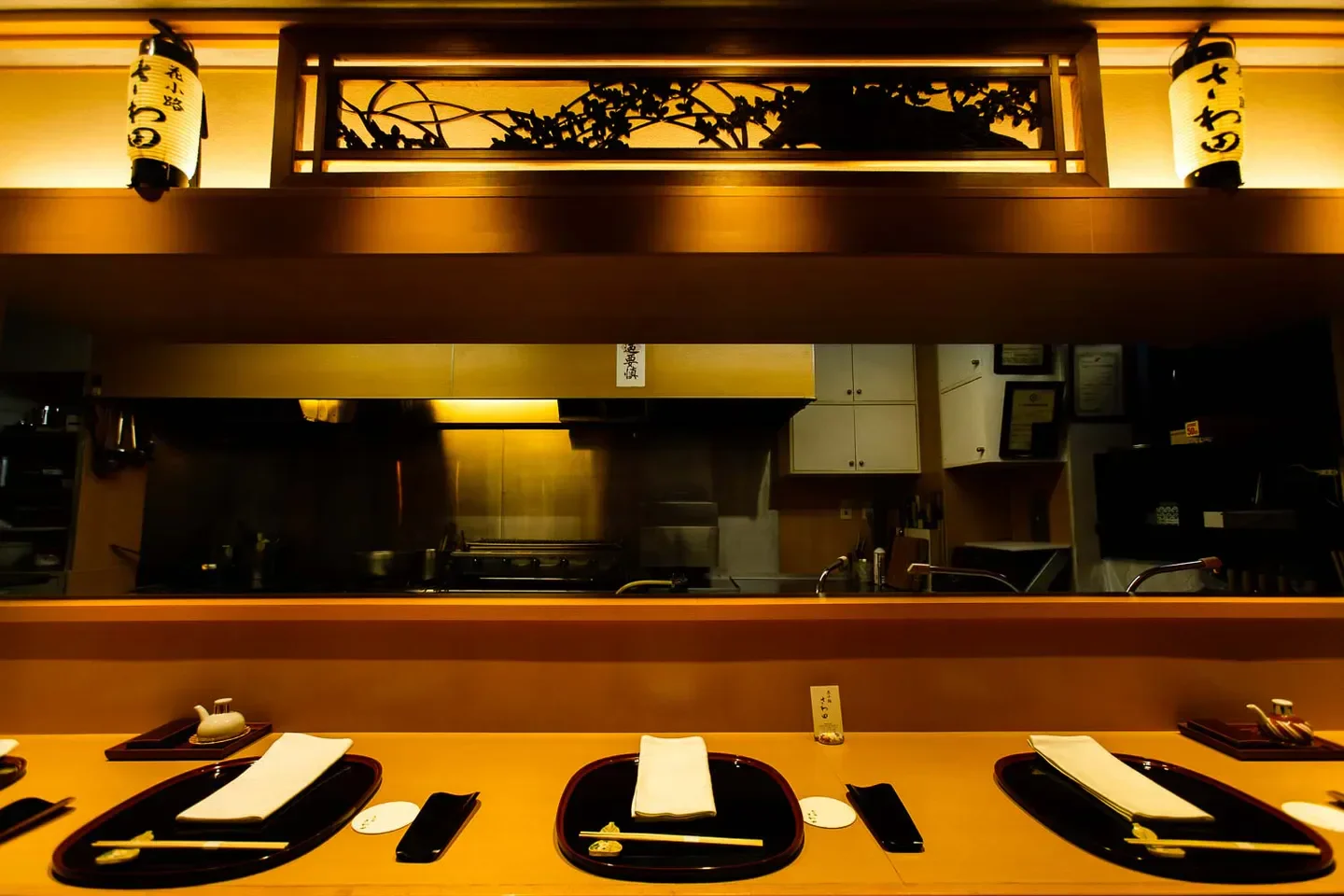
What is it? Sawada is a Michelin-starred sushi restaurant located on the fifth floor of the MC Building in Ginza. It holds the number 54 spot on the 2024 La Liste global ranking.
Why we love it: This is fine dining that favors precision over performance, earning a 4.81 guest rating for its dedication to traditional Japanese sushi technique. Its location—a short, three-minute walk from the Ginza shopping district and a manageable stroll from the Kabuki-za Theatre—makes it an accessible anchor for an afternoon in the area.
Good to Know: The smart and elegant dress code at Sawada matches the high price tier, so expect a formal atmosphere when you sit down for this specific style of Japanese sushi.
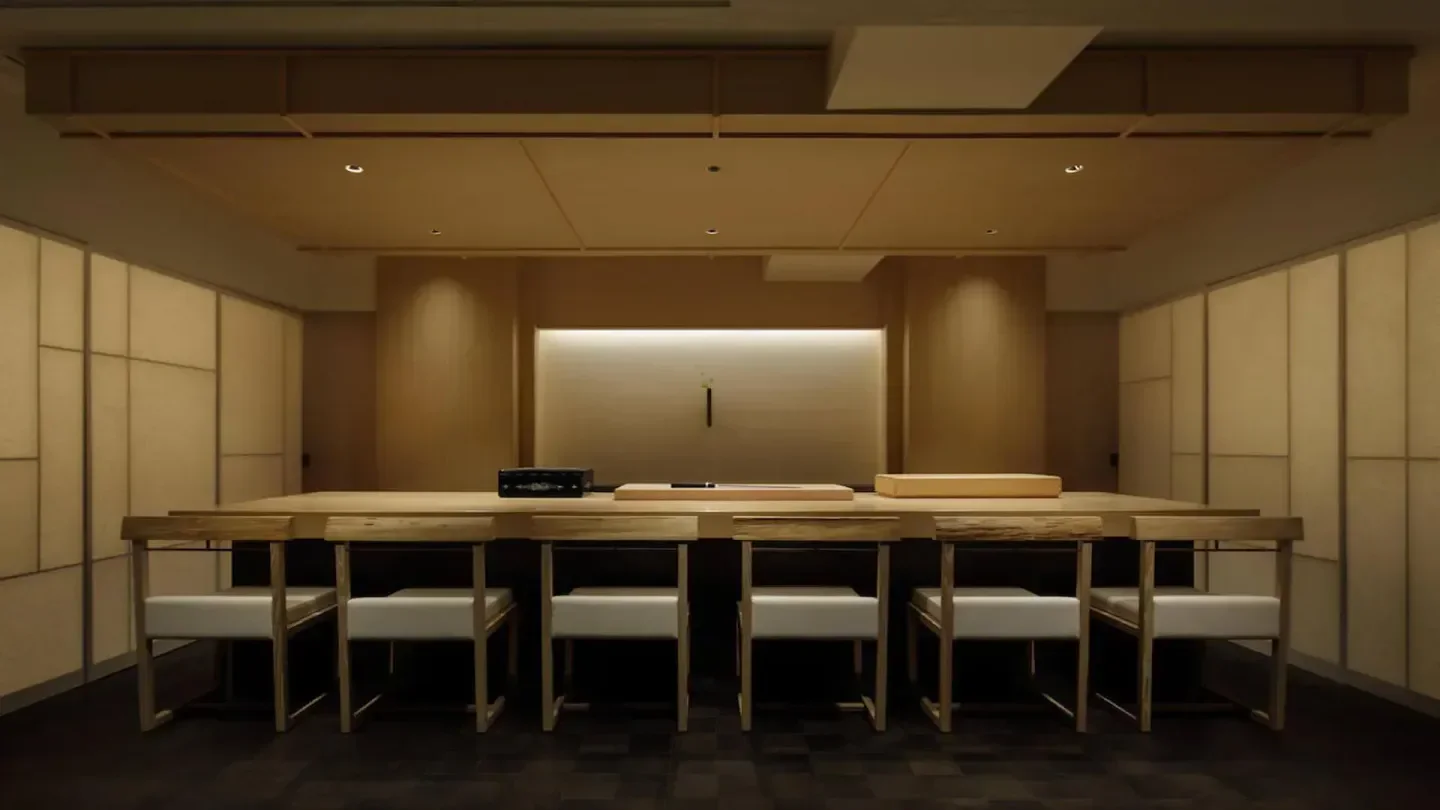
Photos : Hakkoku
03.Hakkoku
What is it? Hakkoku is a Michelin-starred destination in Ginza, specializing in Japanese sushi and seafood. It sits a four-minute walk from Ginza Six and is located roughly ten minutes by foot from the Kabuki-za Theatre.
Why we love it: The kitchen focuses on a high-end sushi experience that justifies its expensive price tag, evidenced by the 4.67 rating from 364 reviews. It manages to feel both private and intimate, offering a fine dining environment that remains consistently focused on the craft of its seafood preparations.
Good to Know: The smart and elegant dress code at Hakkoku matches the formality of its sushi service, so avoid casual footwear if you want to blend in with the regulars.
Photos : Makimura
04.Makimura
What is it? Makimura sits at 3 Chome-11-5 Minamioi, a ten-minute walk from Togoshi Park. It is a three-star Michelin restaurant in Tokyo that holds a place on the La Liste ranking of the world’s best venues.
Why we love it: This destination specializes in Japanese and seafood cuisine, balancing its status as a high-end luxury venue with a notably romantic atmosphere. It earns its reputation through precision rather than trend, catering to diners who prefer an intimate environment over the sprawling, crowded rooms found closer to Ōsaki Garden.
Good to Know: Given the strict smart and elegant dress code, Makimura is a departure from the casual, high-traffic dining options found within the nearby Tokyo Photographic Art Museum district.
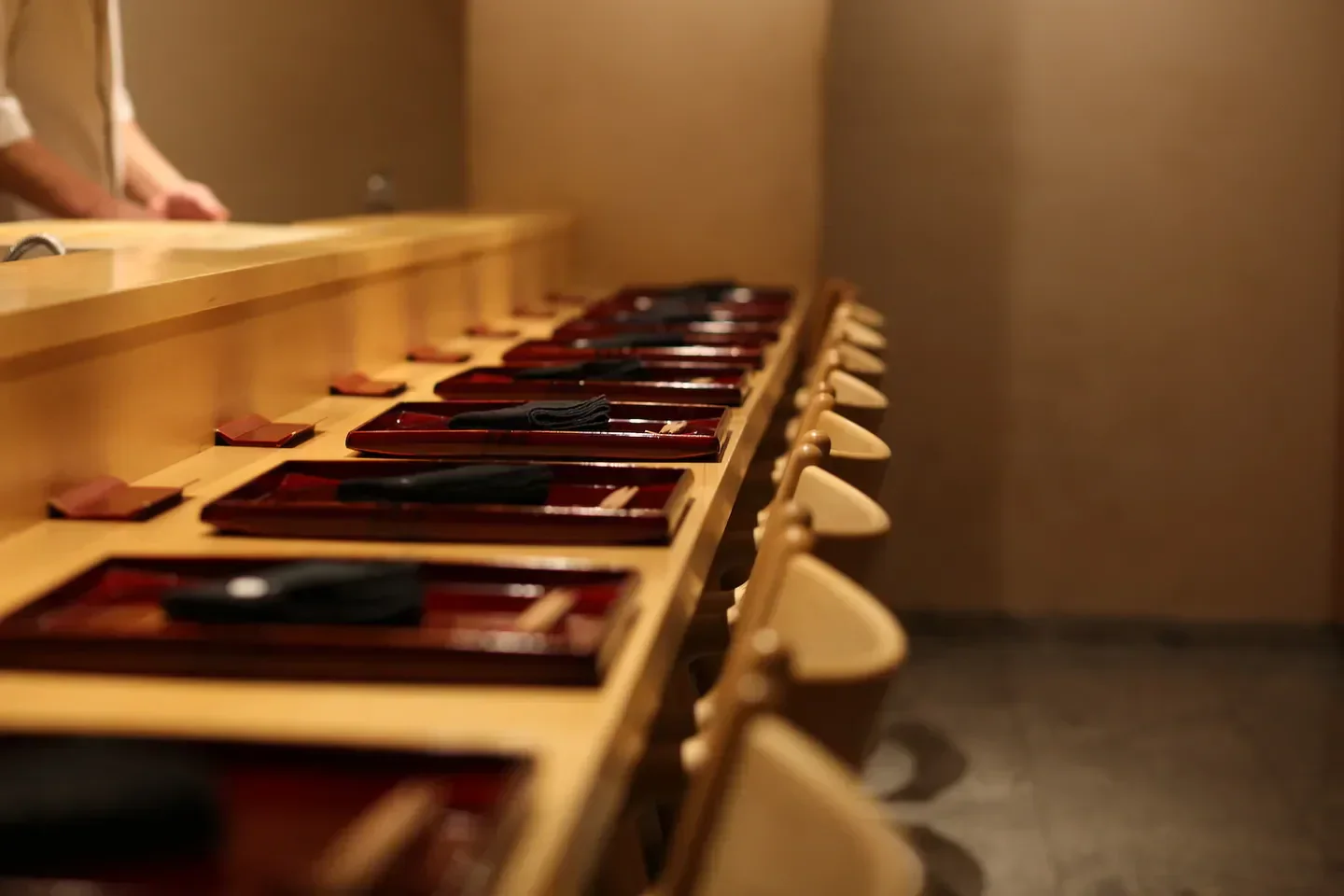
Photos : Ginza Shinohara
05.Ginza Shinohara
What is it? Ginza Shinohara sits at 2 Chome-8-17 Ginza, a six-minute walk from the Kabuki-za Theatre. This traditional Japanese and sushi restaurant holds two stars in the Michelin Guide and appears at number 58 on La Liste.
Why we love it: The kitchen’s commitment to traditional techniques earns high marks from diners, resulting in a 4.76 rating across hundreds of reviews. It avoids the trend-chasing clutter of the surrounding Ginza shopping district, offering a focused, luxury-tier dining experience that justifies its high price point.
Good to Know: The formal environment at Ginza Shinohara mandates a smart and elegant dress code, so save the casual layers for the nearby Hama-rikyu Gardens.
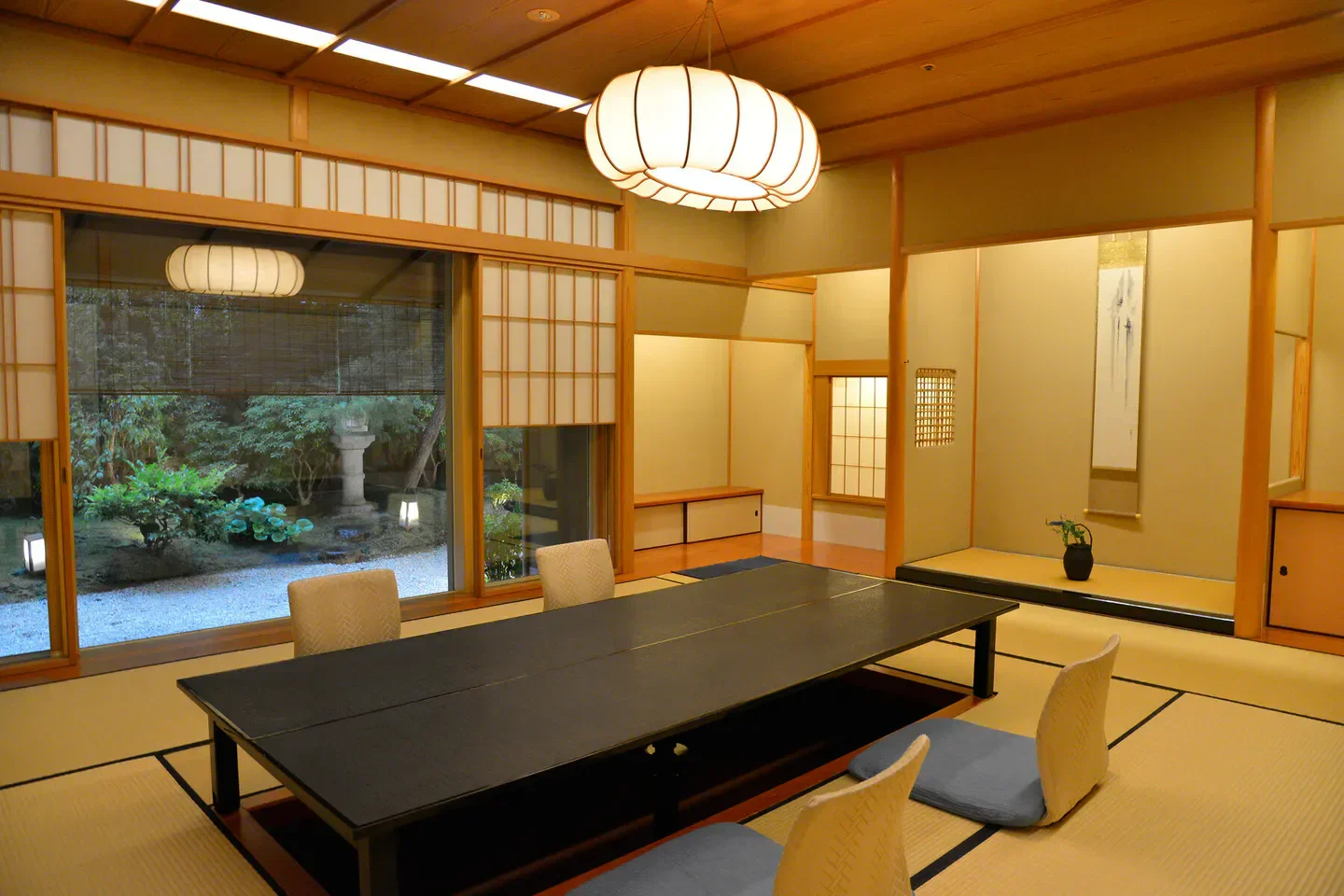
Photos : Daigo
06.Daigo
What is it? Daigo is a Michelin-starred destination in Minato City, located a twenty-minute walk from Tokyo Tower and roughly a twenty-five-minute walk from the Hama-rikyu Gardens. It operates as a luxury venue specializing in traditional Japanese cuisine.
Why we love it: The restaurant earns its high guest rating by pairing a rigorous traditional Japanese menu with an atmosphere that manages to be both fine dining and inherently romantic. It is one of the few high-end, high-price-tier options in the area that balances institutional status—including a current ranking from La Liste—with an intimate, elevated feel.
Good to Know: Daigo requires a smart and elegant dress code, so save the casual attire for your walk back toward the Roppongi Hills area.
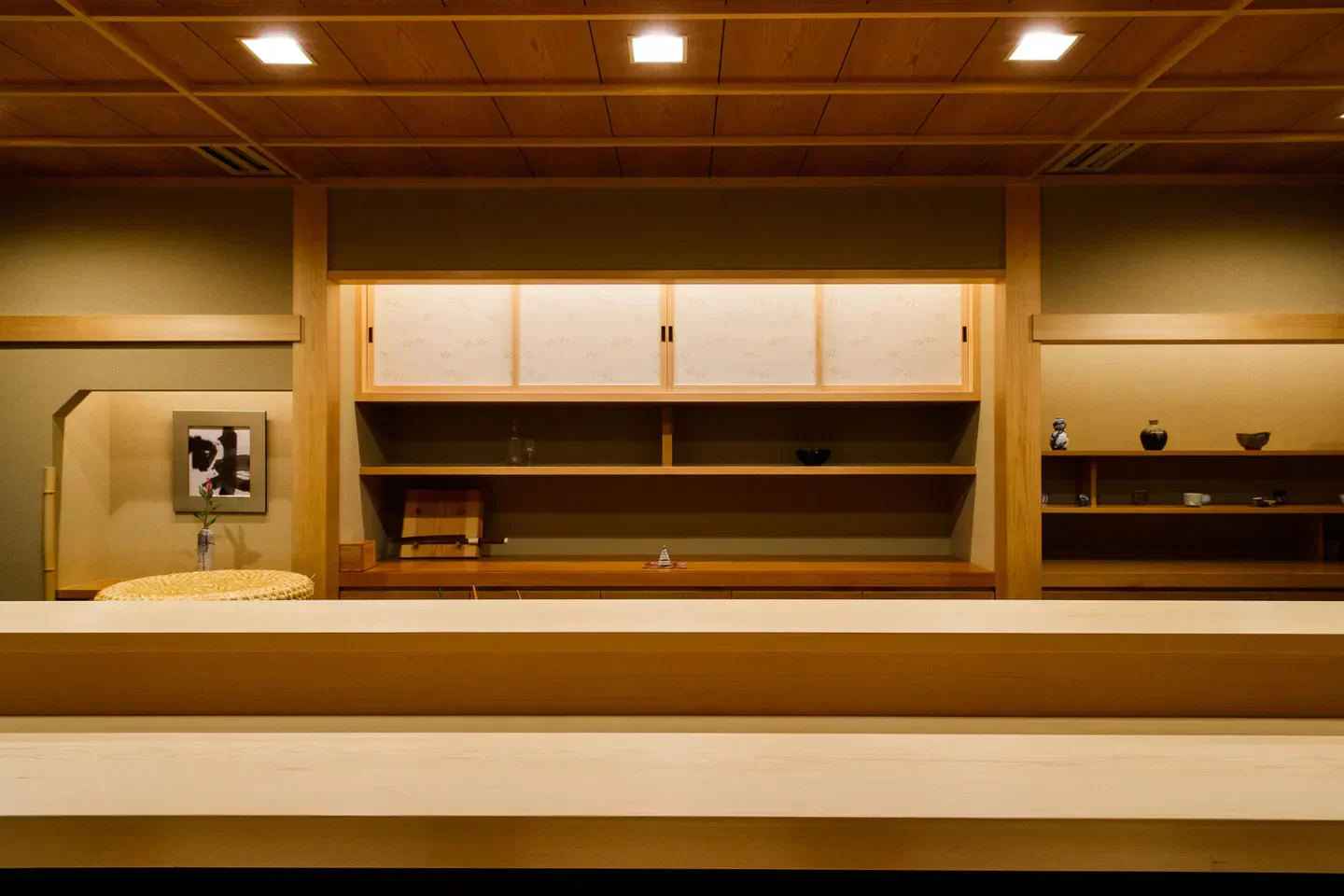
Photos : Sushi Sugita
07.Sushi Sugita
What is it? Sushi Sugita is a fine dining restaurant located in Chuo City, Tokyo. It holds a Michelin star and is ranked no. 65 on the 2024 Asia’s 50 Best Restaurants list.
Why we love it: This destination sits a ten-minute walk from the Mitsukoshi Main Store, offering a high-end seafood experience that justifies its premium price point. Its reputation is backed by a 4.84 rating from hundreds of diners, marking it as a significant draw for those seeking a formal, romantic setting within the city.
Good to Know: Given the strict smart and elegant dress code required at Sushi Sugita, leave the casual layers at your hotel to match the refined atmosphere of the dining room.
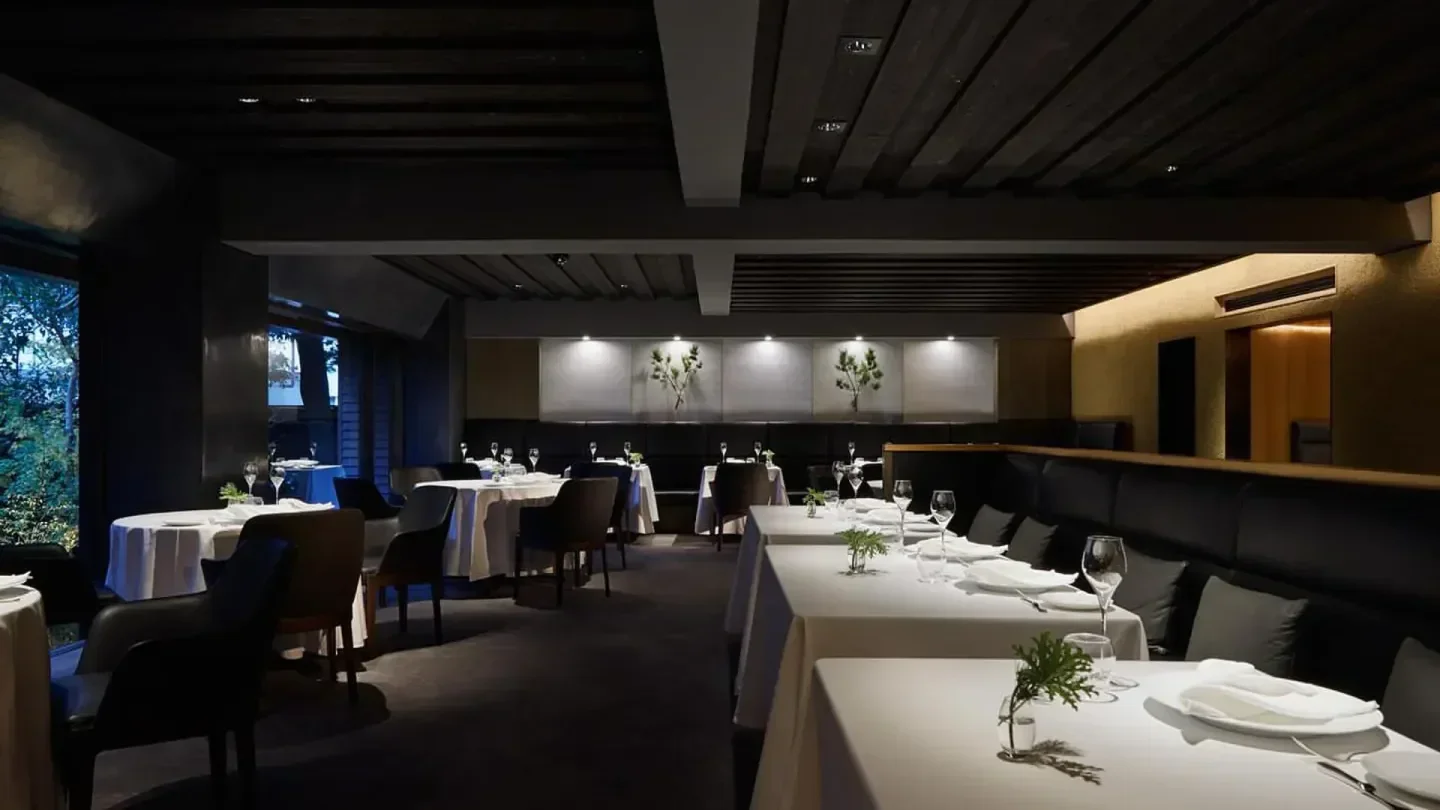
Photos : L'Effervescence
08.L'Effervescence
What is it? L'Effervescence sits a ten-minute walk from Tokyo Midtown in the Nishiazabu district. It holds three Michelin stars and ranks among the top 60 establishments on both the La Liste and Asia's 50 Best Restaurants indices.
Why we love it: The kitchen bridges French technique with Japanese ingredients, a friction that earns this fine dining destination its place on the international circuit. With nearly 900 diners contributing to a 4.76 rating, the consensus suggests that the high price point delivers on the promise of its accolades.
Good to Know: The kitchen balances French and Japanese influences with a discipline that makes the smart and elegant dress code feel less like a suggestion and more like a requirement for the room.
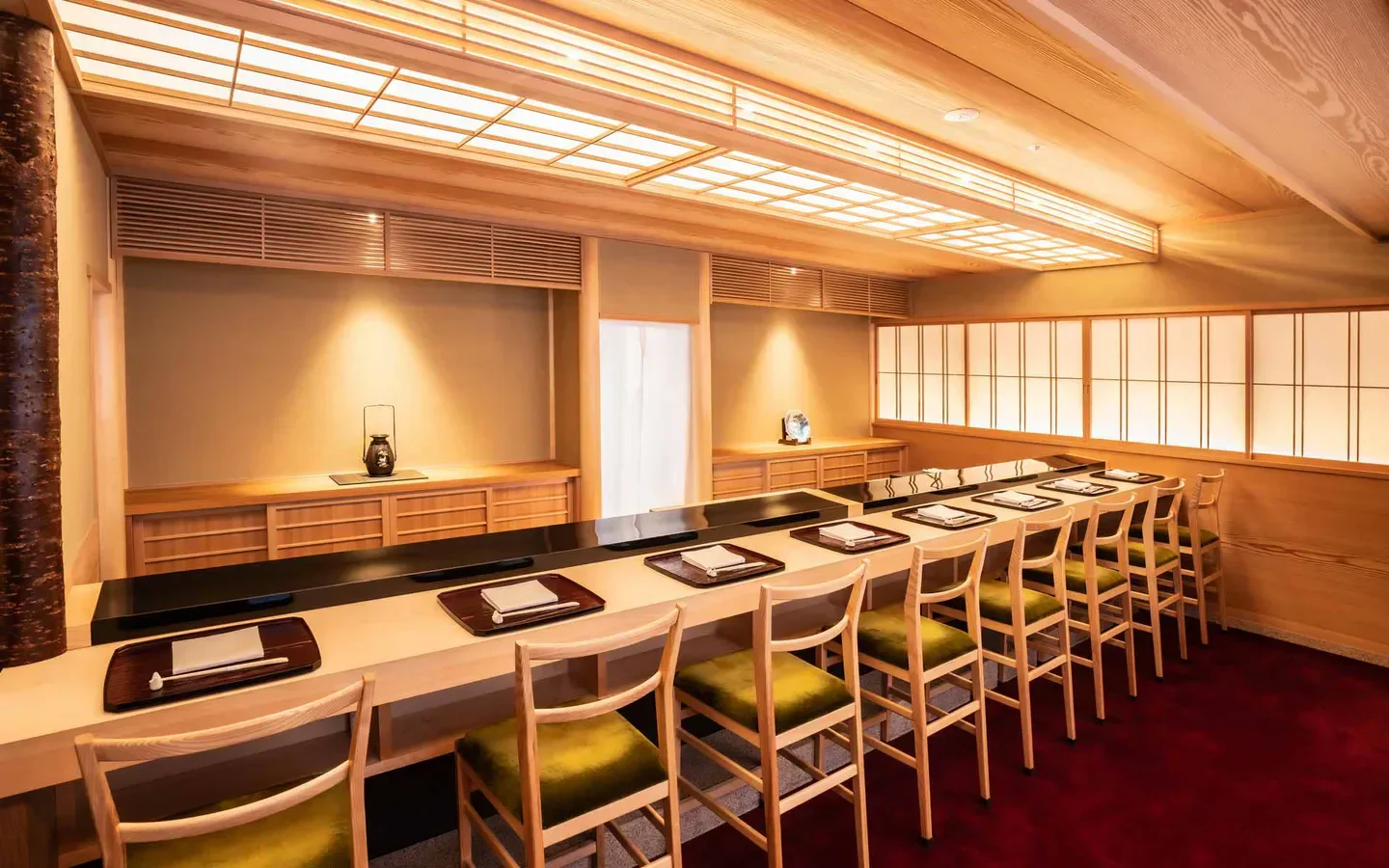
Photos : Sushi Arai
09.Sushi Arai
What is it? Sushi Arai is a sushi and seafood restaurant in Ginza. It sits a short walk from Ginza Six, Mitsukoshi Ginza, and the Kabuki-za Theatre, and currently holds a Michelin star. La Liste ranks the restaurant at no. 57 globally.
Why we love it: This is an expensive, focused experience that earns its 4.73 guest rating by stripping away the noise of the surrounding Ginza shopping district. It offers a refined, romantic environment that prioritizes Japanese seafood craft over the high-volume nature of its neighbors.
Good to Know: Sushi Arai demands a smart and elegant dress code to match the focused precision of its high-end seafood menu.
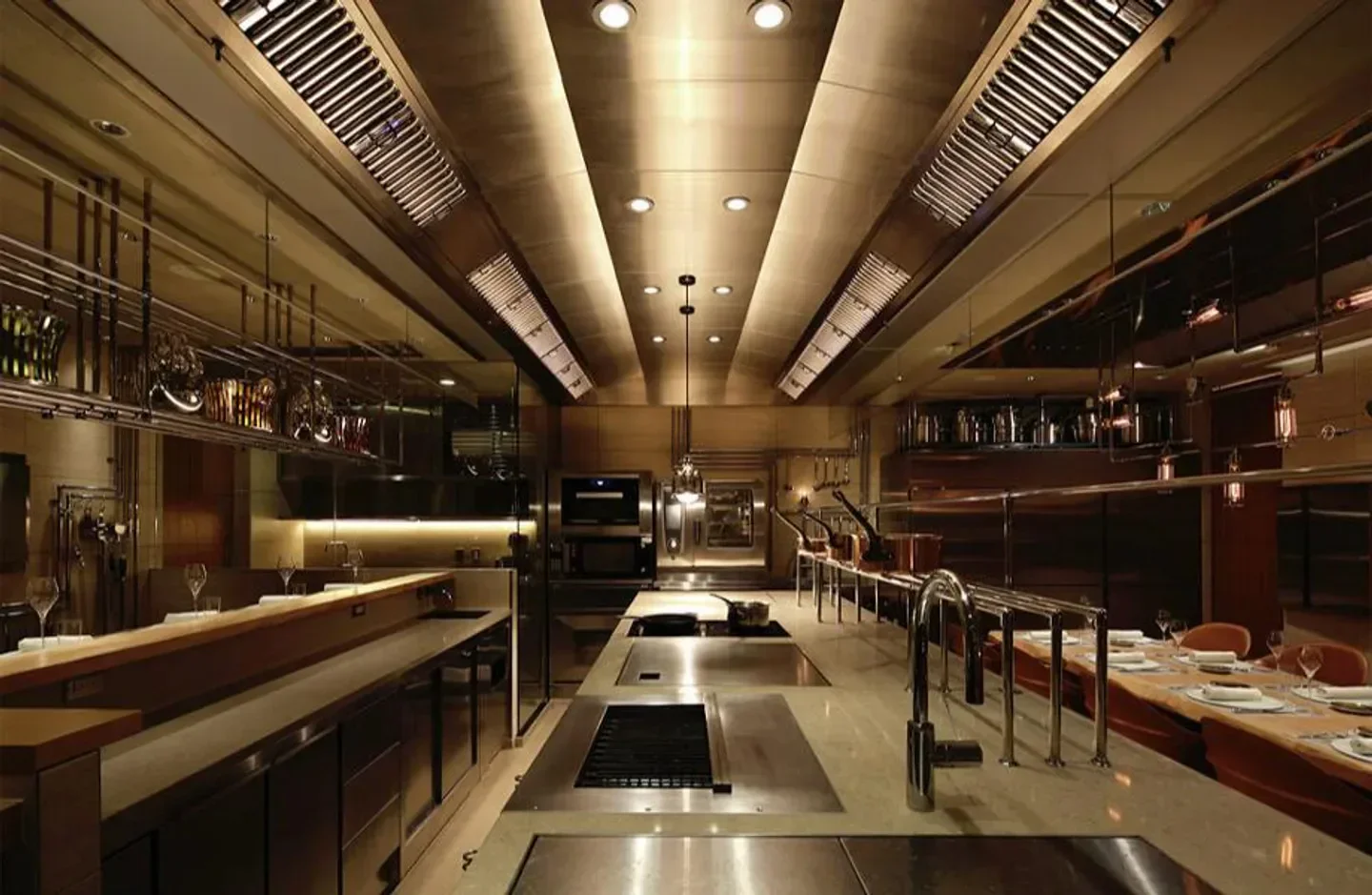
Photos : Sugalabo
10.Sugalabo
What is it? Sugalabo sits in the Azabudai district, a fifteen-minute walk from Zojoji Temple and roughly a ten-minute stroll from Roppongi Hills. This fine dining destination holds a Michelin star and is ranked number 57 on the 2024 La Liste.
Why we love it: The kitchen treats Japanese and French ingredients with a rigorous, fusion-minded precision that justifies its premium price tier. With a 4.72 rating from 287 reviews, the restaurant manages to translate its luxury status into a consistent experience that feels intimate rather than institutional.
Good to Know: Sugalabo enforces a smart and elegant dress code, so save the casual wear for your daytime visit to the nearby National Azabu Supermarket.