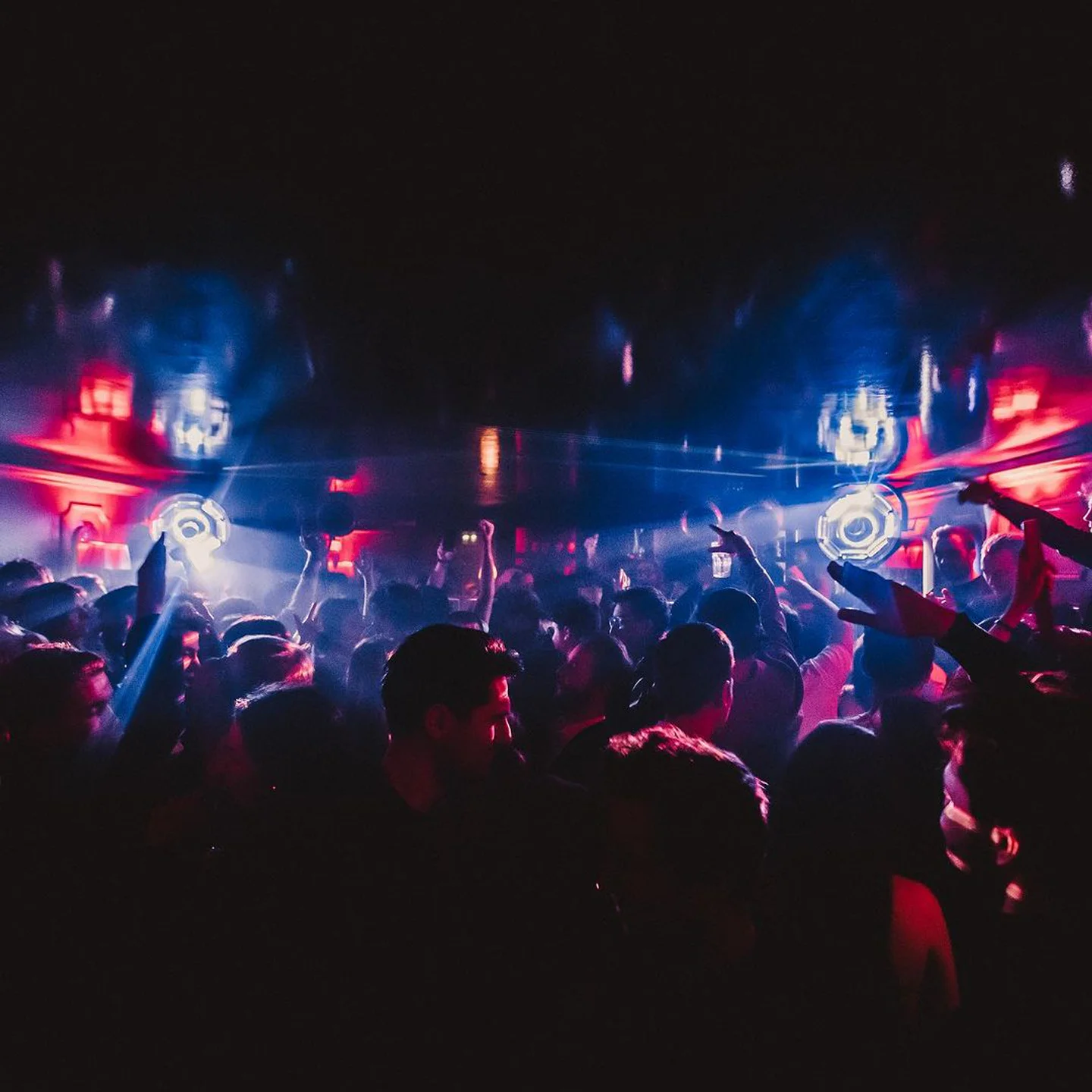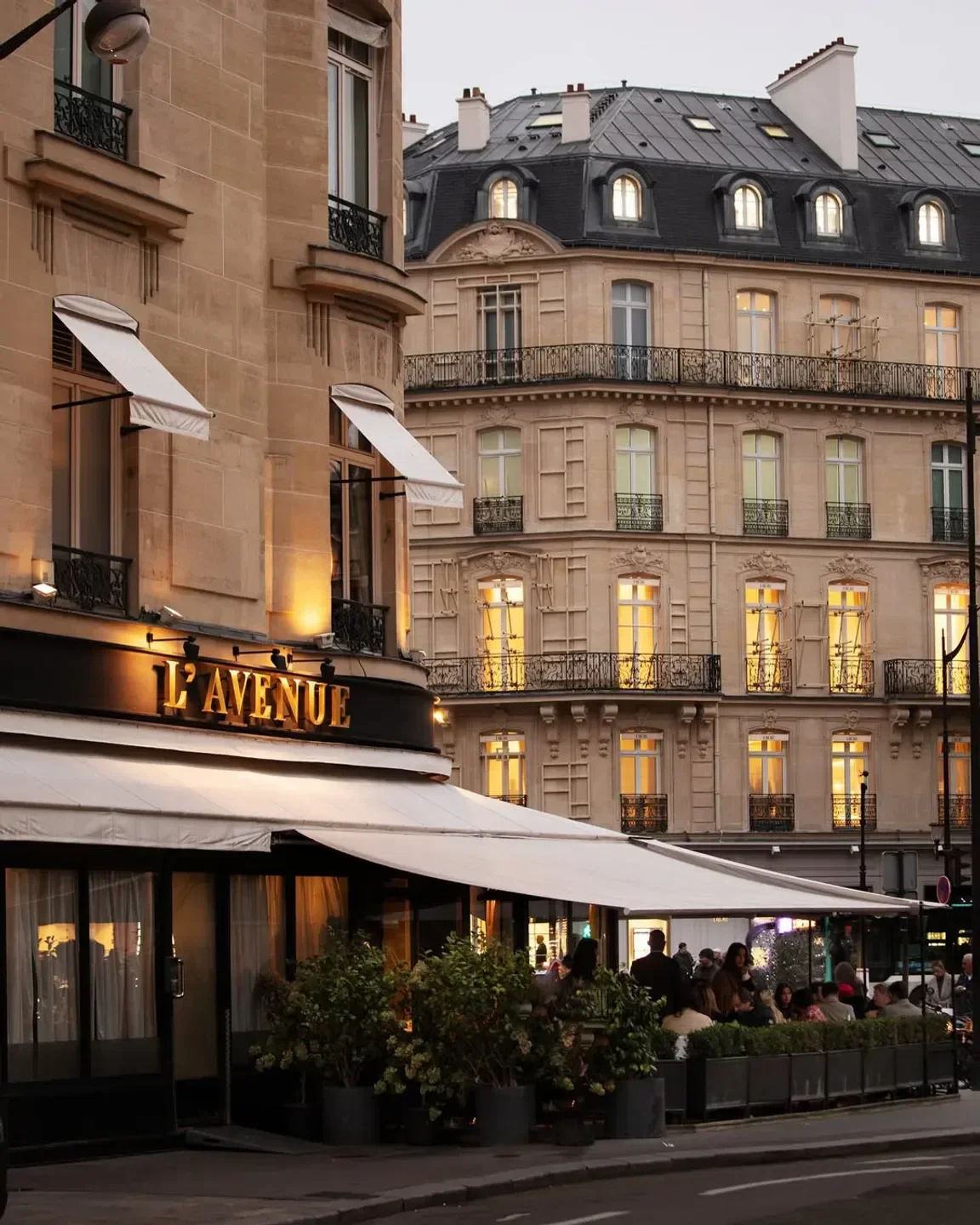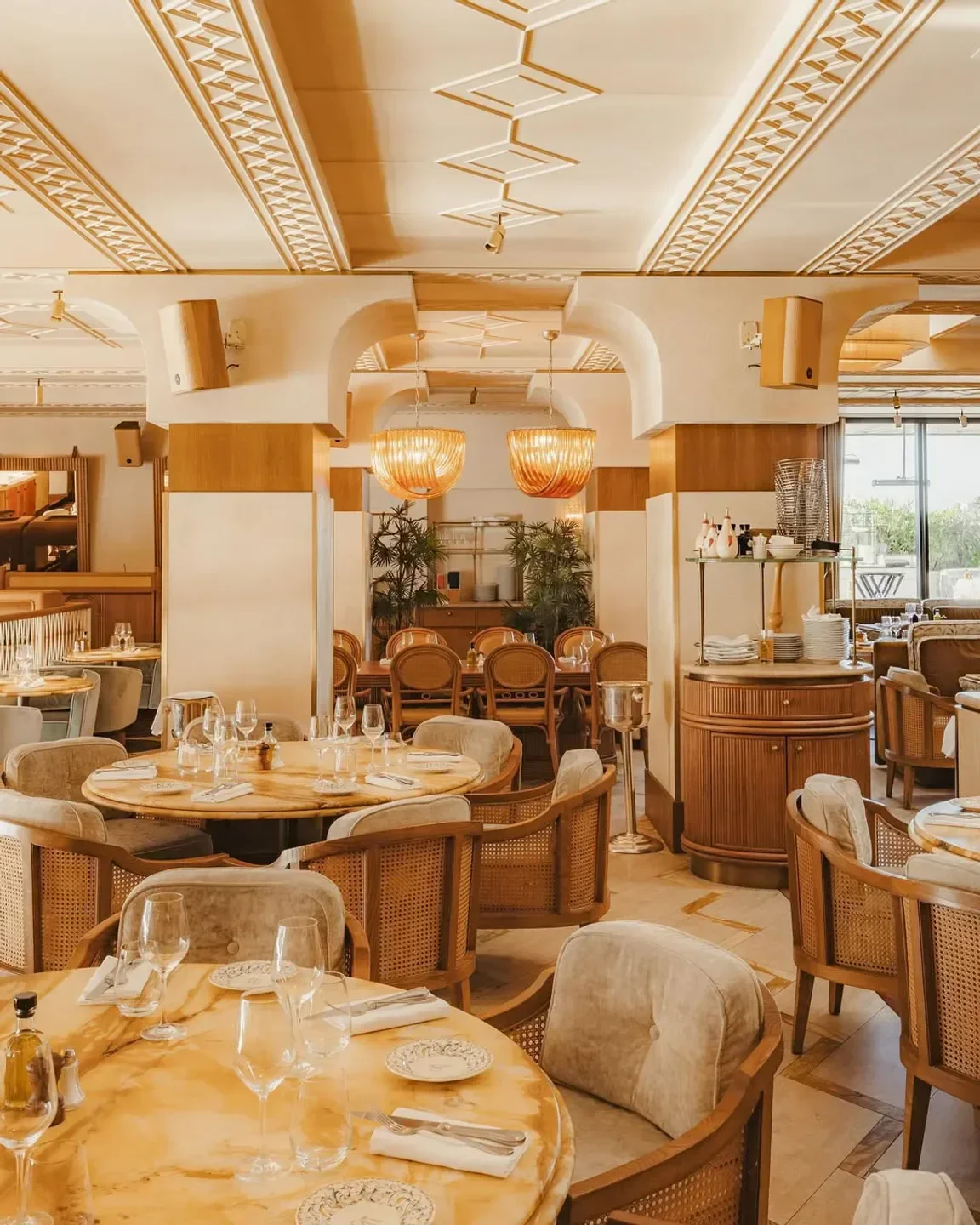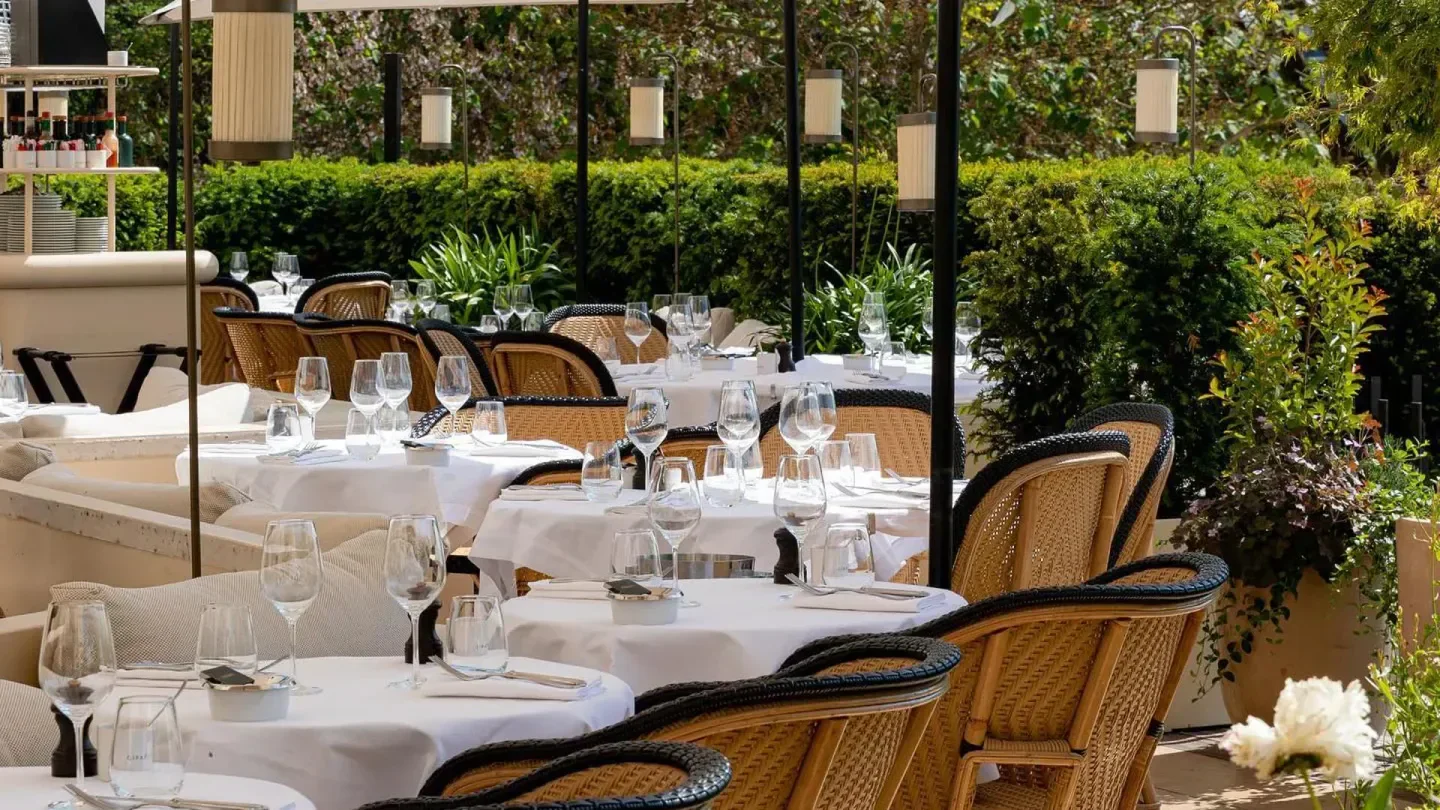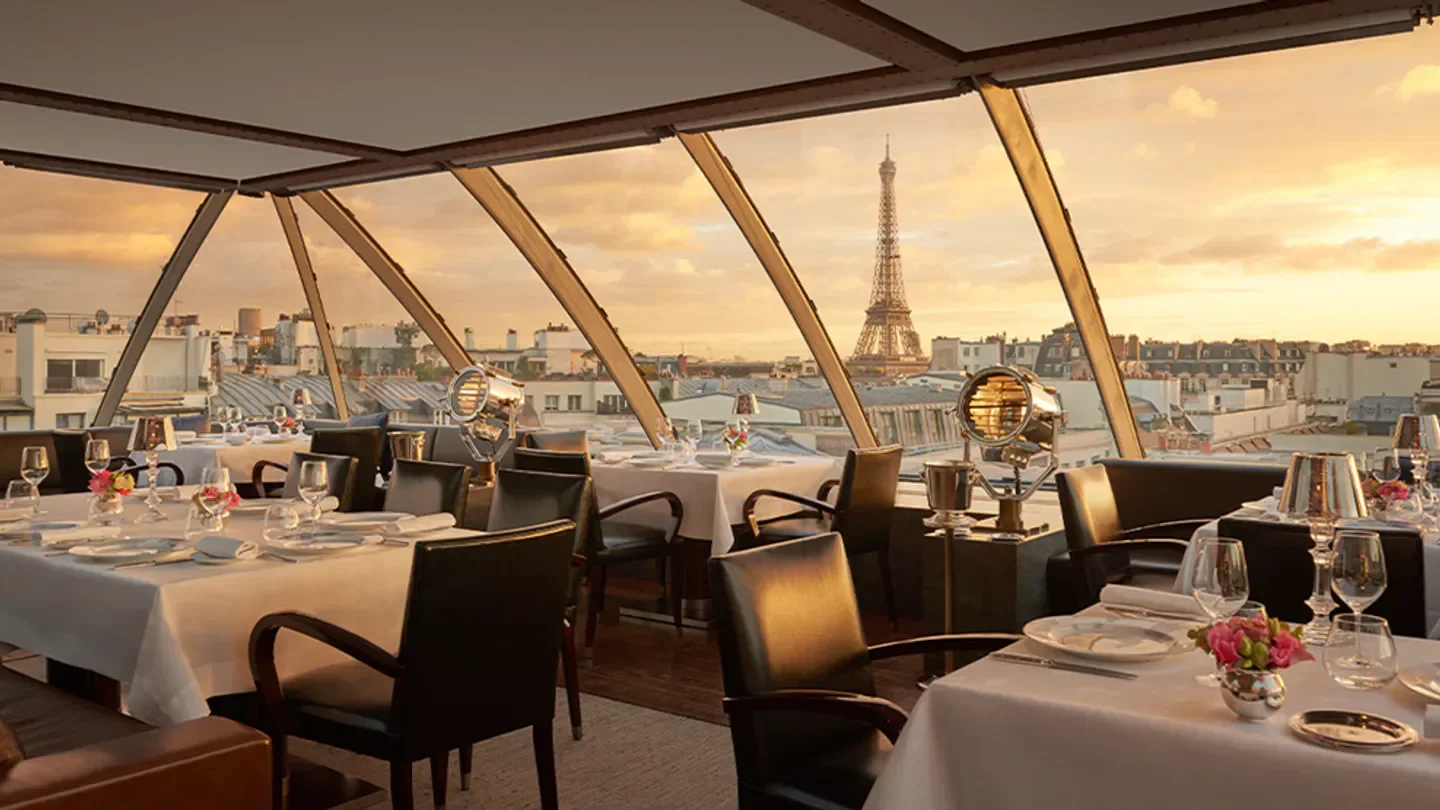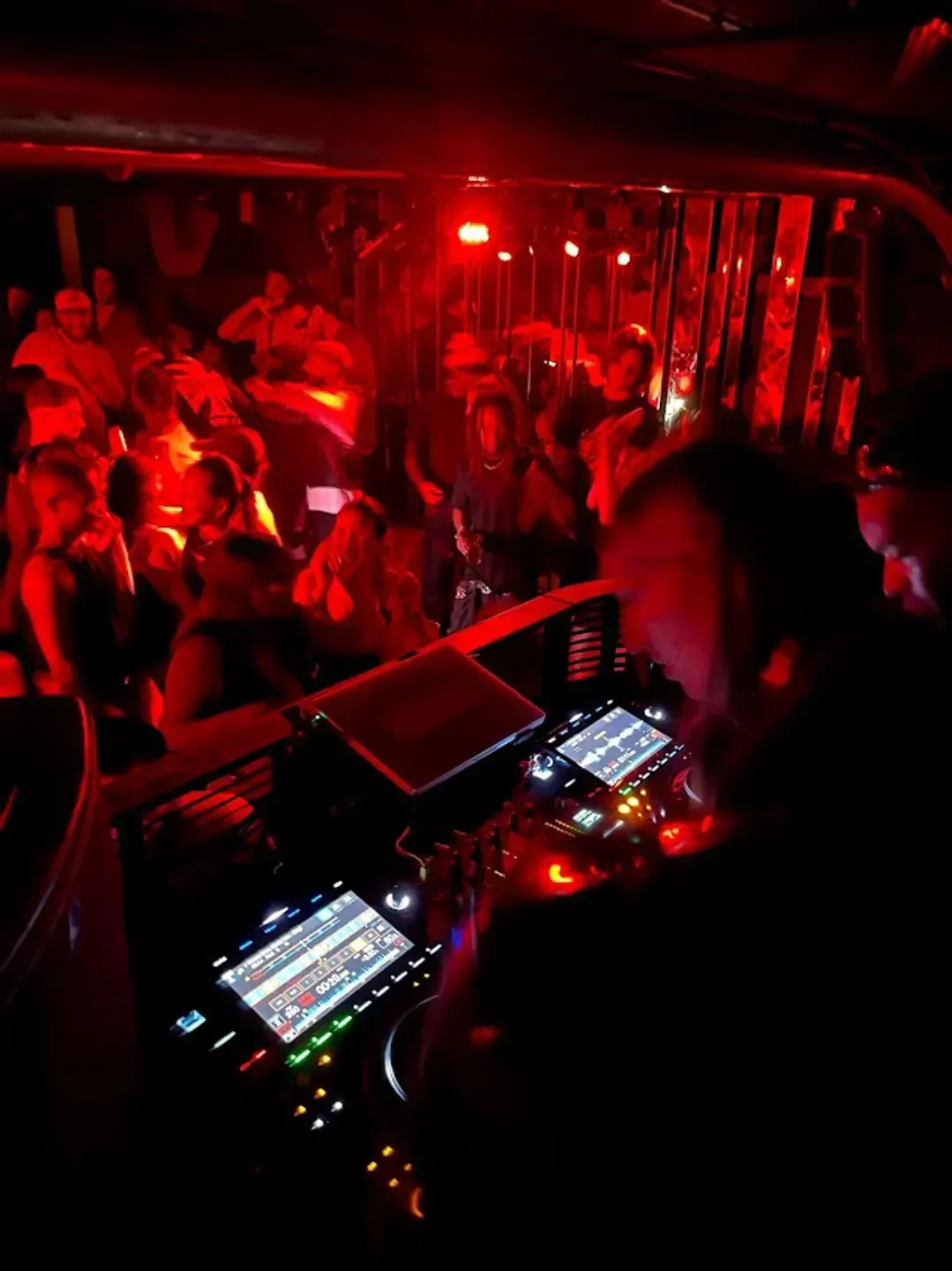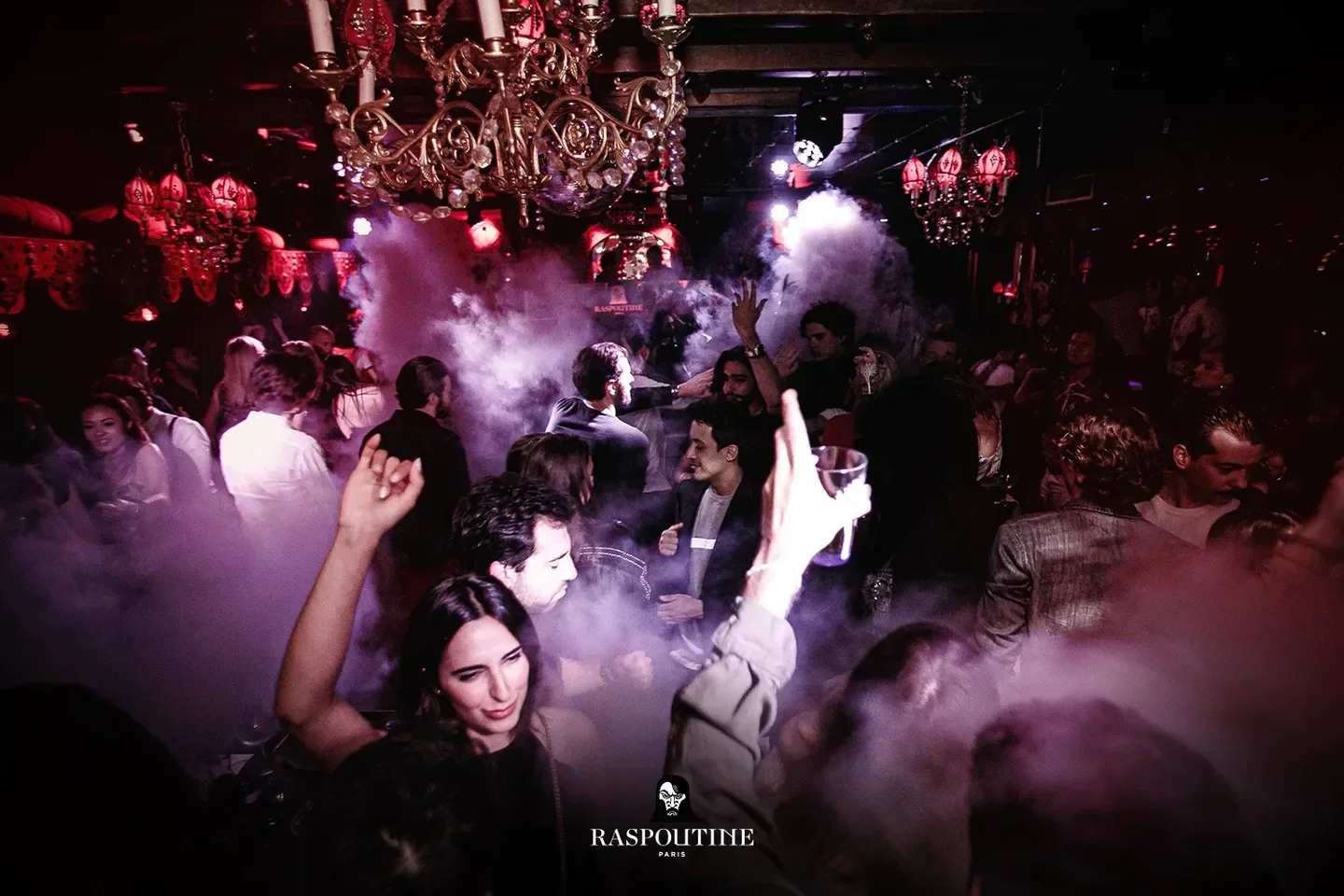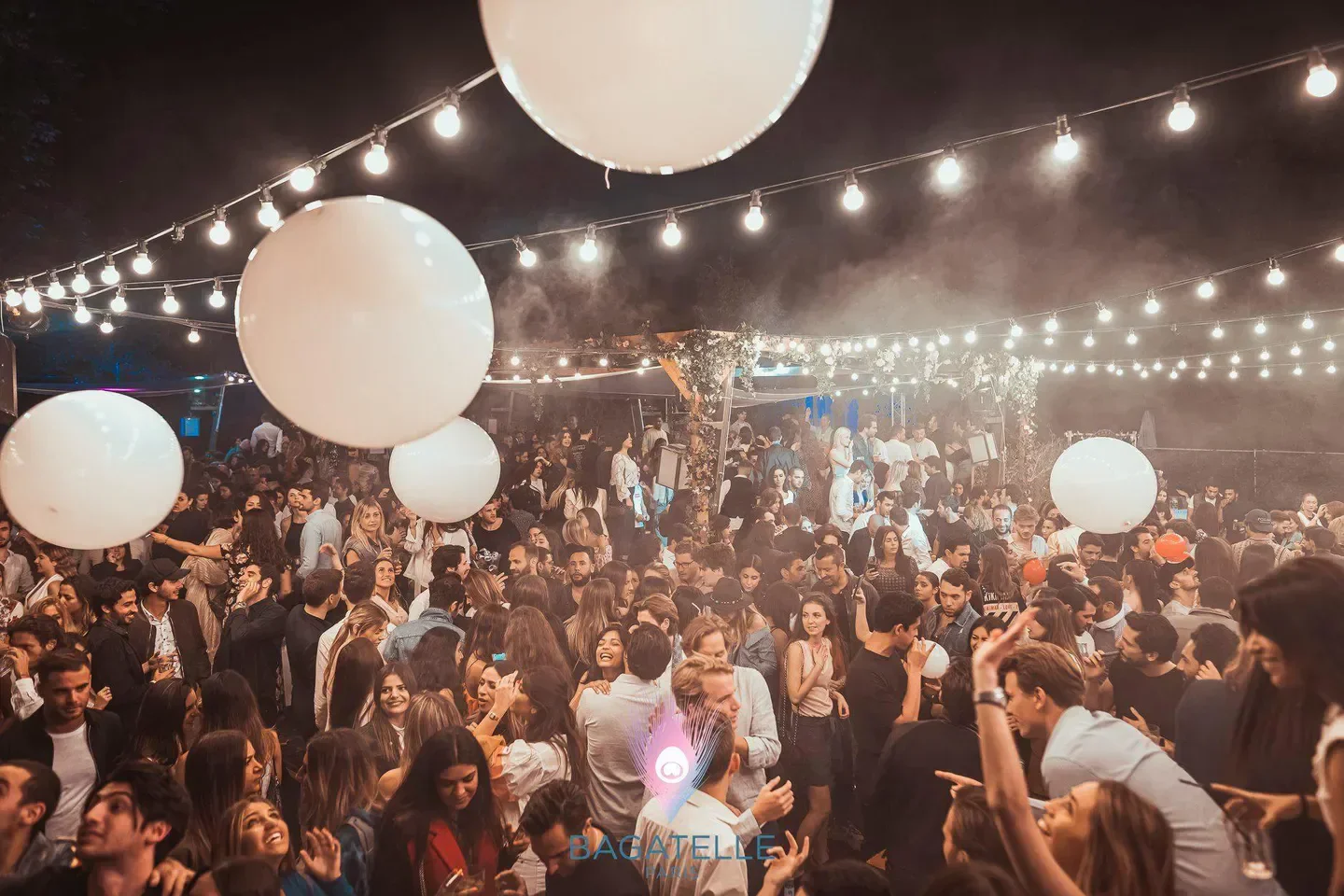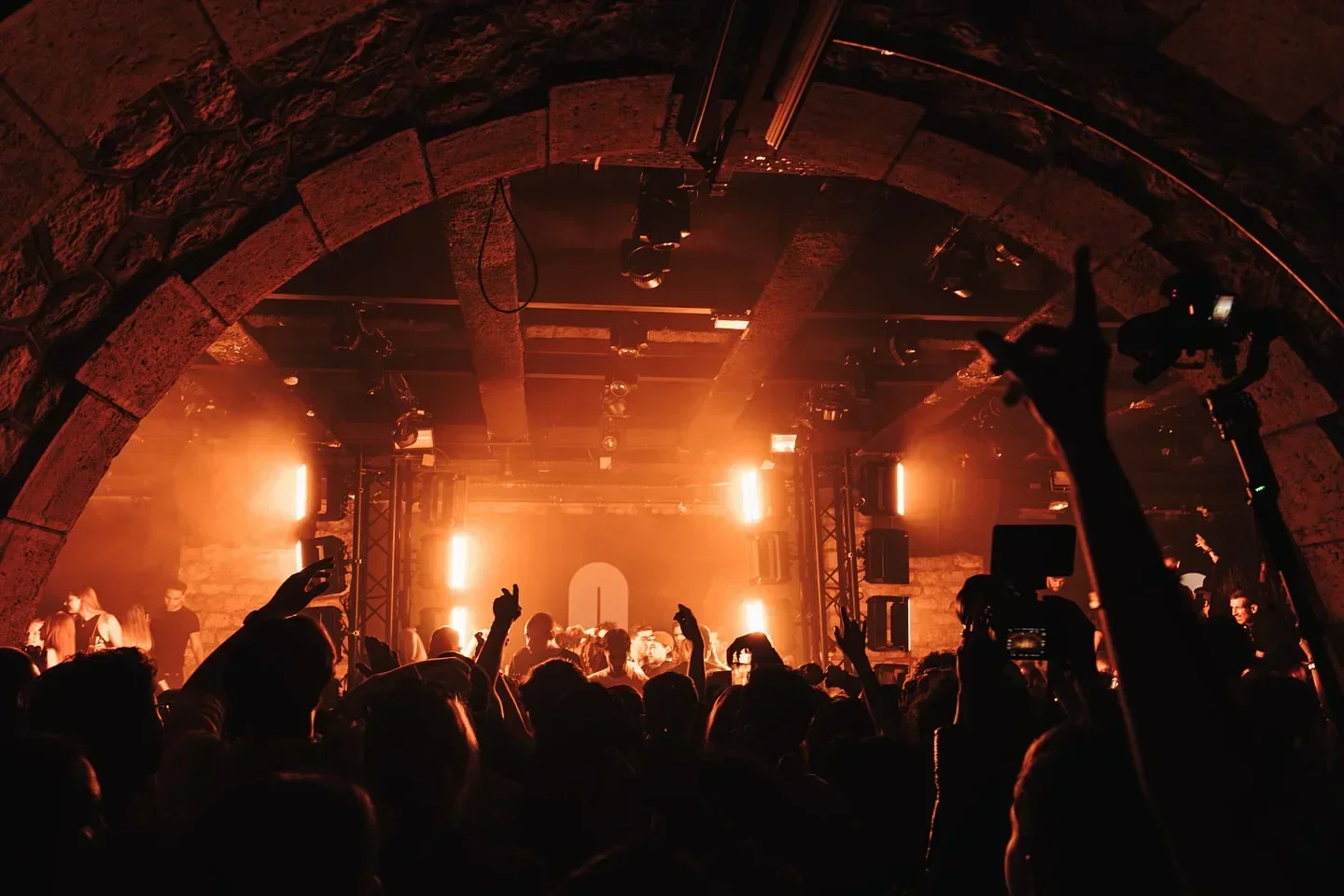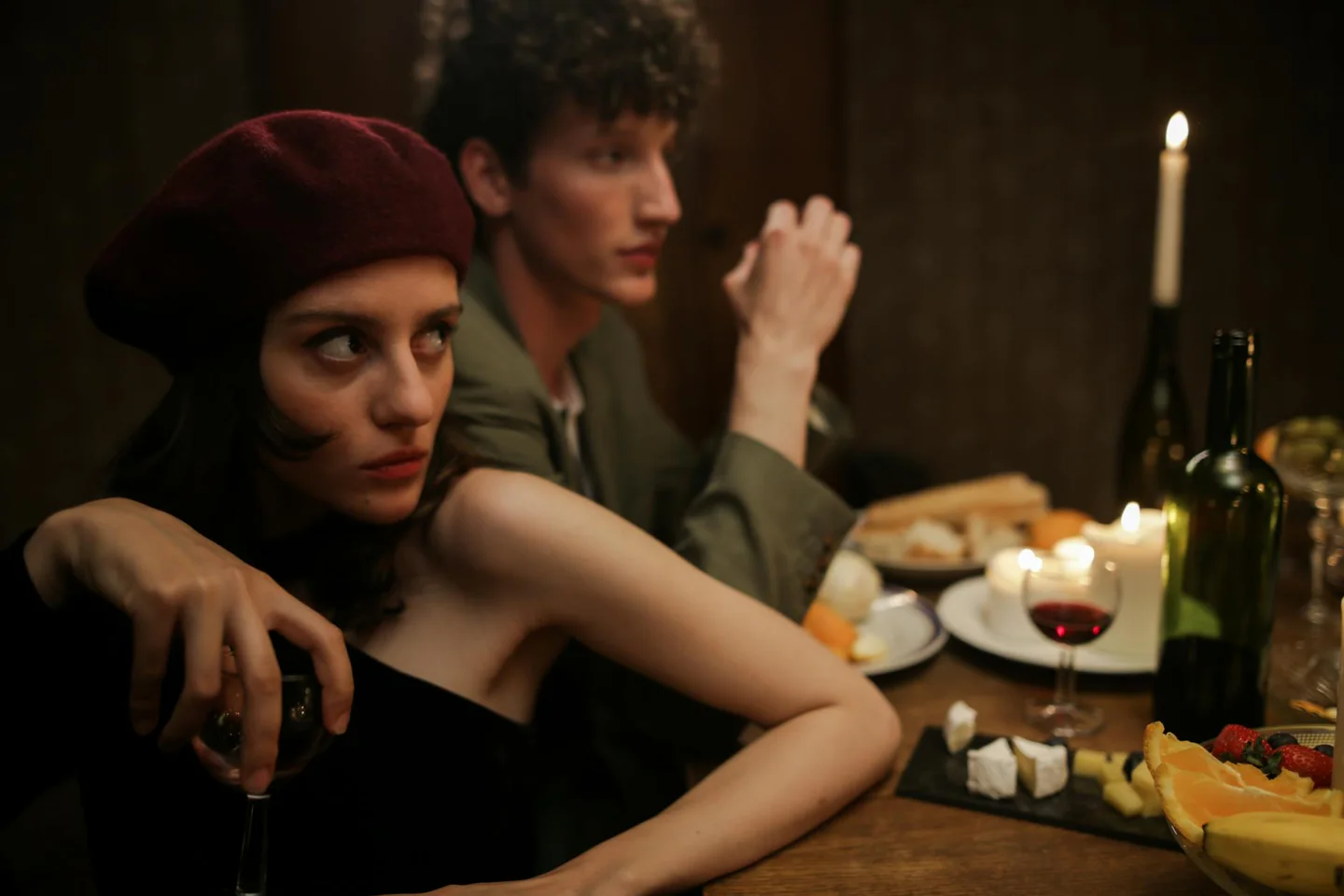
The question isn't whether you’ll find a good meal in Paris, but whether you can actually get a seat at one. Reservation calendars for the city’s most coveted tables vanish in seconds. You are no longer just competing with fellow travelers. Locals have reclaimed the dining rooms, shifting the energy from quiet reverence to high-octane buzz. The 8 PM rush remains the ultimate test of patience and planning.
Arnaud Donckele’s sauces at Plénitude rewrite the rules of French classicism with surgical precision. Meanwhile, Julien Boscus at Origines Restaurant strikes a balance between technical mastery and approachable, market-fresh cooking. The counter at Shabour pulses with Levantine energy, proving that Paris has finally embraced the noisy, open kitchen. At Géosmine, Maxime Bouttier serves soil-driven dishes that feel raw and urgent. This shift defines the modern Parisian palate: intellectual, yet deeply soulful.
Securing these spots requires more than luck; it requires timing. Start with these four.

© Photo Credits: Origines Restaurant
01.Origines Restaurant
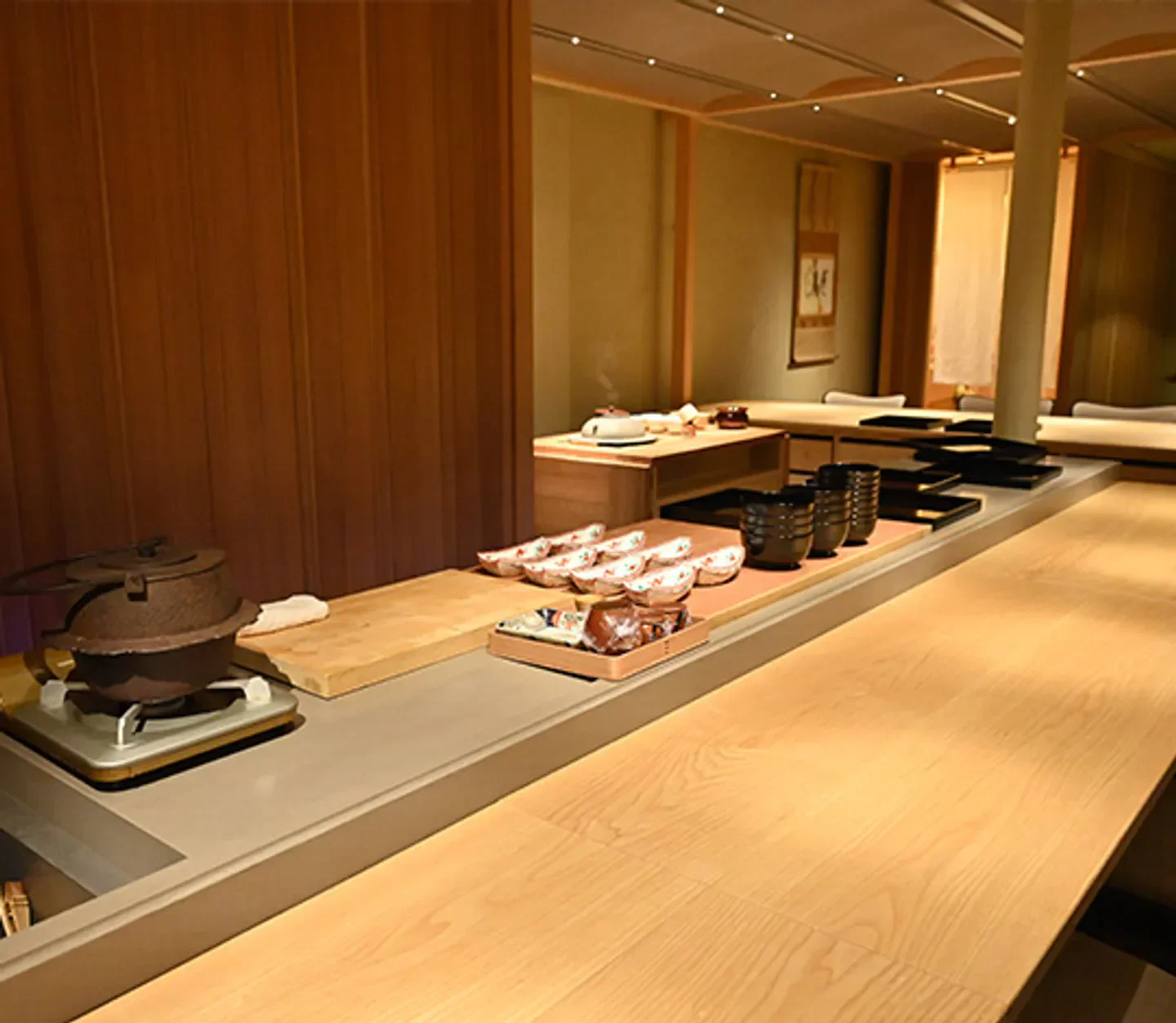
What is it? Origines Restaurant brings a sharp, intentional focus to the Paris dining scene. The room feels stripped back, letting the energy of the kitchen take center stage. You notice the lack of pretension the moment you walk through the door.
Why we love it: The experience centers on a confident, practiced rhythm. We love how the atmosphere prioritizes the craft of the meal over the usual city distractions. It provides a rare sense of calm where the quality of the work in the kitchen speaks for itself.
Good to Know: Pay attention to the 671ce278ba7f2e4c40f4fffe at Origines Restaurant; this specific feature defines the restaurant's unique approach to service.

© Photo Credits: Shabour
02.Shabour
What is it? Shabour is a high-energy Paris restaurant that strips away traditional fine-dining layers. The room feels intimate and raw. It centers on a layout that brings guests into the heart of the service. You feel the heat and the pace of the kitchen immediately.
Why we love it: The atmosphere thrives on motion and sound. Chefs work with intense focus. They deliver plates to the beat of a curated soundtrack that fills the room. It’s a choreography of service. The energy never dips, and the boundary between the staff and the crowd disappears.
Good to Know: The 671ce277ba7f2e4c40f4fff8 at Shabour offers the most direct connection to the kitchen team. Watch the pass to see how the chefs coordinate the night.

© Photo Credits: Géosmine
03.Géosmine
What is it? Géosmine delivers a focused, high-energy dining experience in the heart of Paris. You walk into a space dominated by a busy open kitchen where the team moves with purpose. This restaurant strips away traditional formality to focus on the raw mechanics of cooking.
Why we love it: The kitchen turns out a tasting menu centered on local sourcing and sharp, seasonal flavors. You sit close to the heat, watching chefs plate each course with surgical precision. The sommelier pulls from an extensive wine list to find pairings that ground the entire experience.
Good to Know: The wine list at Géosmine features rare bottles from small producers that emphasize the restaurant's deep connection to terroir.

© Photo Credits: Arpège
04.Arpège
What is it? Arpège is a cornerstone of the Paris dining scene that prioritizes culinary craft above all else. The room feels intimate and purposeful, immediately signaling a focus on the plate rather than the decor. You walk into a space where the atmosphere is hushed yet charged with the energy of a world-class kitchen.
Why we love it: The service moves with a synchronized grace that keeps the focus on the evolving tasting menu. Each course highlights a deep connection to seasonal shifts, bringing natural flavors to the forefront with invisible precision. It is a masterclass in how a meal can feel like a performance through technique and timing alone.
Good to Know: The tasting menu at Arpège unfolds over several hours, so clear your schedule to fully experience the kitchen's range at a deliberate pace.

© Photo Credits: Table by Bruno Verjus
05.Table by Bruno Verjus
What is it? Table by Bruno Verjus replaces the traditional Paris dining room with a massive, snaking counter. This stage hugs an open kitchen where no barriers exist between you and the chefs. You sit on high stools, watching the team transform seasonal ingredients into plates just inches from your seat.
Why we love it: The energy feels raw and focused. We love how the menu evolves daily based on the morning’s best deliveries. The wine service is just as dynamic, with pours that highlight the kitchen’s commitment to specific, high-quality sourcing.
Good to Know: The curved counter at Table by Bruno Verjus ensures every guest has a front-row seat to the kitchen's heat, so dress for a lively, active atmosphere.

© Photo Credits: Septime
06.Septime
What is it? Septime anchors its corner of Paris with a blend of raw energy and quiet sophistication. The room pulses with a crowd that values a modern, stripped-back approach to the dining experience. It trades stiff formality for an atmosphere that feels both intentional and effortless.
Why we love it: The service is fast and intelligent, matching the frantic rhythm of the city outside. There’s a certain thrill in watching the kitchen team work with such singular, quiet focus. It feels less like a traditional restaurant and more like an invitation into a high-functioning creative studio.
Good to Know: Securing a spot at Septime requires military precision, as the digital booking system goes live exactly three weeks in advance and usually hits capacity within minutes.

© Photo Credits: Ora Farmhouse
07.Ora Farmhouse
What is it? Ora Farmhouse brings a rustic, agrarian soul to the center of Paris. This restaurant discards city pretension for an atmosphere that feels grounded and raw. The room buzzes with a communal energy that sets it apart from the typical bistro.
Why we love it: The kitchen turns every meal into a tactile, artistic performance. Chefs work with a rhythmic intensity, treating the table itself as a canvas for their seasonal creations. It feels unhurried and entirely focused on the connection between the land and the guest.
Good to Know: The creative presentation at Ora Farmhouse transforms the tabletop into a shared canvas for its seasonal vegetable pairings.