Taipei dining demands more than a casual walk-in. The city prefers precision, where reservations are secured weeks ahead through local booking platforms or credit card concierge services. Visitors often mistake the sprawling night markets for the entirety of the local palate, missing the quiet technical mastery happening in windowless basements and unmarked tower blocks. This is a city that prizes the distinct lineage of its ingredients, whether sourced from the island’s mountainous interior or the surrounding Pacific currents.
The geography of Taipei’s best tables avoids a single high-street corridor. You find high-density pockets of talent along the wide, tree-lined boulevards of Dunhua and Ren’ai, which house some of the city's most dense clusters of Michelin-starred kitchens. The grid-like streets of the Xinyi district favor modern, high-rise concepts, while the side alleys of Daan hold tight, intimate counters that require local knowledge to navigate. Focus your search on these specific clusters rather than the tourist-heavy thoroughfares. Here is where to start.
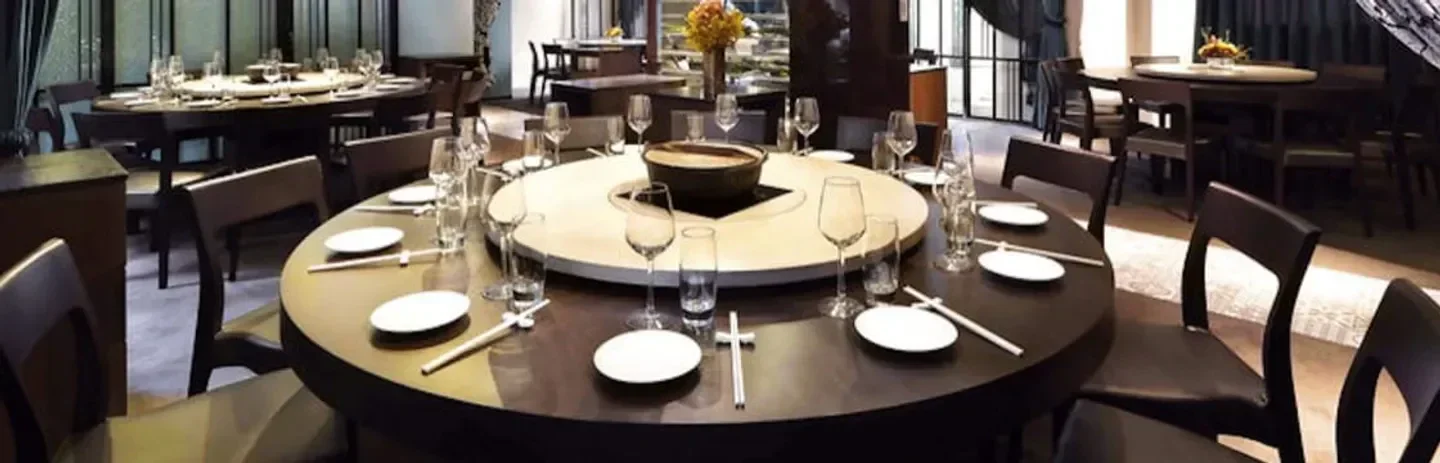
Photos: Ming Fu
01.Ming Fu
What is it? Ming Fu sits on Section 2 of Zhongshan N Rd in the Zhongshan District, roughly a fifteen-minute walk from the Taipei Fine Arts Museum. The restaurant holds a Michelin star and maintains a traditional approach to Chinese cuisine.
Why we love it: While many establishments in this price bracket favor trend-chasing, Ming Fu leans into the consistency of its long-standing status. The venue balances a formal dining room aesthetic with a reputation that draws thousands of reviewers, resulting in a notably high guest rating that justifies the investment for those prioritizing technical execution over modern gimmickry.
Good to Know: The kitchen at Ming Fu specializes in traditional Chinese flavors that are best appreciated when ordering for a full table, so bring a group to navigate the upscale menu.
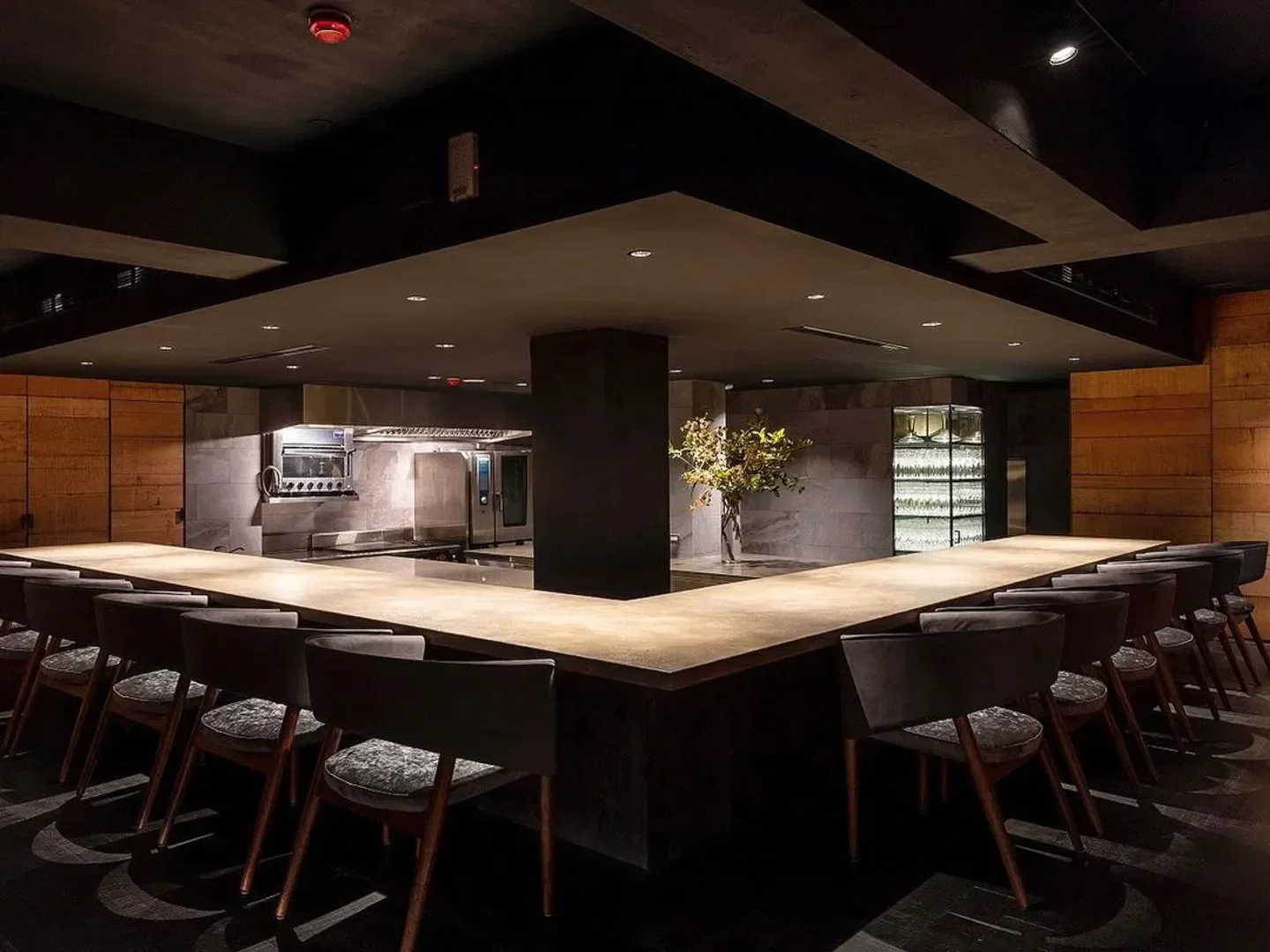
Photos: Iogy
02.Iogy
What is it? Iogy sits on Lane 258, Ruiguang Rd in the Neihu District. The restaurant operates as a fine dining destination, positioned roughly a twenty-minute walk from the Taipei 101 tower and the Xinyi Shopping District.
Why we love it: This is an expensive, high-stakes collision of Japanese, fusion, and Asian culinary styles. With a 4.66 rating from 725 reviews, it commands attention in a city defined by its competitive dining landscape. The setting focuses on a romantic, luxury aesthetic that elevates the dinner beyond the standard local fare.
Good to Know: Given the strict smart and elegant dress code, ensure your wardrobe matches the formal tone of the dining room before making the trip from Daan Forest Park.
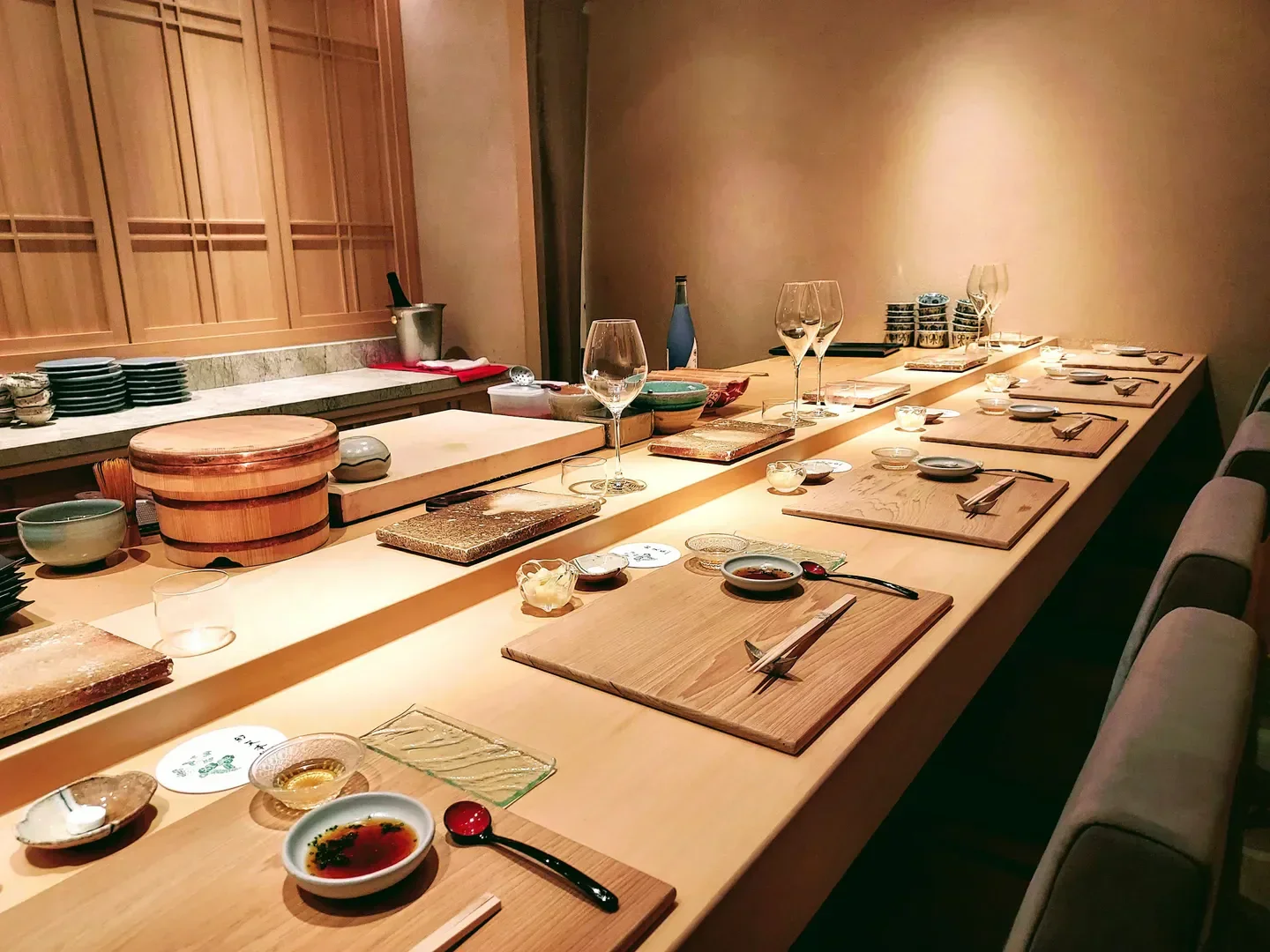
Photos: Sushi Amamoto
03.Sushi Amamoto
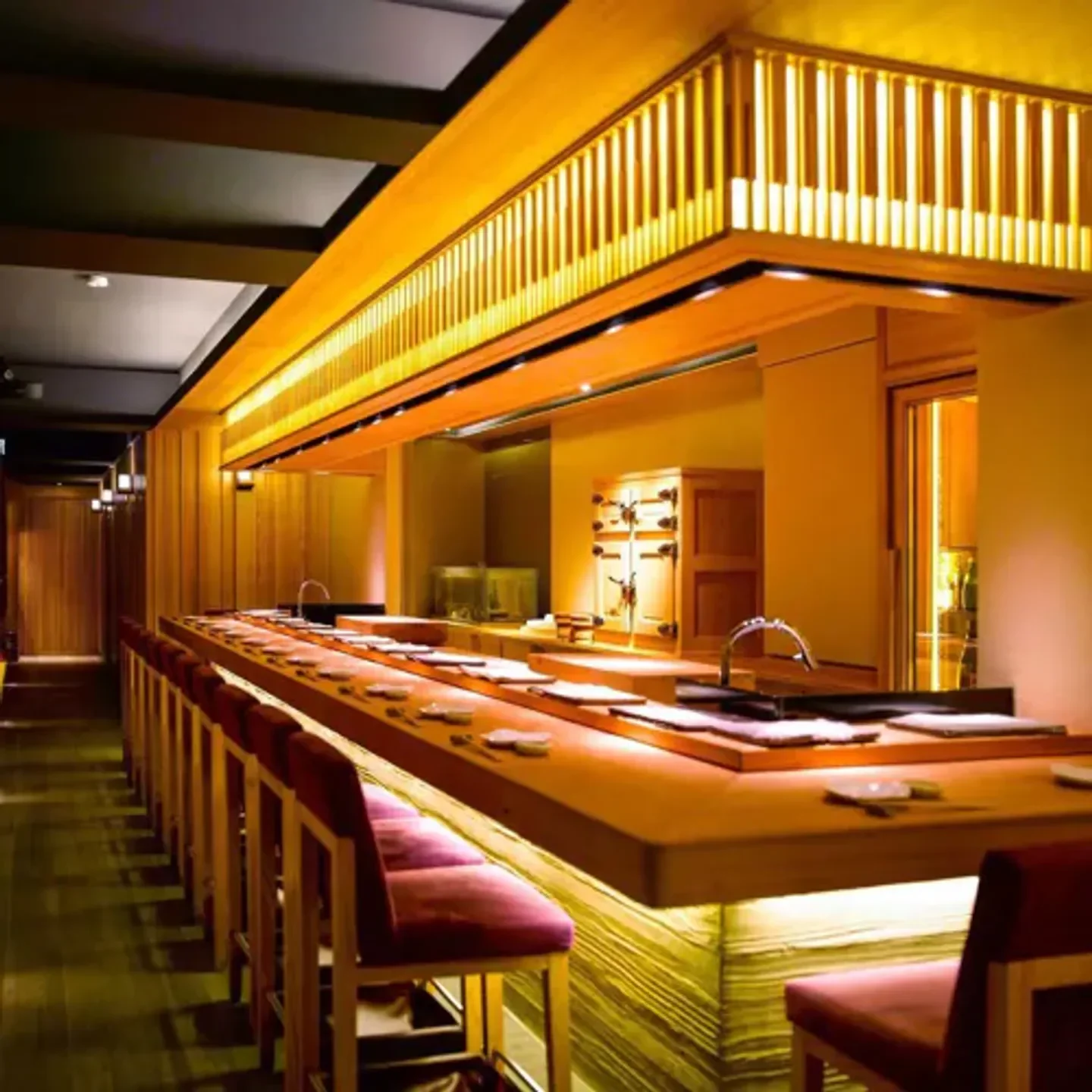
What is it? Sushi Amamoto sits on Section 4, Ren’ai Road, roughly a ten-minute walk from the Sun Yat-Sen Memorial Hall. It is a Michelin-starred Japanese restaurant specializing in high-end seafood.
Why we love it: The restaurant provides a focused fine-dining experience that separates itself from the high-traffic zones of Taipei 101 or the Eslite Bookstore vicinity. With a guest rating of 4.61 from 273 reviews, it balances a romantic, luxury atmosphere with a rigorous commitment to its Japanese seafood menu.
Good to Know: Sushi Amamoto requires a smart and elegant dress code to match the tone of the dining room.
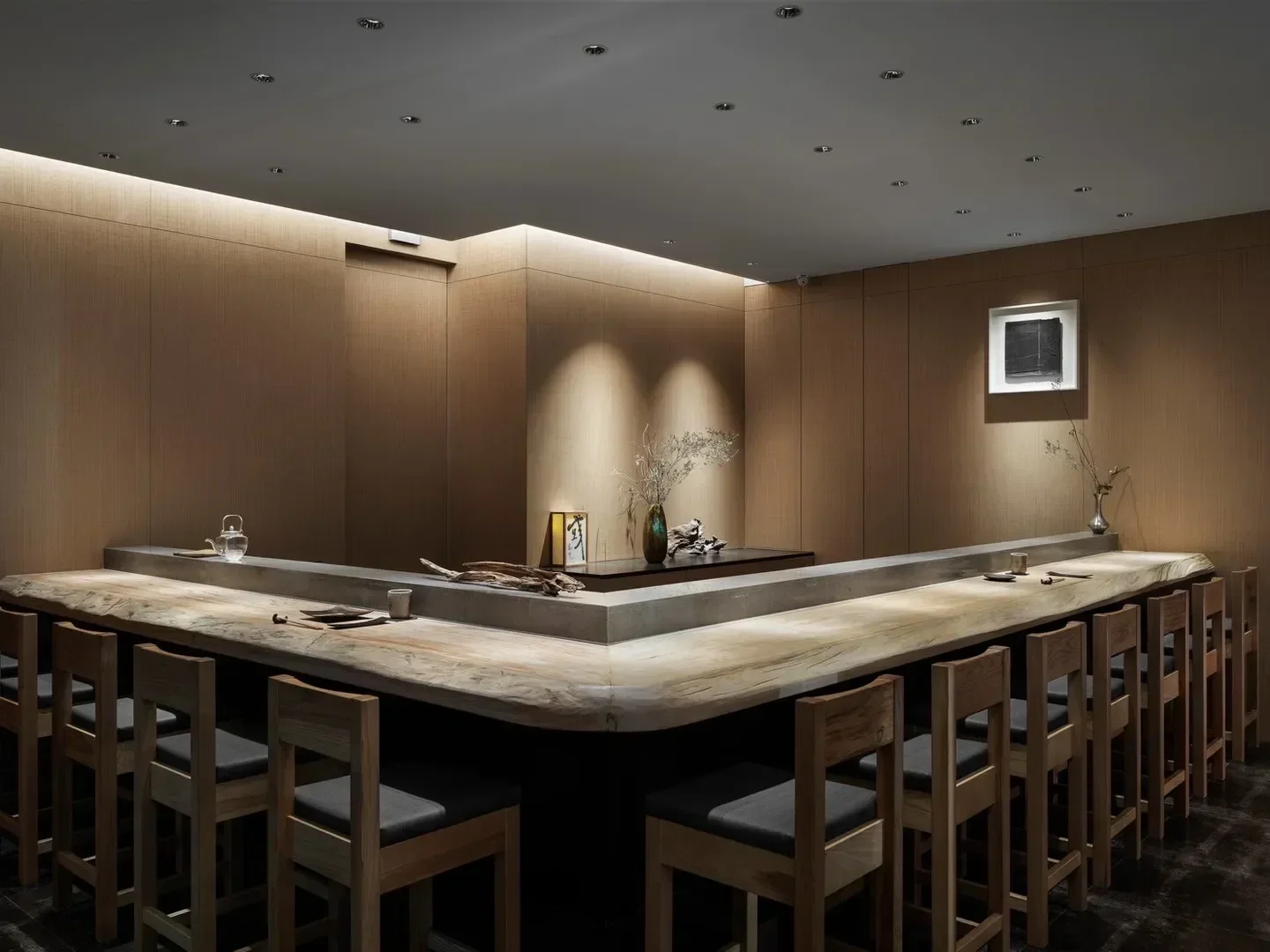
Photos: Yu Kapo
04.Yu Kapo
What is it? Yu Kapo sits on Sanmin Road in the Songshan District, an eight-minute walk from the Songshan Cultural and Creative Park. This contemporary Asian fusion restaurant holds a Michelin star.
Why we love it: While Taipei’s high-end dining scene often leans into sprawling, multi-course traditions, Yu Kapo keeps the focus tight on its fine-dining credentials. Its proximity to both Taipei 101 and Bellavita makes it an accessible choice for those navigating the city’s luxury districts without having to fight the typical crowds of the central business hubs. With a 4.75 guest rating from nearly 500 reviews, the kitchen maintains a consistency that is rare in such a competitive, price-conscious market.
Good to Know: The terrace at Yu Kapo offers a rare vantage point for a romantic meal in the Songshan District, so request an outdoor table when booking to take advantage of the view.
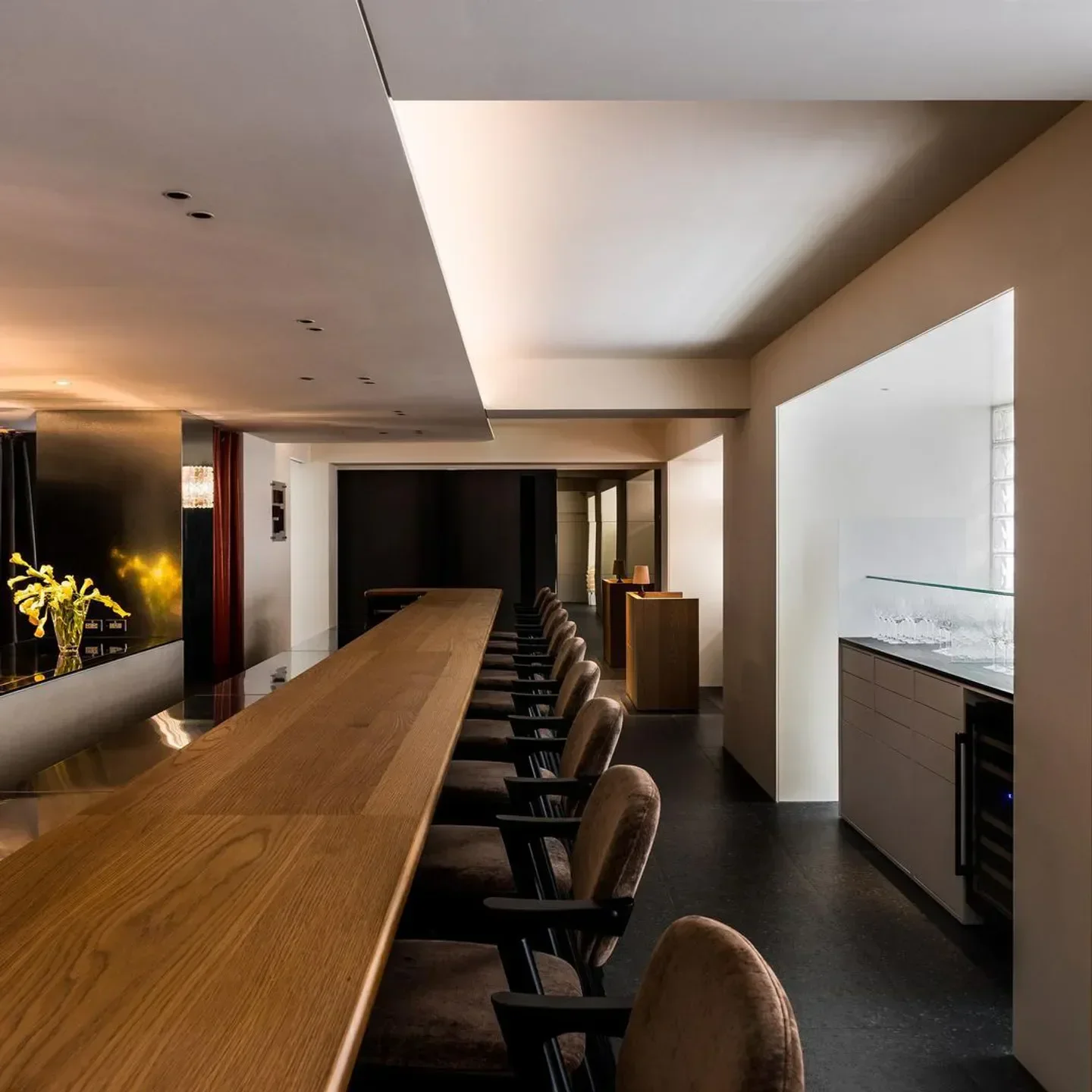
Photos: INITA
05.INITA
What is it? INITA sits on Lane 12, Section 3 of Bade Road in the Songshan District. This Michelin-starred restaurant specializes in Japanese and Asian-influenced fine dining.
Why we love it: The kitchen manages a high-pressure fusion of Japanese and Asian techniques that earned it a Michelin star. With a guest rating of 4.92 from over 200 reviews, the consistency across its luxury price point is rare for a venue so close to the Songshan Cultural and Creative Park.
Good to Know: The formal, smart and elegant dress code at INITA ensures the environment matches the view, so dress sharply for your reservation.
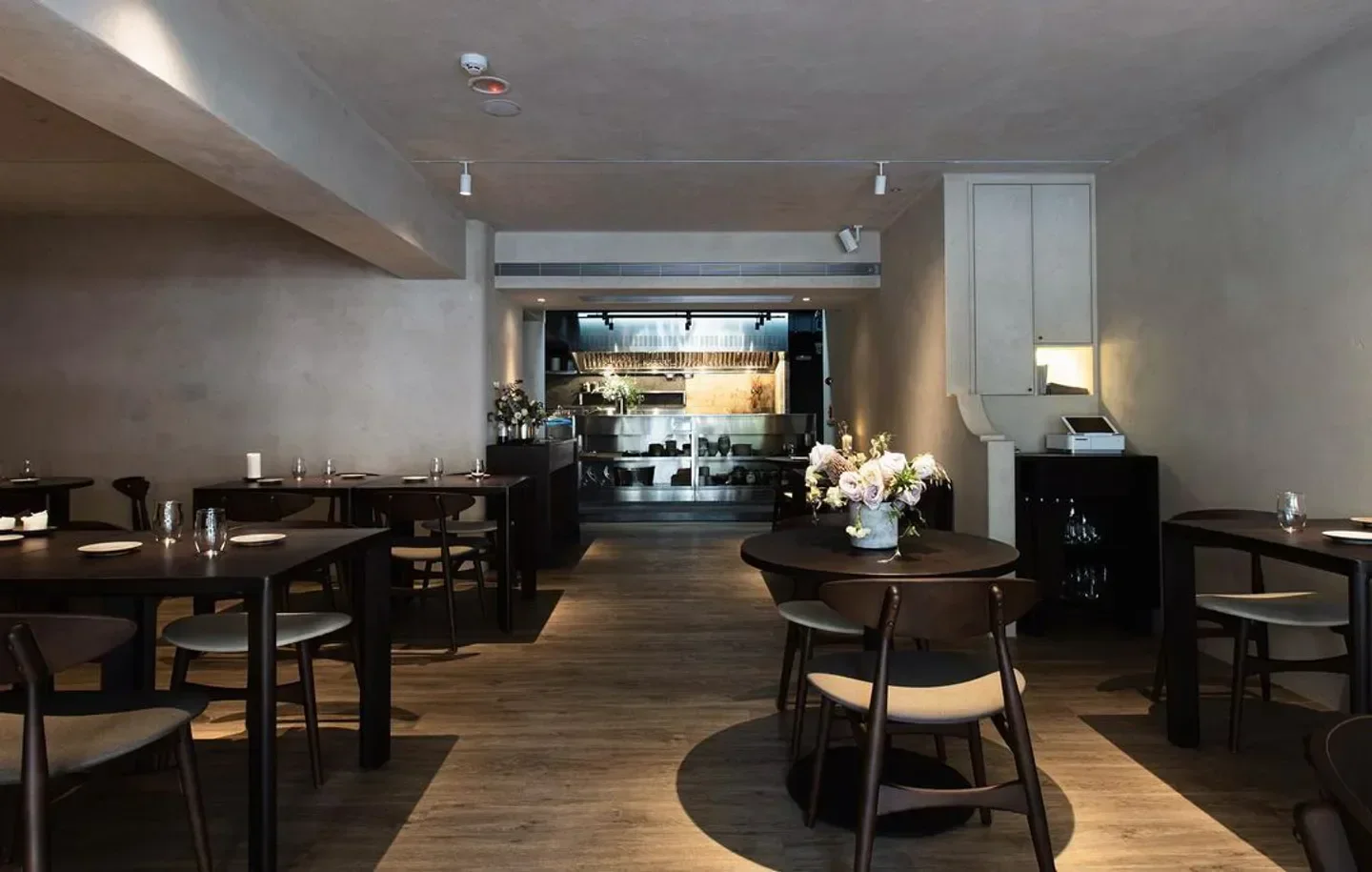
Photos: Ban Bo
06.Ban Bo
What is it? Ban Bo sits on Lane 265, Lequner Rd, roughly a twenty-minute walk from the Sun Yat-Sen Memorial Hall. It is a Michelin-starred destination that balances Vietnamese and Asian influences through a fine dining seafood-focused lens.
Why we love it: The restaurant commands a premium price point, but it earns its keep by elevating precise Vietnamese flavor profiles within a highly controlled, luxury setting. It avoids the crowded sprawl of the city’s major retail hubs, offering a refined, quiet alternative for those who find the proximity to the Shin Kong Mitsukoshi Department Store a little too frenetic.
Good to Know: Ban Bo enforces a smart and elegant dress code, so trade the sneakers for something more polished before heading over for your reservation.
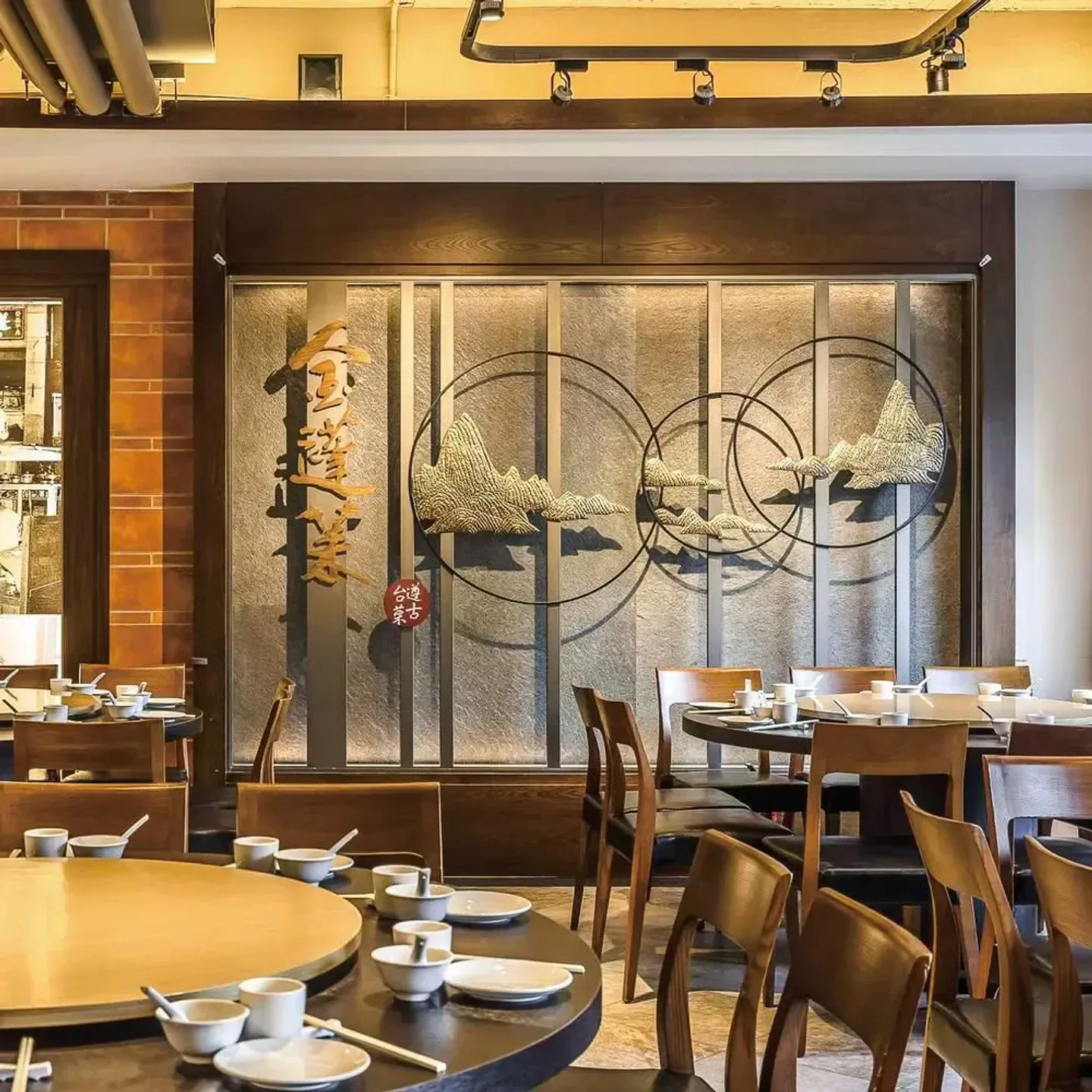
Photos: Golden Formosa
07.Golden Formosa
What is it? Golden Formosa sits on Tianmu East Road in the Shilin District, just over a ten-minute walk from the Taipei American School. This Michelin-starred restaurant specializes in creative and traditional Chinese cuisine.
Why we love it: It manages the rare feat of maintaining a luxury, fine-dining environment while securing a high guest rating of 4.49 from thousands of diners. The balance of traditional roots with creative techniques keeps the tables full, offering an accessible mid-priced option that feels far more intentional than the average local eatery.
Good to Know: Golden Formosa requires a smart and elegant dress code, so save the casual wear for your post-dinner stroll toward the Shilin Residence.
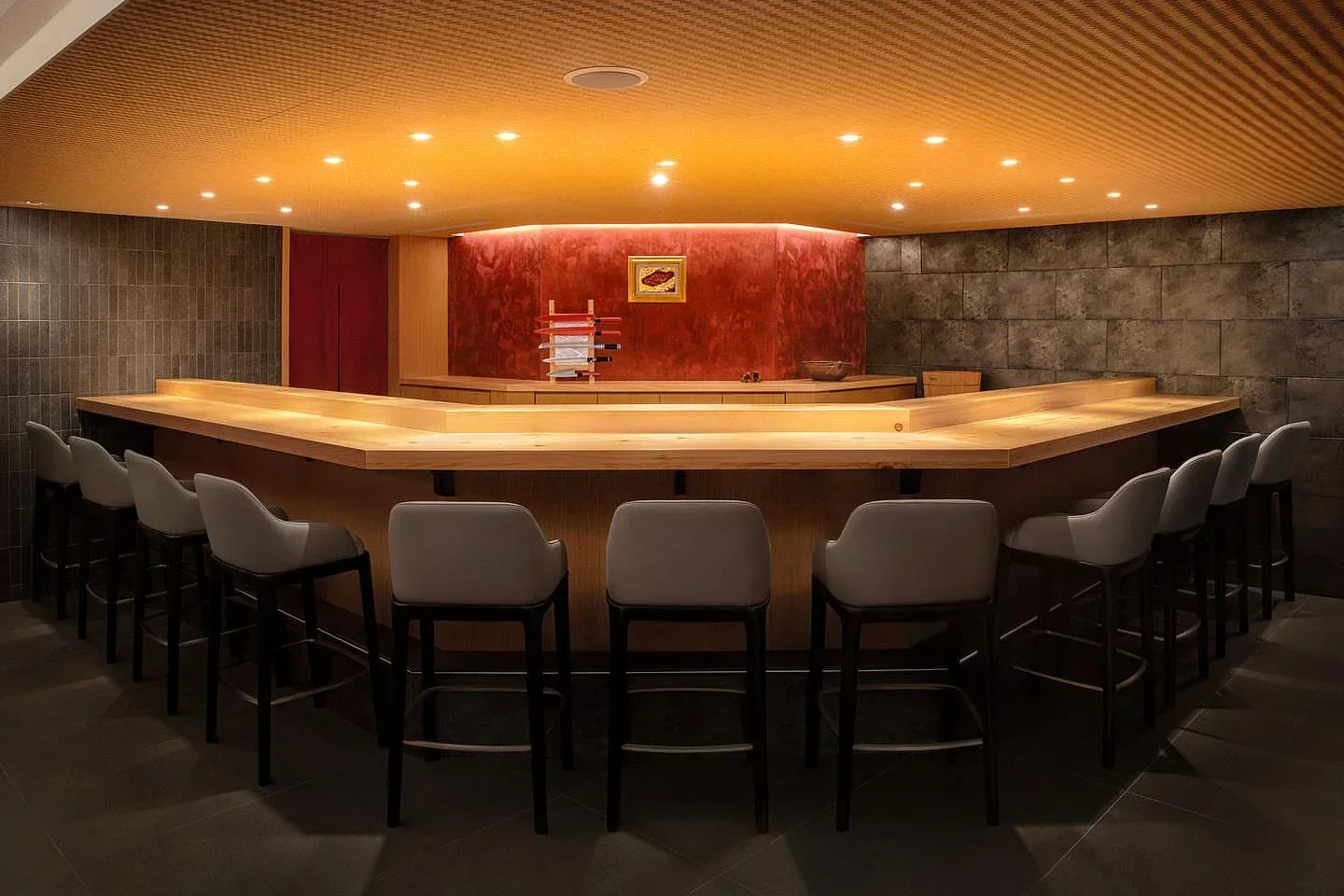
Photos: Sushi Nomura
08.Sushi Nomura
What is it? Sushi Nomura sits on Alley 19, Lane 300, Section 4 of Ren'ai Road in the Da’an District. This Michelin-starred restaurant specializes in Japanese sushi and seafood.
Why we love it: It earns its place in Taipei’s competitive fine dining landscape by focusing on the precise intersection of high-end seafood and traditional Japanese preparation. With a guest rating of 4.73 from 626 reviews, the consistency of the experience justifies the high price point. It remains a ten-minute walk from the Sun Yat-Sen Memorial Hall, providing a quiet, romantic retreat compared to the busier commercial zones nearby.
Good to Know: Sushi Nomura strictly enforces a smart and elegant dress code, so save your casual streetwear for a stroll through the nearby Da’an Forest Park.
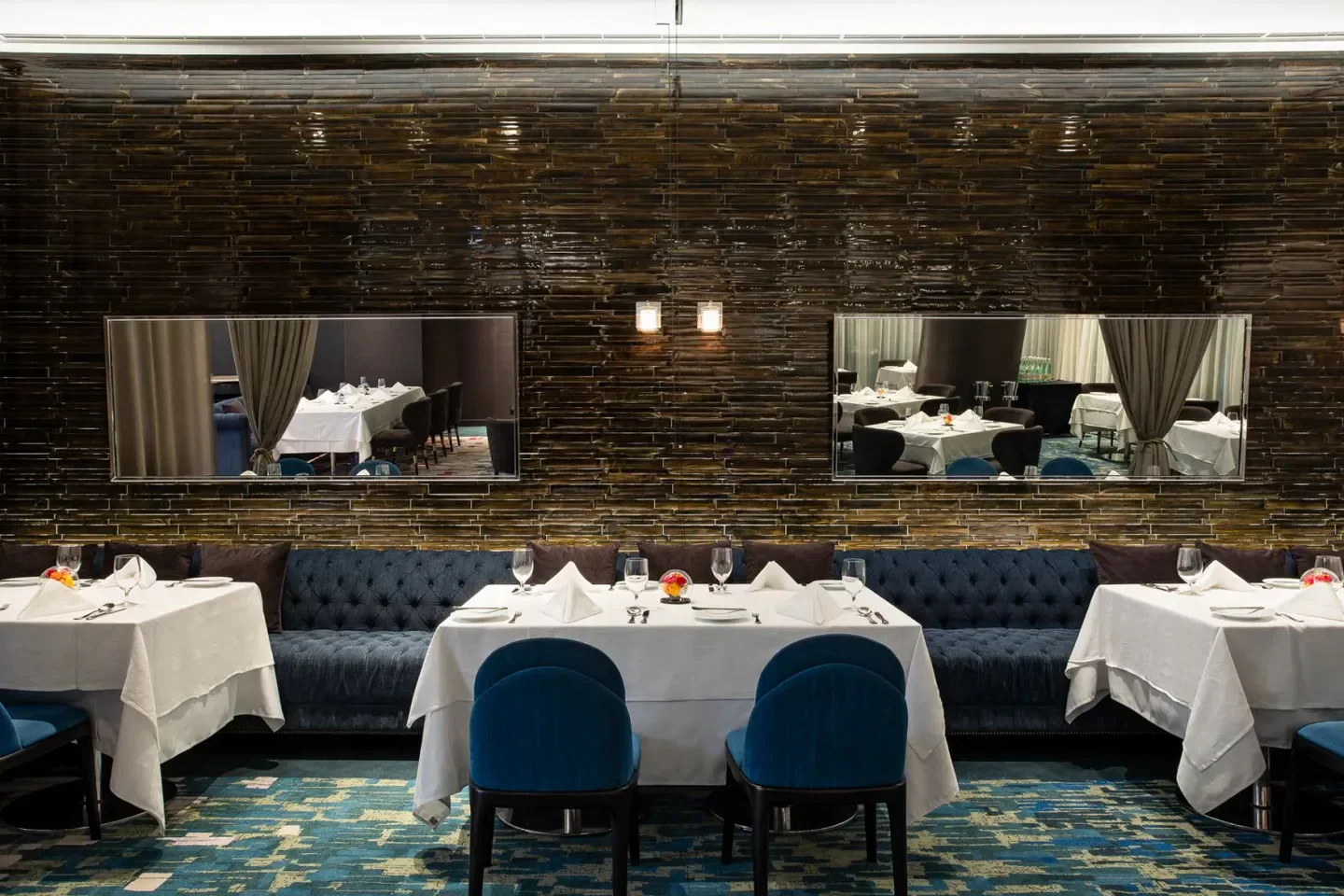
Photos: A Cut
09.A Cut
What is it? A Cut sits on Liaoning Street in the Zhongshan District. This restaurant holds a Michelin star and maintains a focus on modern grills and international cuisine.
Why we love it: The kitchen manages to command a premium price point while consistently satisfying a broad, demanding local following, as evidenced by its robust 4.61 guest rating from nearly three thousand reviews. It stands as a refined, romantic choice for those looking to avoid the tourist-heavy sprawl near the Sun Yat-Sen Memorial Hall.
Good to Know: A Cut enforces a smart and elegant dress code, so trade the sneakers for something sharper before heading to this Liaoning Street destination.
Photos: ZEA
10.ZEA
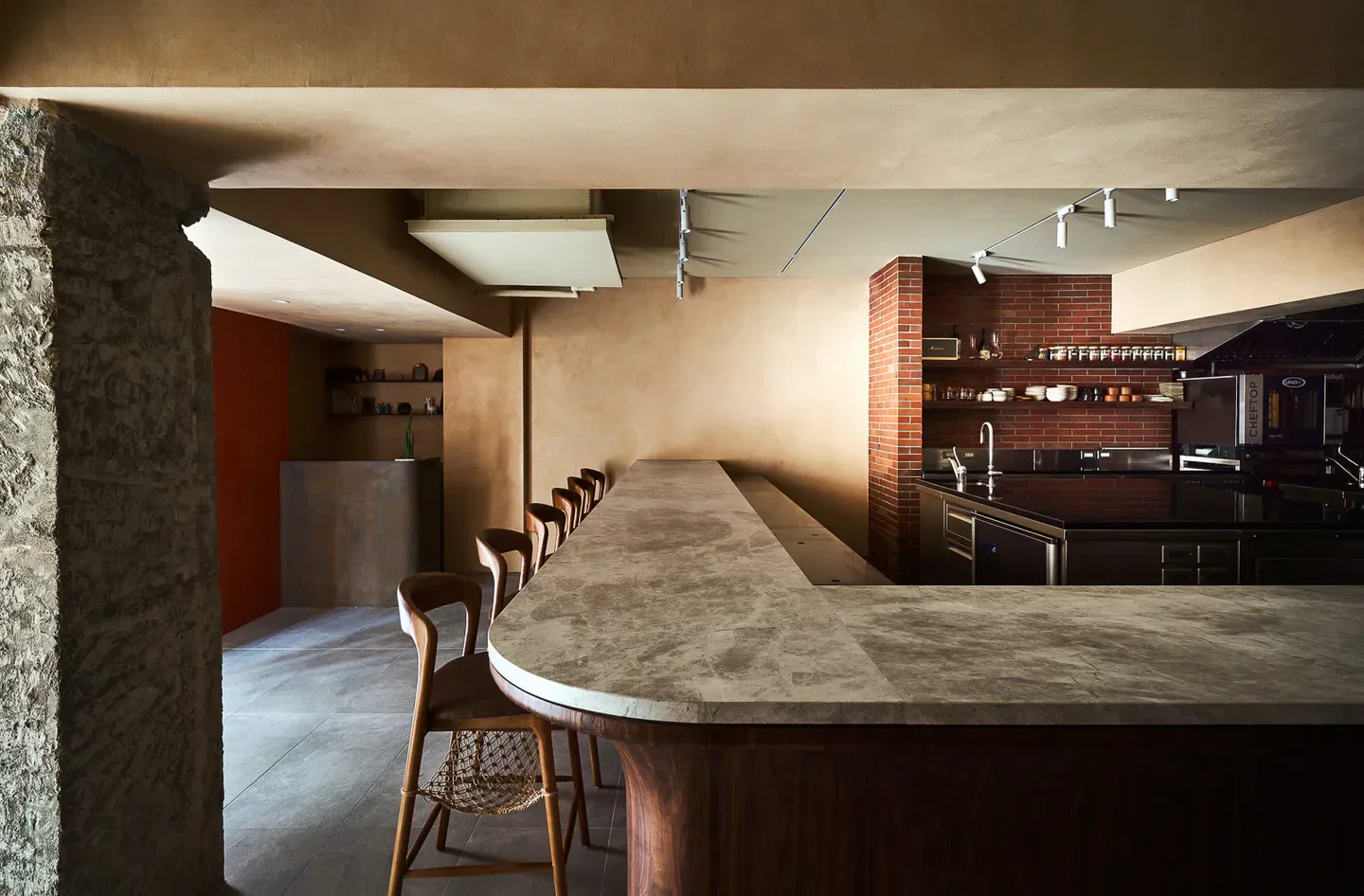
What is it? ZEA sits on Alley 20, Lane 300, Section 4 of Ren’ai Road, an eight-minute walk from the Sun Yat-Sen Memorial Hall. This fine dining destination holds a Michelin star and sits within reach of the Xinyi Shopping District.
Why we love it: The kitchen focuses on Japanese and seafood traditions, positioning itself as a high-end, luxury choice for those exploring the Dunhuang Village area. It earns its place among the city’s top tiers by delivering a polished experience that justifies its premium price point.
Good to Know: The bar at ZEA offers a precise selection of spirits that pairs with their focus on raw and prepared seafood, so plan to arrive early enough to settle in before your meal.