Restaurants in Taipei, chosen for what they do differently. Here is where to start.
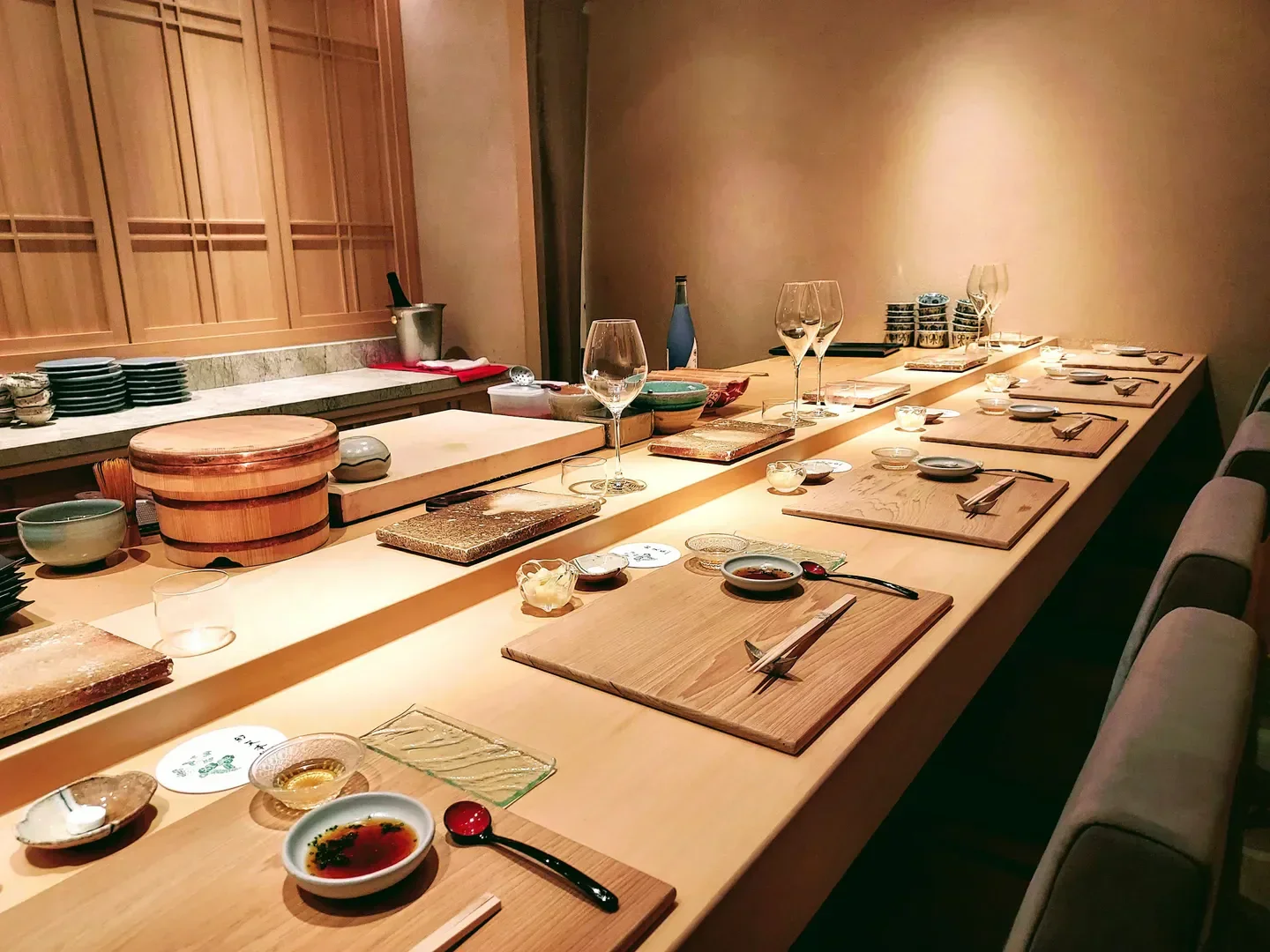
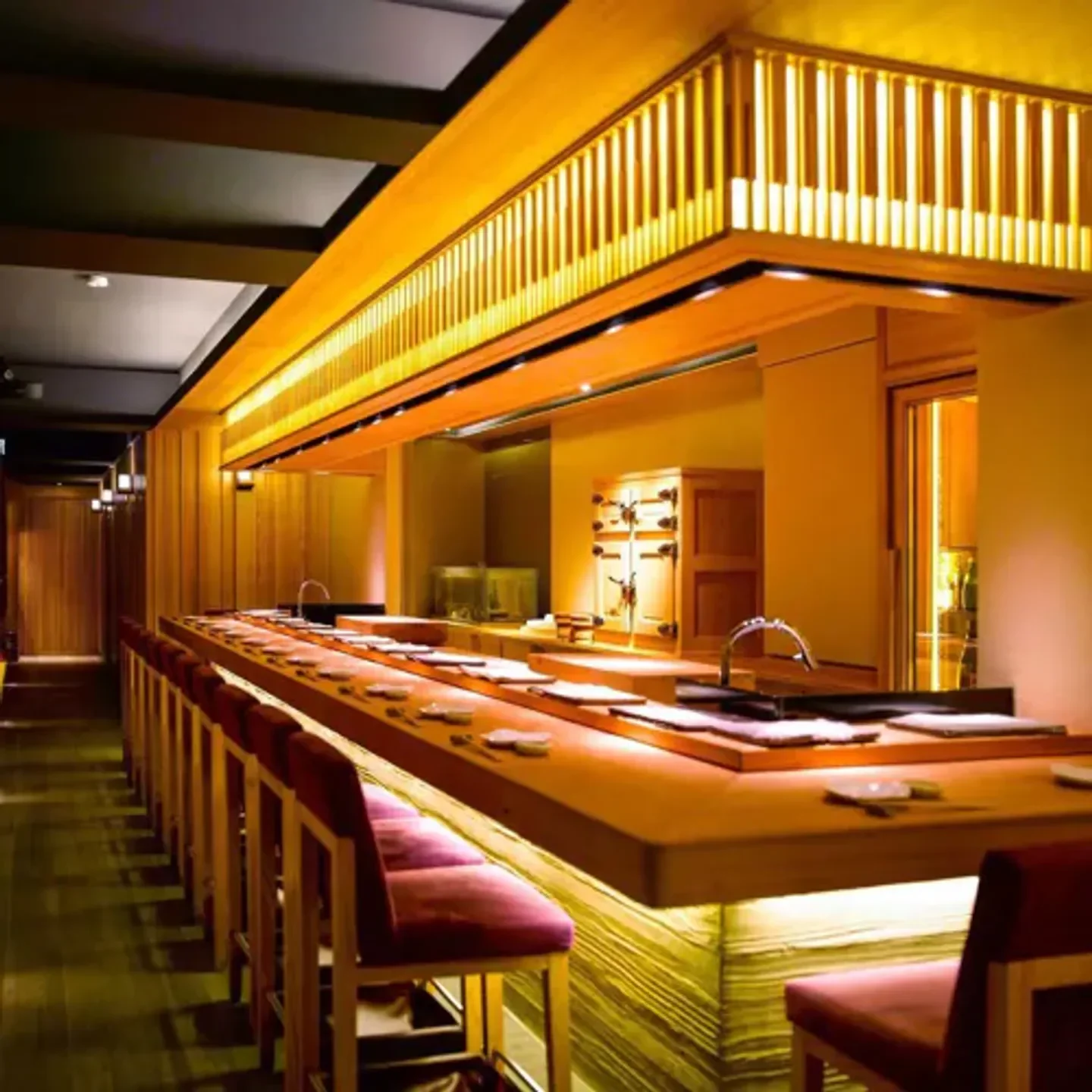
Photos: Sushi Amamoto
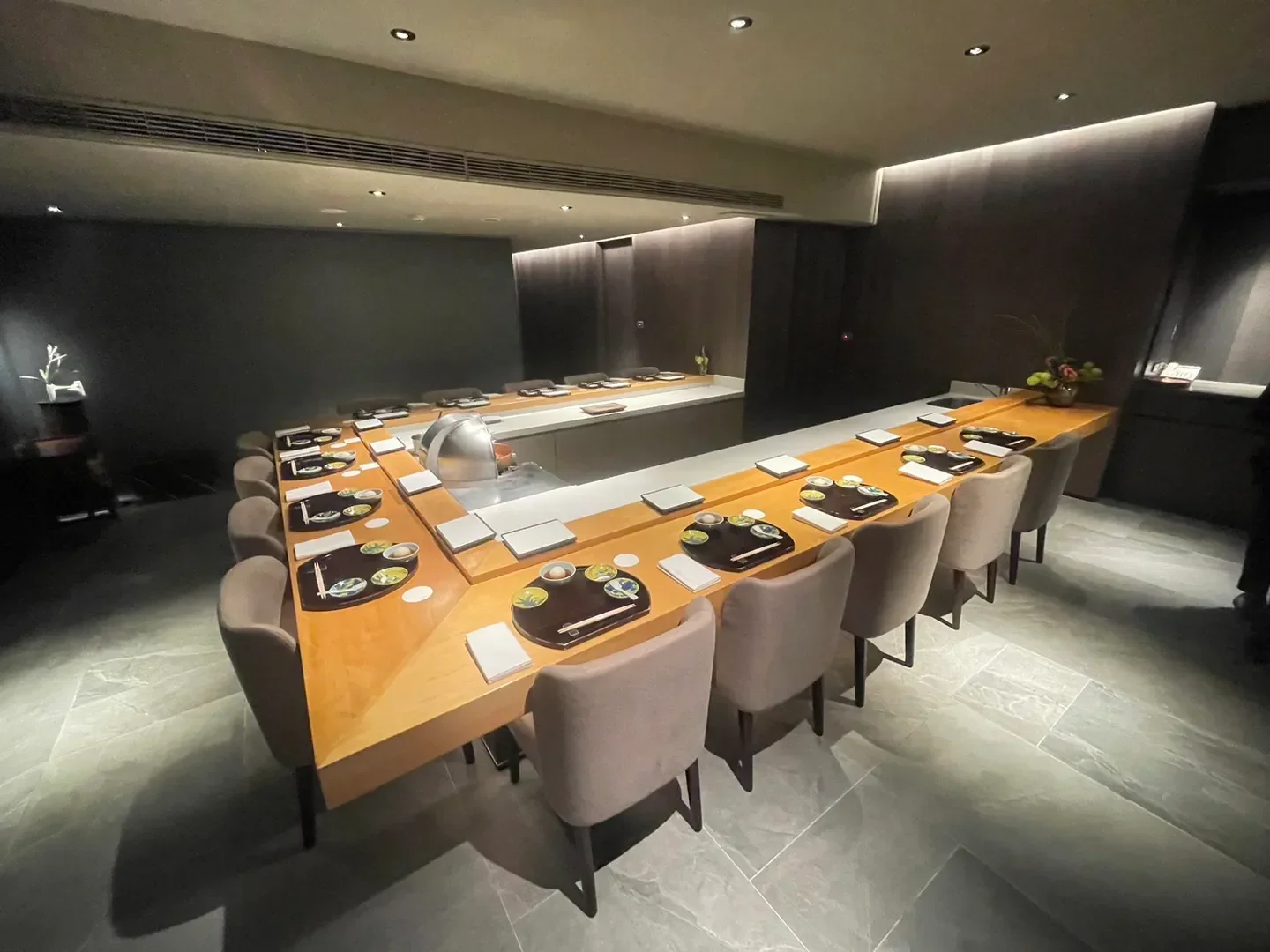
01.Sushi Amamoto
What is it? Sushi Amamoto sits on Section 4, Ren’ai Road, inside the Da’an District. This Michelin-starred restaurant focuses on Japanese seafood and sushi, positioning itself as a fine dining destination within an easy ten-minute walk of the Sun Yat-Sen Memorial Hall.
Why we love it: The restaurant commands a steady following, bolstered by 273 guest reviews that reflect a high degree of precision in its execution. By blending a formal, romantic atmosphere with the rigor of Japanese seafood preparation, it offers an expensive but focused alternative to the more frantic dining rooms found closer to Taipei 101.
Good to Know: Given the fine dining nature of Sushi Amamoto, the restaurant strictly enforces a smart and elegant dress code to match the tone of its service.
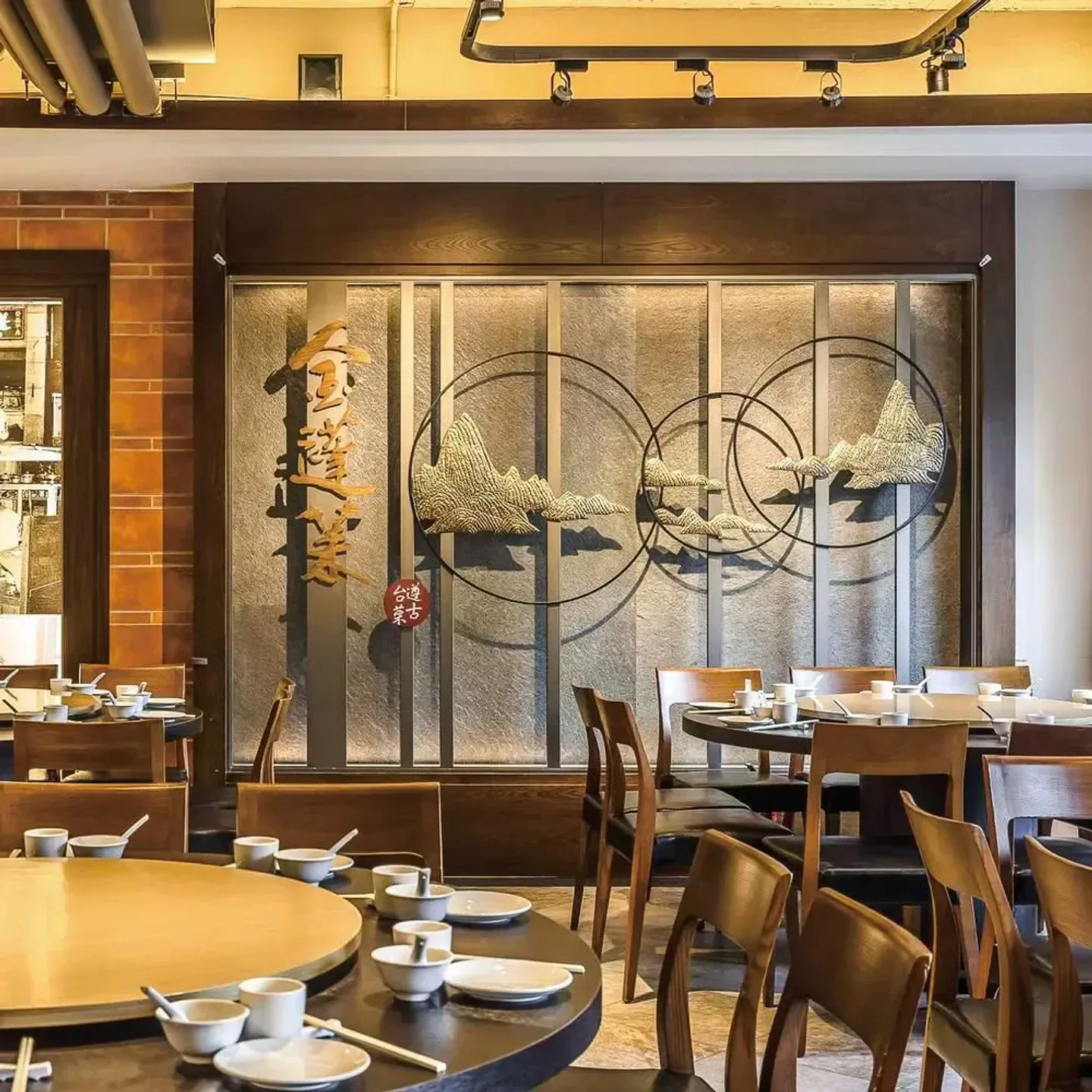
Photos: Golden Formosa
02.Golden Formosa
What is it? Golden Formosa sits on Tianmu East Road, about a ten-minute walk from the Taipei American School. This Michelin-starred restaurant specializes in traditional and creative Chinese cuisine.
Why we love it: While many establishments rely on trends, Golden Formosa earns its Michelin star by anchoring its creative menu in traditional Chinese roots. The space feels intimate and romantic, offering a polished dining environment that justifies its status as a destination for those who value classic technique over culinary spectacle. With over 4,000 reviews and a strong 4.49 rating, the kitchen consistently manages the expectations of a high-volume, mid-priced dining room without losing its disciplined focus.
Good to Know: The smart and elegant dress code at Golden Formosa matches the formality of the service, so skip the casual wear to better suit the refined, luxurious dining room.
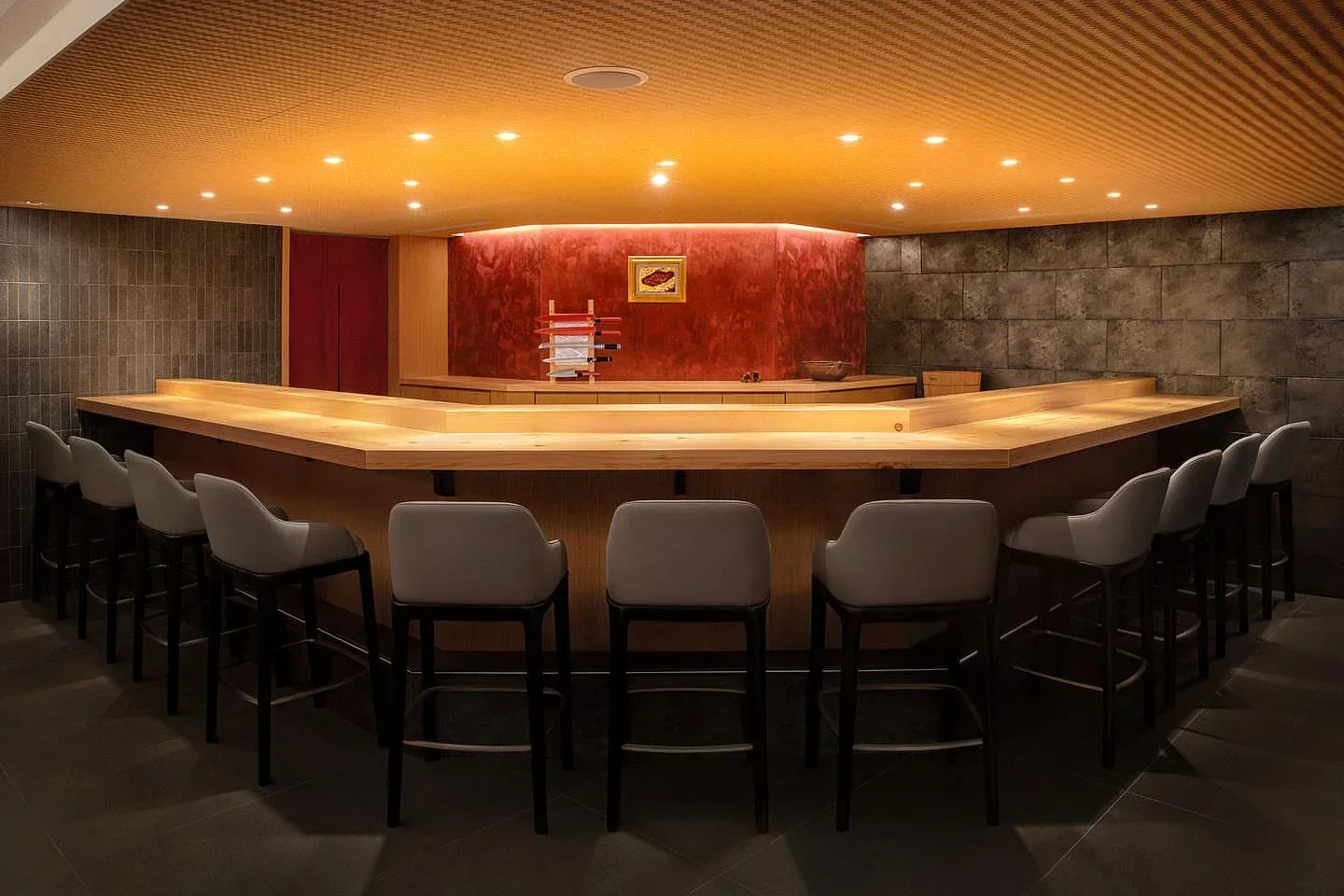
Photos: Sushi Nomura
03.Sushi Nomura
What is it? Sushi Nomura is a Michelin-starred Japanese restaurant located at No. 4, Alley 19, Lane 300, Section 4, Ren'ai Rd, in the Da’an District. It sits a ten-minute walk from the Sun Yat-Sen Memorial Hall.
Why we love it: The kitchen commands a high price for its focus on premium seafood, maintaining a level of consistency evidenced by a 4.73 rating from over 600 diners. Unlike the sprawling dining rooms near the Eslite Bookstore, this is a refined, intimate space that prioritizes the precision of Japanese sushi preparation.
Good to Know: Sushi Nomura enforces a smart and elegant dress code, so save the casual wear for a stroll through the nearby Da’an Forest Park instead.
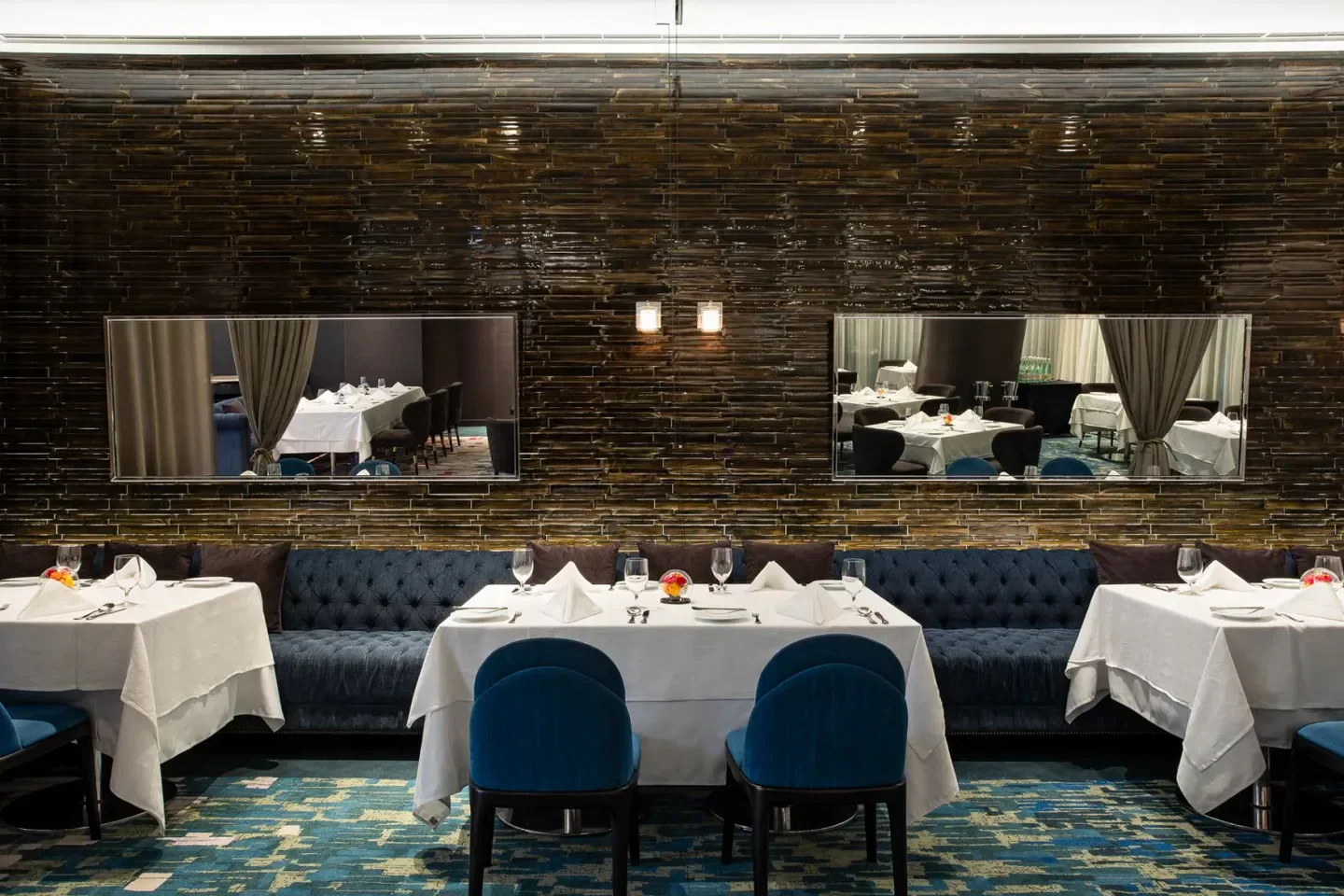
Photos: A Cut
04.A Cut
What is it? A Cut is a Michelin-starred restaurant located on Liaoning Street in Taipei. It positions itself in the high-end tier of the city’s international grill scene.
Why we love it: While many venues in the area lean into casual dining, A Cut stays committed to a formal, modern luxury experience. It earns its reputation through precision, evidenced by a strong guest rating from nearly 3,000 diners who value the consistent execution of its grill-focused menu.
Good to Know: The formal dress code at A Cut is strict; save your sneakers for the walk over from the Sun Yat-Sen Memorial Hall.
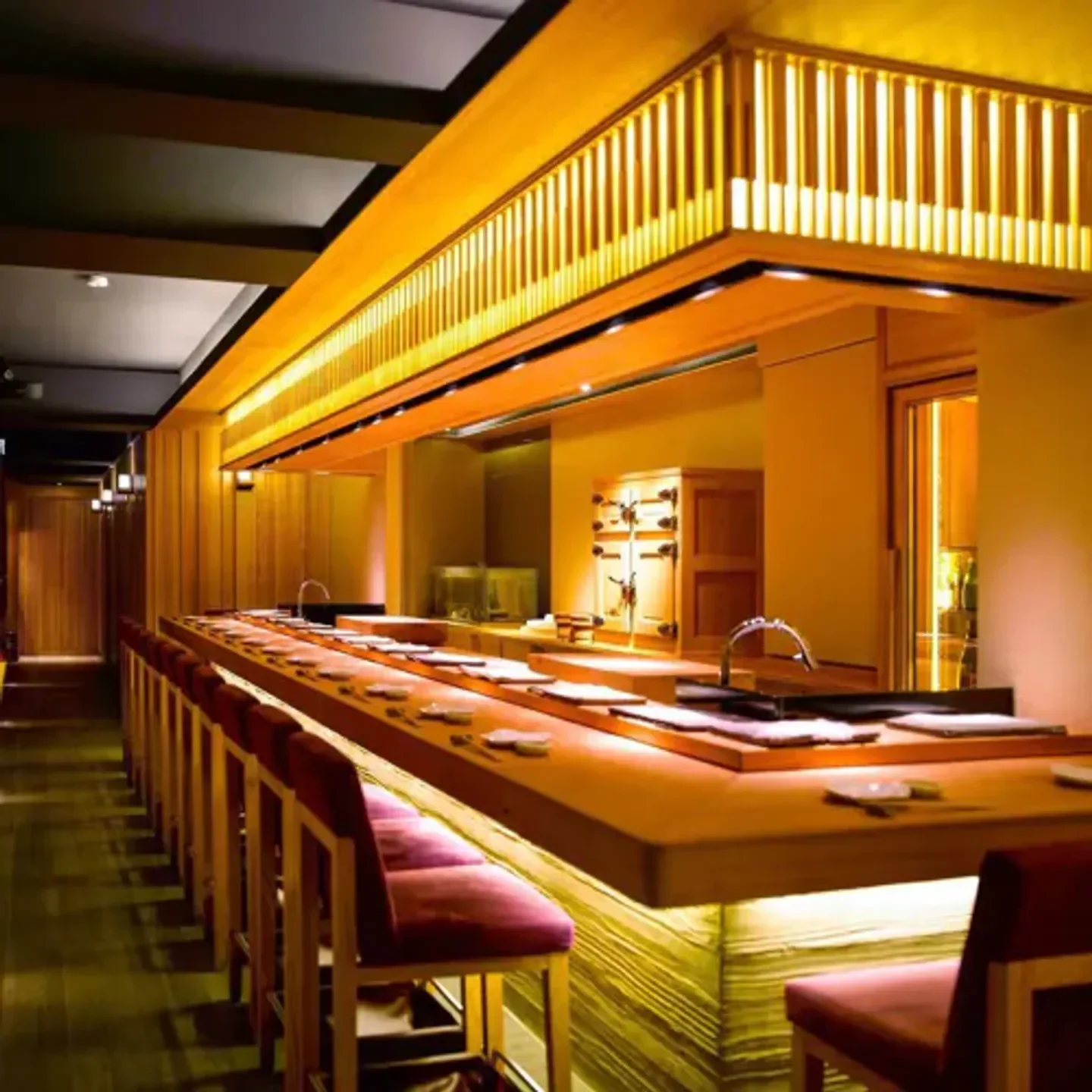
Photos: Kitcho
05.Kitcho
What is it? Kitcho is a Japanese restaurant located on Lane 181, Section 4, of Zhongxiao E Rd in the Da’an District. It holds a Michelin star and sits roughly a twenty-minute walk from the Sun Yat-Sen Memorial Hall.
Why we love it: While Taipei’s food scene is crowded, Kitcho maintains a high standard of luxury that earns it a 4.67 rating from hundreds of diners. Its price reflects a commitment to the precision required for high-end Japanese sushi, justifying the cost through the quiet, refined focus on the craft.
Good to Know: The formal, elegant atmosphere at Kitcho requires a smart dress code, so save the casual wear for a post-dinner stroll to the nearby Daan Forest Park.
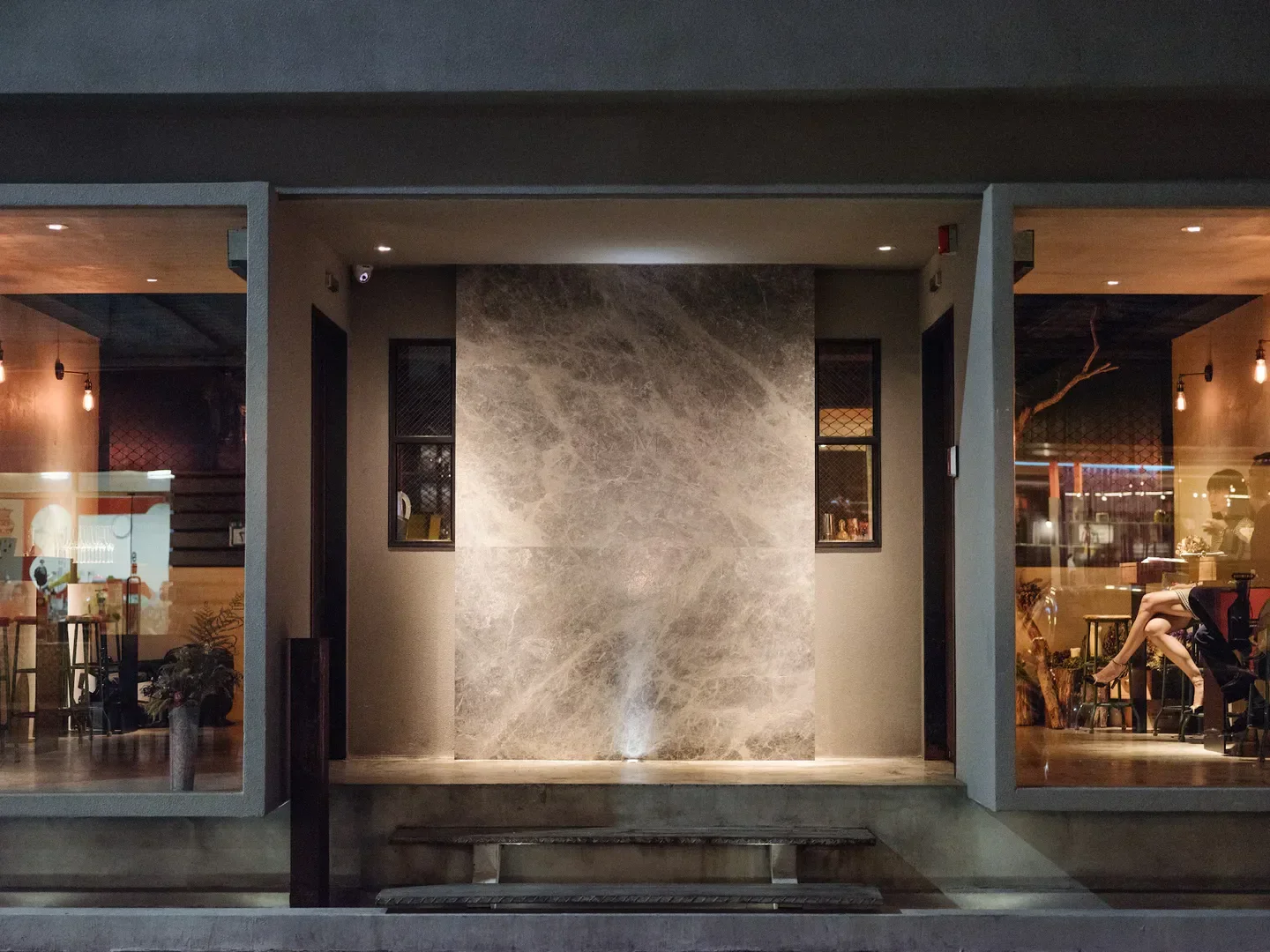
Photos: MUME
06.MUME
What is it? MUME sits on Siwei Road in the Da’an District, roughly an eighteen-minute walk from Daan Forest Park. The restaurant holds a Michelin star and ranks no. 33 on the 2024 Asia's 50 Best Restaurants list.
Why we love it: While many fine dining rooms in Taipei lean heavily on tradition, MUME succeeds by pulling international, fusion, and modern influences into a cohesive, high-end experience. The kitchen’s output clearly resonates with a broad audience, as evidenced by a 4.53 rating from over 1,500 diners who favor this expensive, top-tier destination.
Good to Know: The smart and elegant dress code applies even if you choose to dine on the MUME terrace, so plan your outfit accordingly.
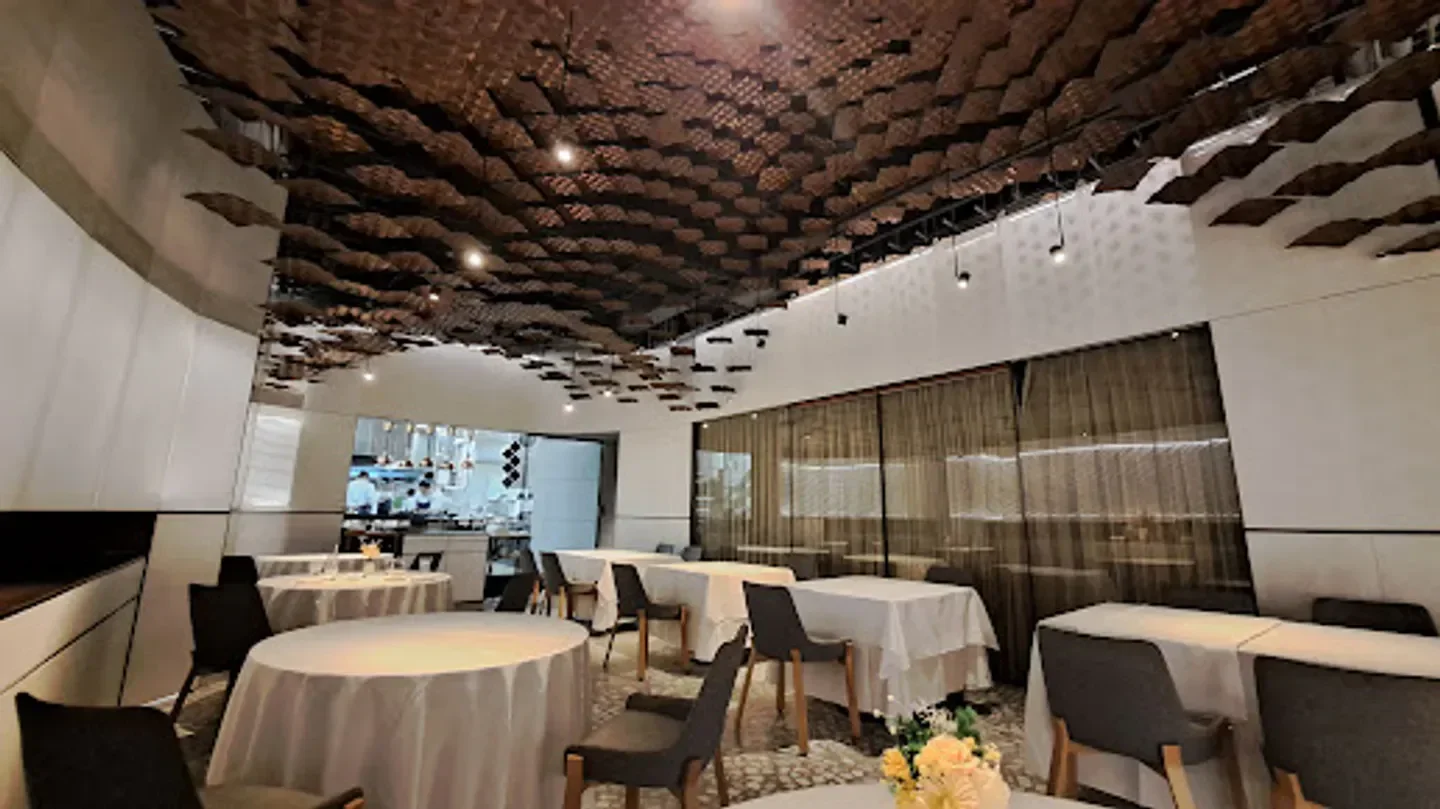
Photos: Taïrroir
07.Taïrroir
What is it? Taïrroir sits on Lequn 3rd Rd in the Zhongshan District, roughly a fifteen-minute walk from Miramar Entertainment Park. The venue holds three Michelin stars and ranks as number 48 on the 2024 La Liste.
Why we love it: Taïrroir bridges the gap between classic French technique and Asian flavors, creating a profile that justifies its position at the higher end of Taipei’s fine dining market. With over 1,400 diners rating the experience at 4.66, it manages to maintain a rigorous standard of luxury that distinguishes it from the surrounding city sprawl.
Good to Know: The romantic atmosphere at Taïrroir leans into a smart and elegant dress code, so plan your attire accordingly for the French-Asian fusion service.
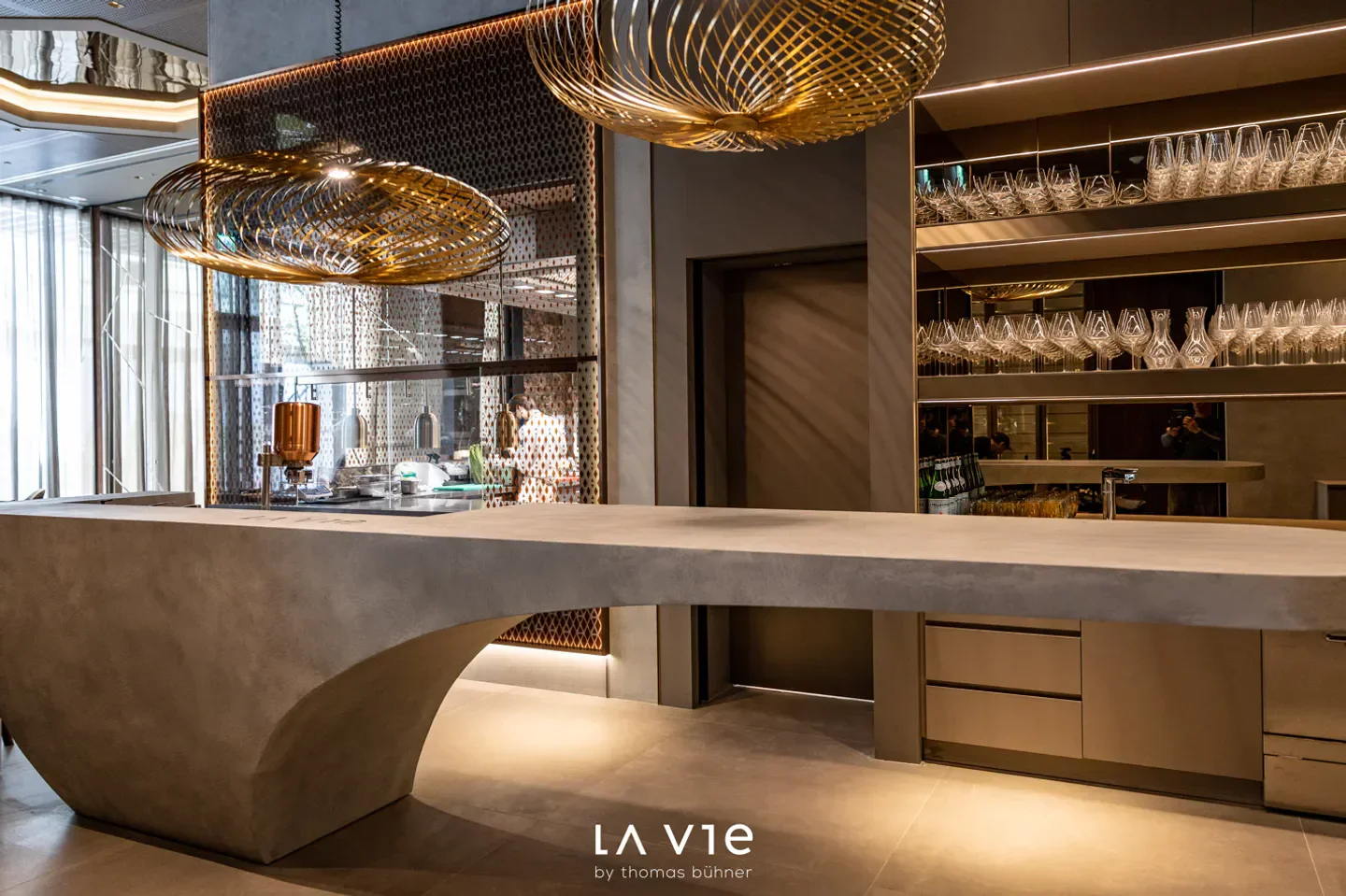
Photos: LA Vie by thomas bühner
08.LA Vie by thomas bühner
What is it? LA Vie by thomas bühner sits on Lequn 3rd Rd in the Zhongshan District. The restaurant holds a Michelin star and maintains a position at number 15 on the 2024 La Liste. It is a fifteen-minute walk from Miramar Entertainment Park.
Why we love it: This venue distinguishes itself by applying a precise, contemporary French approach to fine dining. With a guest rating of 4.80 from 123 reviews, the experience balances the rigorous standards of a Michelin-starred kitchen with a notably romantic atmosphere, making it a rare destination for those seeking high-end luxury near Dajia Riverside Park.
Good to Know: The formal, smart and elegant dress code at LA Vie by thomas bühner matches the intensity of its modern cuisine, so arrive dressed for a significant evening.
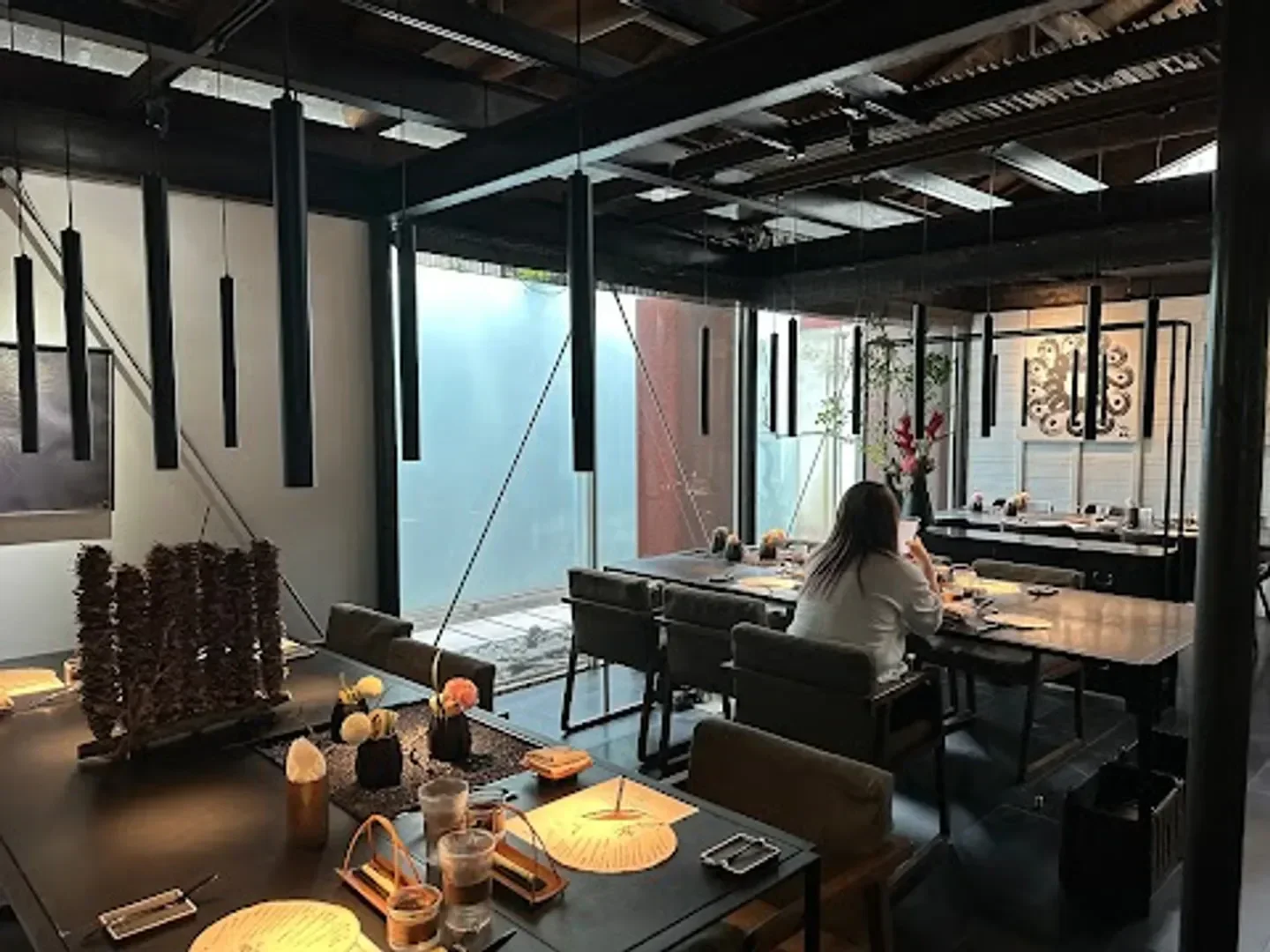
Photos: Toh-A
09.Toh-A
What is it? Toh-A sits on Alley 23, Lane 76, Section 2 of Heping E Road, a ten-minute walk from Daan Forest Park. It is a Michelin-starred destination that focuses on a traditional Japanese approach to fine dining.
Why we love it: While many establishments in the Da’an District rely on volume, Toh-A justifies its premium price point through a disciplined adherence to traditional techniques. It balances the rigors of a Michelin-starred kitchen with a romantic, intimate atmosphere that feels entirely removed from the bustle near National Taiwan University.
Good to Know: The kitchen at Toh-A treats sushi as a precise, singular event, so dress in your most polished smart and elegant attire to match the pacing of the meal.
Photos: Longtail
10.Longtail
What is it? Longtail is a fine dining restaurant on Section 2, Dunhua South Road. It holds a Michelin star and draws a crowd looking for an international fusion menu in the Da’an District.
Why we love it: While many venues in the Da’an District lean heavily on local tradition, Longtail distinguishes itself by prioritizing a contemporary, international perspective. At a price point that reflects its luxury positioning, the restaurant captures a romantic energy that is hard to find near the bustling Eslite Bookstore or the nearby Sun Yat-Sen Memorial Hall.
Good to Know: The kitchen’s approach to fusion cuisine relies on precise technique, so expect refined, globally-inspired flavor profiles that pair best with a smart and elegant dress code.