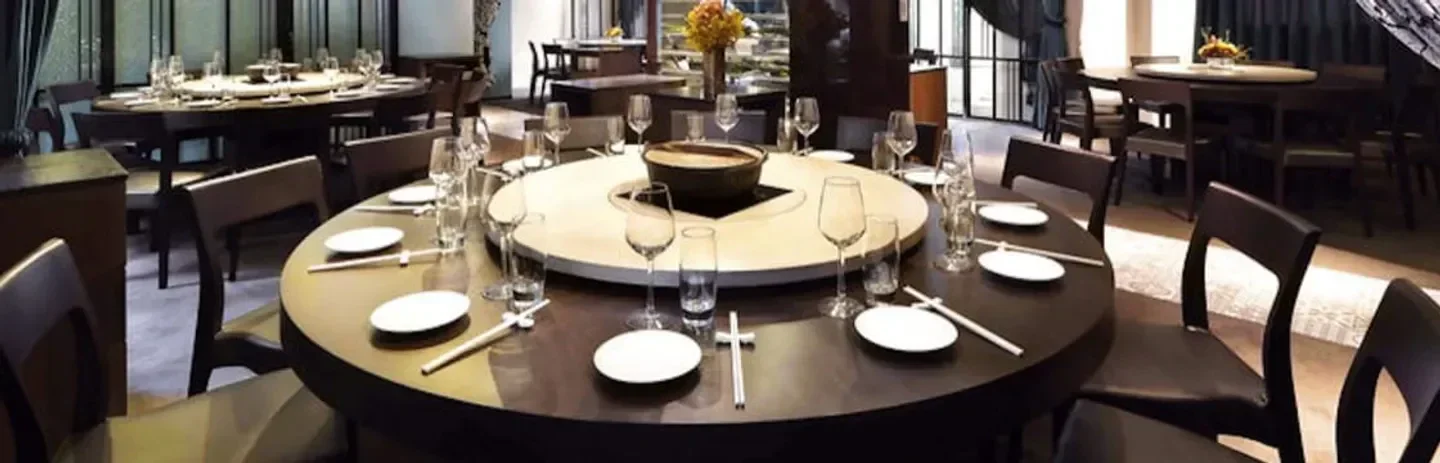
In Taipei, the most important app on your phone isn't Google Maps. It’s Inline. Securing a table at the city’s top spots has become a high-stakes competitive sport. Locals plan their entire weeks around booking windows that open at midnight sharp. The dining landscape has moved far beyond the neon glow of night markets. Today, the city's kitchens command an ambition that rivals Tokyo or Paris.
You’ll feel this energy at INITA, where Italian techniques meet Japanese precision in a frantic open kitchen. At Ad Astra, the focus turns to the sharp discipline of New York-style tasting menus. ZEA introduces the city to bold, fire-licked Latin American flavors that feel entirely new to the district. This scene favors chef-driven autonomy over corporate polish. Even the quiet, velvet corners of De Nuit demand your undivided attention.
These tables are currently redefining the capital's culinary identity. Here is where you should start.

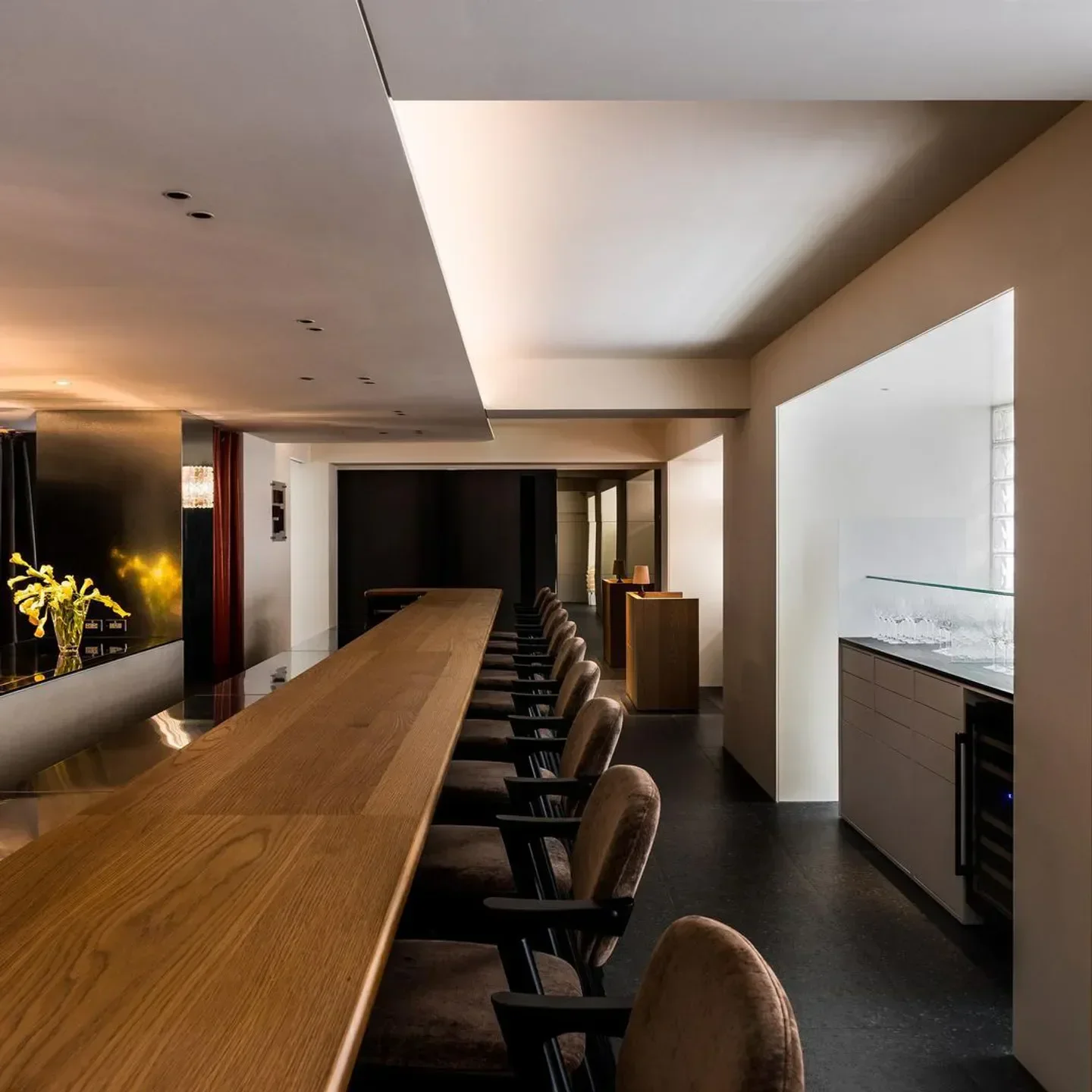
© Photo Credits: INITA
01.INITA
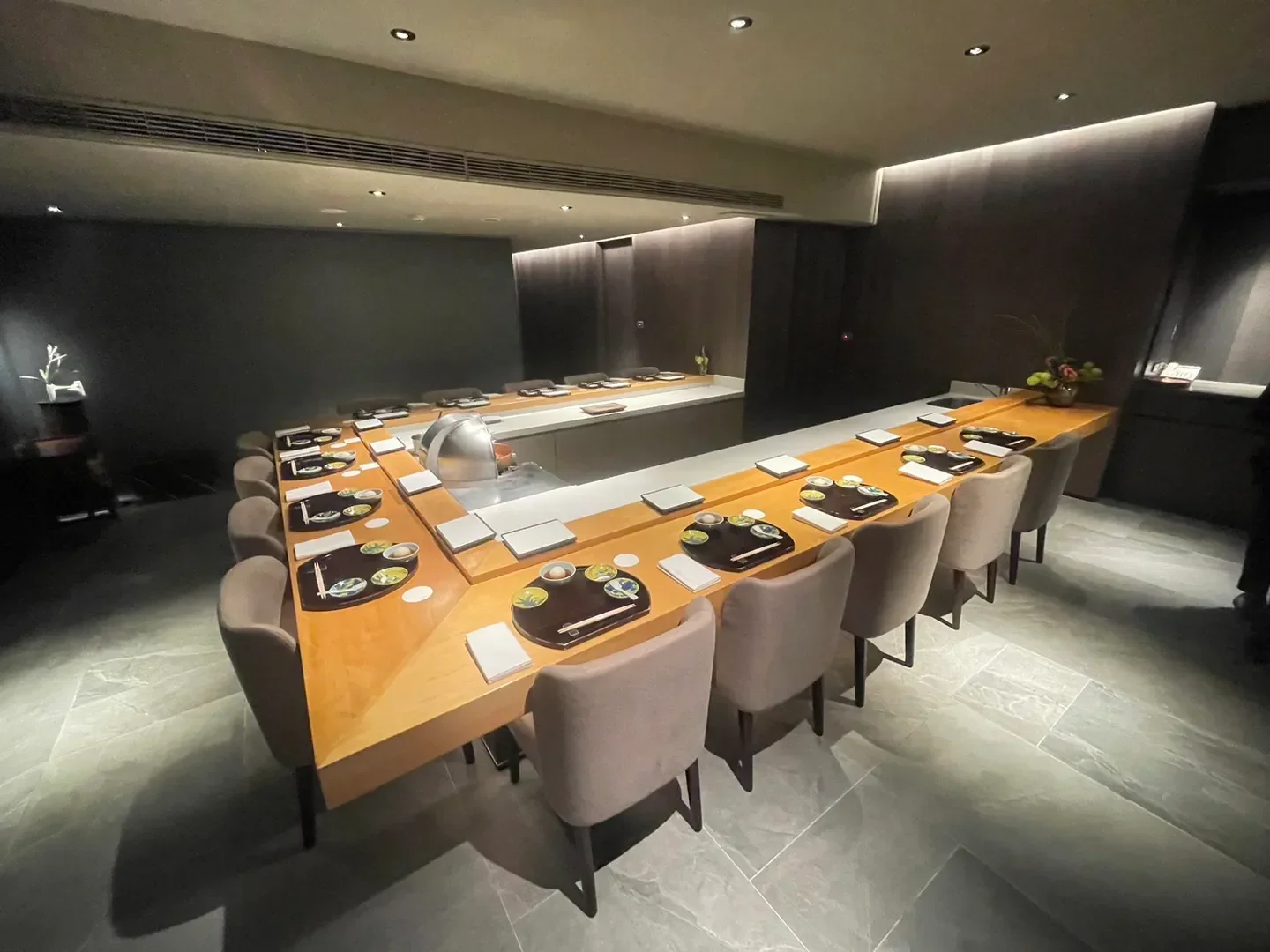
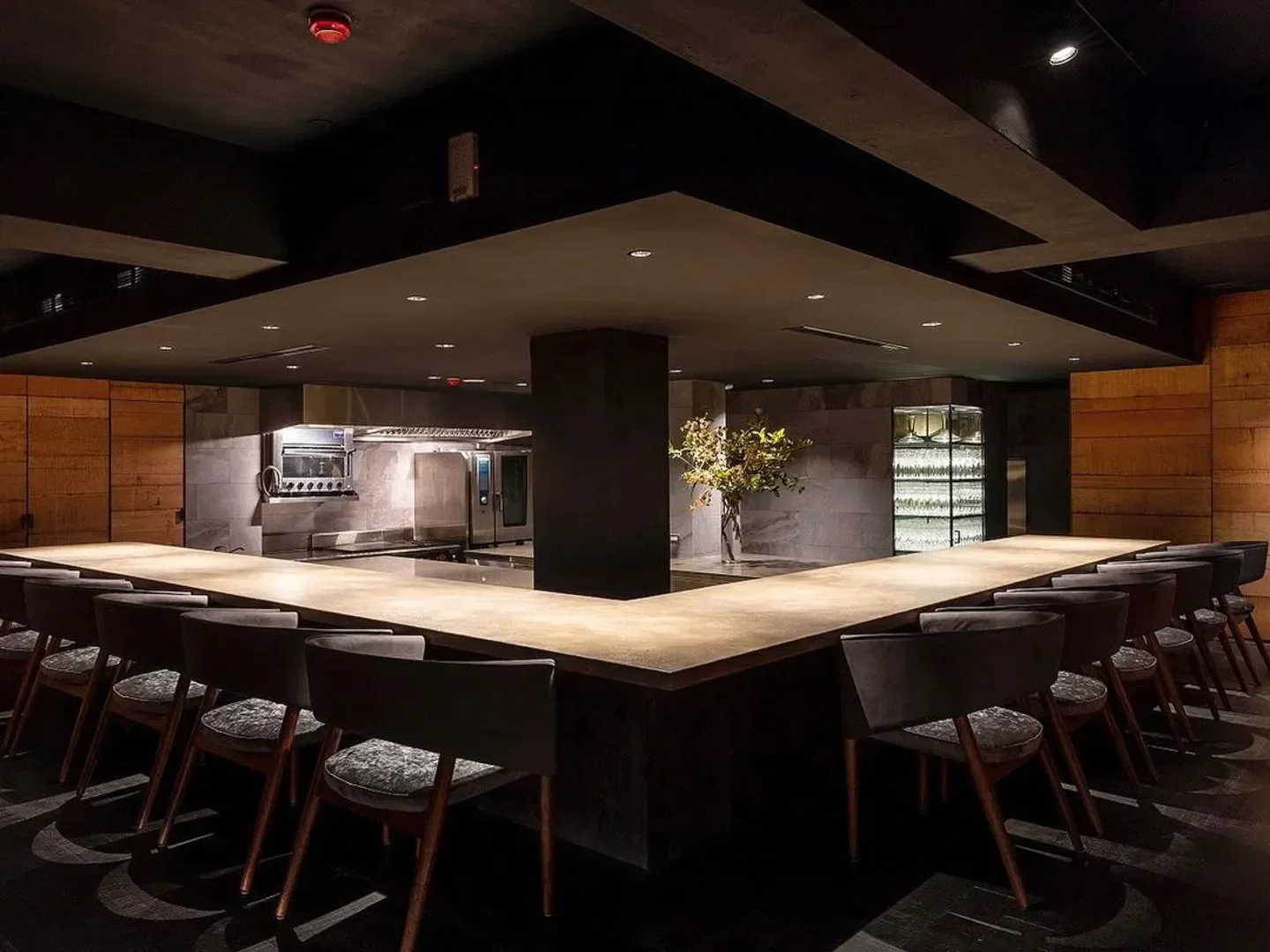
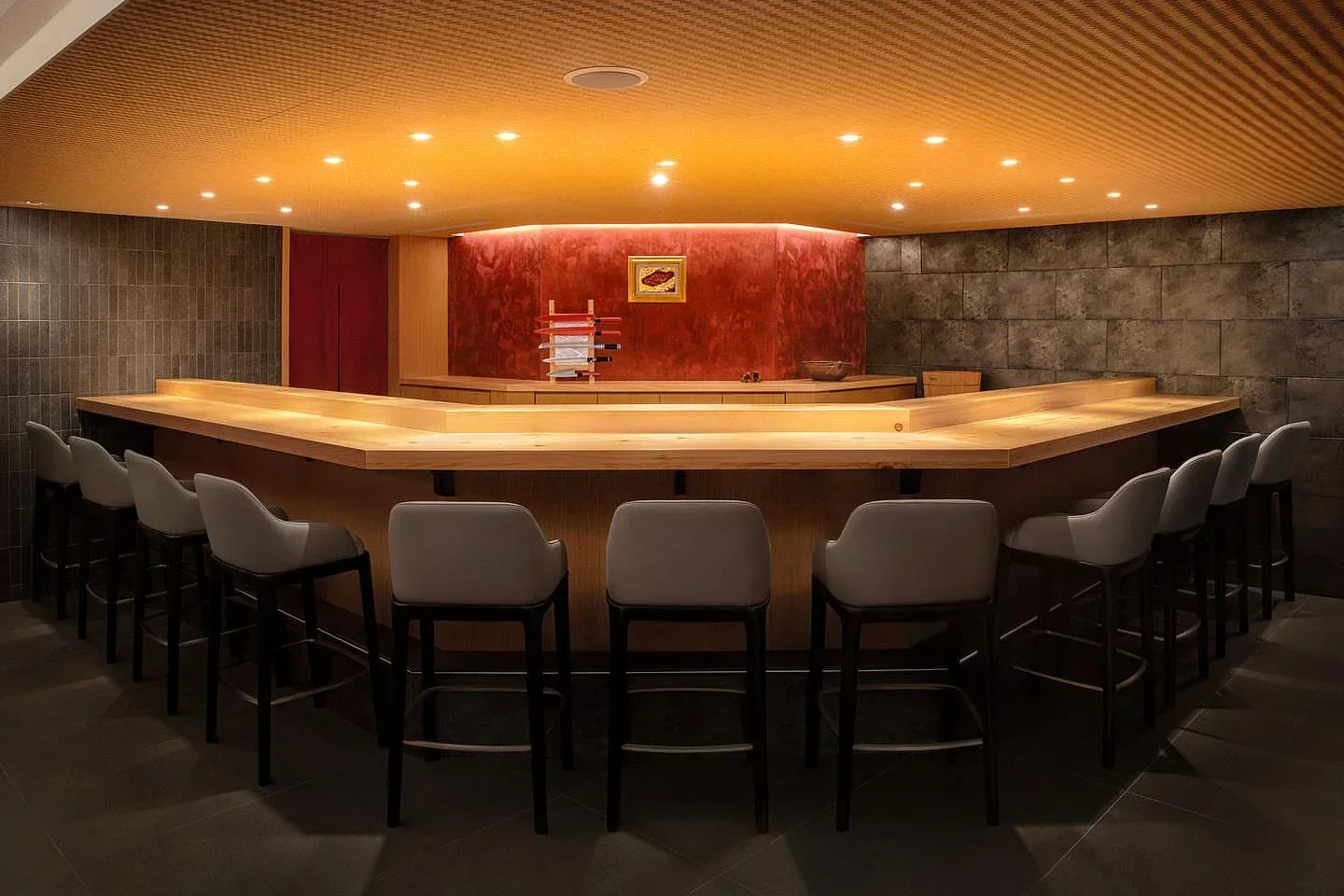
What is it? INITA brings high-voltage energy to Taipei’s dining scene. The restaurant centers on a bustling open kitchen where the chefs perform for a room of engaged guests. It feels less like a traditional meal and more like a front-row seat at a culinary theater.
Why we love it: The kitchen team executes a complex tasting menu with rhythmic speed and practiced ease. Watching the action from the chef’s table reveals the intense focus behind every plated course. The atmosphere stays vibrant, fueled by the constant motion of the culinary team and the buzz of a curious crowd.
Good to Know: The chef's table at INITA offers the clearest view of the open kitchen, where the team explains the local Taiwanese origins of specific ingredients during the tasting menu service.

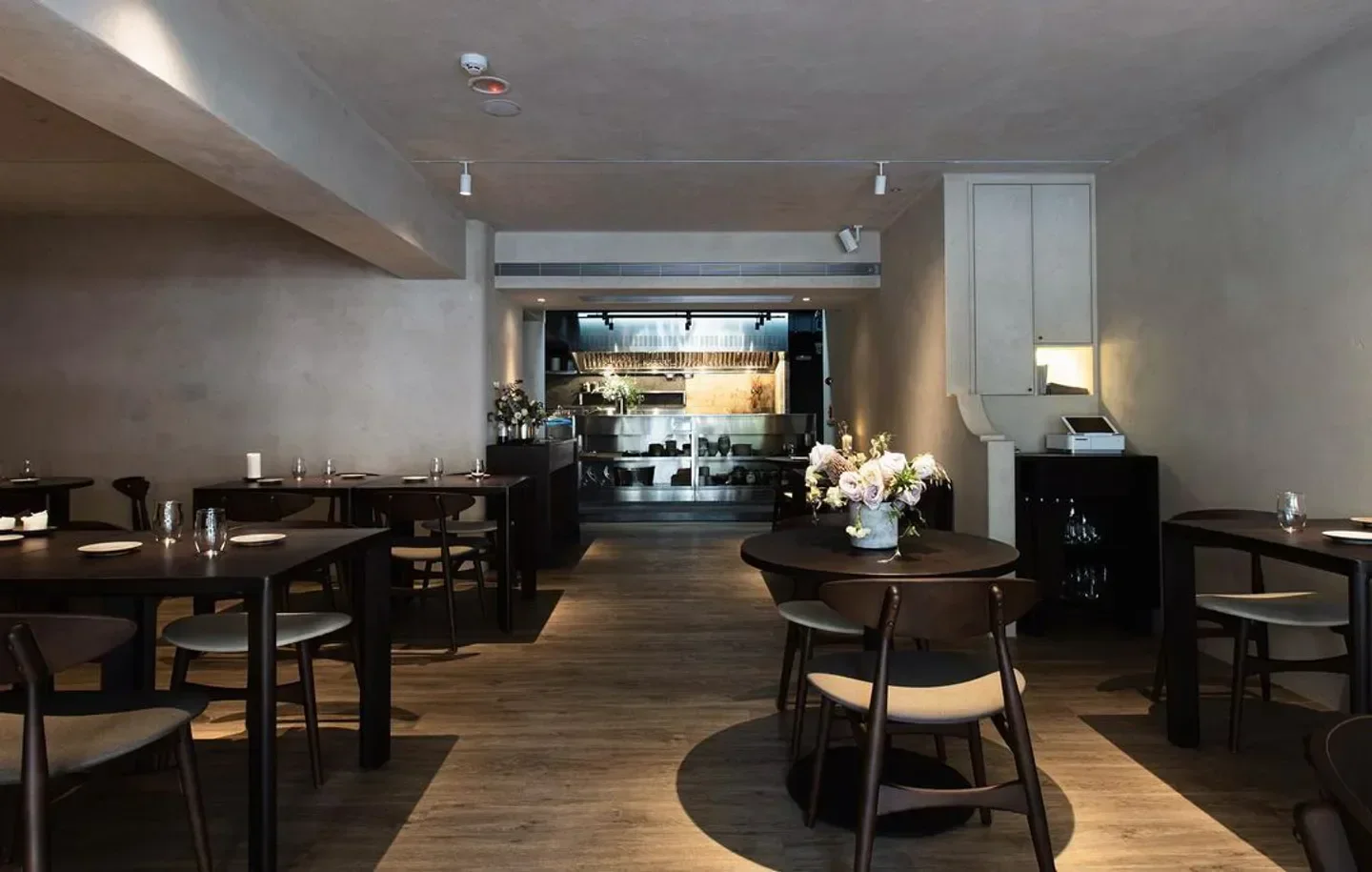
© Photo Credits: Ad Astra
02.Ad Astra
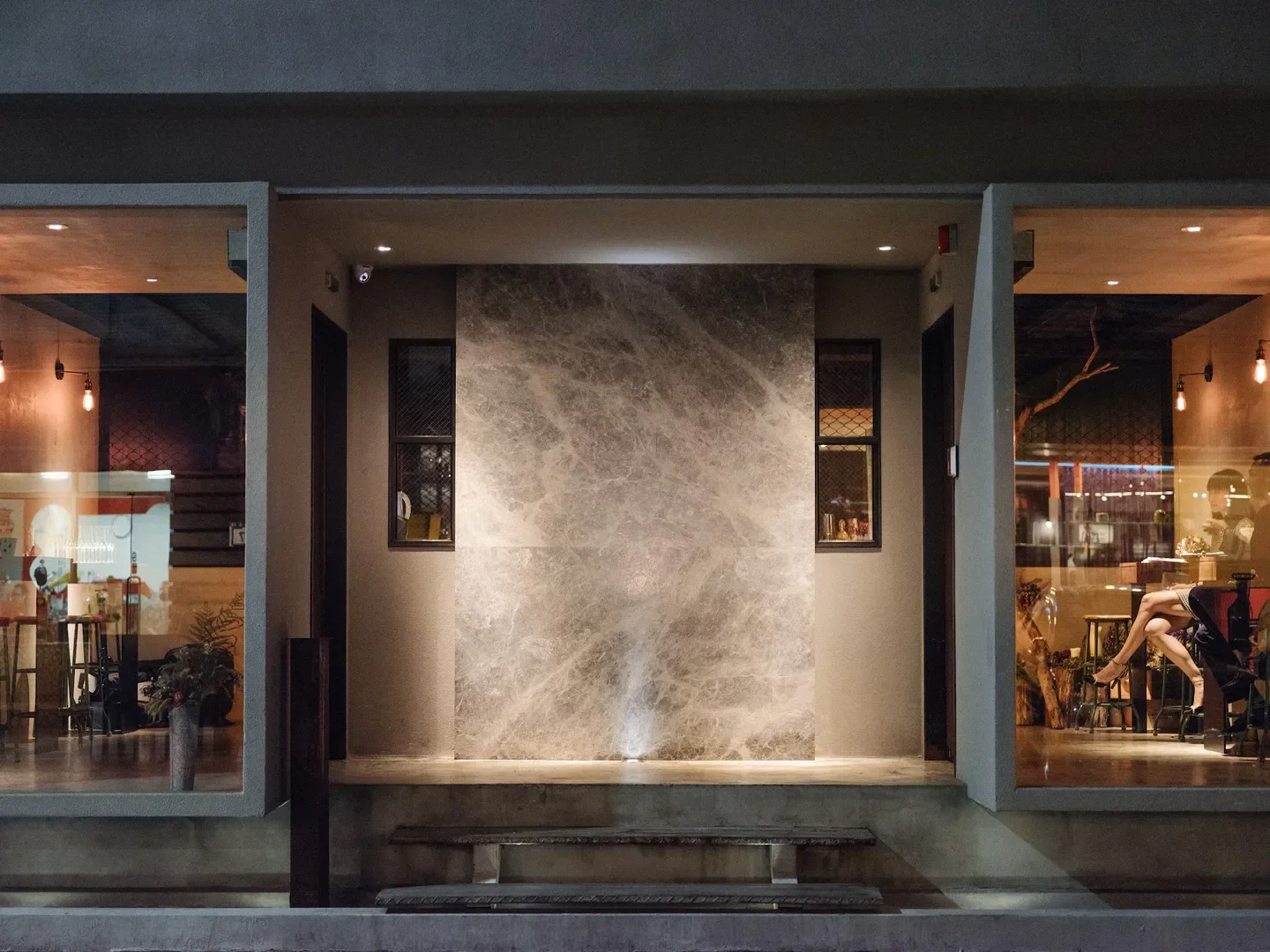
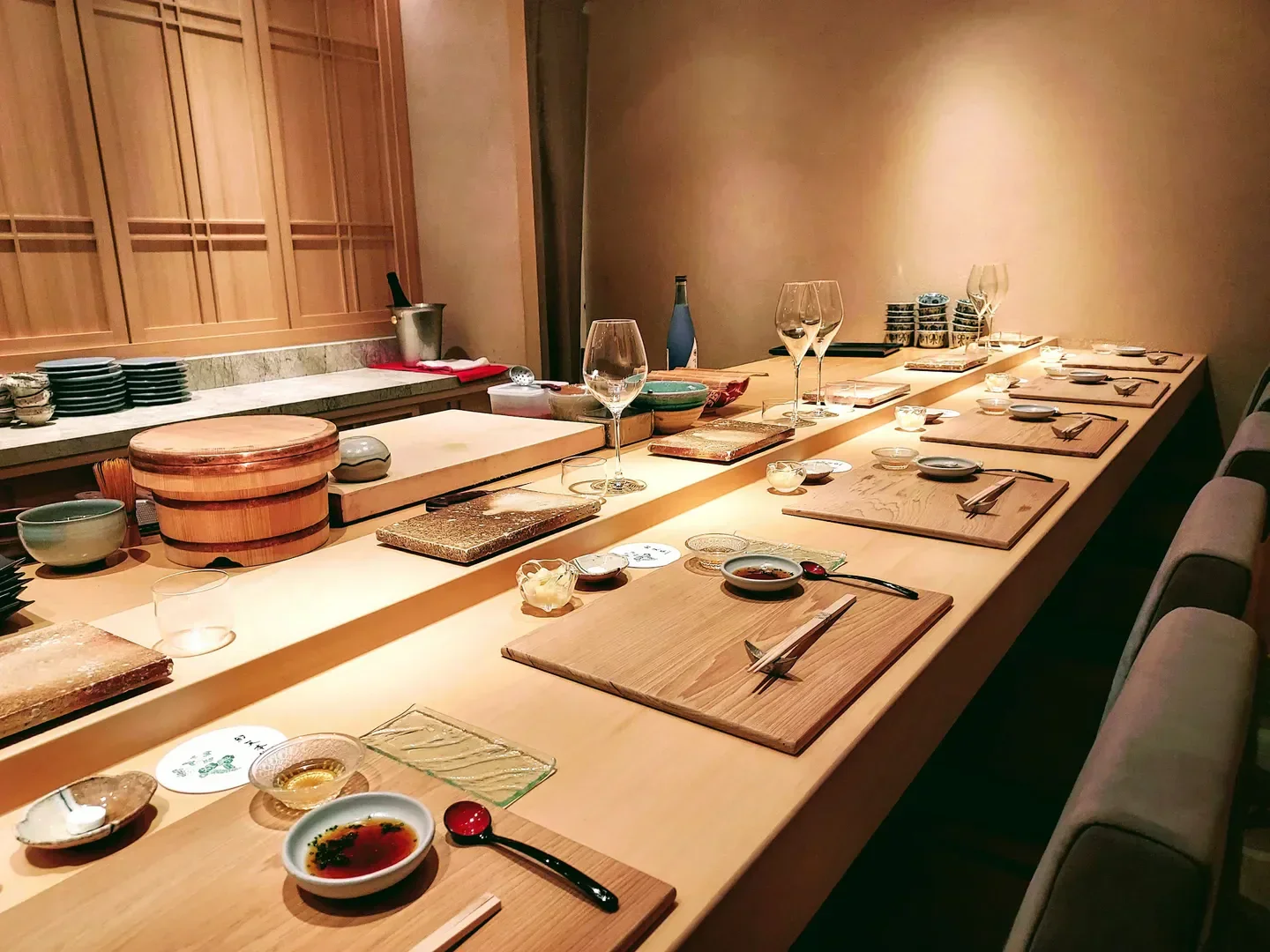
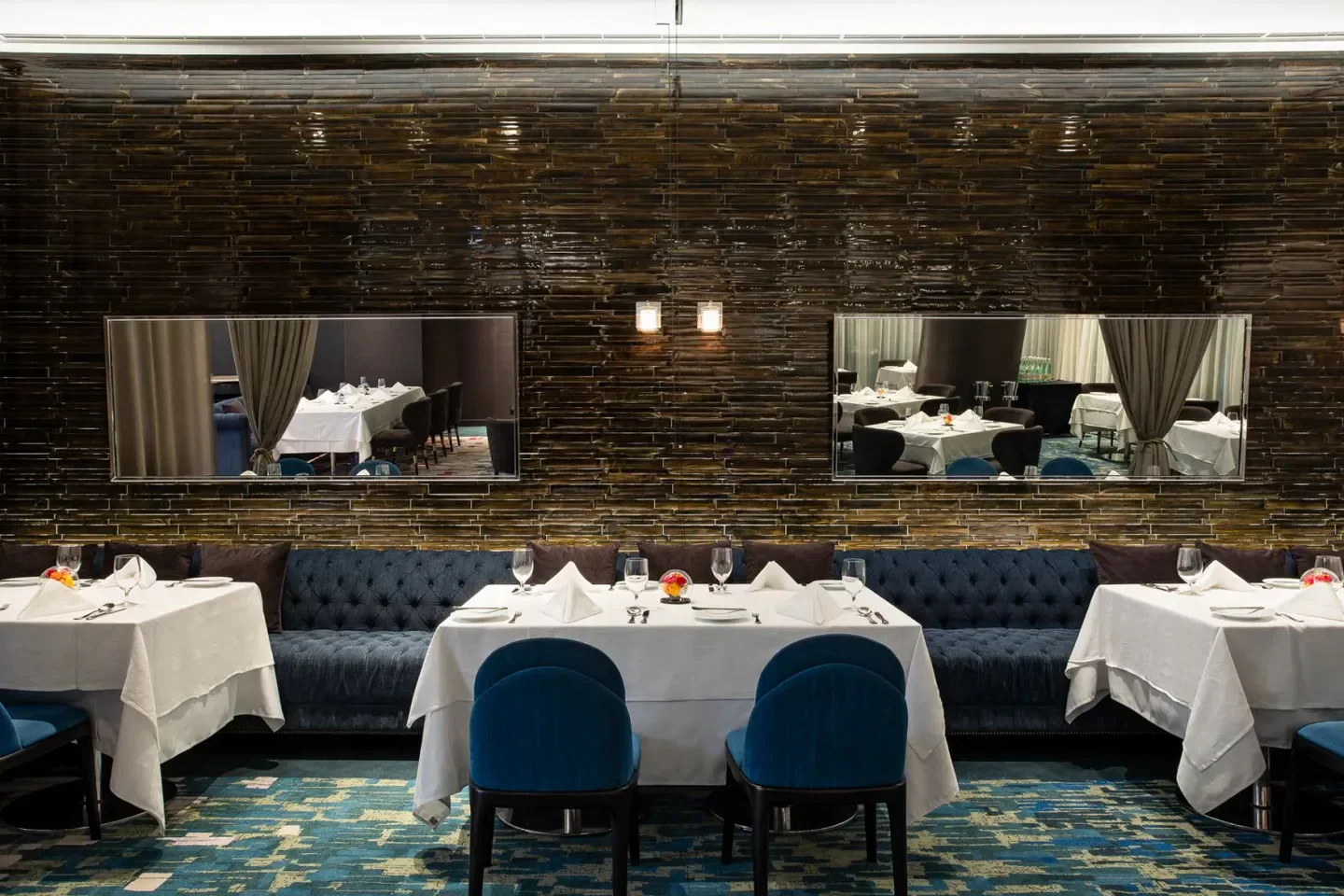
What is it? Ad Astra brings a sharp, focused energy to the Taipei dining scene. The space feels like a quiet retreat. It strips away the city’s noise to focus entirely on the table.
Why we love it: The staff navigates the room with choreographed grace. They anticipate your needs silently, keeping the evening's flow unbroken. You feel the kitchen’s intensity through the steady, confident arrival of every plate.
Good to Know: The deliberate pace at Ad Astra means the kitchen's specific timing dictates your entire evening.

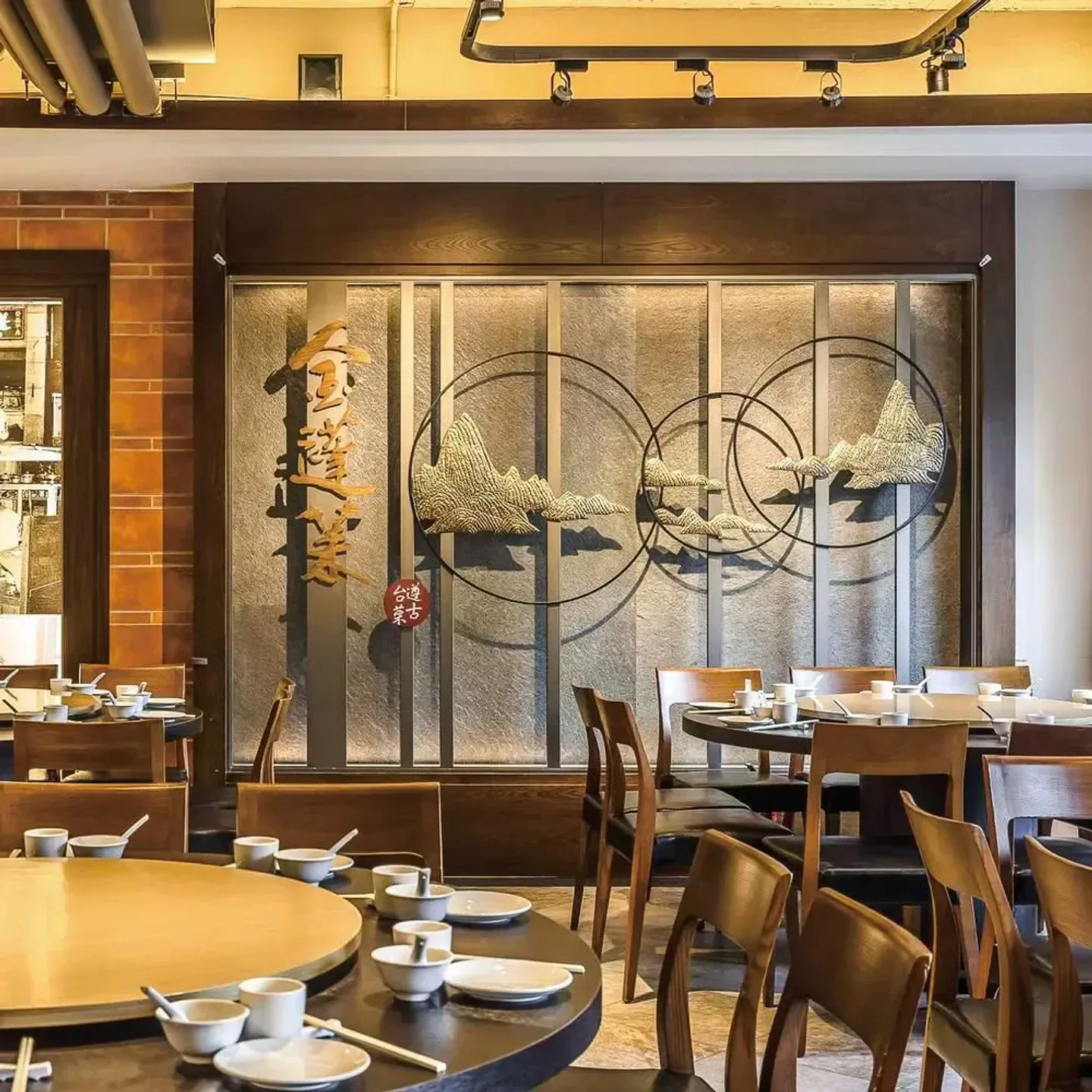
© Photo Credits: ZEA
03.ZEA
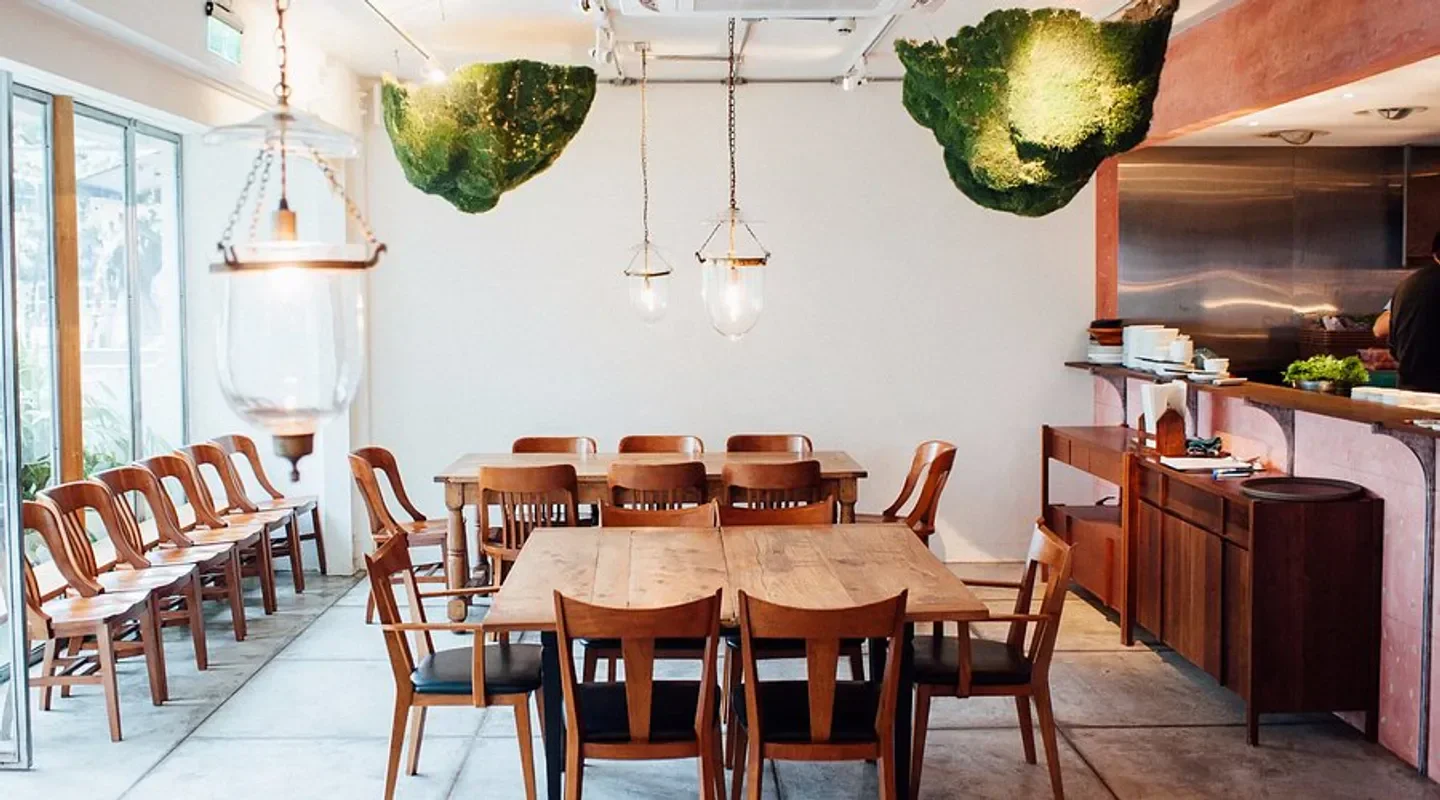
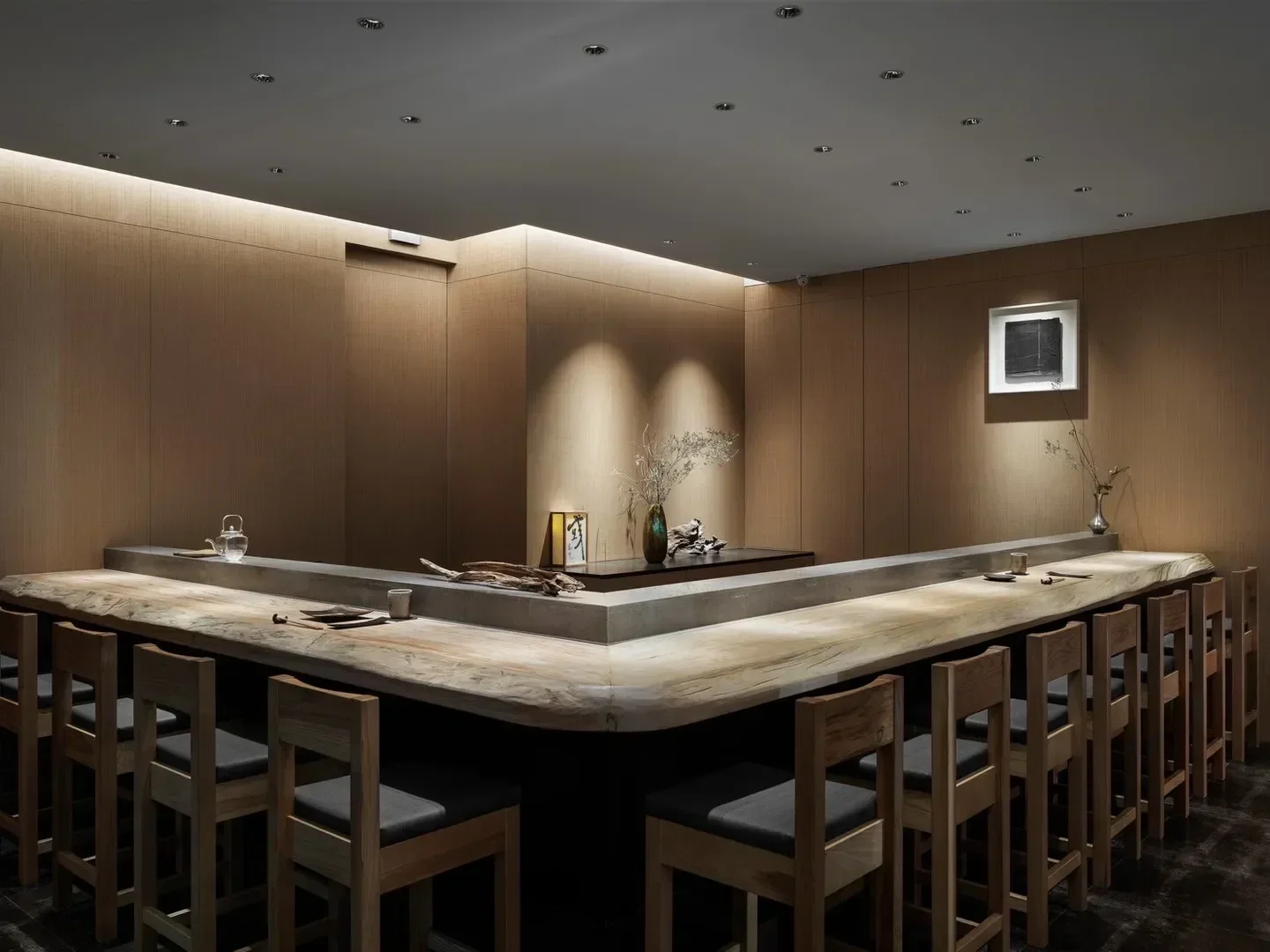
What is it? ZEA brings a sharp, contemporary energy to Taipei. The restaurant feels intentional from the first step inside. It is a space defined by a quiet, professional calm that strips away the city’s noise.
Why we love it: The room hums with a confident power. Service moves with a practiced rhythm, keeping the focus entirely on the table. It draws a polished crowd that values technical precision and an atmosphere that feels entirely focused.
Good to Know: The beverage pairings at ZEA highlight small-batch labels that balance the kitchen's focus on citrus-forward flavors and savory proteins.

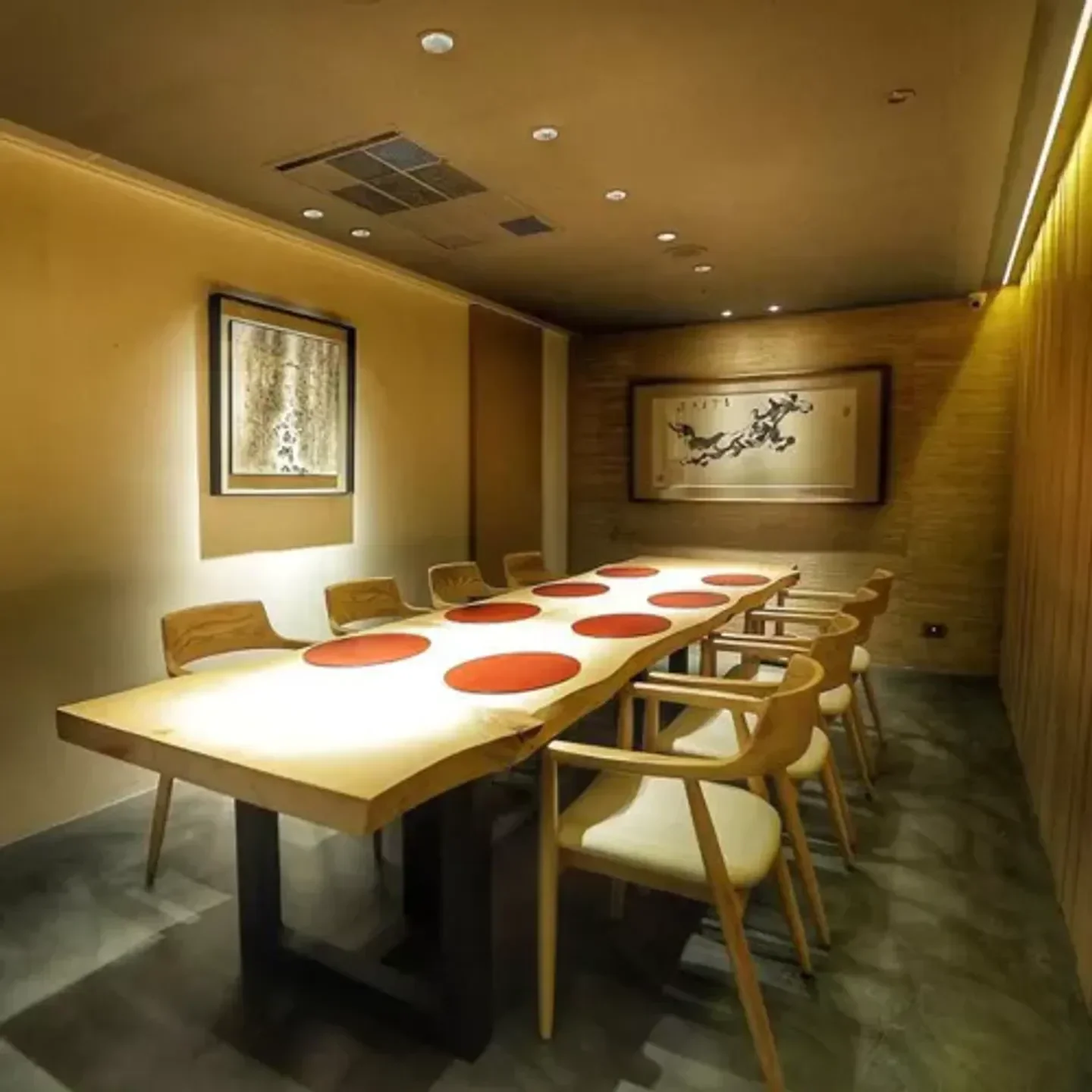
© Photo Credits: De Nuit
04.De Nuit
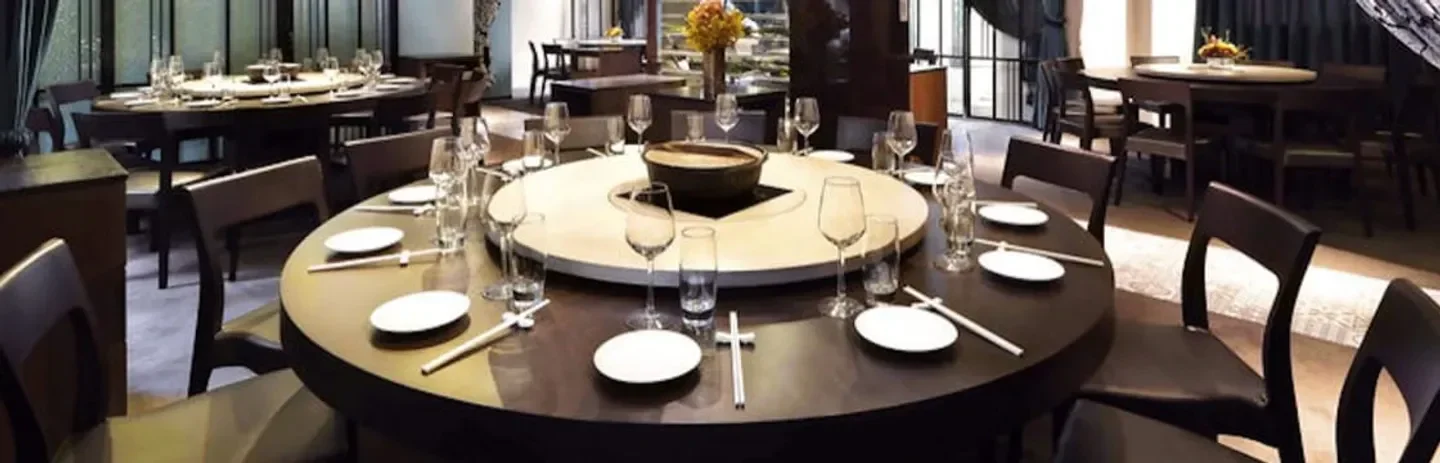
What is it? De Nuit anchors its corner of Taipei with a sharp, quiet confidence. The room hushes the city noise outside, transitioning guests into a moody, dimly lit space designed for focused dining. It operates as an intimate restaurant where every seat feels like the best in the house.
Why we love it: The kitchen operates with mathematical precision. Staff glide between tables with a choreographed rhythm, ensuring the evening unfolds at a steady, intentional pace. We love the lack of pretense; the focus remains entirely on the technical mastery of the meal and the steady hum of a room that knows exactly what it is.
Good to Know: The wine pairings at De Nuit are essential for navigating the menu, as the selections are specifically curated to balance the heavy, classic French techniques utilized by the kitchen.

© Photo Credits: Ban Bo
05.Ban Bo
What is it? Ban Bo stands as a sharp, intentional restaurant in the center of Taipei. A composed energy fills the room and blocks out the city's frantic pace. Every design choice directs your focus toward the table and the evening ahead.
Why we love it: The staff operates with a quiet, rhythmic precision that defines the experience. We love how the atmosphere builds a steady hum as the evening progresses. Each interaction feels purposeful, turning the service into a choreographed performance that anchors you to the moment.
Good to Know: The 671ce277ba7f2e4c40f4fff8 at Ban Bo sets the tempo for the night, so arrive ready for a steady and unhurried progression.

© Photo Credits: Paris 1930 de Hideki Takayama
06.Paris 1930 de Hideki Takayama
What is it? Paris 1930 de Hideki Takayama is a dedicated dining room in Taipei that prioritizes precision and technique. The space feels intentional and sharp, immediately signaling a focused culinary experience. It is a destination where the chef’s vision and the restaurant's identity take center stage.
Why we love it: The kitchen finds harmony in its execution, delivering courses that reflect Chef Takayama’s disciplined style. Service moves with a quiet, practiced rhythm that keeps the focus entirely on the table. We love the sense of composure that defines the entire evening, making the meal feel like a significant event.
Good to Know: The tasting menu at Paris 1930 de Hideki Takayama serves as a thorough introduction to the way Chef Takayama applies his specific technical background to the restaurant’s menu.

© Photo Credits: LA Vie by thomas bühner
07.LA Vie by thomas bühner
What is it? LA Vie by thomas bühner brings modern gastronomy to the heart of Taipei. The room feels sharp and intentional. You notice the quiet hum of a disciplined kitchen immediately.
Why we love it: Thomas Bühner’s influence turns every course into a study of balance. The staff moves with choreographed grace through the dining room. Every interaction keeps the focus on the plate.
Good to Know: The tasting menu at LA Vie by thomas bühner often pairs intense aromatic sauces with local seafood.

© Photo Credits: Yu Kapo
08.Yu Kapo
What is it? Yu Kapo occupies a dedicated space in Taipei. You step off the street and leave the city noise behind. The room focuses entirely on the interaction between the kitchen and the guest.
Why we love it: The theater of the service keeps your eyes on the staff. Chefs move with precision, placing each dish with a steady hand. The atmosphere encourages quiet conversation while you watch the meal take shape.
Good to Know: Pair the house tea with the final savory course at Yu Kapo to balance the richness of the meal.

© Photo Credits: Mudan
09.Mudan
What is it? Mudan stands as a pillar of precision in the Taipei dining scene. You enter a room where the city’s chaotic energy stops at the door, replaced by a sense of calm, focused intent. This is a restaurant designed for those who appreciate the quiet intensity of a kitchen working at its peak.
Why we love it: The atmosphere stays hushed, turning every motion in the kitchen into a visible display of craft. Service moves with a calculated rhythm that feels personal yet professional. It’s a place where the air feels thick with concentration, making each moment of the meal feel singular and earned.
Good to Know: Mudan operates with a rigid, slow-burn cadence that cannot be accelerated, so ensure your evening is completely clear before sitting down.

© Photo Credits: Molino de Urdániz
10.Molino de Urdániz
What is it? Molino de Urdániz is a refined restaurant that brings a sense of quiet discipline to Taipei. The space feels intentional and stripped of excess, focusing your attention entirely on the kitchen’s output. It is the kind of room where the city’s frantic energy immediately drops away the moment you are seated.
Why we love it: The experience is defined by a rhythmic, multi-course progression that feels both clinical and soulful. Staff move with a choreographed grace, ensuring that glasses stay full and plates are cleared without ever interrupting the flow of conversation. It is a place that celebrates the art of the long, slow dinner.
Good to Know: The wine pairings at Molino de Urdániz are expertly curated to bridge the gap between the kitchen’s more experimental textures and its traditional foundations.