Tokyo dining centers on the hyper-specialized artisan. Visitors often seek broad menus in crowded districts, yet the city’s output thrives on shops dedicated to single disciplines like tempura, soba, or yakitori. Precision emerges from the rhythm of preparation and strict ingredient seasonality instead of elaborate plating. Since many counters accommodate fewer than ten guests, securing a seat demands advance planning through booking platforms or hotel concierges.
Growth here happens in vertical layers. You find shops inside nondescript office buildings in Ginza or behind wooden doors in residential Setagaya alleys. These meals exist away from major station plazas, often tucked into the second or third floors of unmarked concrete structures. Look for small signs at street level or track the output of individual craftsmen rather than district-wide trends. Here is where to start.
Photos: WAGYUMAFIA
01.WAGYUMAFIA
What is it? WAGYUMAFIA sits inside The Sh One in Minamiikebukuro, a twenty-minute walk or short commute from the National Art Center, Tokyo. The restaurant holds a Michelin star and is a recipient of the La Liste show-to-table award.
Why we love it: While many venues in Tokyo lean into anonymity, WAGYUMAFIA builds its reputation on an uncompromising focus on wagyu, fusing high-end grills with sushi-style precision. The kitchen draws on its Michelin-starred pedigree to command a price point that reflects the quality of its supply chain, satisfying the 3,434 guests who have contributed to its 4.95 rating.
Good to Know: WAGYUMAFIA enforces a smart and elegant dress code that matches the tone of its fine dining service, so leave the casual wear for your walk back toward Roppongi Hills.
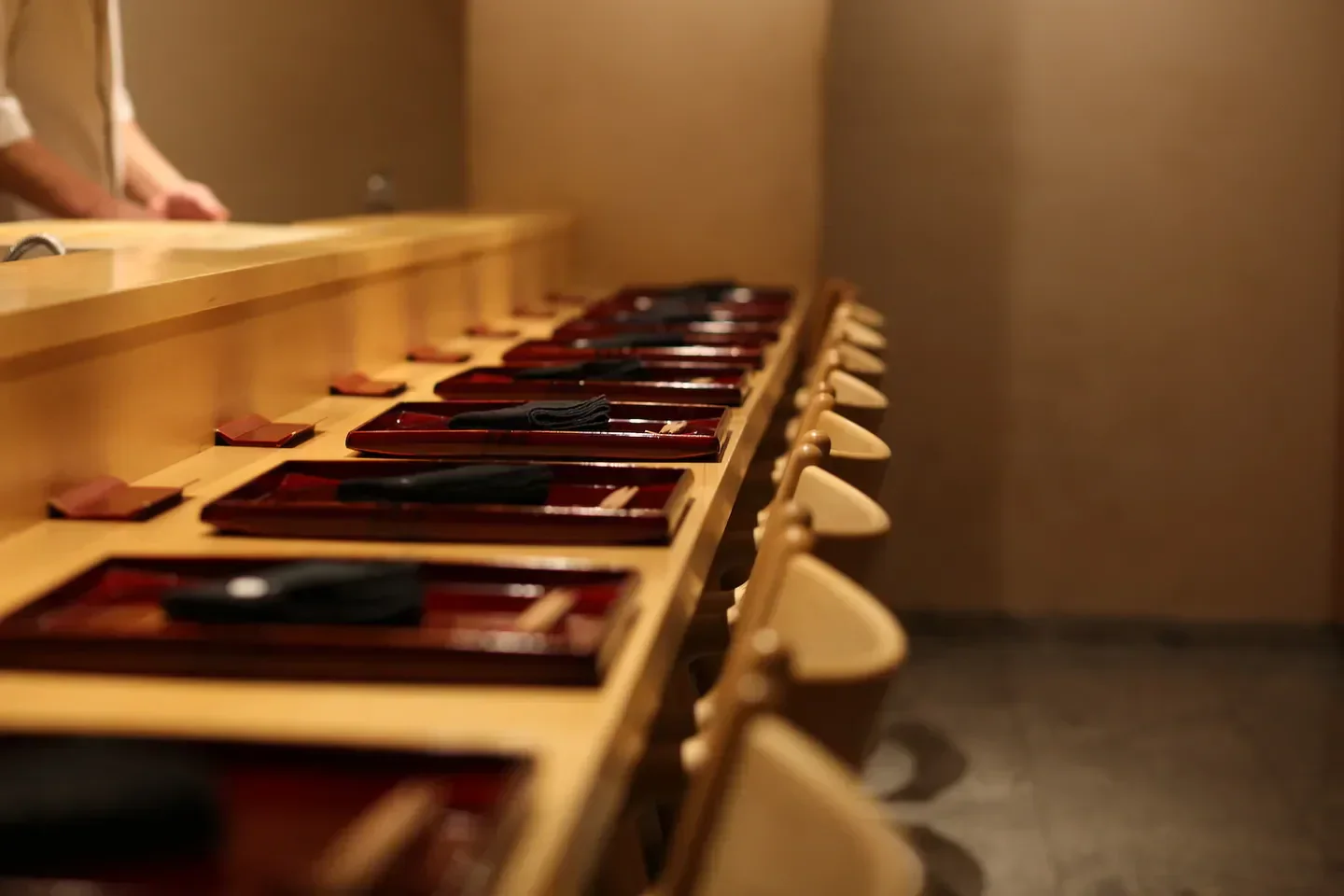
Photos: Ginza Shinohara
02.Ginza Shinohara
What is it? Ginza Shinohara sits at 2 Chome-8-17 Ginza, a short walk from the local shopping district and 600 meters from the Kabuki-za Theatre. This restaurant holds two Michelin stars and maintains a spot on the La Liste rankings.
Why we love it: While many tables in this district lean into high-volume service, Ginza Shinohara prioritizes the quiet precision of traditional Japanese techniques. Its high guest rating reflects a commitment to a standard that commands a significant premium, making it a fitting choice for those seeking a secluded, romantic environment within a dense urban landscape.
Good to Know: Given the intense focus on traditional sushi and Japanese preparation at Ginza Shinohara, guests should expect an evening that follows a deliberate, rhythmic pace.
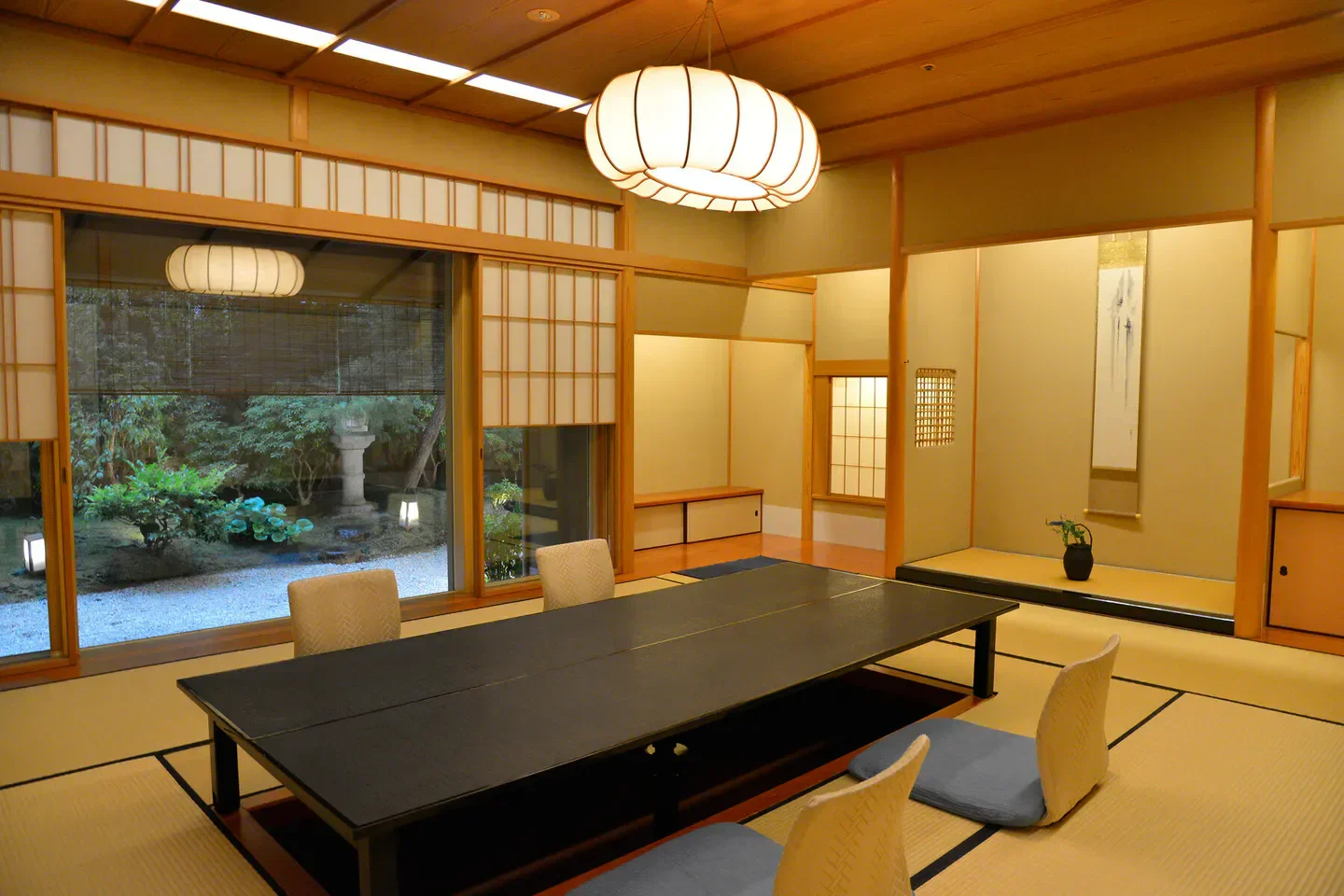
Photos: Daigo
03.Daigo
What is it? Daigo is a Minato City restaurant that holds a Michelin star. It sits a twenty-minute walk from Tokyo Tower and is situated just over two kilometers from the Hama-rikyu Gardens.
Why we love it: The kitchen focuses on traditional Japanese and sushi preparations that justify its luxury price point. With nearly 300 guests rating the experience at 4.72, it remains a rare, consistent choice for those prioritizing a formal atmosphere near the Roppongi Hills orbit.
Good to Know: Daigo requires a smart and elegant dress code to match the tone of its fine dining service.
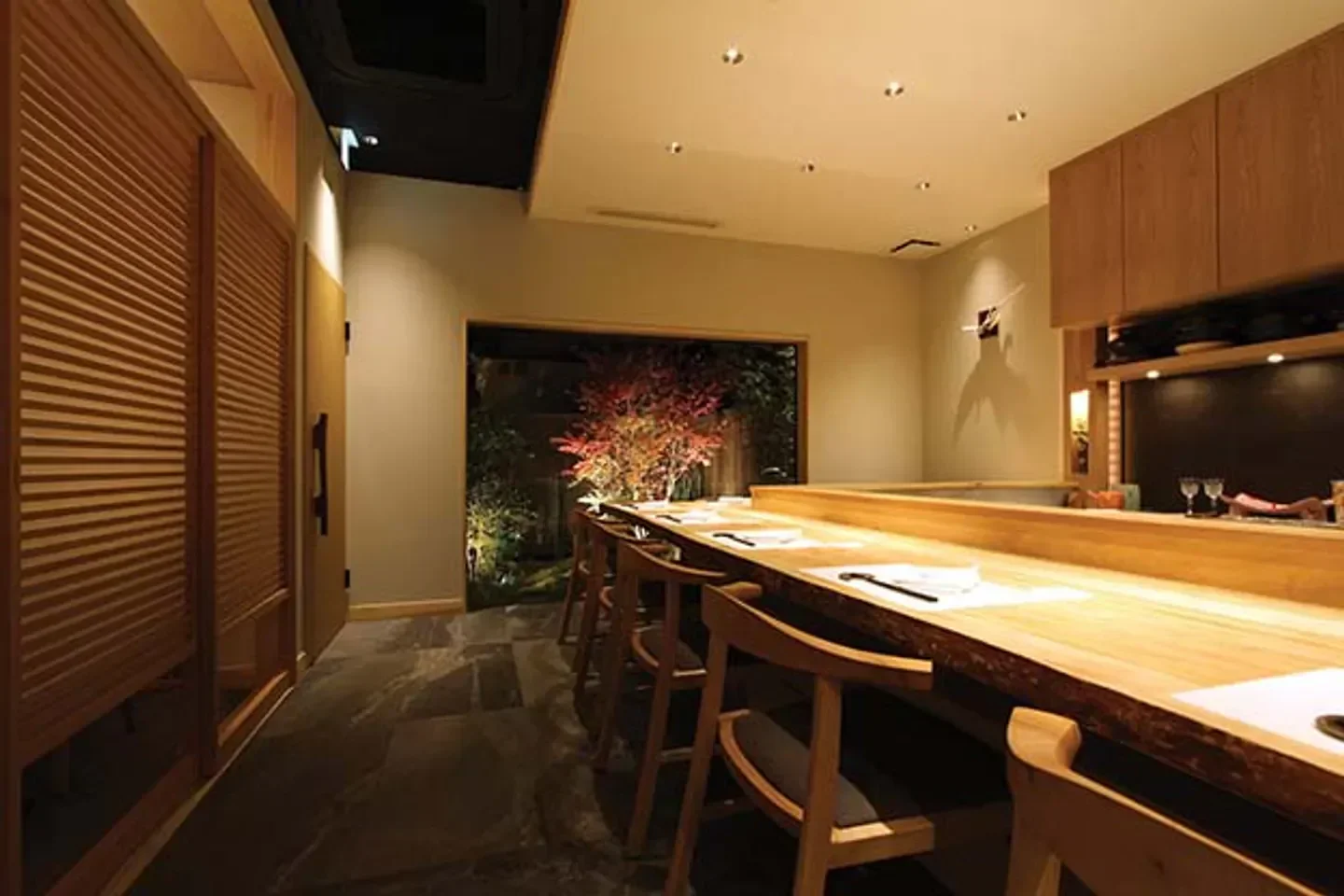
Photos: Shirosaka
04.Shirosaka
What is it? Shirosaka is a restaurant on 6 Chome-3-9 Akasaka that holds a Michelin star. It sits less than a ten-minute walk from the Akasaka Palace and is just over a kilometer from Suntory Hall.
Why we love it: The kitchen focuses on modern Japanese and sushi, a combination that earns it a 4.87 rating from 140 reviews. It provides a romantic setting that avoids the frantic pace of the nearby National Diet Building district while remaining firmly in the fine dining price tier.
Good to Know: The kitchen’s modern approach to sushi and Japanese cuisine makes this a go-to for guests adhering to a smart and elegant dress code.
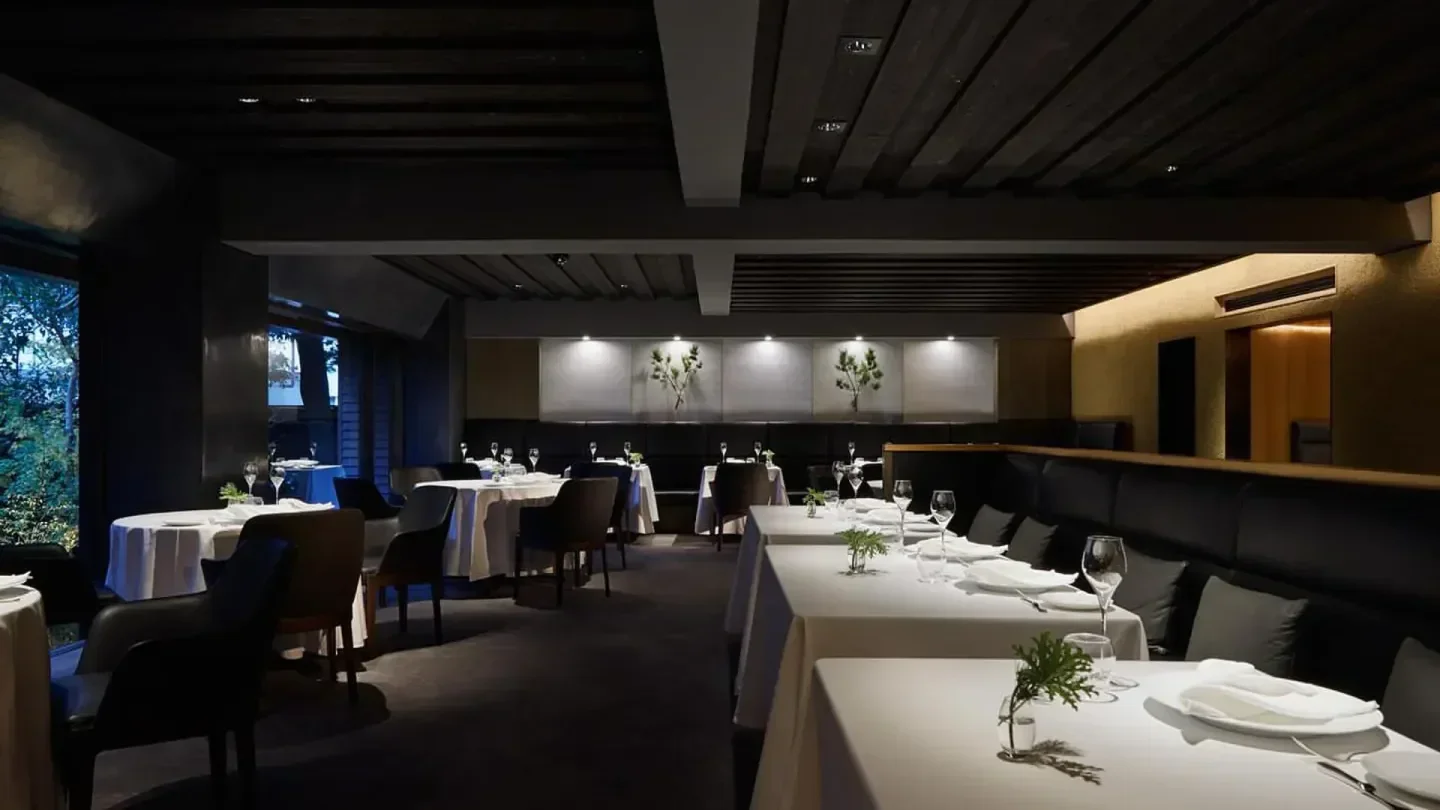
Photos: L'Effervescence
05.L'Effervescence
What is it? L'Effervescence sits on 2 Chome-26-4 Nishiazabu, a fifteen-minute walk from the National Art Center, Tokyo. The restaurant holds three Michelin stars and ranks no. 50 on the Asia's 50 Best Restaurants list.
Why we love it: It manages an expensive, high-end price point while maintaining a guest rating of 4.76 from 889 reviews, a rarity for a venue balancing French and Japanese fusion techniques. Unlike the larger, louder dining rooms near Roppongi Hills, this space leans into a quiet, romantic fine-dining experience.
Good to Know: The kitchen’s French and Japanese fusion approach requires a smart and elegant dress code, so plan your attire accordingly for the evening.
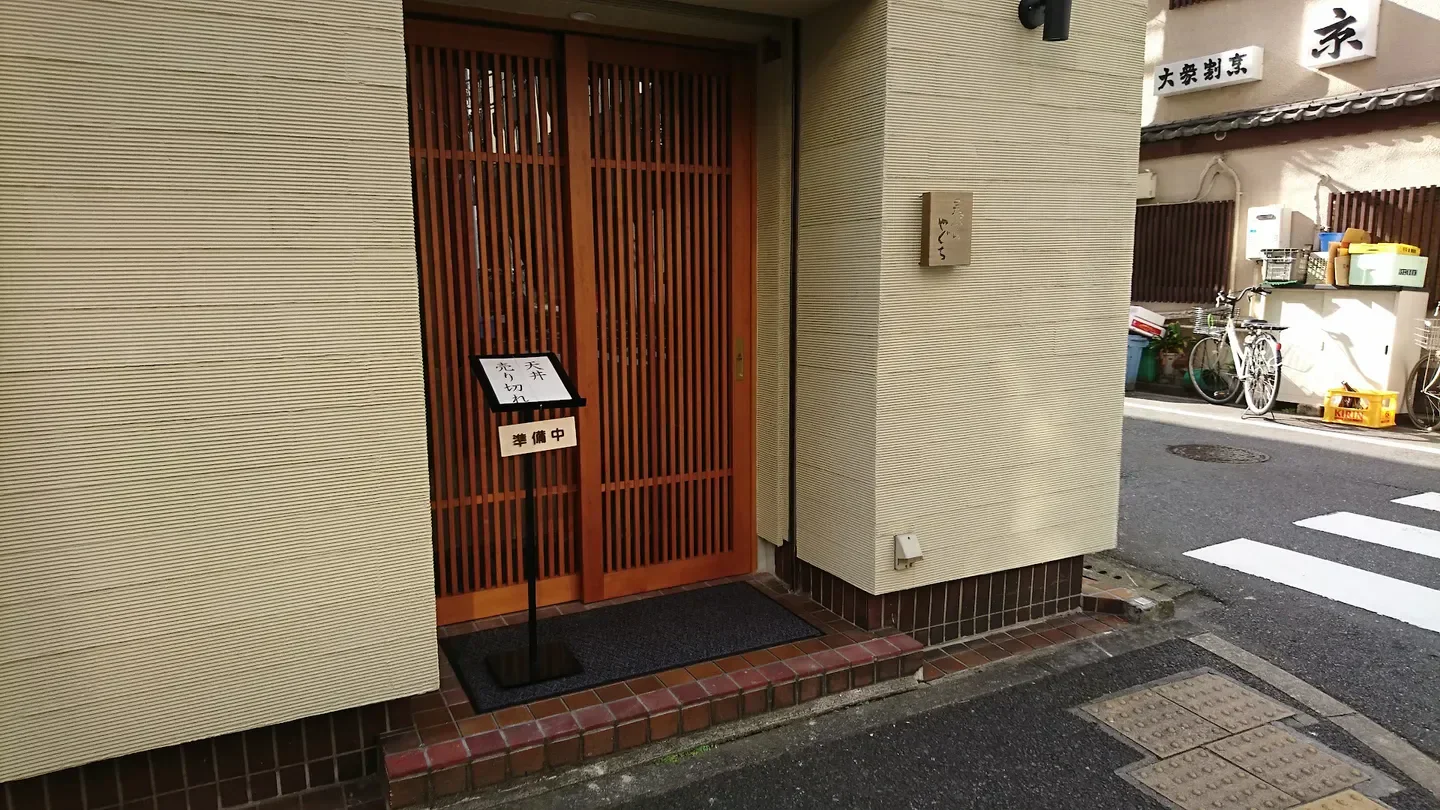
Photos: Tempura Yaguchi
06.Tempura Yaguchi
What is it? Tempura Yaguchi sits in Nihonbashiningyocho, a ten-minute walk from the Mitsukoshi Main Store. This Michelin-starred restaurant specializes in traditional Japanese seafood tempura.
Why we love it: While many establishments in the Nihonbashi area favor heavy foot traffic, Tempura Yaguchi secures its status through a quieter, luxury-focused fine dining experience. The 4.60 rating from 62 reviews underscores a consistency that draws diners away from the nearby COREDO Muromachi Terrace crowds.
Good to Know: Given the romantic, intimate setting, ensure your attire meets the smart and elegant dress code before heading out to this Nihonbashiningyocho destination.
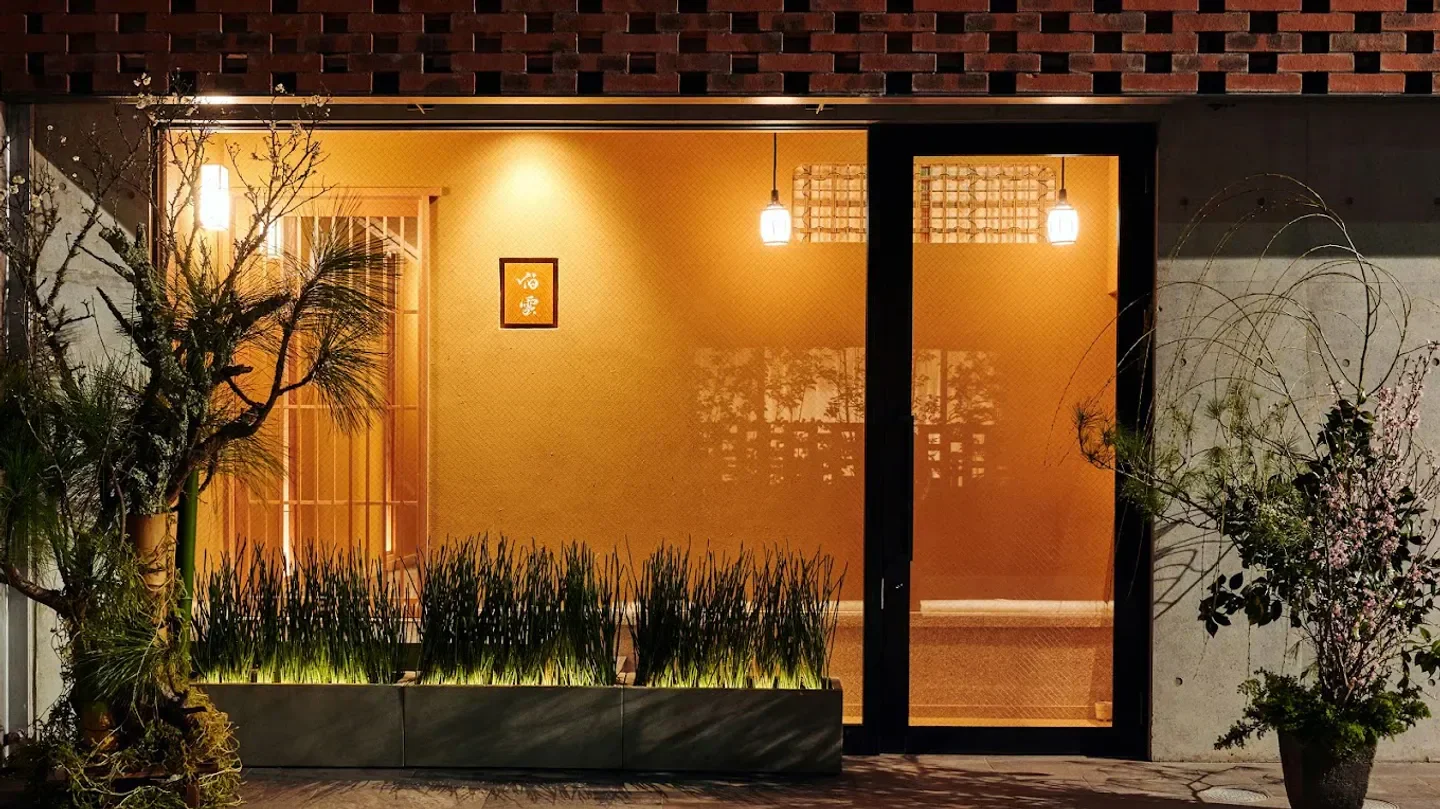
Photos: Hakuun
07.Hakuun
What is it? Hakuun is a Japanese contemporary sushi restaurant on 4 Chome-11-2 Minamiaoyama. It sits a ten-minute walk from Omotesando and holds a Michelin star.
Why we love it: Hakuun delivers a fine dining experience that justifies its high price point, evidenced by a 4.91 rating from 79 diners. It balances the precision of contemporary sushi with the rigor required to maintain its Michelin-starred status in a competitive Tokyo market.
Good to Know: The formal, elegant environment demands that guests adhere to a smart and elegant dress code, so save the casual layers for a walk through the nearby Aoyama Cemetery.
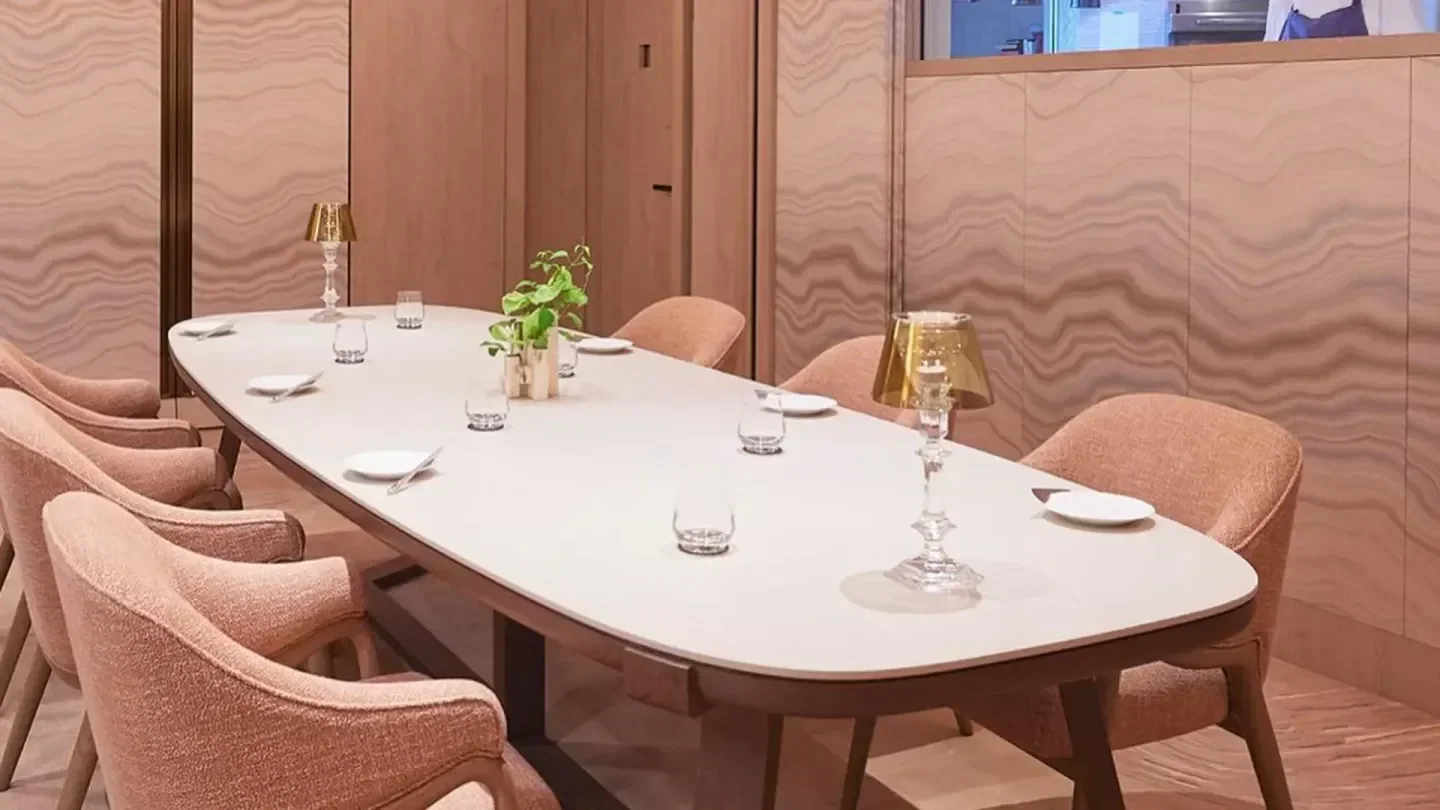
Photos: SÉZANNE
08.SÉZANNE
What is it? SÉZANNE sits in Chiyoda City, a short walk from the Mitsubishi Ichigokan Museum. It is a modern French restaurant that holds two Michelin stars and currently ranks as the best restaurant in Asia according to the 2024 Asia's 50 Best Restaurants list.
Why we love it: The restaurant balances creative techniques with the precision expected of its high-ranking status, distinguishing itself as a destination for those who value consistency in fine dining. With a number 14 ranking on The World's 50 Best Restaurants list, it successfully bridges the gap between classic French methodology and a contemporary global outlook.
Good to Know: Given the strict smart and elegant dress code, SÉZANNE is a venue that requires a polished aesthetic to match the formality of the dining room.
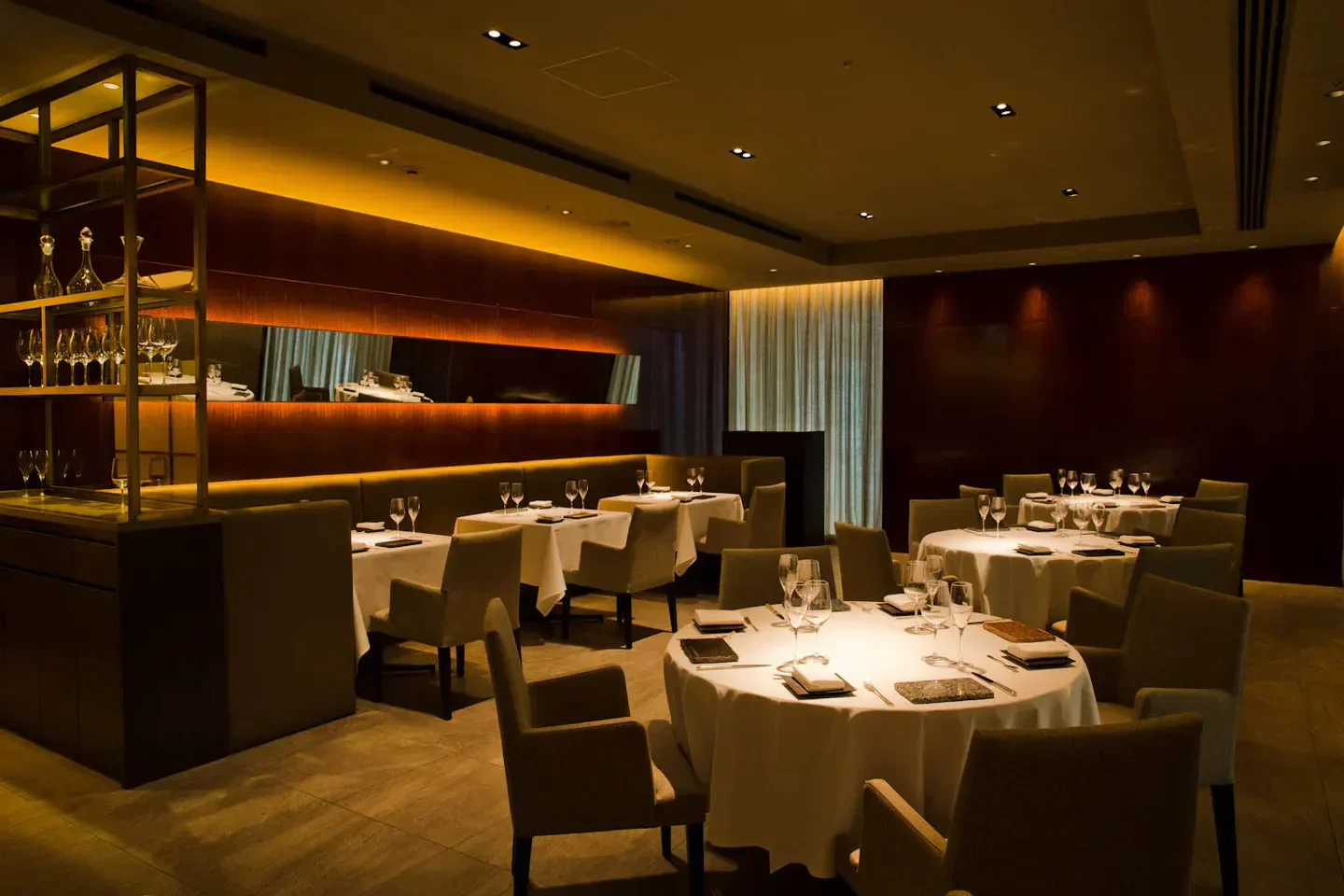
Photos: Quintessence
09.Quintessence
What is it? Quintessence sits at 6 Chome-7-29 Kitashinagawa, roughly a fifteen-minute walk from the Meguro River and twenty minutes from Shinagawa Shrine. This restaurant holds three Michelin stars and ranks at number 60 on La Liste.
Why we love it: While many Tokyo establishments lean toward the traditional, Quintessence balances French techniques with local ingredients to justify its place in the upper tier of the city's fine dining. With a guest rating of 4.68 from 833 reviews, it is a rare instance where the high price point aligns with sustained critical recognition.
Good to Know: The kitchen’s commitment to the intersection of French and Japanese fusion means the menu changes constantly; bring a jacket, as the smart and elegant dress code is strictly observed in this formal dining room.
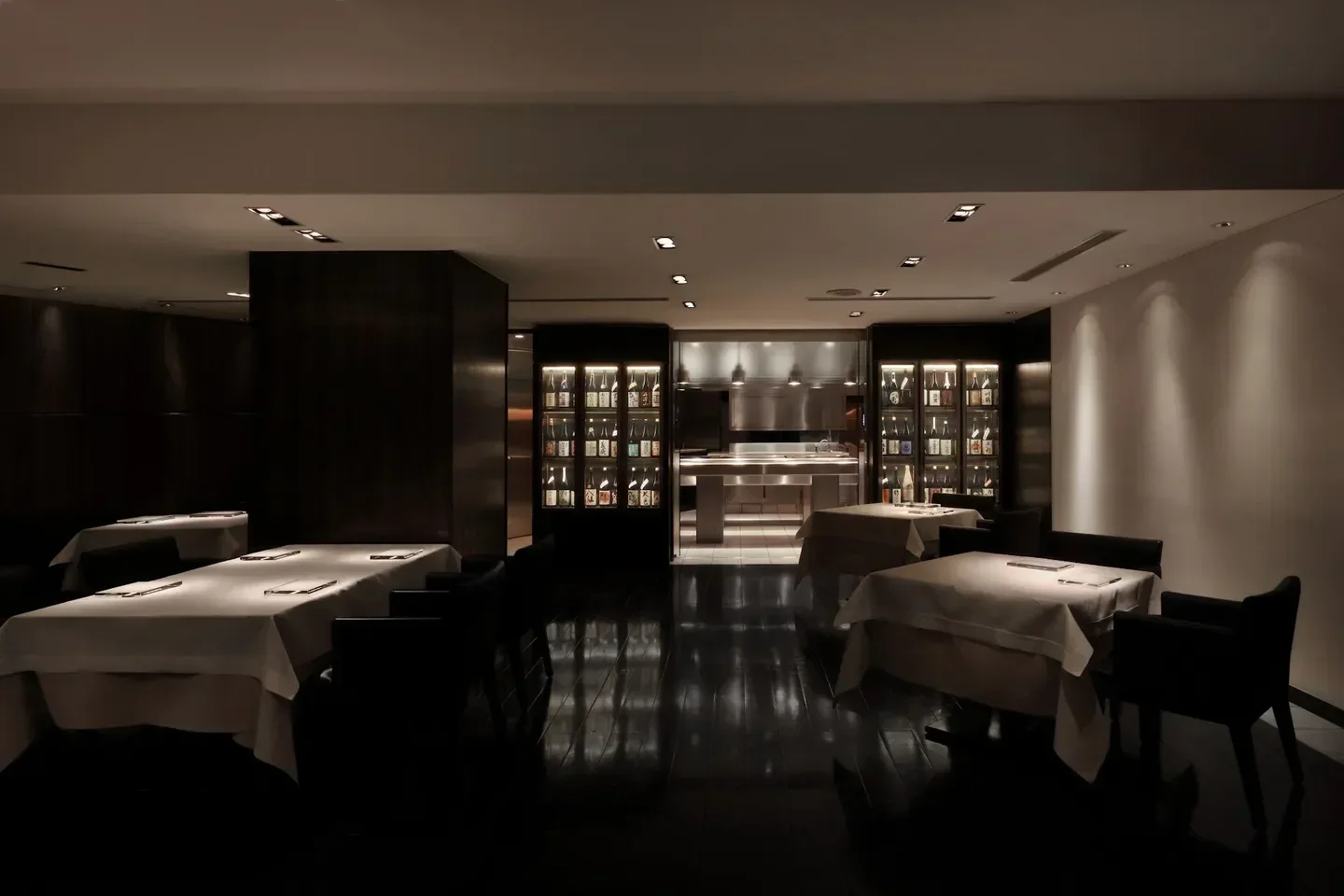
Photos: Narisawa
10.Narisawa
What is it? Narisawa is a contemporary restaurant on 2 Chome-6-15 Minamiaoyama in Minato City. It holds two Michelin stars and ranks as number 13 on the Asia’s 50 Best Restaurants list.
Why we love it: While many Tokyo establishments lean on tradition, Narisawa earns its place on the global stage—holding the number 55 spot on The World's 50 Best Restaurants list—by prioritizing a creative approach to Japanese cuisine. It remains a rare destination that justifies its high price tier by balancing technical rigor with a thoughtful, luxury environment.
Good to Know: The creative menu at Narisawa often interprets the Japanese landscape through seasonal ingredients, so ensure your wardrobe meets the smart and elegant dress code before arriving for the experience.