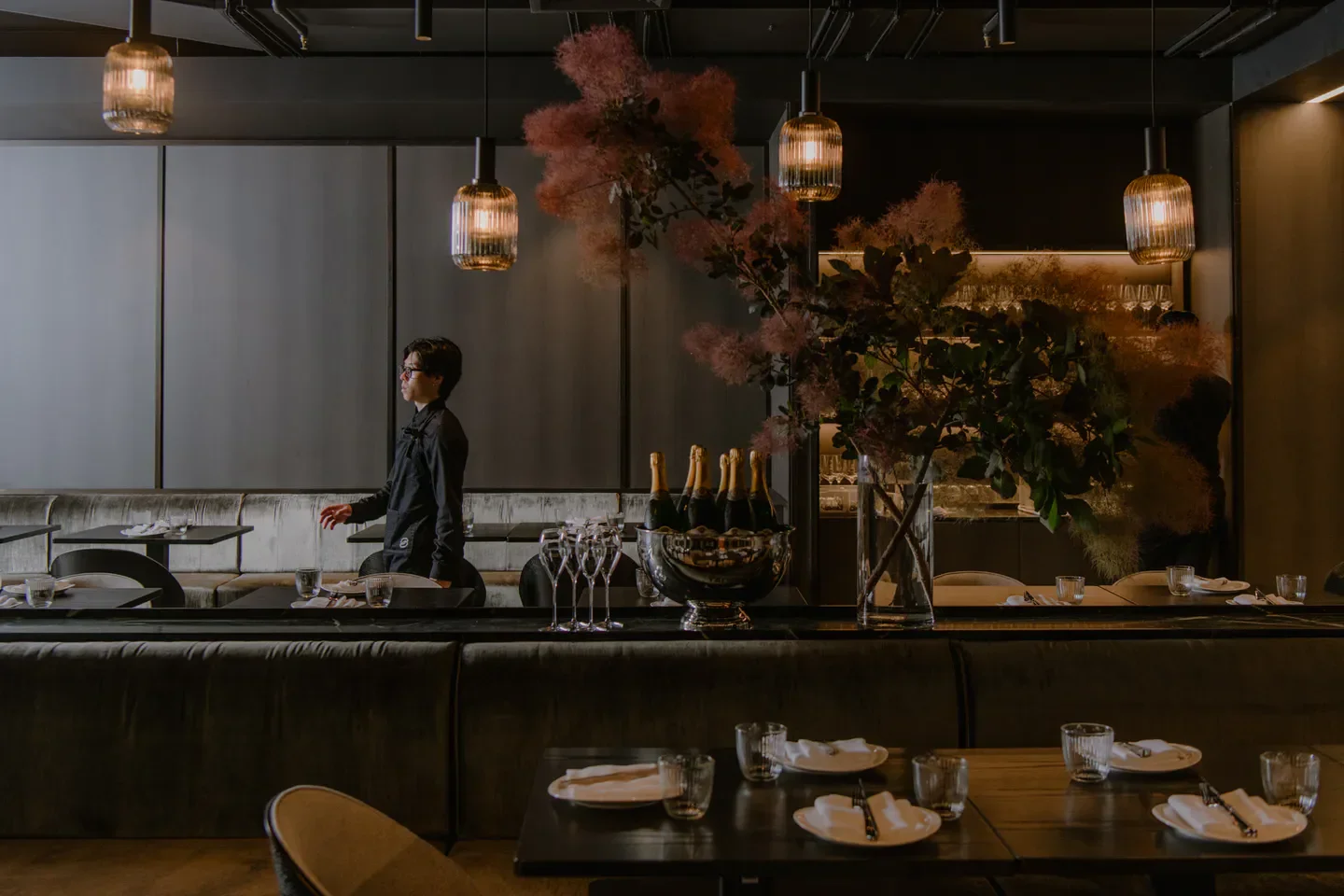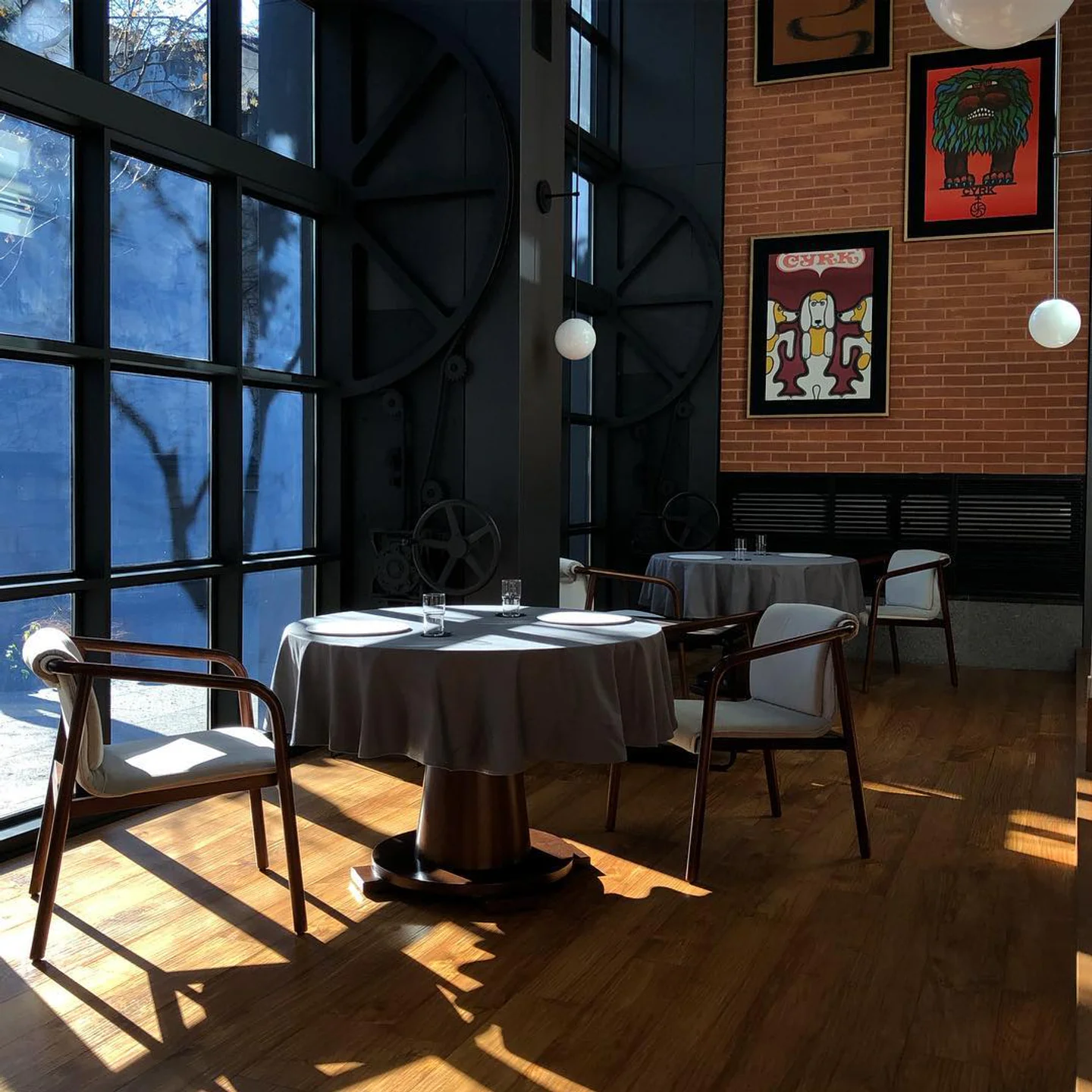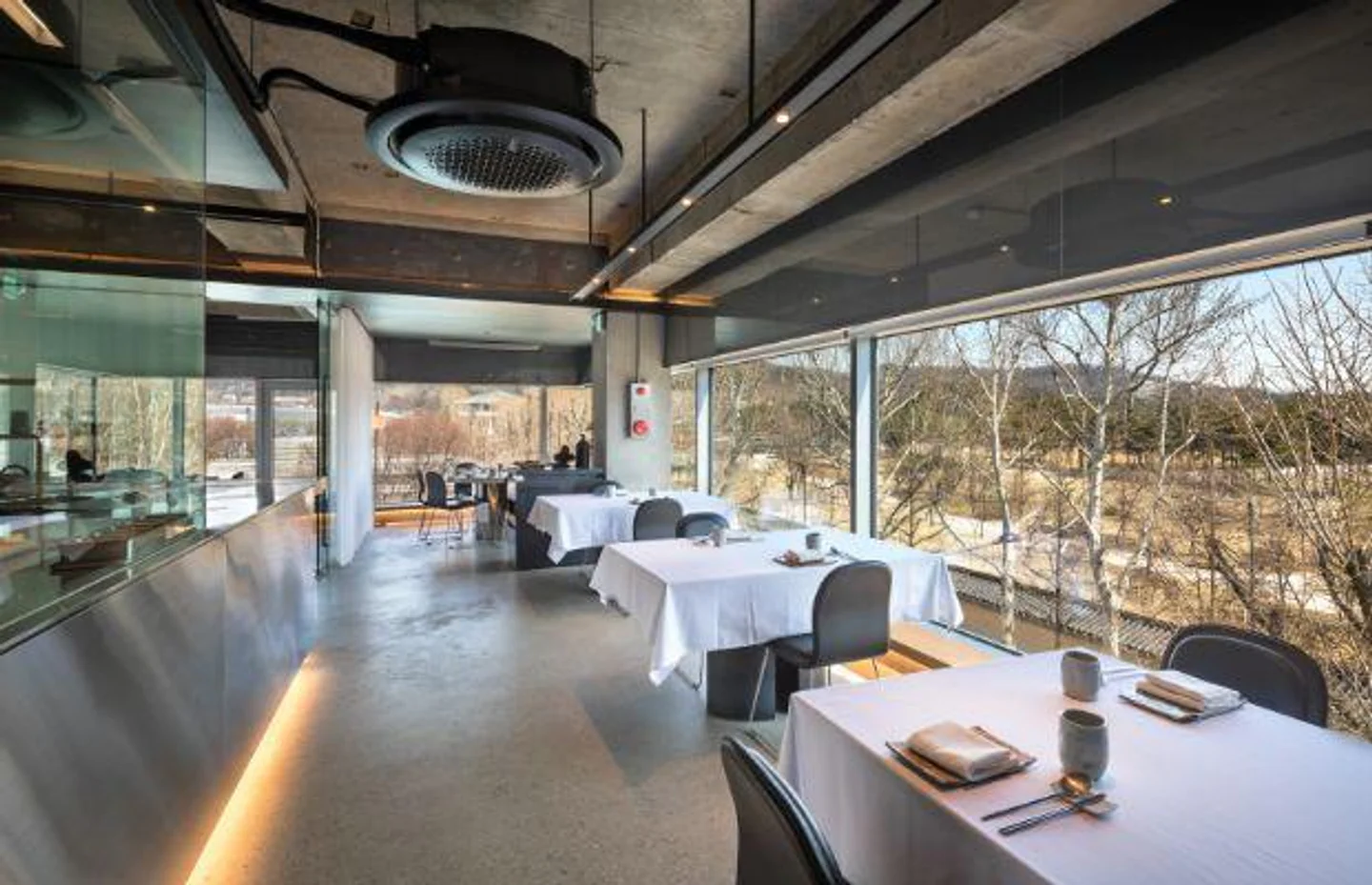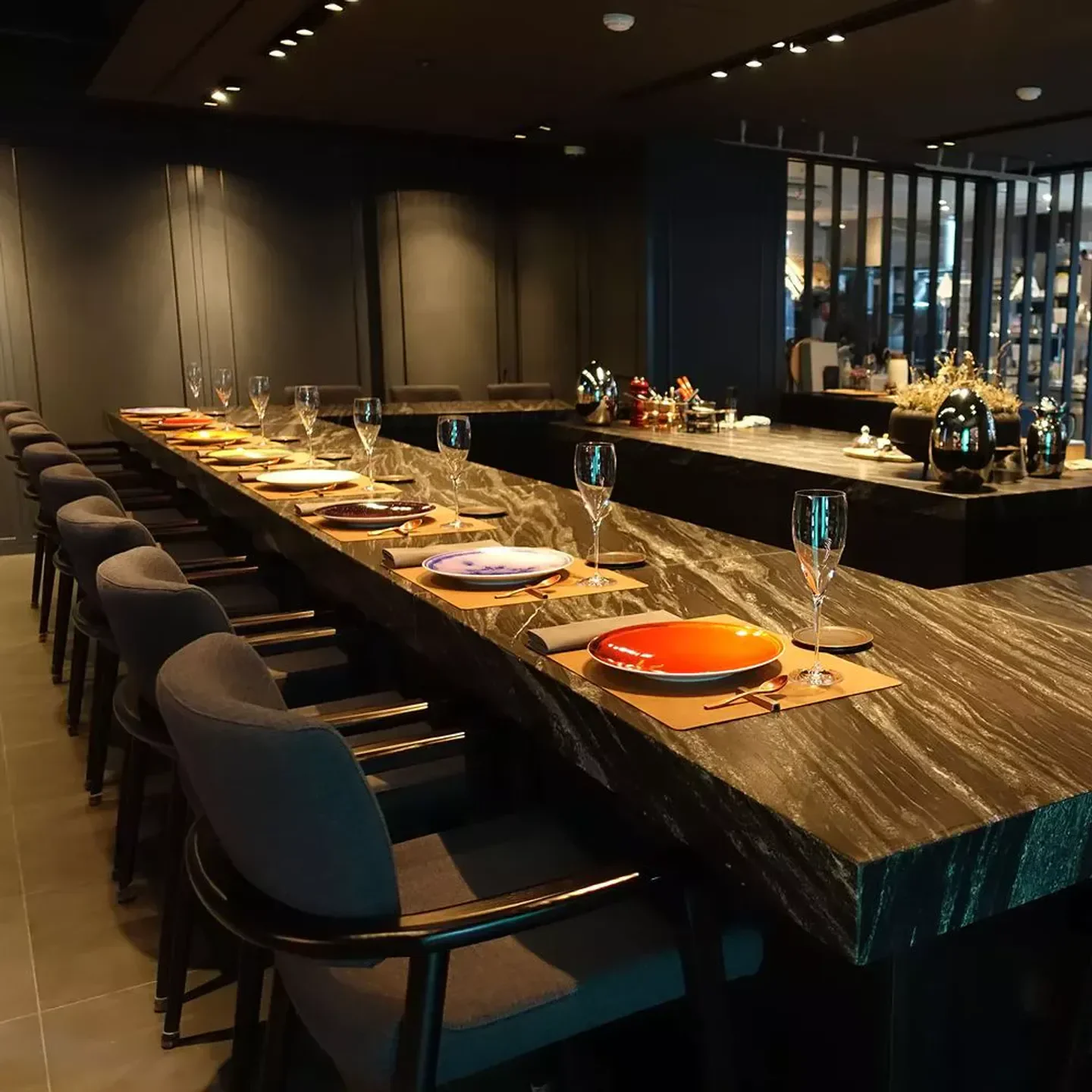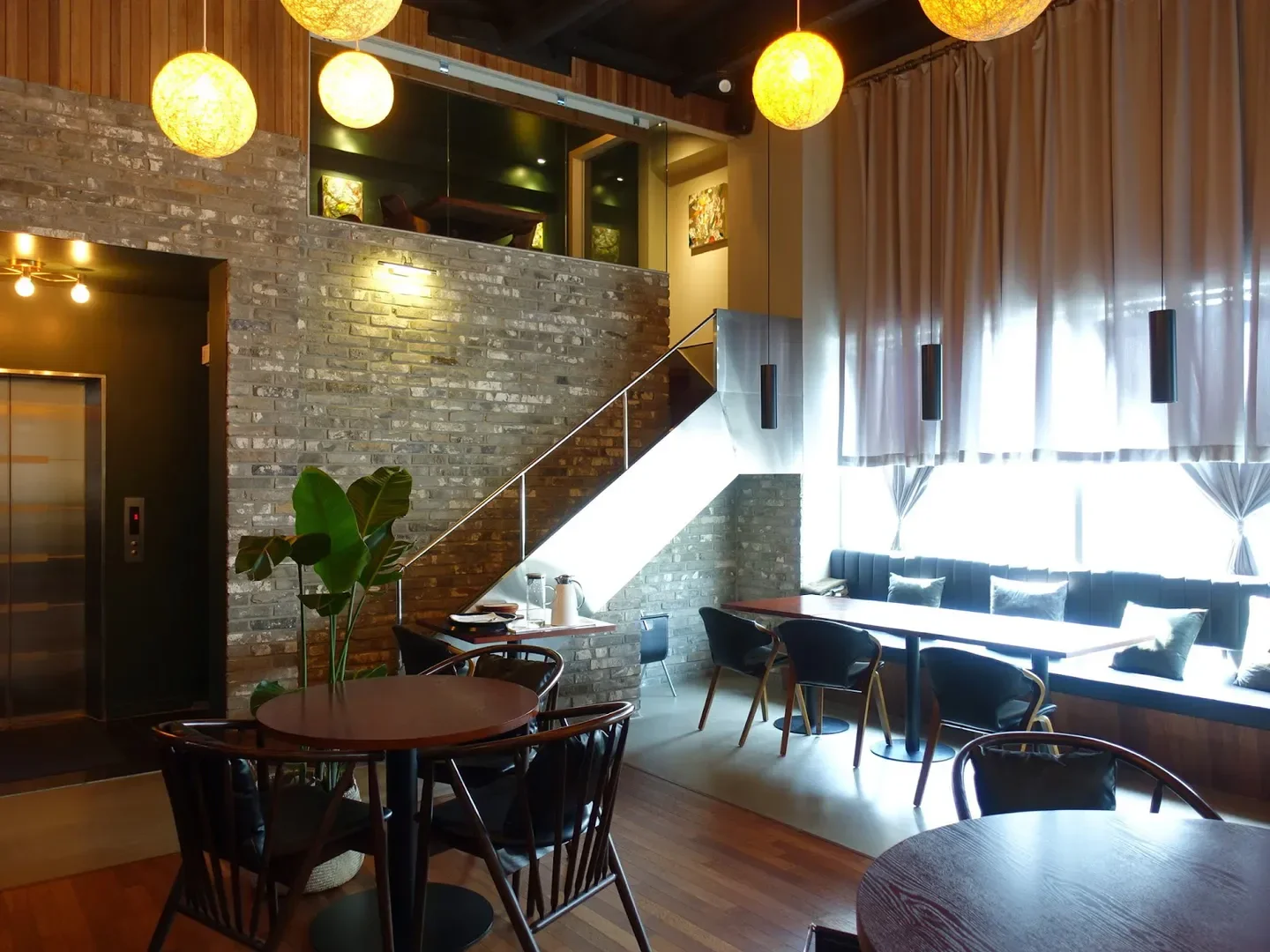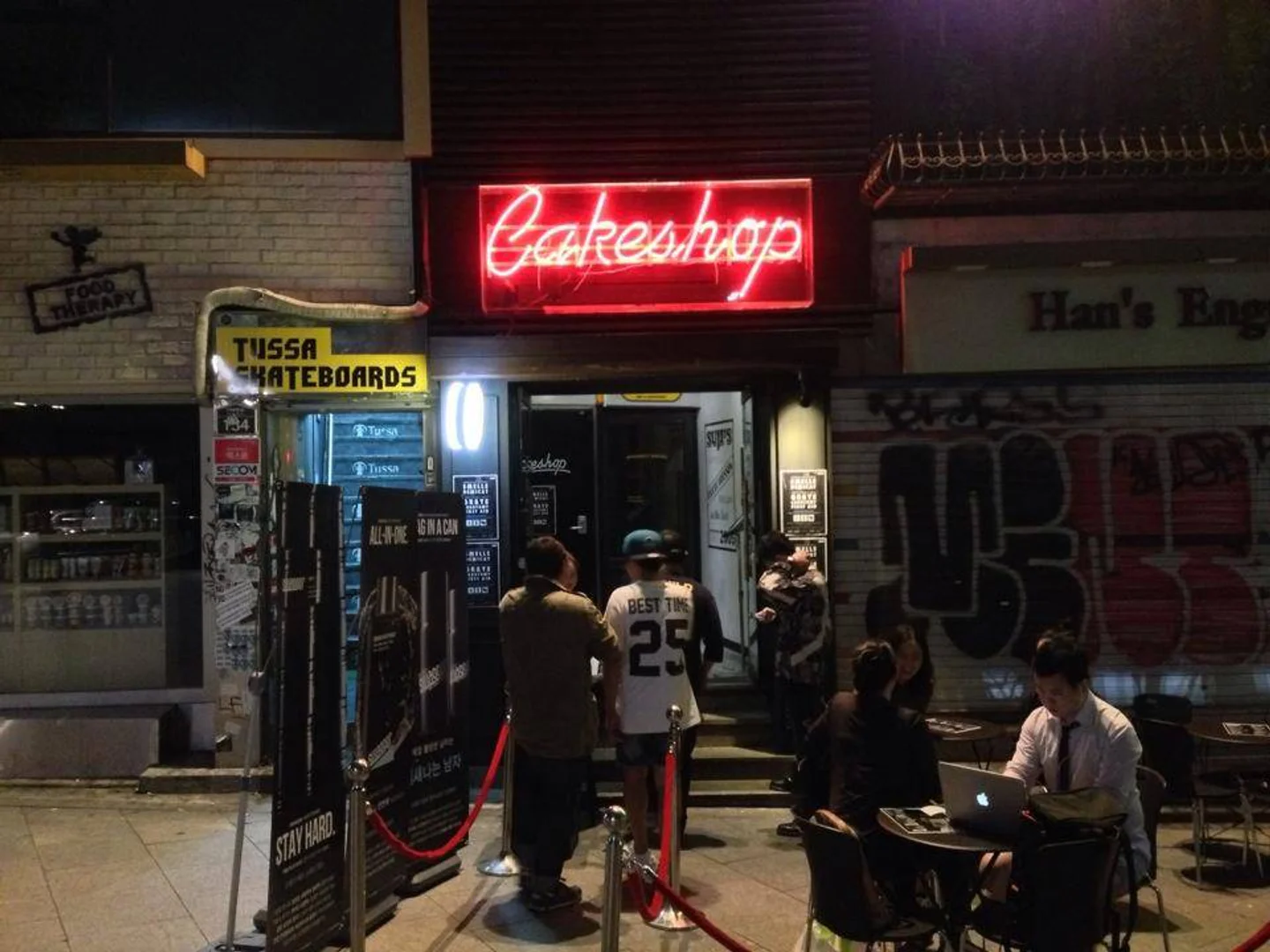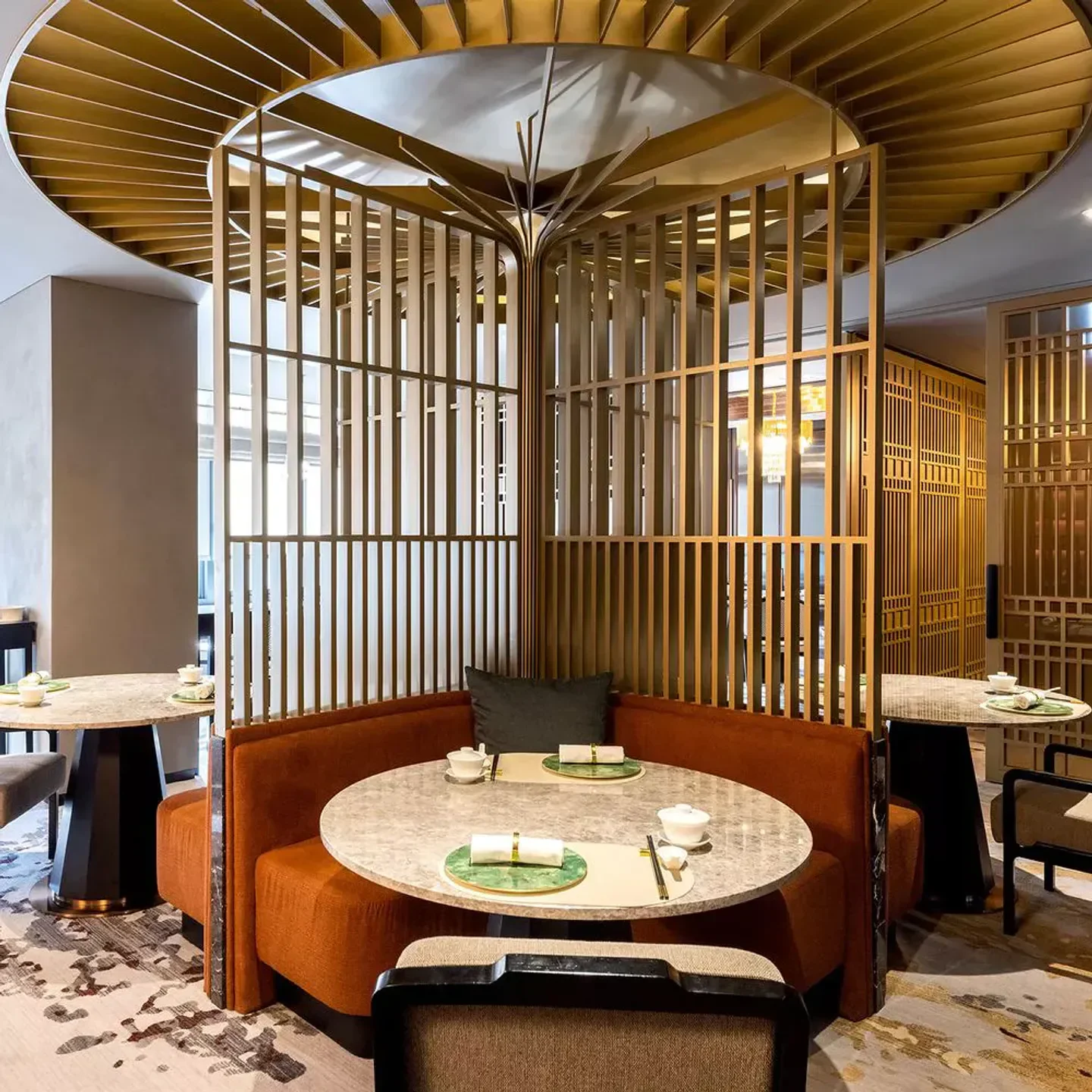
Seoul moves at a speed that makes Tokyo look relaxed. Deciding where to eat isn’t just a matter of taste. It is a logistical battle against the city’s ruthless reservation culture. You don’t just walk into a top-tier spot here. You fight for a slot on the Catch Table app the second bookings drop. The dining scene now outpaces the neon-lit barbecue joints of Myeongdong. It is a high-stakes arena of global technique.
Today’s Seoul prioritizes precision over spectacle. At Kojima, the sushi transcends the typical omakase experience through silent discipline. Mitou offers a seasonal dialogue between Japanese tradition and Korean produce. Gong-Gan and KANG MINCHUL Restaurant redefine what a modern tasting menu can achieve. These kitchens don't just feed the city. They define its modern ambition.
Securing a seat requires strategy and a fast internet connection. These four restaurants represent the current peak of the city's culinary map. Start with these.
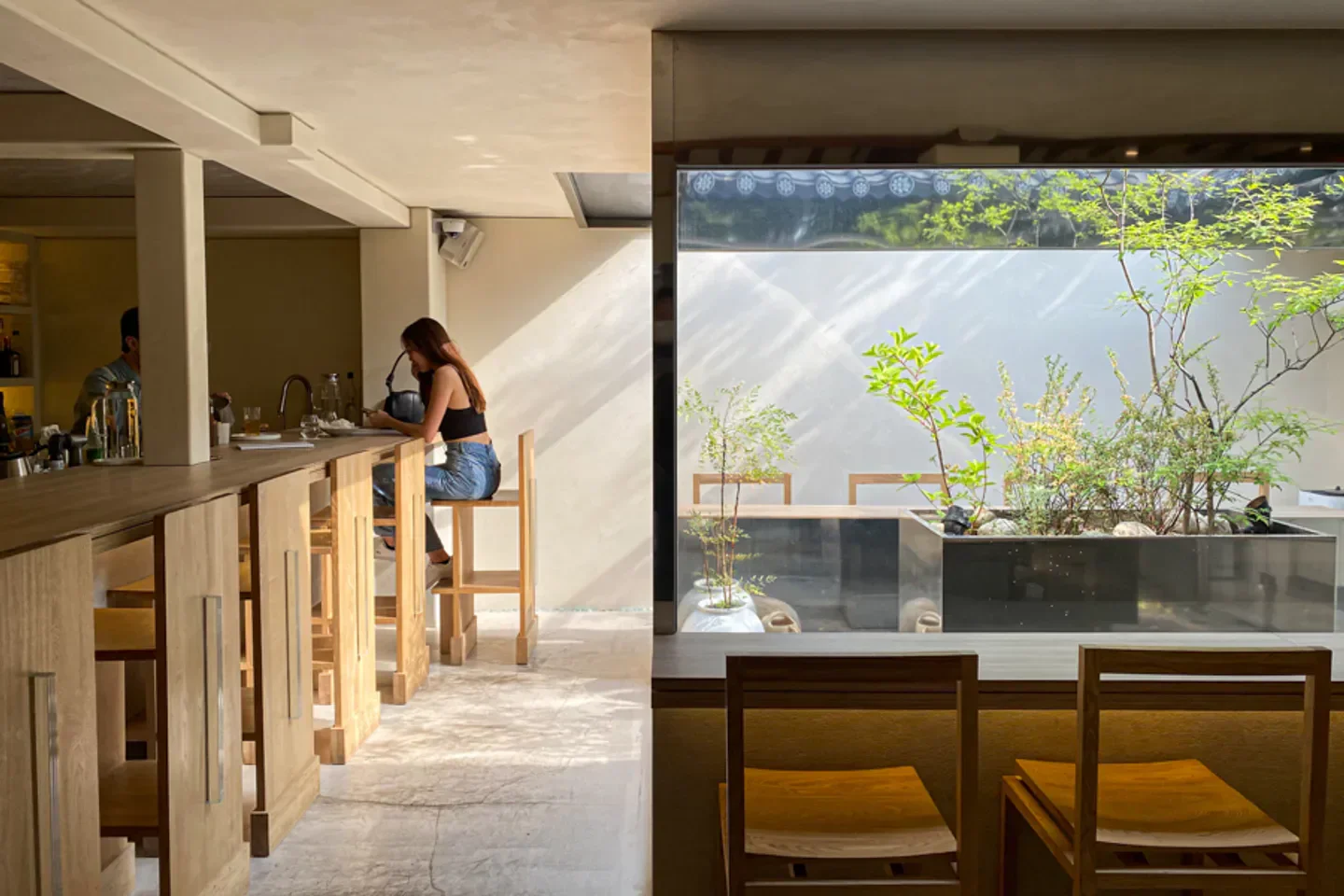
© Photo Credits: Gong-Gan
01.Gong-Gan
What is it? Gong-Gan brings a sharp, architectural focus to the Seoul dining scene. The name translates to “Space.” The restaurant delivers exactly that. It is a minimalist environment where the design matters as much as the menu. You feel the city’s high-speed energy drop away the moment you step inside.
Why we love it: The atmosphere is built for quiet, intentional moments. Staff members manage the floor with precision. This keeps the room feeling calm and composed even during the busiest shifts. It is a rare find that values the stillness of the room as much as the meal itself.
Good to Know: The seating at Gong-Gan is positioned to maximize personal space, ensuring your conversation stays private even when the house is full.
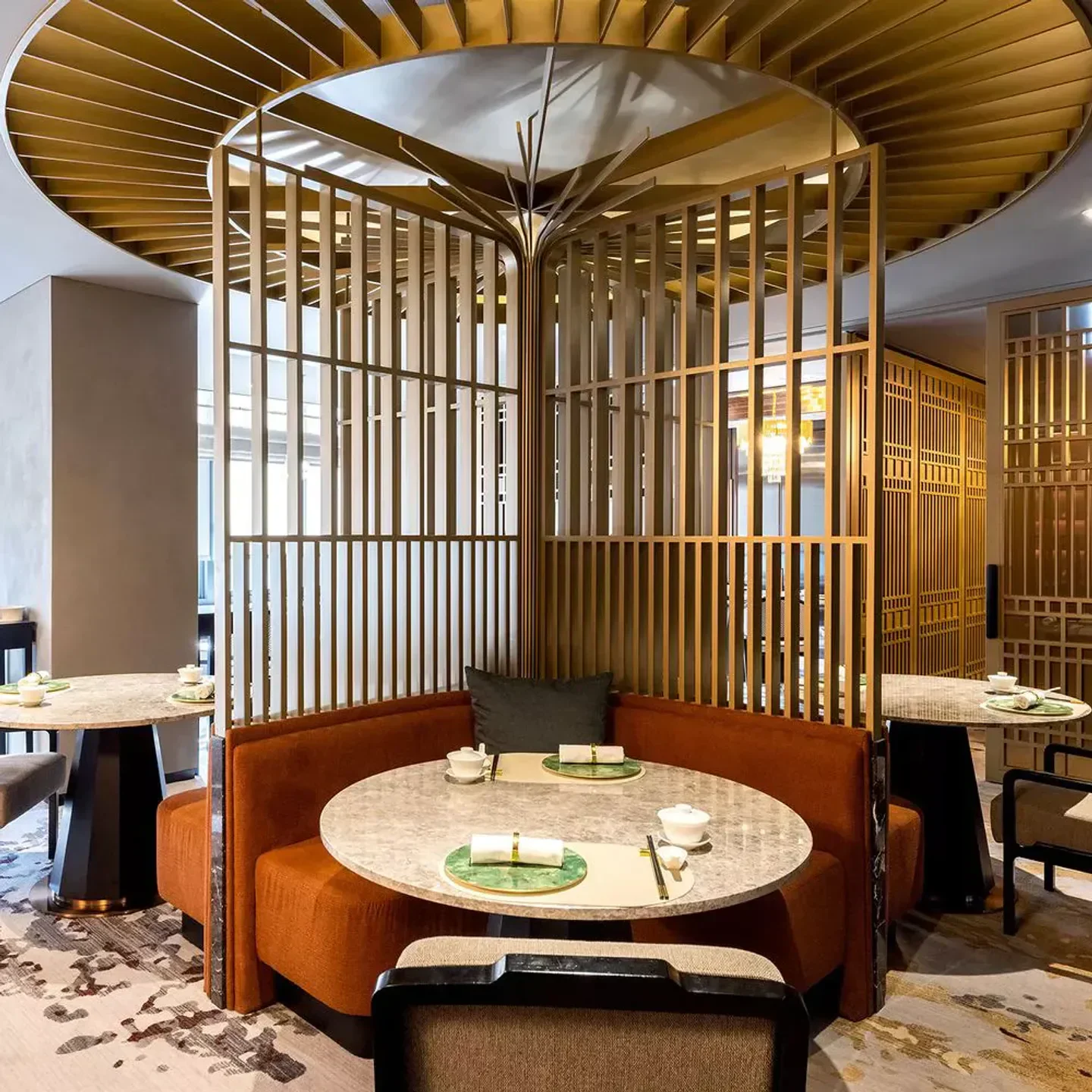
© Photo Credits: Haobin
02.Haobin
What is it? Haobin is a sharp, polished restaurant in Seoul that feels like a masterclass in modern restraint. The space commands attention with its intentional design and a crowd that knows exactly why they are there. It is the kind of room where the city’s frantic energy immediately gives way to a sense of focused calm.
Why we love it: A high-functioning kitchen anchors the experience, providing a rhythmic backbeat to the low hum of conversation. We love how the staff anticipates every need, moving through the room with a precision that makes the evening feel like a choreographed event. Every detail, from the way the light hits the table to the effortless service, creates a genuine sense of occasion.
Good to Know: The Peking duck at Haobin arrives with skin so crisp it shatters like glass, paired with paper-thin pancakes and a rich, savory sauce.
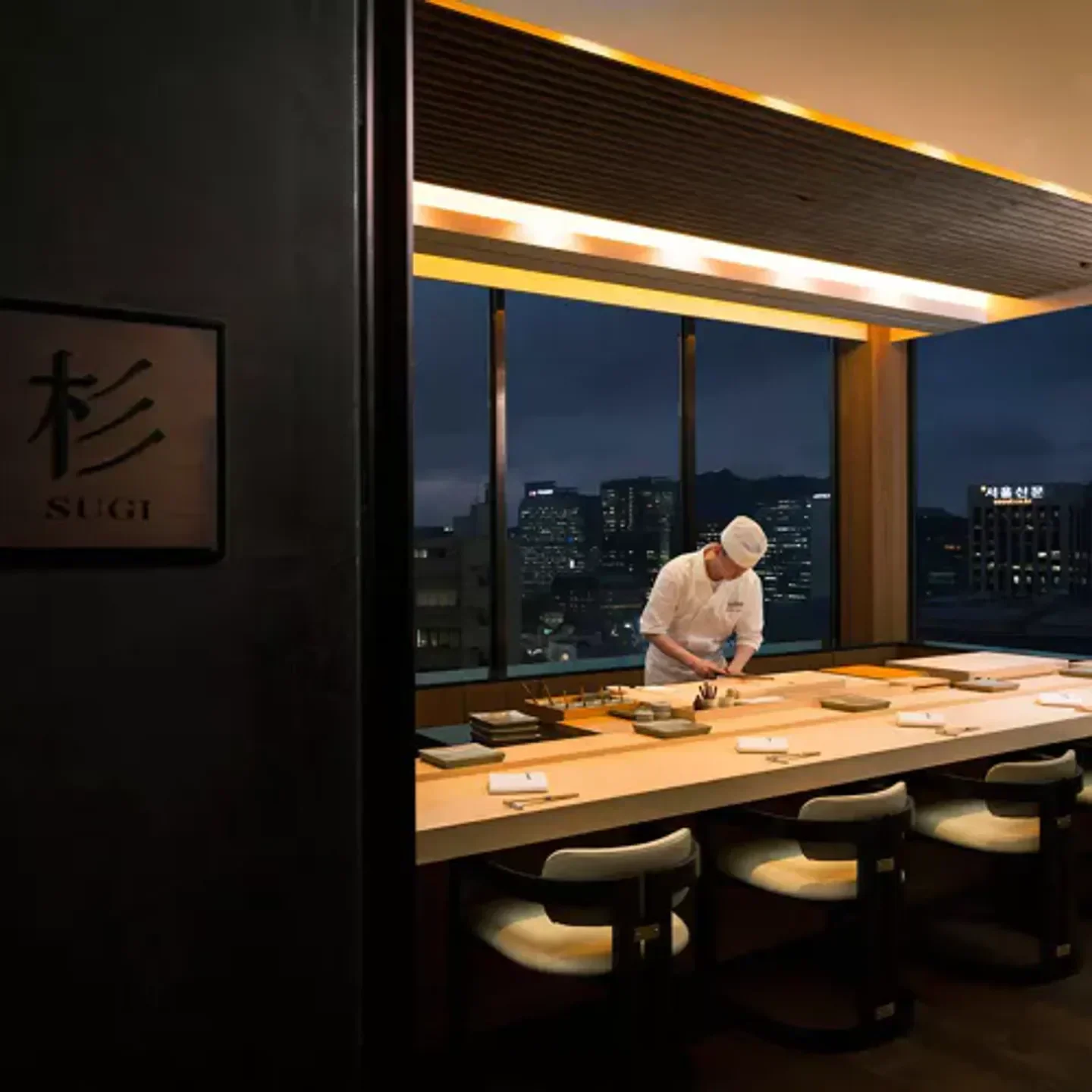
© Photo Credits: Sushi Cho
03.Sushi Cho
What is it? Sushi Cho anchors the high-end dining landscape in Seoul. The room feels stripped back and focused. You notice the sharp, rhythmic sound of knives on wood the moment you step inside.
Why we love it: The atmosphere stays calm even during a busy service. Chefs move with a practiced grace that turns the meal into a steady, rhythmic experience. It’s an exercise in restraint and technical mastery where the focus remains entirely on the craft.
Good to Know: Securing a spot at the main counter of Sushi Cho allows you to witness the chefs’ technical precision up close.
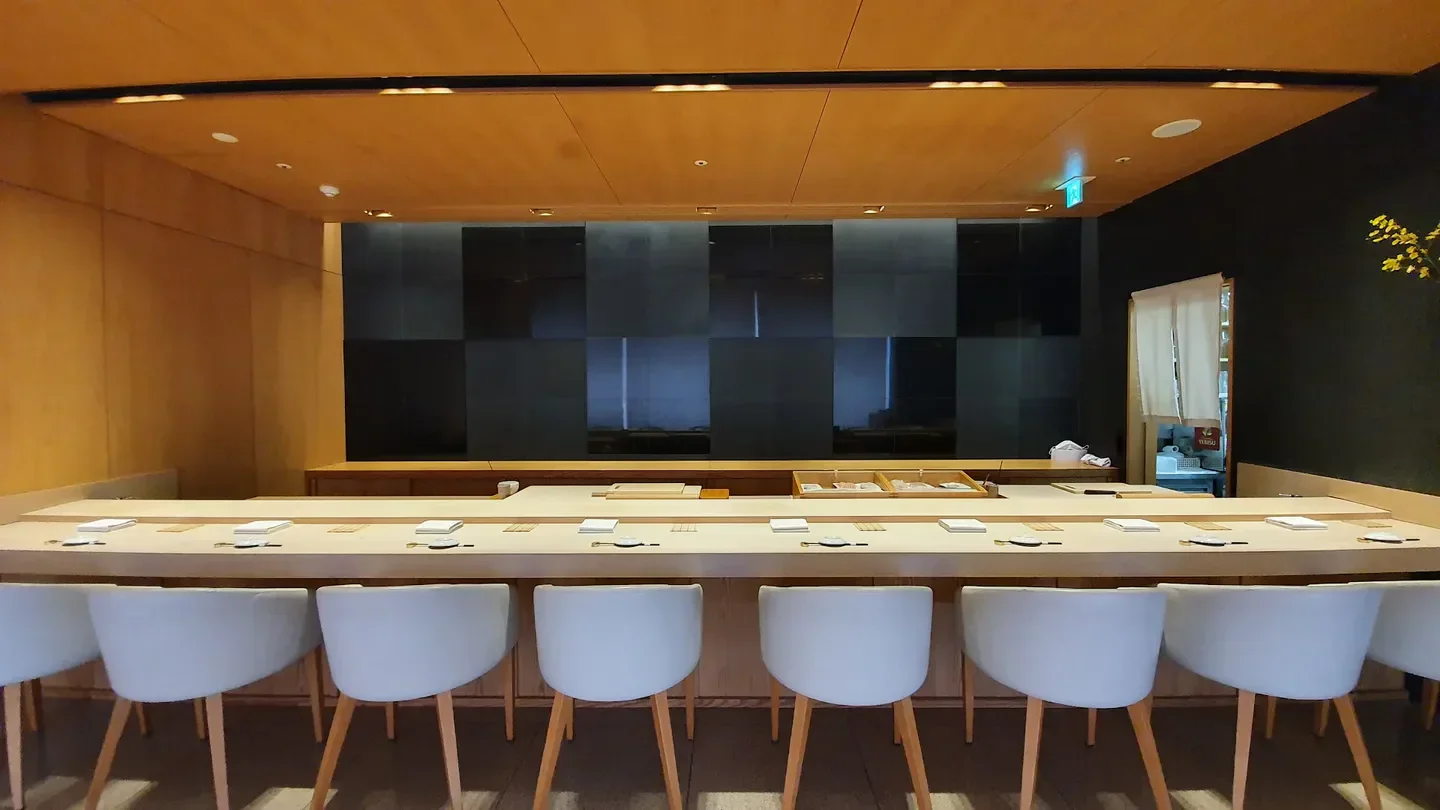
© Photo Credits: Kojima
04.Kojima
What is it? Kojima brings a minimalist approach to the Seoul dining scene. The space feels stripped-back and intentional. A wide wooden counter dominates the room, focusing all attention on the chef's hands.
Why we love it: The meal follows a strict omakase format that prizes Japanese technical precision. Chefs slice seasonal fish with clinical accuracy. To complete the experience, the staff pours curated sake and wine pairings that match the delicate flavors of each course.
Good to Know: The counter at Kojima provides the only vantage point to watch the chef’s knife work during the omakase service.
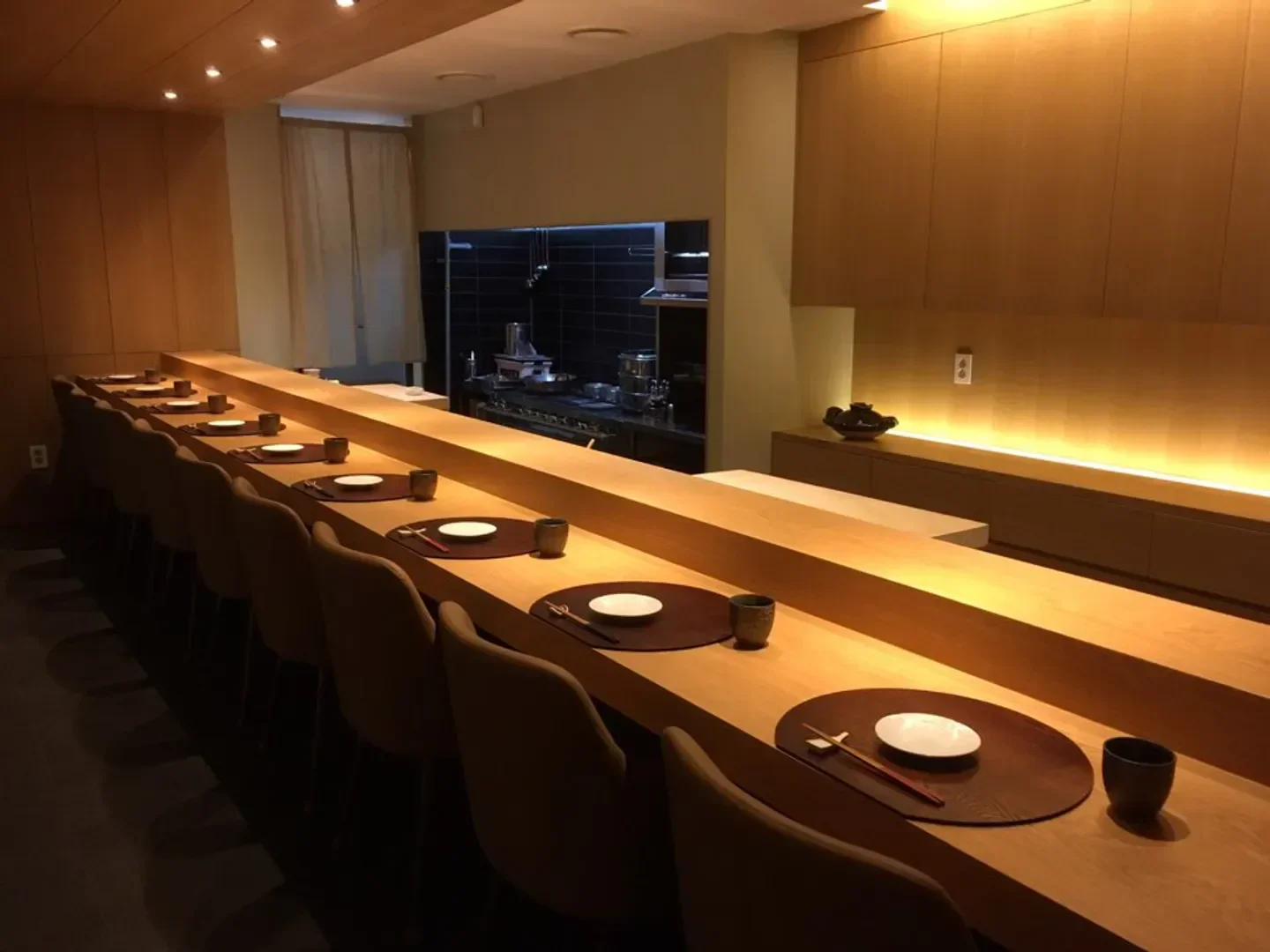
© Photo Credits: Mitou
05.Mitou
What is it? Mitou brings a sense of quiet discipline to Seoul’s fast-paced dining scene. The space feels stripped-back and intentional, focusing all your attention on the work happening in the kitchen. You settle in and leave the frantic energy of the streets behind the moment you cross the threshold.
Why we love it: The energy here centers on the interaction between the guest and the kitchen. We love how the chefs maintain a steady, focused rhythm throughout the night. It feels like a carefully timed performance where every movement is lean, purposeful, and executed with synchronized grace.
Good to Know: The seasonal rice course at Mitou highlights ingredients at their absolute peak and serves as the standout anchor for the entire menu.
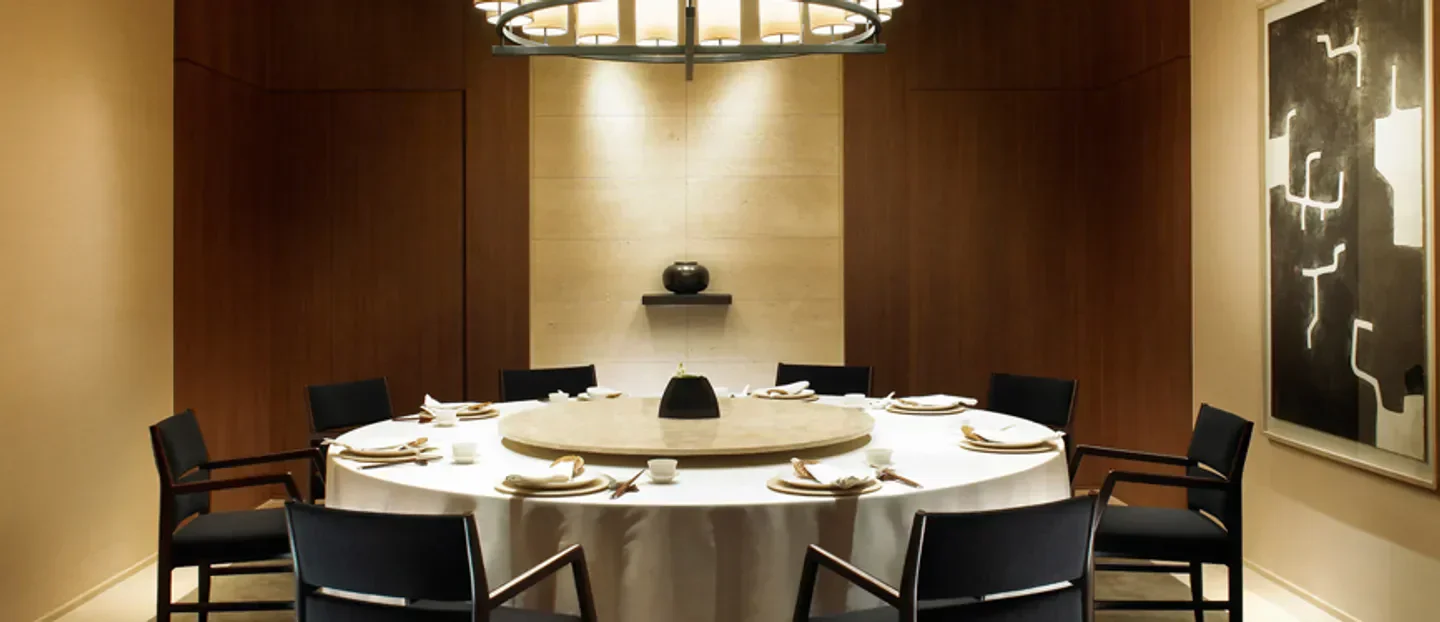
© Photo Credits: Palsun
06.Palsun
What is it? Palsun defines Seoul’s fine dining landscape. The space exudes a quiet, focused luxury the moment the elevator doors slide open. Floor-to-ceiling windows frame the city, ensuring every table feels connected to the skyline.
Why we love it: The kitchen treats contemporary Korean seafood with clinical precision. You watch the chefs plate each course in the open kitchen, their movements rhythmic and precise. The room stays hushed, turning an evening here into a deliberate, romantic experience.
Good to Know: The seafood-forward menu at Palsun demands a crisp, dry white wine pairing to cut through the depth of the contemporary Korean preparations.
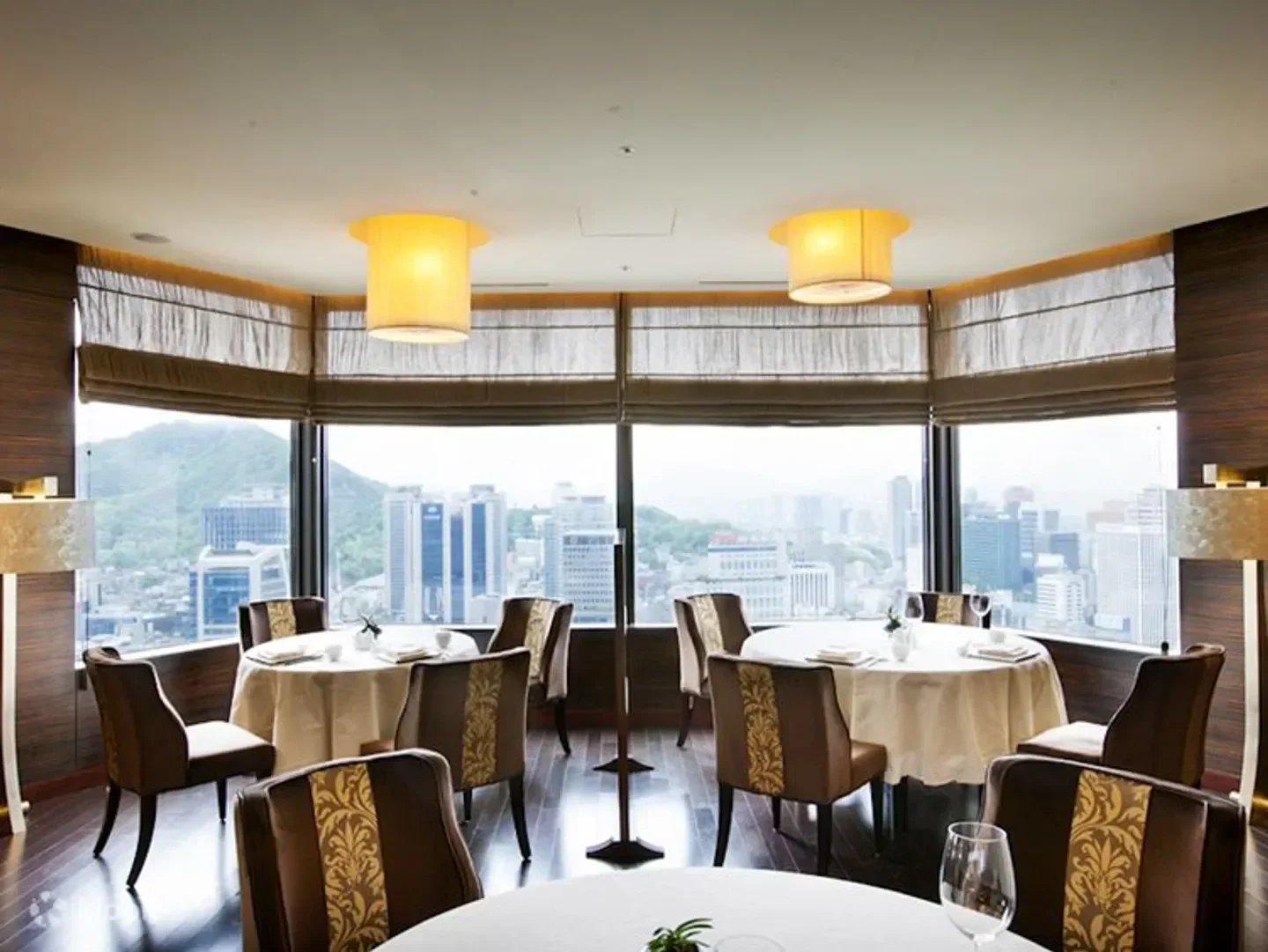
© Photo Credits: Toh Lim
07.Toh Lim
What is it? Toh Lim anchors the Seoul dining scene with a sharp, intentional presence. The room hums with a focused energy. It is a restaurant built for those who appreciate a disciplined environment where the city's pace finally slows down.
Why we love it: Servers move through the space with practiced ease. They time each arrival to match the natural breaks in your conversation. The atmosphere feels solid and permanent, lending a sense of weight to even a standard meal.
Good to Know: The acoustics at Toh Lim allow for hushed tones to carry perfectly across the table while blurring the chatter from the surrounding room.