Tokyo dining demands total specialization. Visitors frequently hunt for broad menus, but the city’s strength lies in the singular craft of the dedicated specialist. A master devotes decades to one technique, whether adjusting the precise temperature of a tempura batter or managing the fermentation of rice for nigiri. Reservation systems favor regular guests, often blocking those without a personal introduction or a concierge with deep local ties. Mastering this closed-loop culture matters more than following viral trends.
Neighborhoods dictate your dining rhythm. The narrow alleys of Shinjuku contain cramped, counter-only spaces where smoking often remains permitted and the menu is fixed by the daily market haul. Across town, Ginza turns basement dining into a silent, choreographed performance where punctuality dictates your standing with the chef. Between these hubs, residential streets in Setagaya host intimate kitchens that operate without signage, relying on local foot traffic rather than digital buzz. Success requires mapping your evening by train line rather than geography.
Here is where to start.
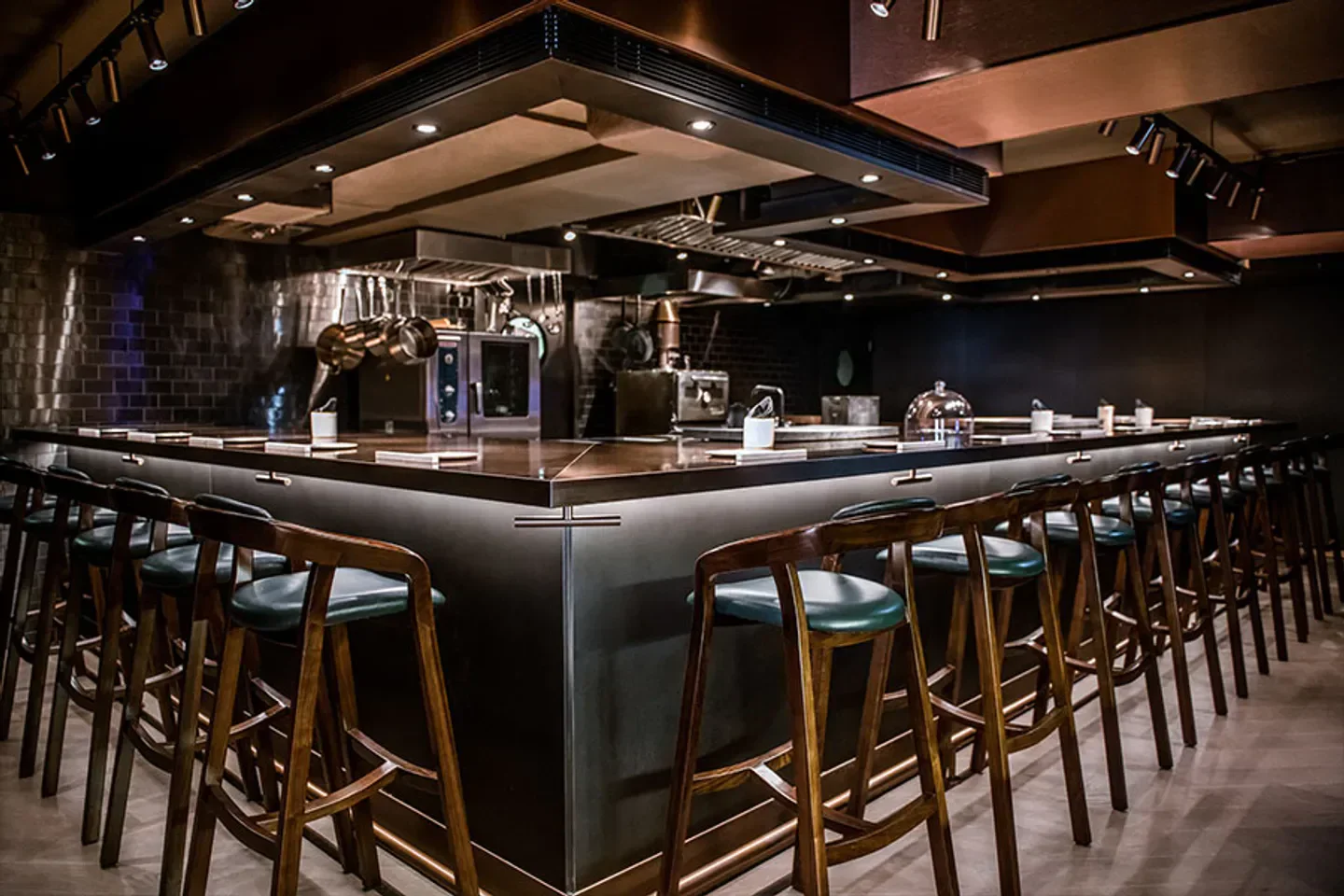
Photos: WAGYUMAFIA
01.WAGYUMAFIA
What is it? WAGYUMAFIA sits inside The Sh One building in Toshima City. It holds a La Liste show-to-table award and carries a Michelin star.
Why we love it: This destination commands a high price for a reason, evidenced by a 4.95 rating from over 3,400 diners. It succeeds by pairing the precision of Japanese sushi techniques with the intensity of high-end grills, making it a rare fine dining space that manages to feel both private and romantic. You are less than a twenty-minute walk from the National Art Center, Tokyo, placing you in a quiet pocket of the city despite the proximity to Roppongi Hills.
Good to Know: The kitchen at WAGYUMAFIA requires a strict smart and elegant dress code to match the caliber of the grill work on display.
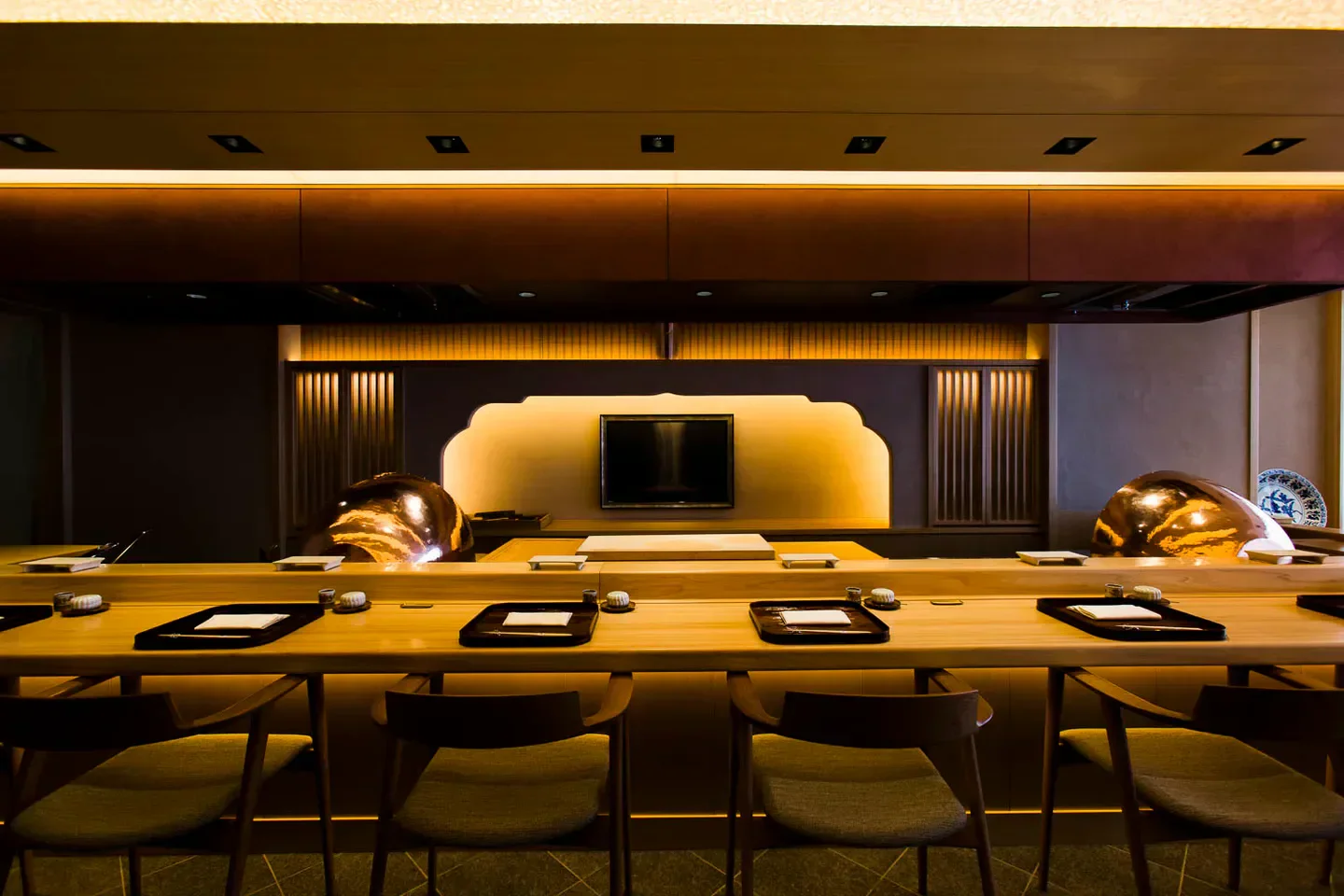
Photos: Takiya Tempura
02.Takiya Tempura
What is it? Takiya Tempura sits in Azabujuban, an eleven-minute walk from the Arisugawa-no-miya Memorial Park. This seafood-focused Japanese fine dining destination holds the no. 51 spot on the 2024 La Liste rankings.
Why we love it: Takiya Tempura commands a rare level of consistency, backed by a 4.73 rating from 158 reviews. By integrating the precision of a high-end seafood menu with the deliberate pacing of a luxury tempura house, the kitchen justifies its place among the most expensive meals in the district.
Good to Know: The kitchen’s approach to seafood requires a smart and elegant dress code to match the focused atmosphere of the counter.
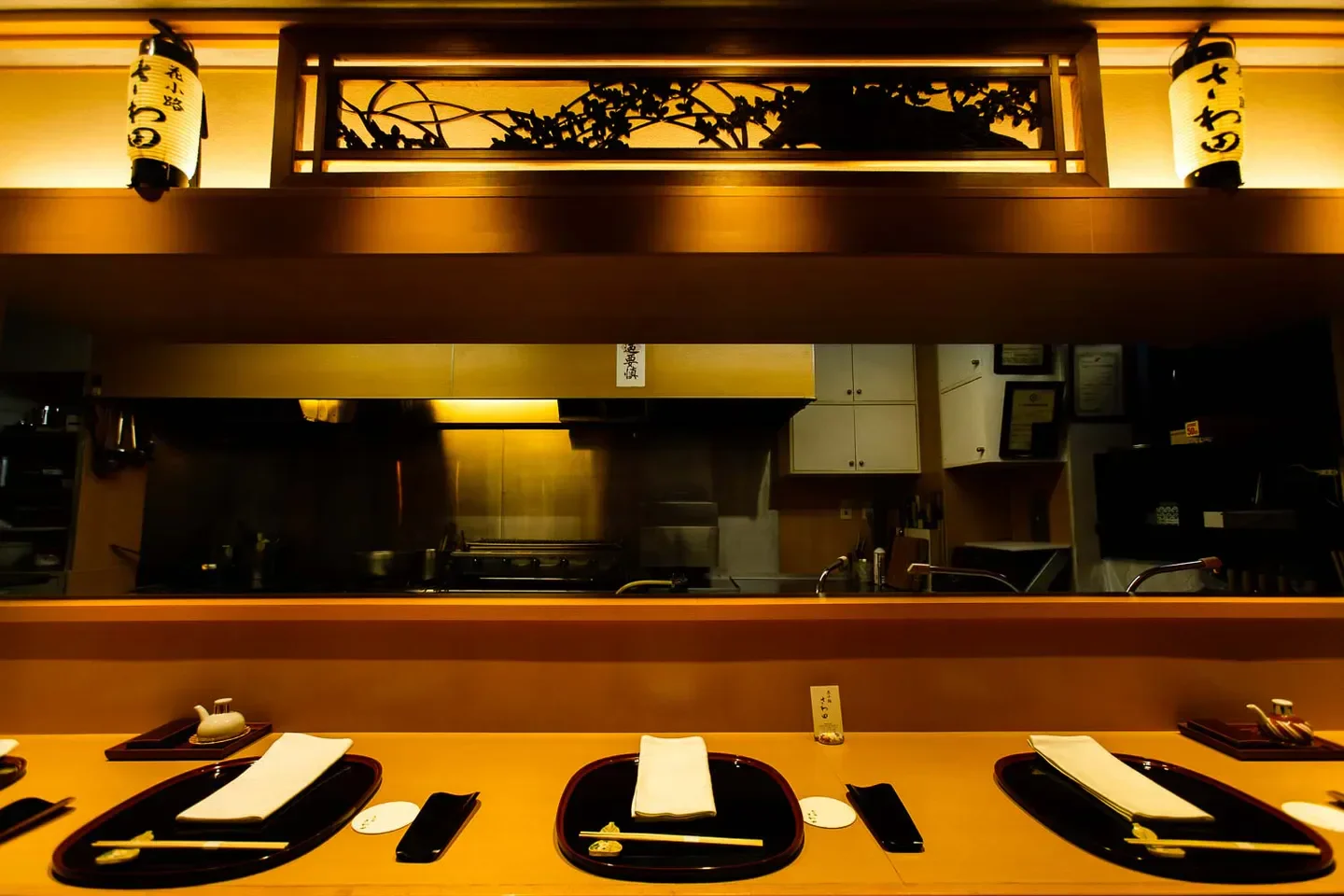
Photos: Sawada
03.Sawada
What is it? Sawada sits in the MC Building in the Ginza district. This Michelin-starred restaurant specializes in sushi and Japanese cuisine. It holds the number 54 spot on the 2024 La Liste ranking.
Why we love it: While many Ginza spots chase trends, Sawada prioritizes a rigorous, fine-dining approach that earns its high guest rating. Being a short walk from both the Ginza Shopping District and the Kabuki-za Theatre, it offers a level of focus and execution that justifies its premium price tier.
Good to Know: The smart and elegant dress code at Sawada reflects the precision required for high-end Japanese sushi service.
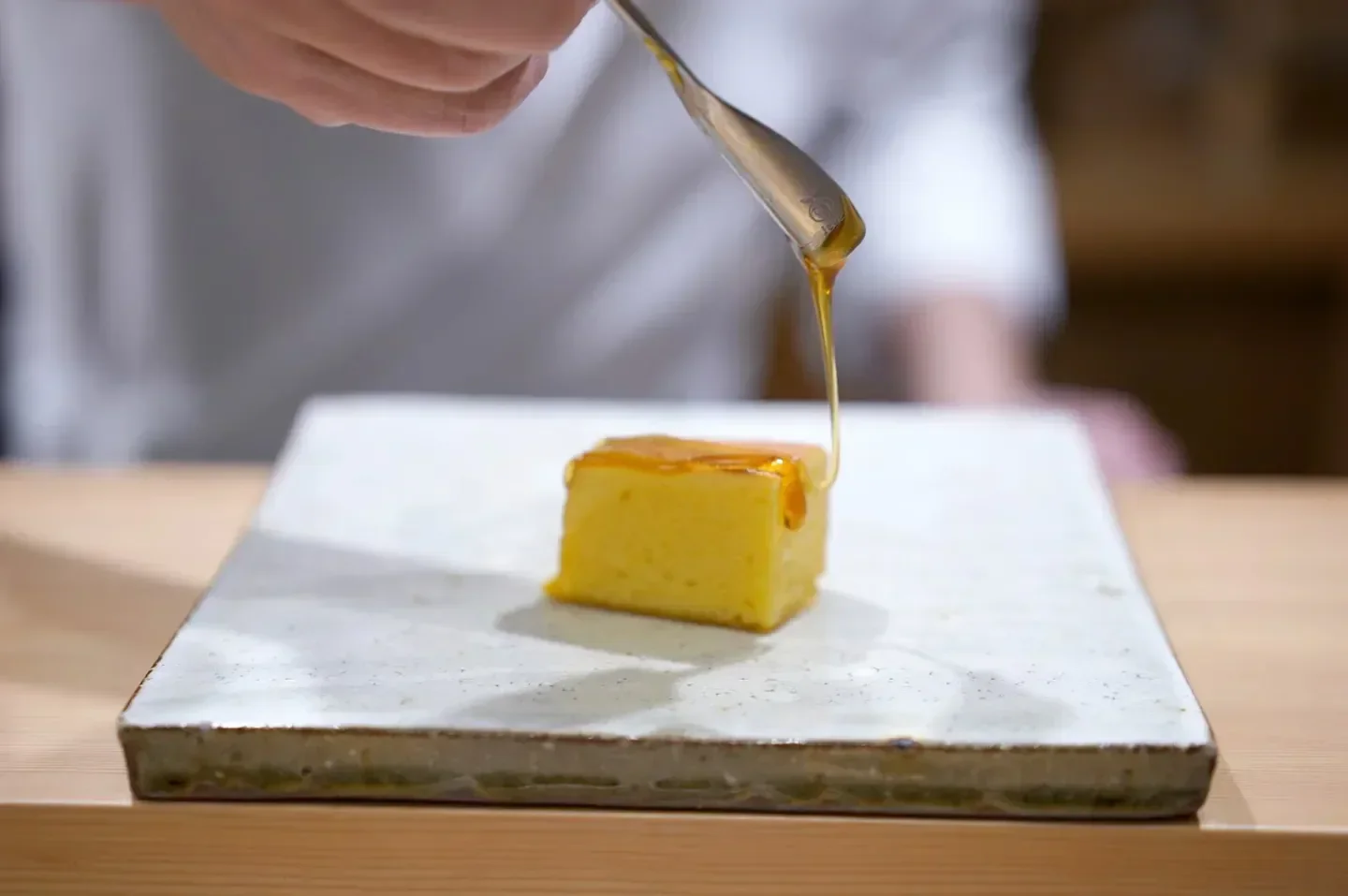
Photos: Higashiazabu Amamoto
04.Higashiazabu Amamoto
What is it? Higashiazabu Amamoto is a traditional Japanese sushi restaurant located at 1 Chome-7-9 Higashiazabu. It holds a place on the 2024 La Liste, ranking at no. 56.
Why we love it: This is a high-priced, fine-dining destination that draws a loyal following, evidenced by a 4.73 rating across 200 reviews. It offers an intimate, romantic atmosphere just a short walk from both Zojoji Temple and Tokyo Tower, providing a sense of seclusion despite its proximity to the landmarks of Minato City.
Good to Know: Given the premium price point and the demand for this traditional sushi experience, ensure your attire meets the smart and elegant dress code before heading to this address near Roppongi Hills.
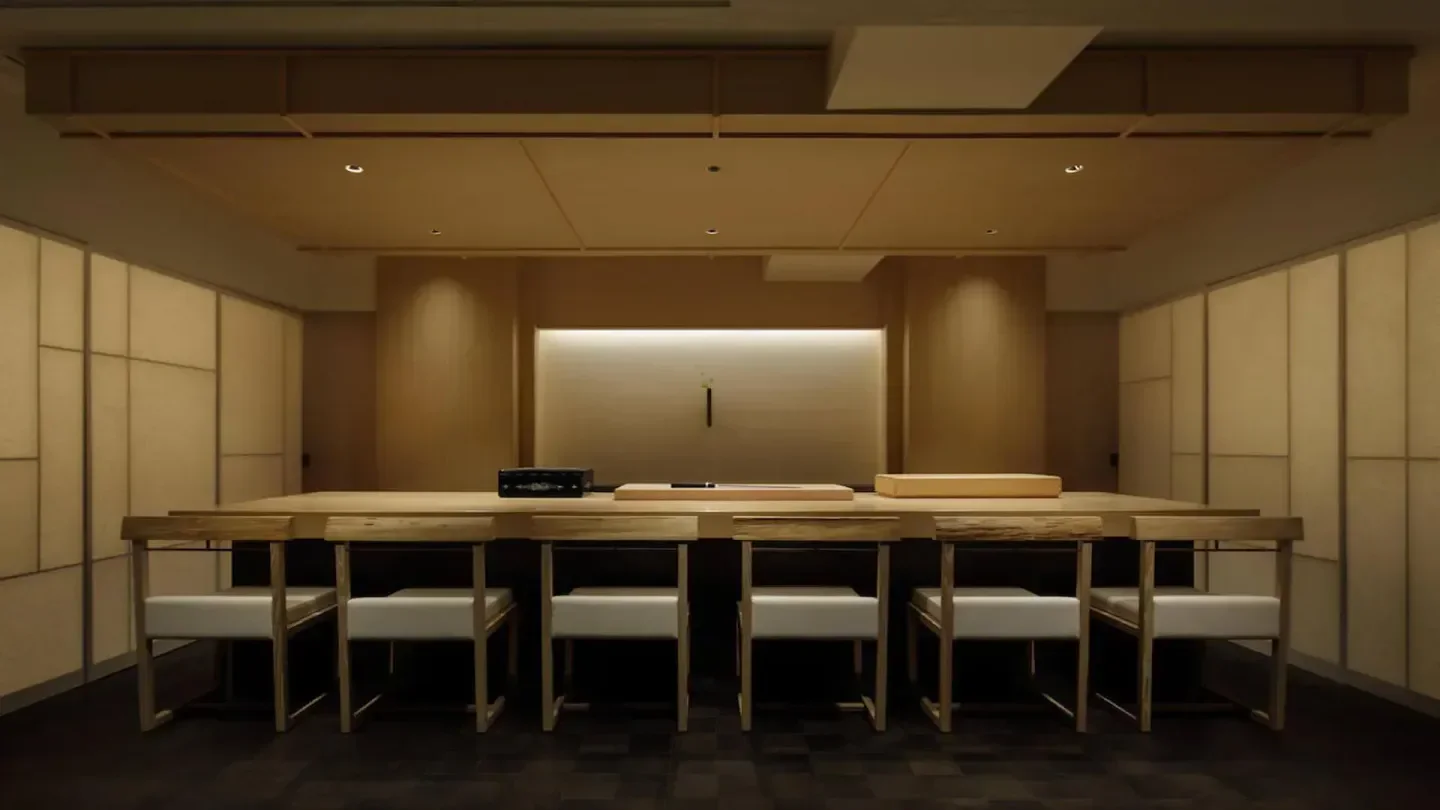
Photos: Hakkoku
05.Hakkoku
What is it? Hakkoku is a sushi restaurant in Ginza, Chuo City, that holds a Michelin star. It sits a four-minute walk from the Ginza Six shopping complex and is within a ten-minute walk of the Kabuki-za Theatre.
Why we love it: This is high-end Japanese seafood presented in a setting designed for quiet, focused dining. With a guest rating of 4.67 from 364 reviews, it commands a premium price point that reflects its commitment to fine dining in one of the city's most competitive districts.
Good to Know: The smart and elegant dress code at Hakkoku implies a formal pace, so prepare for a long-form meal where the focus remains entirely on the progression of the sushi.
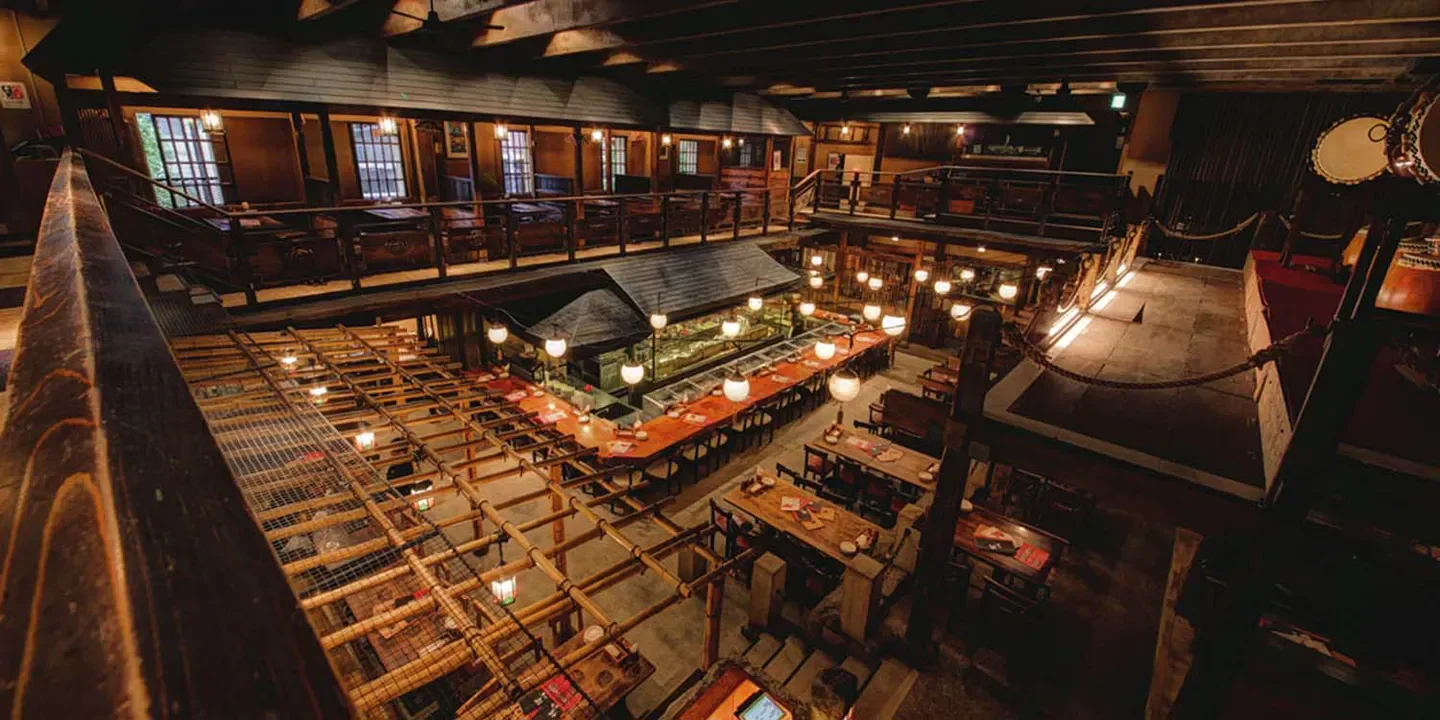
Photos: Gonpachi Nishi-Azabu
06.Gonpachi Nishi-Azabu
What is it? Gonpachi Nishi-Azabu sits at 1 Chome-13-11 Nishiazabu, a location positioned roughly a fifteen-minute walk from Roppongi Hills and just over twenty minutes from Tokyo Midtown. This multi-level restaurant offers a traditional Japanese menu including sushi, balancing a mid-range price point with a wide-reaching reputation reflected in its 4.47 rating from over 6,500 reviews.
Why we love it: While many destinations in Minato City demand a premium for a view, Gonpachi Nishi-Azabu manages a rare, high-energy atmosphere that accommodates both casual dinners and romantic outings. It anchors itself in a bustling sector of the city, successfully pairing a large, traditional dining space with a menu that focuses on the fundamentals of Japanese cuisine.
Good to Know: Given the expansive, multi-story layout of Gonpachi Nishi-Azabu, requesting a table on the terrace provides a distinct shift in perspective from the interior dining hall.
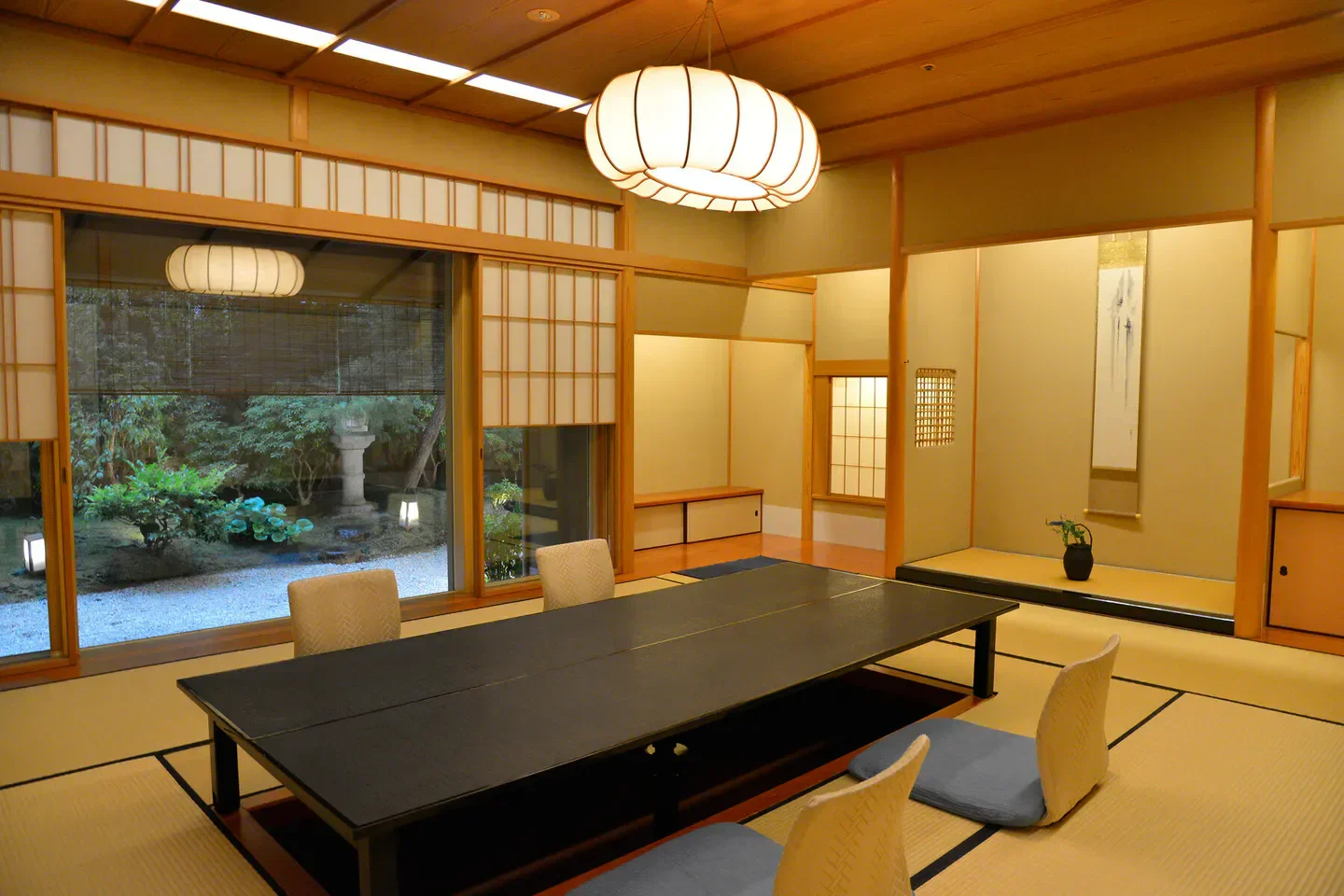
Photos: Daigo
07.Daigo
What is it? Daigo holds a Michelin star and sits in Minato City, approximately a twenty-five-minute walk from Tokyo Tower. It functions as a destination for traditional Japanese and sushi-focused dining.
Why we love it: This venue draws a loyal local following, reflected in a guest rating of 4.72 from nearly 300 reviews. It provides a rare level of consistency in a city known for its high-stakes, expensive fine dining scene.
Good to Know: Daigo requires a smart and elegant dress code to match its status as a luxury destination for traditional Japanese cuisine.
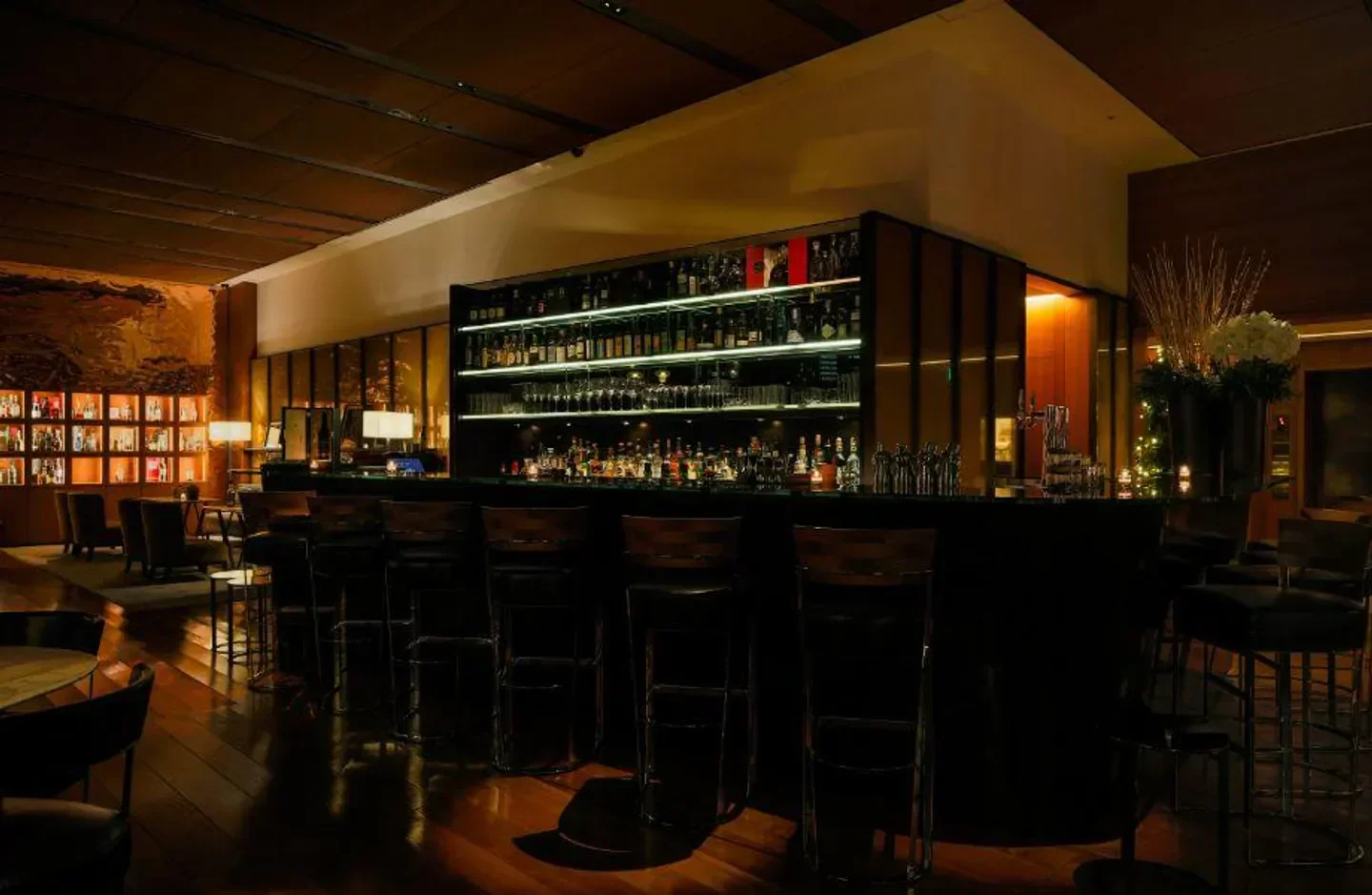
Photos: Bulgari Ginza Bar
08.Bulgari Ginza Bar
What is it? Bulgari Ginza Bar sits in the Ginza district, a mere 100-meter walk from the primary shopping thoroughfares and within a ten-minute stroll of the Kabuki-za Theatre. The restaurant holds a ranking of no. 85 on the 2024 Asia's 50 Best Bars list.
Why we love it: While many venues in the area lean into the frantic pace of local retail, this bar offers a controlled, fine-dining environment that feels removed from the street level. It bridges the gap between classic Italian traditions and the precise service standards expected of a high-end Tokyo destination, justifying its premium pricing for those seeking a quiet, seated experience rather than a hurried drink.
Good to Know: The smart and elegant dress code at Bulgari Ginza Bar is strictly enforced, so consider it a departure from the more casual attire found at the nearby Mitsubishi Ichigokan Museum.
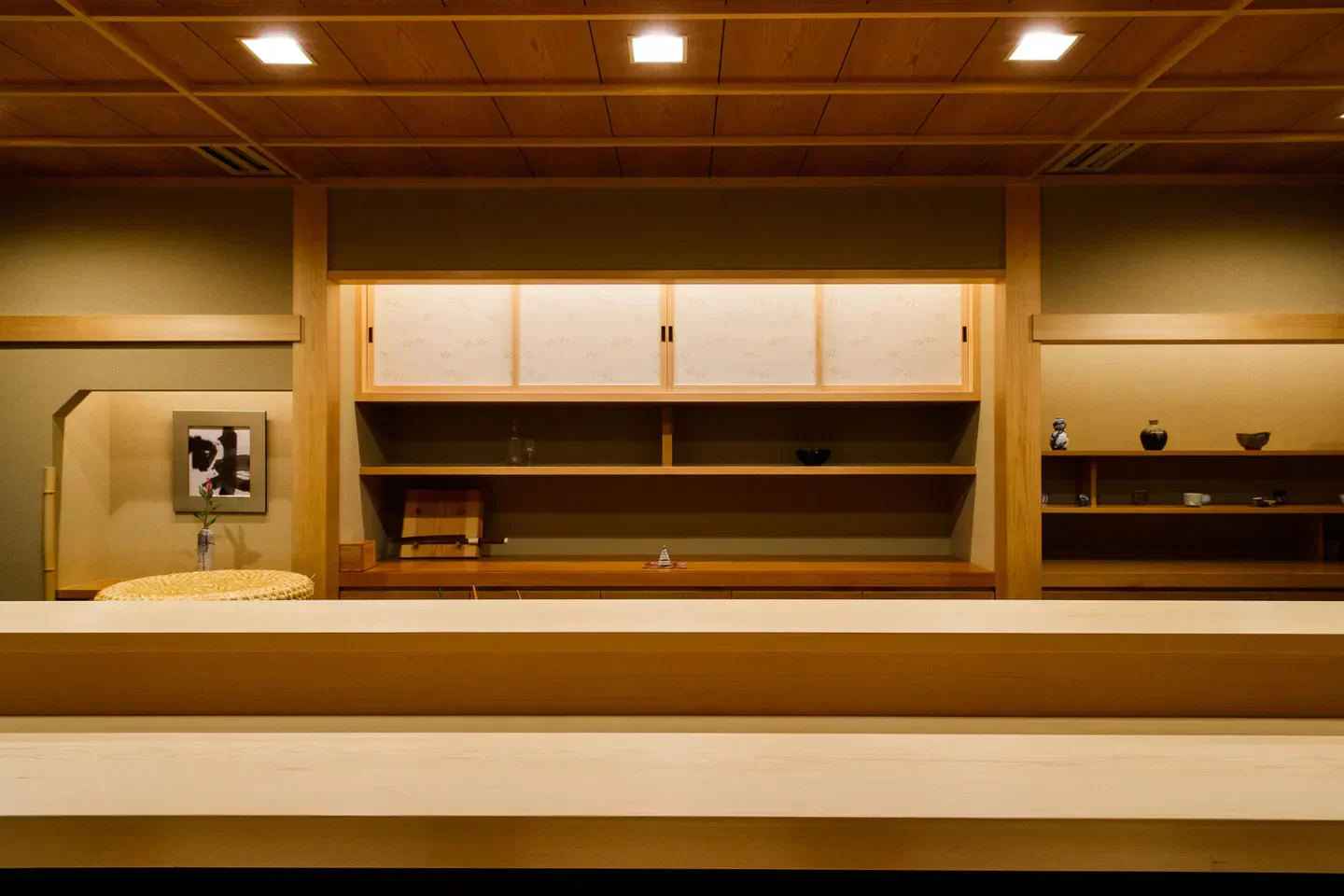
Photos: Sushi Sugita
09.Sushi Sugita
What is it? Sushi Sugita is a fine dining restaurant located in Chuo City, Tokyo. It holds a Michelin star and is currently ranked no. 65 on the Asia’s 50 Best Restaurants list.
Why we love it: The restaurant provides a rare, romantic environment for serious seafood preparation in a city defined by its constant pace. It manages to balance the intimacy required of a top-tier Japanese sushi house with the technical precision that earns its high standing among 314 guest reviews.
Good to Know: Sushi Sugita is an expensive proposition, so ensure your schedule allows for an unhurried, multi-course meal that requires a smart and elegant dress code.
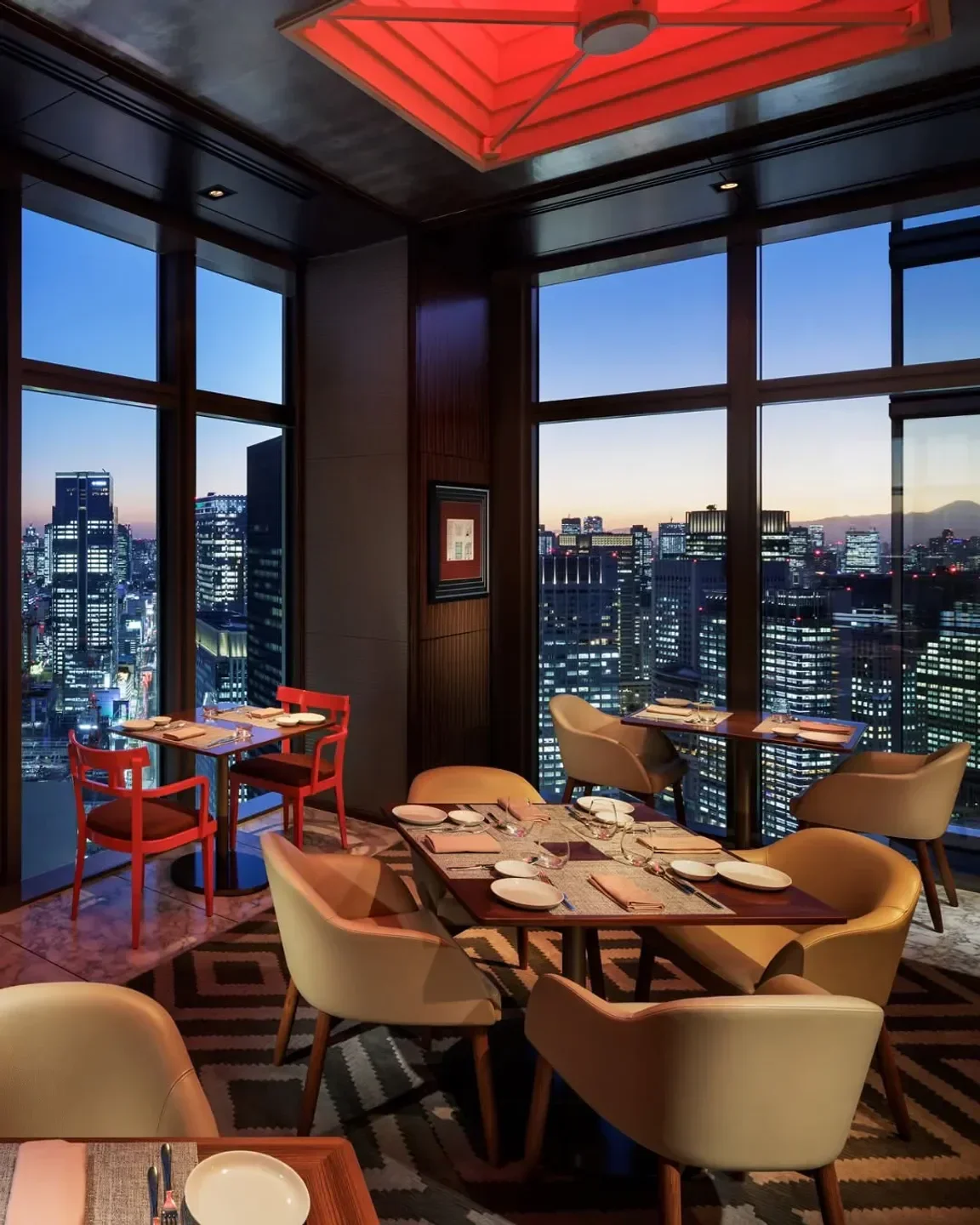
Photos: The Pizza Bar On 38th
10.The Pizza Bar On 38th
What is it? The Pizza Bar On 38th is an Italian restaurant located at 2 Chome-1-1 Nihonbashimuromachi. It sits a short two-hundred-meter walk from the Mitsukoshi Main Store and holds a ranking of 3 in the 2024 50 Top Italy world’s top pizzerias list.
Why we love it: This venue distinguishes itself by maintaining a high 4.71 guest rating across hundreds of reviews while operating within a high-price tier. Its location puts you within walking distance of the COREDO Muromachi Terrace and the Imperial Palace East Garden, providing a quiet, elevated setting for Italian fine dining that avoids the congestion of the larger tourist hubs.
Good to Know: The Pizza Bar On 38th maintains a strict smart and elegant dress code, so save the casual attire for your walk over from the nearby Mitsukoshi Main Store.